
Explore The Hidden Turquoise Swimming Hole In Wyoming That Offers A Unique Foreign Destination Feel
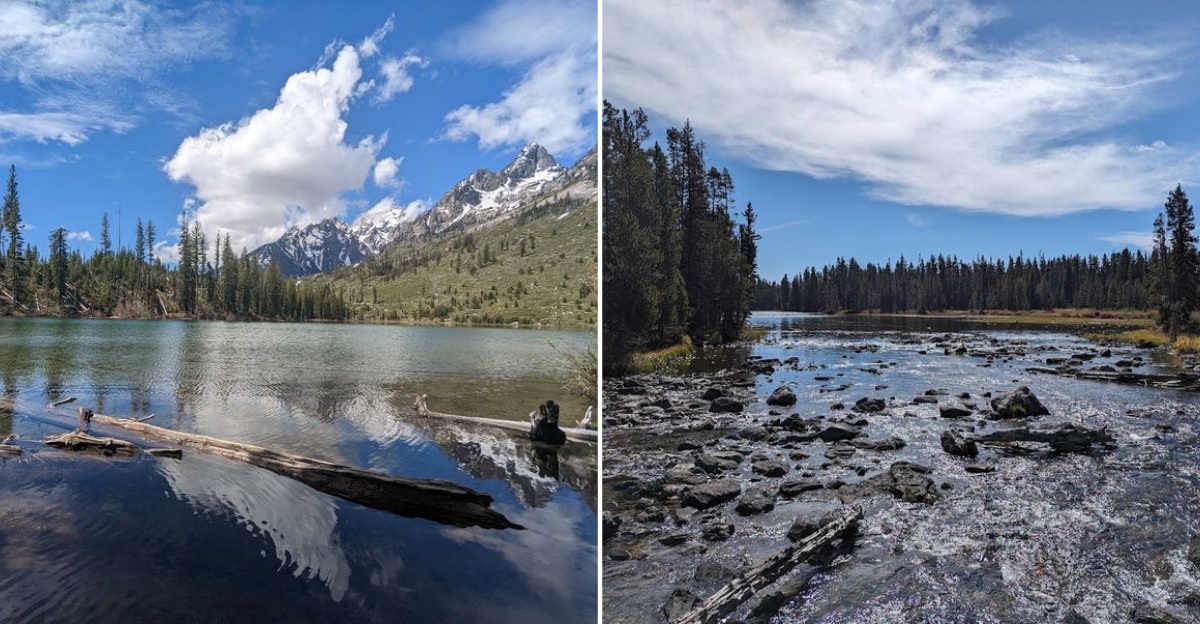
Turquoise water sitting inside Wyoming terrain produces a visual the brain takes a moment to fully accept. The surrounding landscape offers nothing to prepare a visitor for what appears around the final bend in the trail.
The color here belongs to somewhere considerably further away on any reasonable map. Finding it this close feels less like a discovery and more like a geographical joke told at the expense of every expectation carried in from the parking lot.
Swimmers who lower themselves in for the first time tend to go still before saying anything. The water does that without assistance from anyone standing on the bank describing what it looks like.
Wyoming keeps geological surprises distributed across landscapes that discourage casual exploration.
This swimming hole rewards the effort with something so visually improbable that leaving feels like abandoning a place that should not exist but somehow does.
Crystal Clear Waters And Their Origins
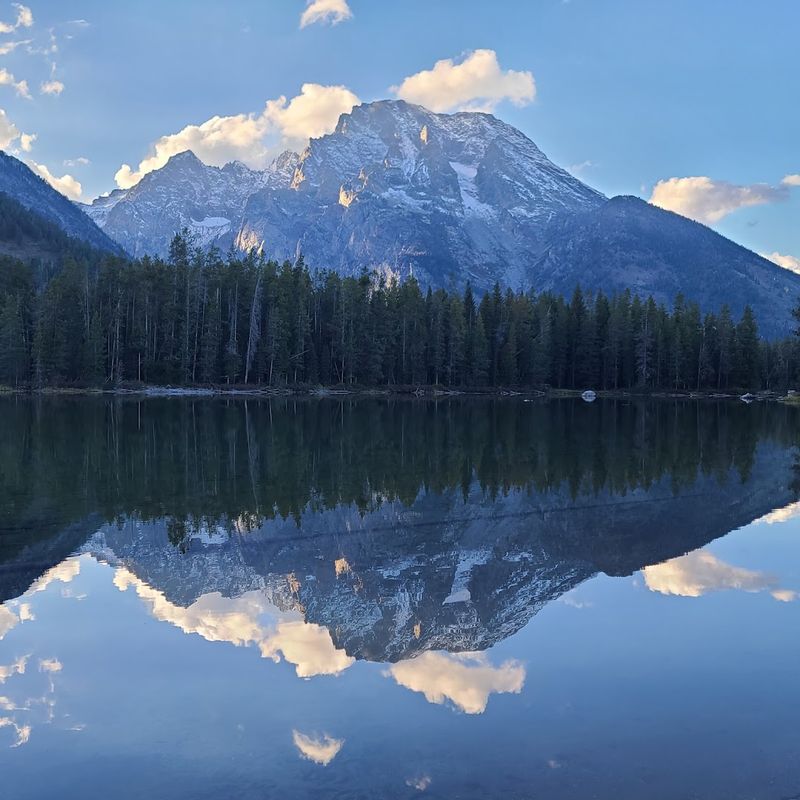
A lake like this gets its stunning turquoise color from glacial origins dating back roughly 15,000 years. Retreating glaciers carved out this shallow basin, leaving behind mineral-rich sediment that scatters light most beautifully.
The result is water so clear you can see the sandy and rocky bottom from the surface.
The lake actually receives its water as an outflow from Leigh Lake to the north. That constant movement keeps the water fresh and clean.
Because String Lake is shallow, sunlight warms it faster than deeper alpine lakes nearby.
That warmth makes a real difference. Most mountain lakes in Wyoming will shock your system the moment you step in.
String Lake feels refreshing instead of punishing, which is a rare gift at this elevation.
The clarity is not just pretty. It also means you can spot rocks and uneven patches before stepping on them.
That makes wading and swimming much safer for kids and casual swimmers alike.
Standing at the shoreline and looking down through that glassy water is genuinely surreal. The Teton peaks reflect off the surface on calm mornings, creating a mirror effect that feels almost too perfect to be real.
Surrounding Natural Flora And Fauna
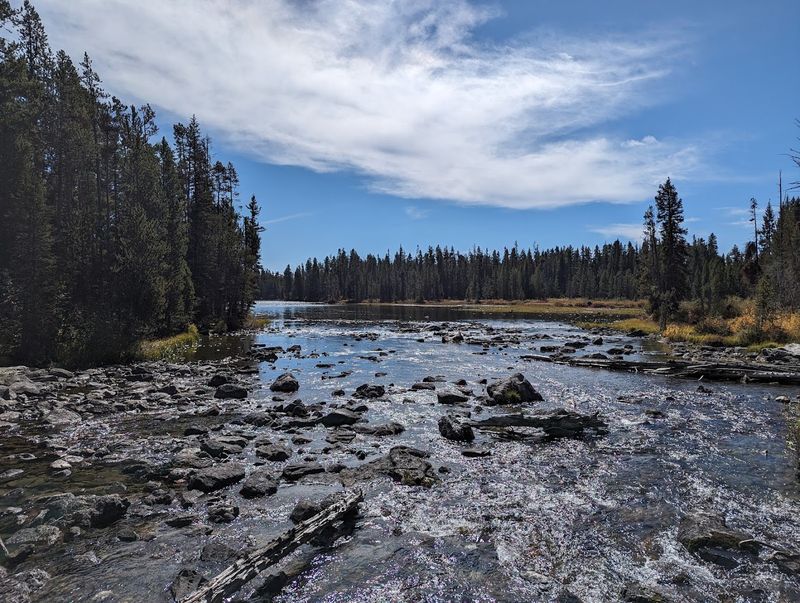
The forest around String Lake is alive in every direction. Tall conifer trees line most of the shoreline, casting cool shade over the water on hot summer afternoons.
Mixed in between are patches of aspen groves that turn golden and electric in the fall.
Huckleberry bushes grow throughout the area and are a favorite food source for local wildlife. Bears especially love them, so keep that in mind when you are wandering off the main path.
The berries ripen in late summer and are worth spotting even if you do not pick them.
Wetland areas near the lake support a different layer of plant life. Sedges, rushes, and marsh plants create habitat for smaller animals and nesting birds.
These zones are easy to overlook but incredibly rich in biodiversity.
The combination of forest, wetland, and open water creates an unusually diverse habitat for one small area. That diversity is part of why so many animal species call this place home year-round.
You are essentially visiting multiple ecosystems at once without realizing it.
Walking the loop trail gives you a front-row view of all of it. The landscape shifts noticeably as you move around the lake.
Each section of the trail feels like a slightly different world tucked inside the same beautiful park.
Seasonal Changes And Their Effects On The Swimming Hole
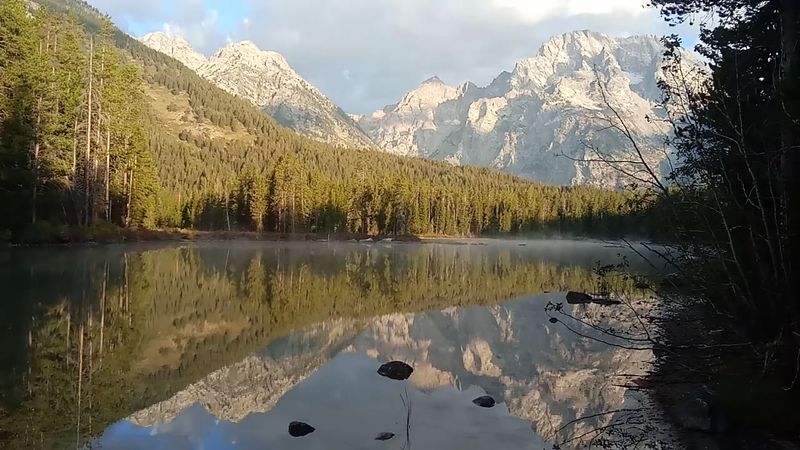
Summer is absolutely the prime season for visiting String Lake. Water temperatures climb to comfortable levels, making swimming genuinely enjoyable rather than a cold-water challenge.
The shallow depth means the lake heats up faster than most alpine bodies of water in the region.
Spring is a whole different story. Snow can linger on nearby trails well into mid-July.
The parking areas and main paths open earlier, but some connecting routes to Leigh Lake or Paintbrush Canyon may still be buried under snowpack.
Fall brings a dramatic visual shift. The aspen trees explode with color, painting the hillsides orange and gold.
Swimming winds down as temperatures drop, but hiking and paddling remain popular through early October.
Winter closes most access to the area, and the lake freezes over completely. That frozen surface becomes a quiet, almost eerie landscape that looks nothing like the turquoise paradise of summer.
Very few visitors see it this way, which makes it its own kind of secret.
Each season genuinely transforms the lake into a different experience. Planning your visit around what you want to do matters more here than at most destinations.
Summer swimmers and fall hikers will both leave with completely different memories of the same place.
Local Wildlife Encounters Near The Water
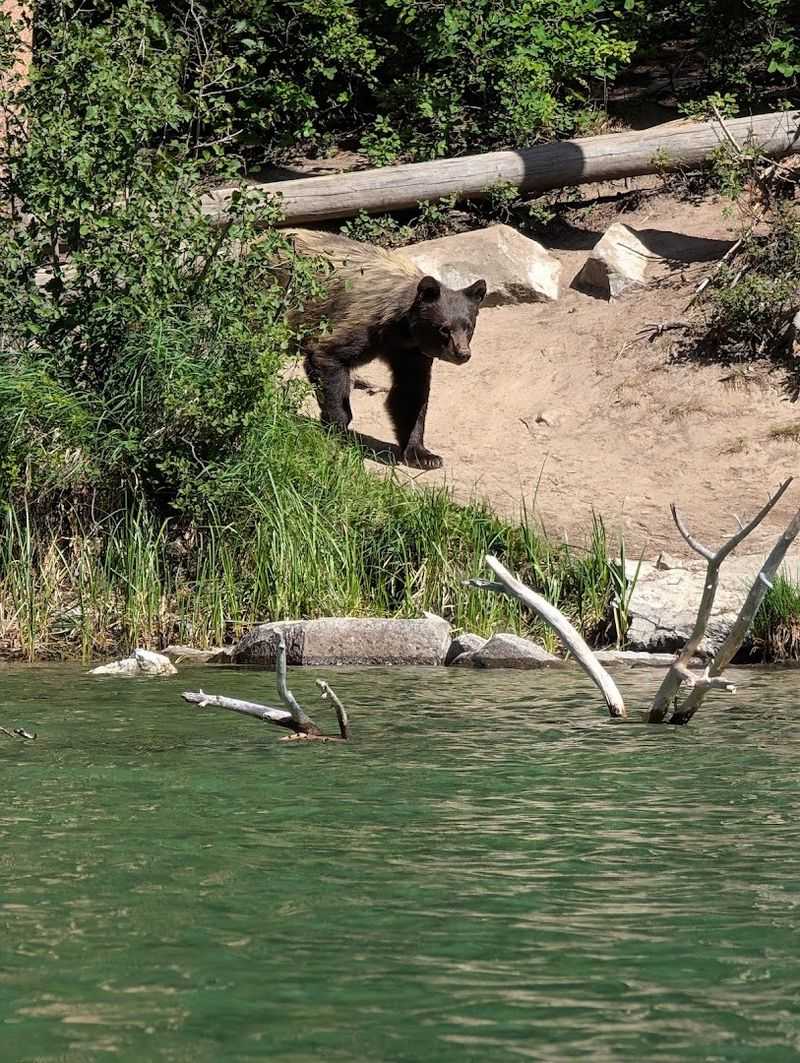
Moose are practically regulars at String Lake. They wade into the shallows to cool off and graze on aquatic plants, and they are surprisingly unbothered by nearby visitors.
Seeing one standing knee-deep in that turquoise water against a mountain backdrop is a moment you will not forget quickly.
Black bears are also active in the area, particularly during late summer when huckleberries are ripe. Elk move through the surrounding meadows and forest, especially during the autumn rutting season.
Their bugles echo across the water in a way that feels prehistoric.
Bird watching at String Lake is genuinely rewarding. Bald eagles and ospreys hunt over the water with impressive precision.
Sandhill cranes pass through during migration, adding a dramatic, ancient quality to early morning visits.
Deer appear frequently along the trail edges, often grazing calmly as hikers pass by. Smaller creatures like squirrels, marmots, and various songbirds fill in the gaps.
The wildlife activity here is constant and layered.
The key rule is simple. Keep a safe distance from all animals, no matter how calm they appear.
Moose, in particular, can move fast and react unpredictably when startled. Watching from a respectful distance keeps both you and the animals safe and stress-free.
Safety Tips For Swimming In Natural Waterholes
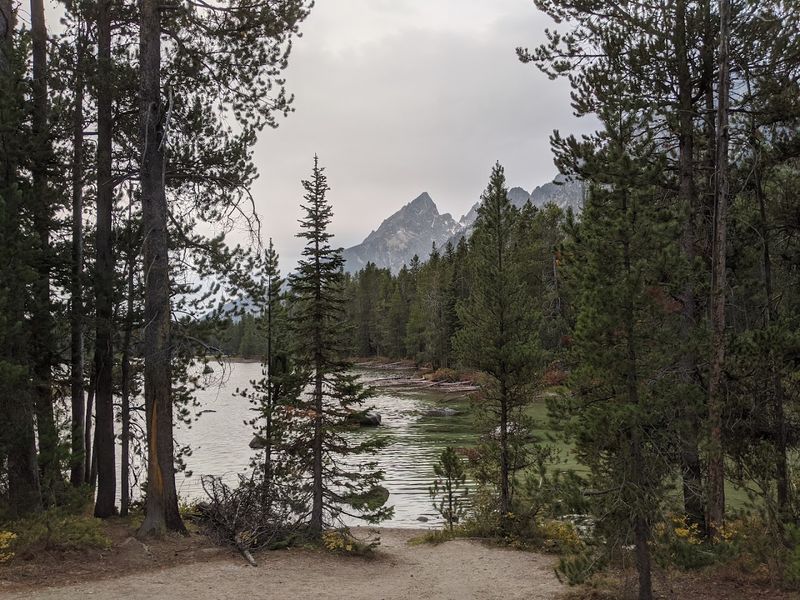
String Lake is warmer than most alpine lakes in the area, but do not let that fool you. The water is still cold by any normal swimming standard.
Getting in gradually rather than jumping straight in helps your body adjust without the shock.
Water shoes are a smart call here. The bottom mixes sandy sections with rocky patches that are hard to predict.
Bare feet work fine in some spots but get uncomfortable fast in others. Shoes also help with traction when walking in and out of the water.
Bear spray is not optional on the trails around String Lake. Bears are genuinely present in the area, especially during berry season.
Carry it on your hip where it is easy to reach, and make sure you know how to use it before you need it.
Sunscreen matters more at elevation than most people expect. The UV exposure at this altitude is noticeably stronger than at sea level.
Apply it before you arrive and reapply after swimming, even on partly cloudy days.
Supervise children closely near the water. The shallow depth is reassuring, but the bottom can drop unexpectedly in certain areas.
The maximum depth reaches around 20 feet in spots. Staying alert and aware makes the difference between a fun day and a stressful one.
Best Times Of Day For Visiting The Turquoise Waters
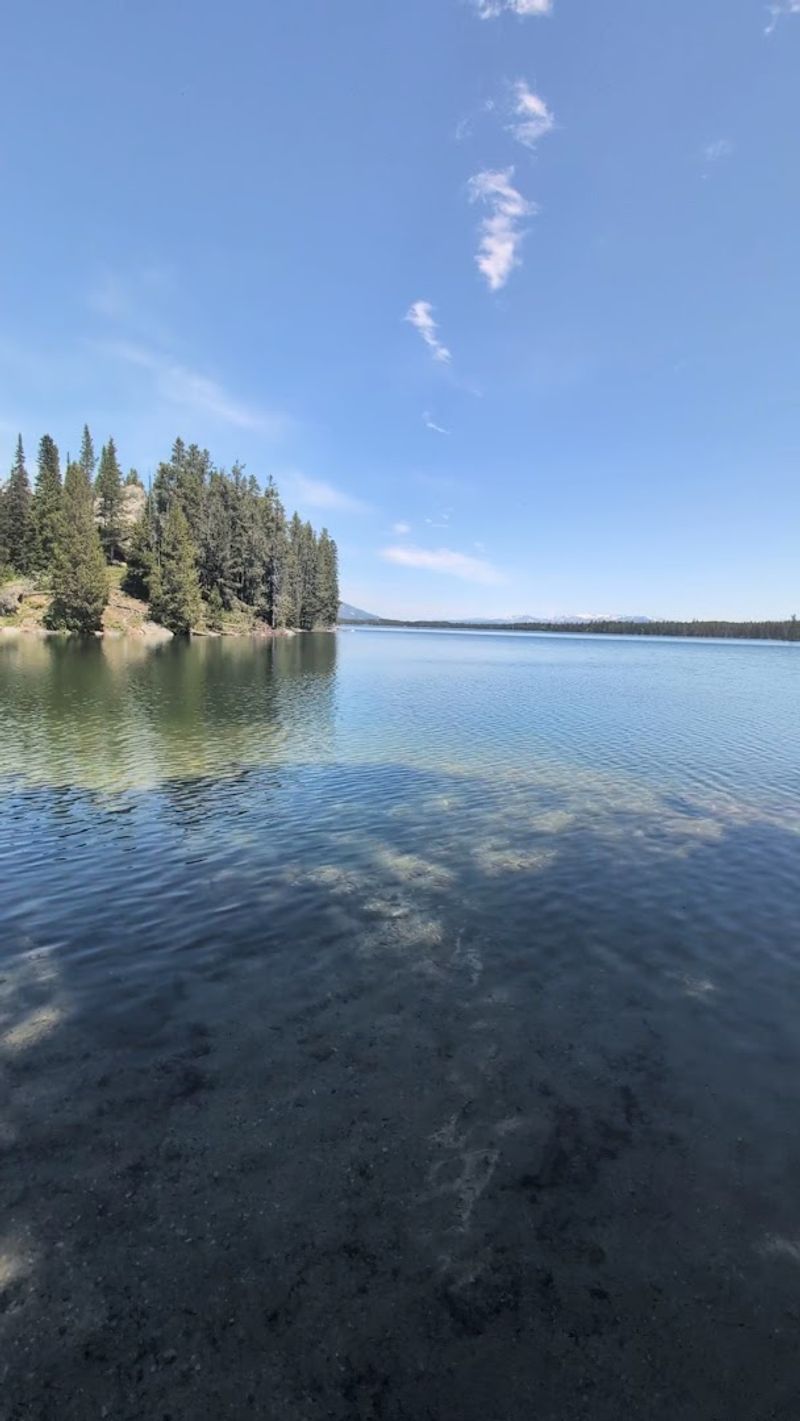
Early morning visits to String Lake are genuinely special. The water sits completely calm before the wind picks up, creating mirror-perfect reflections of the Teton peaks.
Wildlife is most active at dawn, so your chances of spotting a moose or a bald eagle are highest in those first hours.
Parking is the other reason to arrive early. The lot fills up fast, especially on weekends.
Getting there before 9 AM on weekdays and before 8 AM on weekends gives you a real advantage. There is no roadside parking once the lot fills, so timing matters.
Afternoons are the warmest part of the day for swimming. The shallow water absorbs sunlight all morning, reaching its peak temperature by midday.
If swimming is your main goal, arriving around 11 AM to noon gives you the best water temperature.
Late afternoon light is stunning for photography. The sun angles across the Teton range and hits the water in a way that makes the turquoise color pop even more.
Crowds thin out slightly after 3 PM as day-trippers head back.
Dusk brings another wave of wildlife activity. Deer and elk become more visible along the trail edges.
The evening light across the lake is quiet and warm, making it a perfect way to close out a full day at String Lake.
Historical Significance Of The Regional Landscape
String Lake has been around far longer than any of its visitors. The lake formed approximately 15,000 years ago as massive glaciers retreated from the region.
Those glaciers shaped the entire Teton Valley, carving out lakes, ridges, and canyons that define the landscape today.
Long before national park designation, Indigenous peoples called this area home. Paleo-Indians and later Shoshone communities lived here for thousands of years.
They understood this land on a level that modern visitors can only begin to appreciate.
Fur trappers arrived in the early 1800s, drawn by beaver populations in the rivers and lakes. Two of the most notable figures were “Beaver Dick” Leigh and his Shoshone wife, Jenny.
Leigh Lake and Jenny Lake nearby were named in their honor, preserving that history in the landscape itself.
Grand Teton National Park was officially established in 1929. It expanded to its current boundaries in 1950, incorporating more of the surrounding valley.
String Lake became part of a protected system that has kept this area largely unchanged for nearly a century.
That preservation matters. The landscape you see today looks remarkably similar to what Indigenous peoples and early explorers experienced.
That continuity across thousands of years of human and geological history makes String Lake far more than just a pretty swimming spot.
Accessibility And Hiking Trails Around The Swimming Spot
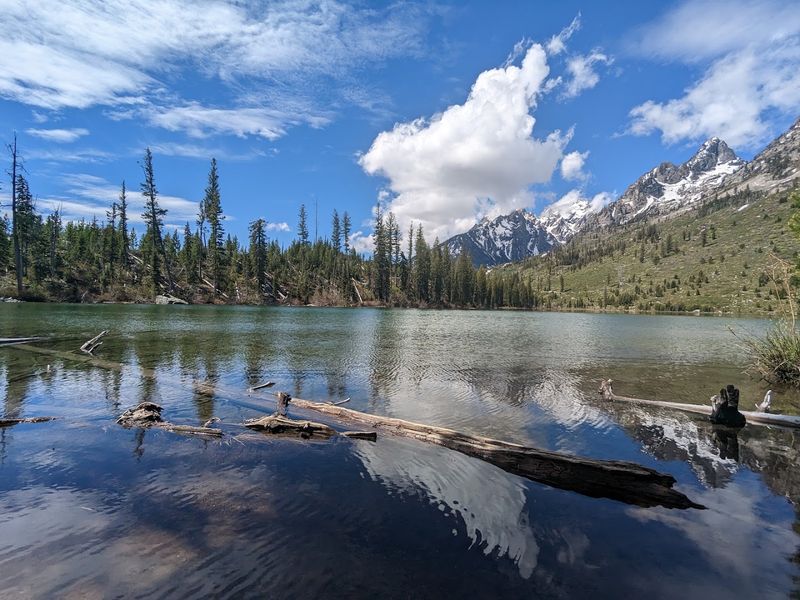
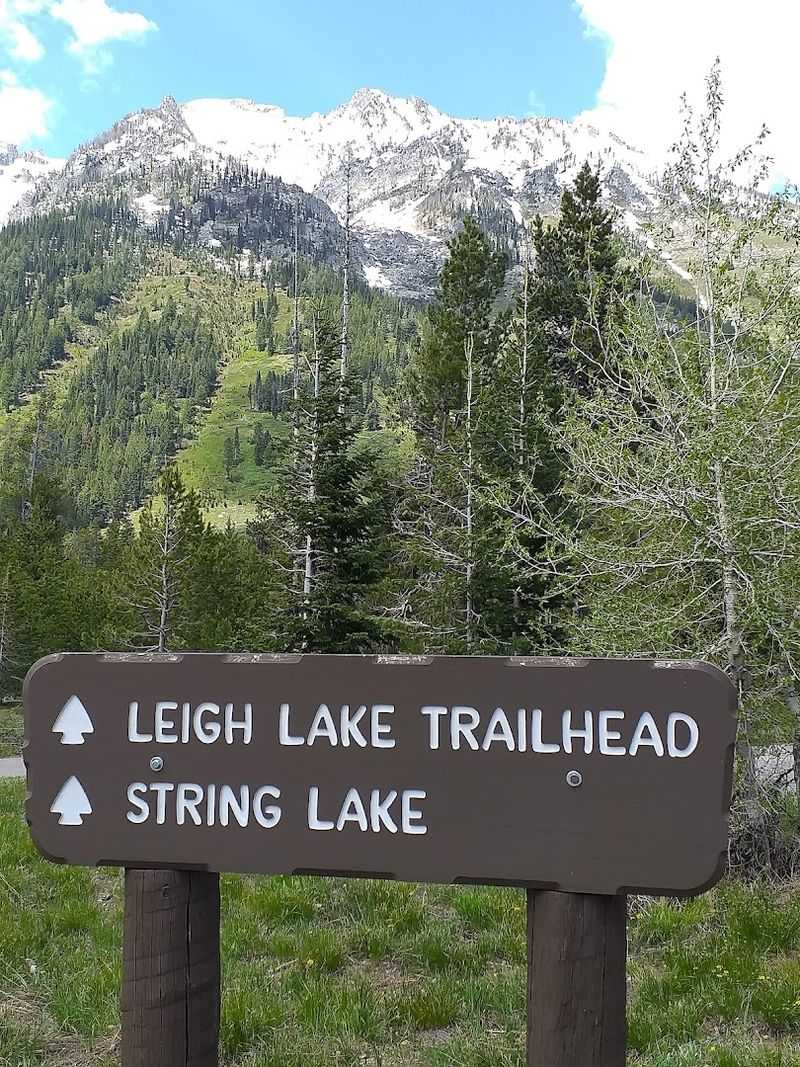
Getting to String Lake is straightforward. A large paved parking area sits right at the trailhead, and the main access road is well-maintained.
Clean restrooms and picnic tables with bear boxes are available at the String Lake Picnic Area, making it a solid base for a full day out.
The String Lake Loop Trail covers about 3.7 miles and is rated easy to moderate. It circles the entire lake with consistent views of both the water and the Teton peaks.
The terrain is manageable for most fitness levels, though one section climbs slightly and loses sight of the lake temporarily.
Families with young children regularly complete the loop without issues. A shorter option connects String Lake to Leigh Lake along a one-mile stretch that stays flat and scenic the whole way.
That route is a great choice if you want to cover less ground but still see two lakes.
More ambitious hikers can connect to Paintbrush Canyon from the same trailhead. That route climbs significantly and offers a completely different level of adventure.
The accessible paths near the lake also accommodate visitors with limited mobility.
Bug spray is worth packing, particularly in summer. Mosquitoes are active in the wooded sections of the trail, especially on the far side away from the water.
A little preparation keeps the hike comfortable from start to finish.