
This Hidden Texas Swimming Hole Offers A Perfect 68 Degree Escape In Every Season
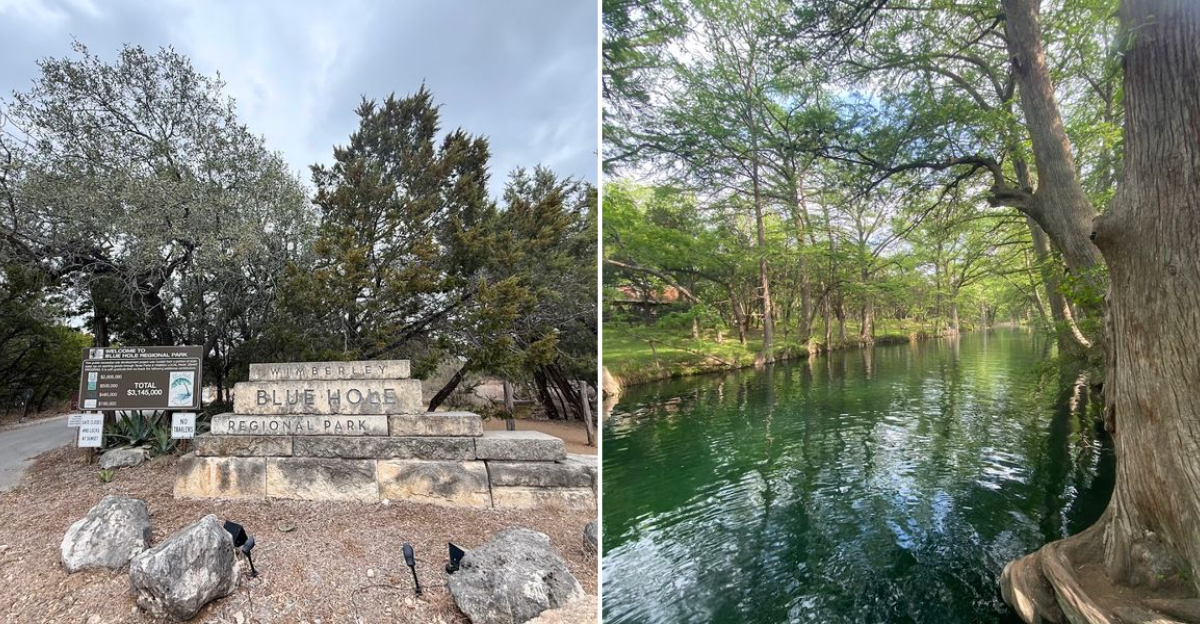
A swimming hole maintaining perfect cool regardless of what the thermometer does outside represents a geological gift Texas wisely kept quiet about. The water here does not negotiate with summer and never has.
Cypress trees, clear water, and a temperature that arrives as physical relief. That combination earns return visits across every season without additional persuasion.
Locals share the directions carefully, aware that awareness directly affects the quality of what waits at the end of those directions. That awareness has kept this place exactly as it should be.
A swimming hole this consistent surviving without a crowd requires either obscurity or quiet loyalty. This one cultivated both without any formal effort.
Water Temperature Benefits For Health
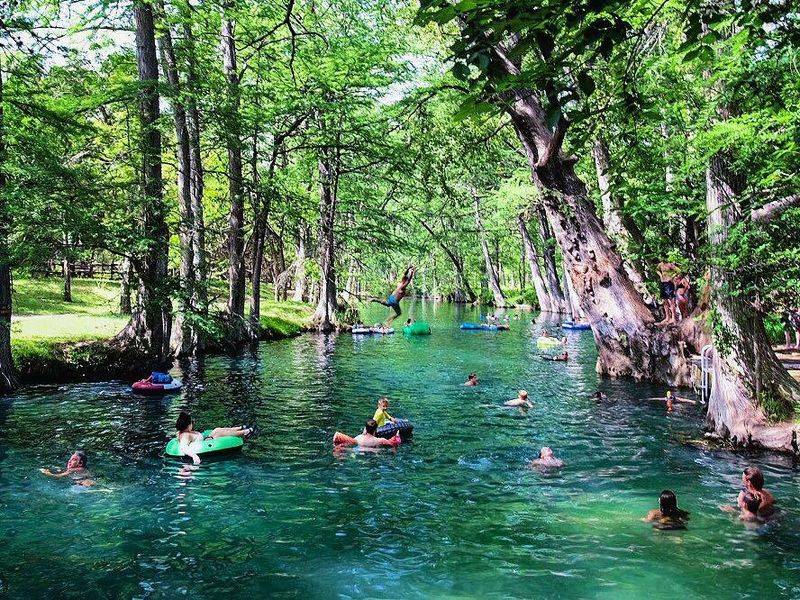
Spring-fed water is a game changer. Blue Hole Regional Park pulls its water from underground springs, keeping the temperature steady at around 68 to 75 degrees Fahrenheit all year long.
That consistency is not just refreshing. It is actually good for your body in several real ways.
Cool water immersion helps reduce inflammation in muscles and joints. After a long hike or a hot drive through Texas, slipping into that water feels like a full-body reset.
Your circulation gets a boost as blood vessels respond to the temperature change. Many people find that swimming in cool, natural water also lowers stress levels noticeably.
The steady temperature also means no shock-cold surprise in summer or a warm, swampy disappointment in fall. It hits the same refreshing note every single visit.
That kind of reliability is rare in natural swimming spots.
The spring water is also naturally filtered as it moves through limestone rock underground. This gives it that signature clarity that makes you feel like you are floating in liquid glass.
You can see straight to the bottom even in the deeper sections. That visual alone does something good for the mind.
Find this refreshing escape at 333 Blue Hole Ln, Wimberley, TX 78676. Plan your visit and feel the difference that naturally cool, spring-fed water makes on both body and mood.
Flora And Fauna Surrounding Swimming Areas
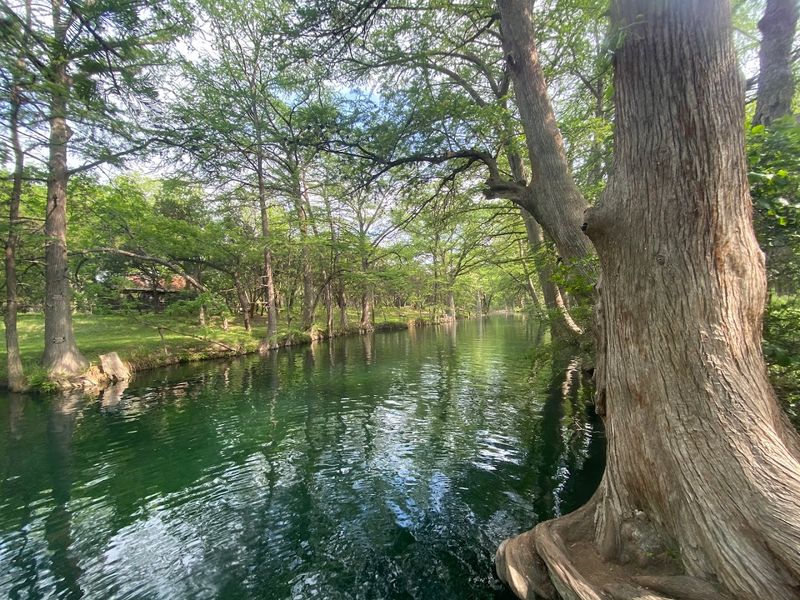
The trees at Blue Hole are impossible to ignore. Massive bald cypress trees line the banks of Cypress Creek, their wide roots gripping the water’s edge like anchors.
Their canopy stretches out over the swimming area, creating natural shade that keeps the water even cooler on hot days.
Native grasses and wildflowers fill the surrounding landscape with color. The park has made a real effort to preserve these plants as part of its natural restoration work.
Walking the trails, you notice how alive everything feels. It is not manicured or artificial.
It is genuinely wild in the best way.
Birdwatchers will want to keep their eyes open. The painted bunting is one of the most stunning birds you can spot here.
The Carolina wren is also common along the creek. Both species thrive in the dense, tree-lined habitat that the park protects.
Cypress Creek itself is home to several fish species, freshwater turtles, and yes, even the occasional snake. Most snakes you encounter near natural water in Texas are harmless, but it is always smart to give wildlife its space.
Watching a turtle sun itself on a log near the swimming area is honestly a highlight.
The biodiversity here is not just pretty. It is a sign that the ecosystem is healthy and well-protected.
That balance between human enjoyment and natural preservation is what makes this park stand out.
Seasonal Swimming Safety Guidelines
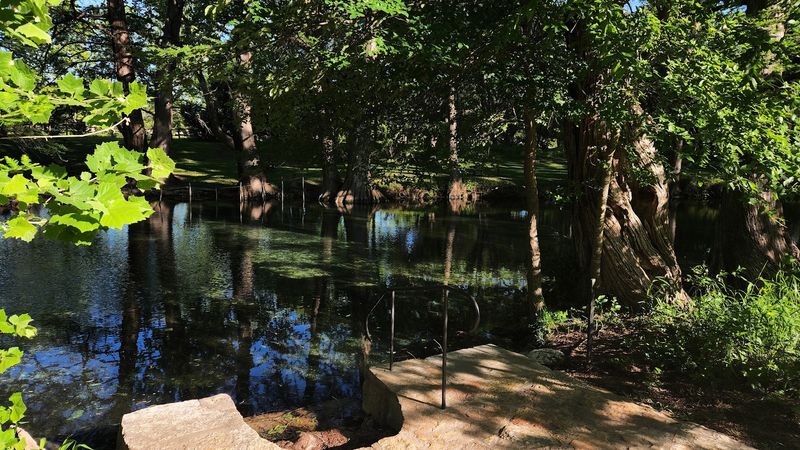
Swimming season at Blue Hole runs from May through September. Outside of those months, the swimming area closes to protect fish during their breeding season.
The trails and park grounds remain open year-round, which makes it worth visiting even in the cooler months.
During swim season, reservations are required before you show up. Tickets sell out fast, especially on weekends.
Booking online in advance is not optional if you actually want to get in the water. Showing up without a reservation during peak season is a gamble you will likely lose.
Water quality is tested regularly by professionals. If conditions become unsafe due to flooding, bacteria levels, or other factors, swimming is suspended until it is safe again.
That happened after a heavy rain period when the water turned green instead of its usual blue. The park does not cut corners on safety.
Children 12 and under must have direct adult supervision at all times. The water ranges from about 2 feet deep on the shallow end to over 10 feet near the rope swings.
Life jackets are available free of charge, which is a great resource for younger or less confident swimmers.
Climbing trees is not allowed. It sounds like a fun idea until someone gets hurt.
The rules exist to keep everyone safe and the environment intact. Swimming here is always at your own risk, so knowing the guidelines before you arrive matters.
Ideal Swimming Gear For Natural Holes
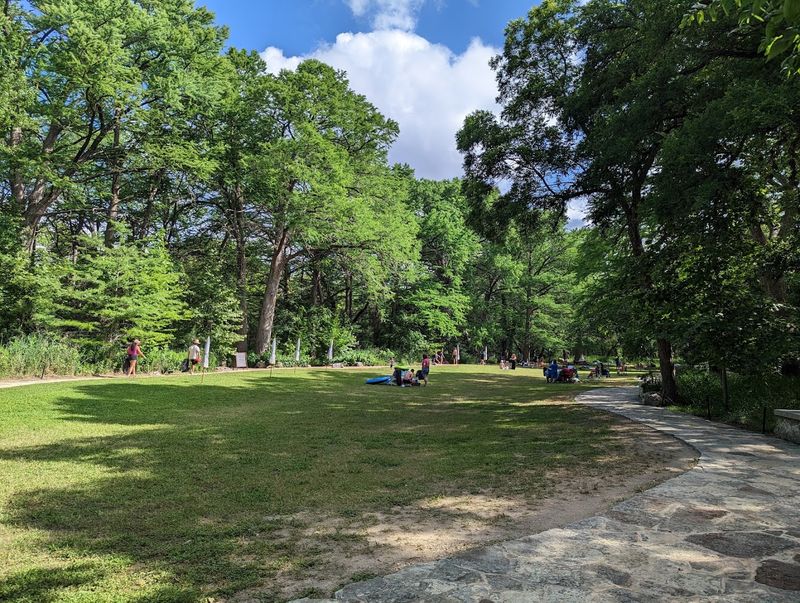
Packing right makes a huge difference at a natural swimming hole. The creek bottom at Blue Hole is rocky in places, so water shoes are a must.
Flip-flops are fine for the lawn, but once you step into the water, you will want that grip and protection underfoot.
Sunscreen is non-negotiable. Even with the cypress canopy providing shade over the water, the grassy swim lawn gets full sun.
Bring a water-resistant formula and reapply often. A wide-brimmed hat is a solid addition for the time you spend out of the water relaxing on the grass.
Floats and inner tubes are allowed, which makes the experience even more enjoyable. Locals are known to bring their own tubes and just drift around for hours.
It is honestly one of the best ways to enjoy the spring-fed water without burning energy. Bring a pump if your float needs inflation on-site.
A picnic blanket or folding chairs are great for setting up your base on the swim lawn. You can also bring a small shade canopy as long as it is 12×12 feet or smaller.
That setup turns a swim day into a full afternoon hang.
Towels are obvious, but pack an extra one. Wet towels are miserable on the drive home.
A dry bag for your phone and valuables is also worth throwing in the bag. Natural swimming spots and electronics do not mix well without some protection.
Photography Tips For Water Location Visits
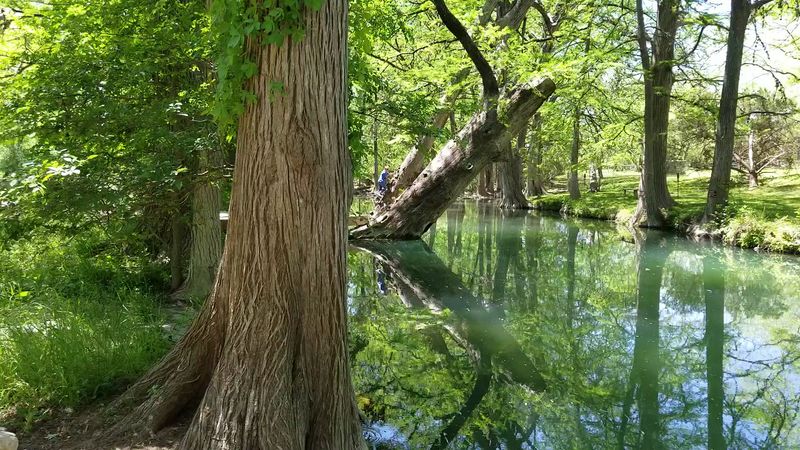
Blue Hole is genuinely photogenic. The combination of crystal-clear water, towering cypress trees, and natural light creates a setting that practically photographs itself.
Knowing when and how to shoot makes the difference between a good photo and a great one.
Early morning light is your best friend here. The golden hour just after sunrise casts a warm glow across the water and through the cypress branches.
Shadows are long and soft. Crowds are minimal.
If you can get there right when the park opens at 8 AM, the light and the quiet will reward you.
Late afternoon works well too. The sun drops lower in the sky, and the angle creates that same warm, diffused quality.
Avoid harsh midday sun if you want color accuracy in your water shots. Midday light flattens everything and washes out that stunning blue-green hue.
A polarizing filter is worth carrying if you shoot with a camera. It cuts glare off the water surface and lets you capture the clarity underneath.
Wide-angle lenses do justice to the scale of the cypress trees. They let you include both the canopy above and the water below in one frame.
If you shoot with a phone, use portrait mode near the tree roots and switch to standard mode for wide landscape shots. Always remember the golden rule of natural spaces: take only pictures and leave everything else exactly as you found it.
Environmental Impact Of Swimming In Nature
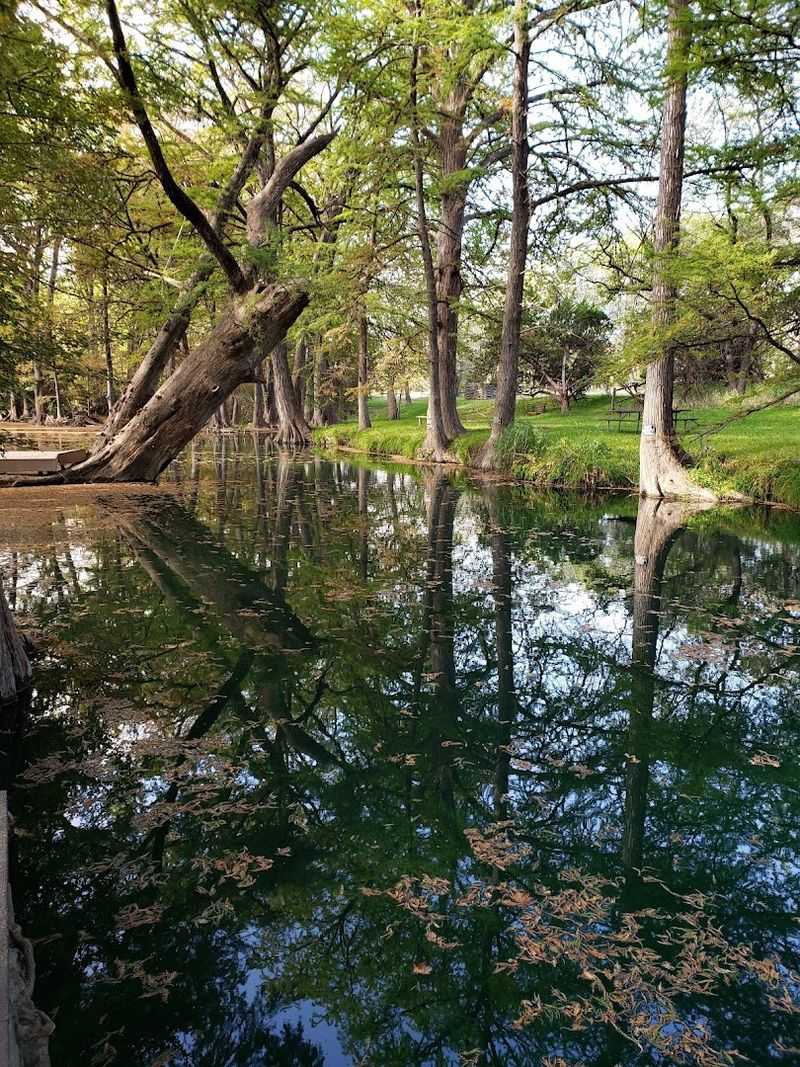
Natural swimming spots are fragile. Blue Hole Regional Park knows this, and the way it manages visitor impact shows a real commitment to long-term preservation.
The park uses low-impact development principles to minimize damage to the surrounding ecosystem.
Designated access points to the water are one of the most important protections in place. When swimmers enter and exit the water in the same controlled spots, bank erosion slows significantly.
Erosion is one of the biggest threats to creek-side ecosystems. Even small amounts of repeated foot traffic in undesignated areas can strip vegetation and destabilize the bank.
Restoration efforts include planting native vegetation throughout the park. Native plants are better suited to the soil and climate, require less maintenance, and support local wildlife more effectively than non-native species.
The park has put real work into returning areas to their natural state.
Leave No Trace principles apply here just like any other natural space. Pack out everything you pack in.
Do not leave food scraps, wrappers, or any trash behind. Even biodegradable items like fruit peels can disrupt the local ecosystem when left in the wrong place.
Staying on marked trails is also critical. It might seem harmless to wander off the path, but repeated off-trail traffic damages plant roots and disturbs wildlife habitats.
The rules at Blue Hole exist to protect the very beauty that draws people there in the first place. Respect it, and it stays beautiful for everyone.
Local Regulations And Permits Overview
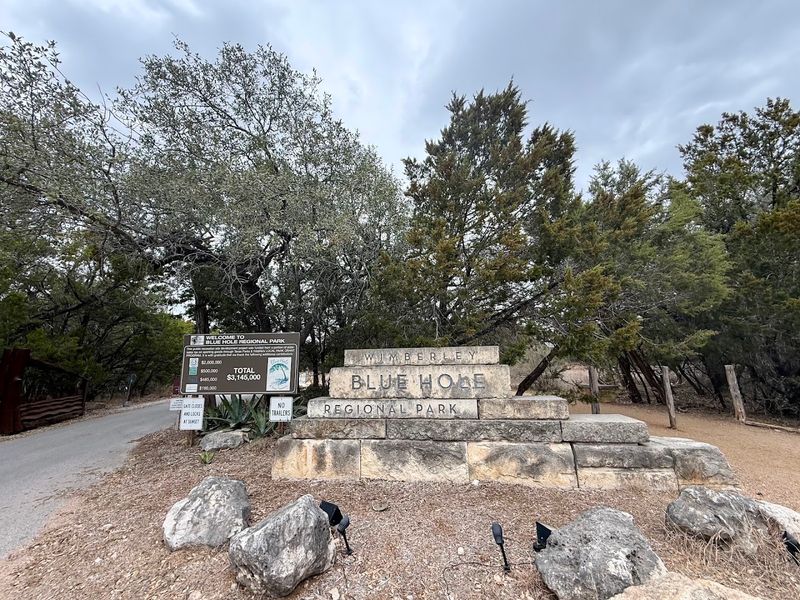
Getting into the swimming area at Blue Hole requires an online reservation and a fee. For non-residents, the cost is around $12 per person.
That fee helps fund park maintenance and keeps the experience high quality. Tickets sell out fast during peak summer weekends, so booking early is the move.
The rest of the park, including all trails and open green spaces, is completely free to access. You do not need a reservation to hike or walk the creek trail.
Park hours run from 8 AM to 8 PM daily, giving you a solid window of time to explore without rushing.
No drinking is allowed anywhere in the park. No smoking either.
Glass containers are prohibited throughout the entire property. These rules are strictly enforced and exist to protect both visitors and the natural environment.
They are not suggestions.
Pets are not allowed on the swim lawn. If you bring a dog, they will need to stay on the trails and away from the designated swimming area.
It is a bummer for dog owners, but it keeps the swim area clean and safe for everyone using the water.
The park also does not allow tree climbing, which is a safety rule that applies to everyone regardless of age or ability. Life jackets are available at no charge for those who need them.
Changing rooms are located near the swimming area. Everything is organized and well-maintained, making the whole process smooth from arrival to exit.
Best Times To Visit For Peaceful Swimming
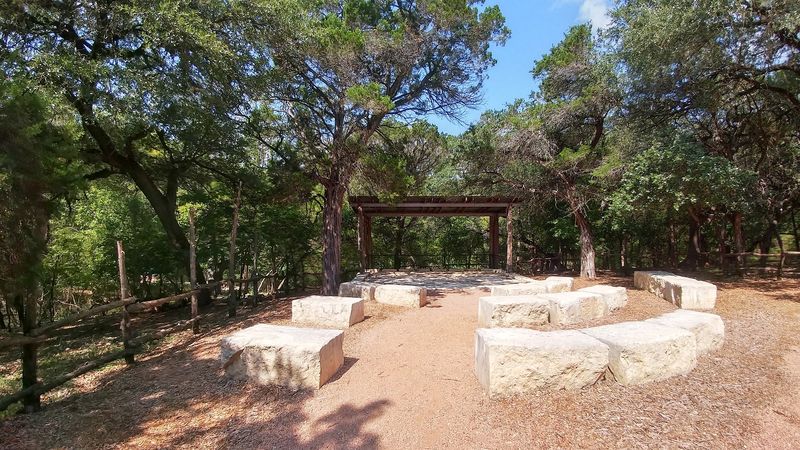
Weekdays are when the real magic happens at Blue Hole. The crowds thin out dramatically Monday through Thursday.
You get more space in the water, more quiet on the lawn, and a much more relaxed overall experience. If your schedule allows a midweek visit, take it without hesitation.
Early mornings, right when the park opens at 8 AM, are consistently the most peaceful. The light is beautiful, the air is cooler, and the swim area has not filled up yet.
Arriving early also means you get first pick of spots on the grassy lawn before it gets busy.
Late afternoon visits, roughly from 4 PM onward, also see a drop in crowd levels as families with young children start heading home. The water is still perfect, and you get a quieter, more laid-back atmosphere to enjoy the tail end of the day.
Spring and fall are worth considering, even though swimming is only open May through September. Visiting in late May or early September hits a sweet spot.
The summer rush has not fully peaked or has already wound down, and the temperatures are slightly more forgiving for the walk-in hike.
Winter visits are surprisingly enjoyable for hiking. The trails are peaceful, the creek is beautiful without the crowds, and the cypress trees take on a different but equally striking look without their full summer canopy.
No swimming, but still a genuinely great day outside.