
The Spring Fed Michigan River That Has Been A Favorite Summer Tubing Destination For Generations
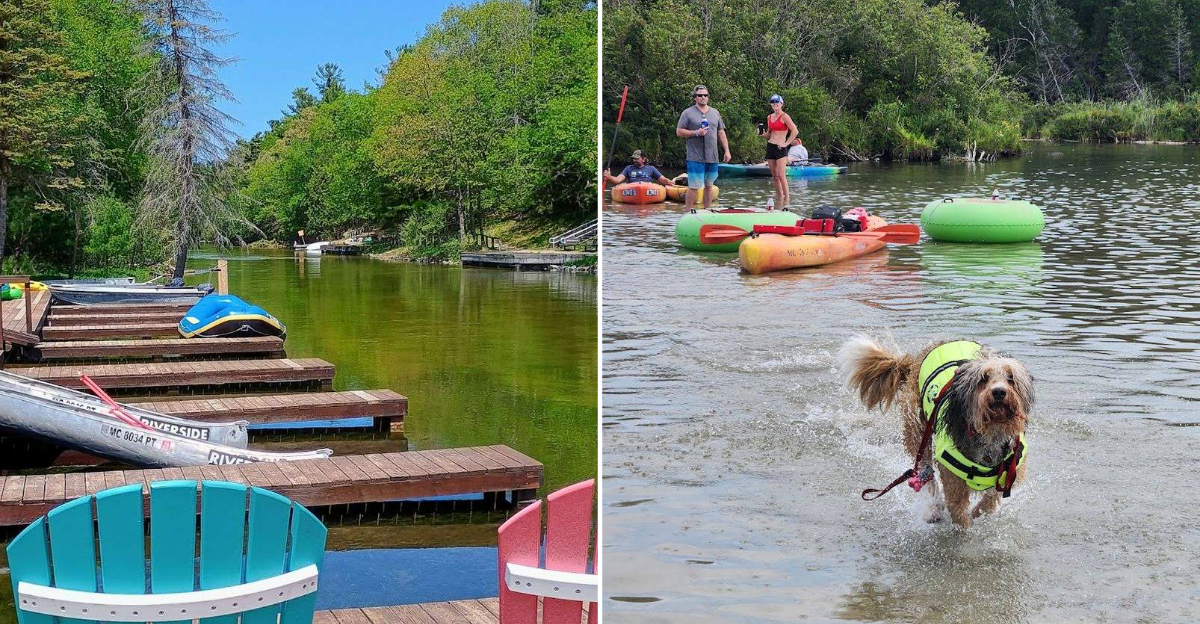
Cold spring water moving at exactly the right pace has been solving Michigan summers for longer than most current tubers have been alive. The river figured out its own reputation without any assistance from anyone floating down it.
Generations of the same families return to the same launch points with the ease of people who stopped needing directions years ago. New faces appear occasionally, always arriving through someone who felt responsible for making the introduction.
The current moves with the confidence of water that never adjusted its pace for anyone floating on top of it. That consistency is precisely what keeps the tradition alive across so many summers.
A tubing destination earning generational loyalty did so because the river delivered reliably enough to become part of how families measure their summers. The inner tubes keep coming back to confirm it.
Water Clarity And Temperature Benefits
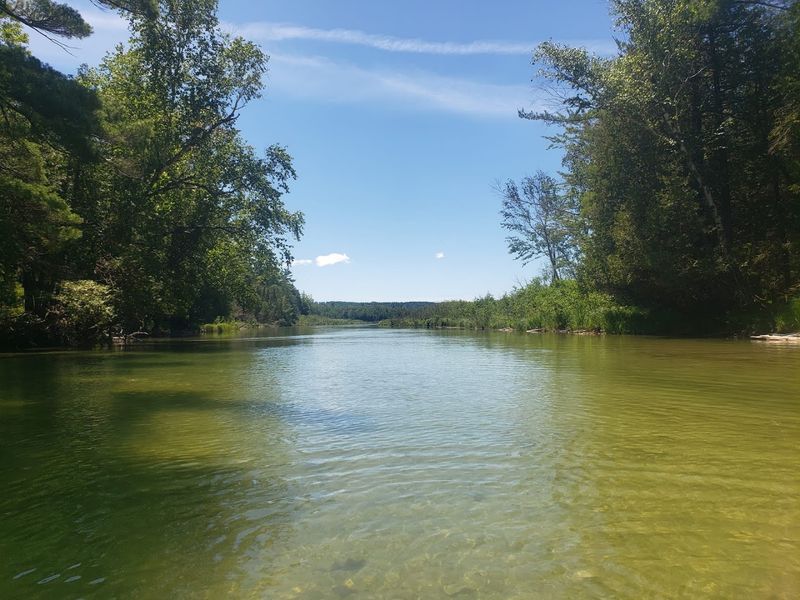
The Platte River is genuinely clear. Not just “pretty clear,” you can watch fish dart across the sandy bottom like you are looking through glass.
That kind of visibility makes every float feel like a nature tour you did not plan but absolutely needed.
Spring-fed water keeps things refreshingly cool even on the hottest July days. Shallower sections can warm up nicely for kids who want to splash around.
So you get the best of both worlds depending on where you stop along the route.
The springs feeding this river maintain consistent water quality throughout the season. Sediment stays low, algae stays minimal, and the sandy riverbed stays visible.
It is one of the cleanest natural river experiences you will find in the entire Midwest.
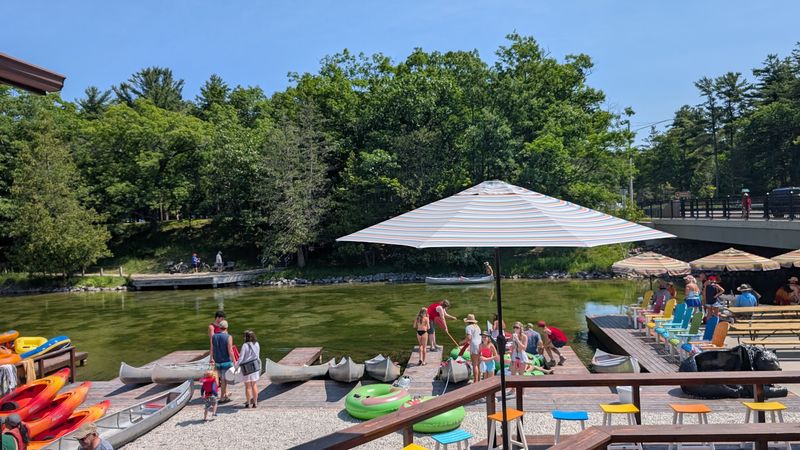
Riverside Canoe is the go-to launch point for experiencing this remarkable water firsthand. You can find them at 5042 N Scenic Hwy, Honor, MI 49640.
Plan your visit early in the season before summer crowds arrive for a quieter float.
Popular Seasonal Wildlife Sightings
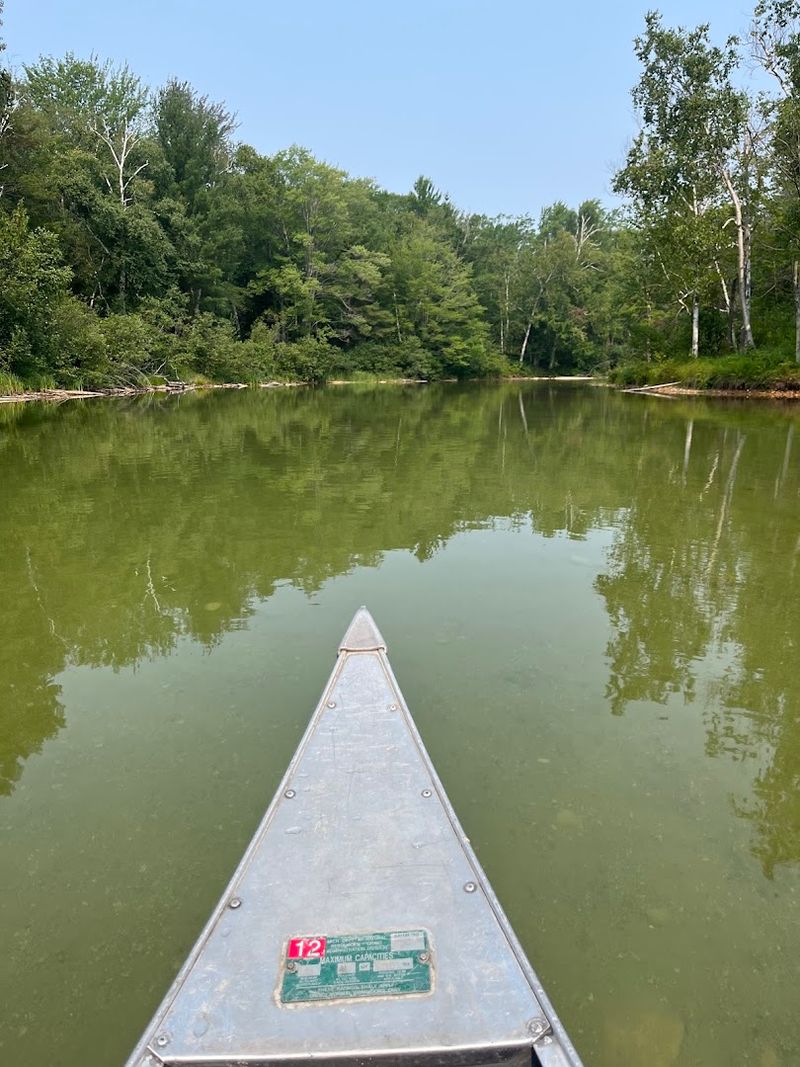
This river is basically a moving wildlife documentary. You float along, minding your business, and suddenly a great blue heron lifts off from the bank right in front of you.
It is genuinely one of those moments that makes you forget your phone exists.
Painted turtles love sunning themselves on fallen logs along the river. Whitetail deer wander down to drink during early morning floats.
Wood ducks and common mergansers cruise the calmer stretches like they own the place, which honestly, they kind of do.
Green herons are spotted regularly in the reedy shallows. Beavers occasionally make an appearance near dusk, especially in late summer.
Keep scanning the tree line, and you might catch a bald eagle circling overhead, which never gets old, no matter how many times it happens.
Wildlife activity peaks during weekday mornings when river traffic is lighter. Bringing binoculars in a waterproof case is worth every bit of extra packing effort.
The Platte River corridor offers a genuinely rich ecosystem that rewards patient, observant floaters every single time.
Safety Tips For Tubing In Fast Current Areas
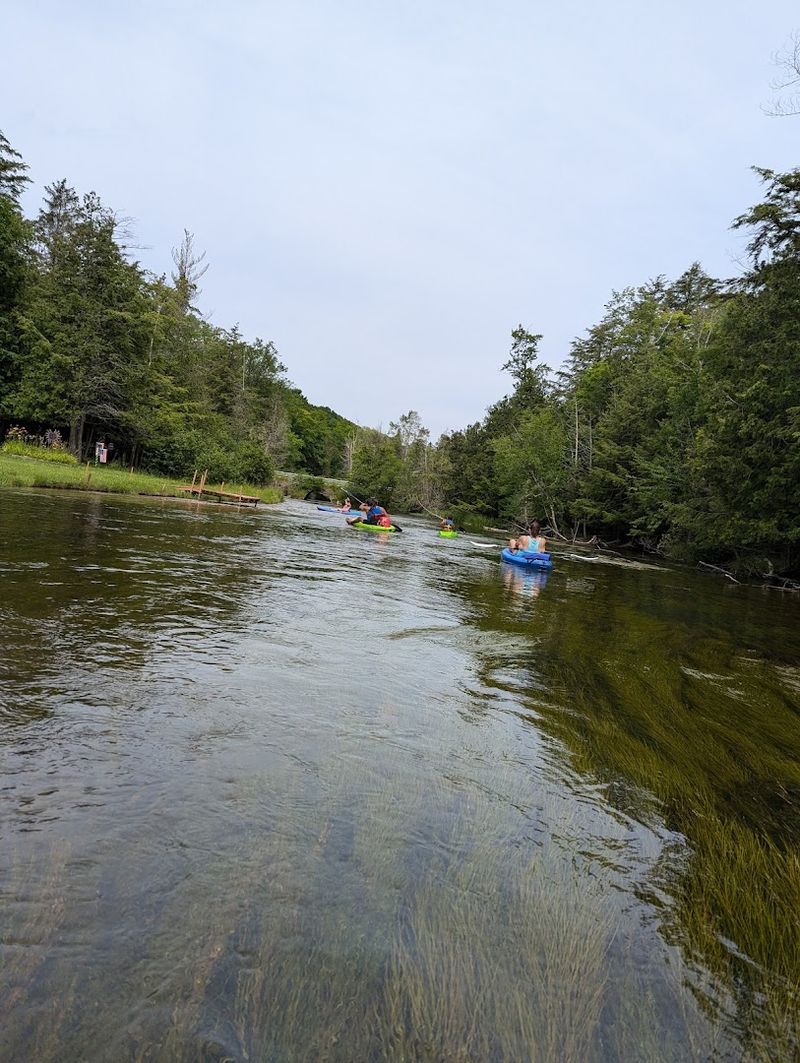
Fast current sections on the Platte River are not dangerous if you are prepared. The key is knowing they exist before you hit them, not after.
A little pre-trip awareness goes a really long way out there.
Always wear a Coast Guard-approved life jacket, especially for children eight and under. Water shoes with heel straps protect your feet from rocky sections near faster currents.
Flip-flops get swept off almost immediately, and bare feet on river rocks are nobody’s good time.
Stay seated in your tube when the current picks up speed. Standing in fast-moving water is how people get knocked off balance quickly.
Keep your feet pointed downstream so your legs absorb any bumps from rocks or submerged logs before your body does.
Check water levels before your trip, especially after heavy rain. Higher water means stronger currents and fewer calm stopping points along the route.
Riverside Canoe staff can give you a real-time read on conditions before you launch, so always ask before heading out. Knowing your route in advance makes every fast section feel manageable rather than surprising.
Ideal Gear And Equipment For Tubing Trips
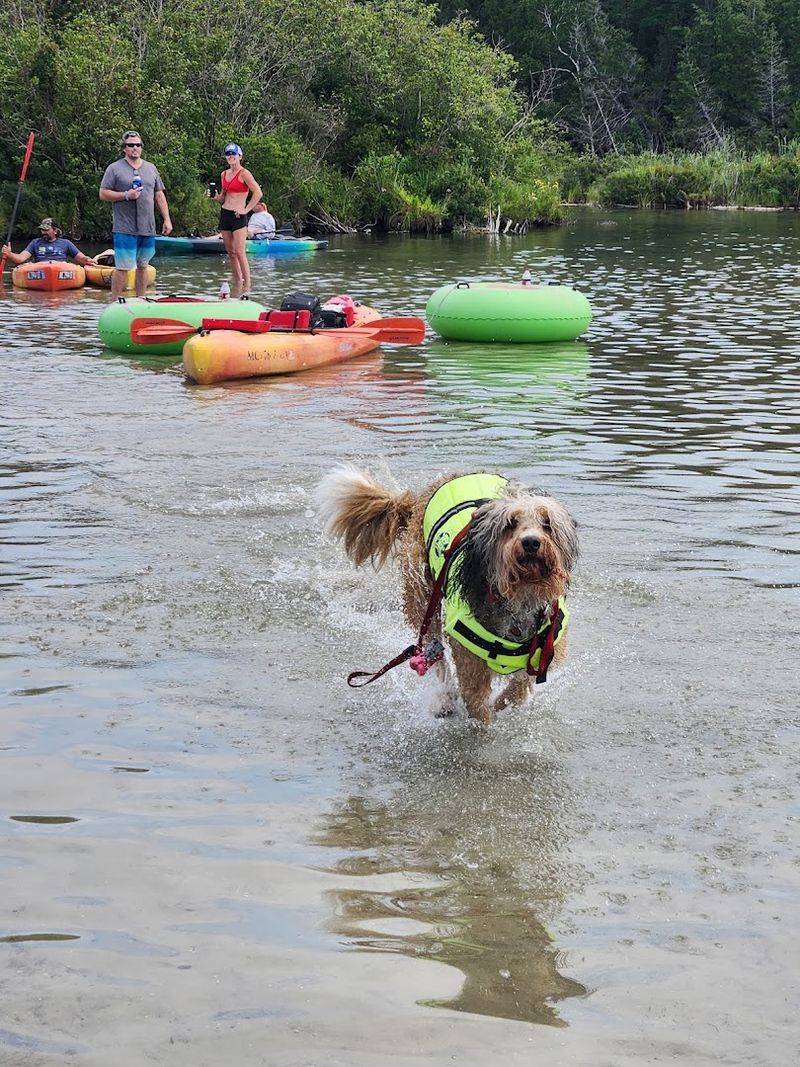
Gear can make or break a tubing trip. The right setup means you float comfortably for two to three hours without sunburn, lost belongings, or soggy snacks.
The wrong setup means a miserable walk back carrying a wet tube and regrets.
A closed-bottom river tube with sturdy handles is the gold standard for the Platte. It keeps your belongings from slipping into the water and gives you something to grip when the current picks up.
Riverside Canoe rents tubes that are clean, well-maintained, and sized for actual river use.
Quick-dry clothing or a swimsuit works best for staying comfortable throughout the float. Reef-safe sunscreen is a must because you are exposed for the entire trip.
Sunglasses with a strap keep them on your face instead of on the riverbed.
A waterproof dry bag is your best friend for phones, keys, and snacks. Riverside Canoe also provides clear bags and twine to tie tubes together in groups.
Cooler tubes are available to rent, which means cold drinks stay cold for the whole float. Pack light, pack smart, and you will have zero complaints by the end.
Picnic Spots And Relaxation Areas Along The River
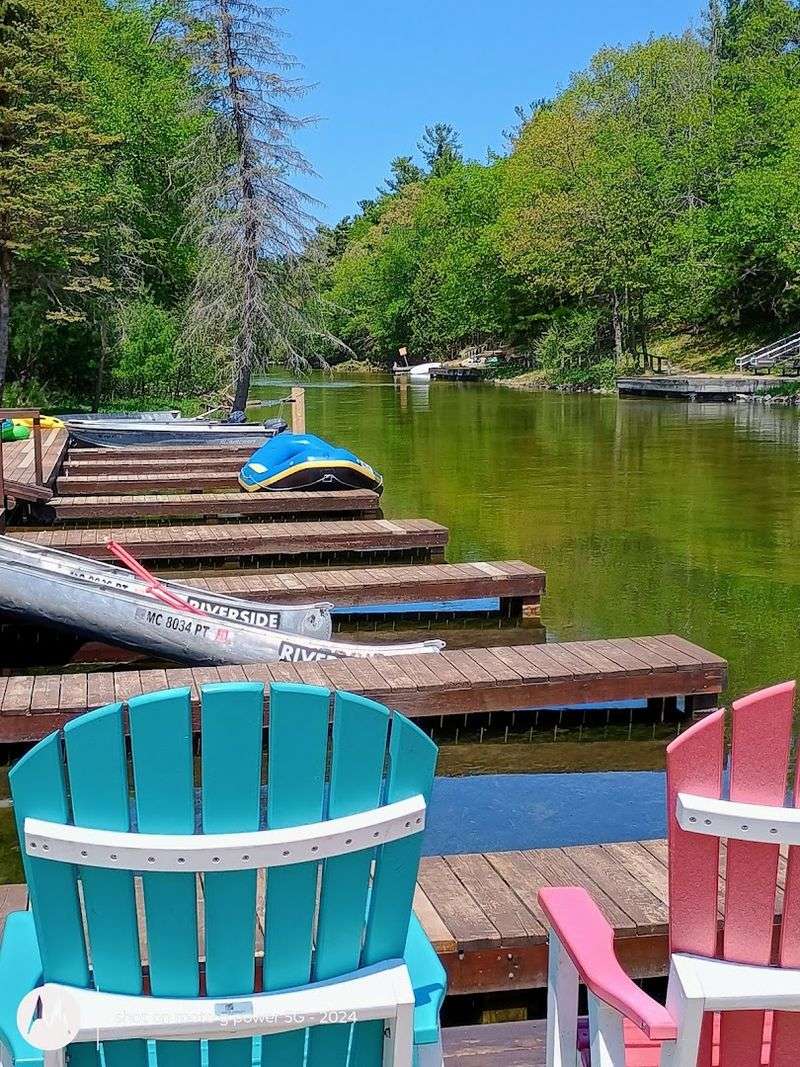
The Platte River corridor is lined with spots that practically beg you to stop and stay awhile. Sandy banks pop up regularly along the route, and most are shallow enough for kids to wade in safely.
You do not need a designated park to find a perfect lunch spot out here.
The Platte River Picnic Area offers accessible parking, restrooms, and grills for a more structured stop. A pleasant river walk runs through the area, making post-meal stretching genuinely enjoyable.
It is a solid choice for families who want amenities without driving far from the water.
Lake Township Park sits at the river’s mouth where it meets Lake Michigan. Picnic tables, flush bathrooms, and a beach view all come together in one spot.
Watching the Platte flow into Lake Michigan while eating a sandwich is a very specific kind of Michigan magic.
Platte River Park in Honor offers riverfront access with a natural, low-key atmosphere. These spots are not overcrowded on weekday visits, which makes relaxing actually relaxing.
Plan a longer outing, bring a cooler, and treat the whole day as an adventure rather than just a float.
Environmental Conservation Efforts Protecting The River
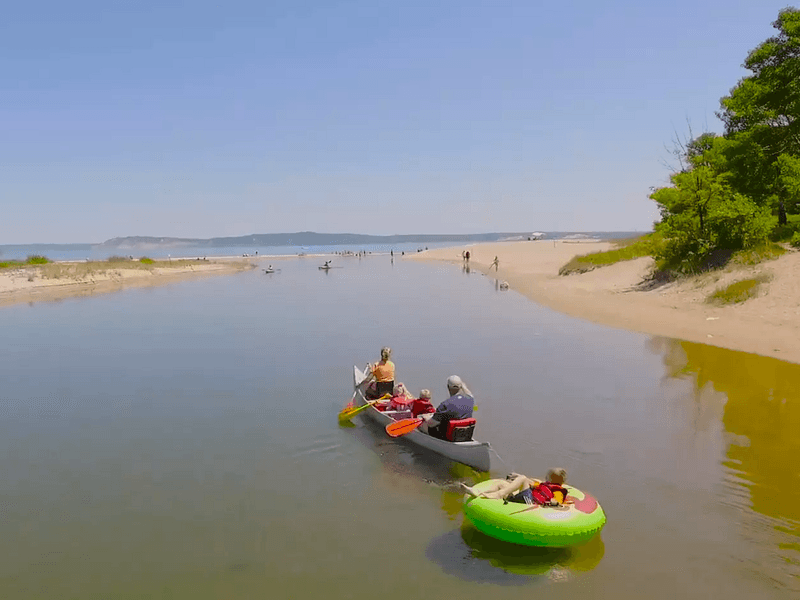
The Platte River did not stay this clean by accident. Decades of active conservation work have kept it one of Michigan’s most pristine waterways.
That crystal-clear water you float through is the direct result of people caring enough to protect it consistently.
The river holds official designation as a Blue Ribbon Trout Stream, which signals serious ecological value. Sleeping Bear Dunes National Lakeshore protects significant portions of the watershed.
That federal protection layer adds real teeth to local conservation goals and limits harmful development near the banks.
Multiple organizations focus on habitat restoration along the Platte corridor. Road crossing improvements have been rebuilt specifically to help fish navigate upstream more easily.
Salmon and trout runs depend on those passage improvements every single fall season.
Invasive species prevention is an ongoing priority for river stewards in the area. Boaters and tubers are encouraged to clean equipment before entering the water.
Even small actions like rinsing gear properly help keep non-native plants and organisms from disrupting the river’s natural balance. Every person who floats the Platte has a small but real role in keeping it healthy for future generations.
Suggested Routes And Scenic Views To Explore
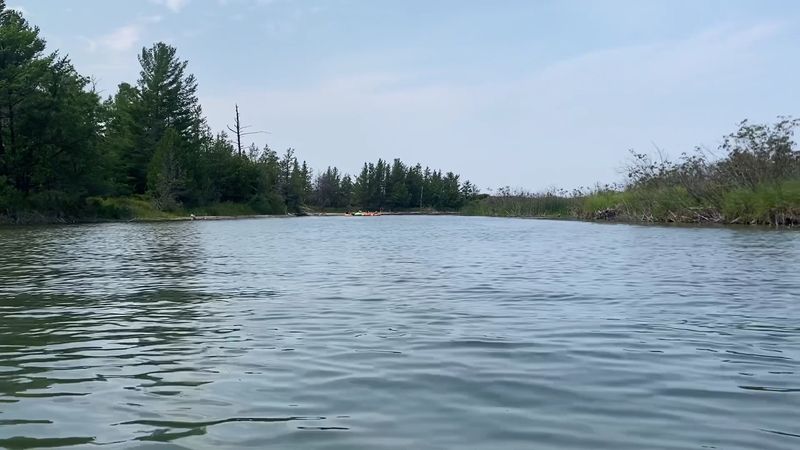
Route options on the Platte River give you flexibility depending on how much time and energy you have. The Lower Platte is the most popular choice for tubers, and for good reason.
It moves at a comfortable pace with plenty of scenery to keep things interesting.
The classic Lower Platte route runs from the Weir to Lake Michigan and takes roughly two to three hours. It ends at a stunning Lake Michigan beach with views of Platte Bay and the Sleeping Bear Dunes rising in the distance.
That finale alone is worth the whole trip.
Shorter options exist for those with less time or younger kids in tow. The Loon and Walk route takes about one hour and still delivers solid river scenery.
Loon Lake sandbar is a popular stopping point where you can wade, swim, and regroup before continuing.
The Upper Platte offers a more technical experience with tighter turns and faster water. It suits paddlers with some experience who want more challenge than a relaxed float provides.
Riverside Canoe staff can match you with the right route based on your group’s age, fitness level, and how adventurous everyone is actually feeling that day.
Local Regulations And Permits Information
Regulations on the Platte River are straightforward once you know what to expect. The biggest surprise for first-timers is usually the parking situation, not the river itself.
Getting that sorted before arrival saves significant time and stress on busy summer weekends.
A National Park pass is required for parking at most river access points within Sleeping Bear Dunes National Lakeshore. State park passes are not accepted here, which catches a lot of visitors off guard.
You can purchase a pass directly at Riverside Canoe to keep things moving smoothly.
Lake Township Park has its own separate parking fee independent of the National Park pass. Budget for both if your plan includes finishing at the Lake Michigan beach.
Arriving an hour before your reservation is a smart buffer on busy holiday weekends when shuttles and check-in lines get backed up.
Children eight and under are required by law to wear a life jacket on the water. Signage along the river marks protected areas and no-landing zones that must be respected.
Weekday morning visits consistently offer lighter crowds, easier parking, and a more relaxed overall experience. Following posted rules protects both the river environment and your enjoyment of the whole trip.