
The Washington Coastal Bakery Creating Some Of The Most Incredible Three Day Sourdough Bread
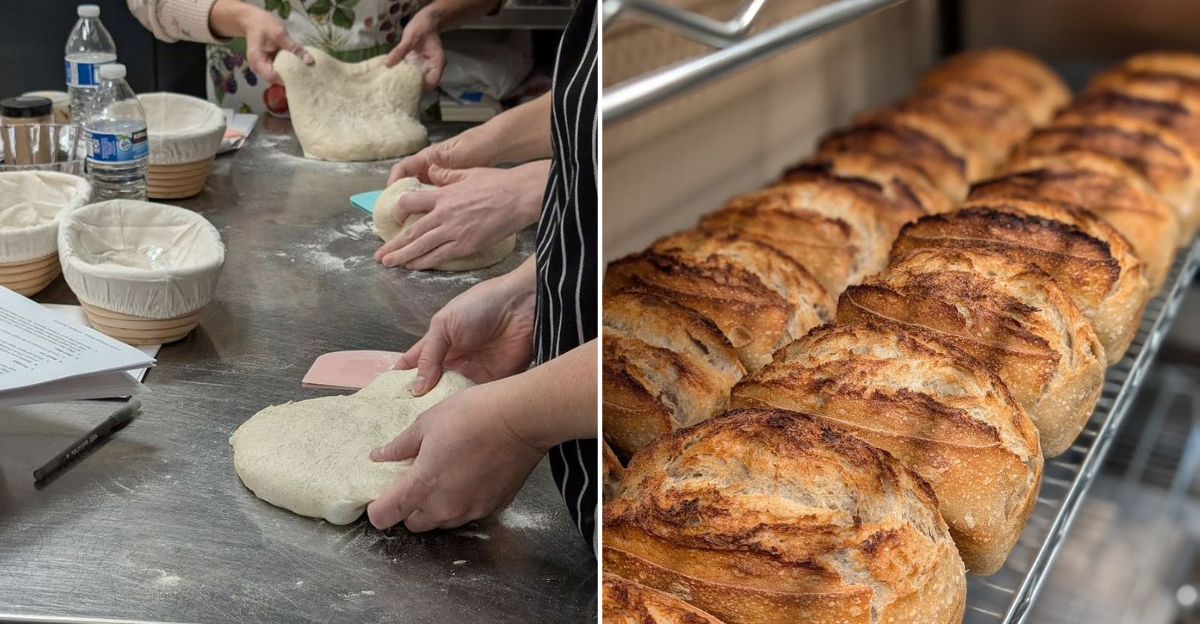
Three days of fermentation produce a loaf that shortcuts never approach regardless of timing or temperature. This Washington coastal bakery committed to that timeline early and never found a reason to shorten it.
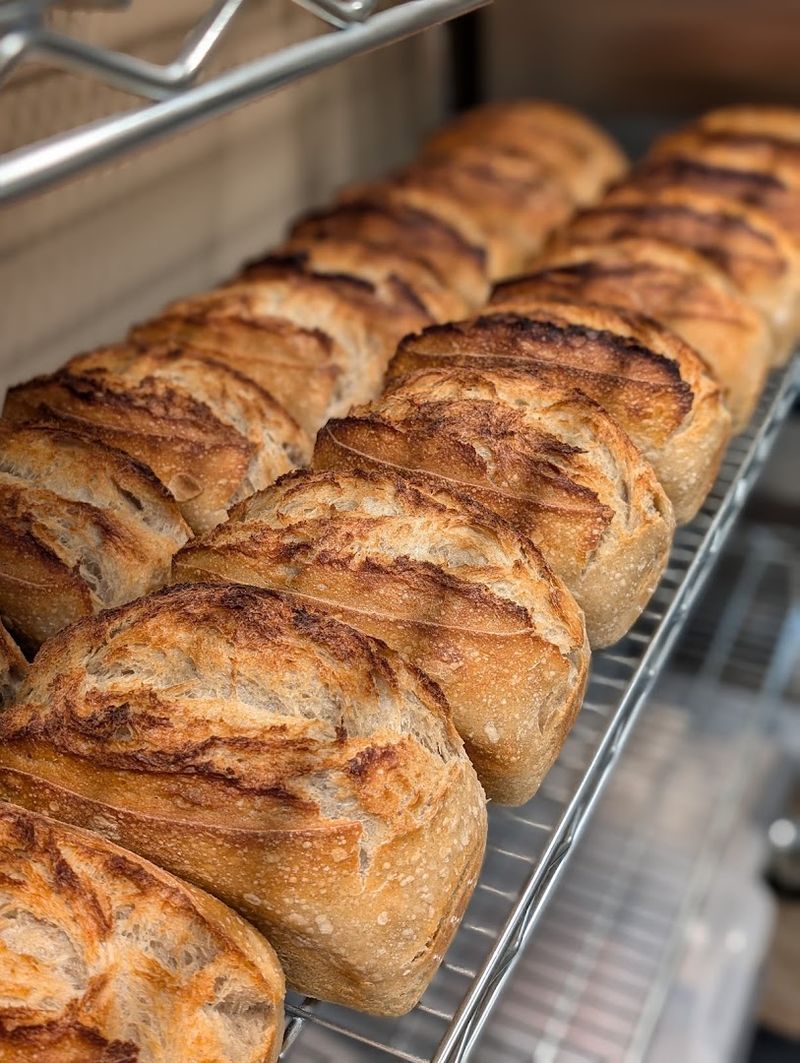
The crust shatters at exactly the right moment and the crumb carries depth that only develops when a recipe is trusted completely across seventy two hours. That patience shows up in every slice.
Regulars time their visits around the baking schedule with devotion usually reserved for more consequential appointments. Arriving at the right moment produces something that justifies every minute of the planning.
A bakery staking its reputation on a three day process made a quiet bet that patience outlasts convenience every time.
Washington’s coastal air and this kitchen’s commitment produced something the surrounding region has been quietly depending on ever since.
Traditional Techniques Behind Three Day
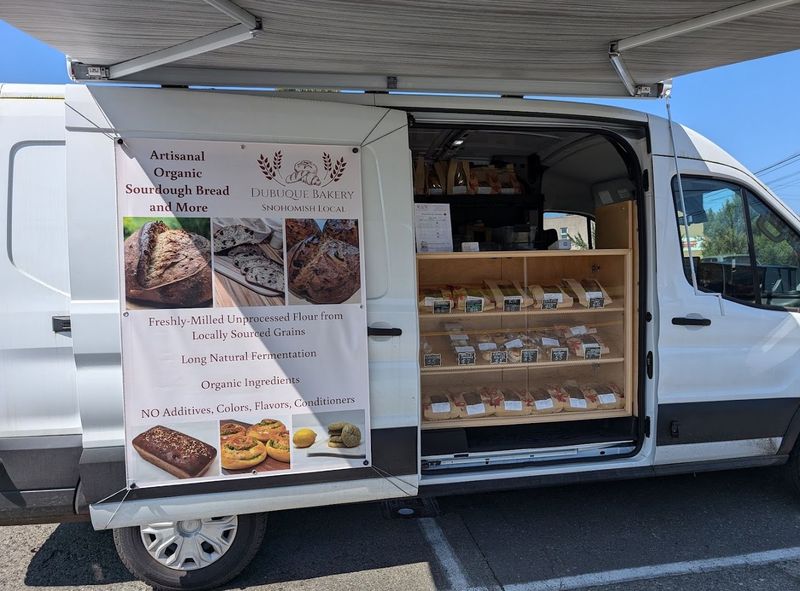
Three days sounds like a long time to make bread. But at Dubuque Bakery in Snohomish, WA, that timeline is the whole point.
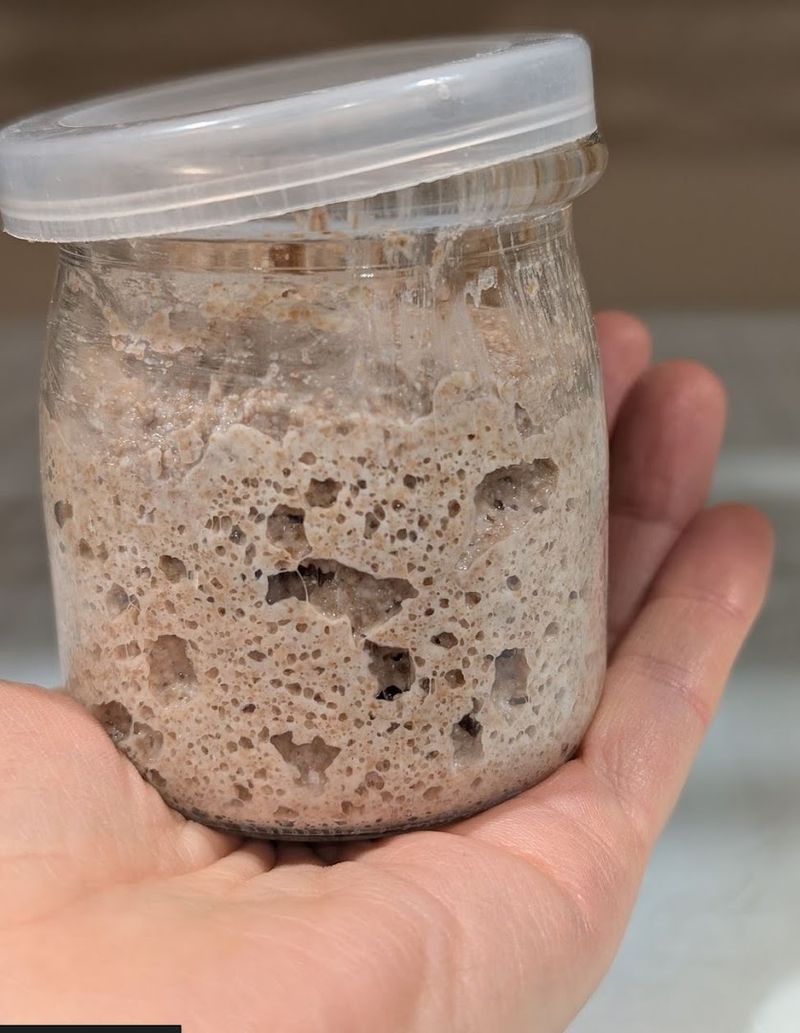
The process starts with a wild sourdough starter that has been carefully maintained over time.
Cold fermentation is the backbone of this method. The dough rests slowly, allowing wild yeast and lactic acid bacteria to develop deep, layered flavors.
No shortcuts. No speed tricks.
Just time doing its job.
This old-world approach is what separates a truly great loaf from a forgettable one. The crust cracks just right.
The crumb stays chewy and open. Every detail reflects a commitment to doing things properly.
Even the flour is chosen with intention, sourced to complement the starter rather than fight it.
You can find Dubuque Bakery at the Farmers Market, 105 Cedar Ave, Snohomish, WA 98290, United States. The bread van has become a local landmark.
People plan their weekends around it, which honestly makes a lot of sense once you taste a loaf. Get there early, since the most popular loaves tend to sell out before midday.
Ingredients That Enhance Flavor And Texture
Good bread starts before the oven ever turns on. Dubuque Bakery uses 100% whole grain flour, freshly milled from organic wheat, rye, and ancient grains.
Einkorn and Spelt are two standout stars in the lineup.
Einkorn is one of the oldest cultivated grains on the planet. It has a rich, nutty flavor and a nutritional profile that puts modern wheat to shame.
Spelt adds a mild sweetness and contributes to a beautifully open crumb structure. Together, these grains give each loaf a slightly different character depending on the season’s harvest.
The sourdough starter itself is made from organic whole grains. No additives.
No artificial flavors. No preservatives of any kind.
What goes into the dough is exactly what it sounds like: real food.
Freshly milled flour makes a noticeable difference in flavor. Milling just before baking preserves natural oils and nutrients that pre-milled flour loses over time.
The result is a loaf with genuine depth and complexity in every single bite. It’s a labor-intensive way to bake, but one bite makes the extra effort obvious.
The Importance Of Fermentation Time
Fermentation time is not just a detail. It is the entire engine behind great sourdough flavor.
Rushing this step produces bland, dense bread. Giving it time produces something extraordinary.
During a long, slow ferment, enzymes get to work breaking down starches and proteins inside the dough. Wild yeast produces carbon dioxide, which creates those beautiful air pockets in the crumb.
Lactic acid bacteria add that signature tangy note that sourdough lovers crave. This same breakdown also makes the bread easier to digest than a quickly proofed loaf.
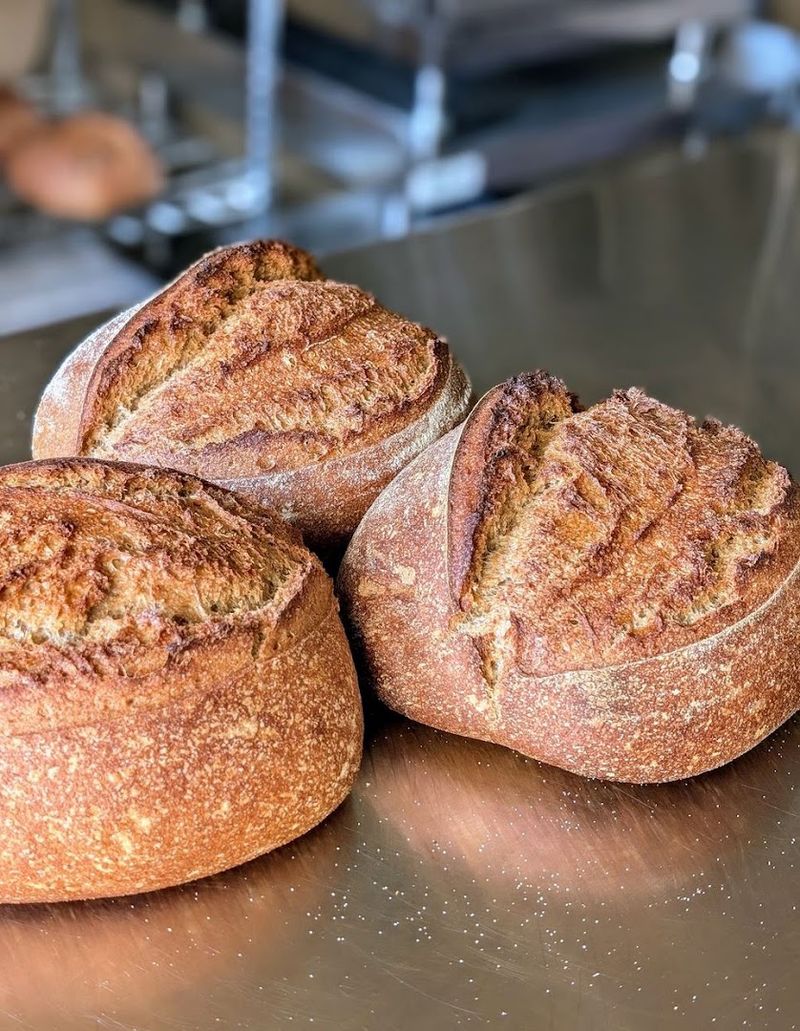
The extended fermentation at Dubuque Bakery develops a crust that is genuinely crisp and golden. The crumb stays chewy without being gummy.
Both textures happen because the dough had enough time to fully develop structure.
Temperature plays a big role here too. Cold fermentation slows everything down, which actually deepens flavor even further.
It is a counterintuitive trick that professional bakers have known for centuries. The wait is always worth it when the final loaf comes out of the oven.
Every loaf is a small reminder that patience, more than any ingredient, is what makes the bread taste this good.
Health Benefits Of Naturally Leavened
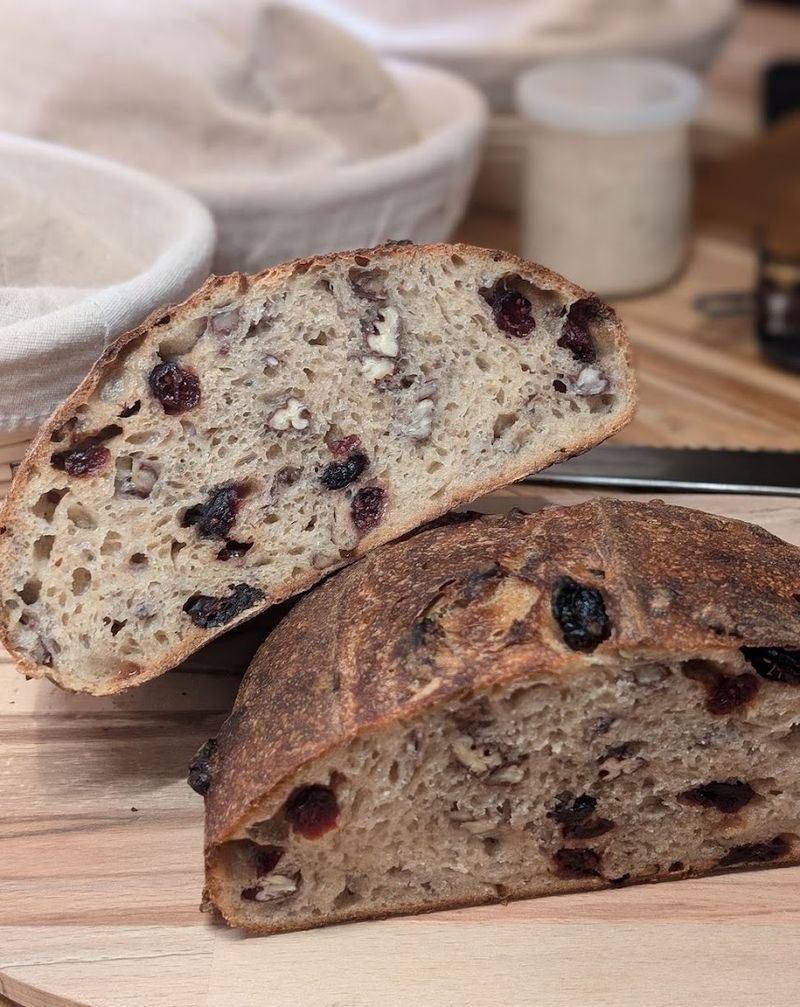
Naturally leavened bread is genuinely different from commercial bread. The long fermentation process breaks down gluten and complex starches before you even take a bite.
That makes it significantly easier for your body to digest.
Sourdough also has a lower glycemic index compared to regular bread. That means energy is released more slowly into your bloodstream.
No big sugar spike. No mid-morning crash.
Just steady, sustained fuel from a real food source.
Phytic acid is a compound found in whole grains that can block nutrient absorption. Long fermentation neutralizes much of it.
That means your body actually gets more of the vitamins and minerals present in the flour. That is a real nutritional win.
Iron, zinc, and magnesium in particular become far more bioavailable through this process.
Gut health gets a boost too. The beneficial acids produced during fermentation support a healthy digestive environment.
People who struggle with conventional bread often find naturally leavened sourdough much easier to tolerate. It is not magic.
It is just good science baked into every loaf. Choosing bread made this way is one small, simple decision that pays off with every meal.
Tips For Baking At Home
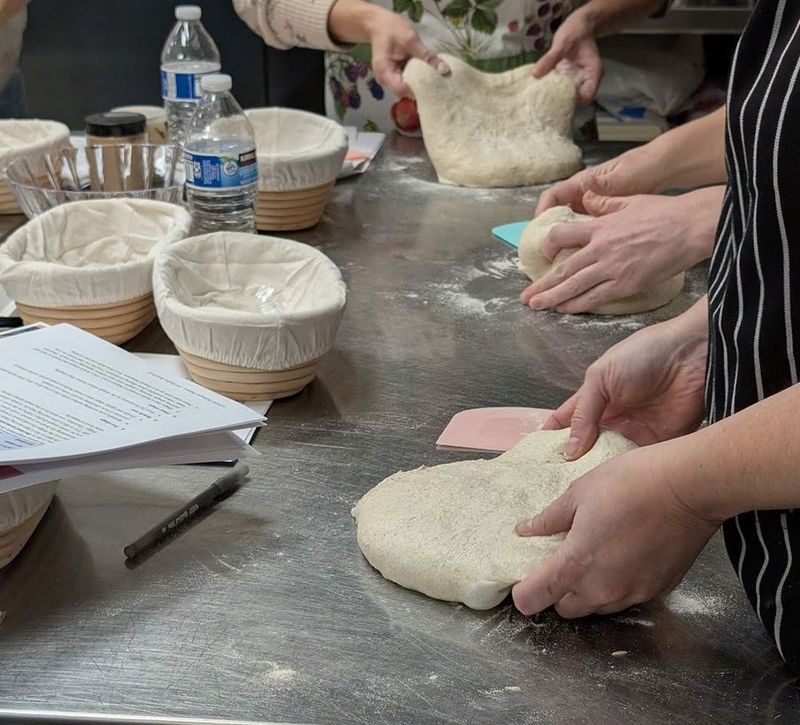
Home sourdough baking has a reputation for being complicated. It does not have to be.
The biggest game-changer is starting with an active, bubbly starter. If your starter is sluggish, your bread will be too.
Weighing your ingredients is non-negotiable. A digital kitchen scale removes all the guesswork that comes with measuring cups.
Baking is chemistry, and accuracy matters more than people realize until their first flat loaf.
Watch your dough, not just the clock. Fermentation cues like bubbles, dough rise, and a slightly domed surface tell you more than a timer ever will.
Over-proofing is one of the most common mistakes home bakers make.
Temperature control matters a lot. A warmer kitchen speeds fermentation.
A cooler one slows it down. Understanding this helps you adjust your schedule rather than fight it.
Dubuque Bakery even offers sourdough classes in Snohomish where you can learn these skills hands-on. Learning from someone experienced saves a lot of failed loaves along the way.
How Coastal Climate Influences Dough Development
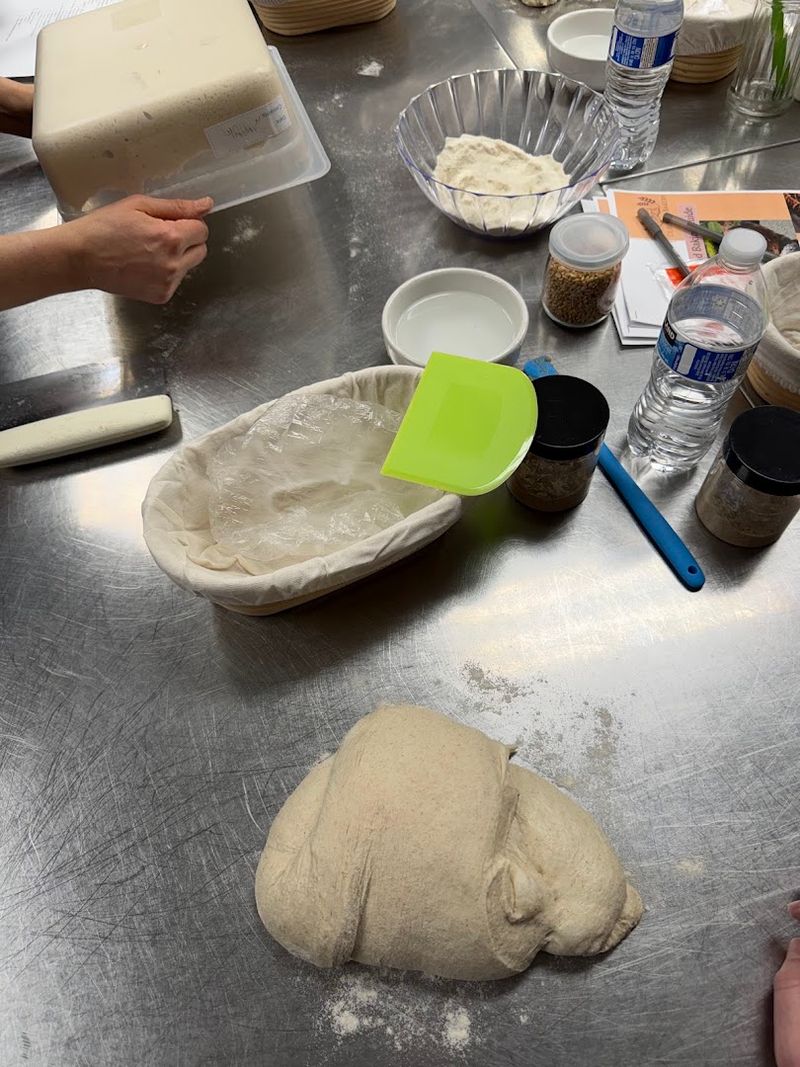
Climate is a silent ingredient in every loaf of bread. The Pacific Northwest coastal environment around Snohomish, WA brings specific conditions that affect sourdough dough in real, measurable ways.
Humidity and temperature are the two biggest factors.
Warmer temperatures accelerate fermentation. Cooler temperatures pump the brakes.
In a coastal climate with mild, cool conditions, fermentation tends to run at a more measured pace. That slower pace actually helps build more complex flavors in the dough.
High humidity can make starters more active than expected. It can also make dough stickier and harder to handle.
Experienced bakers adjust water content in the recipe to compensate for humid days. It takes practice, but the awareness itself is half the battle.
The cool, moist coastal air of western Washington is genuinely well-suited for long, cold fermentation methods. The environment almost encourages patience.
Bakers who work with their local climate rather than against it tend to produce more consistent results. Dubuque Bakery has clearly figured this out in a big way.
Pairing Suggestions For Fresh
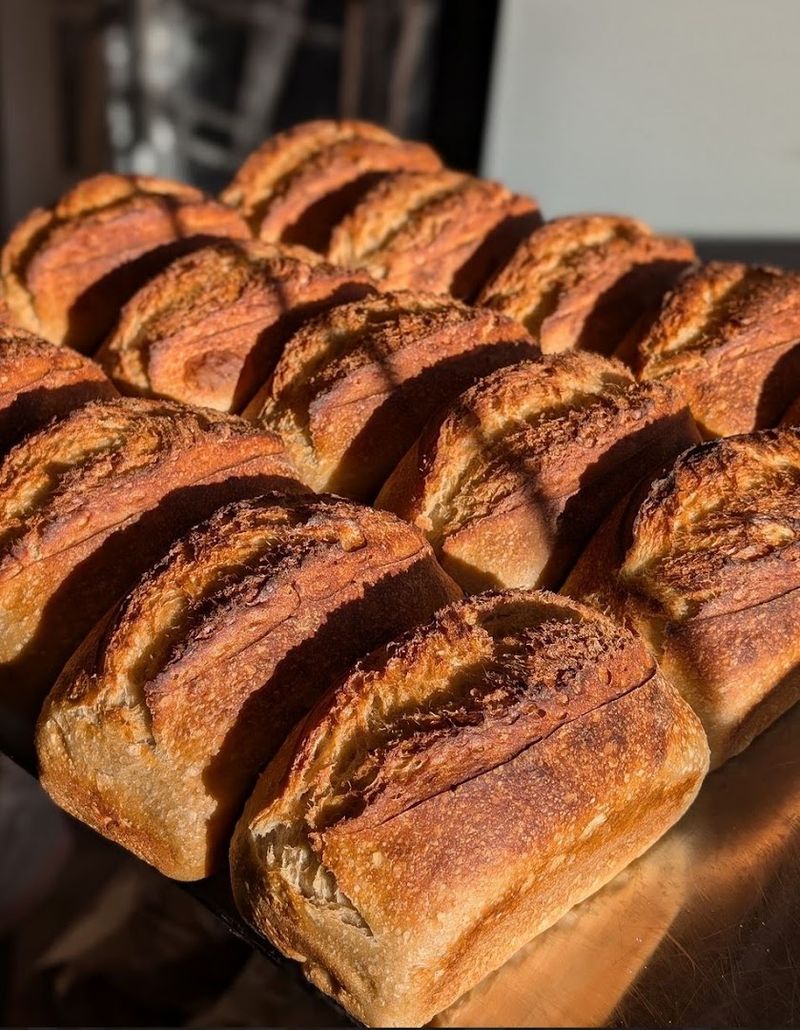
Fresh sourdough is one of those foods that plays well with almost everything. The tangy, complex flavor profile makes it a natural match for bold, savory companions.
Sharp aged cheeses are a classic pairing that never gets old.
Creamy soups are another perfect match. Think roasted tomato, potato leek, or a thick butternut squash bisque.
The crusty exterior of a good sourdough loaf is basically a built-in soup scoop. That combination is hard to beat on a rainy Washington afternoon.
Savory dips, cured meats, and avocado all work beautifully with fresh sourdough. The bread holds up structurally without falling apart.
It does not compete with toppings. It complements them, which is exactly what a great base bread should do.
For a sweeter direction, fruit spreads, local honey, or nut butter bring out a different side of the loaf entirely. The slight tang in the bread balances sweetness really well.
A slice from Dubuque Bakery with good honey on top is a simple pleasure that feels completely indulgent.
Storage And Freshness Maintenance
Storing sourdough properly is worth knowing because a good loaf deserves a good ending. The worst thing you can do is put it in the refrigerator.
Cold air pulls moisture out of bread and turns it stale faster than leaving it out.
For short-term storage, a cloth bag, tea towel, or paper bag works really well. These materials allow the loaf to breathe without drying it out too quickly.
A bread box at room temperature is another solid option that keeps things fresh for several days.
If you need to keep a loaf for longer, slicing and freezing is the move. Place slices in an airtight bag or container and pull them out as needed.
Toast them straight from frozen and they come back to life beautifully.
Always let your bread cool completely before wrapping or storing it. Trapping steam inside causes soggy crust and a gummy interior.
A loaf from Dubuque Bakery has too much care built into it to end up soft and sad in a plastic bag. Treat it right and it will stay good for days.