
The Enormous New York Thrift And Salvage Warehouse Where $50 Fills An Entire Truck Bed
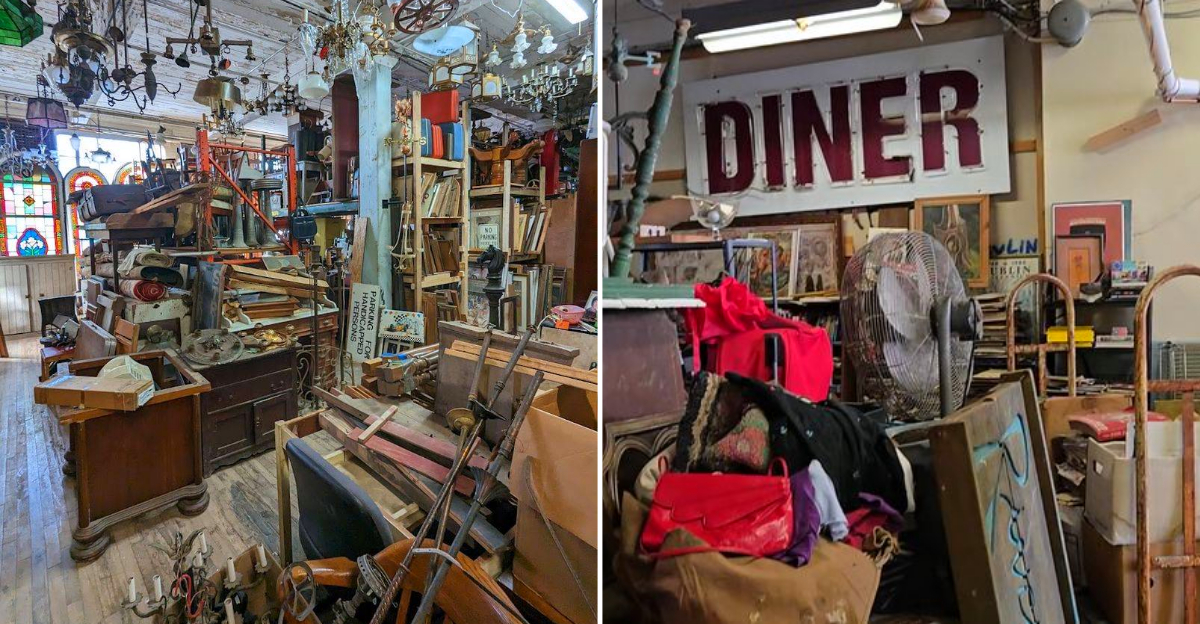
Forty thousand square feet. Four stories. Fifty dollars that somehow fills an entire truck bed by the time anyone thinks to check the clock.
Salvaged goods, antiques, and architectural pieces from a century of American craftsmanship, stacked and sorted across a building that has no business being this interesting and absolutely is anyway.
First-timers walk in planning a quick look and resurface two hours later blinking at the daylight with a cart full of things they cannot explain and will not apologize for.
New York has weekend destinations that require reservations and weekend destinations that require nothing but a willingness to wander.
Fifty dollars in a place this size is not a budget. It is a challenge. This New York warehouse accepts that challenge personally and wins every single time.
A Warehouse Unlike Anything You Have Seen Before
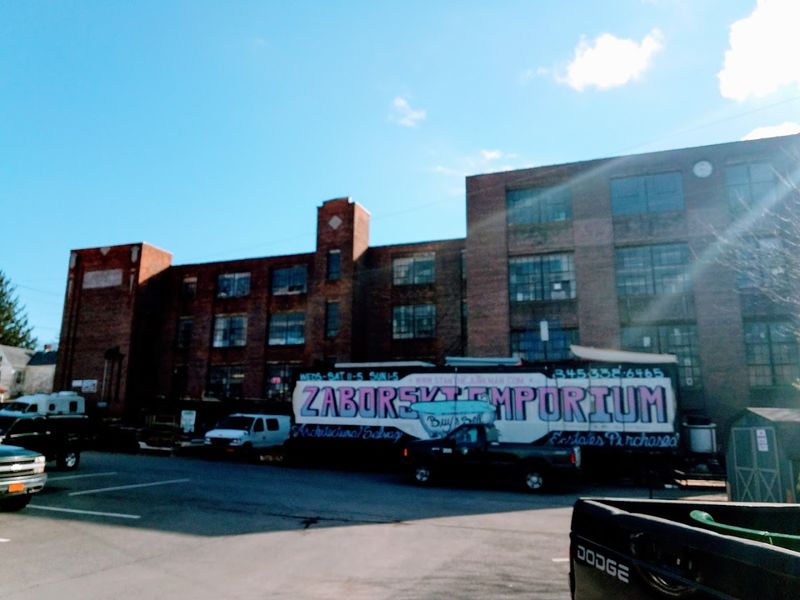
Some buildings carry a personality so strong that you feel it before you even walk through the door.
The structure that houses this legendary salvage operation was originally built as a factory for The Manhattan Shirt Co., and its bones still carry that industrial muscle. Four stories of raw brick rise up on Hoffman Street, giving the whole block a sense of serious history.
The building spans approximately 40,000 square feet, which is not a number that really hits you until you are standing inside it. Floor after floor of goods, stacked and sorted in a way that rewards patient exploration.
Every corner holds something unexpected, and the sheer scale of the place makes each visit feel genuinely different from the last.
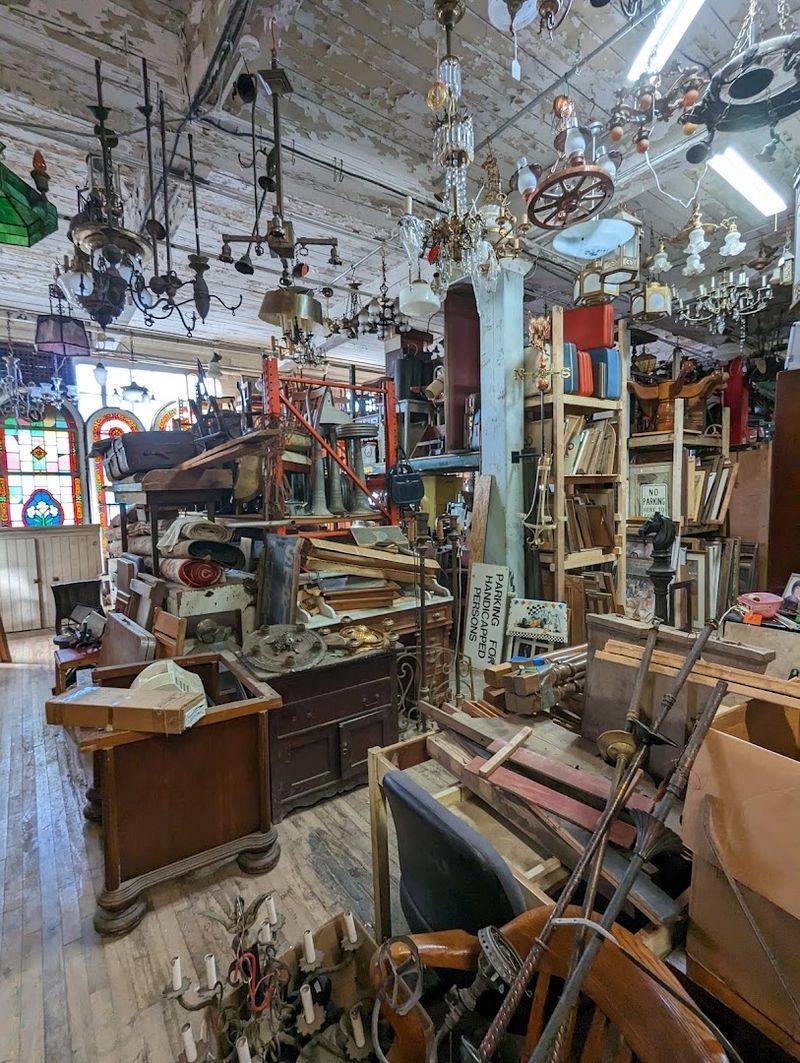
What sets it apart from a typical antique shop is the atmosphere. The lighting inside leans toward what some have called an eternal dusk, warm and dim in a way that makes every old object look like it belongs in a period film.
The building is unheated, so dressing in layers is a smart move before you arrive. Bring comfortable shoes, leave the oversized bags at home, and plan to spend at least a couple of hours getting properly lost in it.
Zaborski Emporium: The Address And The Legend Behind It
At 27 Hoffman St, Kingston, NY 12401, you will find one of the most talked-about salvage destinations in the entire northeastern United States.
Zaborski Emporium has been building its reputation for decades, and the name behind it carries real weight in the salvage world.
Stanley Zaborski, known warmly as Stan the Junk Man, started working in the salvage business as a child alongside his own father.
By the early 1960s, Stan had opened his first antique shop, driven by a genuine love for objects with history. In 1997, he acquired the Hoffman Street building and committed to filling every square foot of it with salvaged pieces worth saving.
That same year, his son Steve joined the operation full time, keeping the family legacy moving forward with the same passion that started it all.
The Emporium is open Thursday through Saturday, and also on Wednesdays, from 11 a.m. to 5 p.m. Children, pets, and groups are all welcome, and free Wi-Fi is available on site.
You can reach them directly at 845-338-6465. The family-operated nature of the business gives every visit a personal quality that larger commercial operations simply cannot replicate.
There is real pride in every shelf here.
Doors, Windows, And The Stories They Carry
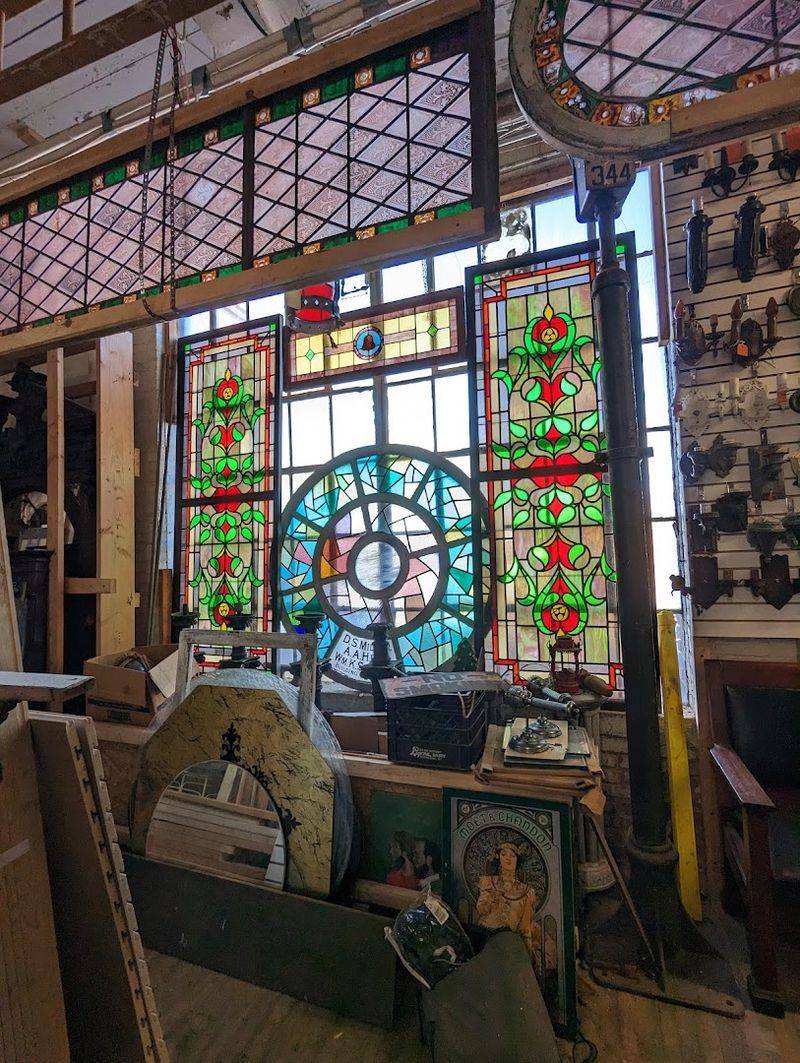
Few things in the salvage world are as satisfying as finding the perfect door. Zaborski Emporium reportedly holds thousands of them, spanning styles and eras that range from simple farmhouse panels to ornate Victorian entries with original hardware still attached.
Wandering through the door section alone could take a solid hour.
Windows get the same treatment here. Rows of them line the floors and walls, offering everything from single-pane antique glass to multi-light industrial frames pulled from old factories and schools.
Contractors, homeowners, and restoration enthusiasts make regular trips to Kingston specifically for this inventory. The variety is genuinely hard to find anywhere else in New York.
What makes these pieces valuable beyond their visual appeal is their origin.
Many items at the Emporium are sourced from demolished mansions and renovated historic buildings, which means the craftsmanship reflects an era when things were built to outlast their owners.
A door here is not just a door. It is a piece of a building that mattered to someone, and now it has a chance to matter again in a new space.
That sense of continuity is part of what keeps people coming back.
Plumbing Fixtures That Belong In A Design Magazine
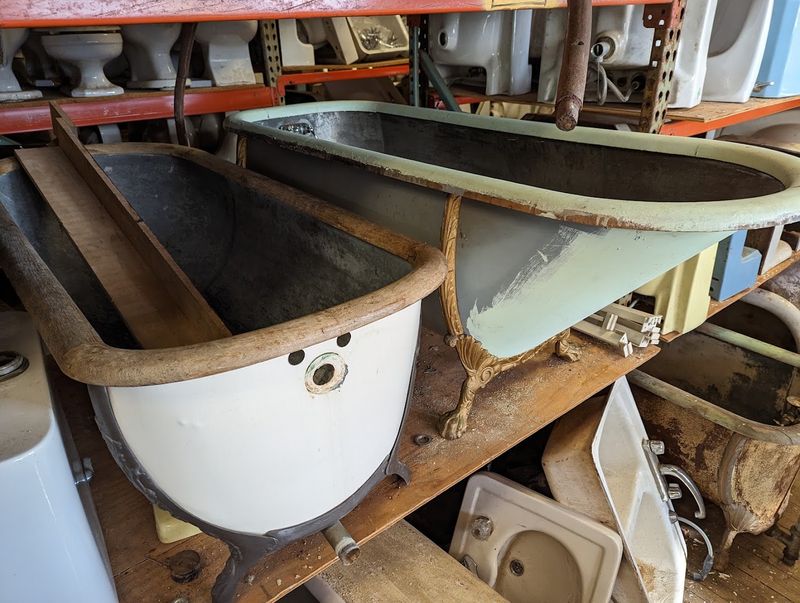
Clawfoot tubs have a way of making any bathroom feel like a personal spa, and Zaborski Emporium has them in abundance. Cast iron, porcelain, marble-accented, plain, and ornate versions fill entire sections of the building.
If you are restoring a historic home or just want a bathroom that looks like it belongs in a boutique hotel, this is the right place to start your search.
Beyond the tubs, the plumbing inventory stretches across sinks of every shape and era, vintage toilets, faucet sets, and fixtures that major retailers stopped carrying decades ago.
The selection draws restoration specialists and high-end interior designers who know that authentic period pieces are nearly impossible to source through conventional channels.
New York has plenty of antique shops, but very few can match the depth of what the Emporium holds in this category alone.
Prices in this section tend to reflect the rarity and condition of the pieces, and negotiation is generally welcomed. Going in with a clear sense of what you need helps the staff point you in the right direction quickly.
The friendly team at the front desk is genuinely knowledgeable and happy to track down specific items across the building’s many floors.
Tin Ceilings, Cornices, And Architectural Details
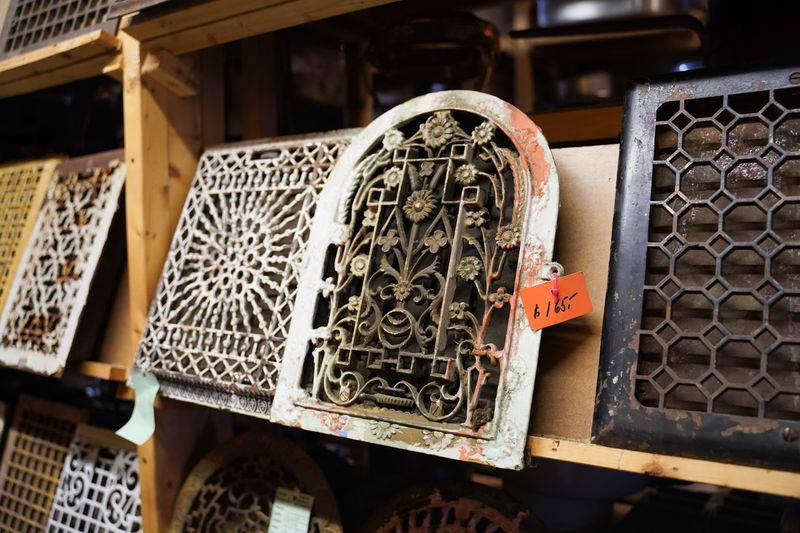
Architectural details are the quiet heroes of historic preservation. Tin ceiling panels, decorative cornices, carved balusters, and hand-crafted mantels all have a way of transforming a plain room into something that feels genuinely considered.
Zaborski Emporium holds a remarkable collection of exactly these kinds of pieces, pulled from buildings that no longer stand.
The tin ceiling inventory alone is worth the trip for anyone working on a period restoration or a commercial space that needs character. Panels arrive in various patterns and conditions, and the staff can often help identify the approximate era and origin of specific pieces.
Architects and set designers have been sourcing from this collection for years, including prop buyers for the New York Metropolitan Opera and various film productions.
Balusters and mantels fill their own corners of the warehouse, stacked and sorted in a way that takes some patience to navigate but rewards careful looking. The variety of wood types, carving styles, and finishing details reflects just how broadly the Emporium sources its inventory.
Nothing here comes from a catalog. Every piece was once part of a real structure, which gives the whole collection an authenticity that reproduction materials simply cannot touch.
Vintage Lighting That Sets The Mood Right
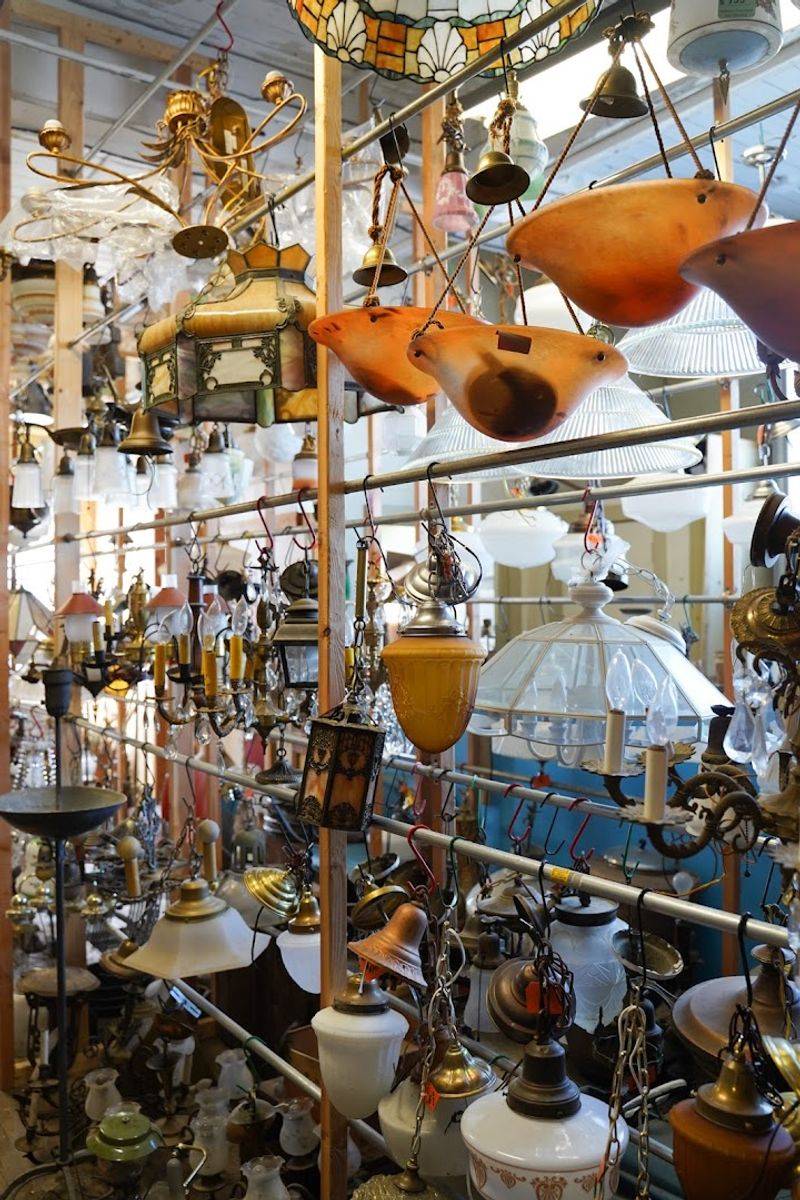
Good lighting changes everything about a space, and the lighting inventory at Zaborski Emporium is the kind that interior designers chase across multiple states.
Chandeliers, pendant lights, wall sconces, and industrial fixtures hang from the ceilings and crowd the shelves in a display that is as visually striking as it is practical for shoppers.
The range spans several decades and multiple design movements. You might spot a heavy Victorian chandelier dripping with crystals right next to a streamlined mid-century pendant that belongs in a downtown loft.
The juxtaposition is part of the fun. Browsing this section has a way of sparking ideas you did not know you had when you walked in.
Many of the fixtures are in working or restorable condition, though some require rewiring or hardware updates. The staff can usually offer basic guidance on condition and compatibility.
Prop buyers and film set designers have long recognized the Emporium as a go-to source for statement lighting pieces that read authentically on screen.
For homeowners, finding a fixture here means bringing home something with genuine character rather than a mass-produced imitation. The difference shows up every single time you flip the switch.
Furniture, Housewares, And The Truly Unexpected
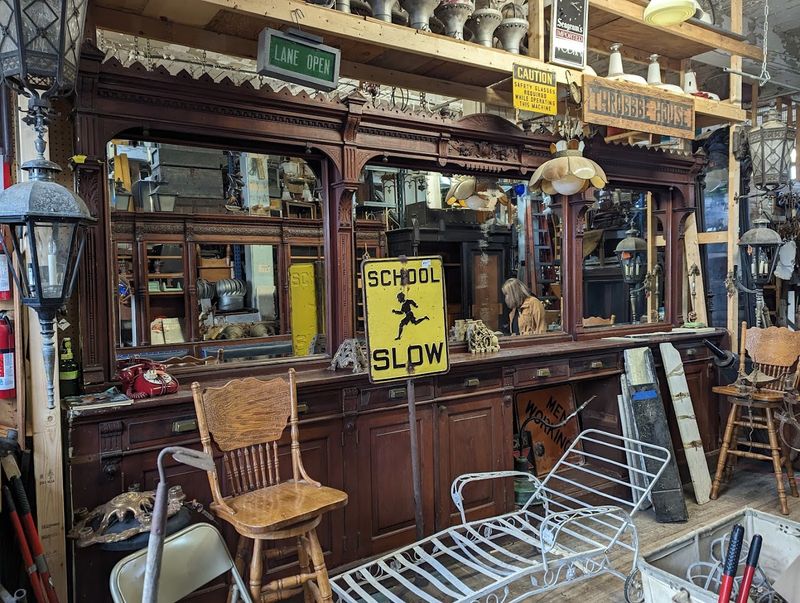
Beyond the architectural salvage, the Emporium holds a sprawling collection of items that defy easy categorization.
Vintage furniture sits alongside antique housewares, old advertising signs, milk glass collections, law office chairs, and large store counters from businesses that closed before most visitors were born.
The inventory shifts constantly, which means repeat visits almost always surface something new.
Then there are the truly singular finds. A vintage Vespa scooter parked between shelves of ironware.
Taxidermy pieces mounted on walls beside stacks of cabinet hardware. Traffic lights, Dunkin Donuts signs, and objects so specific in their origin that you find yourself constructing an entire backstory around them.
The Emporium has a gift for making the mundane feel remarkable simply through the company it keeps.
The sourcing philosophy here is deliberate. Items are purchased rather than donated, and the selection reflects decades of trained judgment about what is worth saving.
Stan Zaborski built that judgment over more than fifty years in the business, and his son Steve continues applying it with the same discerning eye.
The result is a collection that feels curated even when it looks chaotic, which is honestly one of the more impressive tricks any shop can pull off.
Who Shops Here And Why They Keep Coming Back
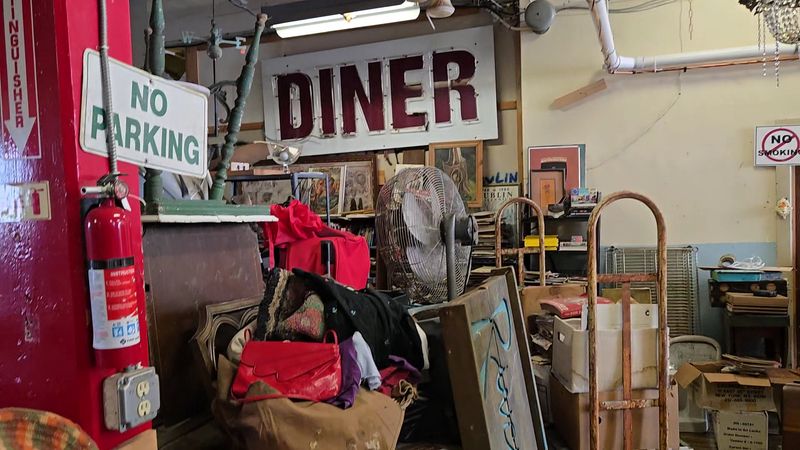
The clientele at Zaborski Emporium reads like a who’s who of people who take their spaces seriously. Homeowners restoring Victorian brownstones rub elbows with licensed contractors hunting for period-correct hardware.
High-end architects arrive with measurements and wish lists. Film and theater production teams make regular sourcing trips, and the New York Metropolitan Opera has sent prop buyers here on multiple occasions.
What keeps such a varied crowd returning is a combination of inventory depth and the thrill of the unexpected. No two visits produce the same experience because the stock is always shifting.
New pieces arrive from demolished buildings and renovated historic properties on a regular basis, keeping the selection fresh for regulars who have already worked through earlier finds.
For casual visitors, the Emporium works best when you arrive with either a clear goal or no agenda at all. The staff at the front is quick to help focused shoppers locate specific items across the building’s many floors.
For wanderers, the labyrinthine layout rewards slow, curious movement through every aisle. Prices are generally negotiable, and the family-run atmosphere means conversations about pieces often carry genuine knowledge rather than a sales pitch.
That honesty is its own kind of rare find in the antique world.
How To Make The Most Of Your Visit
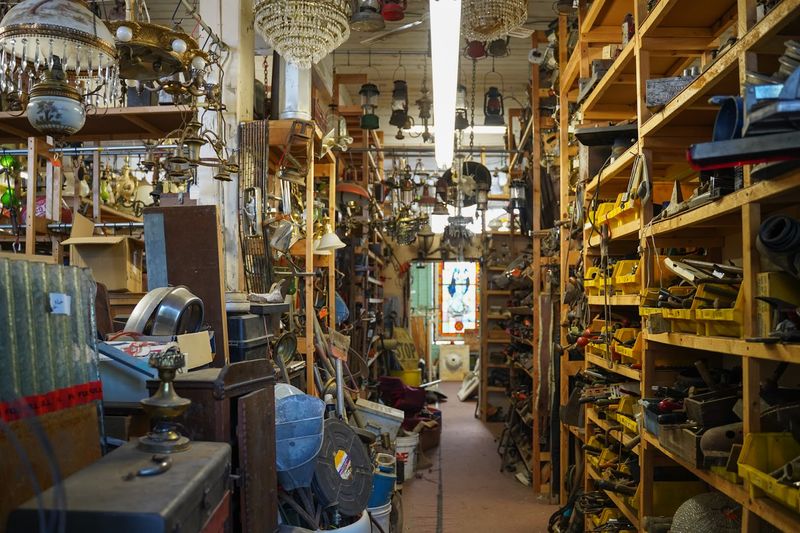
Planning ahead makes the difference between a satisfying trip and an overwhelming one. The building is not heated, so dressing in layers is essential if you are visiting during the colder months.
Comfortable, sturdy footwear matters too, because the floors across four stories of packed inventory are not always smooth or predictable. A small bag is smarter than a large one for the same reason.
Arrive knowing what you are after, even if only loosely. The staff at the front desk is genuinely helpful and can often point you directly to the section most likely to hold what you need.
If you are open to wandering, give yourself at least two hours. The building rewards slow attention, and rushing through it means missing the kinds of finds that make the whole trip worthwhile.
Zaborski Emporium is open Wednesday through Saturday from 11 a.m. to 5 p.m. Children and pets are welcome, which makes it a reasonable outing for the whole family.
The experience sits somewhere between a museum visit and a serious shopping expedition, and it manages to satisfy both impulses at once.
For anyone with an appreciation for craftsmanship, history, and the pleasure of genuine discovery, Kingston, New York just became a very good reason to take a road trip.