
The Peaceful New Jersey Bay Beach That Welcomes Thousands Of Horseshoe Crabs Each May
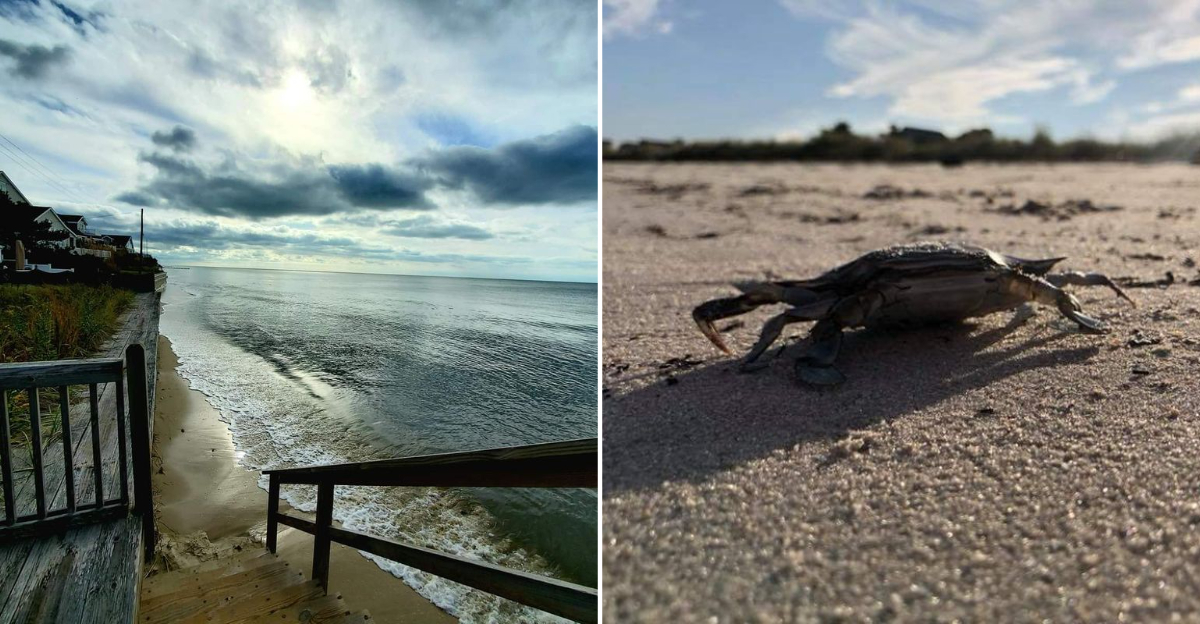
The sand belongs to the ancient visitors long before the summer crowds claim the coastline. Every May, the water line turns into a moving carpet of dark shells under the moonlight.
New Jersey hosts this massive wildlife ritual without any grand announcements or flashing neon signs. The tide pushes thousands of horseshoe crabs onto the shore in a synchronized arrival.
They come to deposit millions of green eggs in the soft shoreline mud. Red knots and other migratory birds follow close behind for an essential feast.
The entire beach feels alive with a primitive energy that ignores human schedules. It is a noisy, crowded spectacle of nature that happens in absolute, remote silence.
Visitors stand frozen in the dark just to watch the prehistoric invasion unfold.
Annual Horseshoe Crab Arrival In May
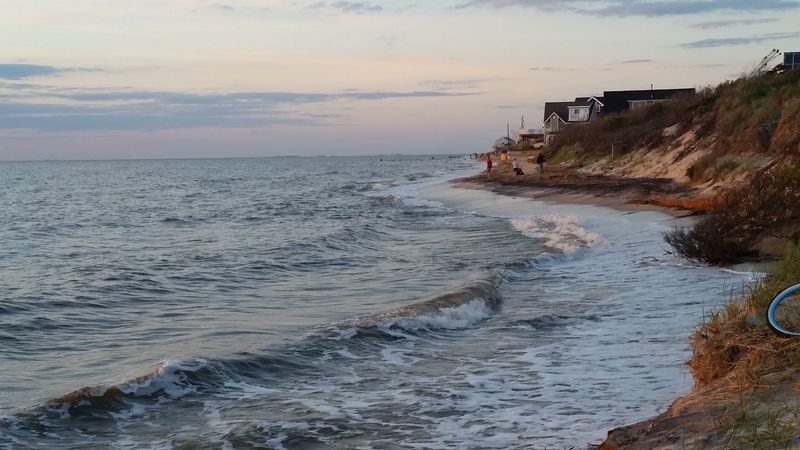
Every May, something ancient and jaw-dropping happens at Villas, Lower Township. Horseshoe crabs arrive by the thousands.
They crawl ashore like clockwork, just as they have for over 450 million years.
The Delaware Bay hosts the largest spawning population of Atlantic horseshoe crabs on the planet. Villas sits right along this bay.
That makes it one of the best front-row seats for this prehistoric parade.
Peak spawning runs from mid-May through mid-June. Full moon high tides trigger the biggest waves of arrivals.
Females lead the charge, dragging males behind them toward the shoreline.
Each female can lay up to 90,000 eggs in a single season. That is not a typo.
The beach practically becomes a living, moving carpet of shells and legs.
Locals and visitors both mark their calendars for this event. It draws nature lovers, scientists, and curious families.
The energy on the beach during peak nights is genuinely electric.
You do not need to be a marine biologist to appreciate this. Just show up, look down, and prepare to be amazed.
The crabs handle the rest.
Tidal Patterns And Their Impact On Wildlife
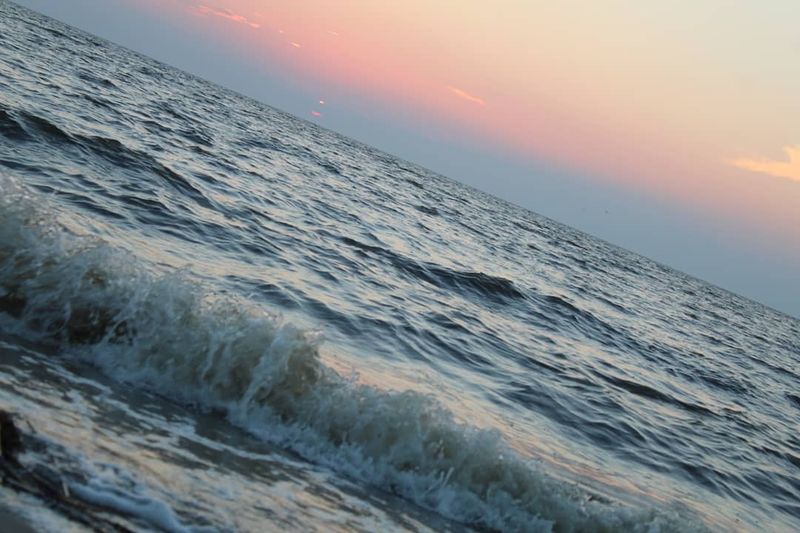
Tides are basically nature’s alarm clock for horseshoe crabs. High tide signals the crabs to move.
New and full moons bring the highest tides of the season, and that is when the real action starts.
Spawning activity peaks at night during these lunar high tides. The beach transforms after dark.
Waves roll in, and crabs follow right behind them.
Wave action along bay beaches does something sneaky but important. It unearths horseshoe crab eggs buried in the sand.
Those eggs rise to the surface and become a feast for migratory shorebirds.
The Red Knot is the most dramatic example of this food chain in action. These small birds fly thousands of miles from South America to reach New Jersey.
They rely almost entirely on horseshoe crab eggs to refuel before continuing north.
Without the right tidal timing, the eggs stay buried. Without the eggs, the birds starve mid-migration.
The whole system depends on these tidal patterns staying predictable and healthy.
Watching the tide come in at Villas during May feels different knowing all of this. Every wave matters.
Every full moon has a purpose. Nature is running a very tight schedule here, and the tides are keeping the beat.
Unique Features Of Local Bay Beach Habitat
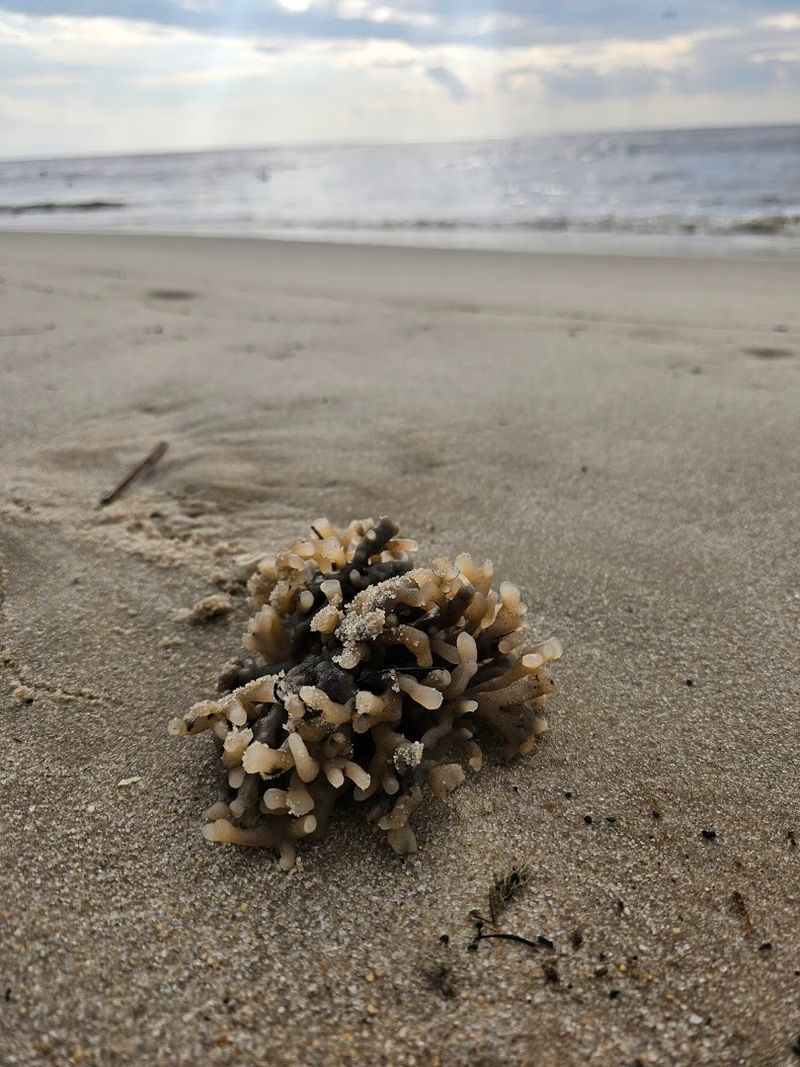
Bay beaches feel completely different from ocean beaches. The water is calmer, the vibe is quieter, and the sand has a rougher texture.
At Villas, that coarse, gritty sand is actually a feature, not a flaw.
Horseshoe crabs prefer porous, coarse-grained sand for nesting. It allows oxygen to reach their developing eggs underground.
Without proper oxygenation, the eggs do not survive.
Shallow coves along the Villas’ shoreline shield spawning areas from strong wave action. That protection matters enormously for nesting success.
Crabs need stable ground to bury their eggs properly.
The Delaware Bay is also a critical stopover point for migratory shorebirds traveling along the Atlantic Flyway. Millions of birds pass through this region each spring.
The bay beach habitat at Villas sits right in the middle of this flyway.
Unlike busy ocean beaches, Villas has a low-key atmosphere. No massive crowds are blocking the view.
The natural setting remains largely undisturbed, which is exactly what wildlife needs.
The combination of calm water, coarse sand, and protective coves makes this beach a rare ecological treasure. It is not glamorous by resort standards.
But for horseshoe crabs, migratory birds, and anyone who appreciates raw, unfiltered nature, it is honestly perfect.
Photography Techniques For Wildlife Observation
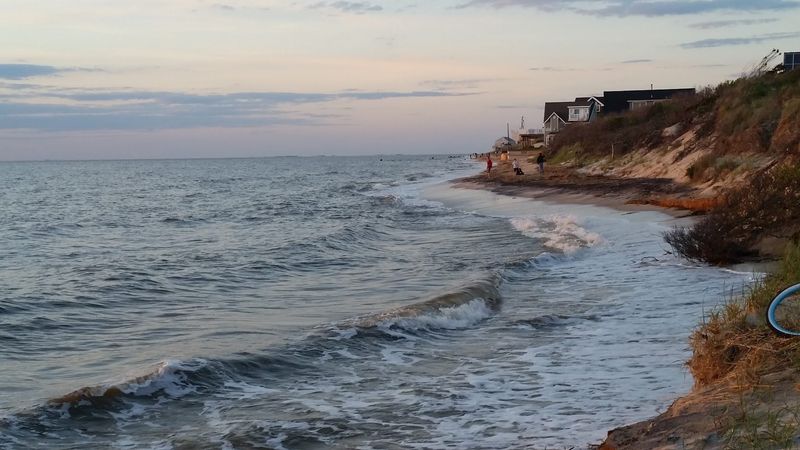
Getting great shots at Villas during May is about timing more than equipment. Plan your shorebird visits for late May during daytime low tide.
The birds are most active and visible then.
For horseshoe crab photography, switch to nighttime. Target calm evenings around new or full moons.
Arrive about 30 minutes before high tide to get set up before the crabs appear.
Sunset timing in late May often lines up perfectly with high tide. That means golden light hitting the water just as the crabs crawl ashore.
Your camera will thank you for showing up early.
Bring binoculars or a spotting scope for shorebird viewing. Red Knots and Ruddy Turnstones move fast and feed in tight groups.
Getting closer than 50 feet can spook them, so glass is your best friend.
Use a red-filtered flashlight at night if you want to observe crabs without disturbing them. White light can interrupt their natural behavior.
Red light lets you see without causing stress to the animals.
A wide-angle lens works great for capturing the sheer scale of crab arrivals. A telephoto lens is better for individual bird portraits.
Honestly, even a smartphone camera can produce stunning results if your timing is right.
Conservation Initiatives Protecting Marine Life
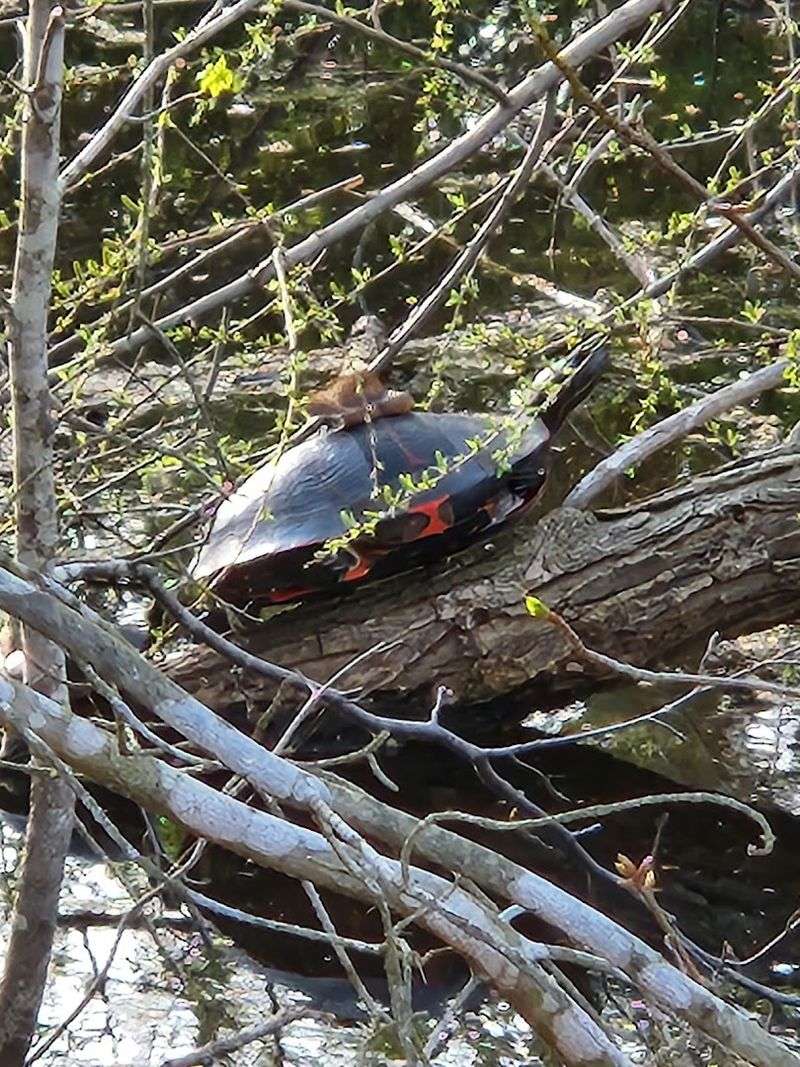
New Jersey takes horseshoe crab protection seriously. There is a full moratorium against harvesting horseshoe crabs in the state.
Picking one up to take home is not allowed.
Beach closures are enforced annually from May 7th through June 7th. These closures protect the most critical shorebird feeding grounds along the bay.
Signs are posted clearly, and rangers do patrol the area.
One of the most hands-on programs is called Return the Favor. Volunteers walk the beach and gently flip overturned horseshoe crabs right-side up.
A stranded crab cannot right itself once flipped, and it will die if left alone.
The technique matters. You always flip a crab by holding its shell, never by the tail.
The tail, called the telson, is fragile and used for steering, not defense. Grabbing it causes real damage.
The American Littoral Society runs a volunteer crab tagging program. Scientists use tag data to track crab migration routes and population trends.
Every tagged crab adds to the scientific picture.
These programs work because regular people show up to help. You do not need a science degree to participate.
Showing up, following the rules, and flipping a few crabs makes a measurable difference to this ecosystem.
Guided Tours And Educational Programs Offered
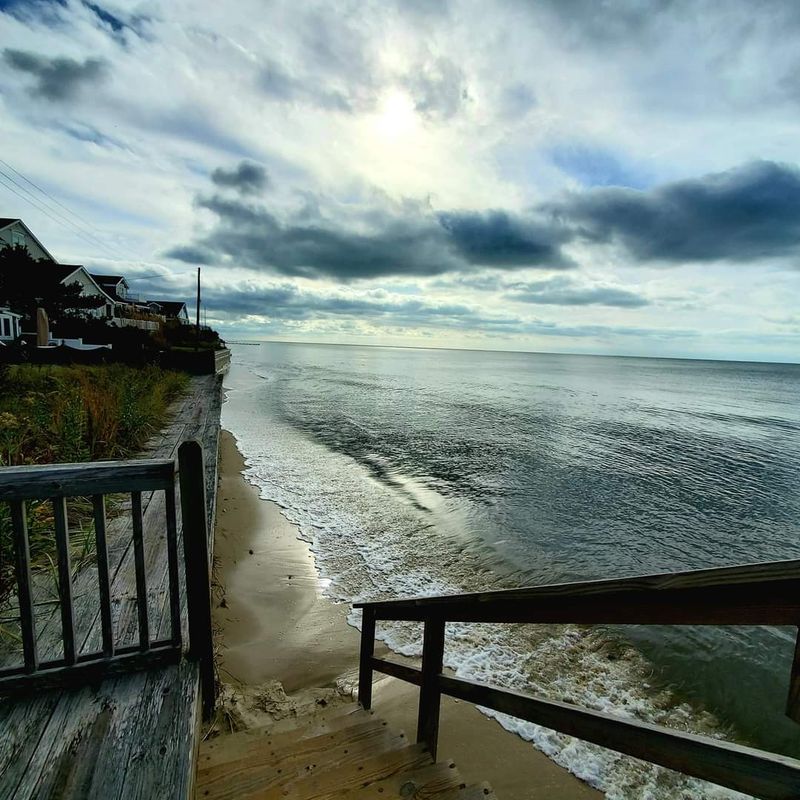
You do not have to figure out the Villas Bay Beach experience alone. Several organizations run guided programs during the peak May spawning season.
They make the whole visit more meaningful.
The Wetlands Institute offers environmental education field trips focused on horseshoe crabs. Programs include crab sampling surveys and hands-on discovery activities.
These trips are popular with school groups and curious adults alike.
New Jersey Audubon runs environmental programs centered on the shorebird migration. Their guides know exactly where to look for Red Knots and other species.
Joining one of their outings dramatically improves your wildlife viewing success.
The American Littoral Society coordinates the horseshoe crab tagging program mentioned earlier. Volunteers of all ages participate.
It is one of the most direct ways to contribute to real conservation science during your visit.
The Bayshore Center at Bivalve, located nearby, offers local history and ecological education. It connects the human story of this bay region to the natural one.
The context it provides makes the beach experience richer.
Most programs are beginner-friendly and designed to welcome people with zero background in marine biology. Kids especially love the hands-on elements.
Booking ahead is smart since spots fill quickly during peak spawning weeks in May.
Seasonal Changes Affecting Beach Ecosystem
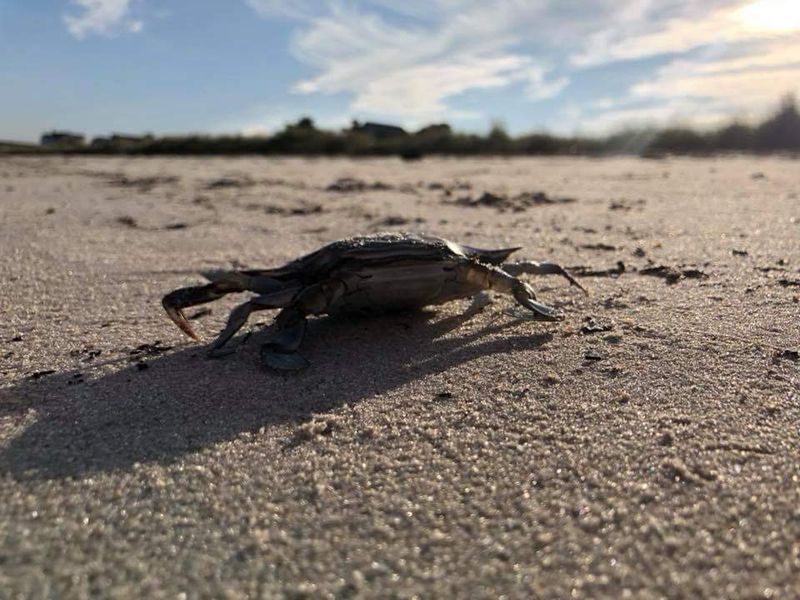
The Villas Bay Beach looks completely different depending on when you visit. Spring brings calm waters, warm sand, and thousands of horseshoe crabs.
Winter is a whole different story.
Adult horseshoe crabs spend the cold months in deeper offshore ocean waters. They return to bay shores each spring when water temperatures rise.
The migration is instinct-driven and remarkably consistent year after year.
Juvenile crabs behave differently from adults. They stay on intertidal sand flats for their first two years of life.
You can sometimes spot tiny young crabs along the shoreline even outside of spawning season.
Fall and winter bring energetic wave action and storm surges to the bay beach. Seasonal erosion reshapes the shoreline significantly.
Some years, entire sections of beach shift or shrink after major nor’easters.
Sea level rise is a growing concern for this ecosystem. As water levels creep higher, available spawning habitat shrinks.
Less beach means fewer safe nesting sites for crabs and fewer eggs for migratory birds.
Scientists monitor these seasonal changes closely. Every data point about erosion, water temperature, and crab counts matters.
The seasonal rhythm of this beach is fragile, and understanding it is the first step toward protecting it long-term.
How Visitors Can Safely Interact With Nature
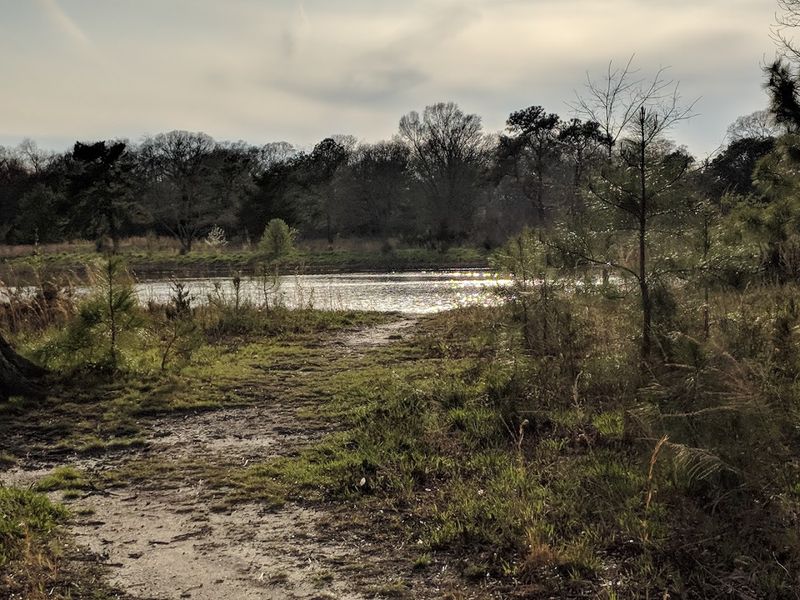
Visiting Villas during horseshoe crab season comes with a few simple rules. Following them protects the crabs, the birds, and, honestly, your experience too.
Nobody wants to accidentally be the person who ruins a crab’s night.
Never lift a horseshoe crab by its tail. The telson looks sturdy but is actually delicate.
Grabbing it can cause serious injury to the animal.
If you find a crab upside down, flip it by gripping the sides of its shell. Use both hands for larger crabs.
Place it gently at the water’s edge so it can orient itself.
Horseshoe crabs are completely harmless to humans. They do not sting, bite, or pinch.
Their spiky appearance is intimidating, but they are gentle, slow-moving creatures just trying to lay eggs.
Keep your distance from mating pairs. Crabs that are actively spawning should not be separated or disturbed.
Even well-meaning interference can disrupt the process and reduce egg survival rates.
Do not feed shorebirds or try to approach them closely. They need to eat naturally and rest between feeding bouts.
Stress from human interference burns calories they cannot afford to lose during migration.
Respect all posted beach closure signs without exception. Those boundaries exist for scientific reasons.
Staying outside them is the single most impactful thing a casual visitor can do for this ecosystem.