
This Enormous Minnesota Surplus Store Is A Treasure Hunt For Serious Bargain Shoppers
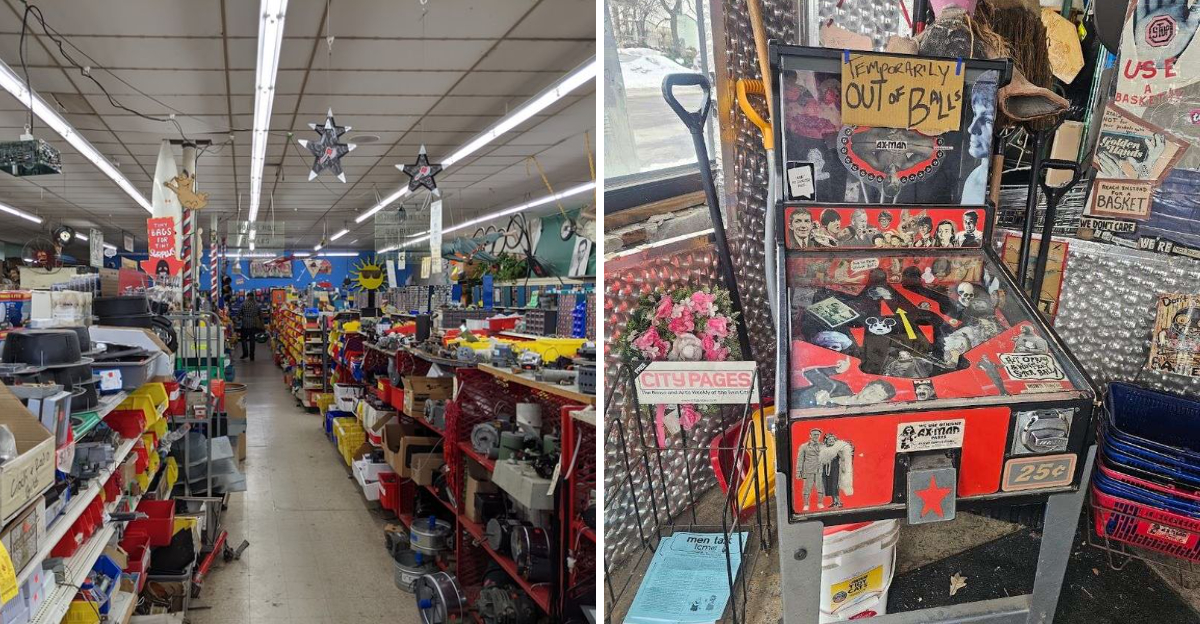
An old iron lung hangs above aisles filled with switches, motors, laboratory equipment, and objects that seem to have lost their instruction manuals decades ago. This is not a museum.
It is one of Minnesota’s most unusual places to hunt for a bargain. Handwritten signs add jokes to the shelves, while mannequin parts and forgotten inventions make every corner feel unpredictable.
Some shoppers arrive searching for one specific component. Others simply dig through bins until an idea begins to form.
Would you recognize the perfect weekend project inside a box of discarded electrical parts? That possibility is what keeps people browsing far longer than planned.
Minnesota has ordinary discount stores, but few places in the state turn surplus shopping into this much entertainment. The state’s most curious bargain hunters may enter with an empty basket and leave carrying something they still cannot fully explain.
Ax-Man Has Kept University Avenue Wonderfully Strange Since 1966
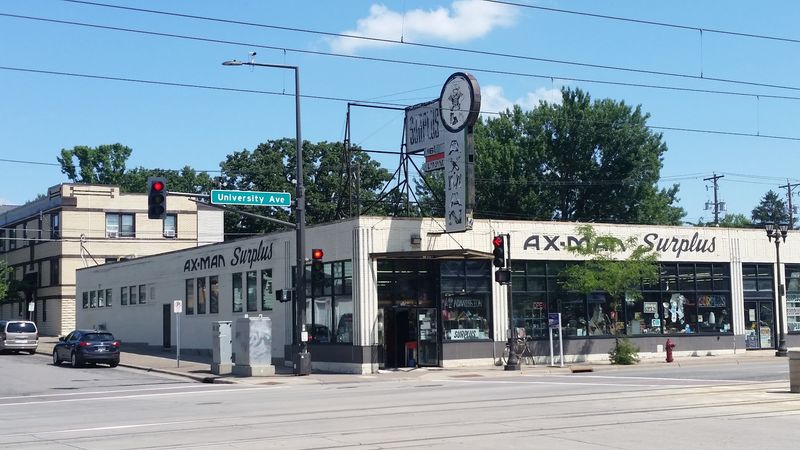
Few stores in Minnesota can claim they’ve survived nearly six decades by selling other companies’ mistakes and overstock. Ax-Man opened its doors when Lyndon Johnson was president and has been confusing and delighting shoppers ever since.
The St Paul location remains the flagship, anchoring a stretch of University Avenue with its promise of unpredictability.
What started as a simple surplus operation has evolved into something much stranger and more beloved. The store doesn’t follow typical retail logic because it can’t predict what will arrive next.
One week might bring pallets of discontinued kitchen gadgets, while the next delivers crates of laboratory equipment.
This business model creates an experience you won’t find at regular stores. Shoppers develop a habit of checking back frequently because waiting too long means missing out.
The Minnesota location has become a cultural landmark where generations of families have hunted for bargains, built science projects, and discovered things they never knew existed.
An Old Iron Lung Is Only The Beginning Of The Store’s Oddest Displays
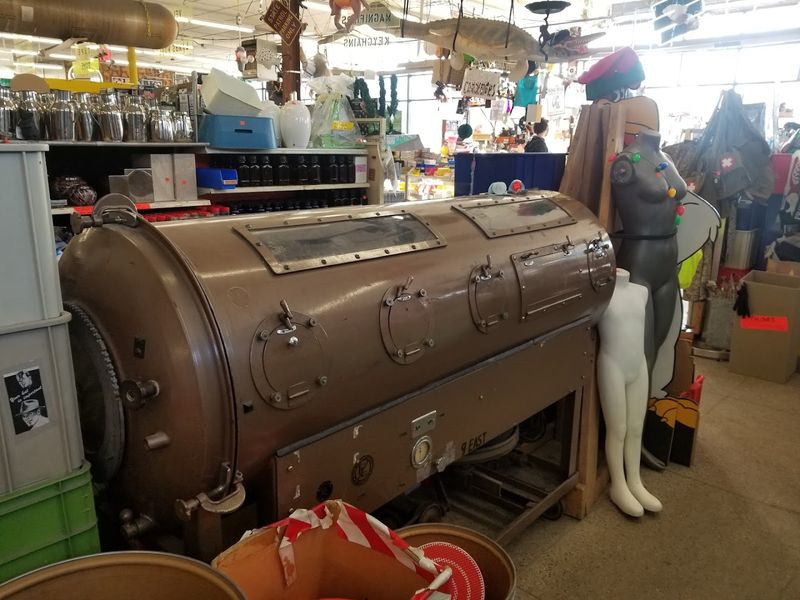
Walking past the front entrance, you might spot something that stops you cold. An actual iron lung sits among the merchandise, a reminder of medical history that somehow ended up in a Minnesota surplus store.
It’s not for sale, but it perfectly captures the store’s philosophy of celebrating the unusual.
The iron lung isn’t alone in its weirdness. Throughout the aisles, you’ll encounter displays that blur the line between shopping and visiting a curiosity cabinet.
Old advertising mannequins watch over bins of components, while vintage signs explain products that never quite made it.
These displays serve a purpose beyond decoration. They signal that Ax-Man embraces the strange rather than hiding it.
The staff clearly enjoys curating these oddities, turning what could be a cluttered warehouse into something that feels intentional. Every corner holds potential surprises, making the shopping experience feel more like exploration than a typical errand around St Paul.
Failed Consumer Products Get One Last Chance To Become Something Brilliant
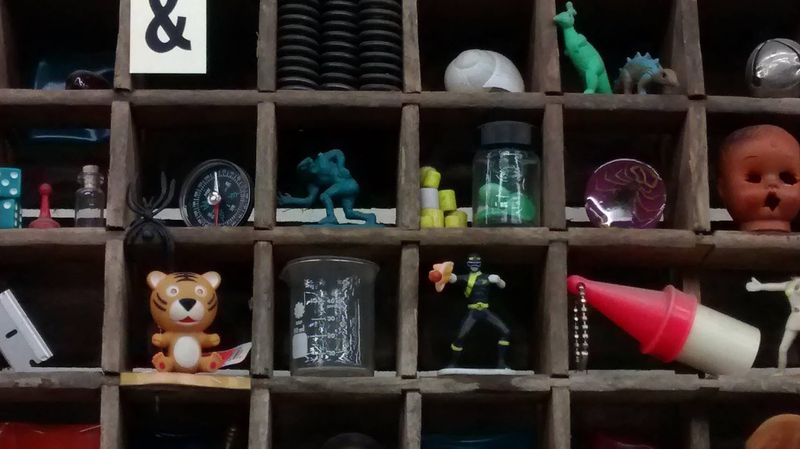
Product failures fill the aisles at Ax-Man, but they’re reframed as opportunities rather than disappointments. That kitchen gadget that flopped in test markets might be perfect for your specific need.
The toy that didn’t catch on becomes craft material in creative hands.
Minnesota shoppers have learned to see potential where manufacturers saw losses. A bin of discontinued smartphone cases becomes a source of durable plastic for projects.
Pool floaties from three seasons ago transform into art installations. The store essentially gives these products a second chance at usefulness.
This approach benefits everyone involved. Companies recoup some costs on failed inventory, shoppers get incredible deals, and perfectly functional items avoid landfills.
The environmental angle isn’t heavily advertised, but it’s there. When you buy surplus, you’re participating in a form of recycling that keeps usable goods in circulation.
Plus, there’s genuine satisfaction in finding the perfect solution to a problem at a fraction of retail cost.
Scientists And Crafters Somehow End Up Hunting Through The Same Aisles
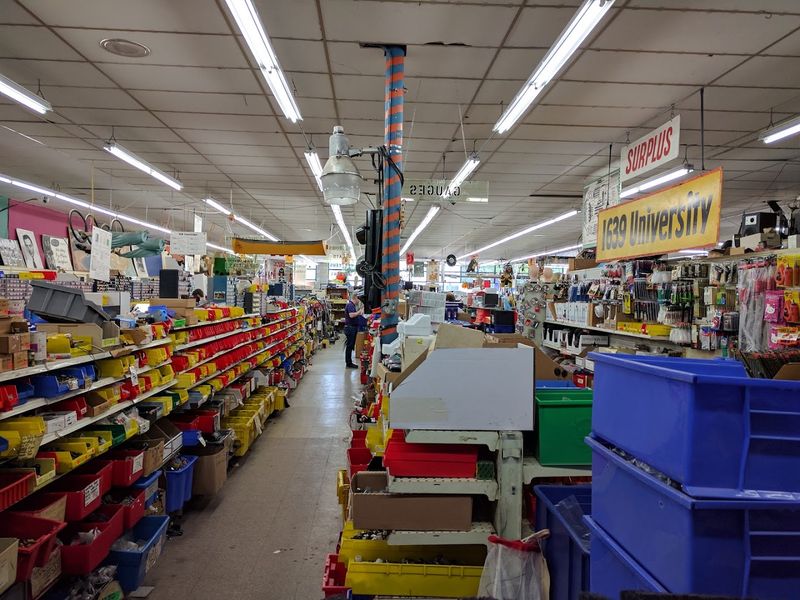
The customer mix at this St Paul store defies easy categorization. A high school science teacher might be elbow-to-elbow with a sculptor, both searching through the same bin for completely different reasons.
One person’s beaker is another person’s planter.
This overlap happens because Ax-Man stocks items with multiple potential uses. Glass containers work equally well for chemistry experiments and candle-making.
Electrical wire serves both circuit-building and jewelry creation. The store doesn’t segregate merchandise by intended purpose, which forces creative thinking.
Regular visitors report that this mixed environment sparks unexpected ideas. Watching someone else examine an item might reveal a use you hadn’t considered.
The staff seems to understand this dynamic, arranging products to encourage browsing rather than quick in-and-out shopping. Minnesota’s maker community has essentially adopted the store as an unofficial headquarters, where different disciplines cross-pollinate.
You might arrive looking for craft supplies and leave with components for a robotics project instead.
Tiny Motors Switches And Mechanical Parts Can Spark An Entire Weekend Project
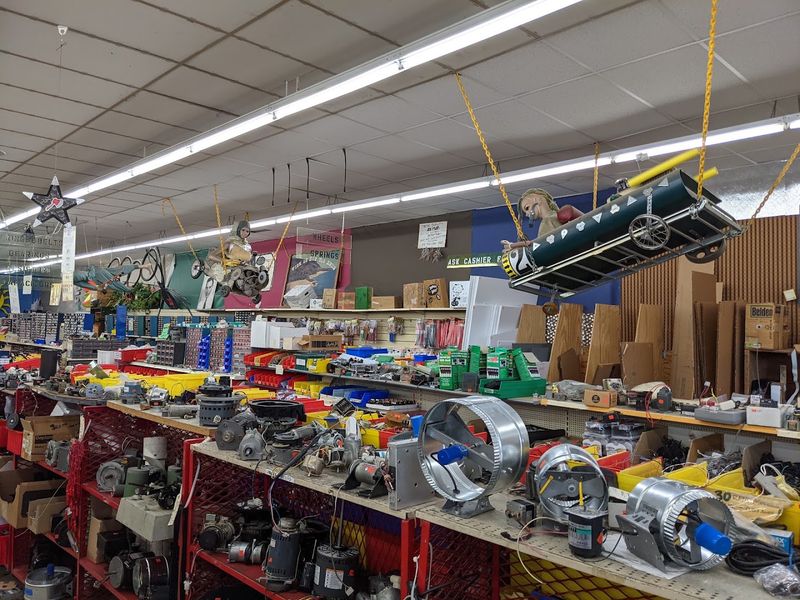
The electronics section deserves its own visit separate from browsing the rest of the store. Bins overflow with components that would cost significantly more at specialty retailers.
Capacitors, resistors, switches, and motors await anyone willing to dig through them.
For hobbyists and tinkerers, this area represents pure possibility. That drawer of small motors could become the heart of a homemade robot or a kinetic sculpture.
Switches and relays enable custom control systems. The selection changes constantly as new surplus shipments arrive from manufacturers and distributors.
Even people without specific projects in mind find themselves inspired by the sheer variety. The low prices remove the barrier to experimentation.
You can afford to try building something just to see if it works. Minnesota’s long winters make indoor projects particularly appealing, and Ax-Man provides the raw materials.
Reviews consistently mention spending hours just exploring what’s available in the electronics aisles, with many shoppers discovering new hobbies simply by handling interesting components.
Teachers Artists Engineers And Tinkerers All See Different Possibilities Here
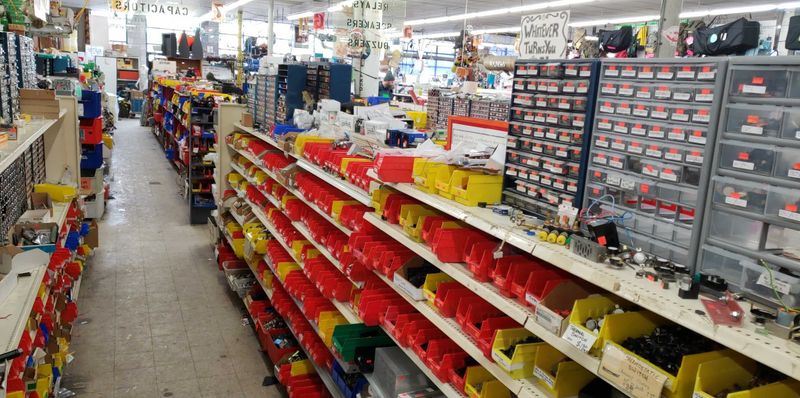
Professional needs and creative vision intersect throughout this Minnesota store in fascinating ways. Teachers stock up on supplies for classroom demonstrations and student projects.
Artists source materials for installations and mixed-media work. Engineers find components for prototypes and personal experiments.
Each group approaches the same inventory with completely different eyes. A bin of plastic tubing might appeal to a teacher planning a water flow demonstration, an artist creating a sculpture, and an engineer building a cooling system.
The store doesn’t cater specifically to any single audience, which paradoxically makes it useful to everyone.
This democratic approach to merchandise creates an unusually diverse shopping environment. You’re as likely to overhear discussions about theatrical props as you are conversations about circuit design.
The staff at the St Paul location has developed expertise in helping customers from all backgrounds, though they’re honest about not knowing every possible use for every item. That uncertainty is part of the charm, leaving room for customer creativity to fill in the gaps.
The Handwritten Signs Are Nearly As Entertaining As The Merchandise
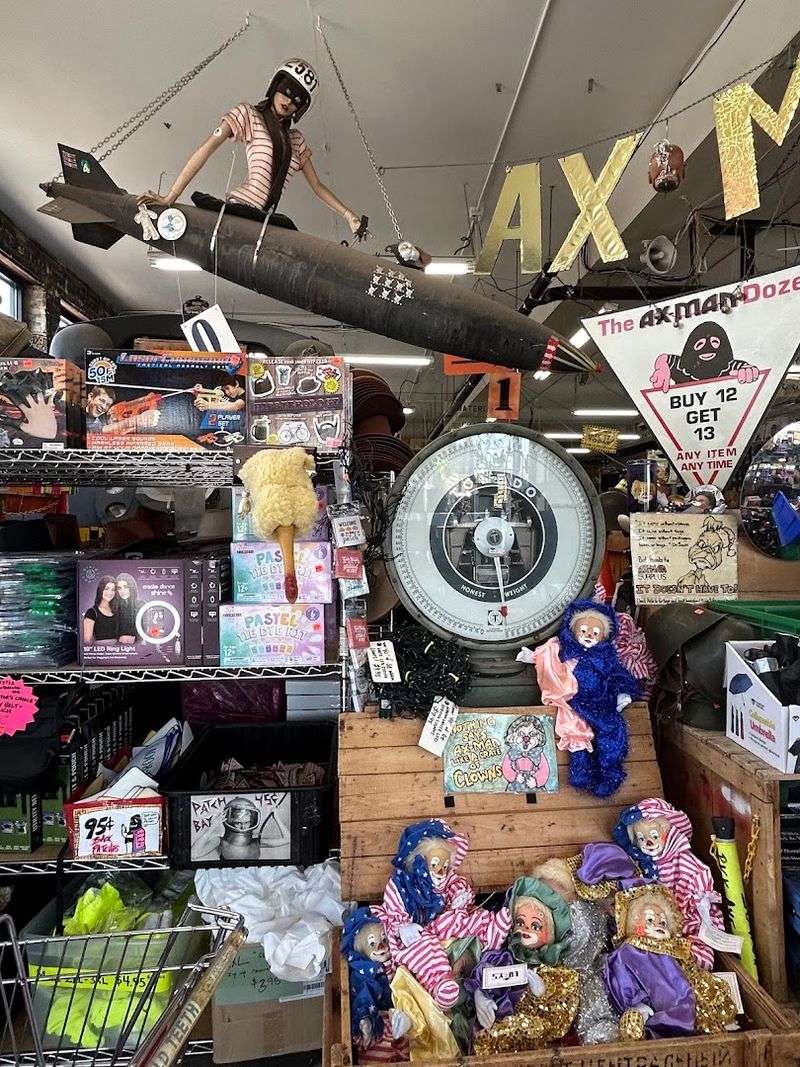
Product descriptions at Ax-Man read nothing like typical retail signage. The staff writes labels by hand, often adding jokes, commentary, or honest assessments of an item’s limitations.
A bin of slightly irregular measuring cups might be marked with a note about their “rebellious nature.”
These signs transform mundane shopping into entertainment. Customers frequently photograph the funniest labels to share with friends.
The humor tends toward the clever and self-aware rather than trying too hard. It’s clear the staff genuinely enjoys this aspect of the job.
The handwritten approach also serves a practical purpose. With inventory changing constantly, printed signs would be wasteful and impractical.
Hand-labeling allows for quick updates and flexibility. But the real value lies in personality.
These signs give the store character that corporate branding could never achieve. Visitors to Minnesota often mention the signage in reviews, noting how it sets Ax-Man apart from every other shopping experience.
The writing style has become as much a part of the store’s identity as the unusual inventory itself.
Mannequin Heads Doll Parts And Other Oddities Keep Every Aisle Unpredictable
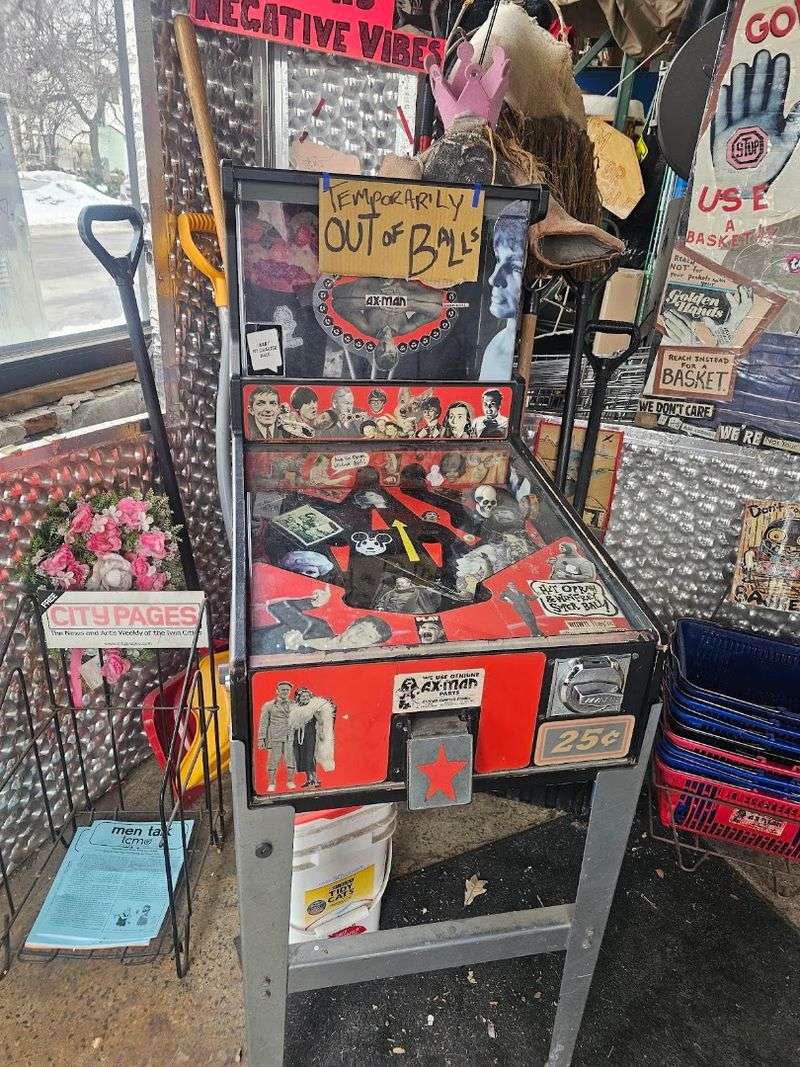
Certain sections of the store venture into genuinely unsettling territory. Bins of disembodied doll parts and mannequin heads create displays that feel pulled from a surrealist art installation.
These items aren’t hidden away but prominently featured, often with appropriately deadpan signage.
The creepy factor is intentional and celebrated. Customers hunting for Halloween decorations or art projects love these sections.
One reviewer specifically mentioned buying “cursed looking dolls” to transform into jewelry, which perfectly captures the store’s appeal to creative oddballs.
Beyond the spooky stuff, the unpredictability extends throughout the store. You might find vintage advertising materials next to modern pool toys, or industrial safety equipment beside craft foam.
This chaotic organization makes sense once you understand the business model. Ax-Man sells whatever surplus becomes available, creating an inventory that defies categorization.
The St Paul location has perfected this controlled chaos over decades, knowing that the randomness itself attracts customers who enjoy the hunt more than finding specific predetermined items.
Surplus Shipments Mean Today’s Best Find Might Be Gone By Your Next Visit
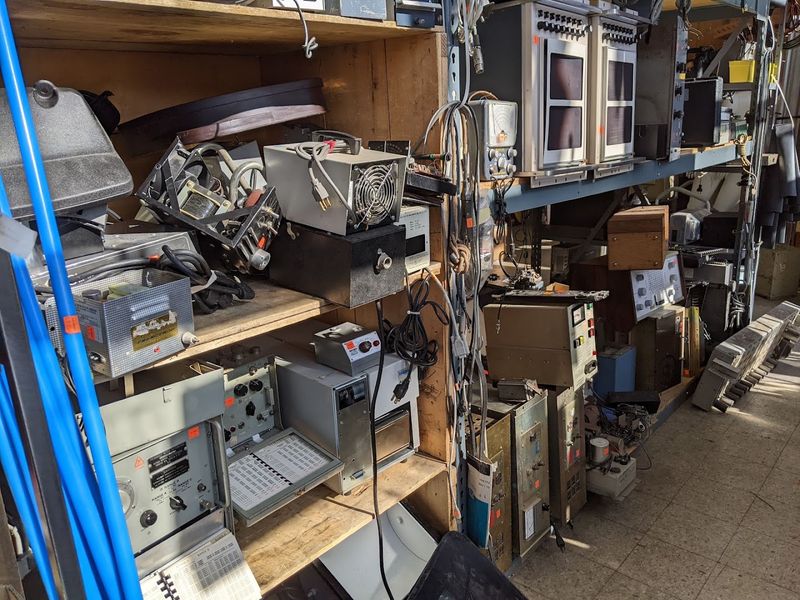
The business model at Ax-Man creates genuine scarcity without artificial manipulation. When a surplus shipment sells out, it’s usually gone forever.
This reality turns casual browsing into strategic shopping for regular customers.
Smart shoppers develop habits around this unpredictability. Many visit weekly or biweekly to catch new arrivals before they disappear.
The store’s social media sometimes hints at incoming shipments, but much remains surprise-based. This keeps the experience fresh even for people who’ve been shopping there for years.
The temporary nature of inventory also removes buyer’s remorse. If you see something interesting and pass it up, you might never encounter it again.
This encourages decisive purchasing and risk-taking. Minnesota residents report finding amazing deals on items they didn’t know they needed, simply because the price and novelty made saying no impossible.
The rotating stock also means the store never feels stale. Each visit offers different possibilities, maintaining the treasure-hunt atmosphere that keeps customers returning to the University Avenue location decade after decade.
Industrial Leftovers Have Fueled Twin Cities Creativity For More Than Half A Century
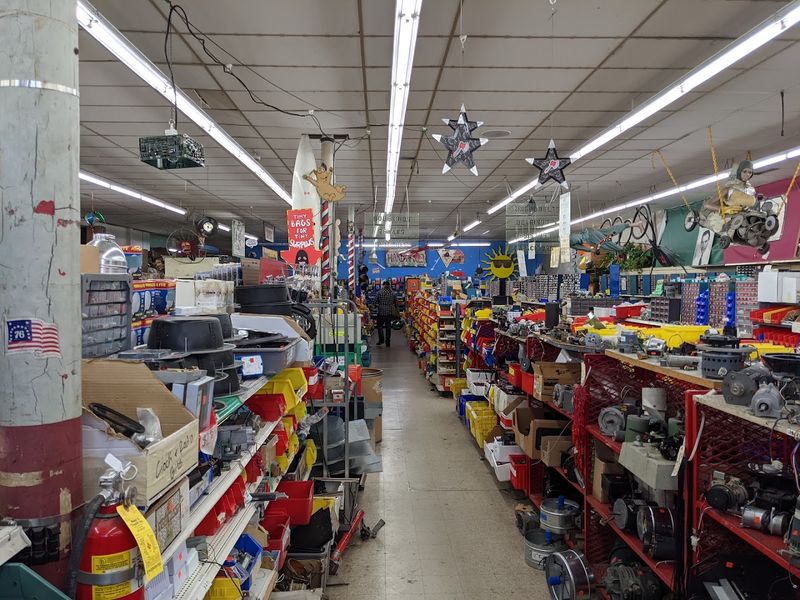
The Twin Cities creative community has a not-so-secret weapon, and it’s been hiding in plain sight on University Avenue since 1966. Ax-Man provides access to industrial materials at prices that make experimentation affordable.
This has quietly supported countless projects, businesses, and artistic endeavors across Minnesota.
Theater companies source props and set-building materials here. Inventors prototype new products using surplus components.
Students complete science fair projects without breaking their parents’ budgets. The impact extends far beyond simple bargain shopping into genuine community support for creative work.
Local artists particularly appreciate the store’s role in their process. Finding the right material at the right price can make the difference between completing a project and abandoning it.
The St Paul location has essentially functioned as an informal arts grant program, making physical materials accessible regardless of budget. Multiple generations have now grown up with Ax-Man as a resource, creating a cultural legacy that goes deeper than retail.
The store’s longevity proves that serving creative communities builds lasting business success.