
This Missouri Swimming Hole Is A Year-Round Escape With Cool 68 Degree Waters
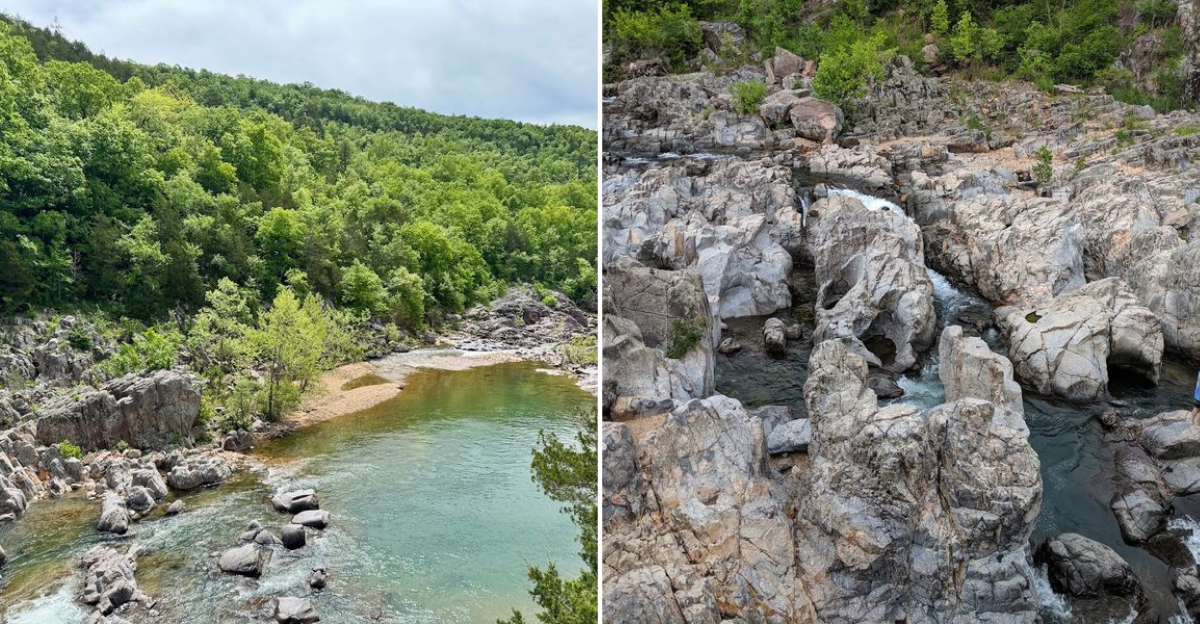
When the relentless summer humidity leaves you desperate for relief, a hidden sanctuary is the only remedy. This tranquil spot presents a refreshing chance to shake off office stress and align your senses with the rhythmic pulse of the wilderness.
My grandfather always claimed that the finest memories are forged in places where the water numps your toes on impact.
This shaded basin honors that belief by maintaining a crisp, unyielding temperature of sixty-eight degrees through every season.
Tall limestone bluffs shield the pool from the blistering afternoon sun. Swimmers plunge into the emerald depths, instantly feeling the heavy layers of daily exhaustion wash away.
Missouri weather can be notoriously unpredictable, but the soothing chill of this natural pool remains an absolute constant. You will realize why locals keep this paradise a secret the moment you dive in.
Crystal Clear Waters Ideal For Swimming
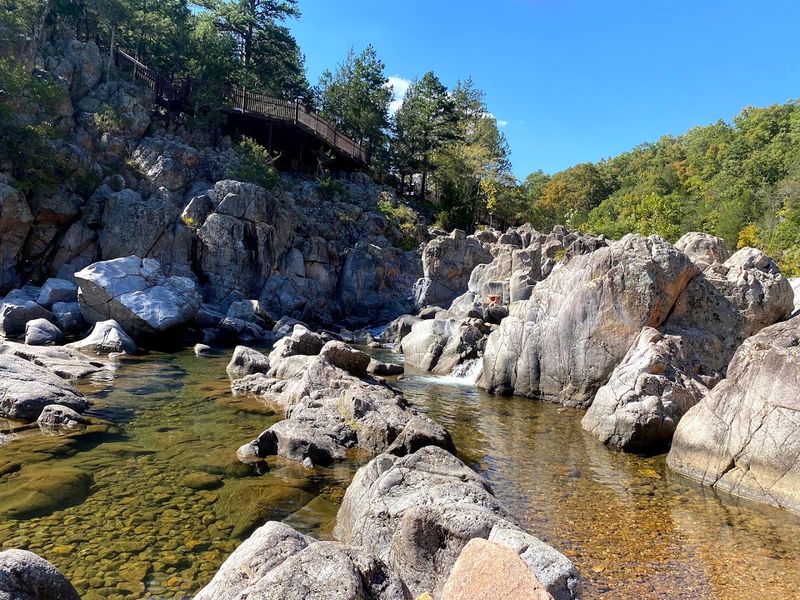
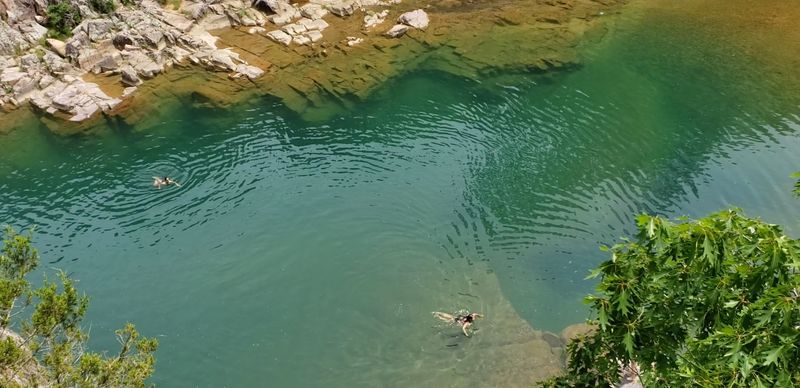
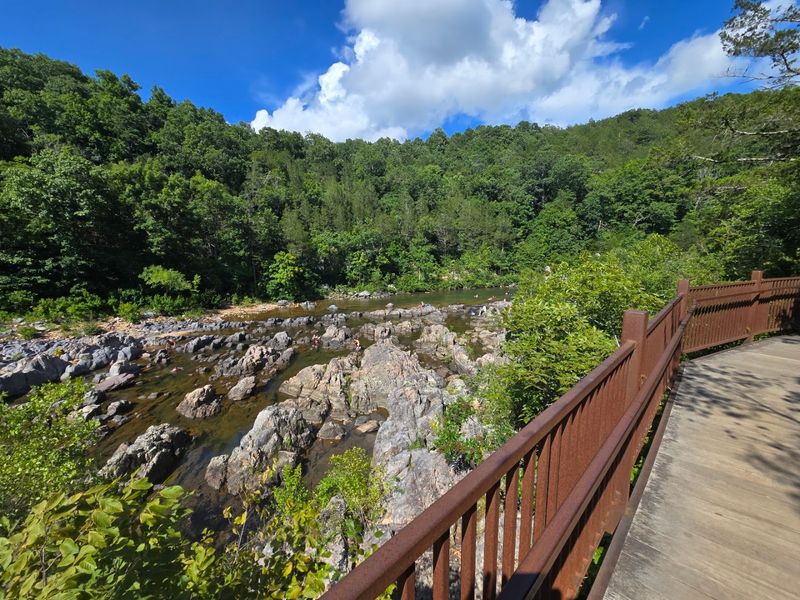
The East Fork of the Black River does something remarkable here. It carves through ancient rock and creates a natural water park that no engineer could replicate.
Underground springs feed the river constantly, keeping water at a steady 68 degrees year-round.
That temperature is no joke. On a blazing summer afternoon, stepping into that water is instant relief.
The water is so clear you can watch small fish dart between rocks below your feet.
The river forms chutes, pools, and cascades as it moves through the rock formations. Some pools are shallow enough for kids to wade.
Others run deep enough for a proper swim.
You can float, splash, or just sit on a rock and let the current rush past you. Each section of the river offers something a little different.
Exploring all the access points along the trail takes a solid chunk of the day.
Water shoes are a must here. The rocks underwater are slippery and sharp in spots.
Bare feet will not have a good time on the creek bed.
Find this refreshing escape at 148 Taum Sauk Trail, Middle Brook, MO 63656. It is about two hours from St. Louis and absolutely worth the trip.
Plan to stay longer than you think you will need.
Unique Geological Formations Around The Swimming Area
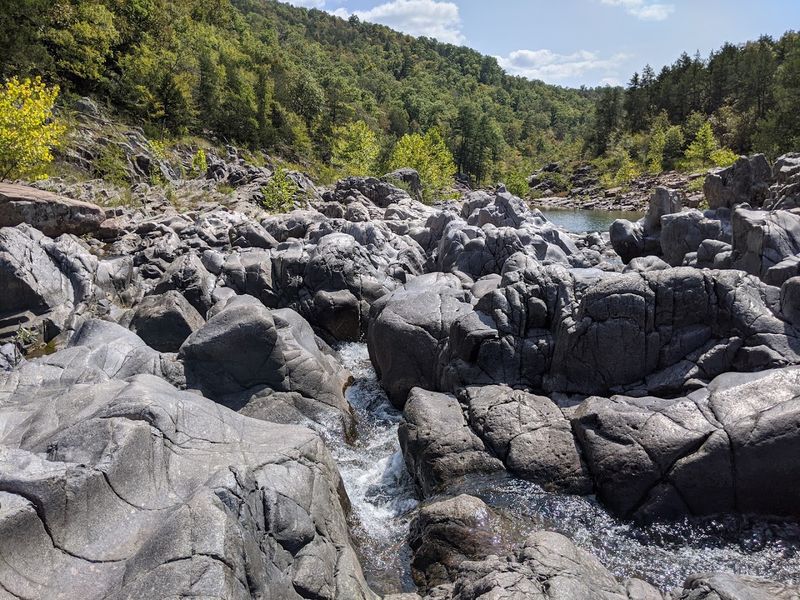
The rocks here are genuinely old. We are talking over a billion years of history sitting right under your feet.
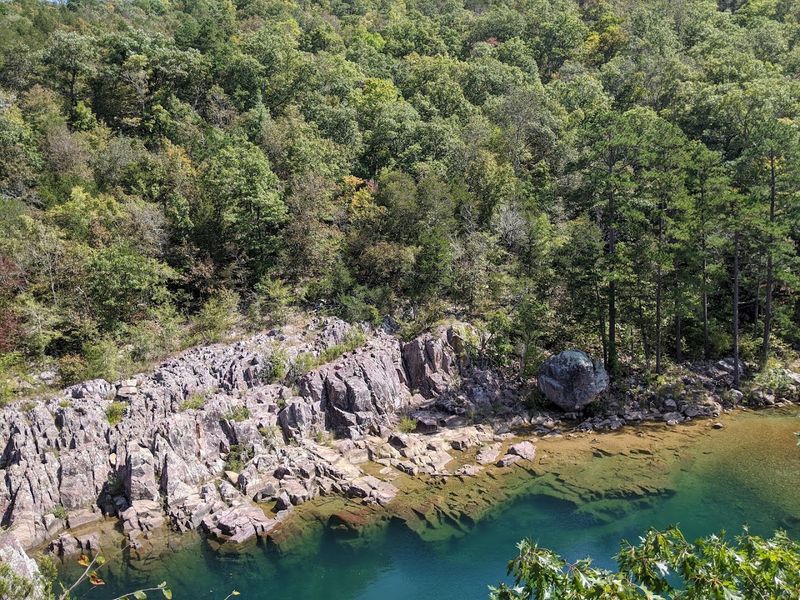
Volcanic activity created the pink granites and blue-gray rhyolites that shape this entire landscape.
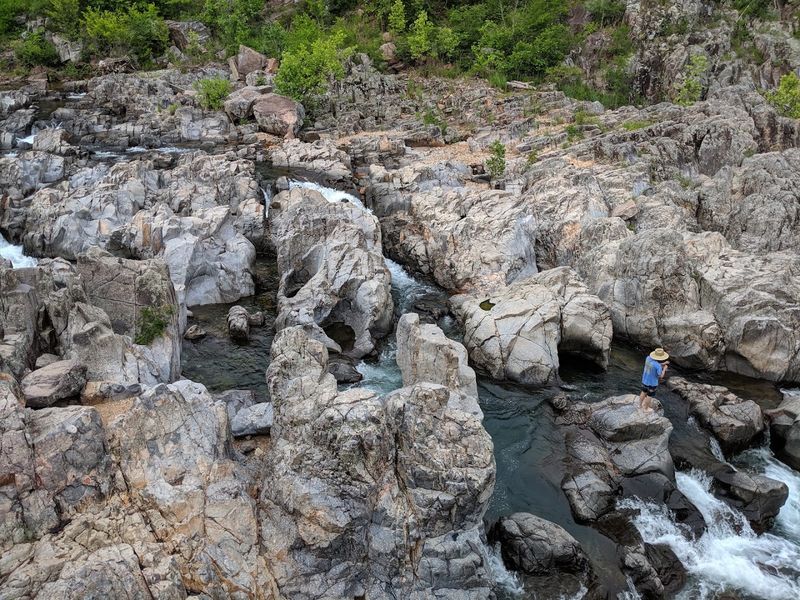
The term “shut-ins” refers to the narrow channels the river carves through hard igneous rock. The rock resists erosion, so the river squeezes through tight passages instead of spreading wide.
The result looks like something from another planet.
Water pressure over millions of years smoothed some surfaces into natural slides. Other areas remain jagged and dramatic, rising in walls around the river.
Standing between those rock walls with water rushing past is a genuinely wild experience.
The geology here is part of the St. Francois Mountains, one of the oldest exposed rock formations in North America. Most mountain ranges you know are much younger than what you see here.
That fact alone makes the place feel significant.
Geologists actually study this area because the rock composition is so rare and well-preserved. The igneous base resisted weathering far better than softer sedimentary rock found elsewhere in Missouri.
That hardness is exactly why the shut-ins exist at all.
You do not need a science degree to appreciate the formations. Just look around.
The shapes, colors, and textures of the rock tell a story that stretches back further than most people can even imagine.
Seasonal Activities Beyond Swimming
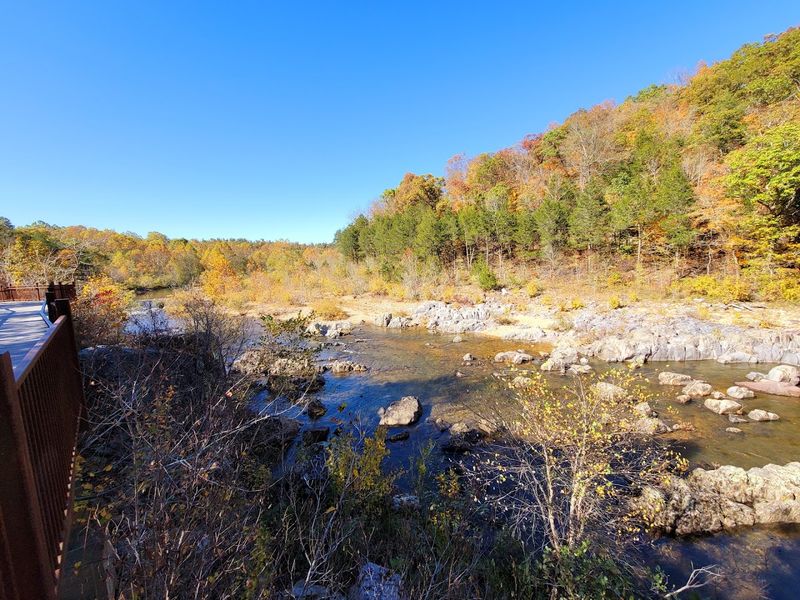
Swimming gets all the attention, but this park runs a full program year-round. When the water is too high or the weather turns cool, there is still plenty to keep you busy.
The trail network alone could fill several weekends of exploration.
Hiking options range from easy boardwalk strolls to serious backcountry routes. The Ozark Trail passes through the area and connects to a much larger regional network.
Backpackers use it to link multi-day trips across southern Missouri.
Horseback riders have their own dedicated path on the Goggins Mountain Equestrian Trail. It winds through forest and offers views that most park visitors never see.
You can also find mountain biking routes in the surrounding area.
Rock climbing draws a steady crowd of enthusiasts who come specifically for the igneous outcroppings. The hard volcanic rock provides excellent holds and challenging routes.
It is a completely different way to interact with the same geology that creates the swimming holes.
Fall hiking here is genuinely spectacular. The third and fourth weeks of October bring peak color to the oak-hickory forest.
Horseshoe Glade Trail is a favorite during that season for the open views it provides.
Camping is available on-site and makes it easy to pack multiple activities into one trip. The campsites are well-maintained and close enough to the action that you are not hauling gear far.
Waking up to river sounds is a solid bonus.
Wildlife And Nature Surrounding The Water
The biodiversity at this park is genuinely staggering. Over 850 plant species have been recorded here, representing about 40 percent of all plant life found across Missouri.
That number puts it among the most botanically rich state parks in the entire Midwest.
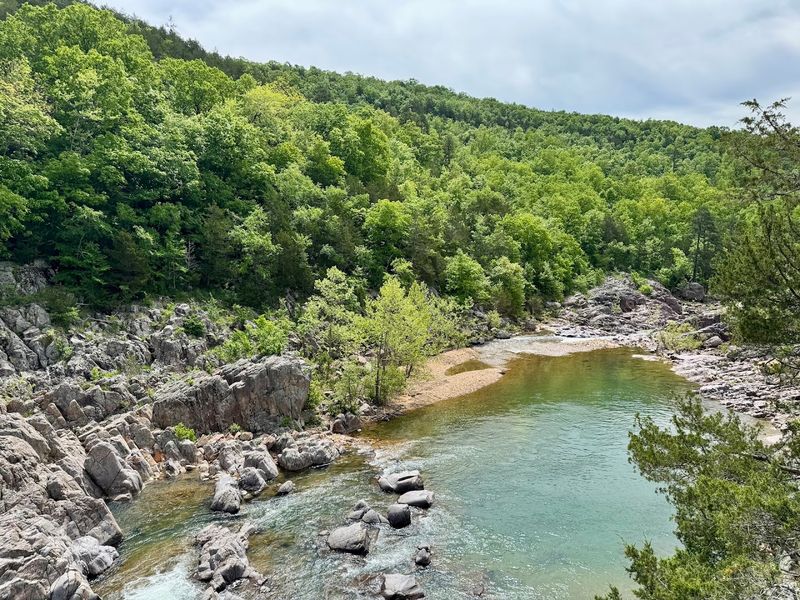
Oak-hickory woodlands cover much of the upland terrain. Shortleaf pine forests fill in the drier ridges.
Both habitats support a long list of animals that most visitors never expect to encounter in a state park.
Bobcats move through the area quietly and rarely show themselves. Songbirds are far more visible and fill the forest with noise from early spring through late fall.
Birders come specifically for the variety found along the river corridor.
The river itself holds a healthy population of smallmouth bass. You can actually spot them through the clear water as you swim.
Watching fish navigate the current while you float above them is oddly peaceful.
Water snakes are present too, so do not panic if you see one near the bank. They are harmless and generally want nothing to do with people.
Tadpoles and small aquatic creatures are visible in the calmer pools along the edges.
The combination of water, forest, and rocky open areas creates overlapping habitats. That overlap is exactly why so many species call this place home.
Every visit seems to turn up something new if you pay attention.
Safety Tips For Enjoying Natural Swimming Spots
Natural swimming spots play by different rules than pools. There are no lifeguards stationed at the shut-ins, and the river does not care about your skill level.
Going in prepared makes an enormous difference in how the day goes.
The park uses a color-coded flag system to communicate water hazard levels. Green means conditions are favorable.
Yellow signals caution. Red means stay out of the water entirely.
Always check the flag before you wade in.
River levels can change fast, especially after rain upstream. What looks calm in the morning can turn powerful by afternoon.
Checking conditions before you leave home is worth the two minutes it takes.
Sturdy water shoes with good grip are non-negotiable on the rocks here. The submerged granite gets extremely slippery, and a fall on those surfaces is no fun.
Sandals and bare feet create unnecessary risk in the rocky sections.
Life jackets are recommended for non-swimmers and young children. Some pools run surprisingly deep, and the current in the chutes moves faster than it looks from shore.
Confidence in calm water does not always translate to moving water.
Waterproof sunscreen is smarter than regular sunscreen here. You will be in and out of the water constantly, and standard sunscreen washes off quickly.
Bringing more water than you think you need is also a habit worth building for any outdoor visit.
Best Times For Visiting To Avoid Crowds
Summer weekends at this park get genuinely packed. The main parking lot fills up fast, sometimes before mid-morning on a hot Saturday.
If you show up at noon in July expecting a quiet experience, you will be surprised by the crowd size.
Arriving early on weekdays is the most reliable strategy for avoiding the rush. Getting there before 9 AM gives you a real head start on the best swimming spots.
The park has a calm, almost meditative quality in those early hours.
The shoulder seasons are seriously underrated here. Visiting before Memorial Day or after Labor Day cuts the crowd significantly.
The water temperature stays consistent regardless of season, so you are not giving up much by skipping the peak summer rush.
Fall visits offer a completely different atmosphere. The forest color peaks in late October, and the trails are far less congested than in July.
Some visitors say the park is actually more beautiful in autumn than at any other time of year.
Winter visits are quiet to the point of being almost private. Swimming is not the draw in January, but hiking and photography attract a small group of regulars who prefer the solitude.
The rock formations look dramatic against bare winter trees.
Rainy days thin the crowd considerably too. If the flag system shows safe water levels, a light rain actually keeps most casual visitors away.
Dedicated outdoor enthusiasts know this trick and use it regularly.
Environmental Conservation Efforts In The Region
In December 2005, a reservoir breach at the nearby Taum Sauk facility released a massive wall of water into the park. The flood caused serious damage to the landscape, infrastructure, and natural features that visitors had enjoyed for decades.
The recovery effort that followed became one of the most significant restoration projects in Missouri state park history.
The Missouri Department of Natural Resources managed the restoration with a focus on returning the land to its natural state. Native plantings replaced damaged vegetation.
Trails, facilities, and visitor infrastructure were rebuilt with improved design standards.
Today the park is part of the St. Francois Mountains Natural Area designation. That status protects its outstanding geological and ecological features from development pressure.
The designation ensures long-term management priorities stay centered on conservation rather than commercial use.
Ongoing stewardship includes monitoring water quality in the East Fork of the Black River. The river’s clarity is a direct result of careful land management upstream and within the park boundaries.
Maintaining that clarity requires consistent attention from park staff and cooperating agencies.
Visitors play a role in conservation too. The park asks guests to pack out all trash, stay on designated trails, and avoid disturbing plant or animal life.
Those small behaviors add up across thousands of annual visitors.
The park’s resilience after the 2005 event is a genuine conservation success story. Seeing the landscape thriving today makes the recovery feel even more meaningful for anyone who understands what the area went through.
Local Flora That Thrive Near Freshwater Pools
The plant life near the water at this park is quietly extraordinary. Seventeen distinct natural terrestrial communities exist within the park boundaries, each supporting its own mix of species.
That level of botanical variety in one location is genuinely unusual.
Ozark witch hazel is one of the more distinctive plants you will spot along stream banks. It blooms in late winter and early spring, often before any other plants show signs of life.
Seeing yellow flowers on bare branches in February feels almost defiant.
The Johnson’s Shut-Ins Fen Natural Area sits within the park and protects a rare wetland ecosystem. Fens depend on groundwater seepage rather than surface water, which creates unique growing conditions.
Plants that thrive in fens cannot survive in typical wetlands or dry uplands.
Arrowhead plants grow in and near the water’s edge throughout the fen area. Queen of the prairie produces showy pink flower clusters in summer and draws attention from pollinators and photographers alike.
Wild sweet William adds color along the wetter margins of the landscape.
The combination of igneous rock, spring-fed water, and varied soil types creates growing conditions found almost nowhere else in Missouri. Plants adapted to these specific conditions have thrived here for thousands of years.
Some species found at this park are rare or uncommon across the rest of the state.
Walking slowly along the trail edges reveals far more plant diversity than most visitors notice on a first trip. Bringing a basic wildflower guide turns a casual walk into something more engaging.