
This Tiny Louisiana Gulf Island Feels Like A Step Back Into Another Century
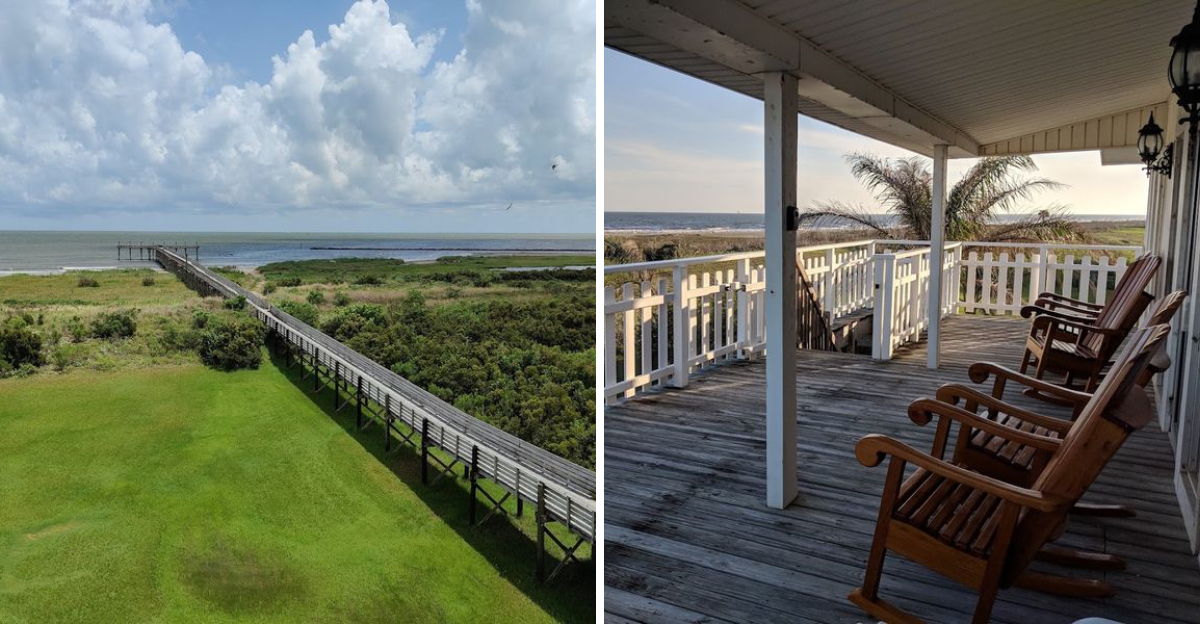
Salt air and slow porches hide a secret pace of life unlike anywhere else in Louisiana.
Time moves differently here, on this narrow strip of land where storms shaped every dune and family that stayed.
Oak trees twist against the wind, gnarled and ancient, standing over homes raised high on stilts. Fishermen still talk about the water like their grandfathers did.
Louisiana holds plenty of coastline, but nothing quite matches a place this small carrying this much history and grit.
Old buildings lean into the breeze without apology. Birds by the thousands rest here every spring, worn out from crossing open water.
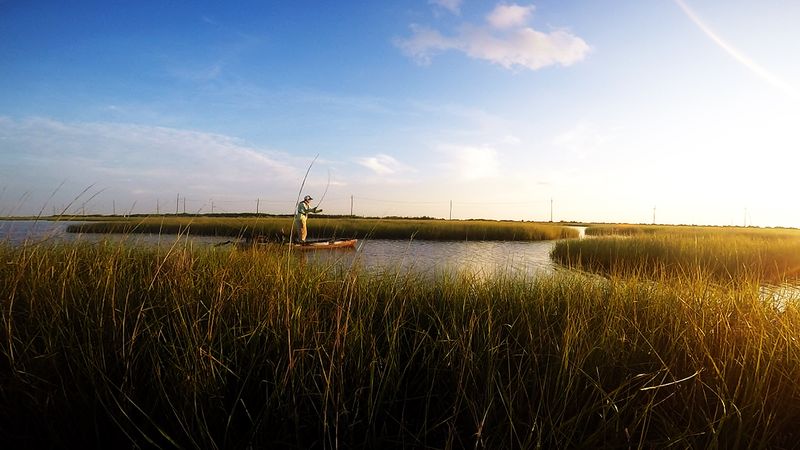
Anglers chase legends past the marsh grass.
Something about this island refuses to modernize, and that alone might be reason enough to find it before the tide turns.
An Island Shaped By Time And Tides
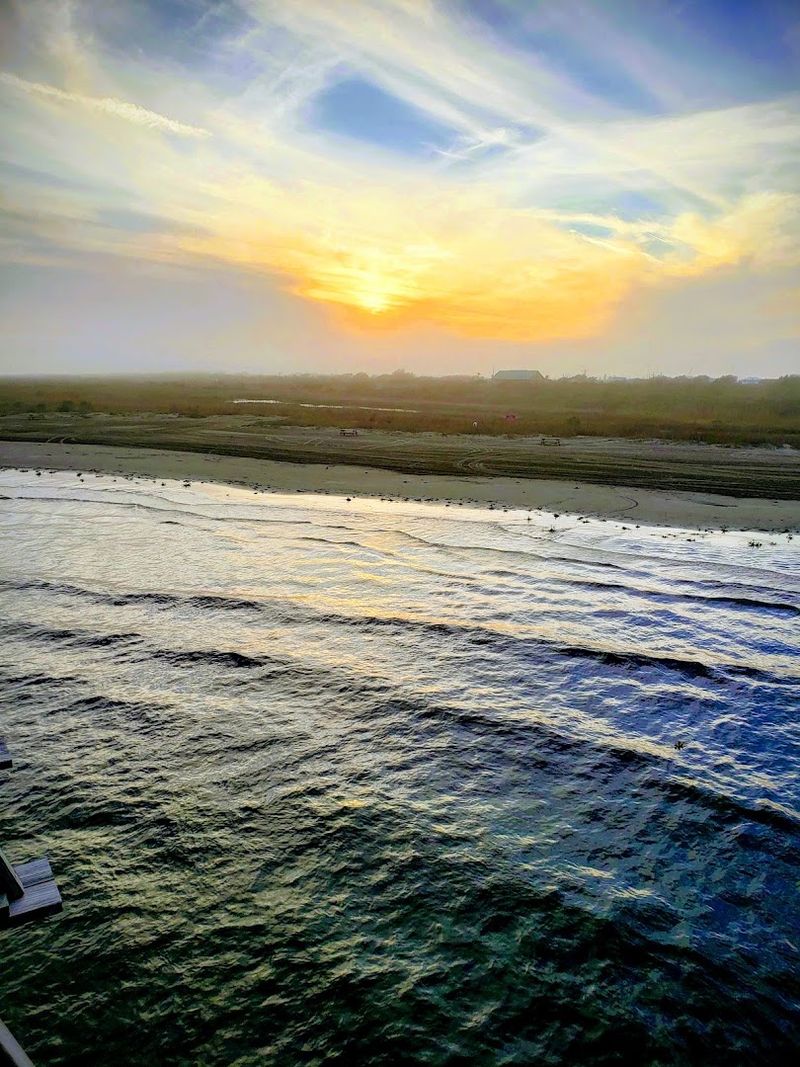
Grand Isle is the only inhabited barrier island in the entire state of Louisiana. That single fact sets the tone for everything else about this place.
Formed over thousands of years by sediment carried down by the mighty Mississippi River, the island is a narrow ribbon of land that has been shaped and reshaped by the Gulf’s relentless energy. Its position makes it a natural buffer protecting inland communities from the full force of coastal storms.
At the island’s heart runs a central ridge called a chenier, a French term meaning oak ridge. This chenier supports one of the last remaining live oak chenier forests along the entire Gulf Coast.
The trees are ancient, wind-twisted, and breathtaking. They have witnessed centuries of storms, settlers, and shifting tides.
Grand Isle, Louisiana, is a place that nature itself designed with purpose. Every dune, marsh, and oak grove tells a story of survival that stretches far beyond human memory.
Echoes Of Pirates, Plantations, And Proud Settlers
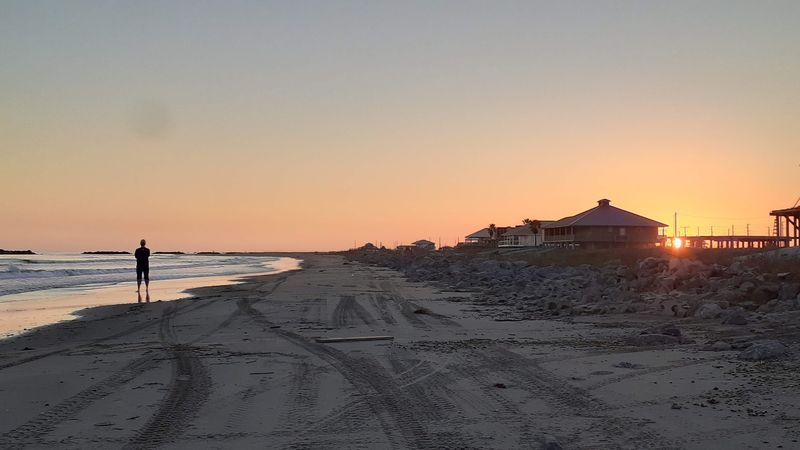
Few places along the Gulf Coast pack as much history into such a small footprint. The Chitimacha people were the first known inhabitants, relying on the island’s rich marine resources for their way of life.
Spanish land grants arrived in the 1780s, bringing early plantation agriculture to the island. Sugarcane and cotton fields once stretched across land now covered in beach grass and sea oats.
The island also developed strong ties to maritime trade, including dealings with the infamous privateer Jean Lafitte in the early 1800s.
French, Spanish, Italian, Croatian, African, and Asian settlers all contributed to Grand Isle’s distinctive cultural identity over the following decades. That mix created something truly rare along the Louisiana coast: a community with deep, layered roots and a fierce sense of shared identity.
By the late 1800s, wealthy New Orleanians arrived by steamboat to enjoy the breezes and fishing. Writers found inspiration here too, drawn by the island’s moody, atmospheric character.
Historic Buildings That Still Stand Proud
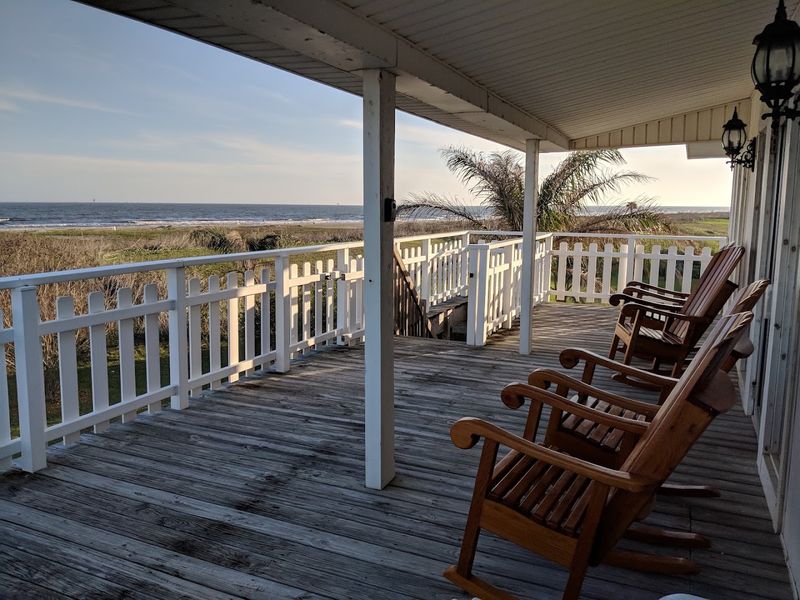
Old buildings have a way of speaking when words fall short. Grand Isle holds some remarkably well-preserved structures that carry the weight of centuries without apology.
The St. Aubin-Rigaud House, believed to date to around 1798, is among the oldest surviving buildings on the island. It stands near the center of Grand Isle, quietly defying the storms and decades that have swept past it.
Its construction reflects the practical wisdom of Creole coastal architecture, built high off the ground, with wide porches and sturdy bones.
The Oleander Hotel, which opened in 1929, represents a later chapter in the island’s story. These buildings are not just landmarks.
They are proof that communities can endure.
Wandering past these structures, it is easy to imagine the generations of fishermen, families, and travelers who passed through the same doors and looked out over the same Gulf.
The Fishing Capital Of The Gulf Coast
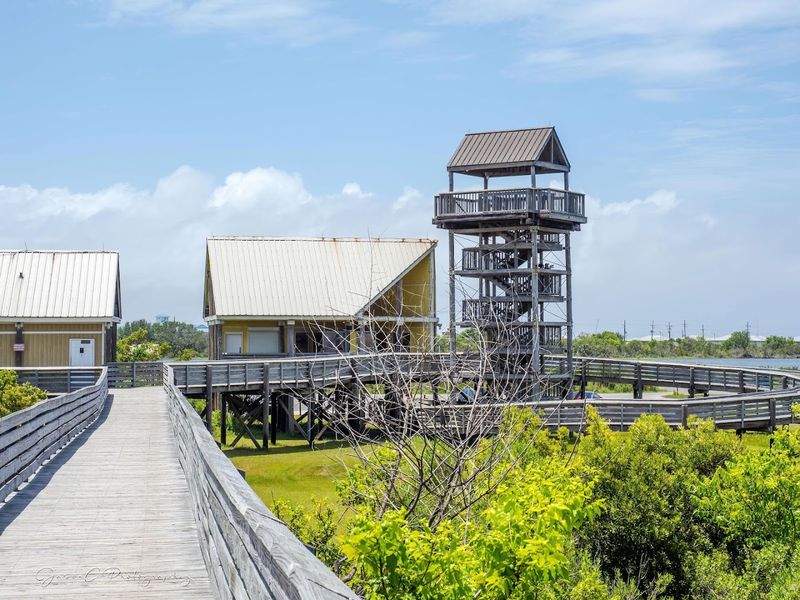
Serious anglers know the name Grand Isle before they know almost anything else about Louisiana. The surrounding waters consistently rank among the most productive fishing grounds in the entire world.
More than 280 species of fish have been recorded in these waters. Speckled trout and redfish dominate the inshore bays and marshes.
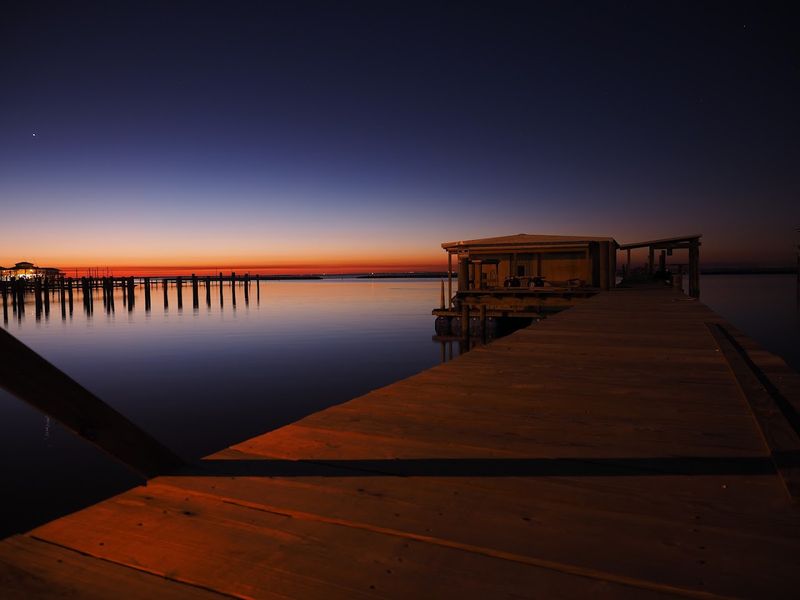
Offshore, tarpon, tuna, and red snapper keep charter captains busy year-round. The 900-foot public fishing pier at Grand Isle State Park, located at Admiral Craik Drive, Grand Isle, Louisiana 70358, is a favorite spot for anglers of all skill levels.
Every July, the island hosts the International Grand Isle Tarpon Rodeo, the oldest fishing tournament in the United States. Thousands of participants and spectators flood the island for this legendary event.
It is a celebration of the fishing culture that has defined this community for generations.
Charter companies are plentiful, and local guides know these waters with the kind of intimacy that only comes from a lifetime spent on them.
A Birdwatcher’s Coastal Paradise
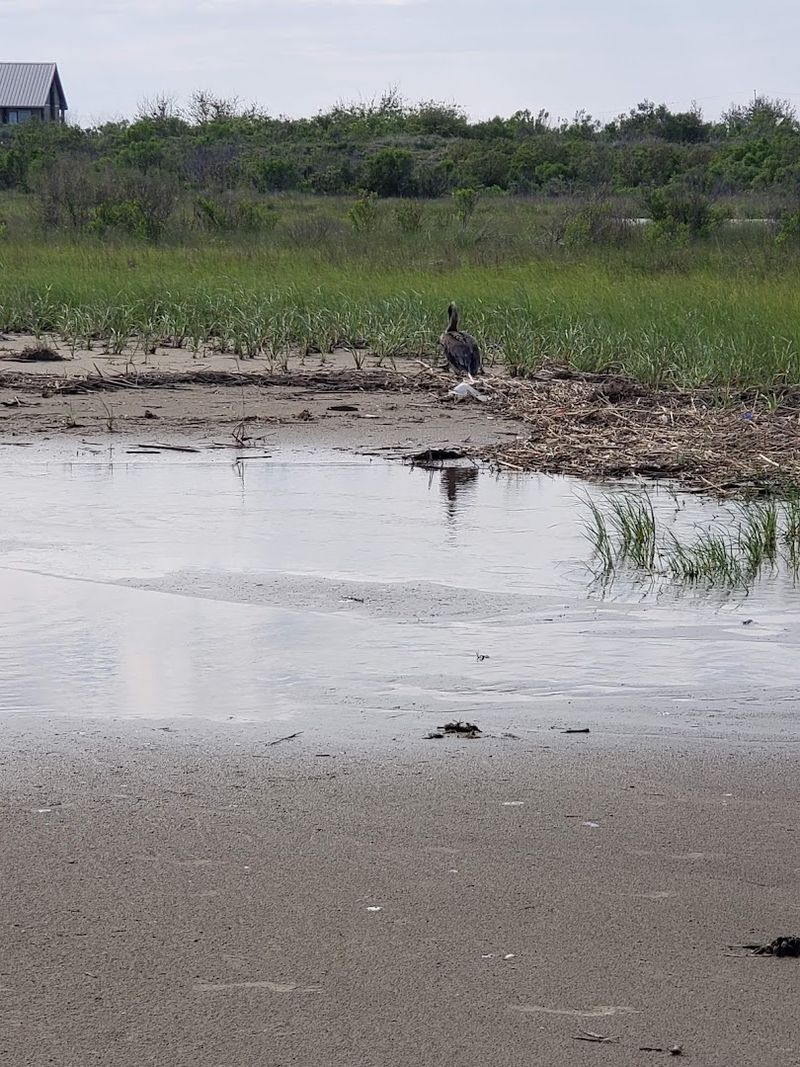
Every spring and fall, something extraordinary happens on this tiny Louisiana island. Thousands of migratory birds descend on Grand Isle after crossing the open Gulf, seeking food and rest before continuing their journeys.
The oak-hackberry chenier forests provide critical shelter for exhausted songbirds. Warblers, orioles, tanagers, and buntings fill the branches in bursts of color that stop even casual visitors in their tracks.
Shorebirds and wading birds work the beaches and marshes with focused efficiency. The variety is staggering.
The Grand Isle Migratory Bird Festival, held each April, draws birding enthusiasts from across the country. Guided walks, photography workshops, and educational events make it accessible for beginners and rewarding for experts.
The Grand Isle Birding Trail winds through the chenier forest, offering excellent viewing opportunities throughout the year.
Binoculars are the only gear truly required here. The birds do all the work, putting on a spectacle that rivals anything found along the entire Gulf Coast migration corridor.
Seven Miles Of Uncrowded Shoreline
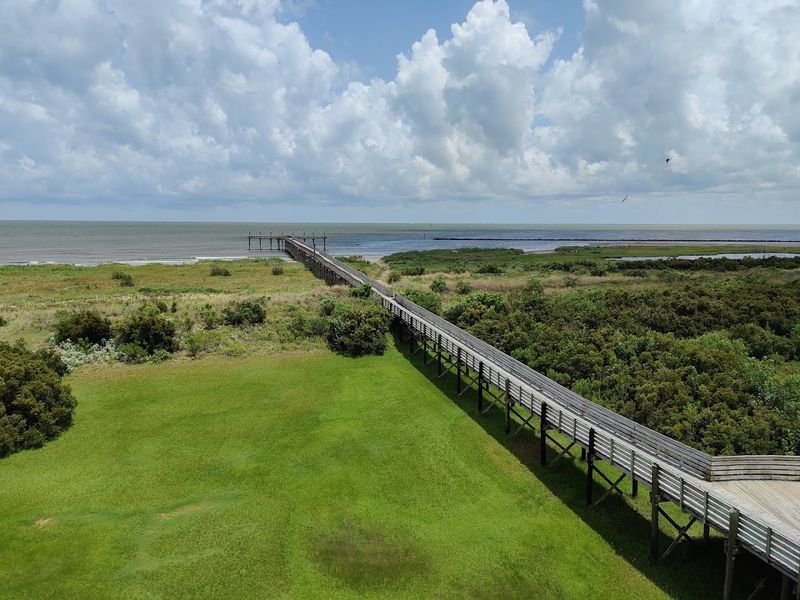
Forget the packed beach resorts with umbrella rentals and overpriced snack bars. Grand Isle offers something far more refreshing: seven miles of public beach where the sand stretches wide and the crowd thins out fast.
The beaches at Grand Isle State Park are especially striking. They feel wild and honest, shaped by wind and wave rather than landscaping crews.
Shell collectors find plenty to keep them busy along the tide line. Swimmers enjoy the warm Gulf water for much of the year.
Sunsets here are the kind that make people put their phones away.
Camping is available right on the beach at the state park, which means falling asleep to the sound of actual Gulf waves. That experience alone draws repeat visitors year after year.
The absence of high-rise condos and chain restaurants is not a flaw in Grand Isle’s character. It is the whole point.
The island’s raw, unpolished shoreline is exactly what makes it feel like a place the modern world forgot to ruin.
Water Adventures Beyond The Fishing Rod
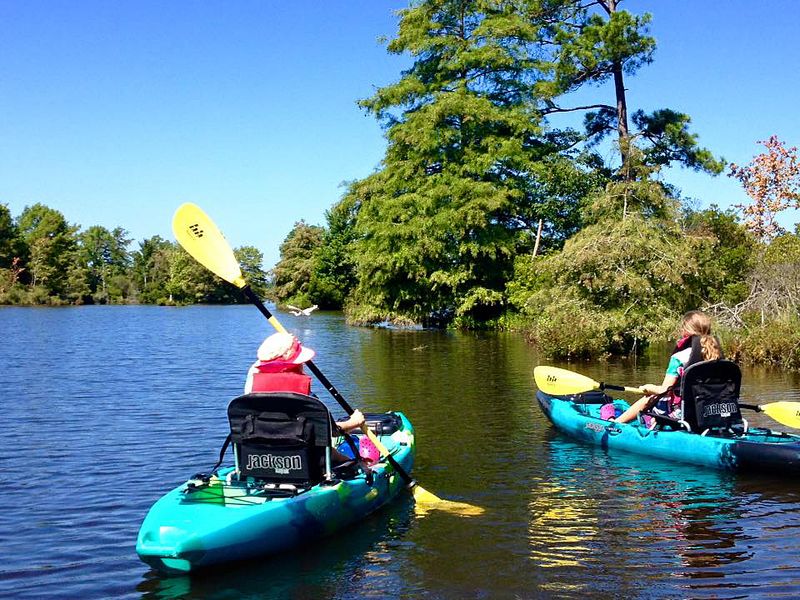
Not everyone who visits Grand Isle comes for the fishing tournaments. The island offers a surprisingly wide range of water-based activities that go well beyond casting a line.
Kayaking and paddleboarding are popular ways to explore the calm bayous and nearshore Gulf waters. Rentals and guided tours are available for those who want a little direction.
The flat, sheltered waters behind the island are perfect for beginners, while more experienced paddlers can push out toward the open Gulf.
Wake Side Cable Park brings a completely different energy to the island. Cables tow water sports enthusiasts along a course filled with jumps and obstacles, making it a genuine thrill for those who prefer their water experiences at higher speeds.
Kiteboarding is another option when Gulf winds cooperate, which they frequently do.
Even surfing has a following here, supported by a local surf club that offers board rentals and lessons. Grand Isle, Louisiana, quietly delivers more aquatic variety than most visitors expect from such a small and seemingly simple island.
The Butterfly Dome And Natural Wonders
Grand Isle has a softer side that surprises visitors who arrive expecting only fishing piers and beach access. The island is home to the Butterfly Dome, a unique attraction dedicated to native butterflies and the plants that sustain them.
The dome creates a living ecosystem where visitors can observe butterflies up close in their natural behavioral patterns. It is a calm, unhurried experience that appeals to families, nature lovers, and anyone who appreciates the quieter corners of the natural world.
Children in particular find it captivating.
Beyond the dome, the island’s marshes, dunes, and chenier forests form a connected web of habitat that supports remarkable biodiversity. Fiddler crabs scuttle across tidal flats.
Dolphins occasionally surface in the nearshore waters. Alligators inhabit the inland marshes, reminding visitors that Louisiana’s wild character does not stop at the beach.
These natural details accumulate into something meaningful. Grand Isle is not just a fishing destination or a beach town.
It is a functioning coastal ecosystem that rewards slow, attentive exploration at every turn.
Planning Your Trip To The Edge Of Louisiana
Getting to Grand Isle requires a commitment, and that is part of what makes arriving feel like an achievement. The island sits roughly two hours south of New Orleans, accessible via Louisiana Highway 1, a scenic drive that cuts through marshland with water on both sides.
A toll is required earlier on the route, well before the causeway that finally carries travelers onto the island. The drive itself is worth the trip, offering views of working shrimp boats, herons stalking the shallows, and the gradual disappearance of anything resembling a city skyline.
Spring and fall are widely considered the best seasons to visit. Temperatures are comfortable, fishing is productive, and the birding is extraordinary.
Summer brings family beach crowds and the famous Tarpon Rodeo. Winter offers solitude and surprisingly good fishing conditions for those who do not mind cooler air.
Accommodations book up quickly around major events. Arriving with a plan and a flexible attitude is the best approach to this island, which operates entirely on its own unhurried terms.