
The Secret Tennessee Mountain Town Most Visitors Completely Miss
Most travelers aim for Tennessee’s biggest mountain attractions and never realize they have passed a small community that deserves its own stop. That is part of its charm.
Cool air rolls down the ridges, a river winds beside quiet roads, and forested slopes rise around nearly every turn. The pace feels slower here, but there is still plenty to see once you start paying attention.
Local shops, peaceful trails, historic places, and wide mountain views give the area more character than its size suggests.
Many people visit the nearby park, snap a few photos, and leave without spending much time around town. They miss the roadside scenery, the friendly local feel, and the little details that make this mountain community memorable.
It may not shout for attention, but that only makes finding it feel more rewarding.
A Highland Envelope Of Rare Air
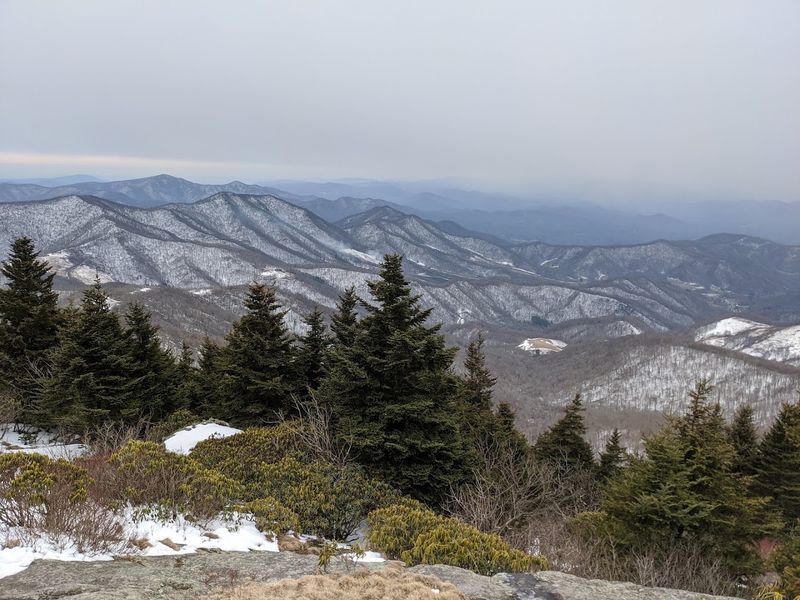
At 6,285 feet above sea level, the air around Roan Mountain does something noticeable to your lungs. It is cleaner, cooler, and carries a sharpness that feels almost medicinal after hours in a car.
Most of Tennessee bakes under a humid subtropical climate, but this summit operates by different rules entirely.
The elevation places Roan Mountain firmly in an alpine zone unusual for the eastern United States. Summers stay mild here while the valleys below swelter.
Winters bring genuine snowfall and icy ridgelines that transform the landscape into something closer to New England than the American South.
Situated in Carter County near the North Carolina border at ZIP code 37687, this community of roughly 1,360 people maintains a rural character that feels genuinely unhurried.
The mountain belongs to the Unaka and Blue Ridge ranges, part of the greater Southern Appalachian chain.
Standing on the crest on a clear afternoon, with nothing but open sky and ancient rock underfoot, gives a person a solid sense of perspective that is increasingly rare to find.
Landscape Etched With Ancient Tales
Long before hiking boots and trail maps, Roan Mountain was a place of legend. Cherokee oral tradition describes fierce battles fought on these slopes, with stories claiming the blood of fallen warriors stained the rhododendrons a deep crimson.
Whether one accepts the legend literally or not, the imagery fits the landscape perfectly.
The Overmountain Men, a group of American Revolution militia soldiers, camped near this area in September 1780 before marching to their decisive victory at the Battle of Kings Mountain. History did not simply pass through here.
It paused, rested, and left its mark in the soil. By the 1880s, industrialist John T. Wilder saw commercial potential in the region.
He developed Roan Mountain Station as a railroad town built around local iron ore mining and constructed the Cloudland Hotel directly atop the summit. That hotel straddled the Tennessee-North Carolina state line, making it a genuine curiosity of its era.
The building is long gone, but the story of a mountaintop resort accessible by rail still captures the imagination of anyone who stands where it once stood and looks out at the same view Wilder’s guests admired.
The Peaks’ Fleeting Blooming Splendor
Every June, something extraordinary happens on the upper slopes of Roan Mountain.
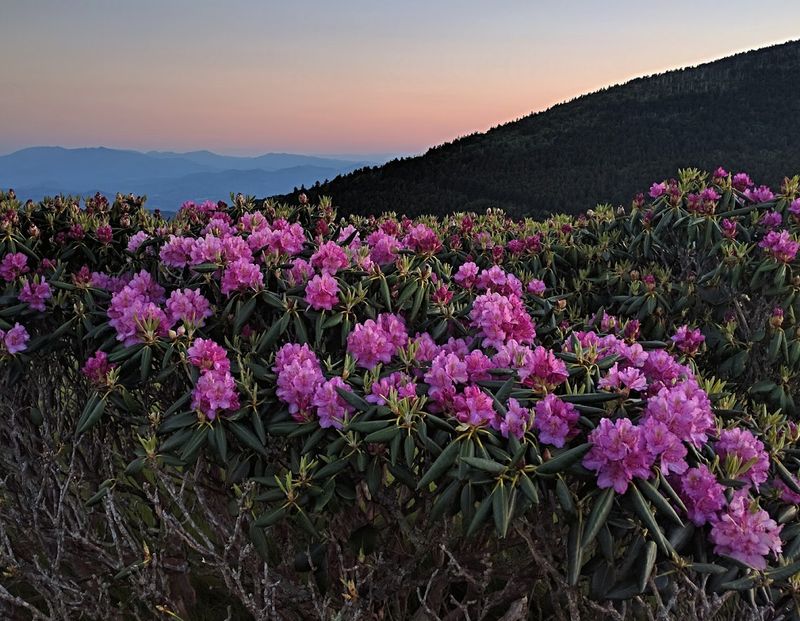
The Catawba rhododendrons open in mass, covering the grassy balds in deep pink and purple flowers that stretch across the ridgeline for what feels like miles.
This is not a garden in the cultivated sense. It is wild, sprawling, and entirely its own creation.
Roan Mountain is home to the world’s largest natural Catawba rhododendron garden, a distinction that draws plant enthusiasts, photographers, and curious travelers from across the country each year.
The annual Roan Mountain Rhododendron Festival, held since 1947, celebrates this bloom with local crafts, music, and community events that feel authentic rather than staged.
Peak bloom typically falls in mid-June, though weather patterns can shift the timing by a week or two in either direction.
Planning around the bloom requires some flexibility, but arriving at precisely the right moment rewards patience in a way few natural spectacles can match.
The color is almost aggressive in its intensity against the green balds and gray sky, and photographs rarely do justice to the sheer scale of what the mountain produces on its own.
Roan Mountain State Park Brings The Outdoors Right To Town
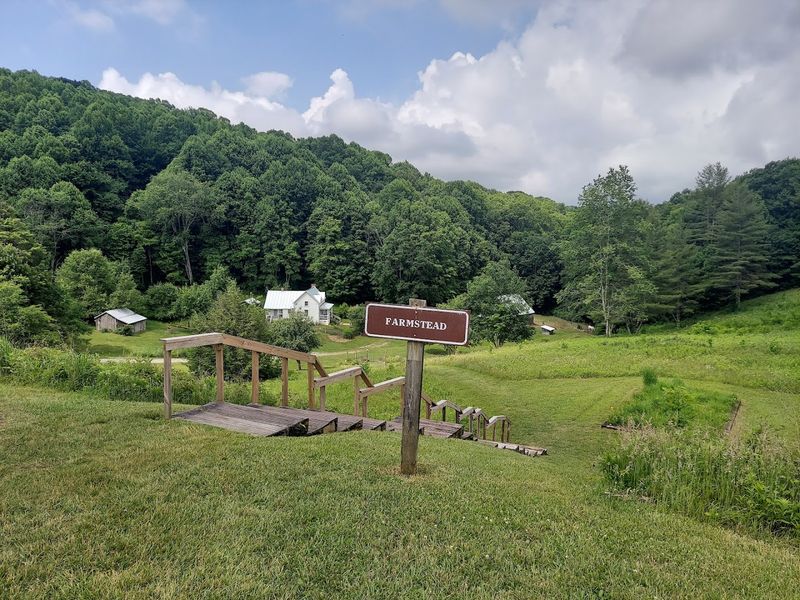
Roan Mountain State Park is one of the biggest reasons this small Tennessee community feels so connected to nature.
Forest covers much of the park, while the Doe River moves through the landscape beside picnic areas, trails, cabins, and quiet places to sit near the water.
The scenery changes with every season, giving each visit a different personality.
Several hiking paths begin inside the park, including easy routes for casual walkers and steeper trails that climb through thick hardwood forest.
Fishing is also popular along the river, especially during cooler mornings when the water moves gently through shaded sections of the park.
Families can spend hours here without needing a complicated plan.
Historic programs, live mountain music, seasonal events, and ranger led activities add even more reasons to stay. Visitors who want extra time can reserve a cabin or campsite and wake up surrounded by forest instead of traffic.
The park feels closely tied to the town rather than separate from it. Local roads, businesses, and homes sit only a short drive away.
That connection gives Roan Mountain an easygoing outdoor rhythm that many larger Tennessee destinations have lost.
Carver’s Gap Leads To Some Of Tennessee’s Finest Mountain Views
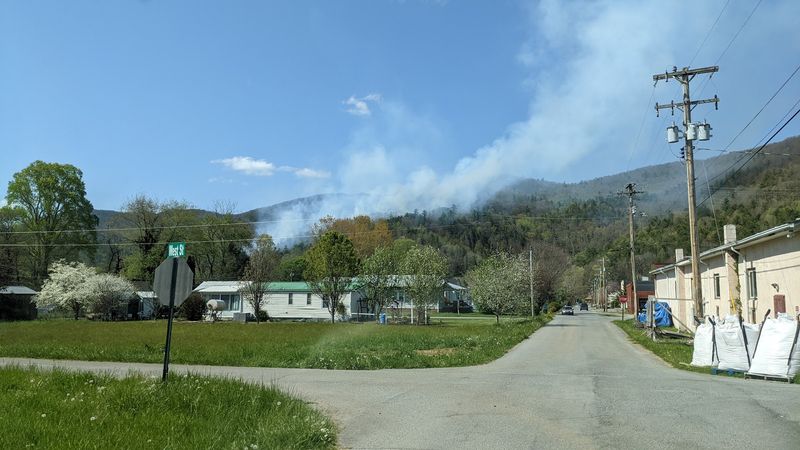
Carver’s Gap sits high above the community and offers one of the most memorable drives near Roan Mountain. Highway 143 climbs steadily past forest, creeks, cabins, and roadside views before reaching the Tennessee and North Carolina border.
Temperatures often feel noticeably cooler at the top, even when the town below is enjoying a warm afternoon.
The Appalachian Trail crosses the road at the gap, giving hikers quick access to the open slopes of the Roan Highlands.
Round Bald can be reached without an exhausting climb, making it a popular choice for visitors who want impressive scenery without committing to an all day hike.
The grassy ridges open toward layers of blue mountains that seem to continue far beyond the horizon. Jane Bald and Grassy Ridge Bald wait farther along the trail for hikers ready to keep going.
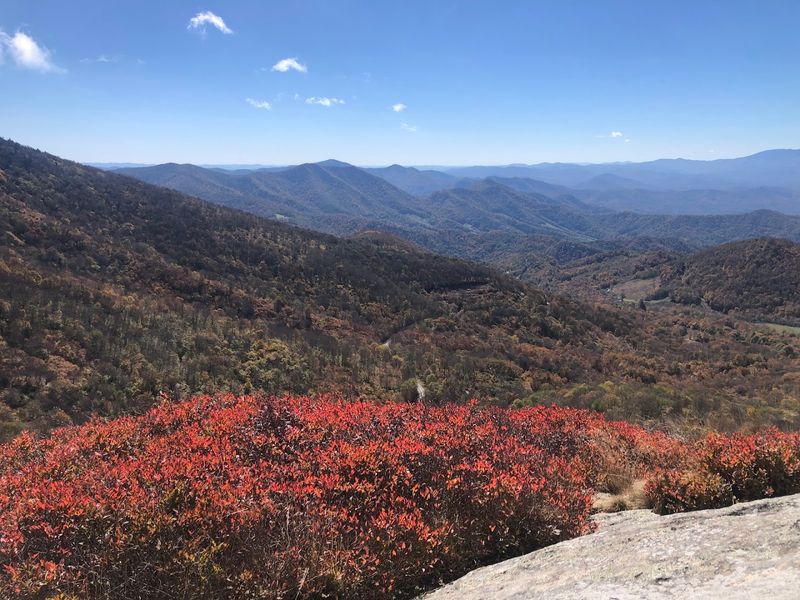
Wildflowers brighten the slopes during warmer months, while autumn covers the lower ridges in rich color.
Strong winds and fast changing weather are common at this elevation, so conditions can feel completely different than they did near town. That sudden shift adds to the experience.
Few small communities place visitors this close to such dramatic mountain scenery.
The Appalachian Trail Is Part Of Everyday Life Here
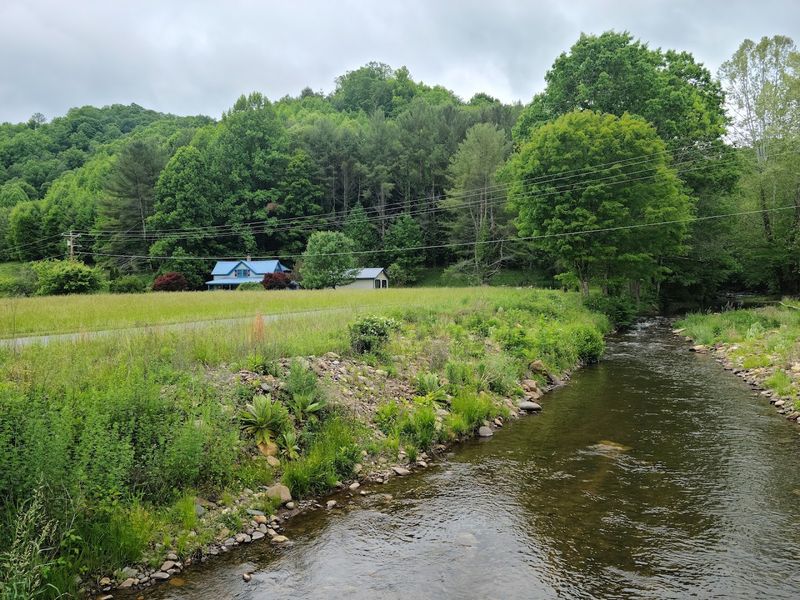
The Appalachian Trail does more than pass near Roan Mountain. It plays a visible role in the community, especially during the busy hiking seasons of spring and fall.
Backpackers regularly arrive looking for meals, supplies, lodging, transportation, and a chance to rest before returning to the trail.
Roan Mountain is recognized as an Appalachian Trail Community, a distinction given to places that support hikers and care about the future of the trail. Local businesses often serve people who have spent several days walking through the mountains.
Muddy boots, large backpacks, and trail stories are common sights around town.
This connection gives the community a welcoming atmosphere that feels natural rather than staged. Long distance hikers may stay only one night, but many remember the kindness they receive here.
Short distance hikers also benefit, since local shops and lodging make it easier to plan trips around Carver’s Gap and the Roan Highlands.
Volunteer groups help maintain trails and protect nearby landscapes. Community events also celebrate the area’s outdoor heritage.
The relationship between the town and the Appalachian Trail runs deeper than tourism. It reflects a shared respect for the mountains and the people who travel through them.
Historic Places Reveal A Much Older Roan Mountain Story
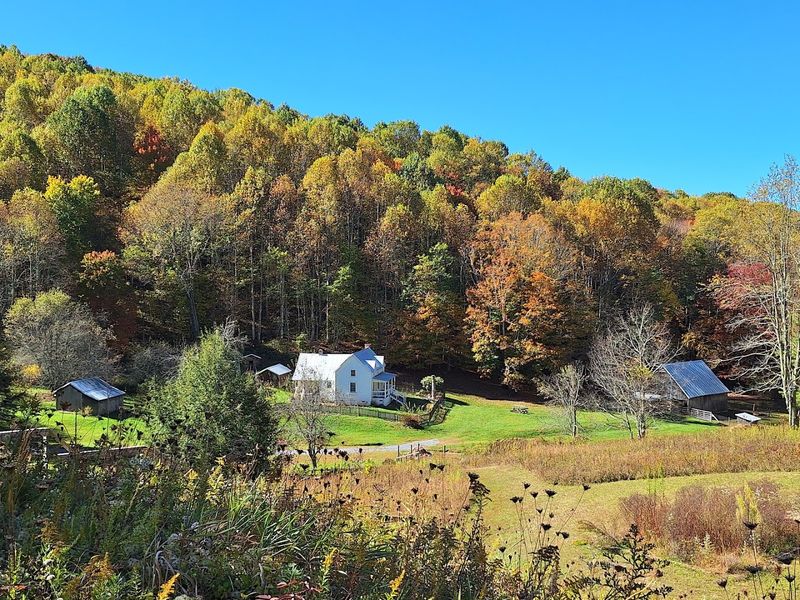
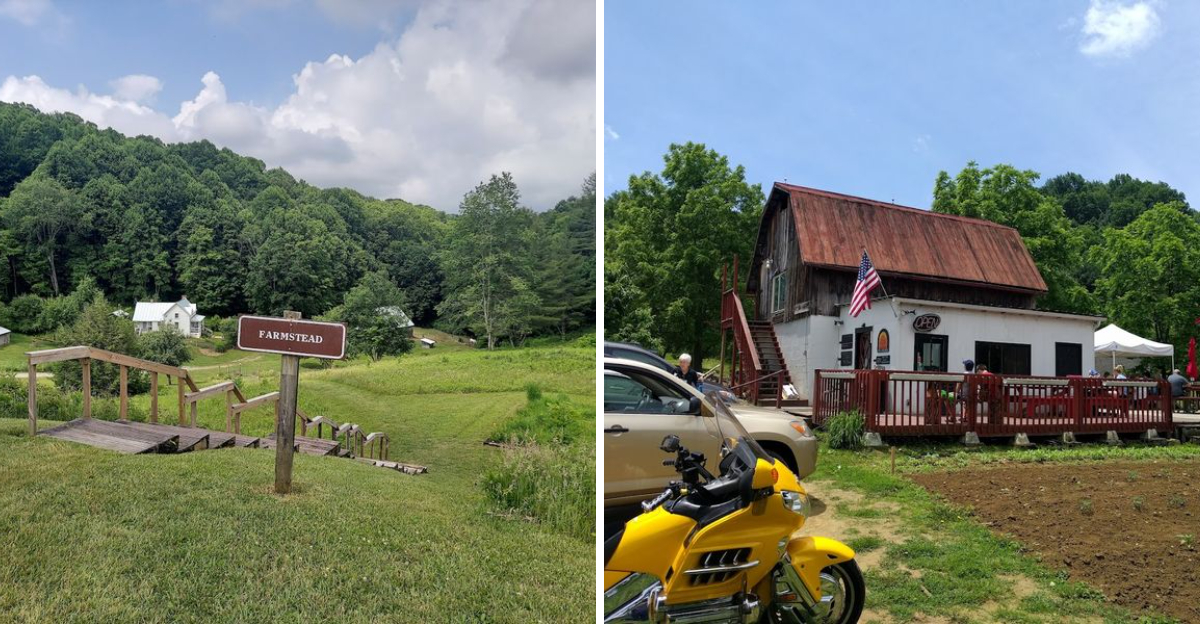
The Miller Farmstead offers a closer look at the families who lived in this mountain landscape long before the area became known for hiking and scenic drives.
Built in the early twentieth century, the white farmhouse stands inside Roan Mountain State Park with barns, fields, and wooded slopes nearby.
The setting helps visitors understand how much daily life once depended on the land. Families raised crops, cared for livestock, preserved food, repaired their own tools, and prepared carefully for long winters.
The surrounding mountains provided resources, but they also made travel and communication difficult.
Inside the farmhouse, simple rooms and period furnishings reveal a practical lifestyle shaped by hard work. The outbuildings add more detail, showing how farming tasks continued throughout every season.
Special events and guided programs occasionally bring these stories to life through demonstrations and local traditions.
The property also gives visitors a peaceful break between hikes and drives. Its open fields create a striking contrast with the thick forest nearby.
Standing beside the old house, it becomes easier to picture the community before paved roads and modern conveniences arrived.
Roan Mountain’s history feels especially real here because the landscape remains such an important part of the story.
Roan Mountain Is Easy To Miss And Hard To Forget
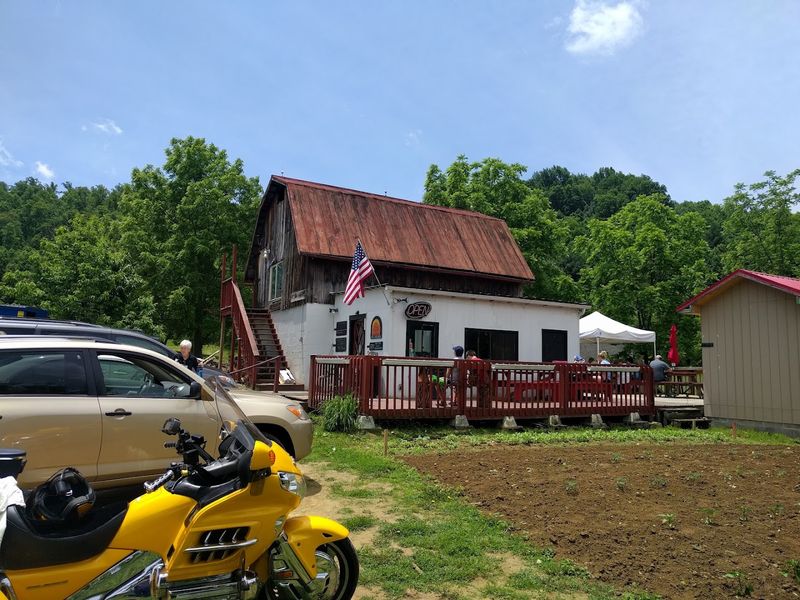
Roan Mountain does not compete for attention with bright signs, crowded attractions, or busy entertainment districts.
Many travelers pass through on their way to the state park, Carver’s Gap, or the Appalachian Trail without spending much time in the community itself.
That is exactly why the town remains so easy to overlook.
Those who slow down find a place shaped by mountain weather, local traditions, forest roads, and the steady movement of the Doe River.
Small businesses serve residents and hikers, historic sites preserve older chapters of Appalachian life, and nearly every road seems to lead toward another trail, overlook, or quiet stretch of water.
The town feels closely connected to the mountain that shares its name. Life here moves around the seasons, especially when rhododendrons bloom, hikers arrive, or autumn color spreads over the surrounding ridges.
There is no need for a packed schedule. A slow drive, a walk near the river, and a few hours in the park can be enough.
Roan Mountain may never become one of Tennessee’s loudest destinations, and that is part of its appeal. It is the mountain town many visitors miss, but those who stop often leave wondering why they waited so long to notice it.