
This New Hampshire Lake Has Water So Clear You Will Forget About The Ocean
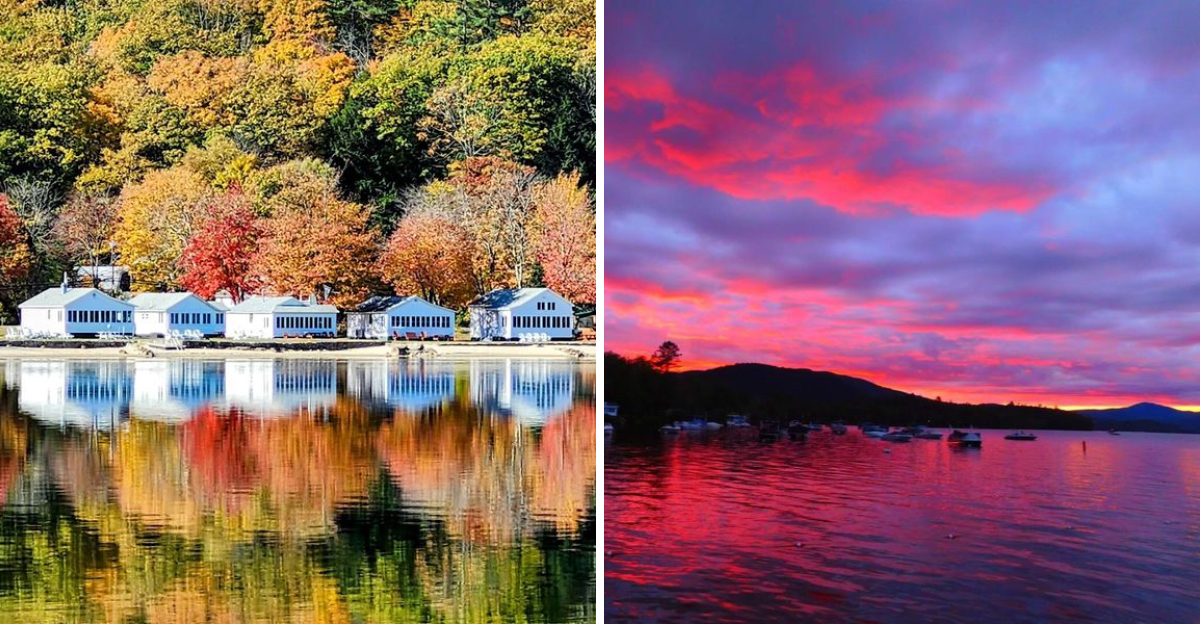
Water this clear should not exist outside a postcard, yet here it is tucked into New Hampshire.
Kayakers drift above stone and sand they can spot from ten feet up, watching fish dart beneath the hull like the water barely exists at all.
Springs push fresh water upward from below while dense, unbroken forest guards every drop from above, keeping the whole basin untouched.
Locals compare the clarity to Caribbean waters, and once you see it firsthand, the comparison stops sounding like hype.
A hidden shoreline, trails climbing toward sweeping mountain views, and coves layered with centuries of quiet history all wait somewhere within this corner of New Hampshire.
Bring a kayak, bring curiosity, and let the ocean take a back seat for once.
Water Clarity That Defies Belief
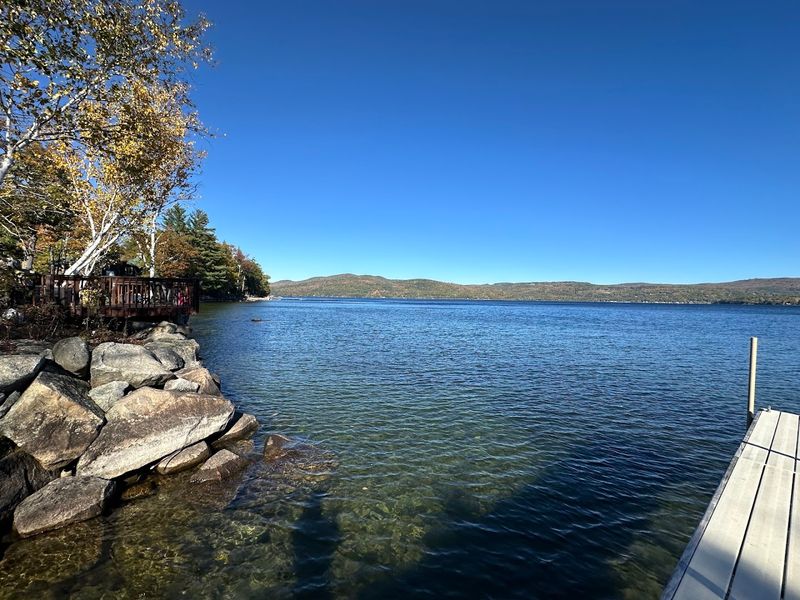
Forget everything you know about lake water being murky or green. Newfound Lake earns its reputation as one of the cleanest lakes in the entire United States, and the view from a kayak makes that title feel completely earned.
The water carries a transparency that allows visibility well beyond ten feet in many spots. National Geographic recognized its exceptional quality decades ago.
The New Hampshire Department of Environmental Services assigns it a color rating of zero, meaning the water is essentially colorless.
Scientists classify it as oligotrophic, a term meaning it supports almost no algae growth. That classification explains why the lake bottom appears so sharp and vivid from the surface.
Invasive milfoil, which plagues many nearby lakes, has been kept out through active monitoring programs.
Standing waist-deep and watching fish dart across the sand below feels almost surreal. The lake holds roughly 98 billion gallons of water, refreshed continuously by eight underground freshwater springs.
That natural plumbing system keeps the clarity consistent year after year.
The Geology Behind The Magic
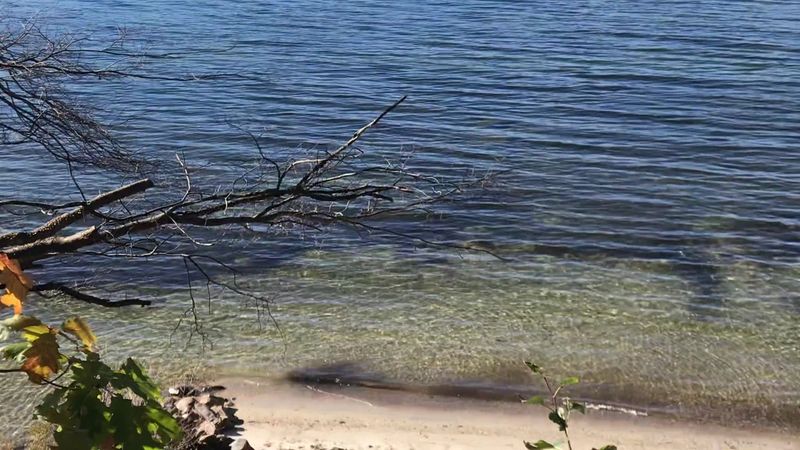
Newfound Lake did not get its extraordinary clarity by accident. The lake spans roughly 4,100 acres and plunges to a maximum depth of 183 feet, making it one of the deepest lakes in New Hampshire.
That impressive depth plays a direct role in water quality. Deeper lakes tend to stay cooler and resist the nutrient buildup that feeds algae.
The sheer volume of cold, clean water dilutes any impurities before they can take hold.
Eight freshwater springs feed the lake from below, constantly pushing fresh water upward through the basin. The Fowler River and Cockermouth River also contribute as major tributaries, keeping circulation active throughout the year.
Perhaps most importantly, the surrounding watershed remains largely forested and undeveloped. Dense tree cover acts as a natural buffer, filtering runoff before it ever reaches the shoreline.
That combination of spring-fed sources, significant depth, and protected land creates conditions that most lakes can only dream about. The geology here works overtime, and the results speak for themselves.
Wellington State Park Is The Front Door
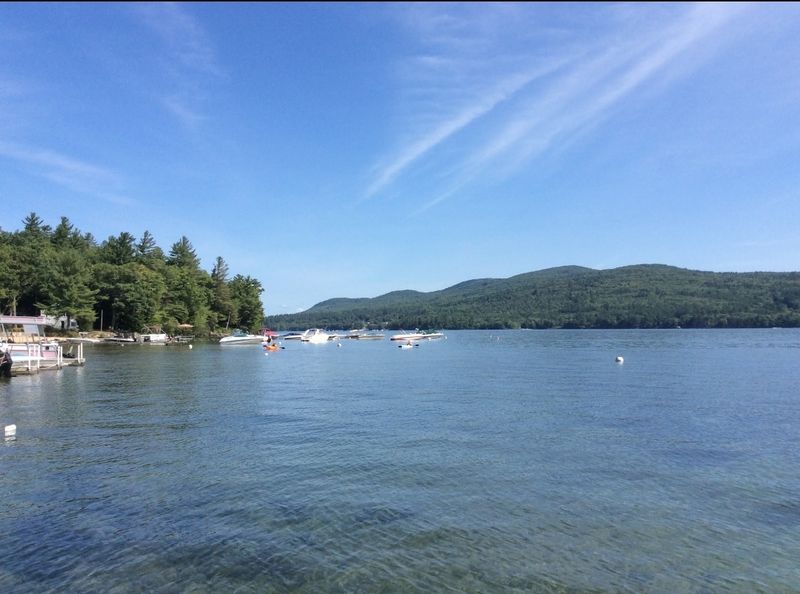
Wellington State Park sits on the southwest shore of Newfound Lake in Bristol, New Hampshire, and it serves as the most popular gateway to the water. The park covers roughly 204 acres and holds the largest freshwater swimming beach in the entire New Hampshire state park system.
The sandy beach stretches generously, giving families plenty of room to spread out without feeling packed in. The water near shore is shallow enough for young swimmers while remaining crystal clear throughout.
Picnic areas tucked under shade trees offer welcome relief on hot afternoons.
Volleyball and horseshoe courts add a competitive edge to a lazy beach day. A snack bar handles cravings when the cooler runs dry.
Clean restrooms and changing facilities round out the amenities without any fuss.
Arriving early on sunny weekends is strongly advised. The park fills quickly, and latecomers sometimes find the lot at capacity by midday.
Boat launch facilities accommodate both motorized and non-motorized vessels, making it a practical starting point for anyone planning to explore the lake from the water.
Fishing Records And Underwater Surprises
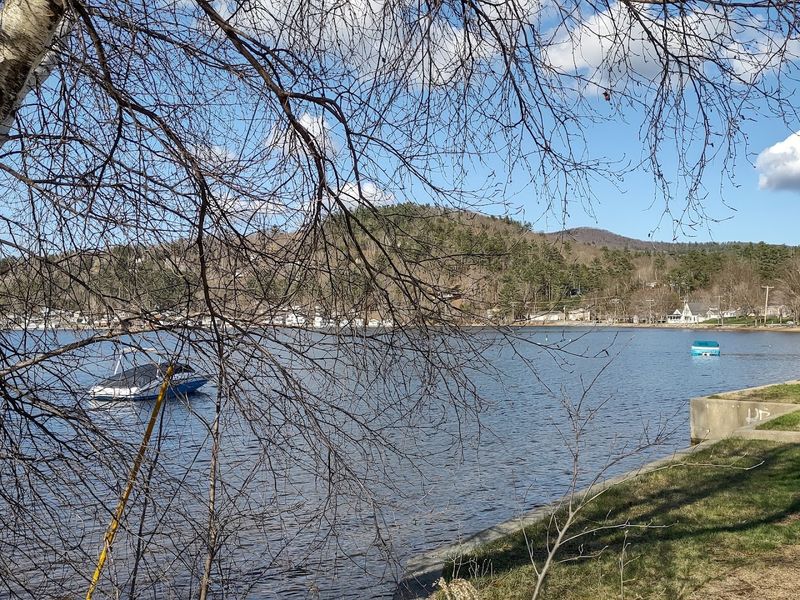
Anglers have been chasing the lake’s prized fish for generations, and the numbers justify every early morning launch. Newfound Lake is home to 22 different fish species, a figure that reflects the richness of its clean, cold ecosystem.
Lake trout and landlocked salmon draw the most devoted fishermen. This lake has produced trophy-sized lake trout for generations of anglers, a testament to the size potential hiding in those 183-foot depths.
Cold, oxygen-rich water supports trophy-sized fish that warmer lakes simply cannot sustain.
Bass, perch, and pickerel also populate the shallows, giving anglers of every skill level something worth casting toward. A fishing license is required for anyone planning to keep their catch.
Regulations help protect the population and maintain the ecological balance that makes the lake so productive.
Ice fishing in winter draws a dedicated crowd willing to brave the cold for a shot at the same prized species. The annual ice fishing derby is a beloved local tradition that keeps the community connected to the lake even when the surface is frozen solid.
Paddling, Boating, And Open Water Freedom
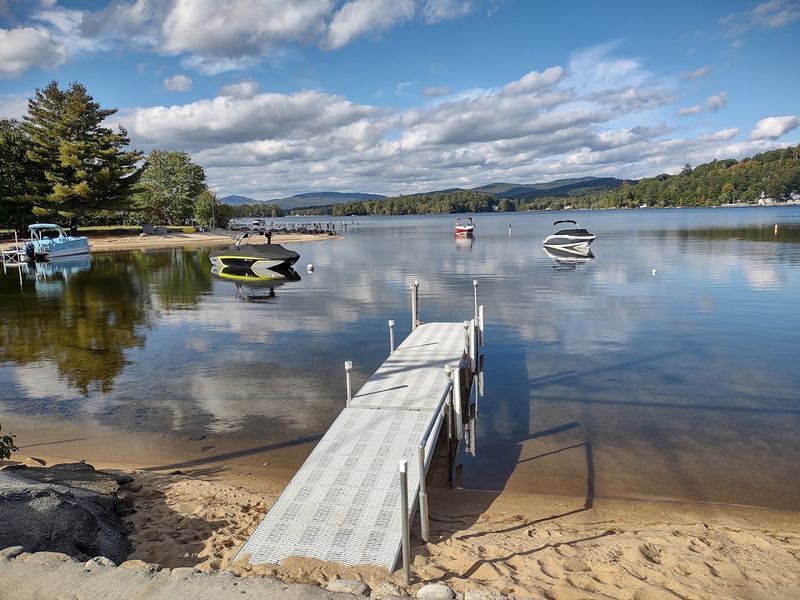
Open water stretching 22 miles of shoreline gives boaters and paddlers room to roam without feeling crowded. Newfound Lake welcomes motorized boats, kayaks, canoes, and stand-up paddleboards, making it genuinely flexible for whatever floats your preference.
Grey Rocks Conservation Area provides a quieter launch point suited for kayaks and canoes. The calm coves along the northern shore near Hebron are particularly appealing for paddlers who prefer exploring at their own pace.
Clear water beneath the hull adds an extra layer of excitement, since watching the bottom scroll past never gets old.
Motorized boating follows standard New Hampshire regulations, and the lake’s size means boats can cruise at speed without constant congestion. Anchoring in the shallows near Wellington State Park and spending the afternoon in the water is a favorite local strategy for a reason.
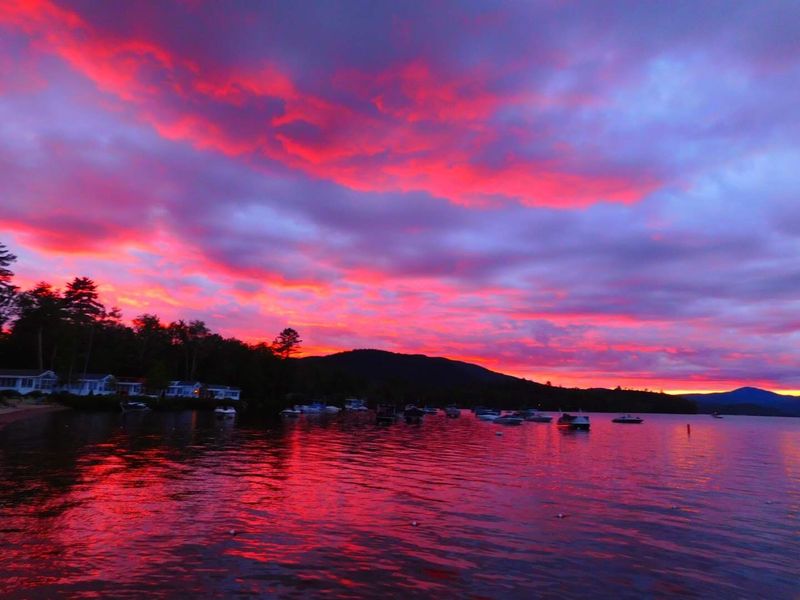
Rental options exist in the area for visitors who travel light. Sunset paddles rank among the most memorable experiences the lake offers, with the sky turning orange above silhouetted ridgelines while the water stays impossibly still.
Hiking Trails With Views Worth Every Step
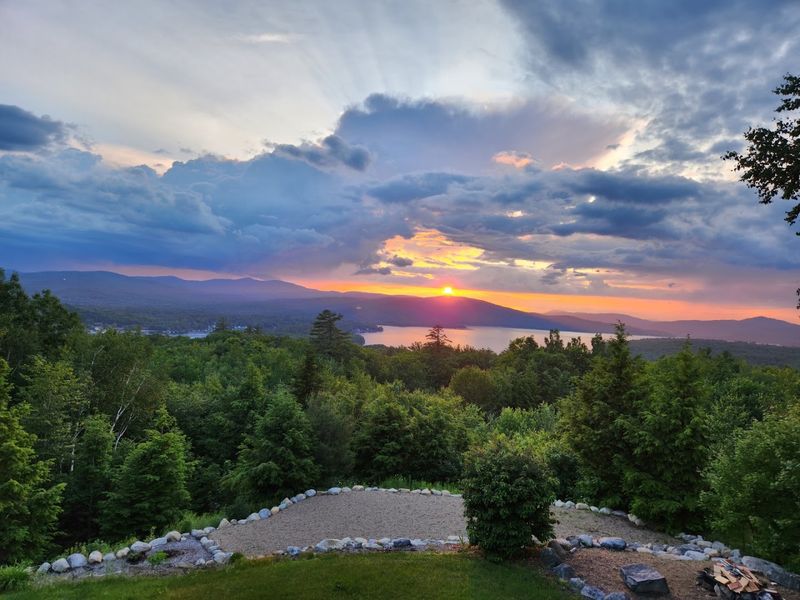
The shoreline is just the beginning. Trails radiating from Wellington State Park climb through dense forest toward the summits of Little Sugarloaf and Big Sugarloaf mountains, rewarding hikers with sweeping views of the lake below.
From those peaks, the full scale of Newfound Lake becomes clear. The water shimmers in every direction, framed by rolling forested ridges and distant mountain ranges.
That view alone justifies the climb, even on a warm day when the beach seems more appealing.
Paradise Point Natural Area in Hebron offers a quieter alternative. The 43-acre sanctuary features wooded trails running along the lakeshore, with excellent opportunities for bird watching in a peaceful setting.
The Newfound Audubon Center nearby adds educational programming for families interested in the local ecosystem.
For something truly unexpected, Sculptured Rocks Natural Area in nearby Groton features a river-carved gorge, waterfalls, and natural waterslides carved into bedrock. It sits just a short drive from the lake and pairs perfectly with a full day of outdoor exploration in central New Hampshire.
The History Hidden In A Name
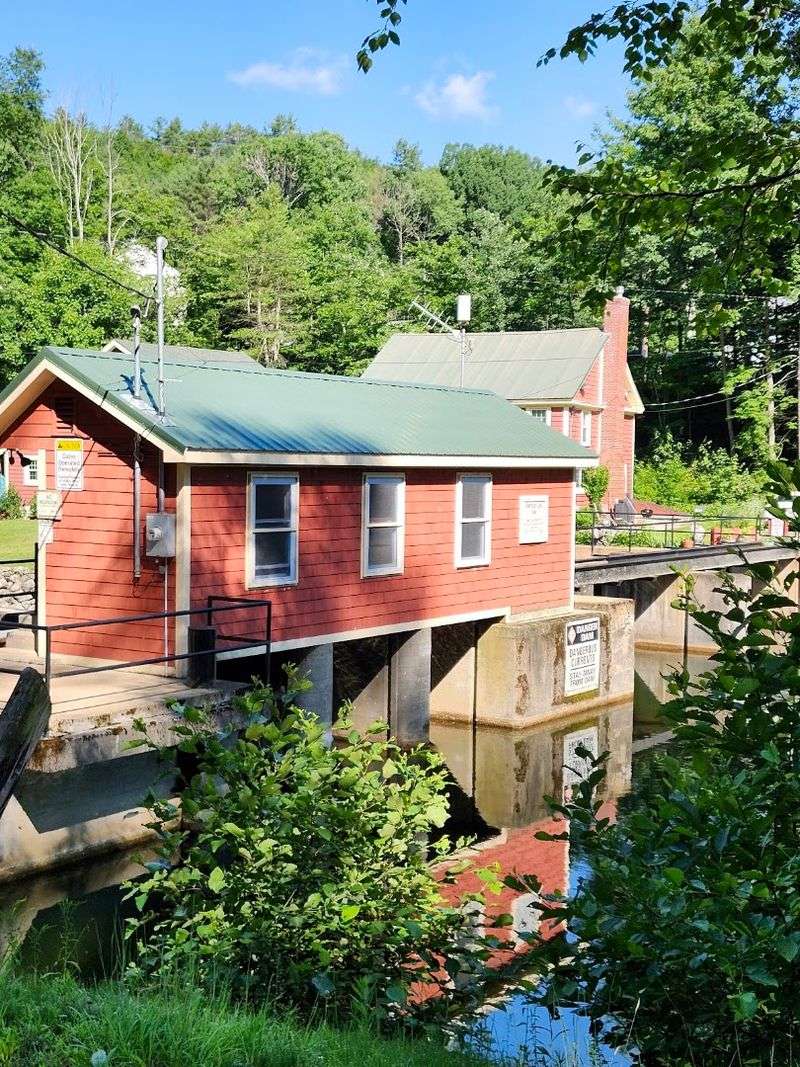
Long before tourists discovered the lake, Indigenous peoples called it Pasquaney, an Algonquian word meaning the place where birch bark for canoes is found. That name reflects how deeply the lake was woven into daily life for those who lived along its shores.
European settlers arrived and, apparently lacking imagination, named it after the experience of discovering it. Early maps from the 1700s sometimes left it unnamed entirely, while others labeled it Baker’s Pond or New Chester Pond.
The name Newfound Lake eventually stuck, simple and honest.
By the mid-1800s, wealthy families began arriving for summer retreats. Resort culture flourished through the 1930s and 1940s, with inns and cottages filling the shoreline.
Many of those original structures have disappeared over time, but the tradition of summer escape remains fully intact.
The Pasquaney Inn in Bridgewater carries a thread of that earlier era forward. The lake’s layered history gives it depth beyond its water, connecting modern visitors to centuries of human appreciation for one of New Hampshire’s most enduring natural attractions.
The Towns That Wrap The Shoreline
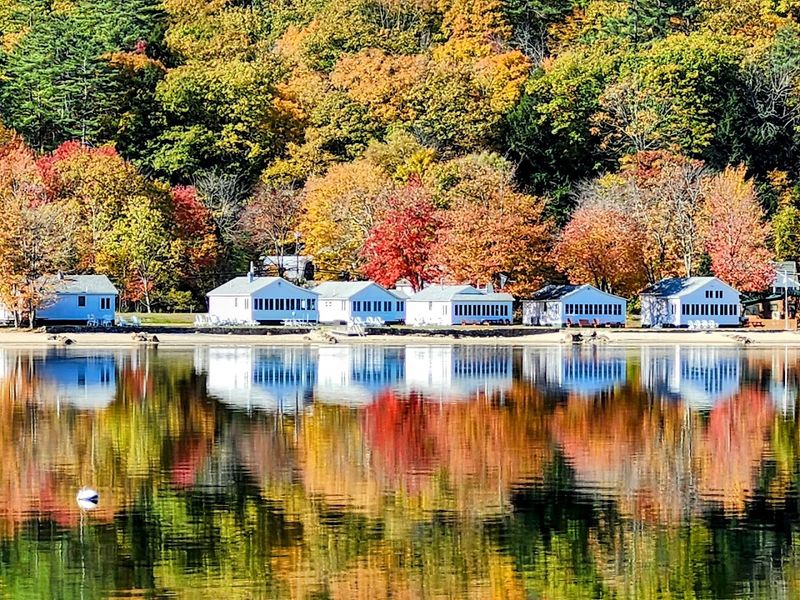
Bristol anchors the southern end of the lake and acts as the practical hub for most visitors. Local eateries, shops, and the Newfound Country Store give the town a welcoming, unpretentious character that suits the lake’s relaxed atmosphere perfectly.
Hebron sits at the northern tip, exuding the kind of quiet charm that shows up on New England postcards. Its historic district feels like time moved a little slower there, and that is not a complaint.
The white clapboard buildings and village green look exactly as a classic New Hampshire town should.
Bridgewater lines the eastern shore with rural character and mountain views that stretch toward sunset. The Newfound Lake Inn there offers historic lodging with lake views that make early mornings genuinely difficult to leave.
Alexandria on the western shore provides access to Cardigan Mountain for visitors wanting to extend their adventure beyond the water.
Together, these four towns create a circle of community around the lake. Each one brings something slightly different to the experience, making the whole region feel more complete than any single destination could manage alone.
Year-Round Events That Keep The Energy Alive
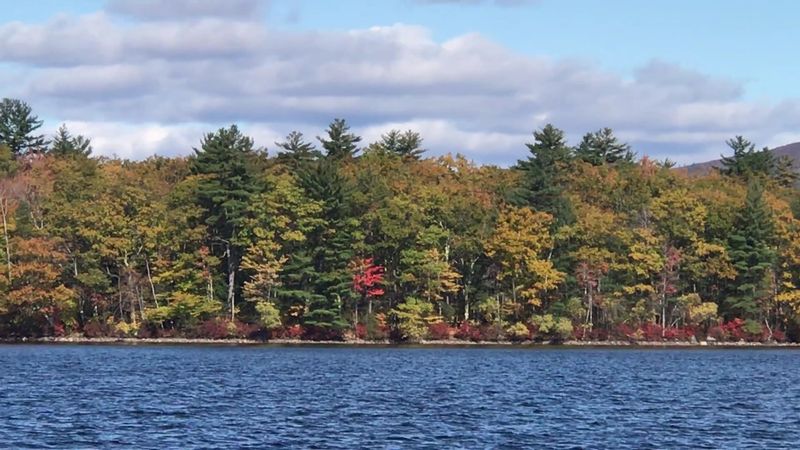
Summer gets the spotlight, but Newfound Lake earns its keep across every season. The calendar stays surprisingly full for a lake that most people associate strictly with warm-weather swimming.
The New Hampshire Marathon uses the lake region as its scenic course each October. Runners qualify for the Boston Marathon here, which gives the event a competitive edge that draws serious athletes from across the region.
The autumn foliage framing the route adds a visual reward that makes the miles feel shorter.
September brings the Newfound Rendezvous to Wellington State Park, celebrating hand-crafted strip-built boats with a showcase that highlights traditional New England boatbuilding skills. It draws craftspeople and enthusiasts who appreciate the artistry behind functional watercraft.
Winter transforms the lake entirely. Ice racing with studded-tire vehicles runs from January through March, an event that surprises first-time spectators with its speed and noise.
The annual ice fishing derby pulls the community onto the frozen surface for a tradition that predates most current residents. Cold weather here is not a reason to stay home.
Conservation Efforts That Keep The Water Pure
The lake’s legendary clarity does not maintain itself. Behind the scenes, the Newfound Lake Region Association works year-round to protect the water quality that makes this place so extraordinary.
The NLRA monitors the lake weekly from May through September, collecting water quality data and tracking any changes in clarity, temperature, and nutrient levels. That consistent record-keeping allows early detection of potential problems before they escalate into serious damage.
Keeping invasive milfoil out of the lake represents one of their most visible efforts. Milfoil has devastated water clarity in lakes across New England, and preventing its introduction here requires active boat inspections and public education campaigns.
The organization’s vigilance on this front has paid off with a milfoil-free lake.
Stormwater runoff poses a growing concern, particularly after heavy rain events that can carry sediment and nutrients into the water. A nearshore monitoring program launched in 2024 specifically tracks algae growth in vulnerable areas.
These layered conservation strategies ensure that future generations inherit the same pristine New Hampshire lake that visitors enjoy today.