
This Massachusetts Lighthouse Sits On Land With A Much Older Story
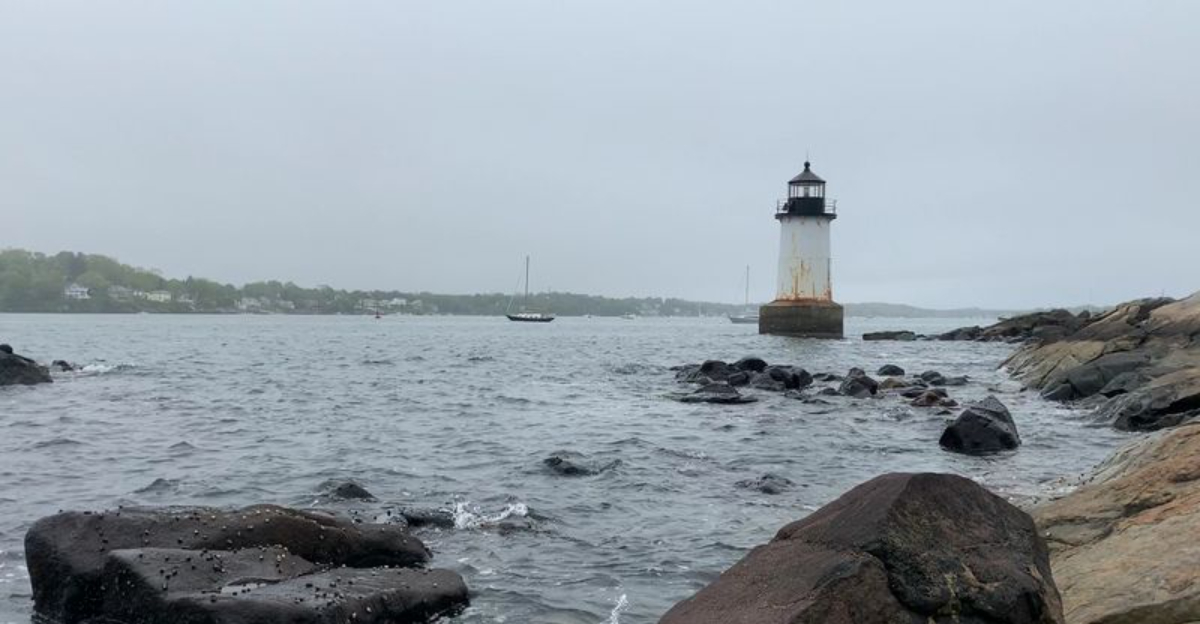
What if the lighthouse was only the newest chapter of the story?
Along the Massachusetts coast, one familiar beacon stands on land shaped by centuries of conflict, trade, and changing fortunes. The ocean views may grab your attention first, but the ground beneath them carries a past that reaches much further back.
This is not simply a place to admire the water and snap a few photos. Old defensive walls, historic ruins, and traces of earlier settlements make the area feel like an outdoor history lesson without the dusty display cases.
You can walk near the shoreline, watch boats cross the harbor, and then realize that people once stood on the same land for very different reasons. That contrast gives the site its pull.
The lighthouse may be the landmark everyone notices, but the older story surrounding it is what makes this Massachusetts destination worth a closer look.
A Landscape Shaped By Ancient Tides And Earliest Settlers
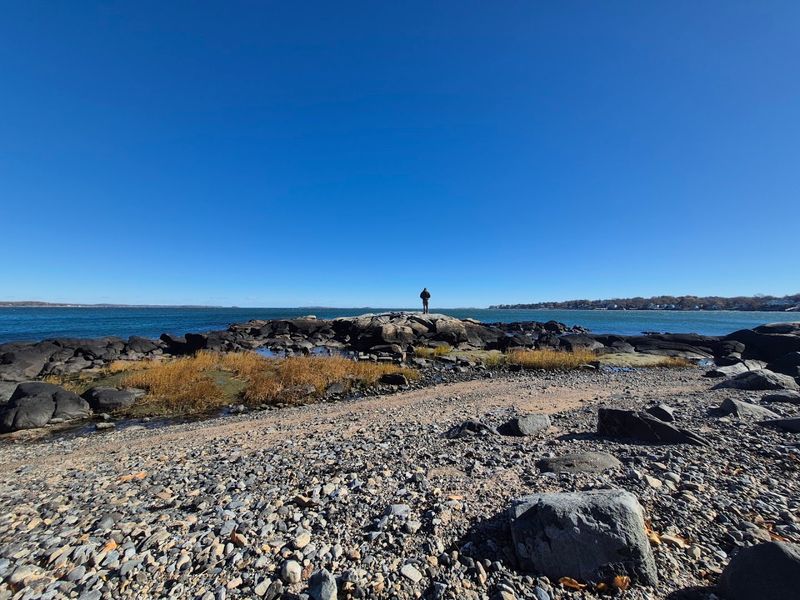
Long before any lighthouse cast its beam across Salem Harbor, people were already living on this narrow strip of land.
Archaeological evidence suggests that Indigenous peoples occupied Winter Island for thousands of years, drawn by the reliable access to marine resources and shelter from prevailing winds.
The land itself tells part of that story. The rocky shoreline, shaped by glacial retreat roughly twelve thousand years ago, created a coastal environment rich in shellfish, migratory fish, and seasonal game.
For early inhabitants, this was not just a convenient spot but a purposeful home.
Salem’s colonial settlers recognized the same geographic advantages. By the early 1600s, European arrivals were already eyeing Winter Island for both its practical harboring qualities and its defensive potential.
The island sits at coordinates 42.5270555, -70.8671411, a position that commands views across the harbor entrance. That strategic value was obvious from the very beginning, long before any fort or lighthouse was ever imagined for this shore.
How This Historic Fortress Helped Protect Salem’s Shores
Salem was once among the most significant ports in colonial America, and protecting it was never taken lightly. Fort Pickering’s military origins trace back to 1643, making it one of the earliest fortifications established in Massachusetts.
The original earthwork defenses were modest by later standards, but they reflected a very real concern about threats arriving by sea.
Over the following two centuries, the fortification evolved considerably. It was rebuilt, expanded, and renamed multiple times as geopolitical pressures shifted.
The site was officially named Fort Pickering in honor of Colonel Timothy Pickering, a Revolutionary War figure from Salem who served as Postmaster General and Secretary of State under Presidents Washington and Adams.
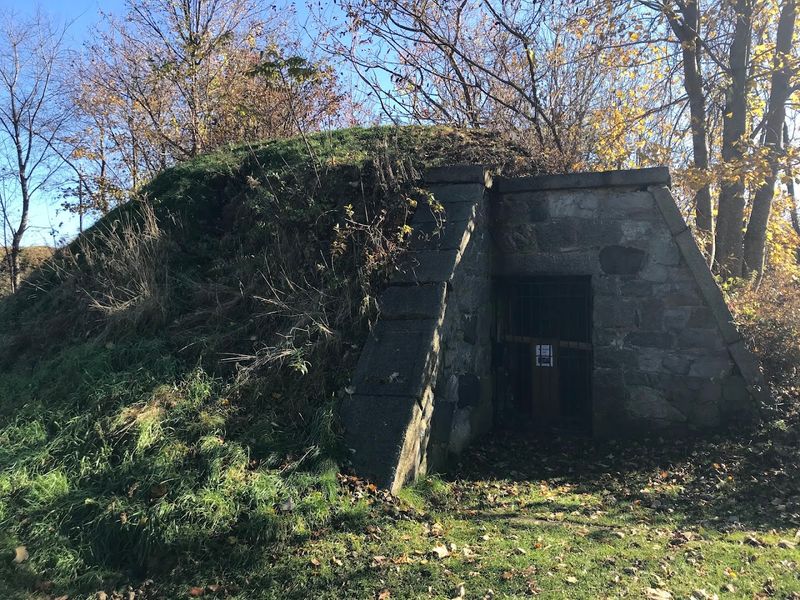
The physical remains of those defensive eras are still visible on the grounds today. Old ammunition storage areas and military bunkers remain standing, offering a tangible sense of the fort’s layered military history.
Walking among those structures, it becomes clear that this peninsula was never simply a scenic backdrop.
It was a serious piece of strategic infrastructure that Salem’s residents depended upon across multiple generations of conflict and uneasy peace.
The Sailors And Shipwrights Who Kept Salem’s Harbor Moving
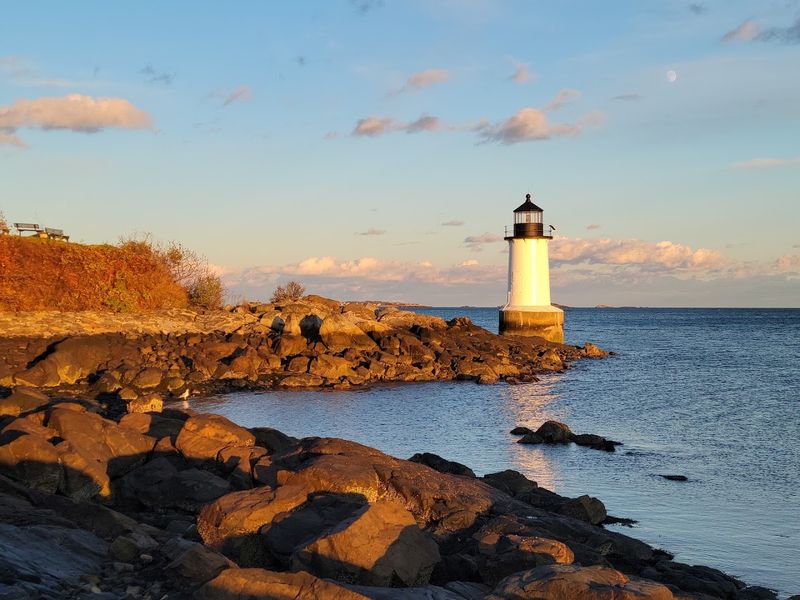
Salem’s maritime identity was forged long before the lighthouse era, and Winter Island sat squarely at the center of that activity.
The harbor that Fort Pickering guards was once among the busiest in the young United States, processing goods from the East Indies, the Caribbean, and ports across Europe.
Ships built and repaired along this coastline carried Salem’s merchants to extraordinary wealth.
Shipwrights and sailors were the lifeblood of this economy. The skills passed between generations, and the rhythms of tidal movement, seasonal fishing, and offshore trade shaped daily life on and around Winter Island.
The peninsula provided natural shelter for smaller vessels and easy access to deeper harbor channels for larger merchant ships.
That maritime culture left permanent marks on the landscape and the community.
Salem’s deep connection to the sea is not simply a museum exhibit but something embedded in the architecture, the street names, and the orientation of the city itself toward the water.
Fort Pickering and Winter Island remain physical reminders of an era when Salem’s fortunes rose and fell with the tides and the winds filling the sails of its merchant fleet.
How A Former Fortress Became A Beacon For Sailors
Military priorities and maritime navigation do not always align, but at Winter Island they eventually found common ground. As Salem Harbor continued to grow in commercial importance, the need for reliable navigational aids became impossible to ignore.
The rocky approaches to the harbor posed genuine hazards to vessels arriving after dark or in poor visibility.
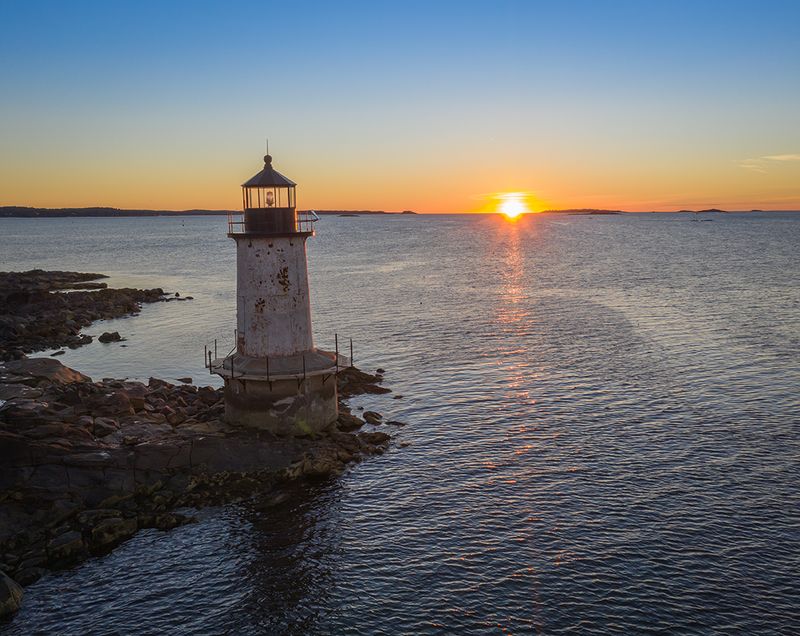
Fort Pickering Light was first established in 1871, positioned near the tip of Winter Island to guide mariners safely past the shoals and into the harbor.
The original structure was relatively simple, a practical rather than decorative installation, designed to serve a clear functional purpose without unnecessary elaboration.
The transition from pure military installation to a site housing a lighthouse represented a broader shift in how Winter Island was understood. The fort did not disappear, but it shared the peninsula with an increasingly important civilian maritime function.
That layering of purposes, defense alongside navigation, gave the site a complexity that single-purpose installations rarely develop.
The lighthouse added a new chapter without erasing the ones that came before, and the result was a place with an unusually rich accumulation of meaning compressed into a relatively small area of coastal Massachusetts.
Fort Pickering Light’s Service
A lighthouse earns its reputation through consistency. Fort Pickering Light kept its watch over Salem Harbor for decades, its beam cutting through fog, rain, and the dense darkness of New England winters.
The light guided fishing boats, merchant vessels, and later pleasure craft through waters that demanded respect even from experienced mariners.
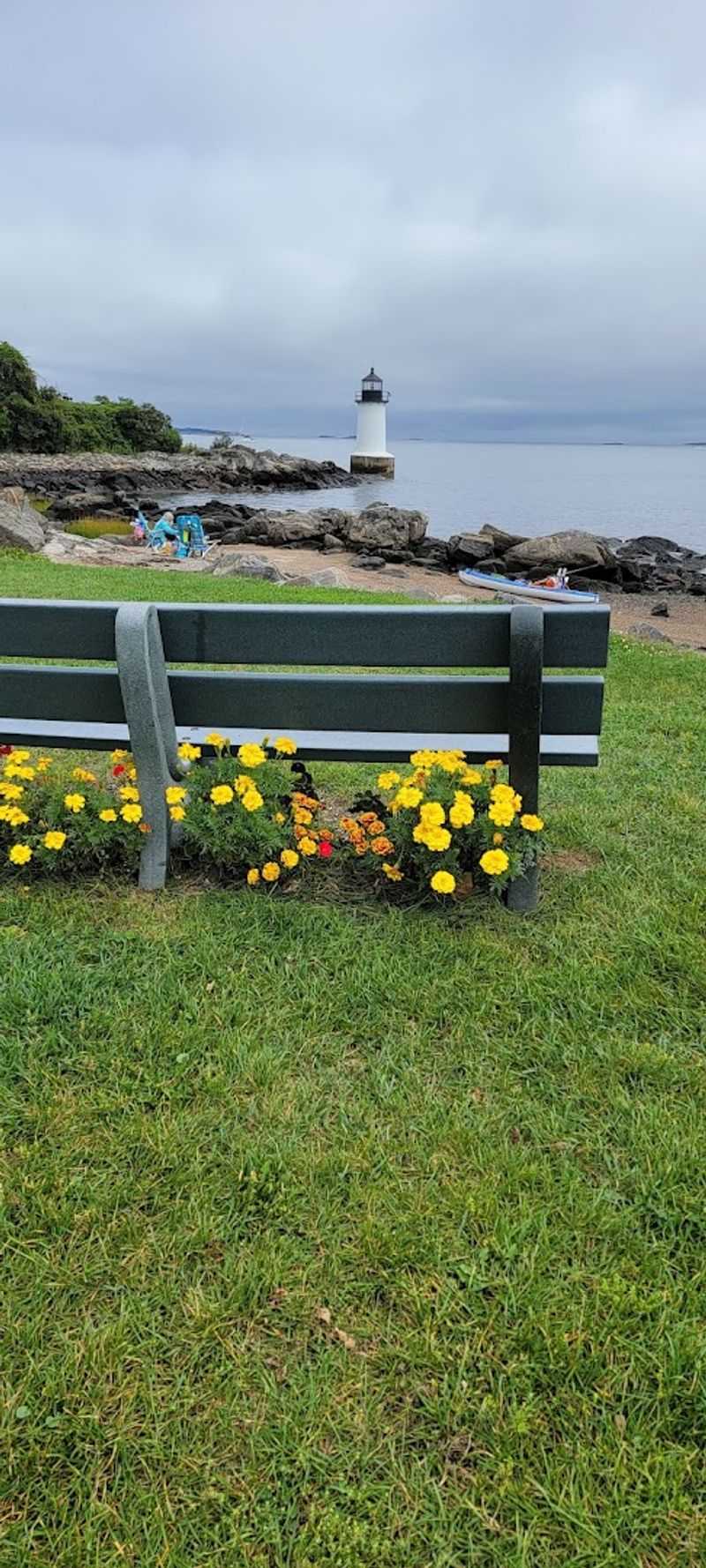
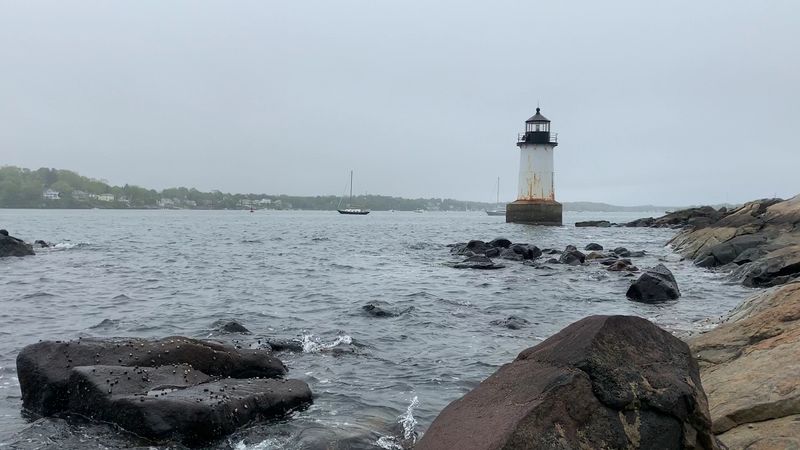
The lighthouse itself is a modest structure by New England standards. It stands on a rocky outcropping accessible at low tide, its white tower compact and purposeful rather than dramatically tall.
That understated quality suits the site well. Winter Island is not a place for theatrical gestures but for steady, reliable presence.
Keepers assigned to Fort Pickering Light maintained the lamp through conditions that ranged from brilliant summer afternoons to punishing nor’easters.
Their daily routines, tending the light, recording weather observations, and watching the harbor, created a human continuity that connected the lighthouse’s service to the broader rhythm of Salem’s maritime life.
The keeper’s dwelling, now part of the preserved site at 50 Winter Island Rd, Salem, MA 01970, stands as a reminder that behind every lighthouse beam was a person committed to keeping it burning without interruption.
Sentinels Of The Sky And Sea
The United States Coast Guard’s presence at Winter Island added another dimension to an already layered site.
Following the consolidation of lighthouse operations under the Coast Guard in 1939, Winter Island became part of a broader network of coastal stations that combined navigation aids with search and rescue capabilities.
The strategic position that had attracted military planners back in 1643 remained just as relevant three centuries later.
Winter Island’s commanding view of Salem Harbor and the approaches from the open Atlantic made it a logical base for aerial and maritime patrols during wartime.
Coast Guard operations continued on the island until the 1970s, leaving behind structures and infrastructure that still define parts of the landscape.
That long Coast Guard chapter gave Winter Island a distinctly mid-twentieth-century layer alongside its colonial and Revolutionary-era remnants.
The mix of architectural periods, from old earthworks to concrete bunkers to later administrative buildings, creates an informal open-air record of American coastal defense priorities across several very different eras.
Few sites in Massachusetts pack that range of institutional history into such a compact and accessible peninsula.
Preserving A Historic Guardian
Lighthouses that outlive their operational necessity face a particular kind of uncertainty.
Once modern navigational technology reduced dependence on traditional light stations, many historic lighthouses across New England fell into disrepair or were demolished entirely.
Fort Pickering Light came close to that fate before preservation efforts intervened.
The lighthouse was decommissioned and then later relit as a private aid to navigation, a common arrangement that allowed the structure to remain functional while transferring stewardship responsibility to local organizations.
The Beverly-Salem Waterfront Alliance worked to restore and maintain the lighthouse, recognizing that its value extended far beyond its original navigational function.
Preservation work on historic lighthouses is never straightforward. Saltwater air accelerates deterioration, foundations shift against tidal pressure, and original materials are rarely available for authentic restoration.
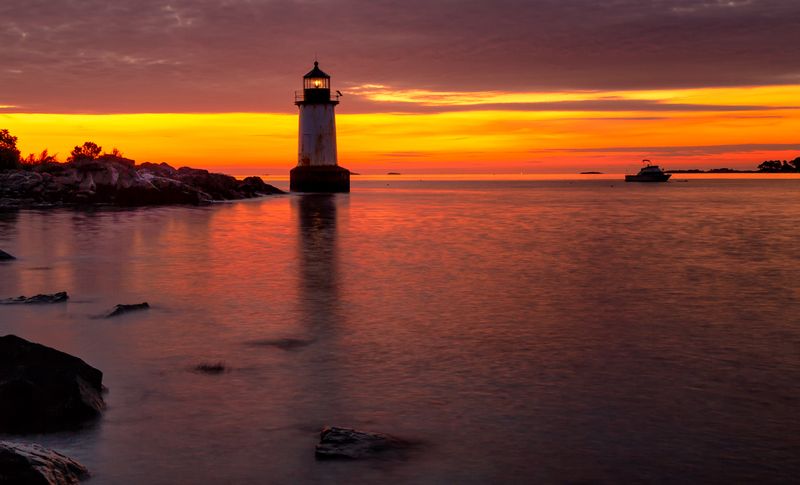
The effort required to keep Fort Pickering Light standing and lit reflects a genuine community commitment to maintaining a physical connection with Salem’s maritime past.
The result is a lighthouse that continues to mark the harbor entrance not because ships depend on it for navigation but because the community understands that some landmarks earn their place in a landscape through accumulated meaning.
Why Winter Island Remains A Peaceful Place To Reflect On The Past
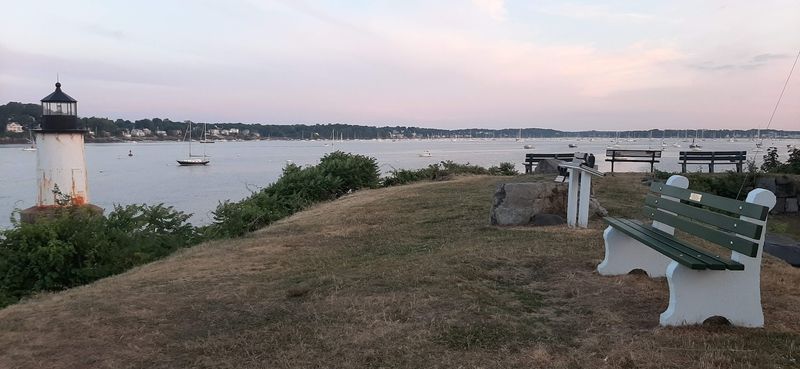
Winter Island today operates as a public park managed by the City of Salem, open every day of the year around the clock.
The grounds encompass the lighthouse, the remains of Fort Pickering, old military bunkers, ammunition storage areas, walking trails, beach access, and camping facilities for RVs.
It is an unusually complete outdoor destination for a site so close to an urban center.
The rocky beach provides access to tide pools and, at low tide, a closer approach to the lighthouse itself. Benches positioned along the shoreline face the harbor, offering unobstructed views across the water toward the open Atlantic.
The atmosphere is calm and unhurried, shaped by the sound of waves and the calls of seabirds rather than by crowds or commercial activity.
Reaching the park is straightforward. The address is 50 Winter Island Rd, Salem, MA 01970, and a parking fee applies for those arriving by car, though the peninsula is also reachable on foot or by bicycle from central Salem.
The combination of accessible history, coastal scenery, and genuine quiet makes Winter Island a place worth spending real time rather than simply photographing from the road.