
8 Texas Towns Struggling With Population Declines Due To Sky High Property Taxes
Moving trucks often outnumber school buses on these quiet residential streets when summer arrives. Families who spent decades building lives here now watch their bank accounts drain just to keep the roof over their heads.
The annual tax bill arrives with the weight of an eviction notice, forcing long conversations around kitchen tables late into the night. It is a slow, quiet departure that happens one garage sale and one moving box at a time.
The local hardware store feels a bit emptier each month as familiar faces disappear from the counter. Neighborhoods lose the very people who gave them character, leaving behind empty lawns and silent playgrounds.
Texas heritage struggles to compete with the harsh reality of rising local numbers. Surviving here now requires a heavier wallet than most working families can afford.
1. El Paso
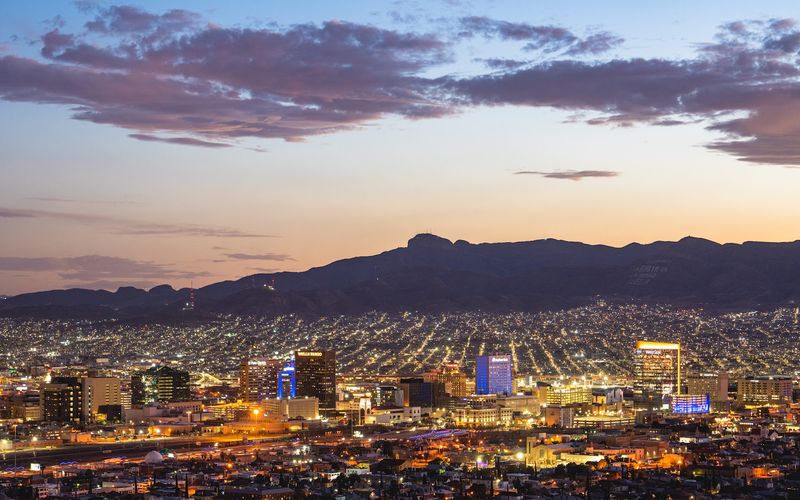
This place sits right on the border, wedged between two countries and a mountain range. It has a culture that is completely its own.
But the city has been quietly losing ground.
Property taxes here have climbed sharply, hitting homeowners in a city where incomes are generally lower than the Texas state average. That combination is genuinely brutal for working families.
When your tax bill rises, but your paycheck does not, something has to give. For many El Paso families, that something is their home.
El Paso’s effective property tax rate has hovered around some of the highest in the state for years. Homeowners pay a significant chunk of their income just to keep the house they already bought.
The city has seen slower population growth and, in some zip codes, actual decline. People who grew up here love El Paso fiercely.
Leaving is not easy. But the math sometimes wins.
What makes this extra frustrating is that El Paso has real appeal. The Franklin Mountains State Park is right inside the city limits, which almost no other major city can claim.
Sunsets over those mountains are genuinely spectacular.
The food scene, especially the green chile everything, is legendary and underrated nationally. Downtown has seen some revival efforts that brought real energy back to older buildings.
But revival does not pay property tax bills. Residents keep hoping the city finds a better balance.
Some have moved just across the border to New Mexico, where tax structures offer a bit more relief.
El Paso deserves better than watching its own people leave.
2. Corpus Christi
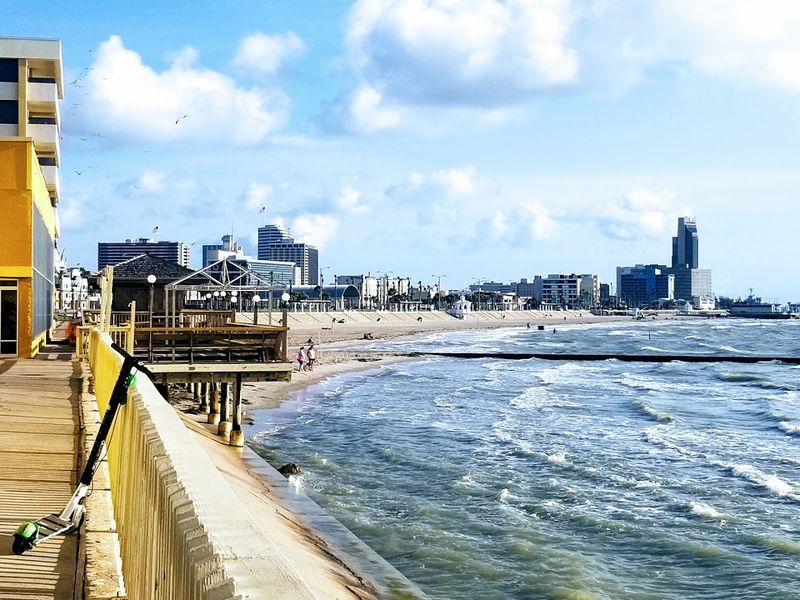
Living near the Gulf of Mexico sounds like a permanent vacation. Corpus Christi has that salty air, those pelicans, and those long flat beaches that stretch forever.
But paradise has a price tag now.
Property taxes in Corpus Christi have risen significantly over recent years. Coastal properties especially have seen valuations jump, pulling tax bills up with them.
Longtime residents who bought modest homes decades ago are now facing bills that feel completely disconnected from their fixed incomes. That gap is painful and very real.
The city has dealt with population stagnation and some outright decline in certain neighborhoods. Younger residents who grew up here often move to San Antonio or Austin for work, and the tax burden makes returning feel financially risky.
Retirees who planned to stay forever are reconsidering. When your property tax rivals what some people pay in rent, the math stops making sense pretty fast.
Corpus Christi does have genuine magic, though. The USS Lexington Museum on the Bay is one of the coolest attractions in all of Texas.
You can walk the flight deck of an actual World War II aircraft carrier. That never gets old.
The Texas State Aquarium nearby is excellent too, especially if you have kids. Padre Island National Seashore offers miles of undeveloped coastline that feels almost prehistoric in the best possible way.
The city is working on economic development and trying to attract new industries. But housing affordability remains a real sticking point for anyone thinking about putting down roots here.
The coast is gorgeous. The taxes, less so.
3. Grand Prairie
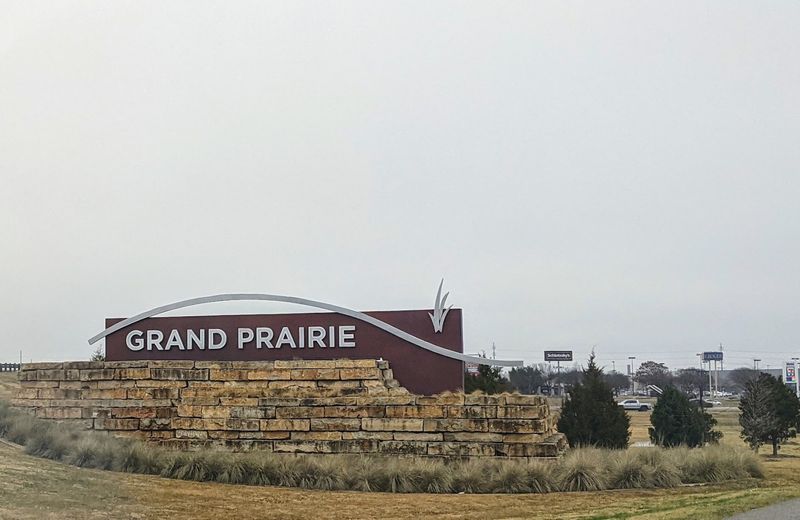
Grand Prairie sits right in the middle of the Dallas-Fort Worth metroplex, sandwiched between two massive cities. You would think that location alone would keep it thriving.
And for a while, it really did.
But property taxes in Grand Prairie have climbed steadily, and residents are noticing. The city’s tax rate combined with rising home valuations has pushed annual bills higher than many households budgeted for.
Families who moved here specifically because it seemed more affordable than Dallas are now questioning that decision. Affordable is a moving target when valuations keep climbing.
Grand Prairie’s population growth has slowed noticeably. Some residents are choosing to move further out, to smaller towns with lower tax rates, even if it means a longer commute.
That trade-off is becoming more common across the metroplex. People are essentially buying time and money by driving more miles.
The city does have some genuinely fun spots that locals are proud of. Epic Waters Indoor Waterpark is a massive year-round attraction that draws families from across the region.
It is hard not to have a good time there.
Lone Star Park is a beautiful horse racing venue with real old-school charm. On race days, the energy there is something special and uniquely Texan.
The Ripley’s Believe It or Not and Palace of Wax on Beltline Road is wonderfully weird in the best way. Grand Prairie has personality.
It is not boring.
But personality alone does not offset a tax bill that keeps climbing. City officials are working on it, but residents are watching carefully and making decisions accordingly.
4. Dallas
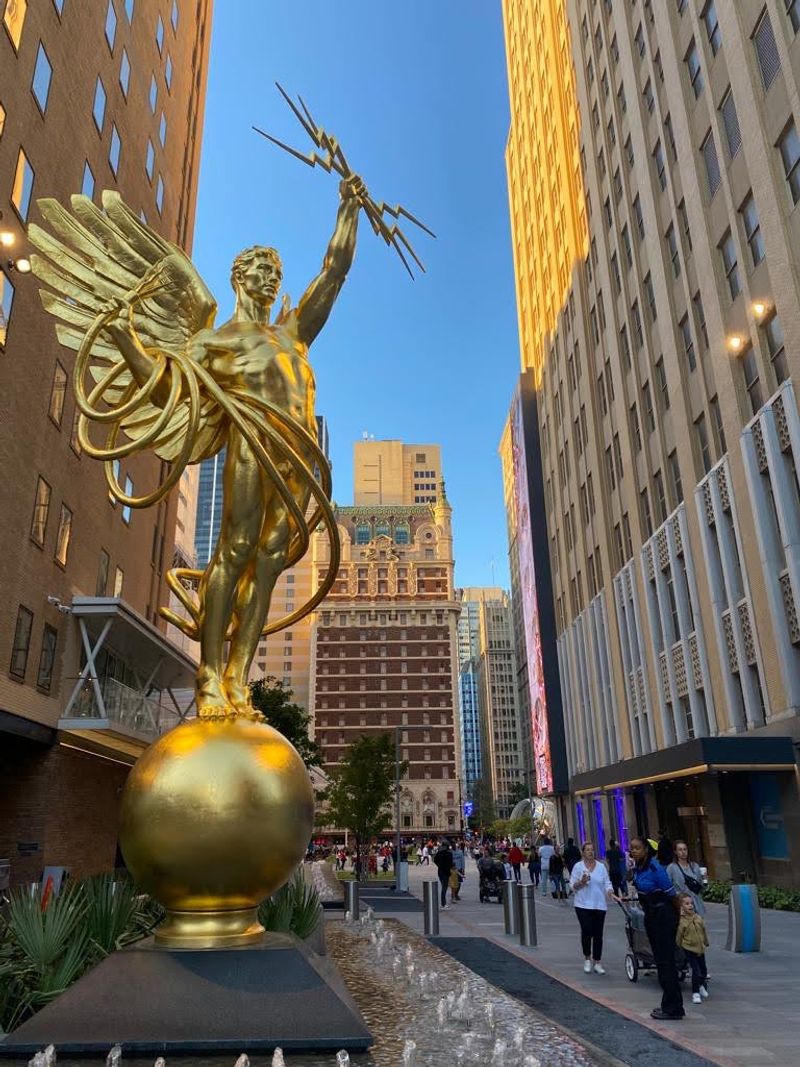
Dallas is supposed to be the big dream city of Texas. Shiny towers, world-class food, and enough energy to power a small planet.
But something unexpected is happening here.
Population growth over the past decade has been modest. That sounds fine until you realize the suburbs around Dallas exploded with new residents during the same period.
People are not leaving Texas. They are leaving Dallas specifically.
And property taxes are a huge reason why.
The city’s property tax levy jumped dramatically over roughly a decade. Homeowners opened their mail and nearly fell out of their chairs.
Bills climbed fast as property valuations soared.
Dallas County consistently ranks among the highest property tax burdens in the entire state. That is not a small thing when Texas already has no income tax buffer to soften the blow.
The Arts District is genuinely stunning, covering more than 100 acres of museums, architecture, and culture. Klyde Warren Park turned a freeway into a beloved green space downtown.
These attractions keep visitors coming, but long-term residents are crunching numbers and moving on.
Younger families especially are heading to Frisco, McKinney, or even smaller towns where the tax burden feels more manageable. Dallas loses residents quietly, one moving truck at a time.
City leaders are aware of the problem and have made some adjustments. But catching up after years of aggressive tax increases is genuinely hard.
The city still has incredible bones, incredible culture, and real momentum in certain neighborhoods.
Still, affordability is the conversation everyone is having.
5. Arlington
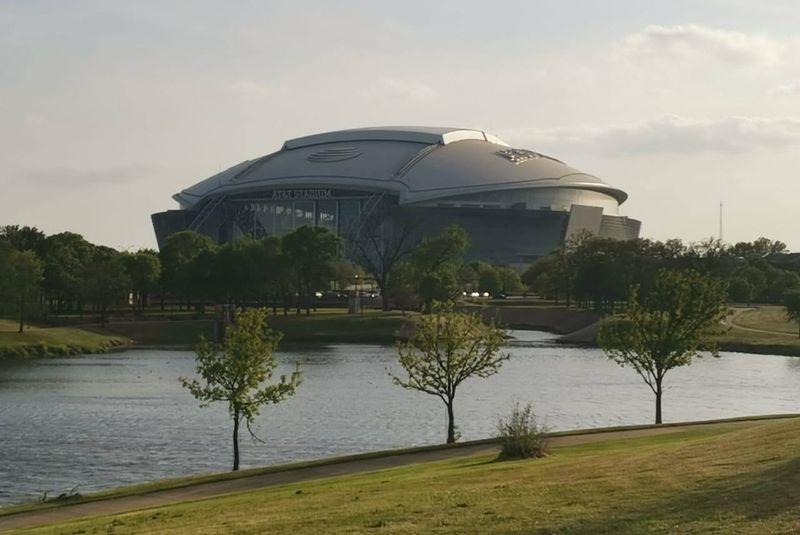
Arlington is home to AT&T Stadium and Globe Life Field, two of the most recognizable sports venues in America. On game days, this city absolutely buzzes.
But between those big events, a quieter struggle is happening.
Property taxes in Arlington have become a serious concern for homeowners. The city has no commuter rail, which means residents pay for everything through property levies.
That adds up fast.
Arlington is the largest city in the United States without a public transit system. Every road, every service, every improvement lands on property owners.
The bills reflect that reality clearly.
Population growth has slowed, and some longtime residents are relocating to nearby cities where the tax structure feels more balanced. It is a frustrating trend for a city with so much going for it.
Young professionals especially are choosing to rent rather than buy here, specifically because ownership costs feel unpredictable. That hesitation ripples through the local housing market in visible ways.
The entertainment district around the stadiums is genuinely impressive. Six Flags Over Texas has been here since 1961 and still delivers that classic amusement park thrill.
Hurricane Harbor next door is a summer staple for the whole region.
The University of Texas at Arlington brings real academic energy to the city. The Levitt Pavilion hosts free outdoor concerts that draw huge crowds and remind everyone why community spaces matter so much.
Arlington has ambition and real assets. The challenge is making sure that the people who live here can actually afford to stay long-term without feeling financially squeezed year after year.
6. Garland
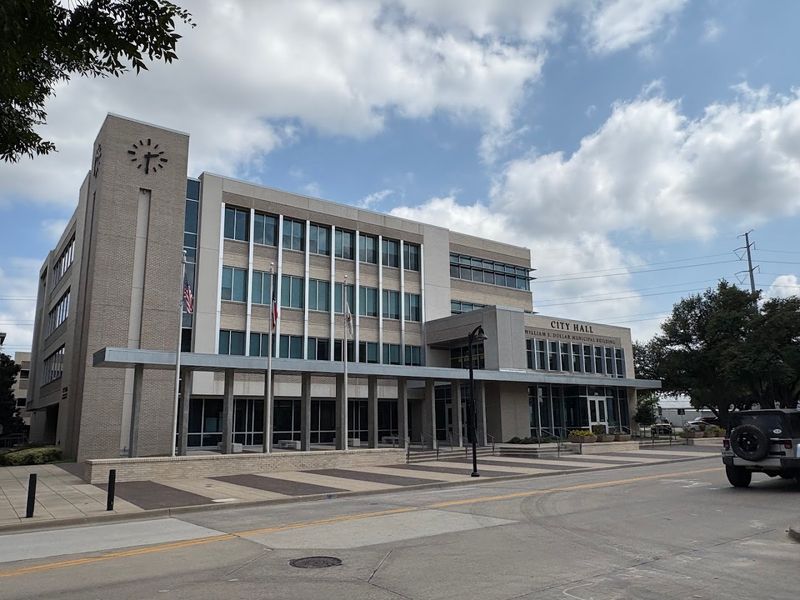
A spot like this used to be the kind of place where working-class families could buy a solid house, raise kids, and actually get ahead. That reputation built the city for decades.
Now it is under serious pressure.
Property taxes in Garland have surged alongside rising home values across the Dallas metro. Homeowners who bought modest homes are getting valuations that feel completely disconnected from what they actually paid.
When your home’s assessed value jumps dramatically in a short period, your tax bill follows right behind it. There is no gentle way to absorb that kind of increase on a fixed or modest income.
Garland has seen population shifts as residents move to exurban areas where land is cheaper and tax rates are lower. The city’s demographics are changing as a result, and not always in ways that city planners anticipated.
Some longtime homeowners, especially older residents on fixed incomes, are finding it nearly impossible to stay in homes they have lived in for thirty or forty years. That is a genuinely heartbreaking situation.
Garland does have real community pride, though. The Granville Arts Center hosts performing arts events that punch well above the city’s weight class.
The Plaza Theatre there is a beautiful restored venue worth seeing.
Firewheel Town Center is a popular outdoor shopping and dining destination that draws people from across the eastern suburbs. On weekends, it has a real community feel that Garland residents genuinely enjoy.
Lake Ray Hubbard sits right on Garland’s eastern edge and offers boating, fishing, and waterfront dining. The lake is a legitimate spot that many people outside the area do not know about.
7. Whitesboro
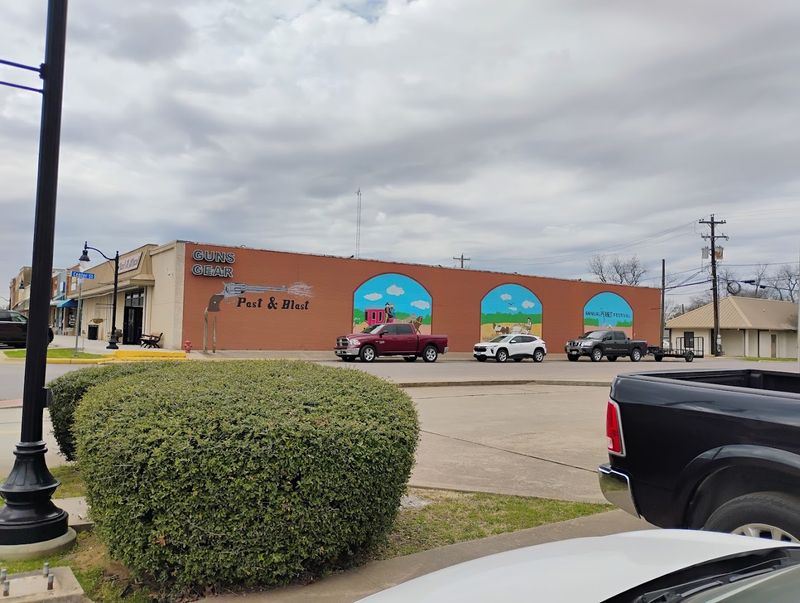
Whitesboro is a small town in Grayson County, sitting quietly north of the DFW metroplex near the Oklahoma border. It has that classic small-town Texas charm that people romanticize in country songs.
But charm does not pay the bills.
As DFW sprawl pushed northward, property values in Whitesboro started climbing. Once cheap land became attractive to developers and remote workers fleeing city prices.
That sounds like good news for a small town. But for longtime residents, rising valuations meant rising tax bills on fixed incomes with no corresponding rise in wages or services.
Whitesboro’s population has struggled to grow meaningfully. Young people leave for opportunities in bigger cities.
Older residents get squeezed by taxes that feel designed for a different economic reality than the one they actually live in.
Small towns like Whitesboro often lack the political clout to push back against state-level property tax structures. They feel the effects more acutely because there are fewer resources to cushion the blow.
The town does have genuine character worth celebrating. Whitesboro is known as the Peanut Capital of Texas, which is a wonderfully specific claim to fame.
The annual Peanut Festival draws visitors who genuinely enjoy small-town celebrations.
The Butterfield Stage historic marker tells the story of the famous overland mail route that once passed through this area. History runs deep here in ways that feel authentic rather than manufactured for tourists.
Main Street still has locally owned shops and a diner or two where the coffee is strong, and the gossip is free. That community fabric is real.
Keeping it intact while taxes climb is the challenge.
8. Muleshoe
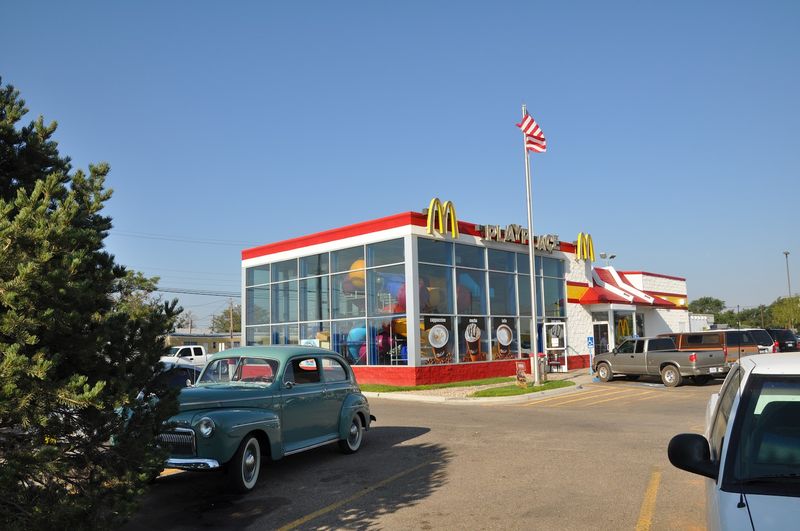
Muleshoe sits out on the flat, wind-swept plains of West Texas in Bailey County, about 75 miles southwest of Lubbock. The name alone raises eyebrows.
But the town’s story right now deserves serious attention.
This is agricultural country. Farming and ranching define the economy here.
When property taxes on agricultural land rise, the impact is not just financial. It threatens entire ways of life passed down through generations.
Muleshoe has seen a steady population decline over recent years. Young people leave because opportunities are limited.
Older residents stay but struggle with tax bills that grow while farm income stays unpredictable.
Texas property tax law does offer some agricultural exemptions, but navigating those exemptions requires paperwork, knowledge, and sometimes legal help that small-town residents do not always have access to. The system is complicated on purpose, it seems.
When a family farm gets sold because the heirs cannot afford the taxes, the whole community feels it. Those losses are quiet but cumulative.
Muleshoe loses a little more of itself each time it happens.
The town is home to the National Mule Memorial, a bronze statue honoring the mule’s role in American agriculture. It sounds quirky, but locals take genuine pride in it.
It is a symbol of hard work and grit.
The Muleshoe National Wildlife Refuge nearby is one of the oldest national wildlife refuges in Texas. Sandhill cranes gather there by the thousands during migration season.
It is a spectacular natural event that most people outside the region have never heard of.
Muleshoe has heart. It just needs a tax structure that matches its economic reality.