
This Beloved Illinois Restaurant Is The Ultimate Destination For Authentic Handmade Pierogi
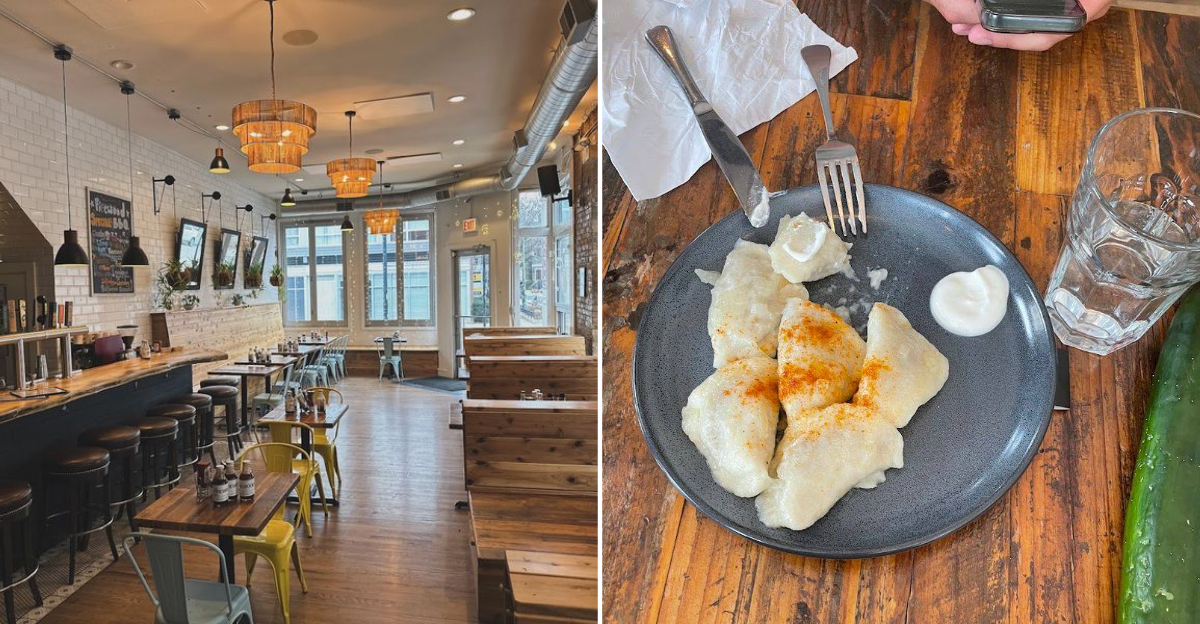
Legend says a patron saint brought these dough pockets to the peasants during a devastating thirteenth-century famine. The hungry villagers realized that wrapping wild mushrooms and cabbage inside boiled pastry could sustain an entire community.
That clever survival method eventually traveled across the ocean to a busy Midwestern neighborhood. Illinois keeps that specific tradition alive inside a kitchen that still rejects modern machinery.
The cooks shape each piece by hand using skills passed down through generations. Every dumpling arrives plump and heavy with the promise of comfort.
The rich filling retains its heat long after leaving the skillet. You can taste the centuries of agricultural resourcefulness in a single bite.
The plate honors those ancient farmers far better than any monument ever could.
History And Origin Of Handmade
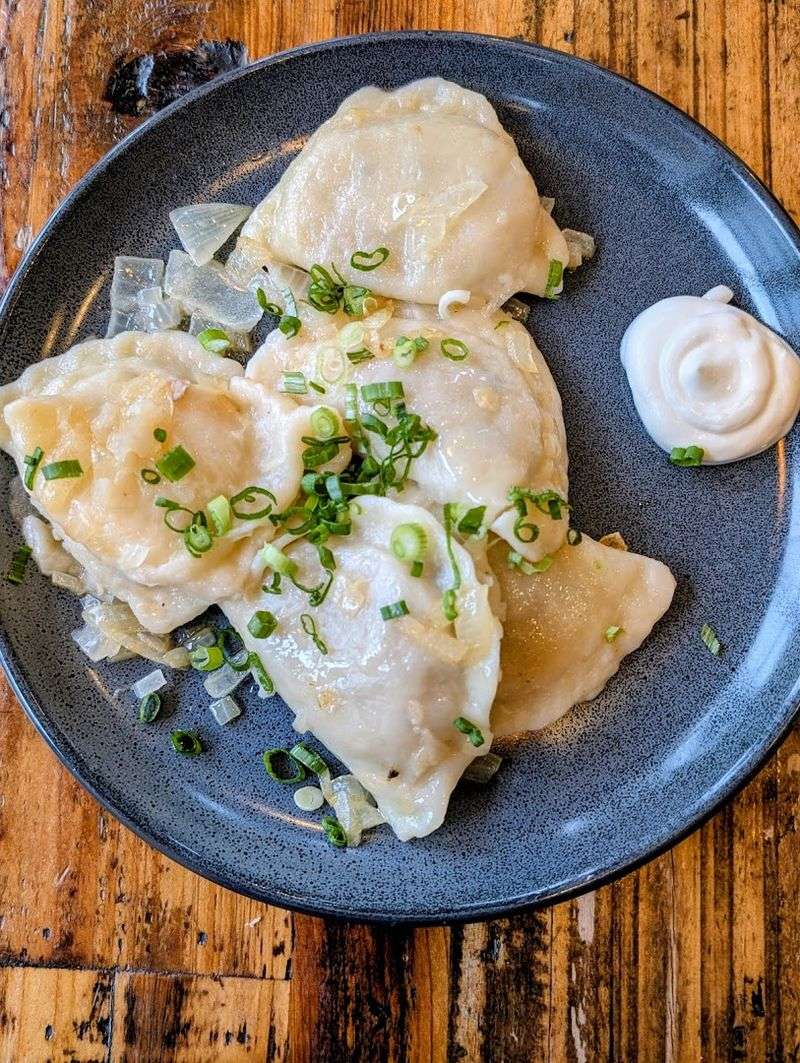
This place opened its doors on January 1, 2024, and Chicago has not been the same since. Husband-and-wife co-owners Artur Wnorowski and Gosia Pieniazek brought their Polish roots straight to Wicker Park.
Their handmade pierogi are crafted daily from scratch, and their kielbasa recipe is a cherished family tradition passed down through generations.
The origins of pierogi are actually pretty fascinating. Most food historians trace them back to Central or Eastern Europe.
Some theories even suggest dumplings traveled to Poland from China way back in the 13th century.
Originally, pierogi were peasant food. Simple, filling, and made with whatever was on hand.
Over time, they crossed every social boundary and landed on tables across all walks of life.
The first Polish cookbook to mention pierogi appeared in the 17th century. That is a long culinary history packed into one little dumpling.
The word pierogi itself comes from a Slavic root meaning festivity, which feels exactly right.
Today, Pierogi Kitchen carries that legacy forward with pride and fresh dough every single day. You can find them at 1856 W North Ave, Chicago, IL 60622.
Traditional Ingredients Used In Making
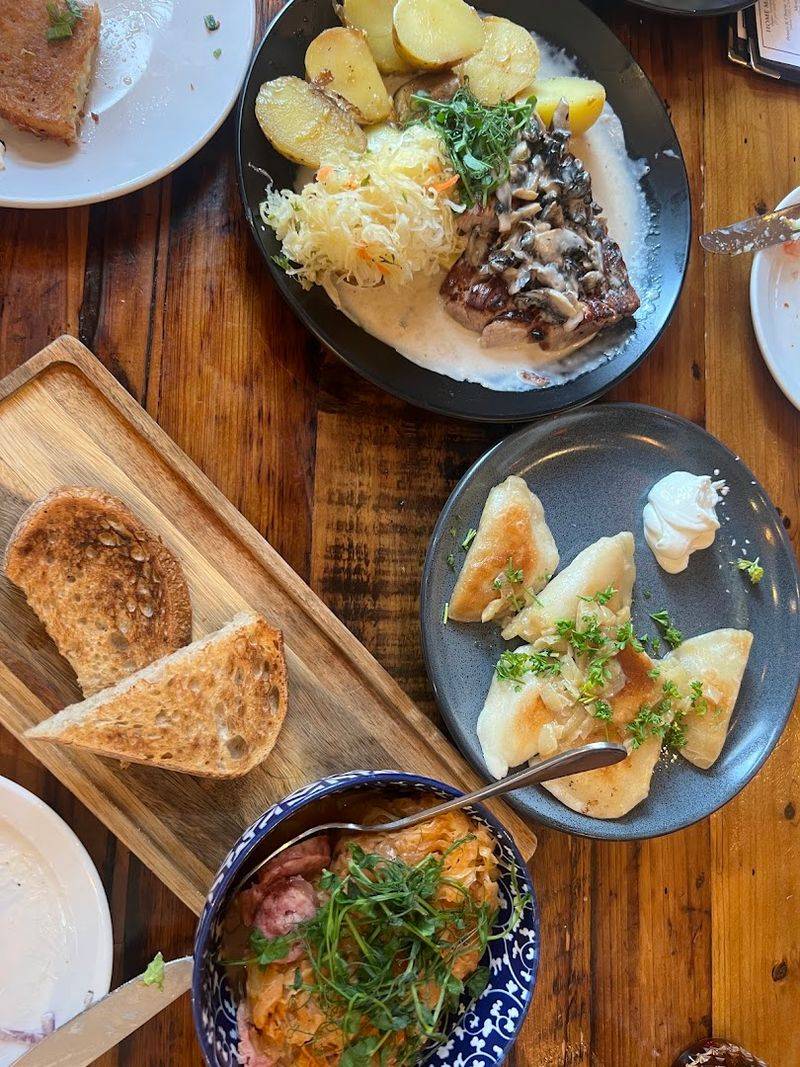
The dough at Pierogi Kitchen is not something you will find in a grocery store freezer aisle. It starts with flour, water, salt, and egg.
Sometimes a touch of oil or sour cream gets folded in for extra softness and stretch.
That combination creates a dough that is pliable but sturdy. It needs to hold its shape through boiling without falling apart.
Getting that balance right takes real skill and a lot of repetition.
Classic fillings lean heavily on mashed potatoes and cheese. Farmer’s cheese, also known as twarog in Polish, is the traditional choice.
It melts into the potatoes and creates a creamy, slightly tangy center that is hard to beat.
Sauerkraut and mushrooms are another staple pairing. The earthiness of the mushrooms plays really well against the sharp tang of the kraut.
Seasoned ground pork or beef rounds out the savory options on the traditional side.
Every ingredient at Pierogi Kitchen is chosen with intention. Nothing feels random or thrown together.
The care that goes into sourcing and combining these components is what separates a truly great pierogi from just an okay one.
Step By Step Preparation Techniques
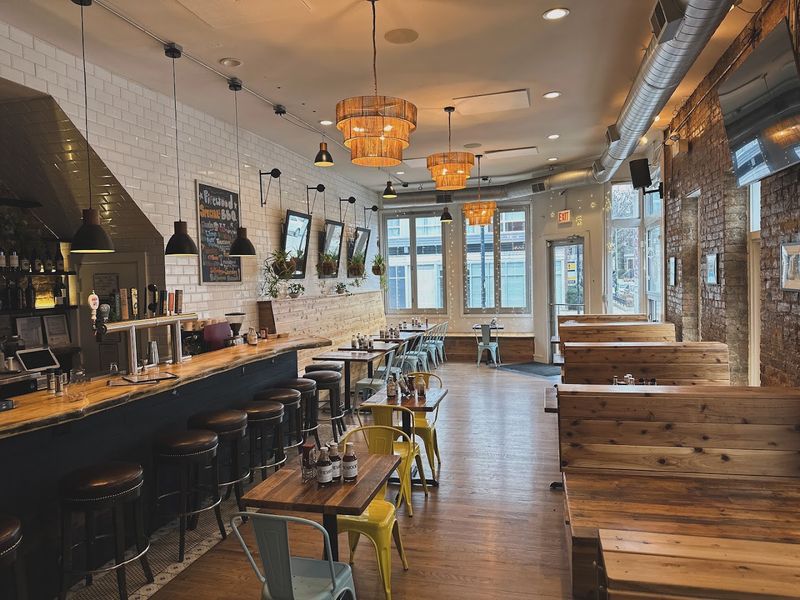
Pierogi Kitchen makes its pierogi fresh every single day. That commitment to freshness shows up in every bite.
Nothing sits around from yesterday.
The process starts with mixing and kneading the dough until it reaches the right consistency. Then it gets rolled out thin, but not so thin it tears.
Circles are cut from the sheet and lined up ready for filling.
A spoonful of filling goes right in the center of each circle. The dough folds over and gets pressed together along the edges.
That sealed crescent shape is the classic look everyone recognizes.
Boiling comes next. The pierogi go into salted water and cook until they float to the top.
That usually takes about two to three minutes and signals they are done.
After boiling, many of them get a quick pan-fry in butter with onions. That step adds a golden crust and a slightly caramelized flavor.
It turns something already good into something genuinely great.
The whole process requires patience and precision. Rushing any step leads to pierogi that fall apart or taste flat.
At Pierogi Kitchen, they clearly take the time to get it right every time.
Unique Flavor Combinations For Fillings
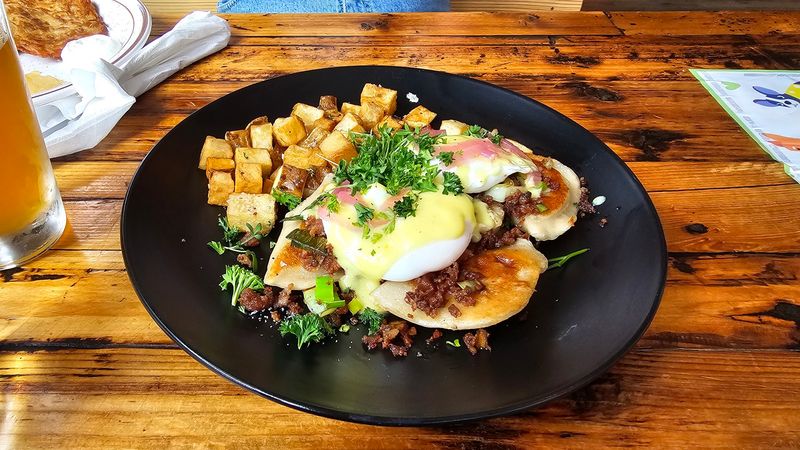
Pierogi Kitchen does not stop at the classics, and that is honestly one of the most exciting things about the menu. The flavor range is wide and genuinely creative.
You will find options that feel both familiar and completely unexpected.
The 14-hour smoked brisket pierogi is a showstopper. Slow-smoked beef packed inside handmade dough is a combination that makes a lot of sense once you taste it.
It is rich, smoky, and deeply satisfying.
Truffle with potato, Parmesan, and mushrooms is another standout. That earthy truffle note elevates what could have been a basic potato filling into something more refined.
Parmesan adds a salty sharpness that ties everything together.
Roasted beets and goat cheese bring a slightly sweet, tangy profile to the table. It is a bold pairing that works surprisingly well.
The natural sweetness of the beets softens the tang of the goat cheese perfectly.
On the sweeter side, the sweet cheese filling is a crowd favorite. Strawberry pierogi also make an appearance and are far more delicious than they sound.
Dessert and dinner can genuinely coexist in dumpling form here.
Cultural Significance Of In Illinois
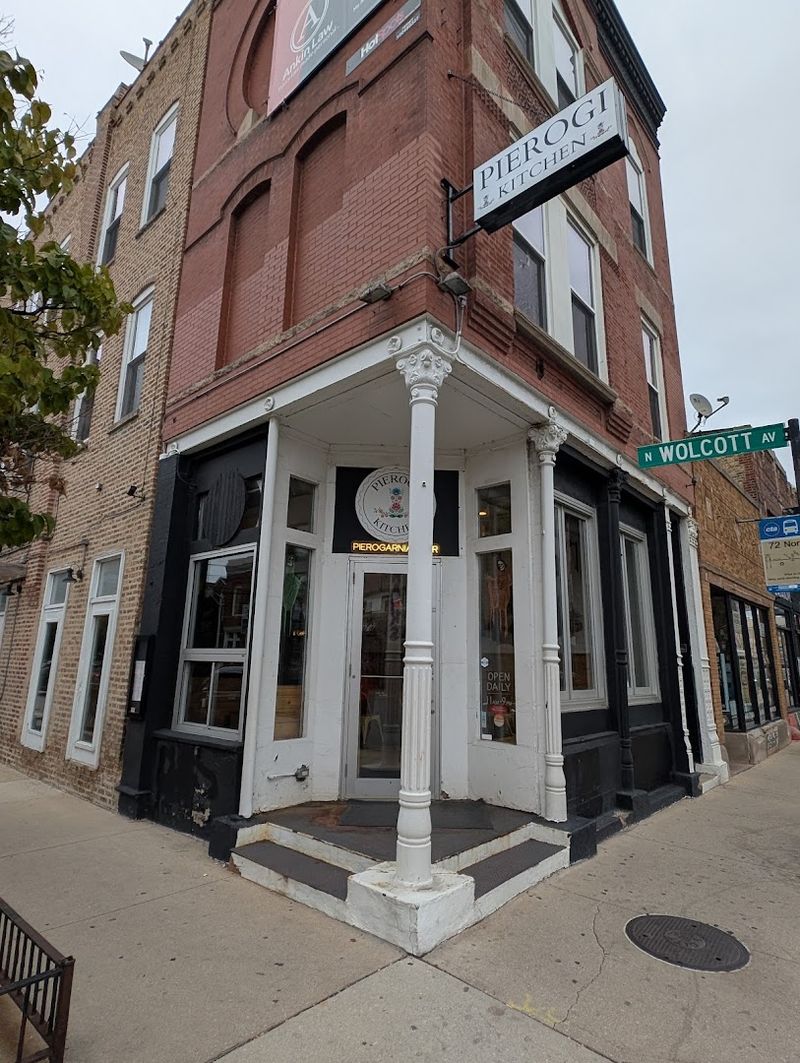
Chicago has one of the largest Polish populations in the entire United States. That history runs deep through neighborhoods, traditions, and of course, food.
Pierogi are not just a dish here. They are a cultural anchor.
For Polish immigrants who built their lives in Illinois, pierogi represented home. Making them was a family event.
Everyone gathered around the table, and the act of folding dough became something far more meaningful than just cooking.
Pierogi Kitchen describes its mission as a cultural journey. The goal is to share Polish roots with a city that already has a strong connection to that heritage.
That purpose comes through clearly in how the food is made and presented.
The dish has evolved in Chicago over generations. It has absorbed local flavors and influences while staying rooted in tradition.
That blend of old and new is what makes Chicago-style Polish food so interesting to explore.
Pierogi hold special significance during Polish holidays like Christmas and Easter. Families still gather to make them together during those times.
The Slavic word pierogi literally means festivity, and that meaning still resonates today across Illinois communities.
Pairing With Complementary Side Dishes
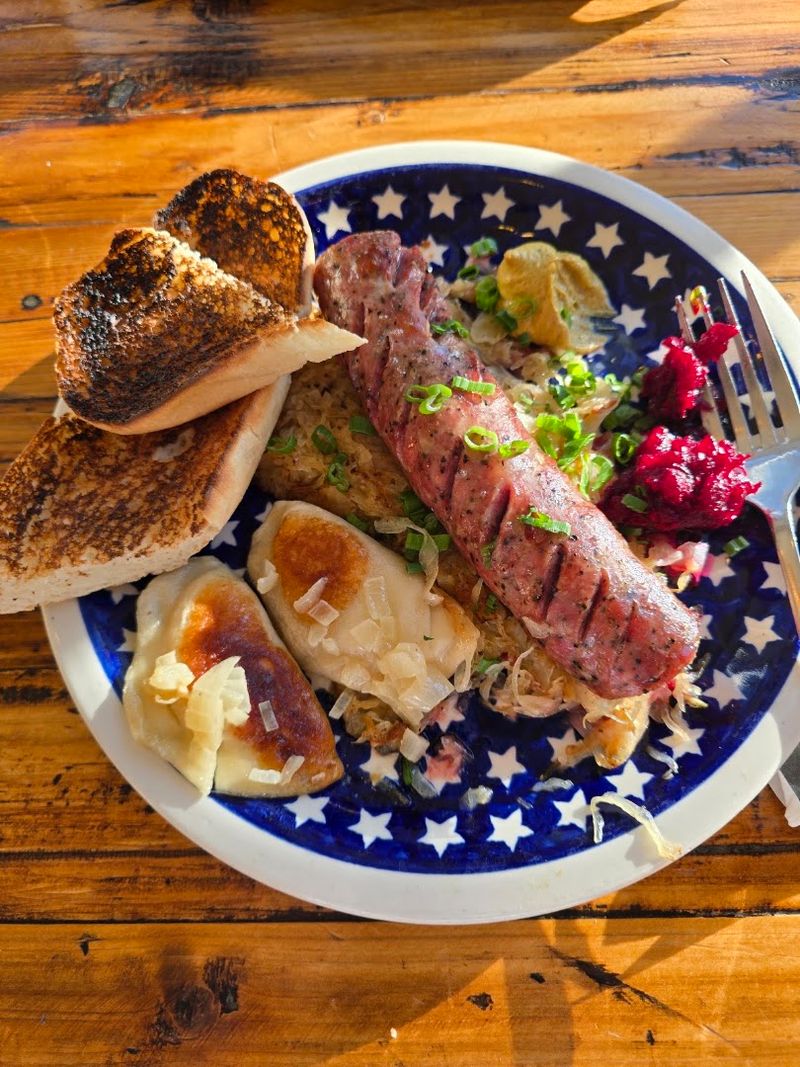
Pierogi are great on their own, but the right sides take the whole meal to another level. At Pierogi Kitchen, the Kielbasa Platter is one of the most popular pairings.
It comes with potato and cheese pierogi, sauerkraut, and mustard all on one plate.
Melted butter is the most classic topping for savory pierogi. It adds richness without overwhelming the filling.
Sour cream and fried onions are equally essential and show up on almost every traditional plate.
Crispy bacon bits scattered on top add a smoky crunch that contrasts nicely with the soft dough. A creamy mushroom sauce works beautifully too, especially with potato-filled varieties.
Both options bring depth without making things feel too heavy.
Heartier sides like roasted Brussels sprouts or sauteed cabbage round out a full meal. Smoked sausages alongside pierogi create a very satisfying, protein-forward plate.
It is the kind of combination that makes you feel genuinely full and happy.
Sweet pierogi get a different treatment entirely. Whipped cream, fresh berries, or a drizzle of maple syrup are popular choices.
Those toppings highlight the natural sweetness of the filling without turning the whole thing into a sugar overload.
Health Benefits Of Choosing Handmade
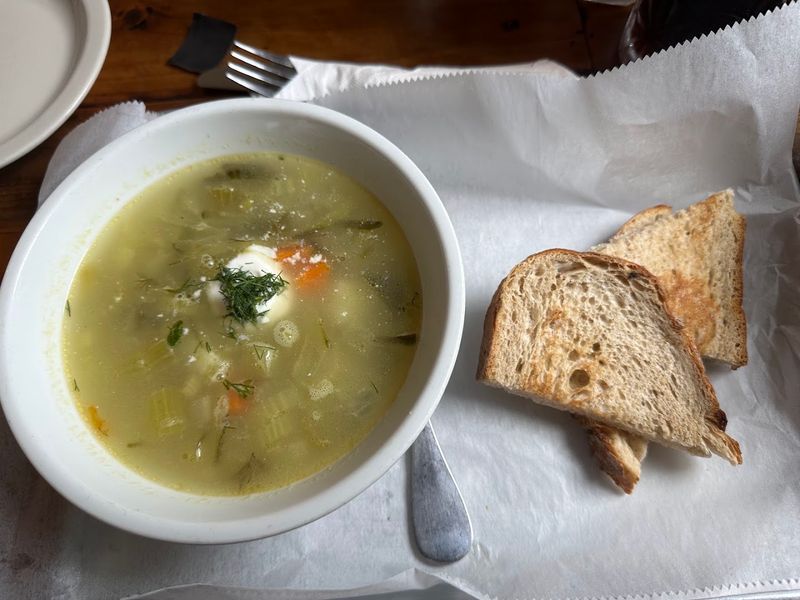
Handmade pierogi like the ones at Pierogi Kitchen come with a real ingredient advantage. You know exactly what went into the dough and filling.
No mystery additives or preservatives are hiding in there.
Boiled pierogi are actually a lighter option than most people expect. Compared to deep-fried foods, boiling adds very little extra fat to the final product.
The base calories come primarily from the dough and filling themselves.
Potato fillings offer more nutritional value than they get credit for. Potatoes contain resistant starch, which feeds beneficial gut bacteria.
A healthy gut has wide-ranging effects on overall wellness, so that is a meaningful benefit.
The combination of wheat-based dough and dairy-rich fillings provides a fairly complete protein profile. Your body gets multiple amino acids from a single serving.
That makes pierogi a more balanced meal than people often assume.
Cheese fillings contribute calcium, which supports bone health. Enriched flour adds iron and B vitamins to the mix.
Those nutrients play important roles in energy production and red blood cell function.
Choosing handmade over frozen or processed versions matters because quality ingredients make a real difference. Fresher components retain more of their natural nutrients.
At Pierogi Kitchen, that freshness is baked into the daily routine.
Tips For Enjoying At Home
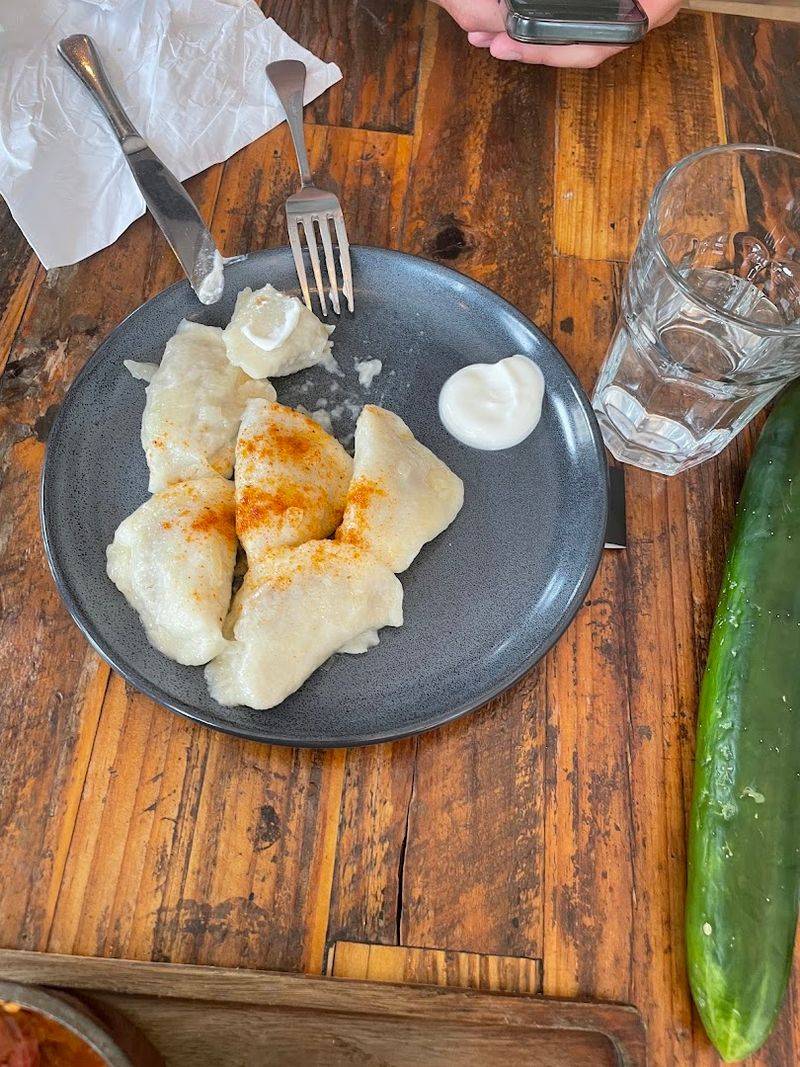
Recreating the Pierogi Kitchen experience at home is totally doable with a few smart moves. Start by boiling your pierogi in well-salted water.
Watch for them to float, which signals they are fully cooked and ready for the next step.
Do not crowd the pot. Overcrowding drops the water temperature and leads to uneven cooking.
Work in small batches and give each pierogi enough room to move around freely.
After boiling, get a pan hot with butter and toss in some sliced onions. Add the pierogi and let them sit undisturbed until a golden crust forms on one side.
Flip once and repeat. That crispy exterior is worth every extra minute.
For savory varieties, serve with a generous dollop of sour cream and a pile of fried onions on top. Crumbled bacon bits add a smoky crunch that makes the whole plate feel complete.
Simple toppings, big payoff.
Sweet pierogi deserve their own moment. A dusting of powdered sugar and a handful of fresh fruit keeps things light and bright.
Whipped cream on the side never hurts either.
If you have leftovers, boil and cool them completely before freezing. When reheating, boil them straight from frozen without thawing first.
That method keeps the dough texture intact and prevents them from getting mushy.