
10 Massachusetts Day Trips That Make The Perfect Weekend Drive In 2026
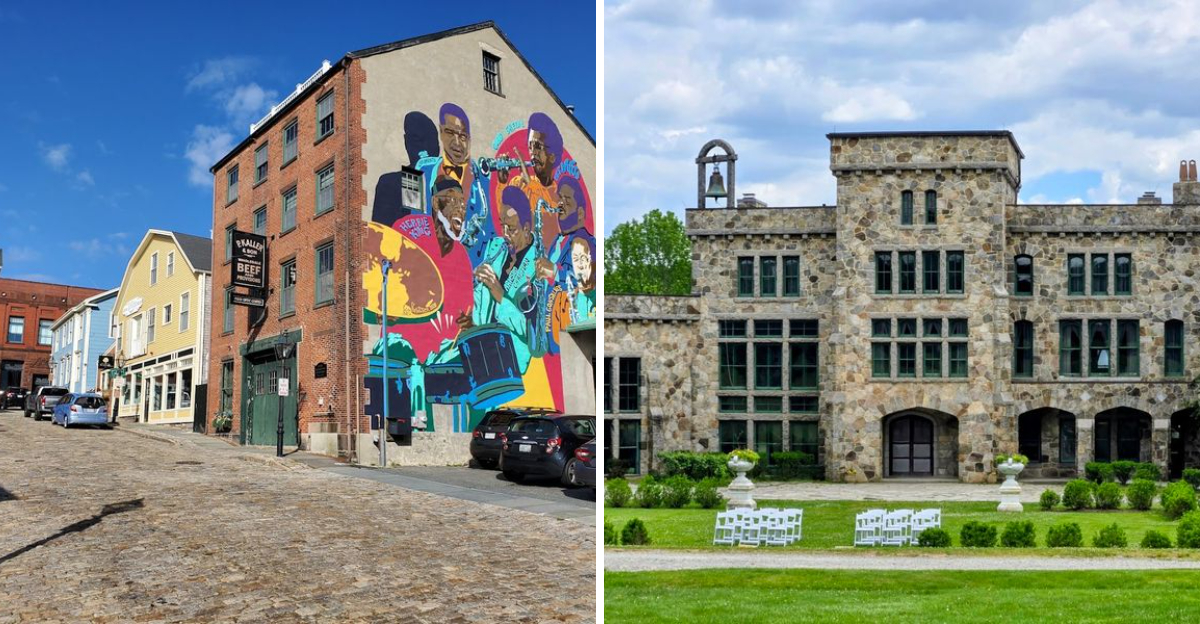
A free Saturday can turn into the best kind of story with one full tank and no strict schedule.
Massachusetts is made for drives that lead somewhere unexpected, especially when the usual tourist stops start feeling too familiar.
One road might end beside a marble gorge. Another could bring you to an old mill town, a quiet canal path, or a mansion surrounded by ponds and forest.
These trips are close enough for a single day, yet different enough to feel like a real escape.
The best part is the variety. You can chase river views, wander historic streets, ride an antique carousel, or find a picnic spot beside the water.
No hotel booking required. Just choose a route, grab your favorite snacks, and make the weekend feel bigger than it looked on Friday.
These Massachusetts day trips prove that a memorable drive does not need a famous destination. It only needs the right road.
1. Turners Falls For River Views, Old Mills, And A Scenic Rail Trail
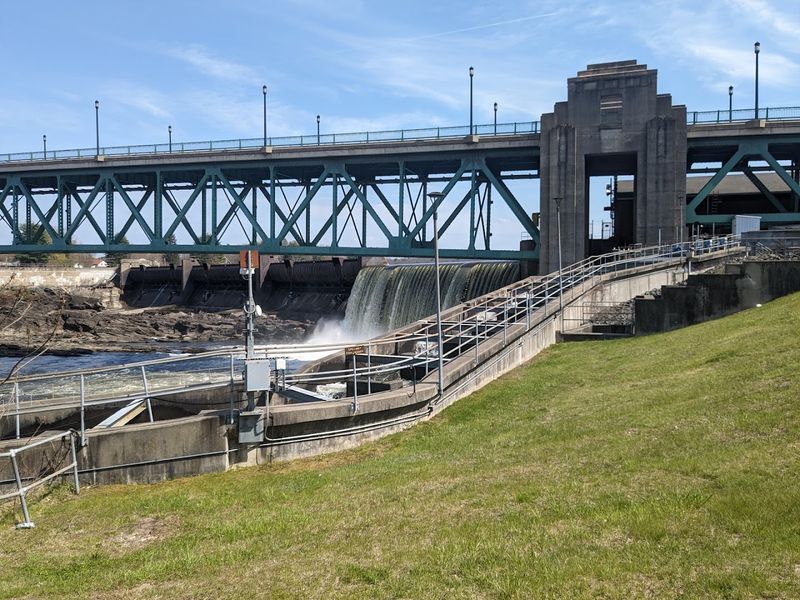
Few Connecticut River Valley towns wear their industrial past quite as openly as Turners Falls, Massachusetts, and that honesty is exactly what makes it worth the drive.
Start at the Great Falls Discovery Center, set inside historic mill buildings in the heart of downtown.
Admission is free, and the exhibits cover the full natural and cultural story of the Connecticut River Watershed, complete with wildlife dioramas that feel genuinely impressive rather than dusty.
Outside, four acres of lawns and gardens make the center a relaxed spot to eat lunch before exploring further.
Avenue A, the main street, runs through the Turners Falls Cultural District and holds a mix of local shops worth browsing at a slow pace.
The Turners Falls dam, first built in 1798, anchors the riverfront and features a fish ladder system that guides Atlantic salmon and other species upstream each season.
For the best part of the afternoon, follow the Canalside Rail Trail. This paved 3.7-mile path runs beside the historic power canal and the Connecticut River, crossing old trestle bridges along the way.
Yankee Magazine once called it the best bike path in New England, and a walk or ride here makes that case convincingly. The river light in the late afternoon turns the whole scene golden.
2. Clinton And West Boylston For Rare Art And A Church Beside The Water
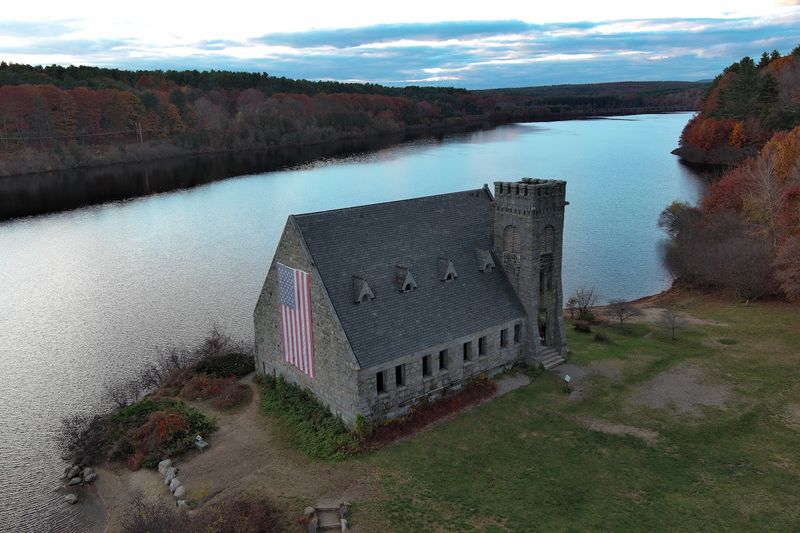
Not many day trips in Massachusetts ask you to go from Byzantine iconography to a flooded church standing in a reservoir, but this one does. The combination is genuinely unforgettable.
Clinton, a small central Massachusetts city, is home to the Icon Museum and Study Center, one of the only institutions in North America dedicated entirely to the study and display of religious icons.
The collection spans centuries and cultures, and even for visitors with no background in religious art, the craftsmanship on display is striking enough to hold attention for a good hour.
After Clinton, the short drive to West Boylston brings you to Wachusett Reservoir and the Old Stone Church rising at its edge.
The church was originally built in 1891 and relocated to its current position when the reservoir flooded the original town center at the turn of the twentieth century.
On calm days, the stone structure reflects in the water with an almost painterly stillness. The surrounding area offers open water views, walking paths, and a traditional town center with a quiet, unhurried atmosphere.
This pairing of elaborate sacred art and atmospheric lakeside architecture makes the route one of the strongest photography day trips in the state. Bring a good camera and plan for more time than you expect to need.
3. North Adams For A Marble Gorge Hiding Beyond The Downtown Streets
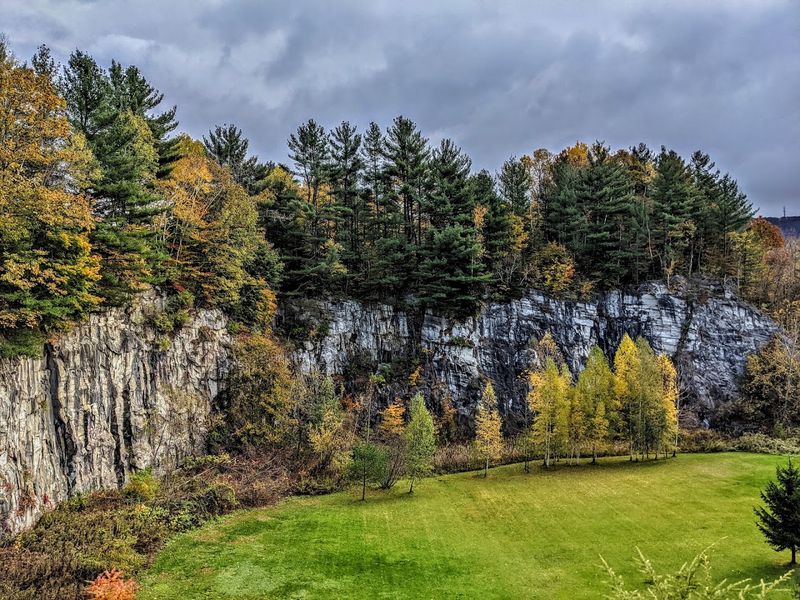
North Adams keeps one of its best secrets tucked just outside the downtown area, and most people drive right past it on their way to somewhere else.
Natural Bridge State Park is the centerpiece of this trip. Hudson Brook has spent thousands of years cutting through a ridge of white marble, and the result is a dramatic narrow gorge with walls that glow almost white in direct sunlight.
A natural marble arch spans the brook above, making the whole scene feel less like Massachusetts and more like something from a geology textbook come to life.
The park is scheduled to operate from May 16 through October 25 in 2026, so timing matters here. Arrive on a weekday morning if possible, since the gorge trail draws steady crowds on summer weekends.
Downtown North Adams pairs well with the park visit. The city has a compact, walkable center with cafes, independent shops, and the kind of brick-and-mountain backdrop that photographs well at almost any time of day.
Route 2 through the Berkshires adds mountain scenery to the drive in both directions, and the views along the ridge are worth slowing down for.
This is the kind of trip that rewards people who leave the main highway and take the longer, slower road home.
4. Easton For A Stone Mansion Surrounded By Ponds And Forest
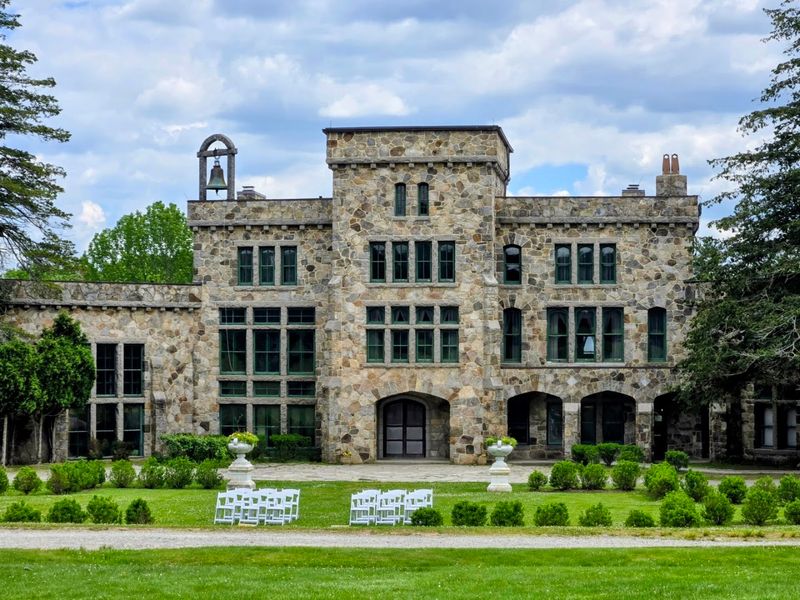
Borderland State Park in Easton is the kind of place that takes about ten minutes to realize you are going to stay much longer than planned.
The Ames Mansion sits at the center of the estate, a fully furnished stone house built in the early twentieth century for the Ames family, whose railroad fortune shaped much of New England’s industrial history.
Tours of the mansion reveal rooms that feel genuinely lived-in rather than sterile, and the architecture outside is dramatic enough to spend time with on its own.
The surrounding park holds six ponds, more than twenty miles of trails, and wide open lawns that feel almost European in their scale and arrangement.
The stone construction of the mansion continues throughout the estate in walls, bridges, and outbuildings that make the property feel cohesive and intentional.
Trail difficulty ranges from flat pond loops to longer forest paths, so the park works equally well for a casual stroll or a more committed afternoon hike. Birdwatching is especially rewarding near the ponds in spring and early fall.
Easton itself is a quiet town in southeastern Massachusetts, easy to reach from Boston or Providence, and the park sits close enough to both cities to make the drive feel effortless. Pack a lunch and find a spot by the water.
5. Saugus For Colonial Ironworks And A Forest Escape
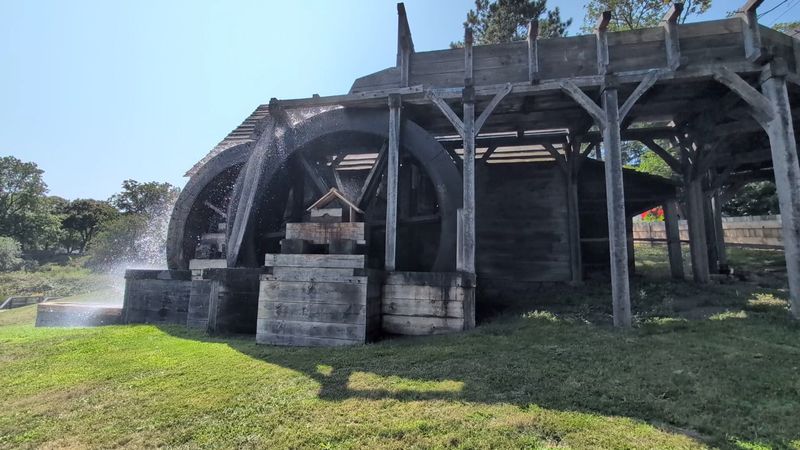
The story of American industry did not begin in the nineteenth century. It began in places like Saugus, where the first successful ironworks in North America was operating as far back as 1646.
Saugus Iron Works National Historic Site preserves and reconstructs that early industrial landscape with a level of detail that makes the history feel tangible.
The site includes a reconstructed furnace, forge, rolling and slitting mill, and a system of waterways that once powered the whole operation.
Walking the grounds gives a real sense of how much labor and engineering went into something that most people today take completely for granted.
The adjacent Saugus River adds a peaceful backdrop to the industrial setting, and the site is free to enter as a unit of the National Park Service.
After the ironworks, Breakheart Reservation is just a short drive away and offers a completely different atmosphere.
The reservation covers several hundred acres of forested land in the Middlesex Fells area, with two lakes, swimming areas, and hiking trails that range from easy lakeside loops to steeper ridge walks.
Together, these two stops give the day a satisfying arc that moves from history to open air without any forced transitions. The contrast between the ironworks and the forest is part of what makes this pairing work so well.
6. Lowell For Canal Boats, Historic Trolleys, And Giant Brick Mills
Lowell does not ask you to imagine what the Industrial Revolution looked like. It just shows you.
The city’s canal system was built in the early nineteenth century to harness the Merrimack River and power a network of textile mills that once made Lowell one of the most productive manufacturing centers in the country.
Today, those same canals run through a national historical park that puts you directly inside the story.
Ride one of the historic trolleys that operate through the park district, and the scale of the brick mill buildings becomes clear in a way that no photograph quite captures.
Seasonal canal and riverboat tours run from spring through fall and offer a water-level perspective on the city’s industrial geography that is genuinely different from anything else in New England.
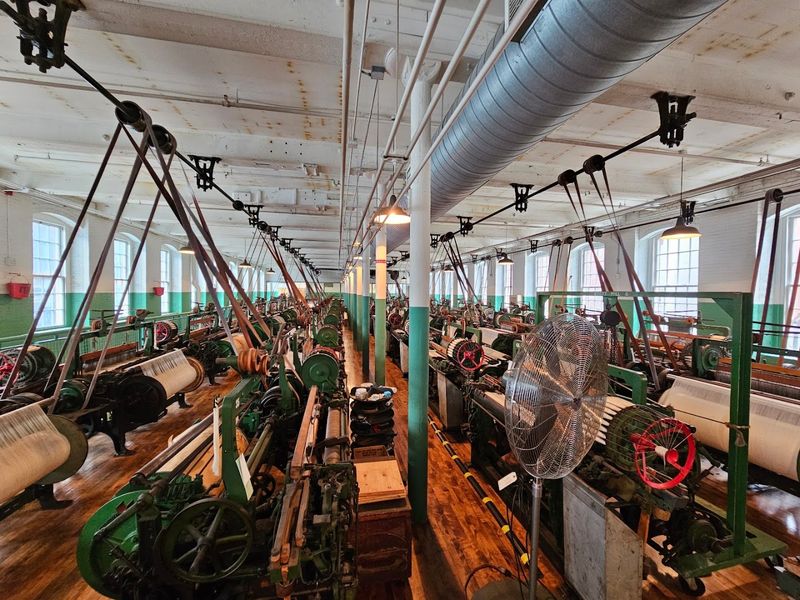
The Boott Cotton Mills Museum anchors the park’s indoor experience, with rows of working power looms that run loud enough to remind you what it actually sounded like inside these buildings during peak operation.
Beyond the park, Lowell has a lively downtown with diverse restaurants and a strong arts scene that grew partly from the city’s history as a gateway for immigrant communities.
Plan for a full day here, because Lowell keeps revealing new layers the longer you stay.
7. New Bedford For Cobblestone Streets And A Working Harbor
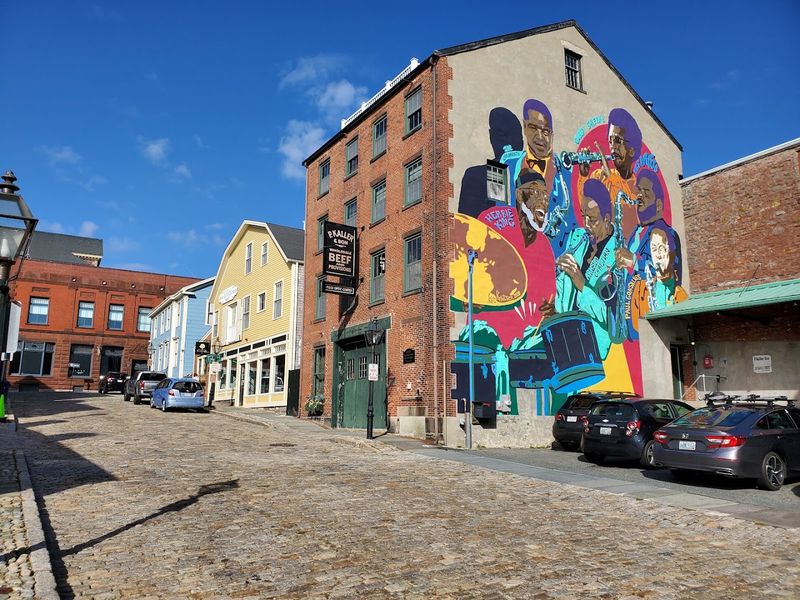
New Bedford carries its seafaring identity the way a ship carries ballast: quietly, deeply, and without apology.
The New Bedford Whaling National Historical Park covers thirteen city blocks in the heart of the downtown waterfront district, and the density of maritime history in that space is remarkable.
Cobblestone streets run between buildings that date to the mid-1800s, when New Bedford was the whaling capital of the world and one of the wealthiest cities in the United States per capita.
Seamen’s Bethel on Johnny Cake Hill is one of the most atmospheric stops in the district.
Herman Melville worshipped here before shipping out on the voyage that eventually became Moby-Dick, and the chapel’s interior has a quiet gravity that is hard to describe and easy to feel.
The working harbor remains active with commercial fishing vessels, and the smell of salt air and the sound of boat traffic keep the waterfront from feeling like a museum exhibit rather than a living port.
The national park district also includes the New Bedford Whaling Museum, the largest museum of its kind in the world, with ship models, art, and artifacts that trace the full history of the industry.
New Bedford rewards slow walking, unhurried browsing, and a genuine curiosity about what American maritime life actually looked like at its peak.
8. Uxbridge For An Old Canal Towpath And A Quiet River Farm
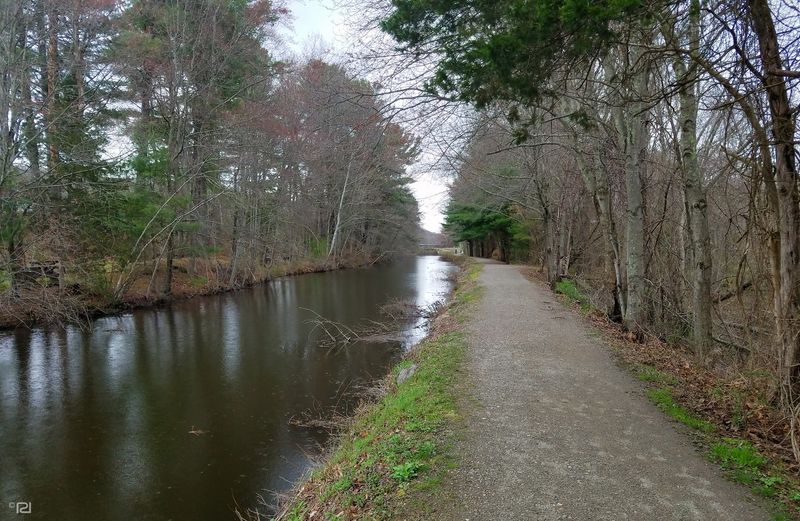
Some day trips are built around grand landmarks. This one is built around stillness, and that is precisely why it works.
River Bend Farm and Blackstone River and Canal Heritage State Park sit in Uxbridge, a quiet town in the Blackstone Valley of central Massachusetts.
The farm dates to the eighteenth century and sits beside the old Blackstone Canal, which once connected Worcester to Providence as part of one of the earliest canal systems in the United States.
The towpath along the canal is the heart of the experience here.
Walking it means moving beside water that has been flowing in roughly the same direction for centuries, past stone walls, open meadows, and forest edges that change character with every season.
The terrain is flat and easy, which makes the path accessible for almost anyone. Parking is free, and there is no admission charge, which makes this one of the most straightforward and low-effort day trips on this list.
Wildlife sightings along the river corridor are common, particularly herons, turtles, and kingfishers in warmer months. The combination of agricultural history, canal engineering, and river ecology gives the park more layers than its quiet surface suggests.
Sometimes the best day trips are the ones that ask nothing of you except to slow down and pay attention to what is already there.
9. Berkley And Assonet For A Mysterious Carved Rock And Deep Forest Trails
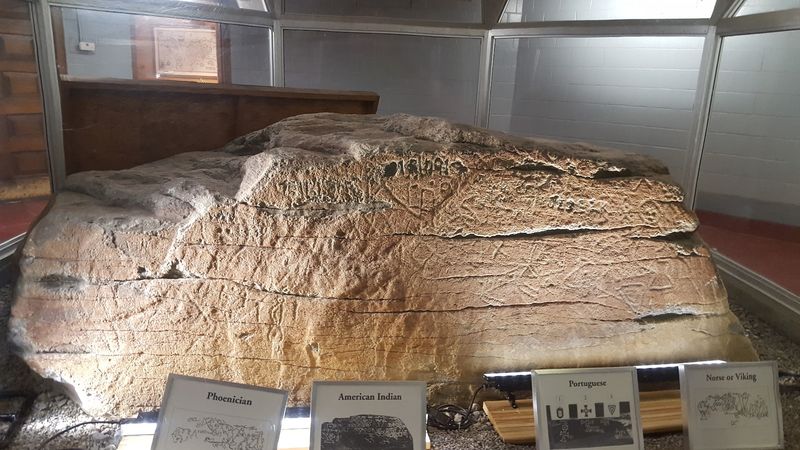
Dighton Rock has been confusing people for over three hundred years, and that is a significant part of its appeal.
The large boulder, now preserved inside a dedicated museum building in Berkley is covered in carved markings whose origin has been debated by historians, archaeologists, and enthusiastic theorists since at least the 1600s.
Interpretations have ranged from Indigenous petroglyphs to Norse runes to Portuguese explorer inscriptions, and no single explanation has ever fully settled the question.
The museum sits beside the Taunton River, and the surrounding park area offers picnic grounds with open water views that make for a relaxed midday stop. The rock museum operates seasonally, so checking hours before the trip is a necessary step.
After Berkley, the drive to Assonet leads into Freetown-Fall River State Forest, one of the largest state forests in Massachusetts.
The forest covers roughly 5,000 acres in southeastern Massachusetts and contains about 25 miles of trails through dense woodland, past kettle ponds, and along forest roads that feel genuinely remote despite being close to major highways.
Trail options range from short walks to longer loops through the interior of the forest. The combination of an ancient carved mystery and a deep, quiet forest makes this pairing one of the most distinctive day trips on the entire list.
10. Holyoke For Historic Canals, An Antique Carousel, And Mountain Scenery

Holyoke, Massachusetts, invented volleyball. That fact alone earns it a place in any conversation about New England’s more surprising cultural contributions, but the city has considerably more to offer than sports trivia.
Holyoke Heritage State Park anchors the visit with a sharp focus on the city’s industrial past. Holyoke was planned as a model industrial city in the 1840s, built around a grid of canals designed to power paper mills along the Connecticut River.
The park explains that history with exhibits, canal walks, and a setting inside the original mill district that makes the engineering achievement feel genuinely impressive.
The Holyoke Merry-Go-Round, a restored antique carousel operating inside a dedicated pavilion near the park, is one of those unexpected stops that ends up being a highlight of the day.
The carousel dates to 1929 and runs seasonally, offering rides on hand-carved wooden horses that have been turning for nearly a century.
Paper manufacturing and the origins of volleyball both have dedicated museum spaces in the city, giving the afternoon a range of topics that keeps things from feeling one-note.
The drive finishes at Mount Tom State Reservation, where trails climb to ridge-top views overlooking the Connecticut River Valley.
The elevation is modest, but the views are wide, and the contrast between the city below and the open ridge above makes for a quietly satisfying end to the day.