
This Tennessee Lakeside Hike Leads Past A Limestone Bluff And Quiet Coves
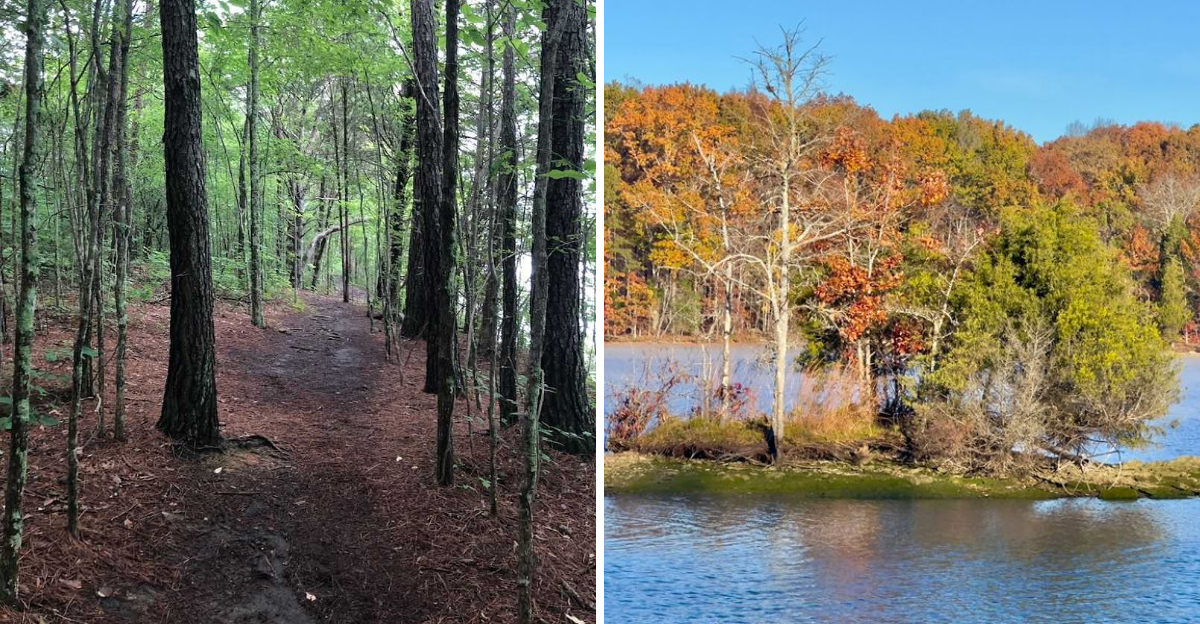
Not every lake in Tennessee lets you get this close to its quieter side. This trail does, and it does it without much fuss.
The walk begins gently, tracing the water’s edge before rising toward a limestone bluff that seems to grow taller the closer you get. Coves break up the shoreline every so often, small enough to feel private and calm enough to make you slow down.
Turtles sun themselves on half submerged logs. A breeze moves across the water just often enough to keep things comfortable.
The climb near the bluff asks a little more of your legs, but the payoff arrives fast once the trees clear. From up there, the lake spreads out in a way that makes the whole walk worth it.
Families, casual hikers, and anyone craving a slower kind of adventure will find something here. It’s short enough for an afternoon, yet full enough in scenery to linger in memory for a long while.
The Tellico Lakeside Perspective
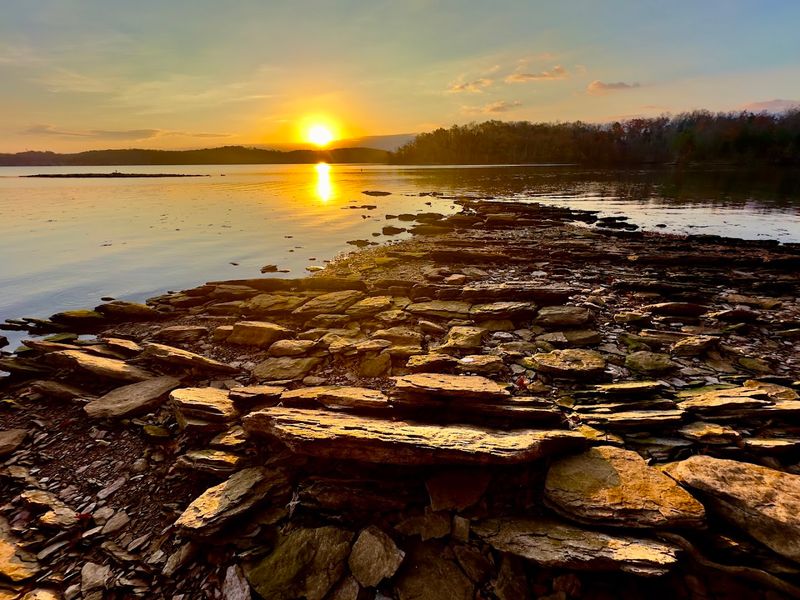
Water has a way of setting the mood before you even realize it. From the moment the trail opens up alongside Tellico Lake, the scenery takes over in the most unhurried way.
The lake stretches wide and calm, its surface catching light in long, shifting patterns that change with every hour of the day.
Hall Bend Trail runs along the western edge of Tellico Lake, giving walkers a continuous lakeside companion throughout most of the loop. The trail covers roughly five miles total, offering a moderate level of effort that suits a wide range of fitness levels.
It never demands too much at once, which makes the lake views feel like a reward rather than a distraction.
The shoreline here is layered with texture. Roots reach toward the water, cedars lean at easy angles, and the air carries that particular freshness only found near open water.
The TVA manages this trail corridor carefully, keeping it clean and well-marked. Standing at the water’s edge with Tellico Lake spread out before you, the scale of East Tennessee’s natural landscape becomes genuinely clear.
A Limestone Bluff’s Ascent
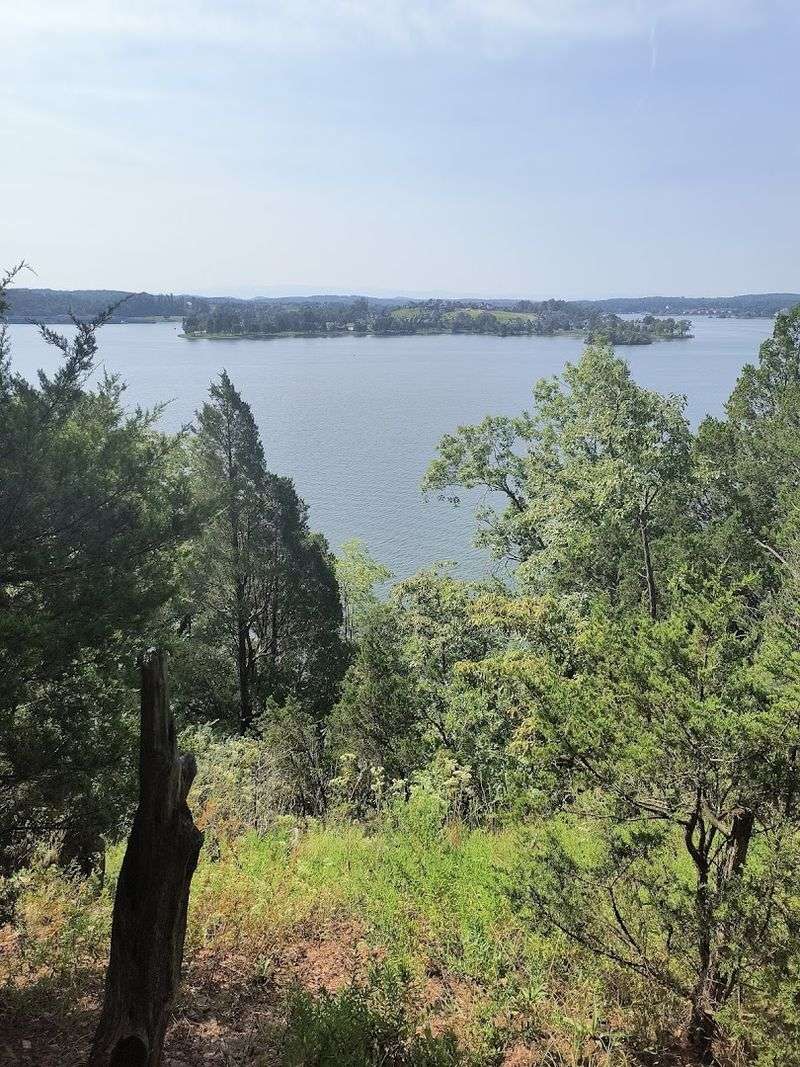
Halfway through the loop, the trail shifts its personality. The ground rises, the trees thin slightly, and a limestone bluff announces itself with quiet authority.
This is the moment many come specifically to find, and it does not disappoint.
Limestone bluffs like this one are formed over thousands of years as water and pressure shape sedimentary rock into dramatic vertical faces. The bluff at Hall Bend is not theatrical in a showy way.
It is substantial and grounded, the kind of geological feature that makes you stop and consider the slow work of time.
From the top, the view across Tellico Lake extends far, and on clear days, the faint outline of the Smoky Mountains appears in the distance.
The ascent itself involves two notable inclines along the trail, both relatively brief but enough to get the heart rate up in a satisfying way. The footing is generally reliable, though tree roots along the path deserve attention, particularly after rain.
Once at the elevated vantage point, most people linger longer than planned. The breadth of the East Tennessee landscape from that height carries a quiet persuasion that is difficult to walk away from quickly.
Tracing The Quiet Coves
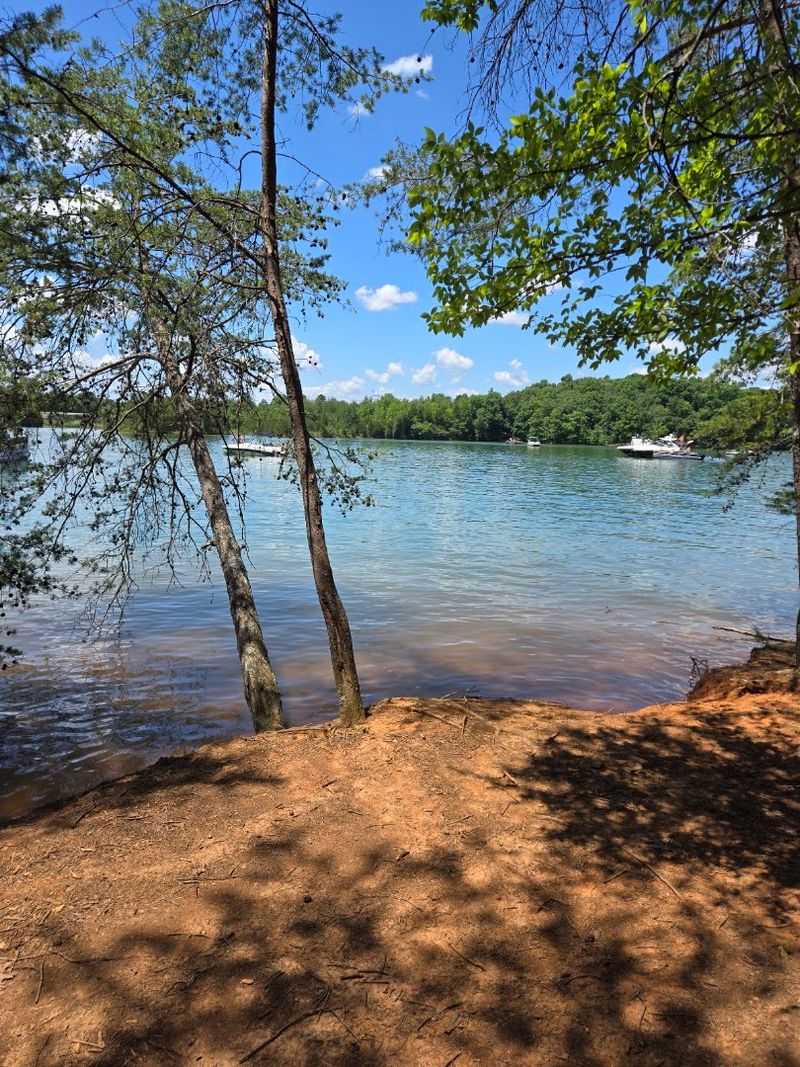
Not every great moment on a trail announces itself loudly. Along the Hall Bend loop, the quiet coves do exactly the opposite.
They appear between stretches of forest like small confidences, places where the lake pulls back into sheltered inlets and the water goes perfectly still.
These coves are small enough to feel personal. The surrounding trees close in just enough to create a sense of enclosure without blocking the sky, and the water at the edges is shallow and clear.
It is the kind of spot where you might sit on a root or a low rock and simply watch the surface for a while. No agenda required.
Anglers are sometimes found here, casting lines into the calm with the focused patience that fishing demands. The coves also attract birds, particularly in the early morning hours when the lake is quietest.
Getting to these spots requires nothing more than staying on the trail and paying attention, since they do not always appear on maps but reveal themselves naturally as the path curves toward the water.
Each one feels like a small discovery, which is exactly what makes this section of the hike worth taking slowly.
Botanical Diversity Unveiled
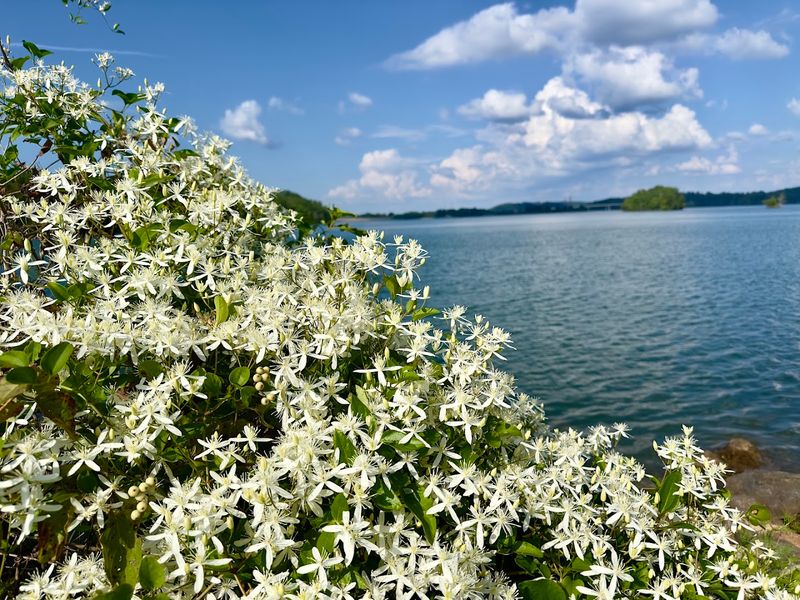
The Hall Bend Small Wild Area covers approximately 30 acres, and the plant life packed into that space is genuinely impressive. This is not a monotonous stretch of generic woodland.
The area supports a well-developed barrens plant community alongside an upland hardwood forest, and the contrast between the two makes every section of the trail feel distinct.
Look down and around often. Little bluestem grass grows in fine, silvery clumps.
Orange coneflowers push up through rocky soil with vivid confidence. Asters appear in clusters, and yucca plants add an unexpected desert-adjacent quality to the Tennessee landscape.
Eastern red cedars, some of them impressively large, stand throughout the area like quiet markers of long residence.
This botanical variety is not accidental. The limestone-influenced soil creates conditions that favor a specific range of species, many of which are uncommon in typical Tennessee woodlands.
For anyone with an interest in native plants, the trail functions almost like a living catalog. Even without botanical knowledge, the visual variety keeps the walk engaging in a way that a simple forest path might not.
The plant life here contributes real character to the overall experience, adding color, texture, and ecological depth at every turn.
Wildlife In Habitation
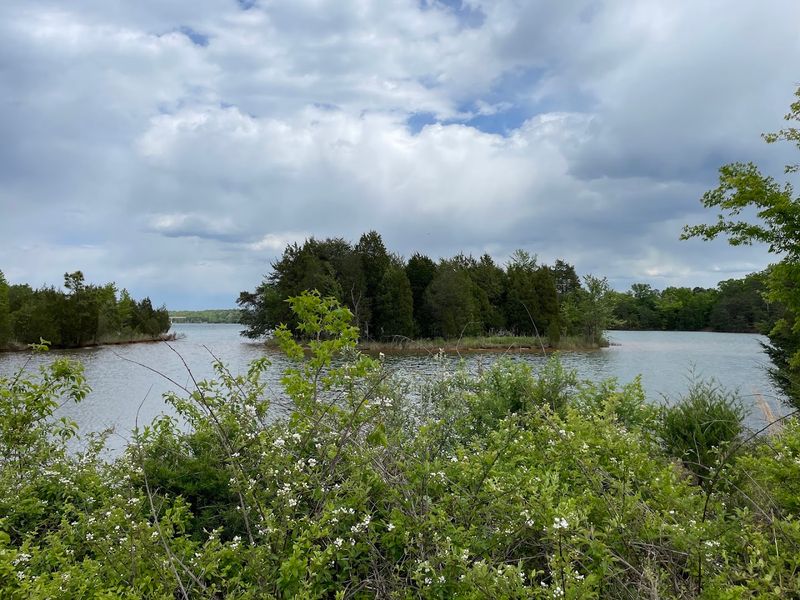
The trail does not advertise its wildlife. That restraint is part of the appeal.
Animals here go about their routines without performance, and catching a glimpse of them requires the kind of quiet attention that a good walk naturally encourages.
Bird life along the Hall Bend Trail is notably varied. The open water of Tellico Lake draws loons, grebes, and ducks, particularly during migration seasons when the lake serves as a reliable stopover.
The limestone bluff area is especially productive for raptor sightings.
Bald eagles and ospreys have been observed soaring above the water from that elevated section of the trail, a sight that carries a particular kind of weight regardless of how many times you have seen one before.
The diverse habitat mix along the trail, combining open water, barrens, hardwood forest, and rocky outcrops, supports a broader range of species than a single habitat type would.
Deer move through the wooded sections, and smaller mammals leave signs of activity along the path edges.
The trail sits within a no-hunting zone, which contributes to the relative comfort and visibility of the wildlife here. That protection makes a measurable difference in how present and undisturbed the animal life feels throughout the walk.
A Path Through Time
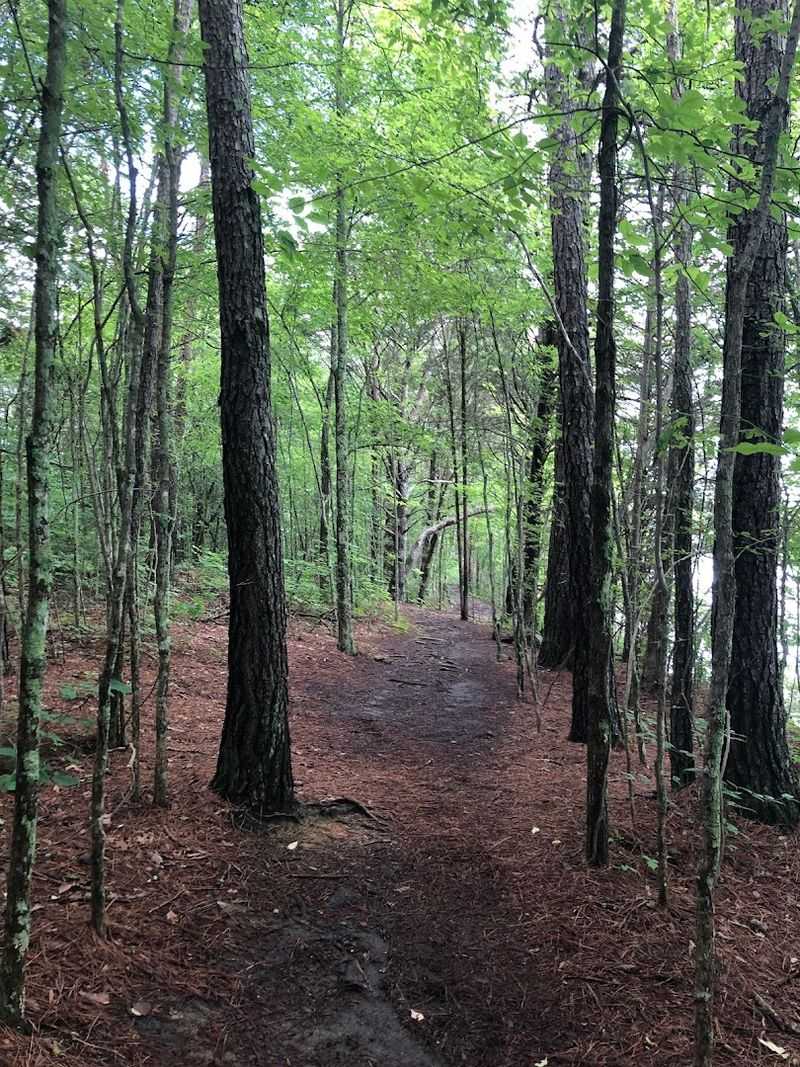
History has a habit of appearing where you least expect it. Along the Hall Bend Trail, among the cedars and the coneflowers and the lake views, there is a gravestone.
It dates to the 1800s, and it sits quietly off the path without fanfare or signage drawing attention to it.
Finding it feels like stumbling into a different conversation. Someone lived on this land long before the trail was mapped, before Tellico Lake was formed by the TVA dam in 1979, before the area became a managed natural space.
The marker is a small but real reminder that human presence here goes back much further than the recreational infrastructure suggests.
The Tellico Lake itself was created when the Tellico Dam was completed, flooding a significant stretch of the Little Tennessee River Valley.
The Hall Bend area, positioned along what is now the lake’s western edge, carries that layered history beneath its current identity as a hiking destination.
Walking the trail with that context in mind changes the experience slightly. The land has held many versions of itself over the centuries, and the current one, green and open and lake-edged, is simply the most recent chapter in a much longer story.
Seasonal Transformations
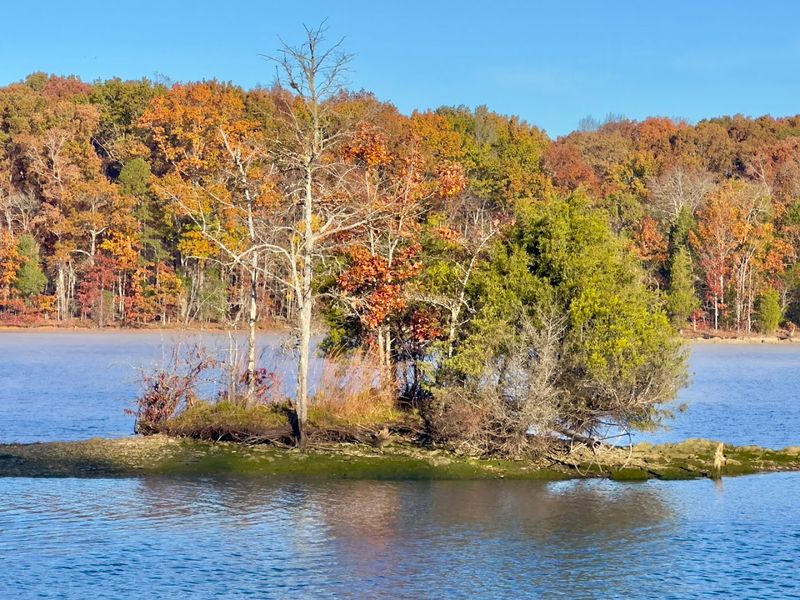
Every season at Hall Bend reads differently, and none of them are forgettable. The trail stays open year-round, which means the landscape has four distinct personalities depending on when you arrive.
Autumn is the most visually dramatic. The hardwood canopy shifts through reds, oranges, and deep yellows, and those colors reflect off the surface of Tellico Lake in a way that doubles the effect.
Winter strips the trees back and opens longer sight lines through the forest, revealing the trail’s structure in a cleaner, starker form. Snow on the limestone bluff creates a composition that feels almost deliberate in its contrast.
Spring brings a gradual return of green that starts subtle and builds quickly, with wildflowers emerging in the barrens areas before the canopy fills in.
Summer settles into a thick, warm green that turns the trail into a shaded corridor, the lake glittering through gaps in the leaves.
Morning starts are particularly rewarding in warmer months, when the water is still and the light is low and the sounds of the trail are dominated by birds rather than heat.
Each season offers a genuine reason to return, which explains why locals make this loop a recurring habit rather than a one-time outing.
Navigating The Landscape
Getting to the trail is straightforward. Hall Bend Trailhead sits along Highway 444 in Lenoir City, Tennessee, and the address, QPFM+J8, Lenoir City, TN 37771, places it clearly on most navigation apps.
The parking area is free, reasonably sized, and has been expanded in recent years to accommodate the trail’s growing popularity.
The trailhead opens into a grassy area near the lake, which serves as a natural orientation point before the path enters the tree line. The Tennessee Valley Authority manages the trail, and the maintenance standard is consistently high.
Paths are kept clear, and the overall condition reflects genuine care for the space. There are no restrooms or water sources on the trail, so arriving prepared matters.
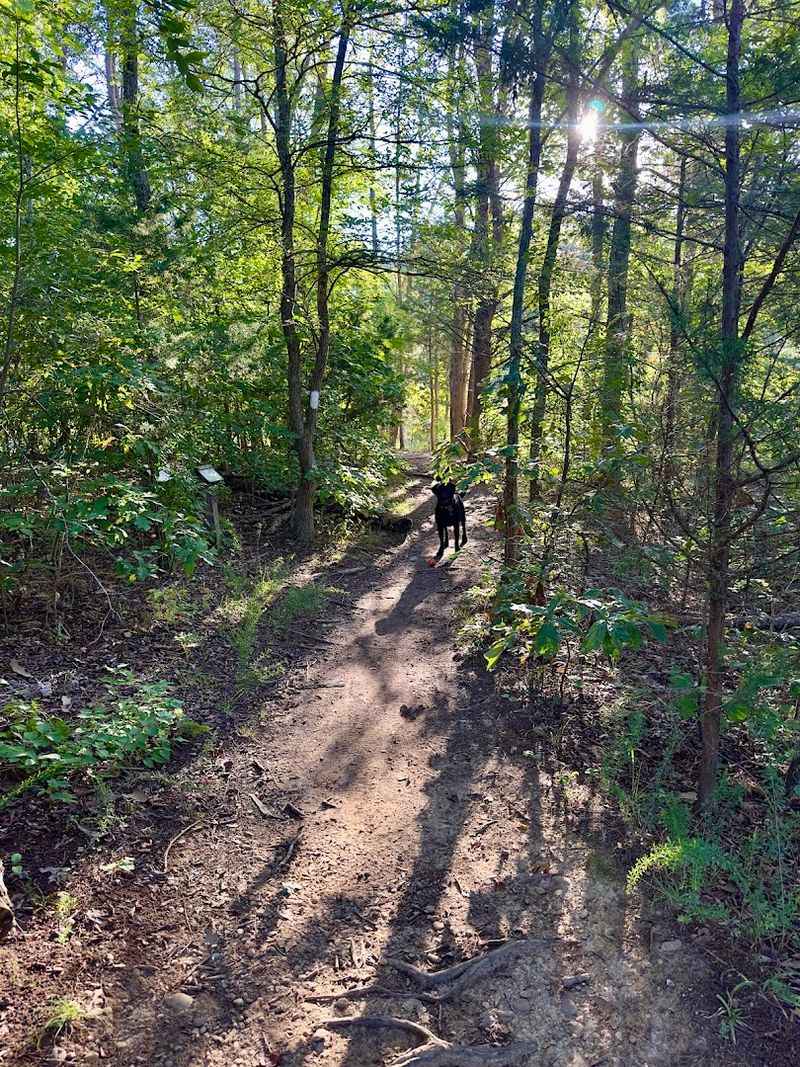
The loop runs approximately five miles, though shorter routes are possible for those who prefer a lighter outing. Tree roots appear regularly along the path, particularly in shaded sections, and deserve attention underfoot.
The trail is not recommended for wheelchairs or walkers due to the uneven terrain. Dogs are welcome and common here, which adds a lively social dimension to the walk.
The combination of easy access, reliable maintenance, and a genuinely rewarding route makes Hall Bend one of the more dependable outdoor options in Loudon County.