
This Rustic Minnesota Lumberjack-Style Buffet Is An All-You-Can-Eat Destination Worth Visiting
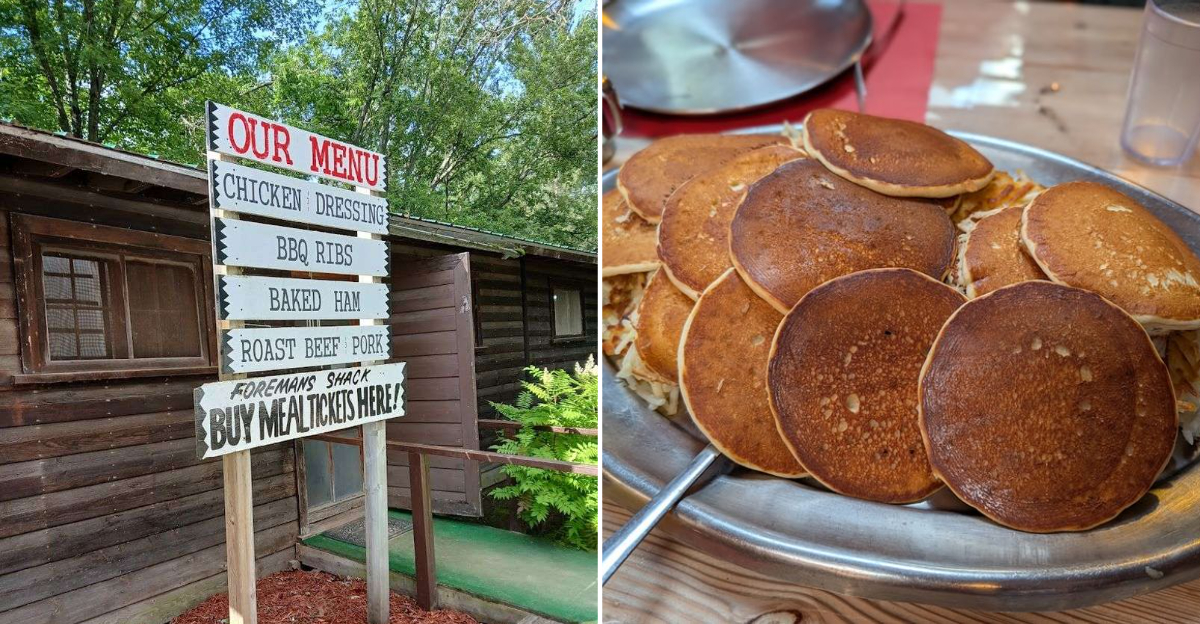
The heavy iron door of this Minnesota dining hall opens with a solid thud that cuts right through the morning chill. Inside, breakfast is not a delicate affair.
It is an all-you-can-eat operation where hot coffee is served by the gallon to tables of hungry locals. The kitchen works with giant steel griddles that have been seasoning for decades.
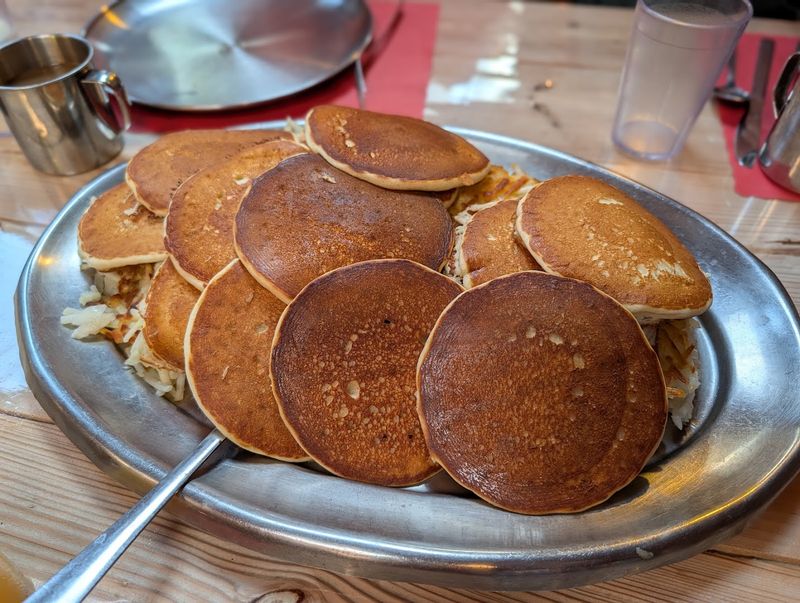
Huge platters of scrambled eggs and golden pancakes move constantly from the stoves to the long wooden tables. Nobody comes here looking for a light snack or modern presentation.
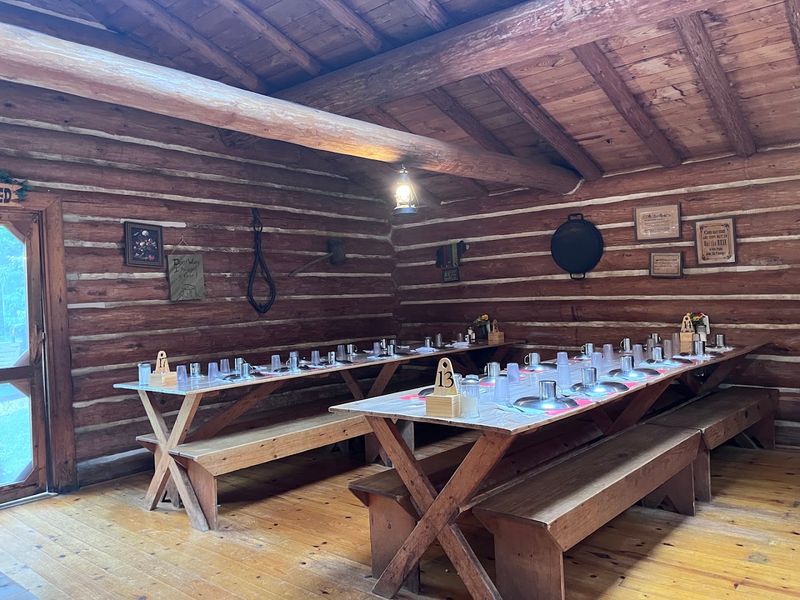
The plates are heavy metal. The benches are thick pine.
The portion sizes reflect a time when people spent their entire day clearing the northwoods. You leave with a full stomach and a deep respect for simple, massive portions.
Origins And History Of Lumberjack Cuisine
Back when logging ruled Minnesota, food was serious business. Lumberjacks worked brutal, physical shifts that burned thousands of calories daily.
They needed fuel, and they needed a lot of it.
Breakfast meant towering stacks of flapjacks, slabs of ham, and enough eggs to feed a small town. Dinner brought roasted meats, mashed potatoes, baked beans, and donuts.
Nothing fancy, just filling and honest.
Rapid River Logging Camp opened in 1955, honoring that exact tradition. Founder E.R.
Danielson chose the logging theme deliberately. The land itself had deep roots in Minnesota timber history, once owned by actual timber magnates.
Those first guests sat at long tables with bench seating. The original crowd was about 90 people, all eating family style.
That number has grown considerably over the decades.
The camp sits at 15073 County 18, Park Rapids, MN 56470. Its history is not just decoration.
It is baked into every meal served here.
Lumberjack cuisine was never about impressing anyone. It was about survival, community, and getting back to work.
Rapid River Logging Camp keeps that spirit alive in a way that feels completely real, not performed.
Signature Dishes Featuring Hearty Ingredients
The food here is not subtle. It arrives in waves and keeps coming until you wave the white flag.
Breakfast leads with pancakes, ham, sausage, eggs, and hash browns. You also get Logger Raisins on the side, which is exactly as fun as it sounds.
Dinner is a whole different event. Roast beef, pork, ham, and chicken all show up.
The World Famous BBQ ribs are the headliner everyone talks about before they even sit down.
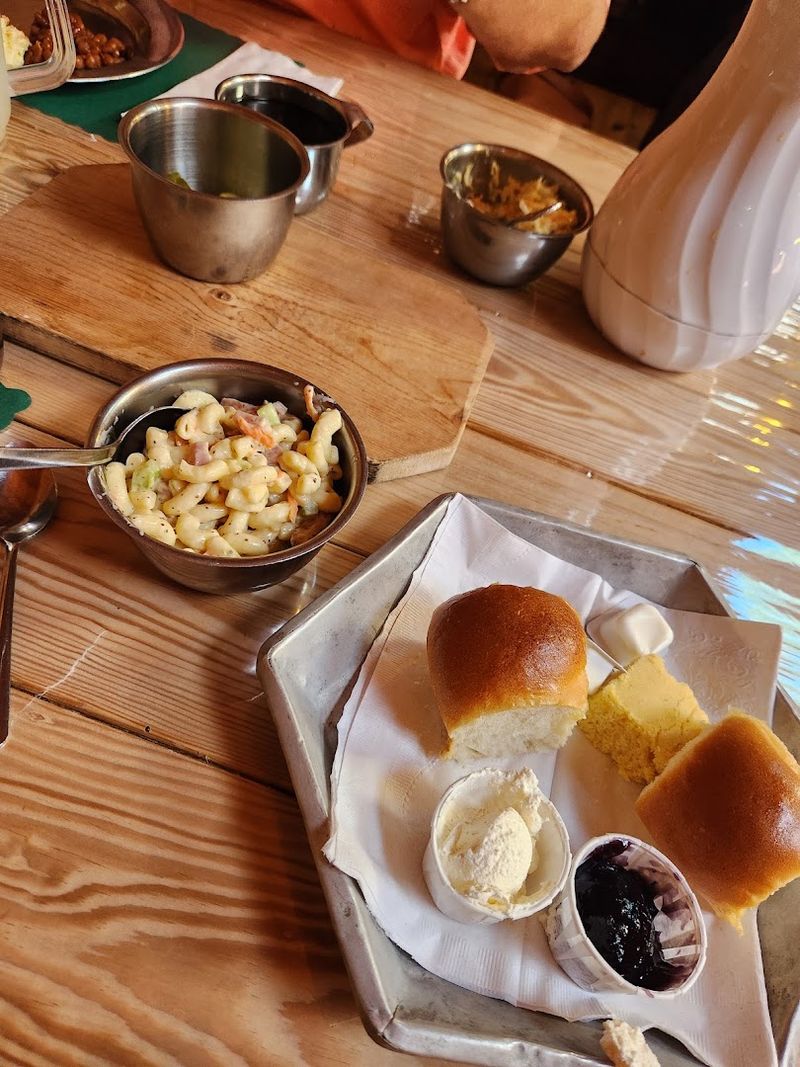
Sides round everything out in the best possible way. Mashed potatoes with gravy, cornbread, macaroni salad, coleslaw, baked beans, and relishes all make appearances.
Dinner rolls are on the table too.
Everything wraps up with a Logger Donut. It is the perfect full-circle ending to a meal built around the idea that more is always better.
Nothing here is dainty or delicate.
Every single meal is all-you-can-eat and served family style. Portions are not shy.
The whole setup is designed to remind you what it felt like to earn your meal through hard work, even if your hardest task today was finding a parking spot.
The ingredients are straightforward and comforting. This is the kind of cooking that makes you loosen your belt and seriously reconsider your afternoon plans.
Unique Rustic Ambiance And Decor Elements
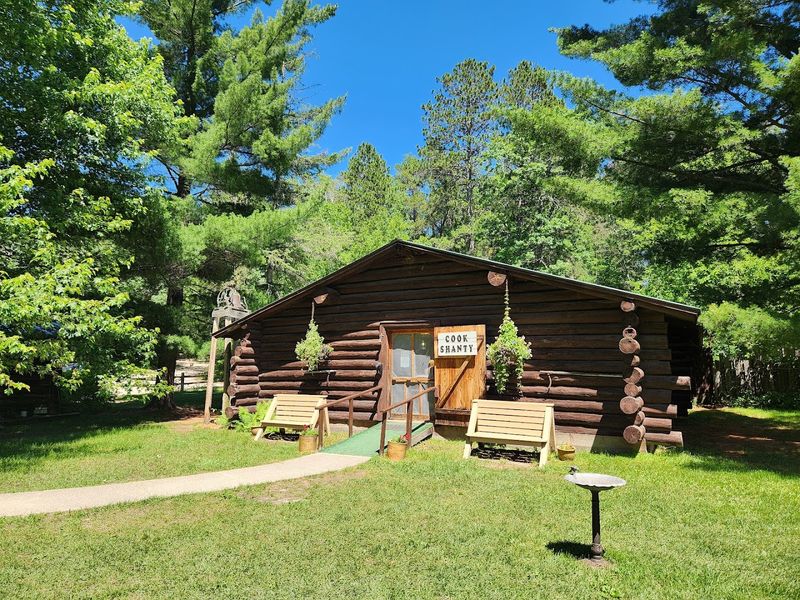
Entering the Cook Shanty at Rapid River Logging Camp feels like time travel without the complicated machinery. Red and white checkered tablecloths cover long wooden tables.
Log benches replace regular chairs entirely.
Every place setting includes a tin plate and a tin coffee cup. It is not a gimmick.
It is the whole point. You are eating exactly like a logger would have, minus the 4 AM wake-up call.
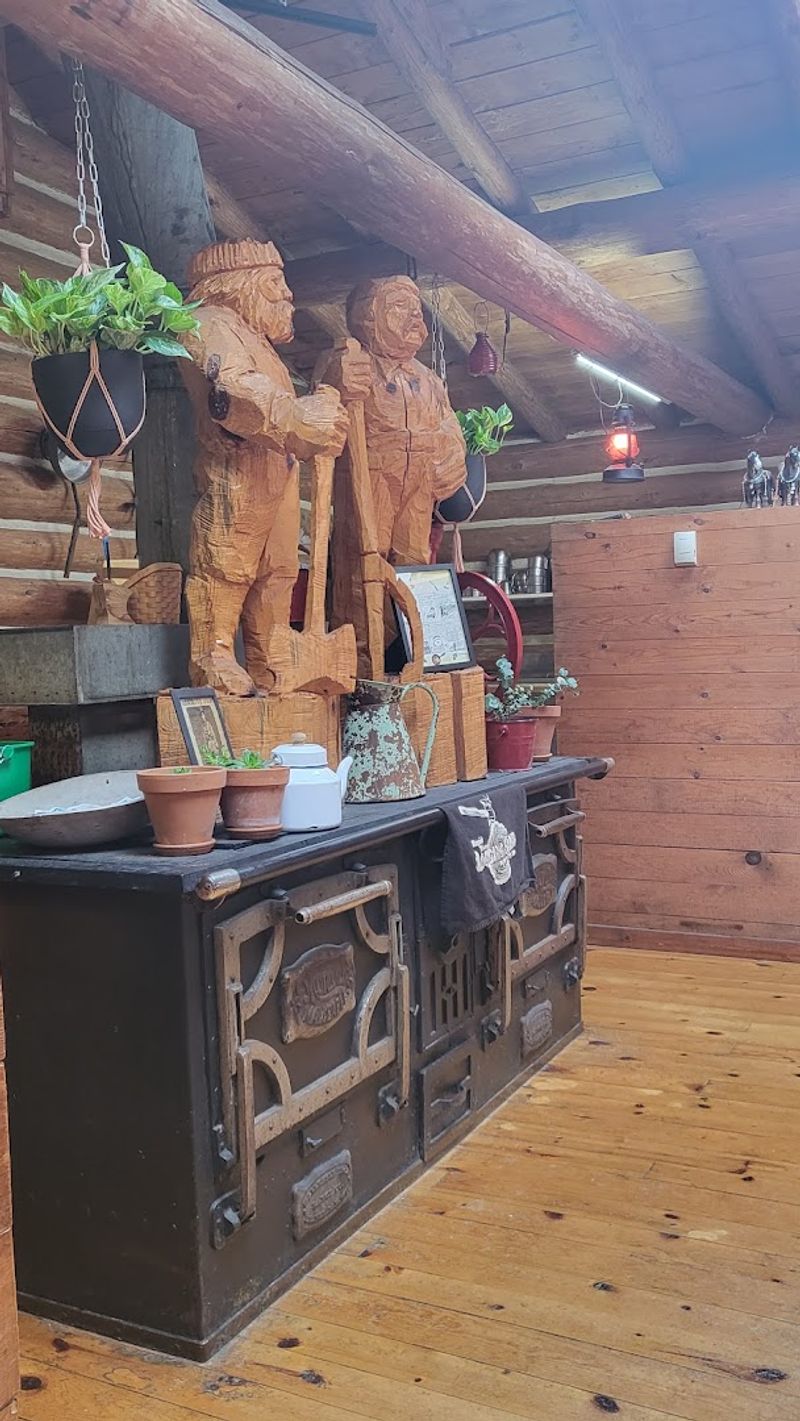
Funny signs cover the walls, referencing logger life with a wink. Carved wooden figures, old canned goods, cookware, and oil lamps fill the space.
Original signs from 1955 still hang where they were first placed.
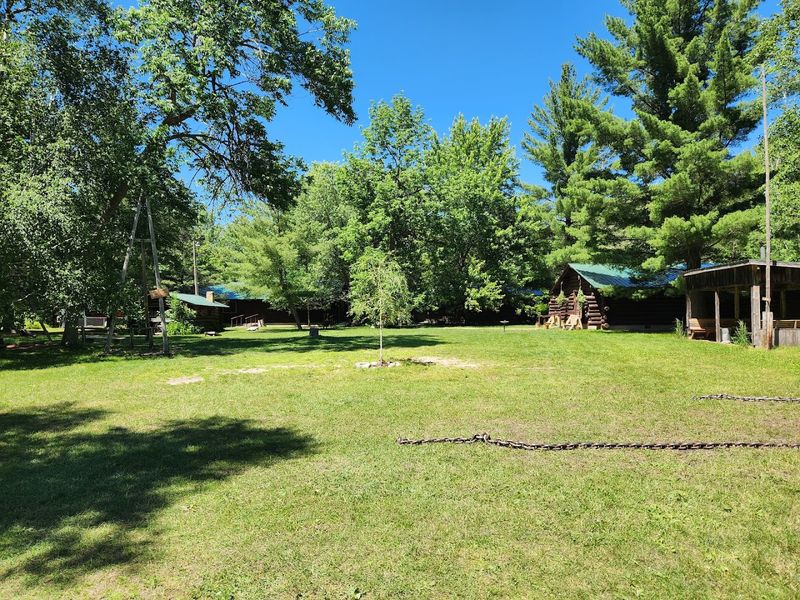
Outside, the atmosphere continues across the entire property. A blacksmith shop with a working forge and bellows stands on the grounds.
A massive logging sled and a steam traction engine sit nearby for exploring.
Marked trails lead to historic logging landmarks around the property. The Potato River bends near a small dock, giving the whole place a peaceful, woodsy feel.
Roaming chickens wander the grounds like they own the place.
There is also a play area for kids waiting to be seated. The whole environment works together to create something genuinely immersive.
It is not a themed restaurant. It is an actual piece of Minnesota logging history you can eat inside.
Seasonal Menu Variations And Specialties
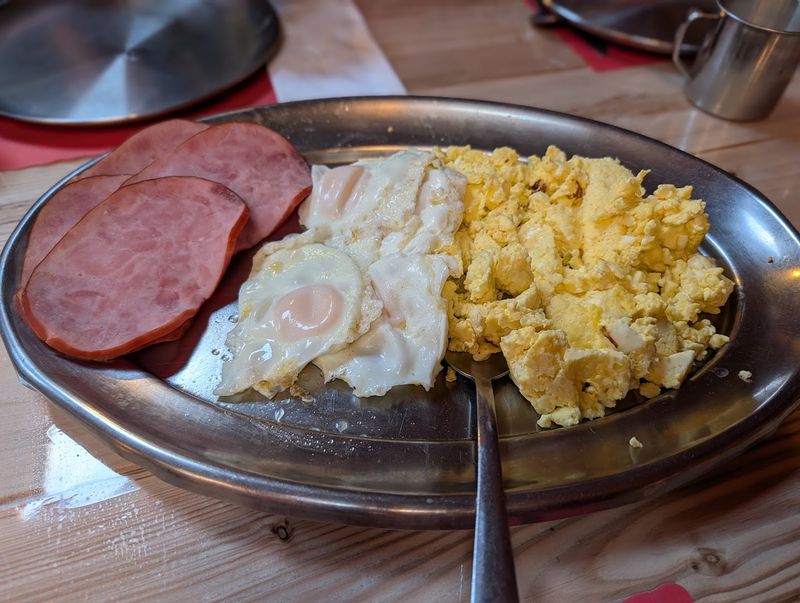
Rapid River Logging Camp runs on a summer schedule, and that schedule is very intentional. It opens each year on Memorial Day weekend and stays open daily through Labor Day.
That window is roughly three months of full-on lumberjack eating.
The seasonal calendar makes it a tradition rather than just a restaurant. Families plan their northern Minnesota trips around it.
Some guests have been coming every summer for decades without missing a year.
Operating hours run from 7:30 AM to 8:00 PM daily across the entire season. Breakfast is served until 11 AM.
Dinner service begins at 1 PM and runs through closing time each day.
Because the season is short, every visit carries a little extra weight. You cannot just pop in during February on a whim.
The limited window creates a sense of occasion that most restaurants never achieve.
The menu stays rooted in classic lumberjack fare throughout the season. Pancakes and eggs anchor breakfast.
Roasted meats and hearty sides define dinner. The consistency is part of the charm.
Knowing the camp closes after Labor Day makes that last summer visit feel a little bittersweet. People genuinely count down to opening weekend.
That kind of anticipation says a lot about what Rapid River Logging Camp has built over nearly seven decades of summer service.
Cooking Techniques Used In Lumberjack Kitchens
Lumberjack cooking was never about technique for its own sake. It was about scale.
Camp cooks had to feed dozens of hungry workers three times a day, every single day. Speed and volume were the real skills.
The cook shanty was the heart of every logging operation. A bad cook could tank morale faster than a broken saw.
Good cooks were recruited aggressively and paid well for the era.
Classic methods included roasting large cuts of meat low and slow over steady heat. Stews and baked beans cooked for hours in heavy pots.
Pancakes came off griddles in batches big enough to feed a table at once.
Everything was built for efficiency and sustenance. There were no garnishes, no reductions, no plating techniques.
The goal was hot food, lots of it, delivered fast to people who had been working since before sunrise.
Rapid River Logging Camp carries that spirit forward in its Cook Shanty kitchen. The meals come out consistently and in volume.
Family-style service means food keeps arriving at the table as long as you keep eating.
The approach is honest and straightforward. Roasted meats, griddle-cooked pancakes, and slow-baked beans are still the foundation.
It is not complicated cooking. It is purposeful cooking, and that difference matters more than most people realize.
Family Friendly Dining And Buffet Options
Rapid River Logging Camp is genuinely built for families. It is not just tolerated by kids.
It is actually enjoyed by them in a real and enthusiastic way. The whole setup gives younger guests plenty to do beyond just eating.
While waiting for a table, children can explore the outdoor grounds freely. There is a play area designed specifically for kids.
Roaming chickens, ducks, and fish at the dock keep the little ones occupied and entertained.
Inside the Cook Shanty, the family-style setup works naturally with groups of all sizes. Food arrives at the table and gets passed around.
Everyone eats together, which is the whole lumberjack tradition in one simple gesture.
Breakfast, lunch, and dinner are all available across the day. The all-you-can-eat format means nobody leaves hungry, including the teenagers who somehow eat more than actual lumberjacks.
Parents appreciate that part especially.
The staff is known for being welcoming and genuinely friendly. The atmosphere is loud enough to be lively but relaxed enough to feel comfortable.
Nobody is rushing you out the door.
Groups of 18 or more are handled without drama, which says a lot about how this place operates. Rapid River Logging Camp has been hosting family reunions, summer vacations, and first-time visitors for generations.
It handles crowds with practiced ease and real warmth.
Local Sourcing Of Ingredients And Produce
Minnesota has serious agricultural roots. The northern part of the state is surrounded by farmland, forests, and small producers who have been growing food for generations.
That context matters when thinking about what lands on your tin plate.
The camp has always leaned into classic, straightforward ingredients. Potatoes, beans, cornmeal, pork, beef, and chicken are the building blocks of every meal.
These are not exotic ingredients. They are Midwestern staples done right.
Minnesota is one of the top agricultural states in the country. It ranks high in pork production, turkey farming, and corn growing.
The region around Park Rapids sits in a part of the state where farms and forests exist side by side.
Supporting local agriculture is a natural fit for a place with this kind of identity. The logging camp tradition was always about using what the land and surrounding region could provide.
That philosophy did not disappear when the saws went quiet.
Fresh, honest ingredients are what make comfort food actually comforting. When a mashed potato tastes like a real potato, you notice.
When cornbread has actual texture and flavor, it stands out from the forgettable versions.
Rapid River Logging Camp keeps its menu grounded in the kind of food that Minnesota produces well. Simple, hearty, and satisfying.
That is the standard, and the region makes it easy to meet.
Tips For Making The Most Of Your Buffet Visit
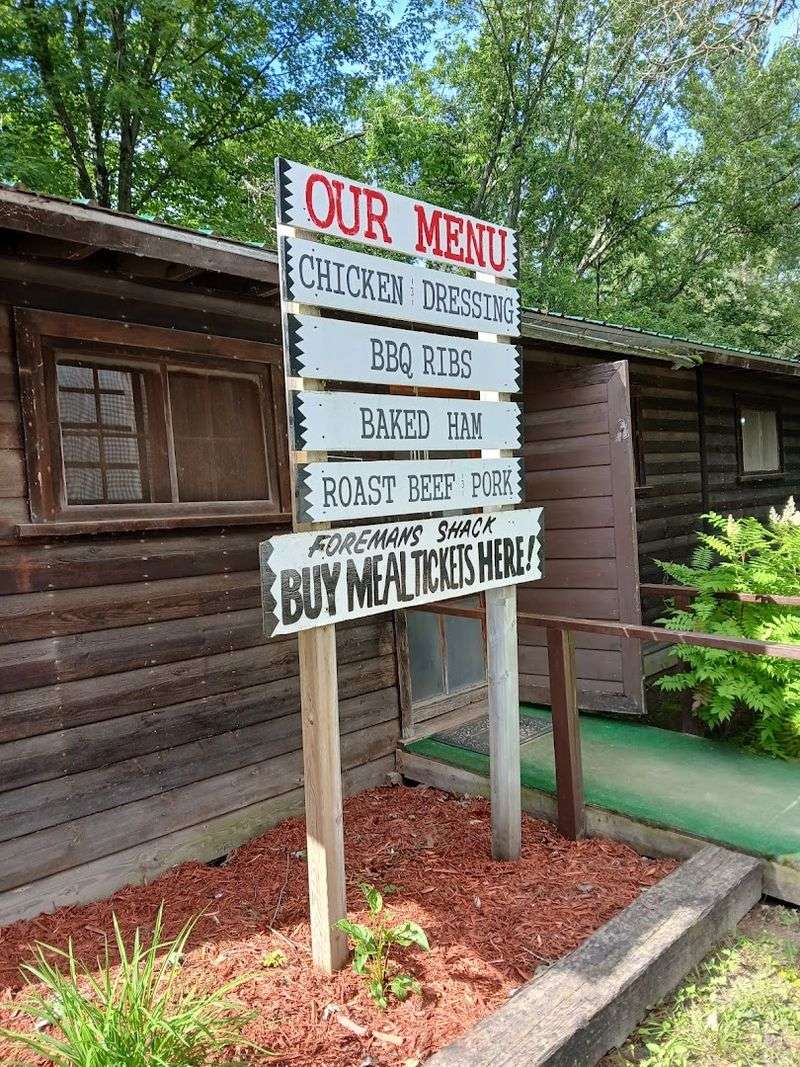
First things first: meal tickets are purchased in the gift shop, not at the table. Only cash or check is accepted, so leave the credit card in your pocket.
ATM planning ahead of time is a smart move.
Arrive a little early, especially during peak summer weekends. The camp opens at 7:30 AM daily and closes at 8:00 PM.
Getting there before the rush means shorter waits and fresher food hitting the table.
While you wait for your table, do not just stand around. Walk the grounds.
The blacksmith shop, logging sled, and steam traction engine are genuinely worth seeing up close. Bring quarters for the fish-feeding dock.
The trails on the property lead to historic logging landmarks scattered across the land. It takes maybe 20 minutes to walk them and you will feel like you earned your meal before it even arrives.
Chickens and ducks are also out there roaming freely.
The Foreman’s Shack gift shop has souvenirs, candy, and all kinds of fun northwoods items. Budget a few extra minutes on the way out for browsing.
Kids especially find it hard to leave empty-handed.
Come hungry. Seriously.
This is all-you-can-eat family-style dining, and the food keeps coming. Wear comfortable pants, bring the family, and treat the whole visit like an event rather than just a quick meal stop.