
This Historic Tennessee Town Has A Main Street That Feels Almost Unchanged Since The 1970s
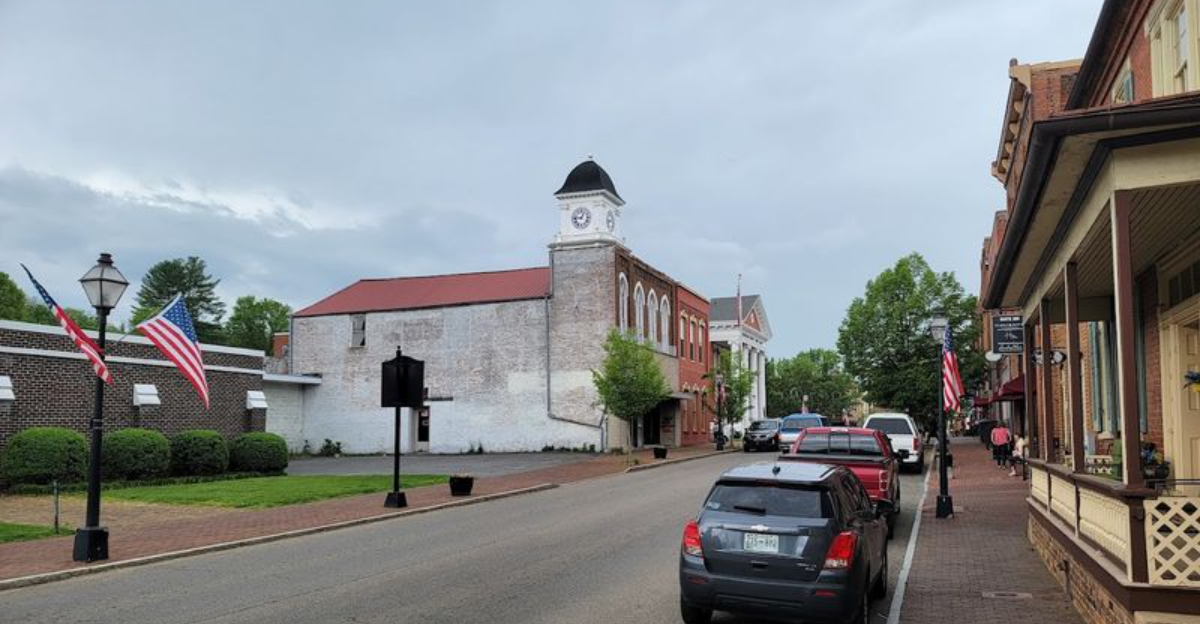
Time travel doesn’t require a machine in Tennessee. It just requires a short drive.
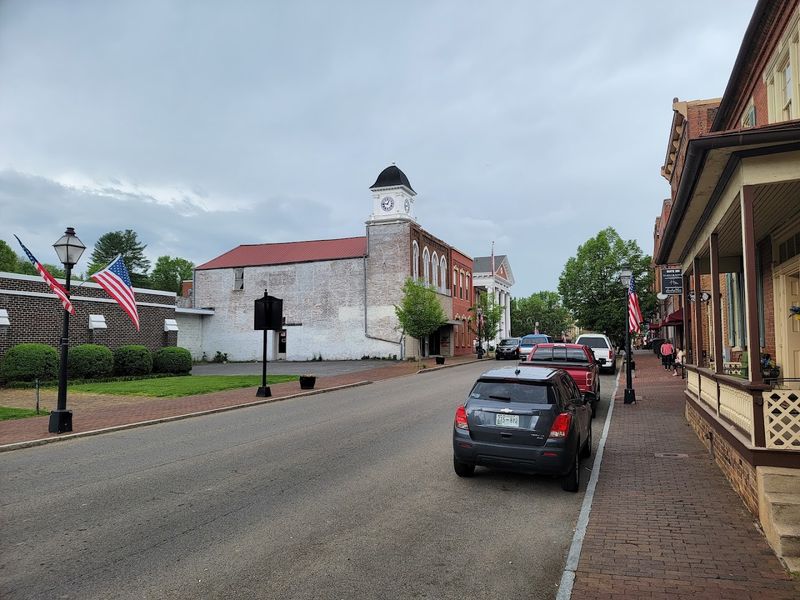
One town’s main street looks so much like it did decades ago that visitors often stop mid step to double check the year. Storefronts still wear their original facades.
Sidewalks still creak in familiar spots. There’s no glass tower competing for attention, no chain restaurant sign fighting for space.
Instead, the block holds onto brick, paint, and porches that have watched generations pass by without much fuss.
Locals will tell you nothing was preserved on purpose. It simply never needed to change. That kind of honesty is rare these days.
Visitors can wander past old storefronts, peek into shop windows, and imagine what daily life looked like before smartphones existed. Every corner offers a small surprise, a detail easy to miss if you’re moving too fast.
Tennessee holds onto its history in quiet, unexpected ways, and this stretch of road proves it.
A Legacy Etched In Stone
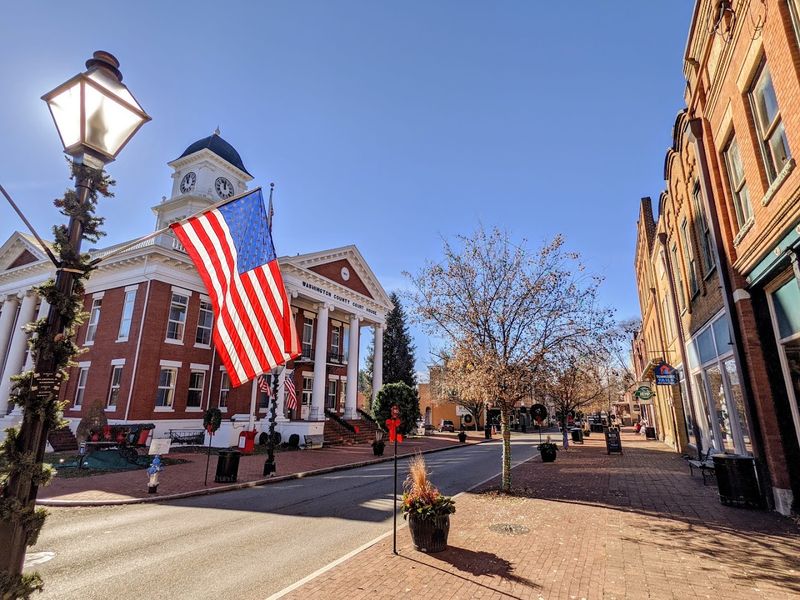
Established in 1779, this place holds the distinction of being Tennessee’s oldest town, predating the state itself by seventeen years. That fact alone sets the tone for everything you encounter along its streets.
The weight of that founding is not ceremonial. It is structural, literal, and present in every corner of the downtown district.
The historic downtown was placed on the National Register of Historic Places in 1969, just three years after the Register’s creation. That early recognition made Jonesborough one of the first districts in the country to receive such protection.
It was a signal that the town understood something many communities had not yet grasped: that the past is worth keeping.
Jonesborough serves as the county seat and sits comfortably within the Johnson City metropolitan area. Its population of around 5,860 keeps the town intimate without feeling isolated.
The result is a place where history feels approachable, where the architecture speaks plainly, and where the story of early American settlement remains visible in the everyday landscape rather than behind glass in a museum.
Where Time Slows Its Passage
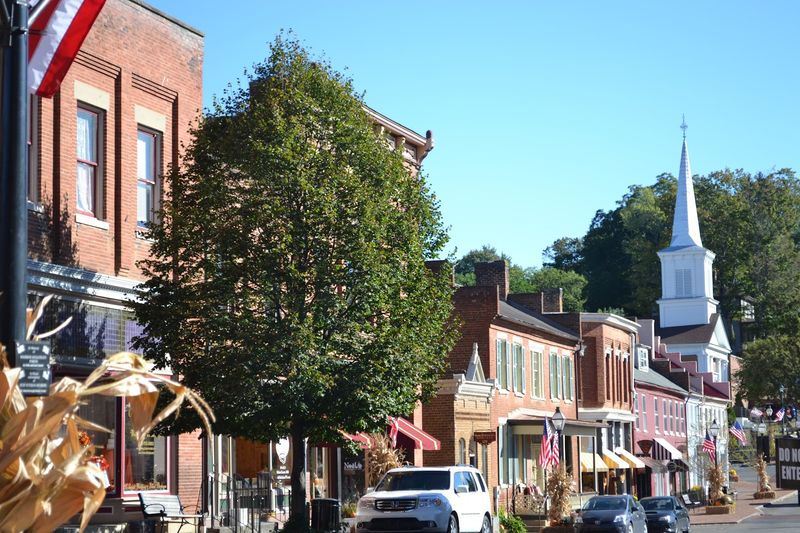
There is a particular quality to Main Street in Jonesborough that is difficult to manufacture and impossible to rush. The pace here is deliberate.
Storefronts open at a measured hour, neighbors exchange greetings without urgency, and the architecture stands as a collective reminder that some things were built to outlast the people who built them.
The downtown district feels like a carefully preserved version of mid-twentieth-century small-town America.
The electrical wires were placed underground as part of early preservation efforts, removing one of the most common visual distractions of modern streetscapes.
That single decision alone contributes enormously to the atmosphere. The skyline above Main Street remains uncluttered, allowing the rooflines and facades to command full attention.
The Historic Zoning Commission reevaluates every property within the National Register Historic District every five years. That ongoing oversight is not bureaucratic formality.
It is the reason the street looks today much as it did decades ago. Change happens here, but slowly and with intention.
The result is a thoroughfare that carries genuine continuity rather than the simulated charm that many towns attempt through renovation and rebranding campaigns.
Preservation Beyond Expectation
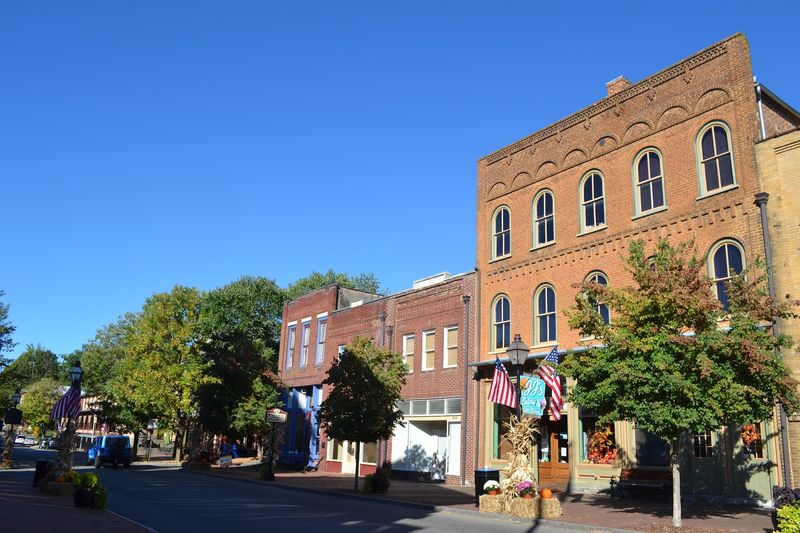
Most towns talk about preservation. Jonesborough actually does it, and with a level of institutional commitment that goes well beyond hanging a historic marker on a wall.
The Heritage Alliance maintains a warehouse stocked with salvaged historic architectural materials, available to residents who are restoring properties within the district.
That is a practical, hands-on approach that treats preservation as an ongoing craft rather than a symbolic gesture.
An ordinance exists specifically to prevent the demolition of historic resources through neglect. This means owners cannot simply allow a building to deteriorate until it becomes structurally indefensible and then clear the lot.
The law closes that loophole with purpose. The town takes the position that what stands here belongs, in some meaningful sense, to the larger story of the community.
The Heritage Alliance also provides preservation expertise directly to residents, offering guidance on materials, techniques, and standards that keep restorations historically consistent.
This kind of support transforms preservation from an elite hobby into a community-wide practice.
The result is a downtown where the integrity of the built environment reflects sustained collective effort rather than the taste of a single developer or the budget of a single restoration project.
Echoes Of Frontier Ingenuity
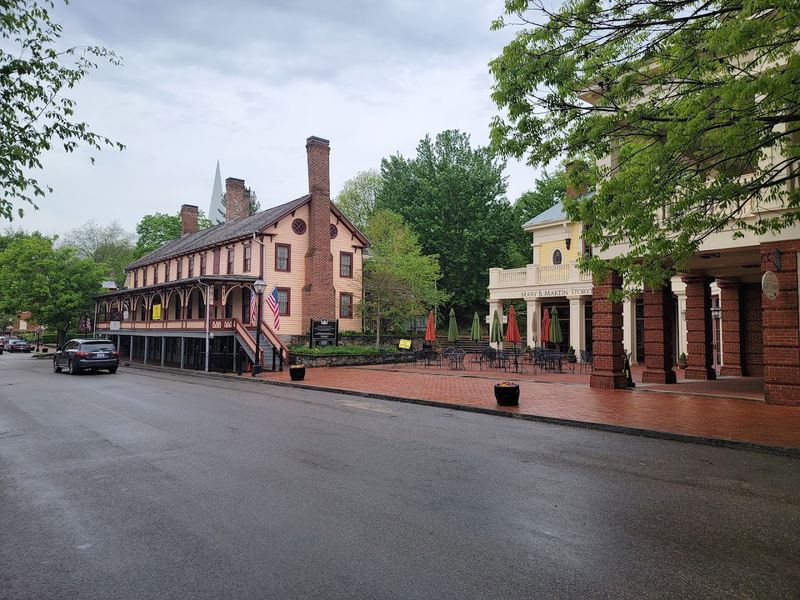
Between 1784 and 1785, Jonesborough served as the capital of the State of Franklin, an ambitious attempt by Appalachian settlers to carve out a fourteenth state from western North Carolina territory.
The effort ultimately failed to receive congressional approval, but the story it tells about the people who lived here is compelling.
These were settlers who did not wait for permission to build a government.
That same spirit of determined self-reliance shows up in the town’s architectural history. The Christopher Taylor House, constructed in 1777, was physically relocated to the historic district to preserve it and enrich the historical depth of Main Street.
Moving an entire structure rather than letting it disappear speaks to the community’s long-standing conviction that the past has physical value.
Jonesborough also published The Emancipator in 1820, considered the first exclusively anti-slavery periodical in the United States.
That the town served as a platform for abolitionist thought in the early nineteenth century adds a layer of moral complexity to its frontier identity.
It was not simply a place of survival and settlement. It was a place where ideas about justice were being printed and distributed at a time when doing so carried genuine risk.
The Soul Of Appalachian Stories
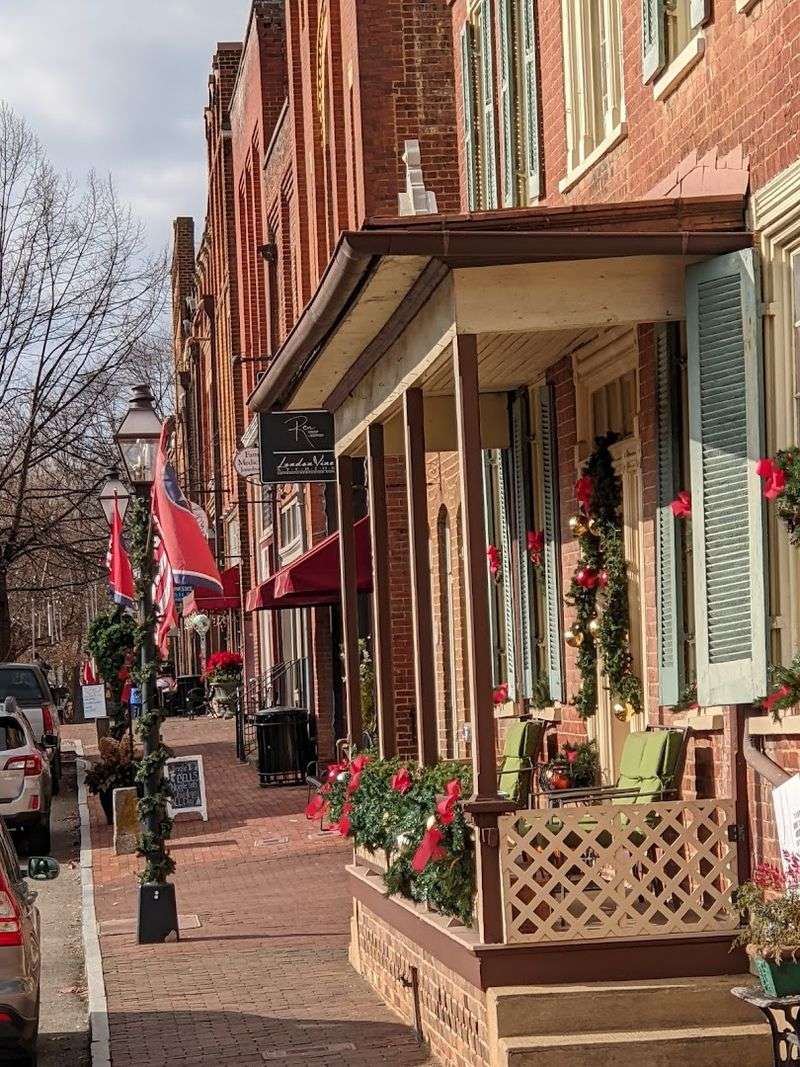
In 1973, a local teacher named Jimmy Neil Smith organized an event where Appalachian storytellers shared tales from a hay wagon in downtown Jonesborough. It was simple, unpolished, and completely transformative.
That gathering eventually became the National Storytelling Festival, one of the most recognized cultural events of its kind in the world.
Jonesborough is now formally recognized as the Storytelling Capital of the World, a title earned through decades of consistent programming and genuine cultural investment.
The International Storytelling Center carries this tradition forward with year-round events and educational programs that extend far beyond the annual October festival.
Storytelling here is not a seasonal attraction. It is a living practice woven into the town’s identity.
The oral tradition that defines Jonesborough connects directly to the Appalachian culture of the surrounding region, where stories served as both entertainment and historical record long before widespread literacy.
That lineage gives the town’s storytelling identity an authenticity that cannot be replicated by simply hosting a festival.
The stories told here carry the texture of the land, the history of the people, and the particular cadence of a region that has always known how to hold an audience with nothing more than a well-chosen word.
Architectural Chronicles Unfolding
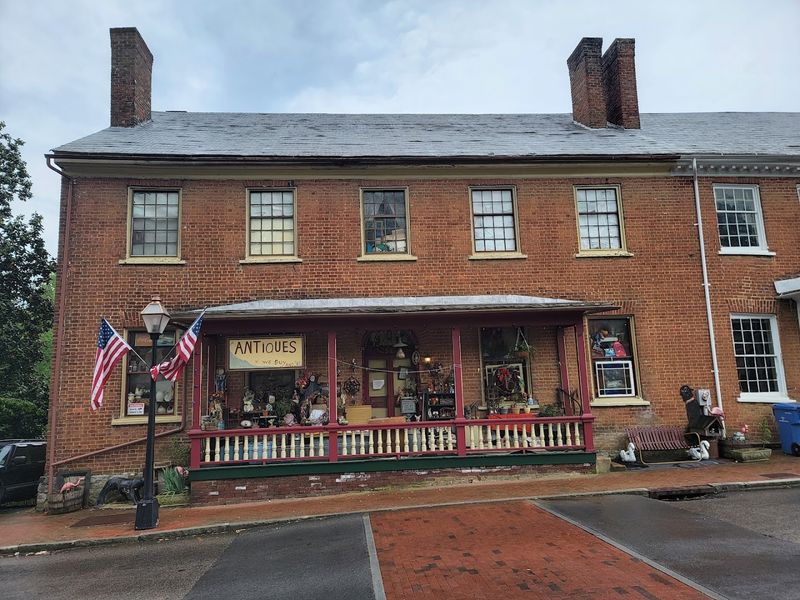
The architectural range along Main Street in Jonesborough reads like a condensed survey of American building history.
Federal, Greek Revival, and Victorian styles appear within a few blocks of each other, each representing a distinct period of growth and cultural influence.
The progression is visible, legible, and remarkably intact.
The Chester Inn, built in 1797, stands as the oldest commercial building in the historic district. It now operates as a museum documenting Jonesborough’s history, which makes it both a physical artifact and an interpretive space.
The building itself is the exhibit. That kind of layered purpose is what separates a living historic district from a reconstructed one.
The courthouse square anchors the downtown and provides the kind of civic focal point that once defined American town planning.
Standing at that square, surrounded by brick storefronts that have housed generations of businesses, it becomes easy to understand why preservation advocates fought so hard for this place so early.
The architecture here does not simply look old. It communicates continuity, stability, and the particular confidence of a community that knew what it had and chose to keep it.
A Thoroughfare Of Enduring Charm
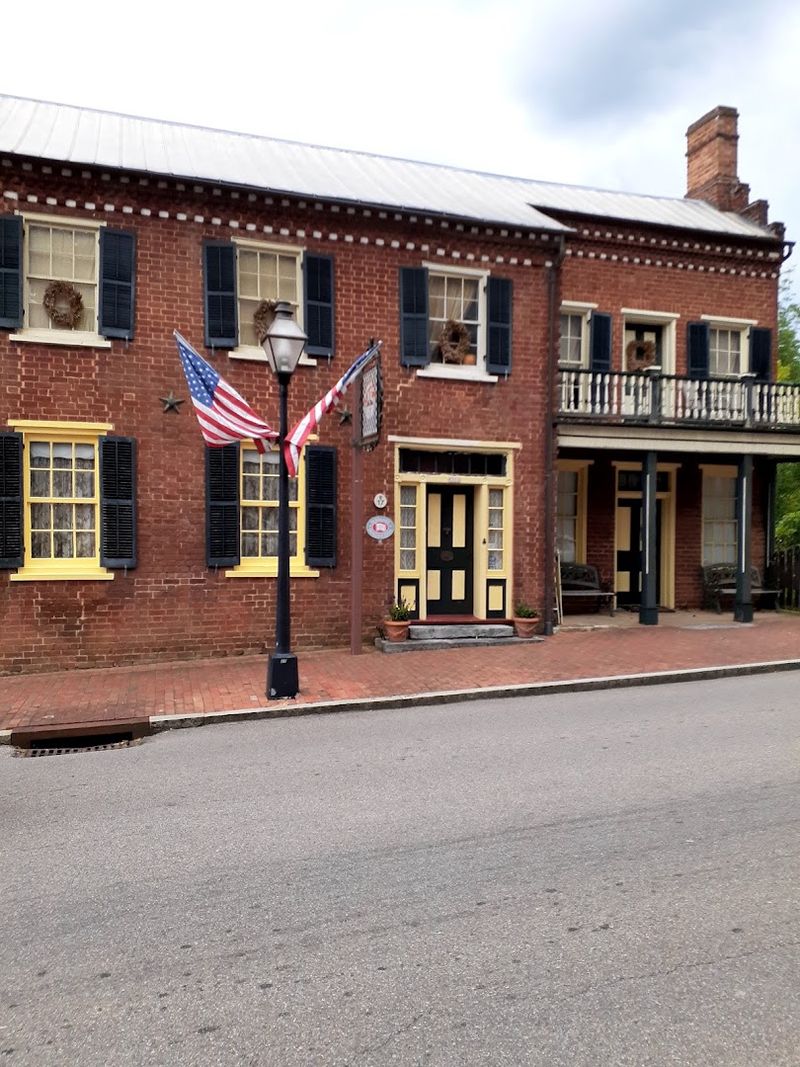
Main Street in Jonesborough is not a recreation. It is the original, maintained and inhabited by a community that uses it daily rather than displaying it for occasional admiration.
Local shops, cafes, and restaurants occupy buildings that were standing long before their current tenants were born. That continuity of use is what gives the street its lived-in quality.
The absence of underground clutter above ground, specifically the removal of overhead electrical wires, keeps the visual experience clean and historically coherent.
Walking the street, attention naturally settles on the facades, the window proportions, the cornices, and the ironwork details that define each building’s character.
These are not details that announce themselves. They reward patience and observation.
Events like Jonesborough Days, a heritage festival, and a regular farmers market bring residents together in the same public spaces that have hosted community gatherings for well over two centuries.
The street functions as both a commercial corridor and a civic commons.
That dual purpose is increasingly rare in American towns, where the public square has largely given way to private retail environments.
In Jonesborough, the street remains genuinely public, genuinely historic, and genuinely in use by the people who call this place home.
Community Woven Through Centuries
A town that has been continuously inhabited since 1779 develops a particular kind of social fabric.
Jonesborough’s community life reflects that depth, with traditions, institutions, and civic habits that have been refined over generations rather than assembled from scratch.
The town received Jewish immigrants as early as 1843, a detail that speaks to a long-standing openness that shaped its character from a relatively early point in its history.
The annual National Storytelling Festival draws people from across the country and beyond each October, but the community’s identity does not depend on that event alone.
The farmers market, local festivals, and the steady rhythm of everyday commerce along Main Street sustain a social life that functions independently of the tourism calendar.
That independence gives the town a groundedness that many historic destinations lack.
Washington County’s oldest town carries its age without performance. The buildings stand, the stories circulate, and the institutions continue their work with the kind of quiet persistence that only comes from genuine conviction.
Jonesborough, Tennessee, is a place where history is neither a product nor a backdrop. It is simply the condition in which daily life takes place, unremarkably and continuously, as it has for nearly two and a half centuries.