
Why Everyone Is Choosing This Family-Owned Arizona Mexican Restaurant Over National Chains
The debate between franchise consistency and local authenticity ends at the dinner table. Corporate chains rely on frozen shipments, but this kitchen measures freshness by the hour.
Steam rises from copper pots filled with slow-cooked pinto beans. The scent of charred jalapeños draws a crowd before the doors even open for lunch.
Arizona diners regularly pass three different drive-thrus just to reach this specific parking lot. Customers know the salsa will taste exactly like it did ten years ago.
That predictability builds a loyal following that money cannot buy. The dining room functions without timers or corporate manuals.
Quality remains the only metric that matters here. Guests finish their meals and immediately plan their next visit.
Authentic Flavors Rooted In Family Tradition
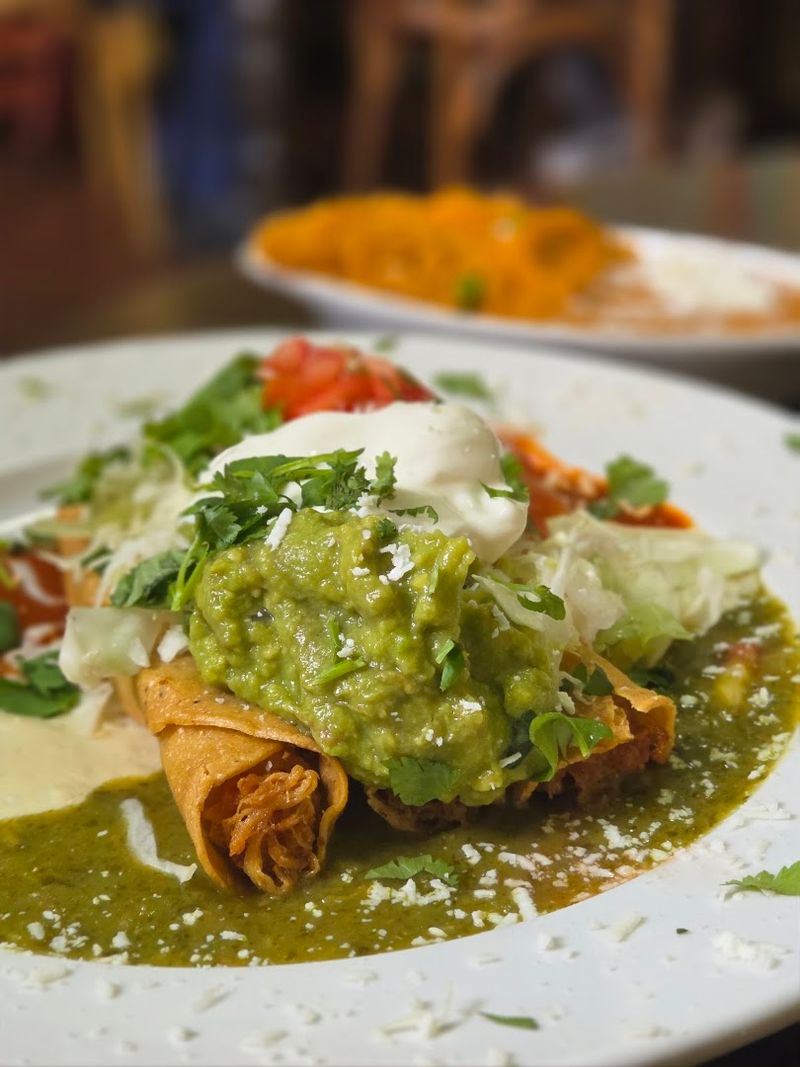
This place has been feeding Tucson since 1922. That is over a century of the same family cooking the same beloved recipes.
No corporate buyout. No rebranding.
Just pure, unapologetic tradition on every plate.
Monica Flin, the Tucson-born daughter of French immigrants, founded the restaurant in her family’s own home. Her father Jules, a master stonemason who helped build Tucson’s St. Augustine Cathedral, built that residence back in 1896.
Monica is also widely credited with accidentally inventing the chimichanga when a burrito slipped from her hands into a pot of hot oil.
Carlotta Flores, Monica’s great-grandniece, now leads the kitchen. She carries forward the Northern Mexico-Sonoran style cooking that put El Charro on the map.
The food reflects decades of care, not a standardized corporate recipe printed in some distant headquarters.
National chains try to replicate this kind of authenticity with themed decor and manufactured backstories. El Charro does not need any of that.
The history is real, the family is real, and the flavors are genuinely rooted in Tucson’s culinary identity. You can taste the difference immediately.
Tucson itself earned a UNESCO City of Gastronomy designation, making it the first city in the United States to receive that honor. El Charro is a huge reason why that recognition feels completely deserved.
The building still stands today at 311 N Court Ave, Tucson, AZ 85701, and it still serves food every single day.
Fresh Ingredients Sourced From Local Farms
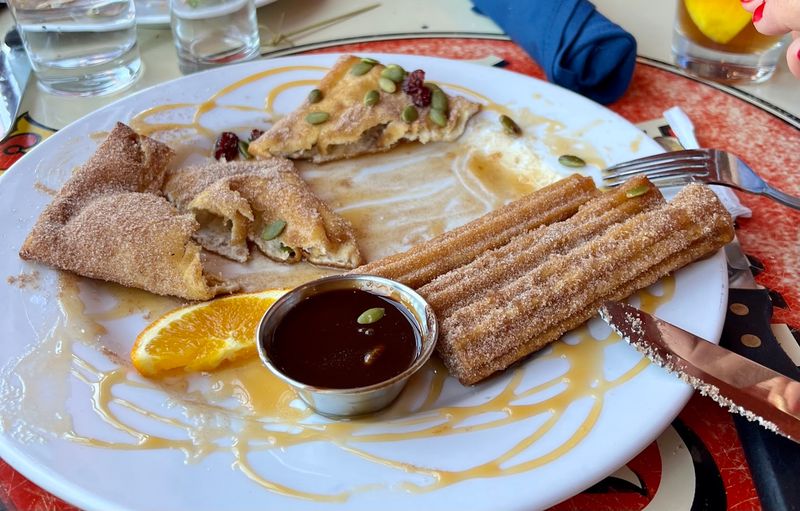
El Charro Cafe takes sourcing seriously. They use Sonoran and other locally grown ingredients whenever they can find them.
Fresh produce from nearby farms means the food on your plate actually tastes like food.
They source HACCP-certified produce as a priority. That certification is not just a label.
It means the ingredients meet strict safety and quality standards before they ever reach the kitchen.
All cooking at El Charro uses non-trans-fat oils. That choice matters because most fast-food chains still rely on cheap oils that compromise flavor and nutrition.
El Charro made a better decision and stuck with it.
Tucson’s UNESCO City of Gastronomy status is not an accident. The entire city has built a culture around supporting local food systems.
El Charro fits right into that philosophy because sourcing locally has always been part of how they operate.
When you eat at a national chain, those ingredients often travel hundreds of miles before reaching your plate. Freshness becomes a best guess rather than a guarantee.
At El Charro, local sourcing keeps everything tasting vibrant and alive.
The difference shows up in every bite. Salsas taste brighter.
Vegetables have real texture. Proteins carry actual flavor.
Local farms and honest cooking make that happen, and no chain restaurant can fake it no matter how hard they try.
Unique Recipes Passed Down Through Generations
Here is a fun fact that sounds completely made up but is entirely true. The chimichanga was accidentally invented at El Charro.
Monica Flin dropped a burrito into a hot frying pan and instead of wasting it, she served it. A legend was born.
The carne seca is another story worth knowing. It starts as Angus beef marinated in garlic and lemon juice.
Then it gets placed in a special cage on the downtown rooftop and air-dried for days using the actual Sonoran sun.
After drying, the beef is roasted, hand-shredded, and flash-grilled with green chile, tomato, and onion. No machine does that work.
No factory shortcut replaces it. That rooftop drying cage is one of the most unique food production methods you will find anywhere in the country.
El Charro also serves heritage tacos filled with ground beef patties, peas, and radishes. That combination sounds unusual at first.
But it reflects Monica Flin’s original cooking style, and it has survived on the menu for a reason.
National chains rotate menus based on market research and quarterly trends. El Charro keeps recipes because they are genuinely worth keeping.
Generations of the Flores family have trusted these dishes, and guests keep coming back to prove that trust is well placed.
Warm And Welcoming Dining Atmosphere
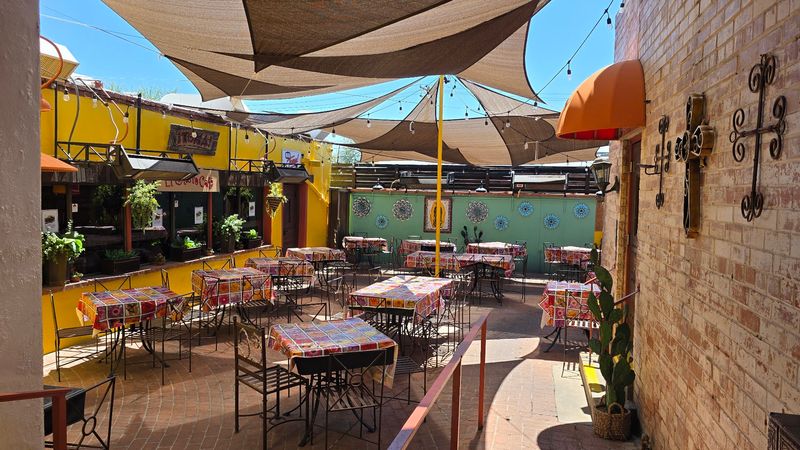
El Charro Cafe sits inside the actual Flin family home built in 1896. That building is on the National Register of Historic Places.
Eating here means sitting inside a piece of American history.
The ceilings were constructed with black basalt rock from Tucson’s own “A” Mountain. That detail alone sets the space apart from anything a chain restaurant could build.
You cannot manufacture that kind of character with a renovation budget.
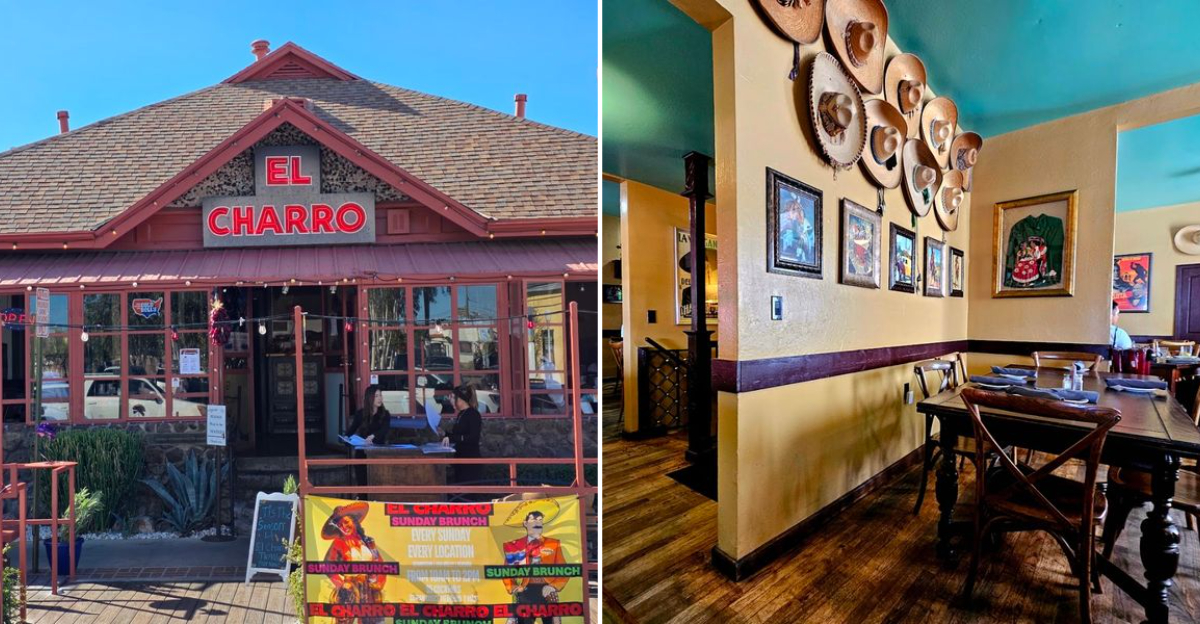
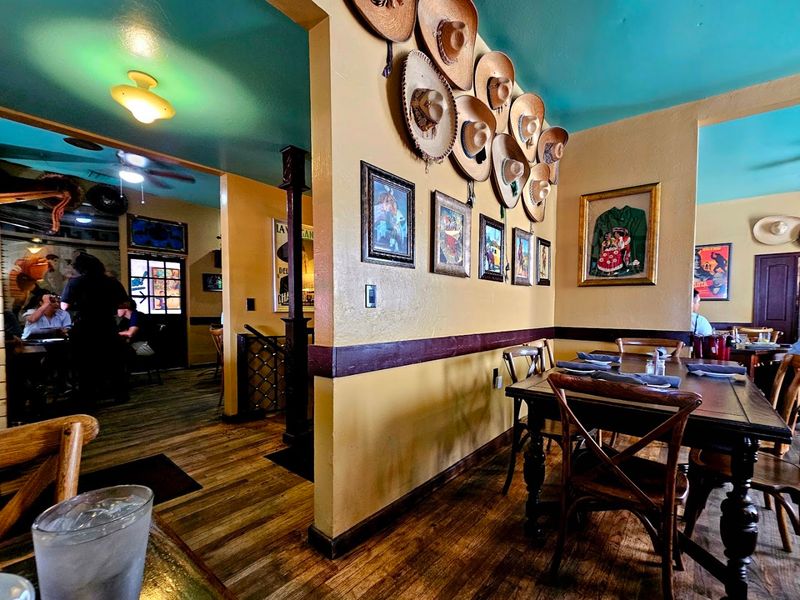
Sombreros hang from the ceilings. Mexican picture calendars and saints’ portraits line the walls.
Original curios, murals, and antique furnishings fill every room. The whole place feels like a family home that happens to also serve incredible food.
There are multiple dining areas inside. Some rooms are small and cozy.
Others open up to a porch or patio. Each space has its own personality, which makes the restaurant feel intimate rather than overwhelming.
The basement area even hosts private parties. There is also an outdoor patio for guests who prefer open-air dining.
Different seating options mean the space works for solo lunches, family dinners, and group celebrations alike.
National chains spend millions designing interiors that feel warm and homey. El Charro does not need a design firm.
The warmth comes from over a century of real family life lived inside these walls. That authenticity is impossible to replicate.
Exceptional Customer Service With Personal Touch
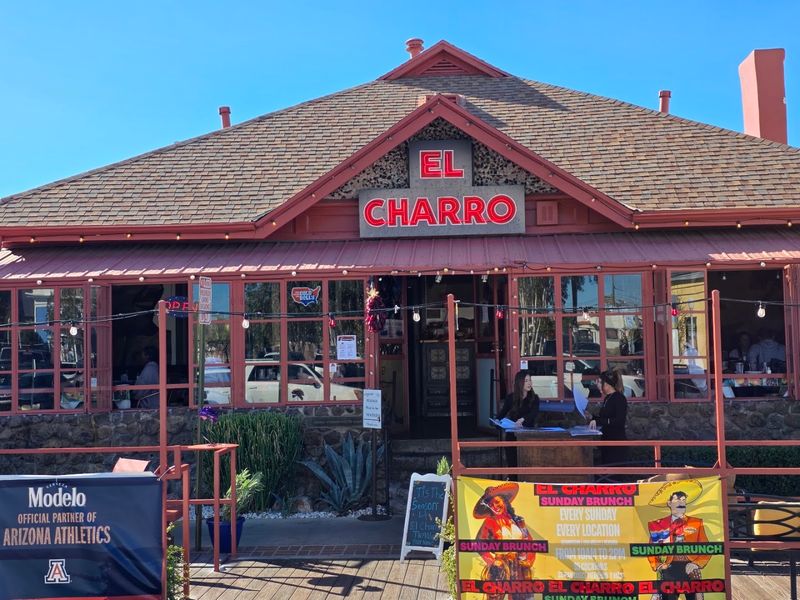
Something stands out the moment you walk into El Charro. The owners are actually there.
Carlotta Flores and Marques Flores show up regularly, and Marques has been known to personally point out historic dishes to curious guests. That kind of ownership presence is rare.
El Charro treats its team members like family. That internal culture shows up in how staff interacts with guests.
Regulars get greeted by name. First-timers get treated like they have been coming for years.
The restaurant received a James Beard Award nomination, which is one of the most respected honors in the American food world. For the staff, that recognition was a major morale boost.
It confirmed that their daily effort genuinely matters.
National chains train employees with scripts and satisfaction metrics. El Charro runs on something harder to teach.
The staff knows the history of the food they serve. They share it proudly because they actually care about it.
Servers have been known to walk guests to the back patio to show where carne seca is made. That kind of tour does not come from a training manual.
It comes from genuine pride in what El Charro represents to Tucson.
When a restaurant makes you feel like a welcomed guest rather than a transaction, you remember it. That feeling keeps people coming back long after the meal is finished.
Traditional Cooking Techniques That Enhance Taste
El Charro’s cooking methods are not shortcuts. They are commitments.
The carne seca process alone involves marinating, rooftop air-drying under the Sonoran sun, roasting, hand-shredding, and then flash-grilling with fresh vegetables. That is a multi-day process for one dish.
The Sonoran sun and desert climate are not just scenic backdrops. They are active ingredients in the carne seca process.
The specific regional conditions create a flavor profile that cannot be replicated in a humidity-controlled factory kitchen.
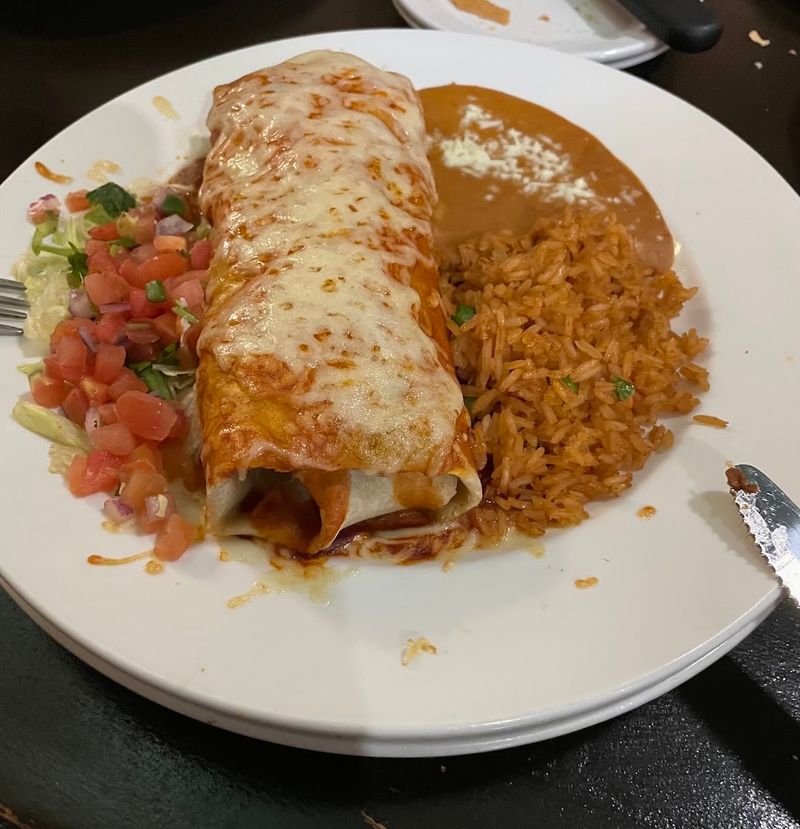
The chimichanga technique, born from Monica Flin’s legendary kitchen accident, involves deep-frying a stuffed burrito to crispy perfection. That method has been refined over generations.
The result is a texture and flavor combination that chain restaurants have tried to copy but never quite matched.
El Charro also uses non-trans-fat oils across all cooking. That decision reflects a commitment to quality over cost-cutting.
Better oils mean cleaner flavors and a better experience overall.
The restaurant’s philosophy is to blend old-world quality with fresh concepts. That balance is harder to achieve than it sounds.
It requires knowing which traditions to honor and which ideas to explore without losing the soul of the original dish.
Every technique used at El Charro exists for a reason. Nothing is accidental, except maybe that first chimichanga.
And even that happy accident turned out to be genius.
Community Involvement And Support Initiatives
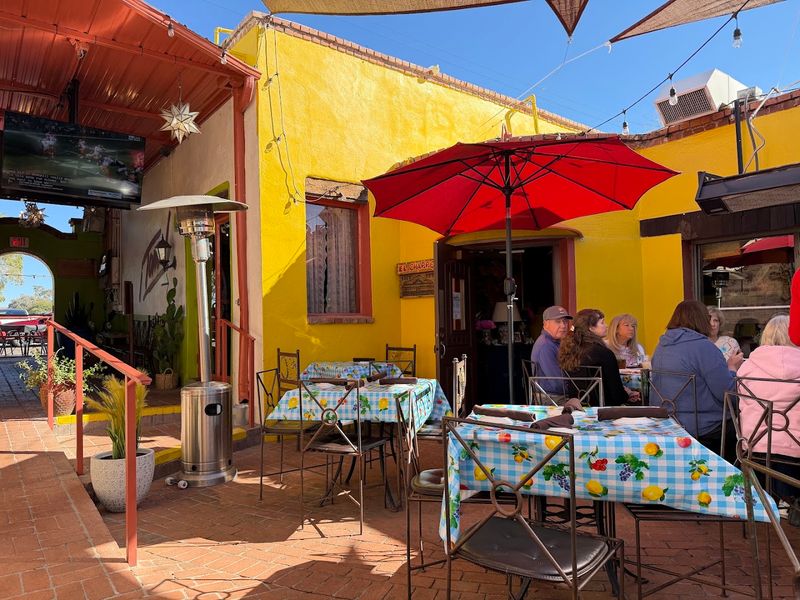
El Charro Cafe does not just exist in Tucson. It actively invests in the community around it.
The restaurant hosts Fiesta Fundraiser nights where ten percent of event sales go directly to local non-profit organizations. That is real money going back to real people.
Organizations can also raise funds through discounted gift card sales arranged with El Charro. It is a practical, low-effort way for local groups to generate support.
The restaurant makes it easy because they genuinely want to help.
Active military and first responders receive a ten percent discount on food purchases. That policy is not a marketing gimmick.
It is a straightforward way of saying thank you to people who serve the community every day.
The U.S. Navy honored El Charro by naming the galley of the USS Tucson Submarine “El Charro Down Under.” That is an extraordinary recognition that speaks to how deeply the restaurant’s reputation extends beyond Tucson’s city limits.
The Flores family also serves as the official Mexican food restaurant of the UofA Wildcats. Their Los Charros Foundation provides scholarships and supports 4-H and FFA programs for young people across the region.
National chains run corporate social responsibility campaigns written by marketing departments. El Charro’s community involvement is woven into who the Flores family actually is.
That difference is significant, and it shows in how Tucson responds to them.
Creative Menu Options Catering To Diverse Preferences
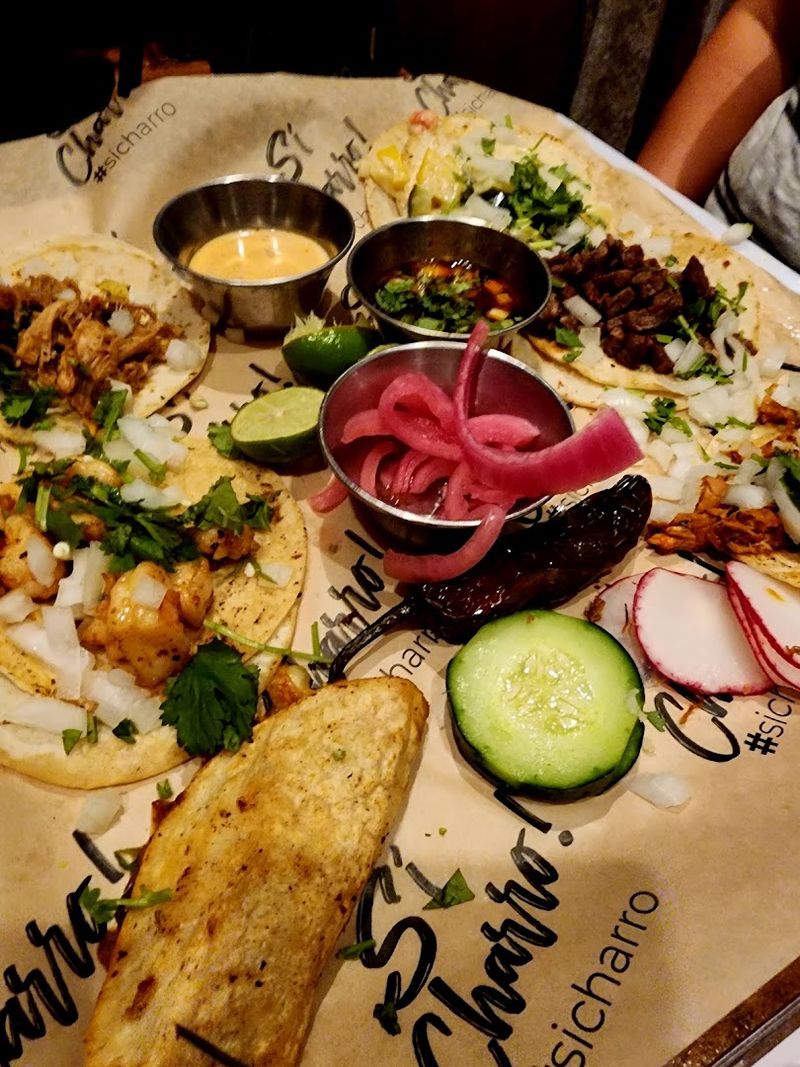
El Charro’s menu covers a lot of ground without losing focus. Gluten-friendly, plant-based, and vegetarian options sit alongside classic Sonoran dishes.
Nobody at the table gets left out, which is genuinely rare for a restaurant rooted in tradition.
The vegan tamales are made with hemp seed, flax, nopales, and quinoa. That combination sounds experimental, but it works.
It is the kind of creative thinking that keeps a century-old menu feeling current without abandoning its roots.
Arizona cheese crisps, quesadillas, queso flameado, and shrimp ceviche give guests plenty of starter options. Stuffed mushrooms, quesabirria, nachos, and multiple fajita varieties round out the middle of the menu.
There is a lot to explore here.
The Poblano Bandera Relleno is battered in Cerveza Modelo tempura. That is a genuinely clever technique that bridges traditional Mexican cooking with something a little unexpected.
It rewards adventurous eaters without intimidating anyone.
Enchiladas baked in non-fat yogurt offer a lighter take on a classic dish. Small adjustments like that show the kitchen is thinking about different preferences without turning the menu into a health food catalog.
National chains update menus with limited-time items designed by focus groups. El Charro creates options that make sense for the food they love and the guests they know.
That difference shows up clearly in how satisfying the choices feel.