
This North Carolina BBQ Favorite Has Been Smoking Pork For More Than 60 Years
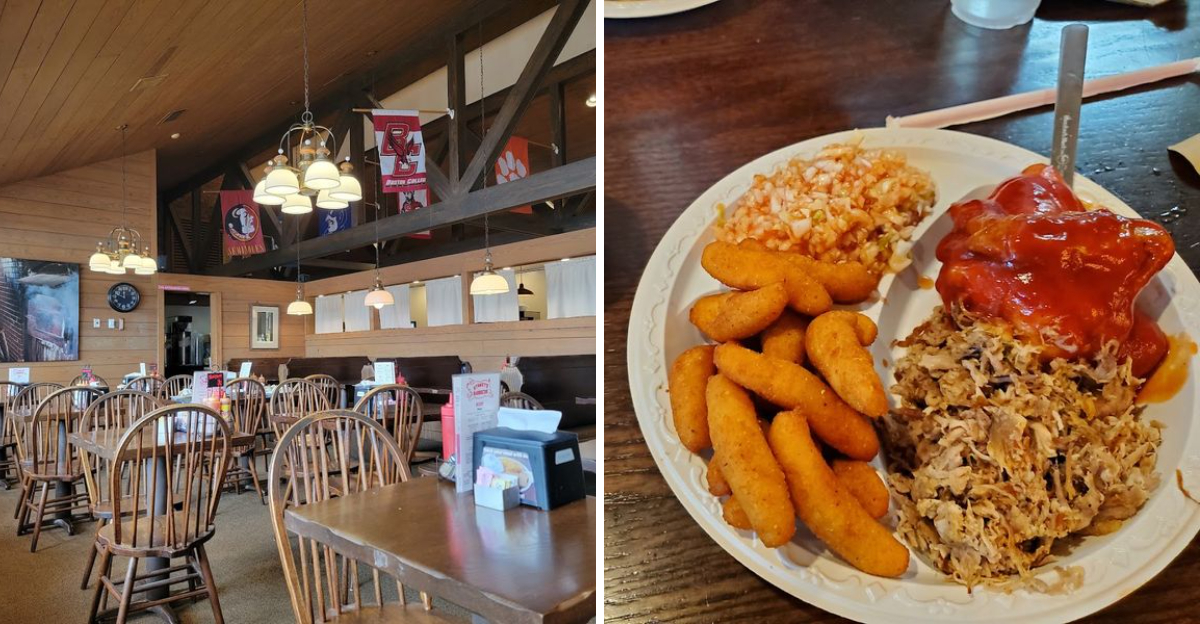
Before most people have poured their first cup of coffee, the smoke is already rising over this North Carolina favorite.
For more than sixty years, pork has cooked slowly over hardwood until it reaches that tender, smoky point generations of diners know by heart. The method has survived changing tastes because nobody sees a reason to fix what still brings people back.
I have a soft spot for restaurants that measure time in family meals rather than trends. There is something powerful about ordering the same barbecue your parents may have eaten decades earlier and finding that it still delivers.
In a state with serious barbecue opinions, lasting this long takes more than history. Every plate still has to earn its praise.
North Carolina is a state where diners notice every detail, and this longtime favorite continues to pass the test. One bite may explain why more than sixty years have done nothing to cool the devotion.
The Pits Are Fired Before Most Of Greensboro Wakes Up

Preparing authentic barbecue requires starting work while the city still sleeps. The cooking process begins in the early hours when most people are just waking up.
Hardwood coals need time to reach the right temperature before pork shoulders can start their slow transformation.
Stamey’s Barbecue sits at 2206 W Gate City Blvd, Greensboro, North Carolina, where this daily ritual has continued for decades. The rhythm of lighting fires and tending coals stays consistent no matter what day it is.
Each morning follows the same careful pattern that has defined the restaurant since its founding.
Temperature control makes all the difference in barbecue quality. Too hot and the meat dries out, too cool and it never develops proper texture.
The pit masters understand exactly how much wood to add and when to adjust airflow. This knowledge comes from years of practice rather than written recipes or digital thermometers.
Every Pork Shoulder Spends Hours Over Hickory Coals
Slow cooking over wood coals creates flavors that modern ovens simply cannot replicate. Each pork shoulder sits on the grate for hours, absorbing smoke while fat renders slowly.
The meat gradually becomes tender as heat works through every layer. Rushing this process would ruin everything the restaurant stands for.
Hickory wood gives North Carolina barbecue its characteristic taste. The smoke penetrates deep into the pork, changing both flavor and color.
As hours pass, the outside develops a dark bark while the inside stays moist. This transformation happens naturally when time and temperature align properly.
Patience defines traditional barbecue more than any other quality. Modern shortcuts might save time but they sacrifice the authentic taste that loyal customers expect.
The restaurant maintains its commitment to doing things the right way, even when faster methods exist. That dedication keeps people coming back year after year, generation after generation.
You Can Taste The Smoke In Every Chopped Or Sliced Order
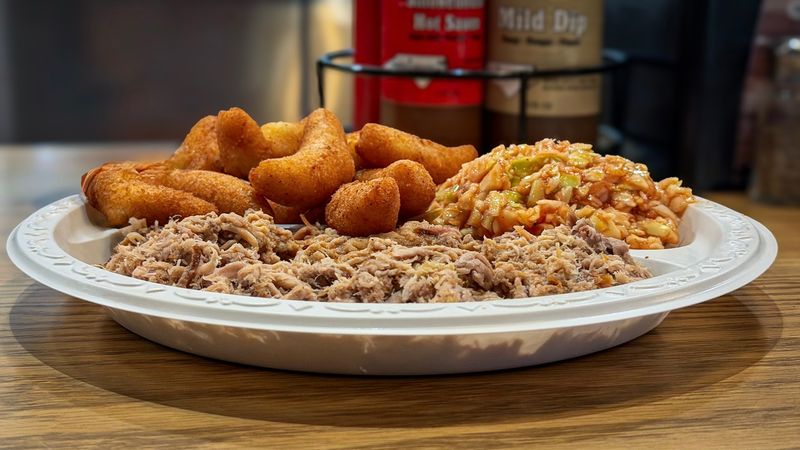
The smoke flavor in properly cooked barbecue comes through with every bite. Whether you order chopped or sliced pork, that hickory taste stays present from start to finish.
The meat shows a pink smoke ring just beneath the darker outer layer, proof of hours spent over coals. This visible sign tells you the pork was cooked the traditional way.
Chopped barbecue includes bits of the flavorful outside bark mixed with tender inside meat. Sliced portions show the smoke ring more clearly and offer a different texture.
Both preparations deliver the authentic taste that defines Lexington-style barbecue. The choice between them comes down to personal preference rather than quality differences.
Some barbecue places rely heavily on sauce to add flavor after cooking. Here, the pork tastes complete even before any dip gets added.
The smoking process does the real work, creating depth that sauce can only enhance, never replace. Can you taste the difference between real pit-smoked meat and shortcuts?
One bite here answers that question clearly.
The Secret Dip Gives The Pork Its Lexington Style Finish
Lexington-style barbecue dip differs completely from thick tomato-based sauces found elsewhere. This thin, vinegar-based mixture adds tang without covering up the meat’s natural flavor.
The recipe stays consistent with Piedmont traditions that favor brightness over sweetness. Each table gets bottles of both mild and smokehouse hot versions.
The dip enhances rather than dominates the pork’s smoky taste. A light drizzle brings out flavors already present in the meat.
The vinegar cuts through richness while spices add subtle warmth. Despite being called “hot,” the smokehouse version delivers gentle heat that builds gradually rather than overwhelming your palate.
Family recipes like this one get passed down with careful attention to detail. The exact blend of vinegar, spices, and other ingredients remains a closely guarded tradition.
What makes it special isn’t any single ingredient but how everything balances together. This dip represents generations of refinement, creating something simple yet impossible to duplicate exactly.
Hot Hushpuppies Deserve A Place Beside Every Barbecue Plate
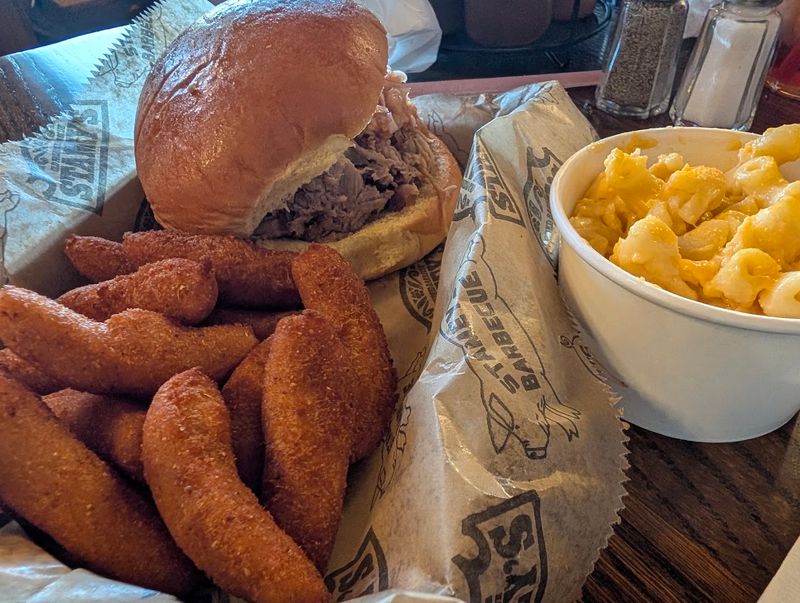
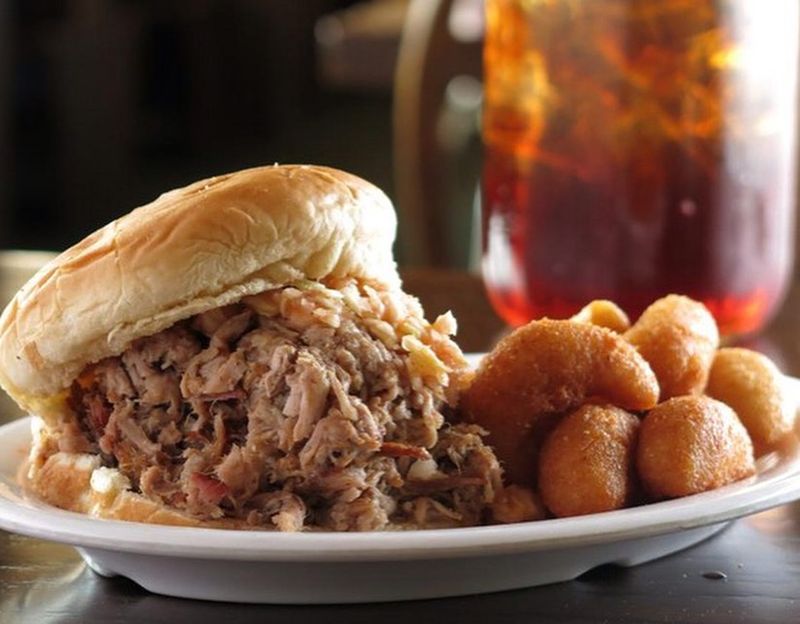
Hushpuppies arrive at the table still warm from the fryer, with crispy exteriors giving way to soft cornmeal centers. These golden rounds complement barbecue perfectly by adding textural contrast.
The slight sweetness in the batter balances the tangy dip and smoky pork. Eating barbecue without hushpuppies feels incomplete to many regular customers.
Making consistent hushpuppies requires getting the batter texture just right. Too thick and they become heavy, too thin and they fall apart.
The frying temperature matters just as much, determining whether they cook evenly or burn on the outside while staying raw inside. Fresh batches come out throughout service to ensure everyone gets them hot.
These simple cornmeal fritters have been part of Southern barbecue culture for generations. They use basic ingredients but depend on technique for success.
The restaurant prepares them the same way every day, maintaining quality that regular visitors count on. Sometimes the simplest items require the most care to get right consistently.
The Tangy Red Slaw Brings A Classic Piedmont Bite
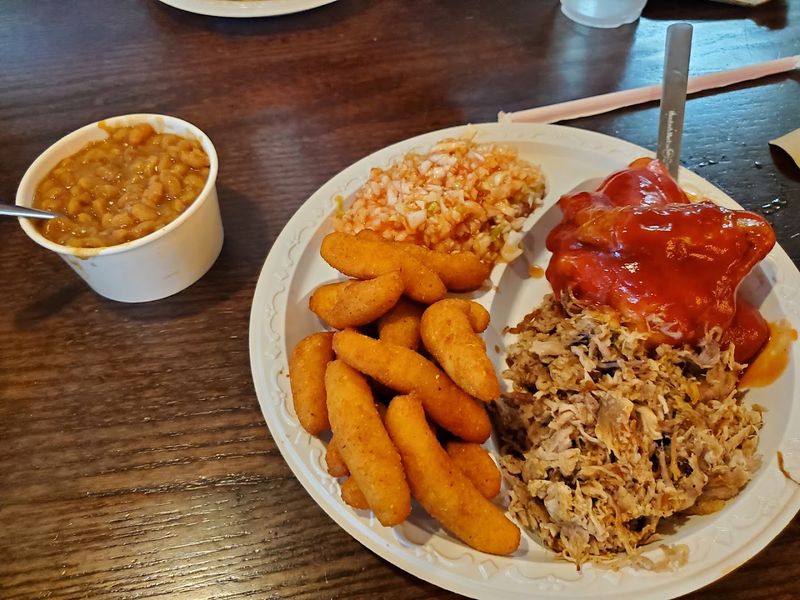
Red slaw in the Piedmont region skips mayonnaise entirely, relying on vinegar for its distinctive character. The cabbage stays crisp and the dressing clings lightly rather than coating heavily.
This preparation feels refreshing rather than rich, especially when paired with smoky pork. The bright acidity cuts through fat and cleanses your palate between bites.
First-time visitors sometimes expect creamy coleslaw and find the vinegar-based version surprising. The tangy bite takes a moment to adjust to if you grew up with mayo-based slaws.
Once you understand how it complements barbecue, the pairing makes perfect sense. The contrast between rich meat and sharp slaw creates balance on the plate.
Regional barbecue traditions include specific side dishes that developed alongside the main proteins. This slaw style belongs to Lexington and surrounding areas, where it has accompanied barbecue for decades.
The restaurant honors that tradition by preparing slaw the way local families expect. Would barbecue taste the same without this tangy counterpoint?
Regular customers would certainly notice its absence.
You Should Save Room For A Serving Of Homemade Cobbler
Homemade cobbler arrives warm with a scoop of vanilla ice cream melting over the top. The restaurant bakes fresh cobbler daily using fruit that varies by season and availability.
Peach remains a popular choice when available, offering sweetness that tastes natural rather than artificial. The topping has a biscuit-like texture that soaks up fruit juices while maintaining some structure.
Finishing a barbecue meal with cobbler follows Southern tradition perfectly. The dessert feels homestyle rather than fancy, matching the casual comfort of the entire dining experience.
Sharing a cobbler between two people works well since portions tend toward generous. The combination of warm fruit, tender topping, and cold ice cream creates appealing temperature contrast.
Some restaurants buy desserts from suppliers, but making cobbler in-house maintains quality control. Fresh-baked desserts smell wonderful and taste noticeably better than reheated options.
The restaurant even offers cobbler milkshakes that blend the dessert with ice cream. How many places still make desserts from scratch daily?
This commitment to freshness extends beyond just the barbecue itself.
Several Generations Have Kept The Family Barbecue Tradition Alive
Family ownership spanning multiple generations brings continuity that corporate chains cannot replicate. The current operators learned barbecue techniques from parents and grandparents who ran the restaurant before them.
This direct knowledge transfer preserves methods that might otherwise be lost or modified. Understanding why things are done certain ways matters as much as knowing how to do them.
The restaurant has operated since 1930, adapting to changing times while maintaining core traditions. The original location gave way to the current building in 1953, but the cooking methods stayed constant.
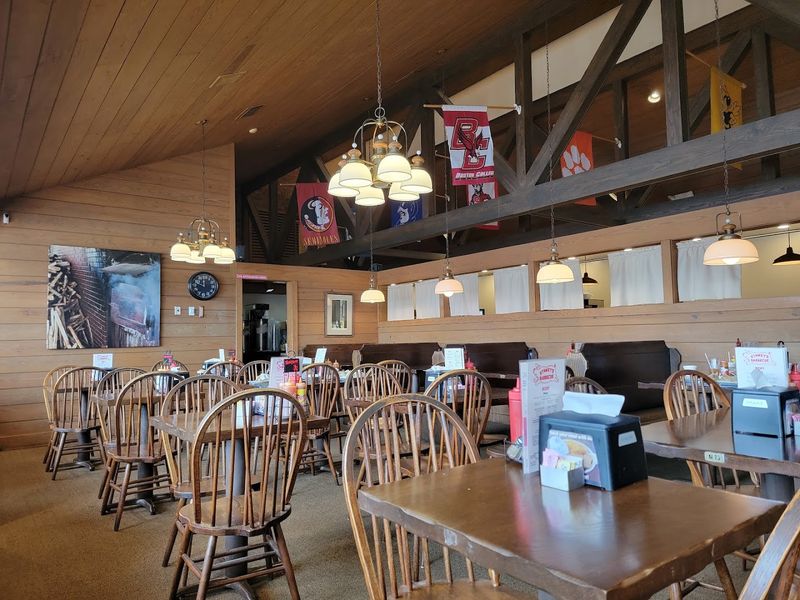
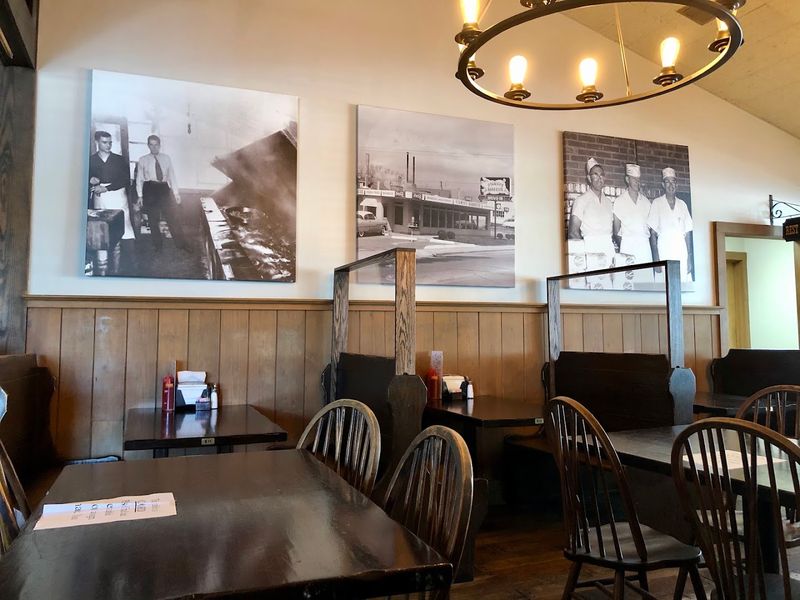
Photographs on the walls show how the business looked in earlier decades, connecting past to present visually. Long-term employees contribute to institutional knowledge, some having worked there for many years.
Maintaining family traditions requires choosing preservation over convenience repeatedly. Faster cooking methods exist, but they would change what makes the barbecue special.
Each generation faces pressure to modernize yet decides that authentic preparation matters more than efficiency. This dedication keeps the restaurant relevant without sacrificing what made it successful originally.
The Restaurant Remains A Greensboro Landmark After Nearly A Century
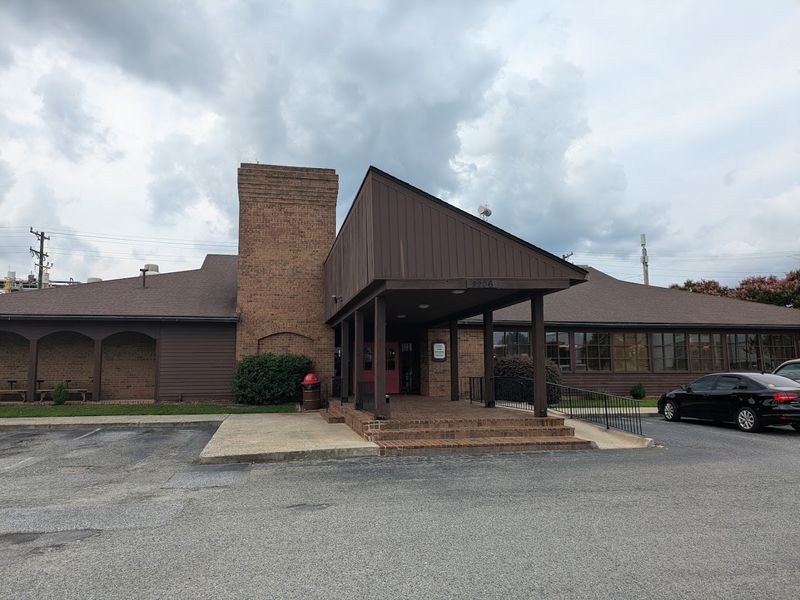
Nearly a century in business makes any restaurant a true community landmark. Stamey’s has served Greensboro families through generations, becoming part of the city’s identity.
People remember eating there as children and now bring their own kids for the same experience. This continuity creates connections that extend beyond just food service.
The location on West Gate City Boulevard has become familiar to locals and visitors alike. Being near the coliseum makes it convenient for people attending events who want authentic local food.
The building itself looks welcoming rather than flashy, fitting the unpretentious nature of the food served inside. Parking availability and straightforward access make visiting easy for groups of various sizes.
Longevity in the restaurant business requires more than just good food. Consistent quality, fair pricing, and genuine hospitality all contribute to sustained success.
The restaurant has adapted to remain relevant while staying true to its barbecue roots. Will it reach 100 years?
Current momentum suggests the tradition will continue strong for years to come, serving barbecue the way it should be made.