
8 Massachusetts Places Where Tick Populations Are Highest This Summer
A single blade of tall grass bends slightly under a weight you cannot see from the gravel path. Out there in the green shadows, thousands of microscopic eyes are waiting for the warmth of a passing shadow.
Summer in the woods used to mean careless afternoons spent chasing fireflies until dawn. Now, a quiet vigilance replaces that old childhood freedom.
The brush along the trails has turned into a crowded staging ground for the state’s most patient predators. Massachusetts forests hold a silent, crawling army this year that thrives in the heavy humidity of July.
Every low branch is a potential ambush site where nature watches your ankles instead of your eyes. Checking your socks has become a mandatory ritual before you can even think about heading back indoors.
1. Cape Cod National Seashore

Cape Cod is basically a postcard come to life. Windswept beaches, rolling dunes, and iconic lighthouses make it irresistible every summer.
But those gorgeous pine and oak forests? Prime tick territory.
The dense undergrowth and tall grasses along forest trails create perfect hiding spots. Ticks love the humidity that builds near cranberry bogs and wooded edges.
You will encounter them most along shaded inland paths, not just the sunny beach areas.
Race Point Beach and Herring Cove are stunning, but the wooded trails connecting them need extra caution. Always tuck your pants into your socks before hitting those forest sections.
It sounds dorky, but it genuinely works.
Highland Light and the Province Lands trails are gorgeous but brushy. Deer populations here are high, which directly feeds the tick lifecycle.
More deer means more deer ticks looking for their next meal.
Long Point Dike is a favorite for birdwatchers, but the marshy edges are tick magnets. Wear light-colored clothing so you can spot them more easily.
Do a full body check after every single outing here.
The dune shacks area has a cool artistic history, but the surrounding scrub brush is no joke. Permethrin-treated clothing is a smart move for any Cape Cod adventure.
Repellent with DEET is your other best friend out here.
Locals know to check their pets thoroughly after any Cape trail walk. Tick-borne illnesses like Lyme disease are reported frequently on the Cape.
Early detection and removal make all the difference in staying healthy.
2. Nantucket National Wildlife Refuge

Nantucket has this dreamy, remote energy that makes you want to wander forever. The Great Point area feels like the edge of the world in the best way.
Just know that ticks absolutely thrive in this coastal scrubland.
The refuge sits at the northern tip of the island near Great Point Lighthouse. Low shrubs, beach grass, and dense coastal thickets are everywhere.
These are exactly the kinds of plants ticks cling to while waiting for a host.
Coskata-Coatue Wildlife Refuge borders this area with rolling dunes and salt marshes. The combination of habitats creates a year-round tick hotspot.
Summer humidity pushes activity to its peak out here.
Coskata Pond features old dunes covered in dense vegetation. Walking through those sections without proper protection is risky.
Long pants and closed-toe shoes are non-negotiable in this refuge.
Wildlife photographers love this place for good reason. Shorebirds, seals, and incredible light make every shot worth it.
Just remember that beautiful scenery does not cancel out tick risk.
The ever-changing coastline here is genuinely stunning to explore. But brushing against low vegetation while walking the dune ridges exposes you quickly.
Check yourself head to toe before getting back in your vehicle.
Deer and small mammals are common throughout the refuge. They carry ticks from one end of the habitat to the other.
The tick population here stays dense all summer long because of this constant wildlife movement.
Find this place at 147 Wauwinet Rd, Nantucket, MA 02554.
3. Blue Hills Reservation
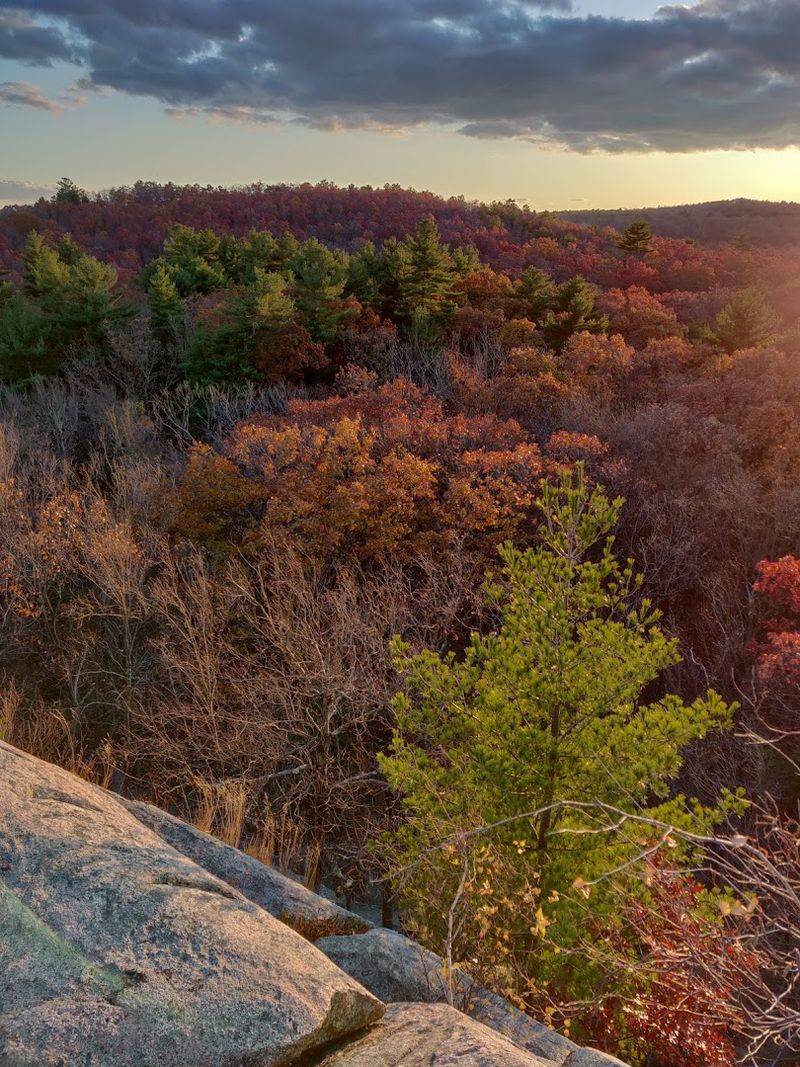
Just a short drive from Boston, Blue Hills Reservation feels like a completely different world. Over 7,000 acres of rocky terrain, dense forest, and open meadows stretch out before you.
It is stunning, and it is absolutely packed with ticks in summer.
Great Blue Hill rises 635 feet and offers incredible views. But the trails leading up are lined with brushy vegetation and leaf litter.
Both are classic tick habitats that you need to watch carefully.
The Skyline Loop is a rugged 10.4-mile trail that winds through thick woodland. Sections with tall grasses and dense shrubs are especially high-risk zones.
Staying on the center of the trail reduces your exposure significantly.
Houghton’s Pond draws crowds for swimming and picnicking every summer. The grassy edges and wooded perimeter around the pond are tick-heavy.
Always do a thorough check after relaxing near the tree line.
The Blue Hills Weather Observatory is a cool historic landmark worth visiting. Getting there requires walking through shaded forest sections.
Those shaded areas stay moist longer, which ticks absolutely love.
The Trailside Museum features live animal exhibits that kids go crazy for. The surrounding habitat is beautiful but brushy in spots.
Keep kids on paved or well-cleared paths whenever possible.
Native American tribes once lived throughout these hills, and the land has stayed wild ever since. That wildness is part of its charm, but it also means dense wildlife populations supporting tick lifecycles.
Deer, mice, and chipmunks are everywhere here.
Visit it at 695 Hillside St, Milton, MA 02186.
4. Middlesex Fells Reservation
People call Middlesex Fells “Boston’s backyard wilderness,” and honestly, that name fits perfectly. Over 2,500 acres of forest, ponds, and rocky ridges sit practically in the city’s shadow.
But with all that wild beauty comes a serious tick situation every summer.
More than 100 miles of trails wind through the reservation. That is a lot of brushy edges, leaf piles, and tall grasses to navigate.
Ticks are especially active along overgrown trail margins and near pond edges.
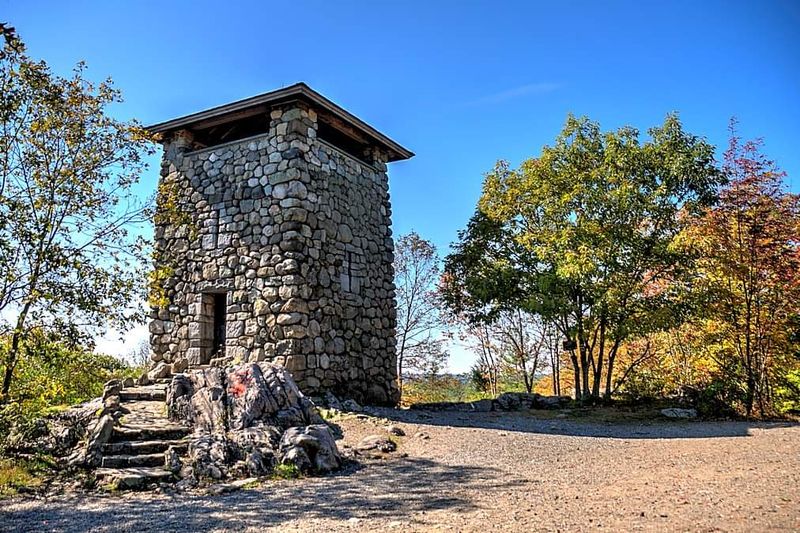
Wright’s Tower is a must-visit for skyline views that will genuinely surprise you. The climb up involves brushy woodland sections.
Wear long sleeves and check yourself after reaching the top.
Spot Pond is popular for fishing and kayaking on warm days. The grassy banks and wooded shoreline are classic tick zones.
Keep pets leashed and away from heavy vegetation around the water.
Virginia Wood offers a serene forest experience with tall trees and quiet paths. It is beautiful and peaceful, but the thick understory creates excellent tick cover.
Moving slowly through these sections increases your contact time with vegetation.
Bear Hill Tower adds a historic layer to any hike here. The surrounding forest is dense and shaded, which keeps moisture levels high.
Ticks can survive longer in those cool, damp conditions.
This reservation dates back to colonial times and has been wild for centuries. That long history of undisturbed forest means complex ecosystems with plenty of host animals.
Deer, foxes, and small rodents all contribute to the tick population here.
The address is 4 Woodland Rd, Stoneham, MA 02180.
5. Myles Standish State Forest
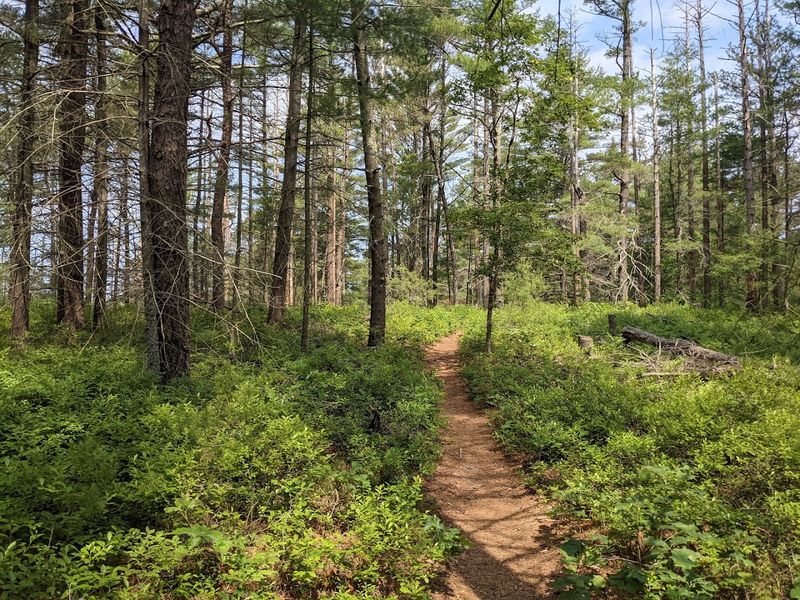
Myles Standish State Forest is the kind of place that sneaks up on you. You expect a regular forest and instead get 12,400 acres of rare pine barrens, kettle ponds, and cranberry bogs.
It is wild and beautiful, and ticks are thriving here all summer long.
Pine barrens are a unique habitat that many people do not realize supports high tick populations. The low, scrubby vegetation and sandy soil create warm microenvironments.
Ticks use those conditions to stay active longer into the season.
Fifteen miles of paved bike paths make this accessible for families. But riders who venture onto unpaved sections hit dense vegetation fast.
Always check after any off-road detour, even short ones.
College Pond is a go-to swimming spot on hot days. The wooded edges surrounding the pond are tick-heavy zones.
Shake out your towel and check your legs before loading back into the car.
Thirteen miles of forest hiking trails offer genuine solitude out here. Some sections pass through tall grasses and dense shrub layers.
Those are the stretches that require the most attention and protection.
Two working cranberry bogs sit inside the park, which is genuinely cool to see. The wet, boggy edges adjacent to those bogs attract ticks looking for moisture.
Keep your distance from the bog perimeters when possible.
The park runs interpretive programs that teach visitors about the local ecosystem. Learning about the food web here helps explain why tick populations are so dense.
Deer, wild turkeys, and white-footed mice all play a role in keeping tick numbers high.
Find it located at 194 Cranberry Rd, Carver, MA 02330.
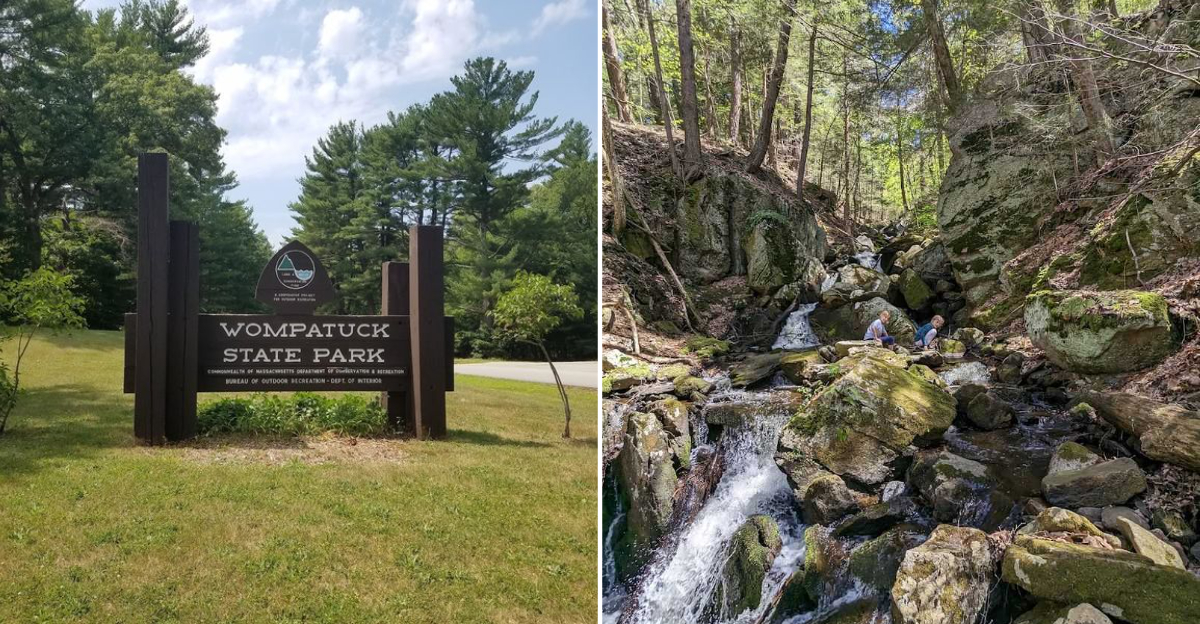
6. Wompatuck State Park

Wompatuck State Park has one of the most unexpected backstories of any park in Massachusetts. Over 100 decommissioned military bunkers are scattered throughout the woods here.
Nature has slowly swallowed most of them, and ticks have claimed the surrounding habitat as their own.
More than 3,500 acres of dense woodland stretch across Hingham and neighboring towns. The forest canopy keeps things cool and shaded, which ticks absolutely prefer.
Summer humidity here creates near-perfect conditions for tick survival.
The Aaron River Reservoir is a beautiful focal point for hiking and fishing. Wooded trails around the reservoir pass through thick fern beds and brushy sections.
Those areas are where tick encounters happen most frequently.
Mount Blue Spring offers natural freshwater in a serene forest setting. The surrounding vegetation is dense and moist near the spring.
Ticks love moisture, so areas like this are high-priority zones for protection.
Bunker N9 is one of the more intriguing relics left from the park’s military past. The overgrown areas around the old bunkers are especially brushy.
Walking through those sections means brushing against exactly the kind of vegetation ticks cling to.
The trail network here is extensive and well-used by locals. But even popular trails have grassy margins that harbor ticks.
Staying centered on the trail and avoiding trail edges cuts your risk considerably.
Wildlife is abundant throughout the park, including deer, raccoons, and wild turkeys. All of these animals are tick hosts that spread populations across the forest.
A tick check after every visit here is genuinely non-optional.
Head to 204 Union St, Hingham, MA 02043.
7. October Mountain State Forest
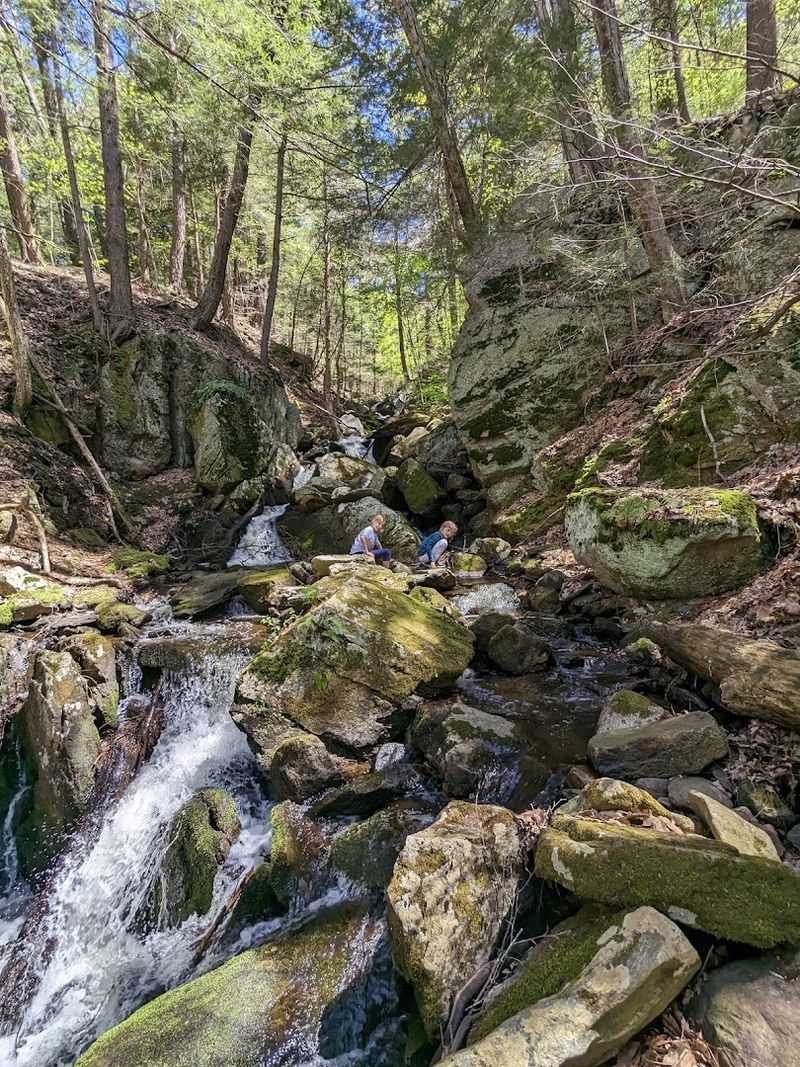
Herman Melville looked out at October Mountain and reportedly called it the most beautiful place he had ever seen. That is high praise from a guy who sailed the Pacific Ocean.
And honestly, standing in those 16,500 acres of Berkshire forest, you get it completely.
Massachusetts’ largest state forest is as wild and dense as you would expect. Thick evergreen stands, rocky ridges, and quiet stream corridors define the landscape.
All of that dense vegetation creates ideal conditions for a very active tick population.
The Appalachian Trail runs directly through the forest, which is genuinely thrilling. Hikers traveling long sections of the AT encounter tall grass corridors and brushy edges constantly.
Tick checks need to become part of your daily trail routine out here.
Schermerhorn Gorge is one of the most striking natural features in western Massachusetts. The trail leading to the gorge passes through shaded, moist forest sections.
Those cool, damp environments are where ticks remain most active throughout summer.
Buckley Dunton Lake is a favorite for fishing and quiet waterside reflection. The grassy banks and wooded shoreline surrounding the lake harbor ticks.
Sitting in the grass near the water is a classic exposure scenario.
Trails here suit all experience levels, from casual walkers to serious backpackers. But even easy, well-maintained paths have vegetated edges that need respect.
Light-colored clothing makes spotting ticks dramatically easier on any trail.
The Berkshires region has seen rising tick populations over the past decade. Warmer winters have allowed more ticks to survive year to year.
October Mountain reflects that trend clearly every single summer.
Find it located at 317 Woodland Rd, Lee, MA 01238.
8. Felix Neck Wildlife Sanctuary
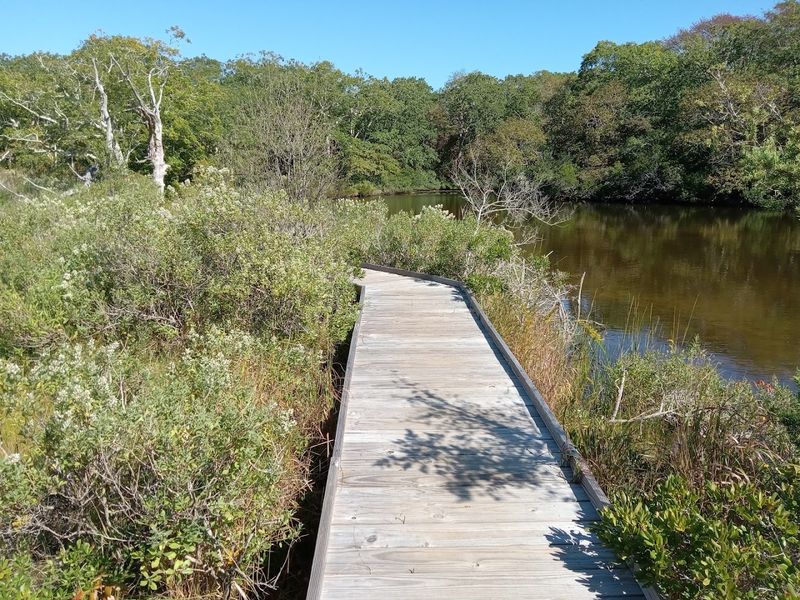
Martha’s Vineyard has a reputation for being gorgeous and a little magical. Felix Neck Wildlife Sanctuary delivers on both counts across 194 acres of diverse coastal habitat.
It also happens to be one of the tickiest spots on the island every summer.
Four miles of well-maintained trails wind through woodlands, meadows, and wetlands. That combination of habitat types means you are moving through multiple tick zones on a single walk.
The transition areas between habitats are especially high-risk spots.
Turtle Pond is a genuinely lovely stop along the trail network. Swans glide across the water while ticks wait in the tall grass along the banks.
It is beautiful and slightly ironic at the same time.
A covered viewing station overlooks a tidal creek that sees regular wildlife activity. Osprey nests are visible nearby, which is incredible for birdwatchers.
The brushy vegetation surrounding the viewing area needs careful navigation.
Sengekontacket Pond connects to the sanctuary and offers kayaking and paddleboarding. The marshy edges of the pond are classic tick territory.
Launching and landing from grassy banks means brief but real exposure.
Birdwatching here is exceptional year-round, drawing visitors from across New England. The dense shrubs that attract birds also attract ticks in equal measure.
Birders who stand still in vegetation for long periods need to check carefully afterward.
The sanctuary runs educational programs about the island’s ecology throughout summer. Staff regularly remind visitors about tick safety, which tells you everything you need to know.
This place is worth every visit; just come prepared and check thoroughly when you leave.
The address is 100 Felix Neck Dr, Edgartown, MA 02539.