
8 Areas In Minnesota Experiencing A Surge In Black Bear Activity This Year
My grandfather always told me that you never hear a bear until it wants you to hear it. He claimed they move through the thick brush like shadows with teeth, leaving nothing but broken twigs behind.
That old warning comes rushing back when the evening sun drops below the pine line. The northern woods feel a little tighter this season as the local tree line pushes closer to suburban backyards.
Minnesota is seeing a quiet shift in territory as these heavy foragers expand their usual hunting patterns this summer. Overturned trash bins and scratched bark are no longer rare sights on the edge of town.
The deep wilderness is knocking directly on the back porch. You find yourself scanning the dark edge of the lawn twice before letting the dog out for the night.
1. Superior National Forest
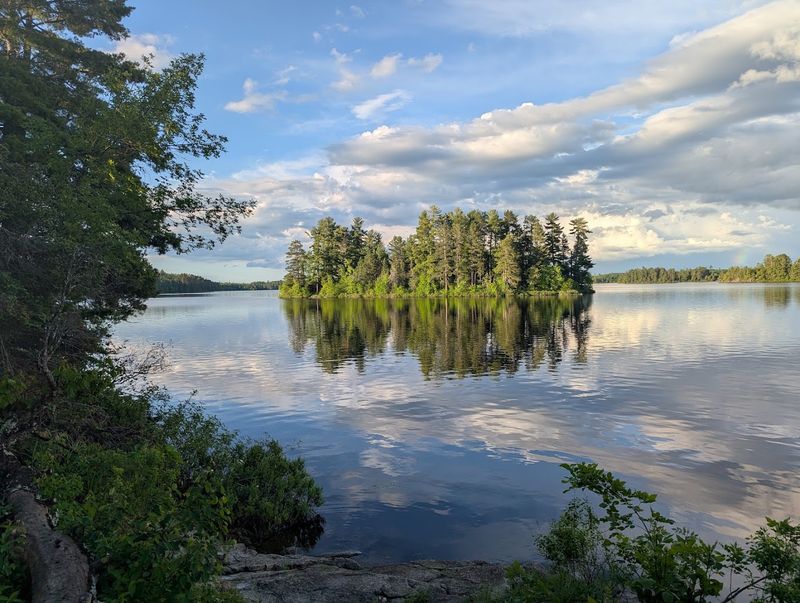
Over 445,000 acres of surface water sit inside this forest, and that is just the beginning. Superior National Forest is one of the wildest, most breathtaking places in the entire state.
Black bears roam freely through this massive mosaic of woods, wetlands, and waterways. Wolves and moose share the same territory, making every trail walk feel like a real-life nature documentary.
Beavers are busy shaping wetland habitats throughout the forest. Their work creates rich ecosystems that attract even more wildlife, including the bears showing up in greater numbers this year.
Campers and hikers have been reporting more frequent bear sightings along popular trails. Rangers recommend storing food in bear-resistant containers and keeping campsites clean at all times.
Fishing and boating are huge draws here, but wildlife watching has become just as popular. People are coming specifically hoping to spot a bear near the water at dawn.
The forest feels genuinely untamed, which is exactly why bears love it. There are no crowds pushing wildlife away, just wide open wilderness doing its thing.
If you plan a trip here, go early in the morning. Bears are most active around sunrise, especially near berry patches and stream edges where food is plentiful.
Pack your camera, your bear spray, and your sense of adventure. This is the kind of place that reminds you why Minnesota wilderness is genuinely special and worth protecting for generations to come.
Find it located at 8901 Grand Avenue Place, Duluth, MN 55808.
2. Boundary Waters Canoe Area Wilderness
Here is something wild to think about. Bear encounters in the Boundary Waters actually dropped in 2024 because of strict new food storage rules, but activity is climbing again in 2025.
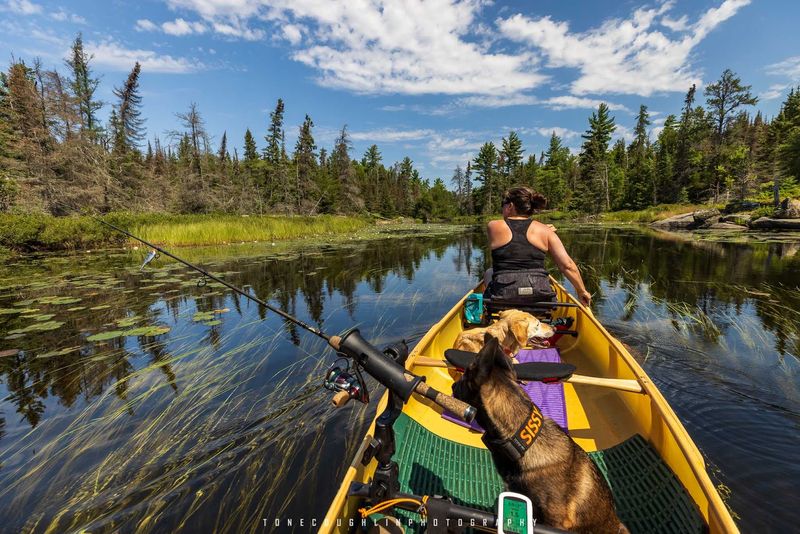
This remote wilderness stretches along the Canadian border, featuring thousands of lakes, rocky islands, and dense forest that feels completely separate from the modern world. It is genuinely stunning out there.
The landscape is ancient and rugged. Rocky outcrops jut out over crystal-clear water, and the boreal forest stretches endlessly in every direction.
Bears navigate this terrain like experts.
Visitors are now required to hang food or use bear-resistant canisters. These rules exist because bears here learned to associate canoes and campsites with easy meals.
Smart bears, honestly.
Paddling through the BWCA means you might round a bend and spot a bear fishing along a stream bank. It happens more than people expect, especially in the early morning hours.
The area is only accessible by canoe or foot, which means the wildlife encounters feel genuinely raw. No road noise, no crowds, just you and the forest breathing around you.
Pack light but pack smart. Bear canisters are not optional here.
Rangers enforce the rules strictly, and honestly, those rules are the reason the ecosystem stays so healthy and balanced.
Plan your route carefully and research bear-active zones before heading out. The Boundary Waters rewards prepared visitors with experiences that are absolutely unforgettable and impossible to replicate anywhere else.
3. Voyageurs National Park
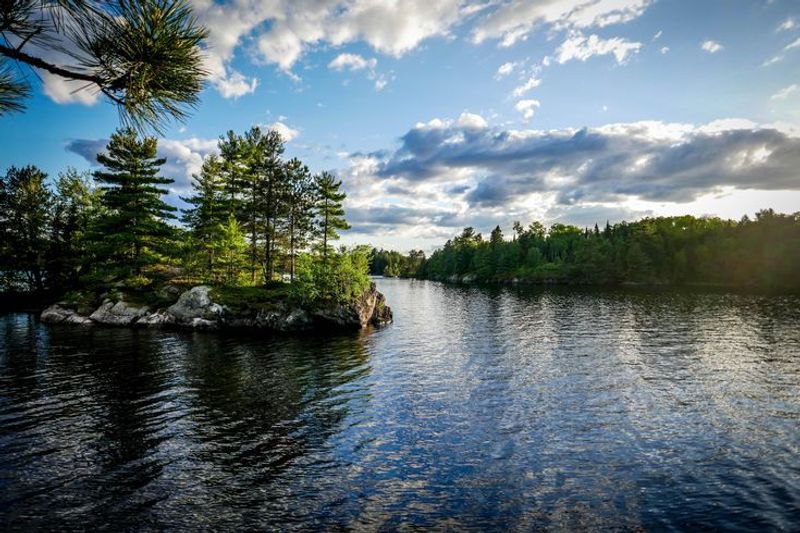
Did you know black bears are actually strong swimmers? At Voyageurs National Park, bears regularly island-hop across the interconnected waterways, searching for food sources on different landmasses.
It is genuinely impressive.
This park covers 84,000 acres of water, and large portions of it are only accessible by boat. That remoteness is exactly why wildlife thrives here in such extraordinary numbers.
Ancient rocks and boreal forests define the landscape, creating a setting that looks almost prehistoric. Bald eagles circle overhead while loons call across the water.
Bears move through the shoreline like they own the place.
Wolf packs also roam the park, which means the ecosystem here is fully intact and functioning. Seeing a bear in this context is not just exciting; it is genuinely meaningful for wildlife lovers.
Visitors have been reporting more frequent bear encounters near boat launch areas and campsite shorelines this year. The surge in activity is real, and park rangers are actively monitoring the situation.
Paddling through the park at dawn is the best strategy for wildlife watching. Bears tend to emerge from the tree line near water edges early in the morning when human activity is minimal.
Always keep your distance and never feed wildlife. Bears that associate humans with food become dangerous and often have to be relocated or worse.
Respect keeps everyone safe out there.
Bring binoculars and a good zoom lens if you want quality sightings. The park rewards patience generously, and a bear swimming between islands is one of the coolest things you will ever witness.
4. Chippewa National Forest
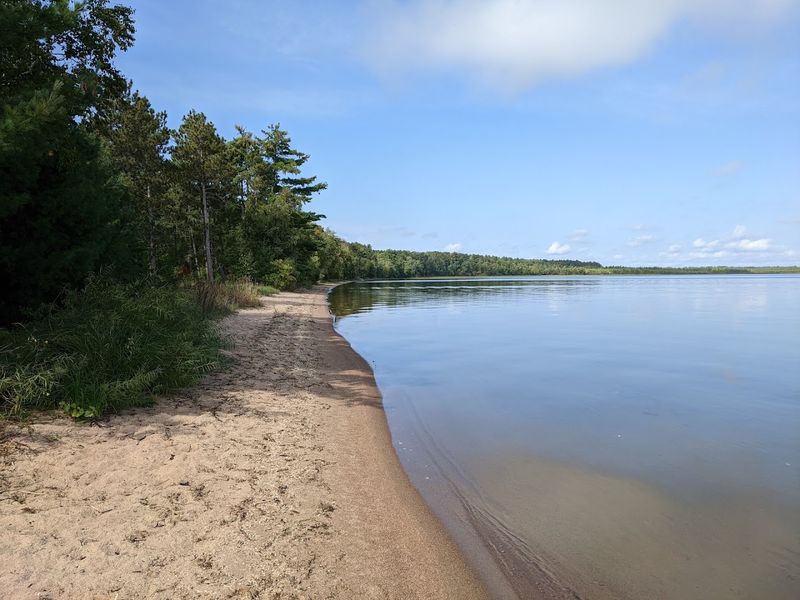
Over 1,300 lakes sit inside Chippewa National Forest, and that is not even the most impressive stat. This forest also holds one of the highest bald eagle populations in the continental United States.
Bears love it here too.
Spanning Itasca, Cass, and Beltrami counties, the forest is massive and diverse. Mixed hardwoods, wetlands, and pristine lakes create ideal habitat for black bears at every stage of their lives.
Here is the big news this year. The West Winnie Campground on Lake Winnibigoshish now bans soft-sided camping entirely due to a sharp increase in bear encounters.
That is not a small deal for regular campers.
Bears have been approaching campsites more frequently, drawn by food smells and improperly stored supplies. Rangers are serious about enforcement, and frankly, so are the bears.
They are bold and persistent.
The forest spans a huge area, which means encounters can happen far from campgrounds too. Hikers on backcountry trails have reported sightings well away from any developed areas this season.
Fishing is incredibly popular here, and fish scraps left near campsites are a major bear attractant. Clean up thoroughly after every fishing trip and store everything in hard-sided containers overnight.
The wildlife watching opportunities extend beyond bears. Wolves, otters, and white-tailed deer all call this forest home.
It is genuinely one of the richest ecosystems in the entire upper Midwest region.
Come prepared, stay alert, and respect the rules that rangers have put in place. Chippewa rewards careful visitors with truly spectacular wildlife encounters.
This spot is located at 200 Ash Ave NW, Cass Lake, MN 56633.
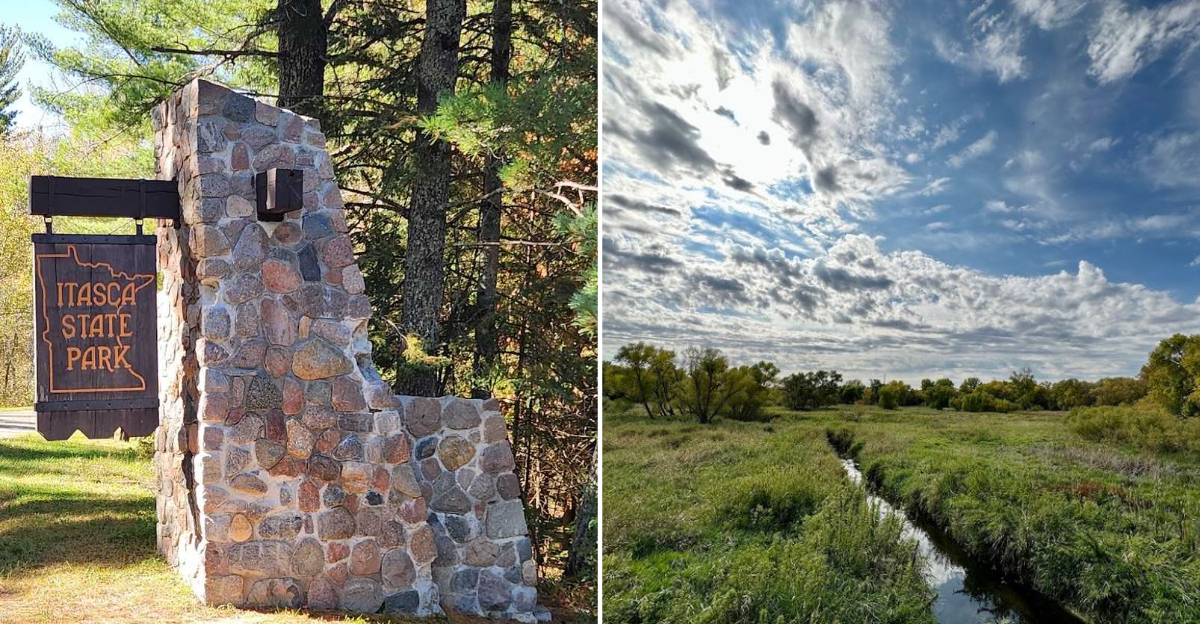
5. Itasca State Park
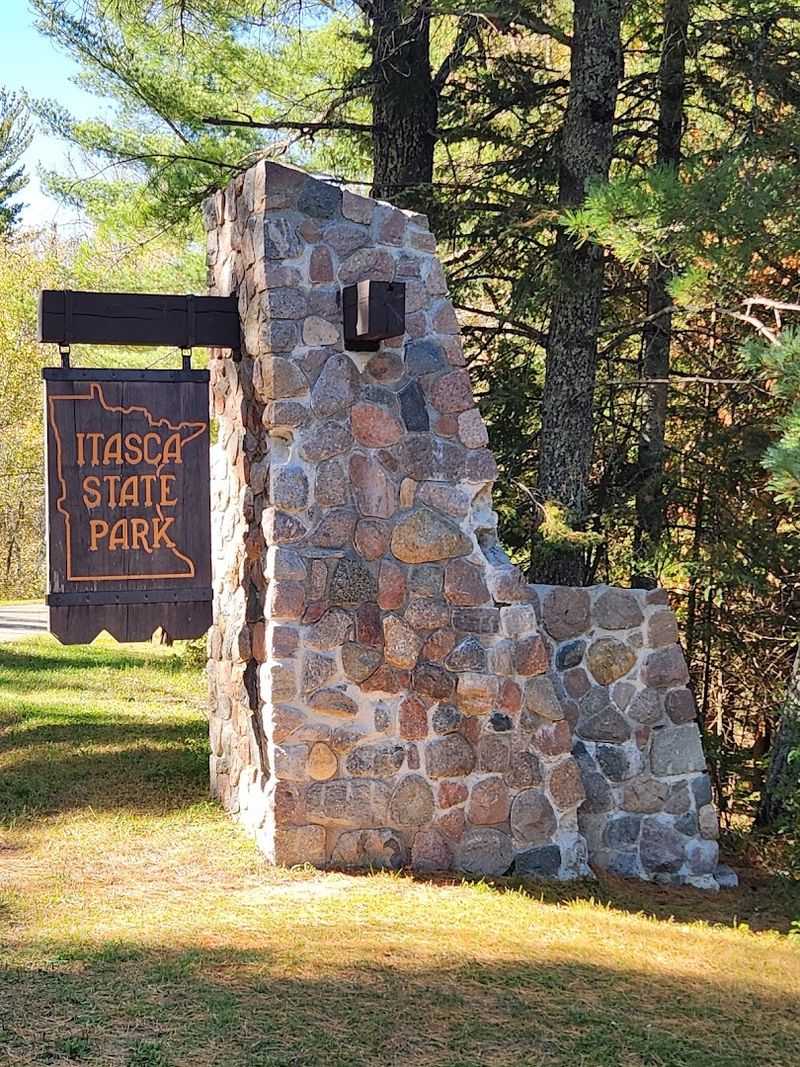
You can literally walk across the Mississippi River here. At its headwaters in Itasca State Park, the mighty river starts as a shallow, rocky stream you can hop across in seconds.
It is wild to experience.
Minnesota’s oldest state park has been around since 1891, and it has been harboring black bears for just as long. The population here is stable and well established, making sightings relatively common for visitors.
Rangers have been advising campers this year to keep all food sealed tightly and stored properly. Bear activity near campgrounds has increased noticeably, especially during berry season when natural food sources peak.
The park is enormous, covering over 32,000 acres of old-growth forest, lakes, and wetlands. That size gives bears plenty of room to roam without constant human interference, which keeps them healthy and wild.
Deer, moose, and wolves also live within the park boundaries. Itasca functions as a complete, functioning ecosystem, which is increasingly rare and genuinely precious in today’s world of shrinking wild spaces.
The Aiton Heights fire tower is a must-visit spot. Climb it for a panoramic view of the forest canopy stretching endlessly in every direction.
On a clear day, you can spot wildlife movement below.
Morning hikes along the forest trails offer the best chance of a bear encounter. Bring bear spray, make noise as you walk, and stay aware of your surroundings at all times.
Itasca is the kind of park that feels like it belongs to a different era entirely. It is historic, wild, and absolutely worth every minute of the drive.
The address is located at 36750 Main Pk Dr, Park Rapids, MN 56470.
6. George Washington State Forest
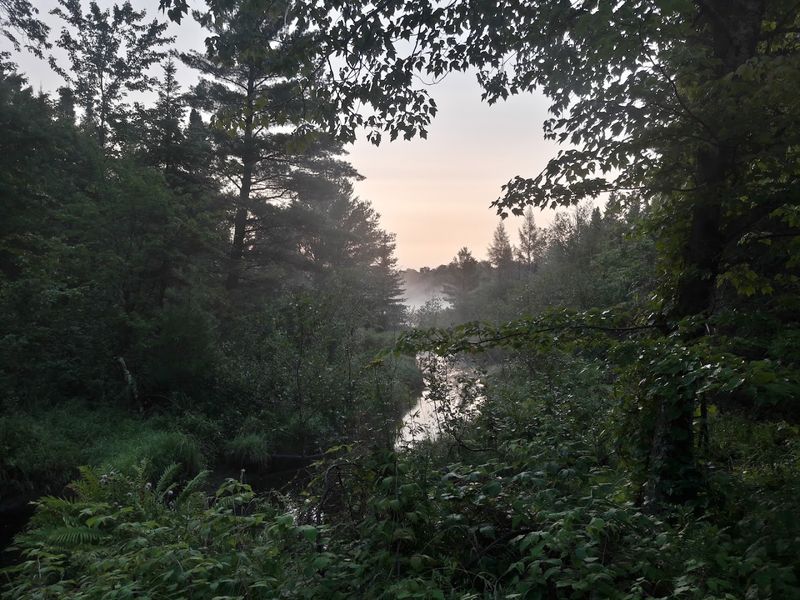
Northeastern Itasca County is home to one of Minnesota’s quieter but genuinely wild forest areas. George Washington State Forest does not always make the headlines, but black bears absolutely live here in meaningful numbers.
The forest is heavily wooded with dense mixed timber and dotted with numerous lakes. That combination of thick cover and reliable water sources makes it perfect bear habitat year-round, not just in summer.
Statewide, bears are expanding their range southward this year. Even forests that did not previously report high activity are now seeing increased sightings.
George Washington State Forest fits right into that expanding pattern.
Eight camping facilities are available within the forest, including horse campgrounds for equestrian visitors. That variety of access points means more people are venturing into areas where bear encounters are becoming more common.
The forest feels remote in a way that is hard to describe without actually standing in it. The canopy closes overhead, the trail noise drops to nothing, and suddenly you realize you are genuinely deep in bear country.
Hikers here should make noise regularly while walking trails. Bears usually avoid humans when they hear them coming.
Surprising a bear at close range is the situation you really want to avoid.
The lakes scattered throughout the forest attract bears during warm months. Berry patches near the water edges are prime feeding spots, and early morning visitors near those areas have the best sighting opportunities.
This forest rewards patient, quiet visitors who take the time to observe rather than rush through. It is understated in the best way.
7. Pillsbury State Forest
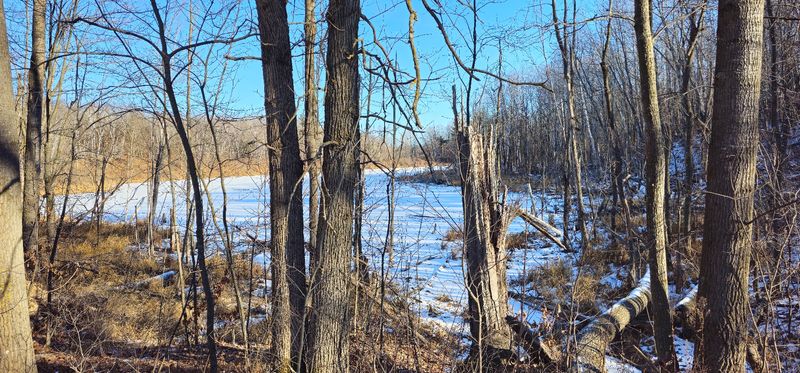
Minnesota’s very first designated state forest turned 125 years old in 2025, and it is still delivering incredible wildlife experiences. Pillsbury State Forest has been protecting bears, beavers, and wildflowers since 1900.
That is a serious legacy.
Rolling hills and scenic lakes define the landscape here in a way that feels almost painted. The terrain is more varied than you might expect from central Minnesota, giving it a personality all its own.
Oak trees are a major reason bears love Pillsbury. Acorns are a high-calorie food source that bears depend on heavily before hibernation.
When the oaks produce a strong mast crop, bear activity spikes noticeably throughout the forest.
This year, bear sightings have been more frequent across central Minnesota as the population expands southward. Pillsbury sits right in the path of that expansion, making it a genuine hotspot for current activity.
Mountain bikers and equestrians share the trail system here, which means bear encounters can happen across a wide variety of access points. Knowing what to do when you spot a bear is essential before any visit.
Beavers are also active throughout the forest, building ponds that create wetland habitats rich in food sources. Bears regularly patrol beaver pond edges, especially during the evening hours when prey and plants are most accessible.
Wildflowers bloom across the forest floor in spring and summer, attracting insects that bears also eat. The forest food web here is complex and thriving, which supports a healthy and growing bear population.
Pillsbury is a place that feels genuinely alive in every season. It is worth exploring slowly and respectfully.
8. Elm Creek Park Reserve
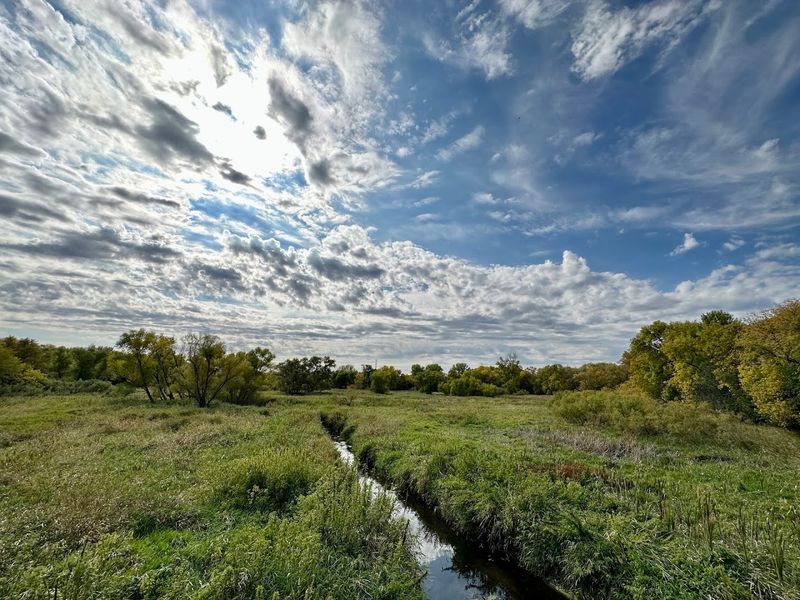
A mother bear and three cubs were spotted at Elm Creek Park Reserve in 2025. Bears are officially raising families in the Twin Cities metro area now.
That is not something people expected even five years ago.
Elm Creek is the largest park in the Three Rivers Park District, covering nearly 5,000 acres of forest, wetlands, and trail systems. Its size gives bears enough space to move without constant human pressure, which is exactly why they are settling in.
Bears have been documented at Elm Creek since 2020, but this year the frequency of sightings has jumped significantly. DNR officials explain that bears use rivers as natural travel corridors, moving from rural areas right into suburban parks.
That river corridor connection is a big deal. It means bears in Maple Grove are not random strays.
They are part of a deliberate, instinct-driven expansion into new territory that has plenty of food and cover.
Trail users have been sharing photos and videos on social media, and honestly, the footage is incredible. Seeing a bear family in what feels like a suburban park is a genuinely surreal and exciting experience.
Park staff are actively educating visitors about bear safety. Do not approach, do not feed, and keep dogs leashed at all times.
Bears with cubs are especially unpredictable when they feel cornered or threatened.
The park is still absolutely worth visiting. Trails are beautiful, wildlife is abundant, and the chance of a bear sighting adds a real thrill to any morning walk or bike ride.
Elm Creek proves that Minnesota’s wild heart beats even in the suburbs. Find it located at 12400 James Deane Pkwy, Maple Grove, MN 55369.