
A Development Fight Has Put This Once-Sleepy New Hampshire Harbor Town In The Spotlight
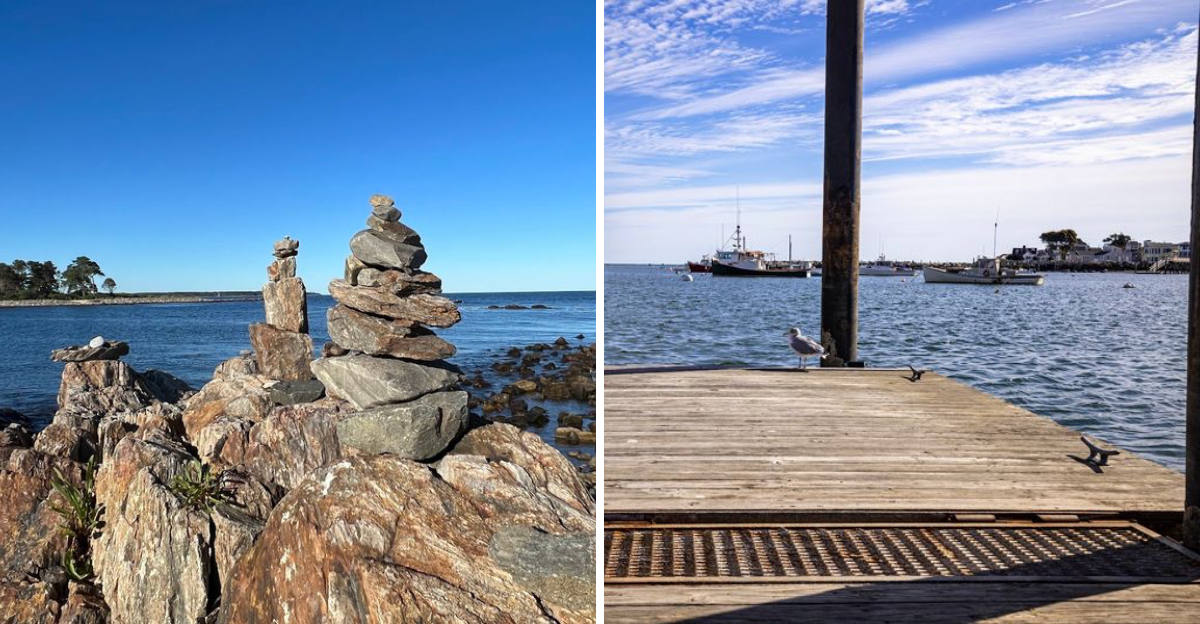
A quiet fishing harbor just picked a fight nobody expected. This new development plan rolled into town, and the sleepy New Hampshire spot stopped being sleepy overnight.
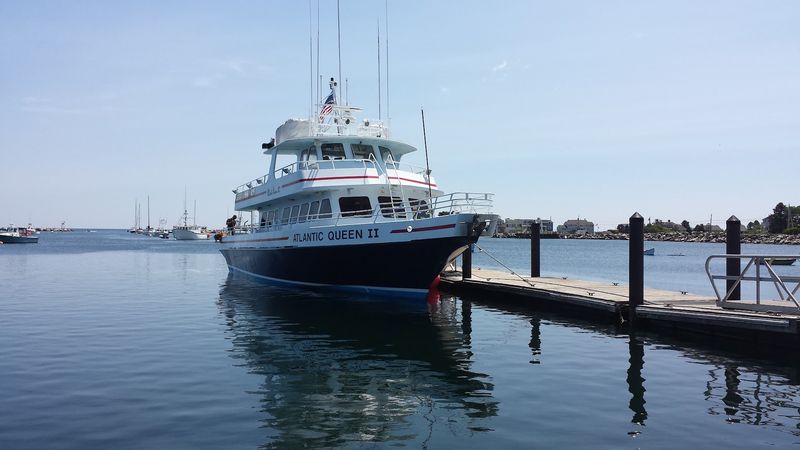
Weathered shacks, lobster boats bobbing at dawn, and whale watching charters heading out before the crowds arrive. That easy rhythm is now caught in lawsuits, packed meetings, and heated debates.
Locals are fighting hard to protect something they cannot quite put a price on. It proves that even the smallest coastal corners can spark the biggest stories.
Centuries of layered history are hiding beneath this harbor too, long before any of this drama began. Want to know what is really at stake, and why so many refuse to let it change?
This New Hampshire town is only getting louder from here.
The Harbor That Stole The Spotlight
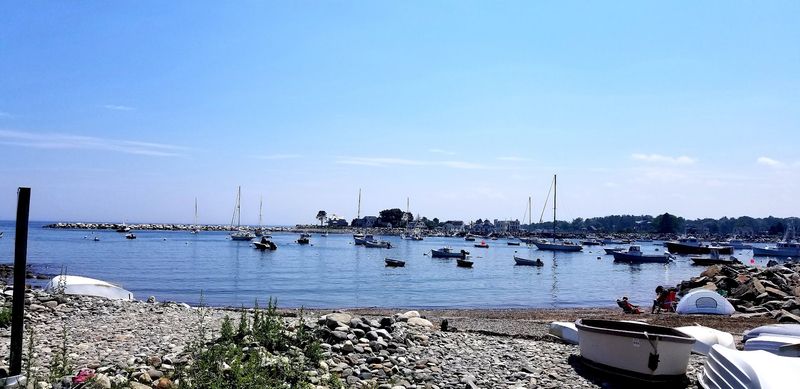
Rye Harbor was never supposed to make headlines. Situated along scenic Route 1A in Rye, New Hampshire, this compact fishing harbor spent decades operating in quiet, salty obscurity.
Lobster boats came and went. Families lined up for fresh seafood.
Whale watching tours departed on schedule. The harbor had its rhythm, and everyone seemed fine with it.
Then the Pease Development Authority, the state agency overseeing New Hampshire’s ports and harbors, unveiled a plan to build a modern, raised commercial structure at the harbor. The proposed building would house twelve business units and cost over a million dollars, funded through federal American Rescue Plan Act relief money.
That announcement cracked the calm wide open. Business owners, regulars, and community members pushed back hard and fast.
A harbor that once barely registered on the regional radar suddenly became the subject of town meetings, legal filings, and statewide news coverage. Rye Harbor had officially arrived in the spotlight, whether it wanted to or not.
A Proposal That Divided A Community
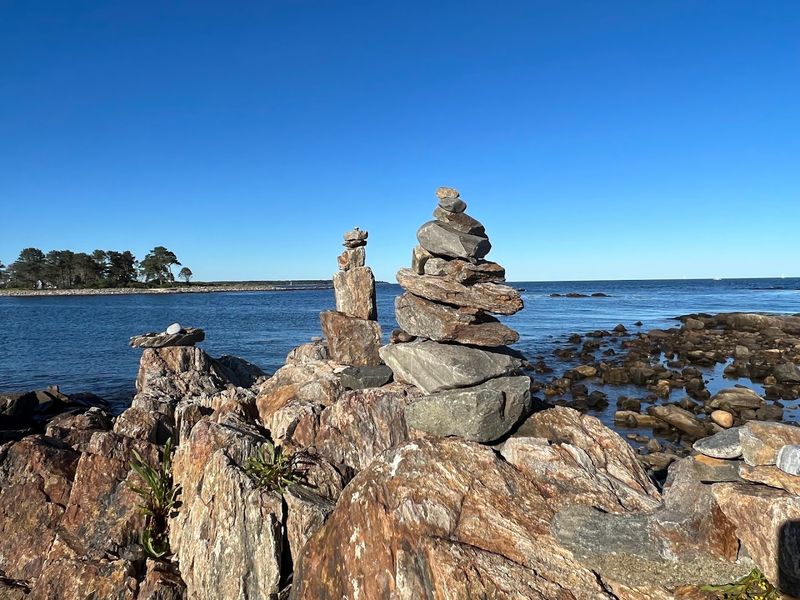
Not every building plan triggers a community revolt. This one did.
The Pease Development Authority argued the harbor was losing money every year, with deficits climbing even higher after coastal storm damage battered the existing structures.
Their solution was practical on paper: replace the aging, flood-prone shacks with a raised, modern facility better suited to withstand rising tides and severe weather. The logic made financial sense, at least from a distance.
But the people actually working at Rye Harbor saw something different. Business owners from Rye Harbor Lobster Pound, Granite State Whale Watch, Vintage Fish Company, and Black Dog Charters all voiced opposition.
They called the proposed structure a raised strip mall and worried it would drive customers away.
Stairs, limited parking, and a sterile design were not what their clientele signed up for. The opposition was loud, unified, and deeply personal.
These were not just businesses at stake. They were livelihoods, traditions, and a way of life rooted in the New Hampshire coast.
Old Shacks, Big Stakes
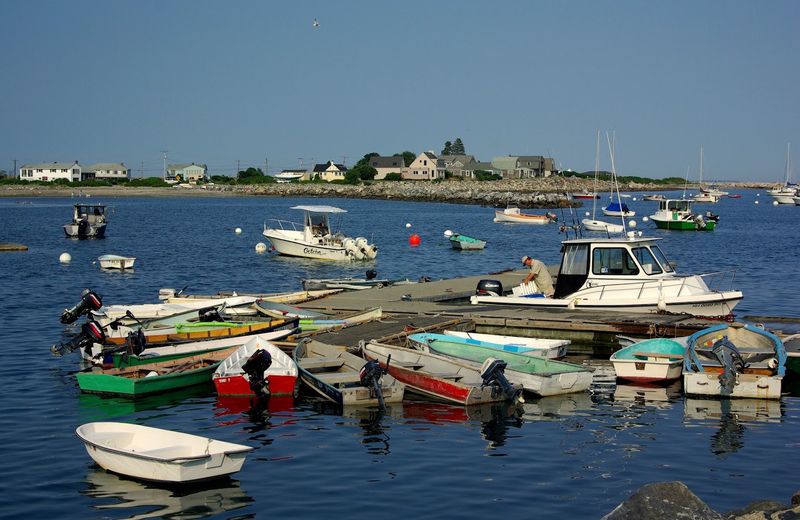
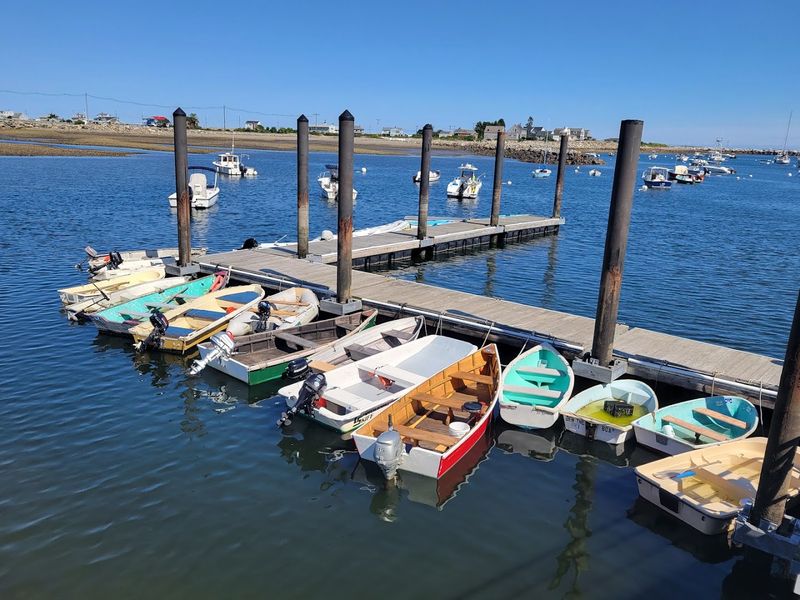
Those quaint shacks everyone keeps talking about are not just photogenic backdrops. They are working structures that house businesses serving real customers every season.
Yes, they flood. Yes, they show their age.
The PDA was not wrong to flag them as vulnerable. Coastal storms along the New Hampshire shoreline hit hard, and low-lying structures near the waterline pay the price every time a major system rolls through.
But the character packed into those weathered walls is exactly what draws people to Rye Harbor in the first place. Visitors do not come looking for a polished waterfront development.
They come for the salt-sprayed authenticity, the smell of fresh bait, and the sight of working boats heading out at dawn.
Replacing that atmosphere with a raised commercial building, however practical, risks turning something irreplaceable into something forgettable. The community understood this instinctively, even if the argument was harder to make in a budget spreadsheet.
Charm, it turns out, has real economic value too.
When Lawsuits Enter The Picture
Community protest is one thing. Courtroom action is another.
The conflict at Rye Harbor escalated beyond town meetings when the owners of Rye Harbor Lobster Pound filed a lawsuit against the state and a former harbor director.
The lawsuit alleged years of mistreatment, including an unauthorized fee applied to gross sales that the plaintiffs described as an illegal tax. They claimed the charge was unevenly applied and cost their business a significant amount over just two summers.
The legal filing also challenged the validity of the so-called Right of Entry agreements that all harbor businesses must sign. The plaintiffs argued these agreements lacked proper legal grounding, making them essentially unenforceable.
Accusations of regulatory targeting added another layer of tension to an already complicated situation. The former harbor director was placed on administrative leave in April 2024 and later faced separate legal proceedings.
The lawsuit transformed what began as a zoning disagreement into a full-scale legal confrontation, drawing even more attention to this small New Hampshire harbor and its outsized troubles.
The Vote That Paused Everything
Community pressure works. Sometimes.
In September 2024, the Pease Development Authority’s Board of Directors voted unanimously to terminate the engineering contract tied to the controversial development proposal.
That vote effectively put the project on hold. Officials committed to gathering more public input before moving forward, which was precisely what the opposing business owners and residents had been demanding from the start.
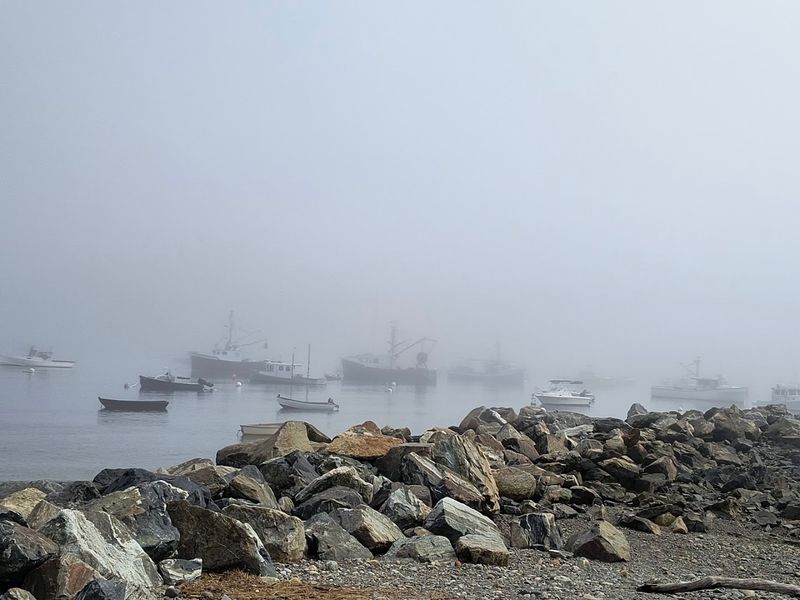
But a pause is not a resolution. Uncertainty still hangs over the harbor like a coastal fog.
The PDA moved forward with commissioning a comprehensive study of the harbor, with bids received by late 2024 and the study expected to begin in early 2025.
Meanwhile, the businesses operating at Rye Harbor faced a pressing practical problem. Their existing lease agreements were set to expire at the end of April, with no new agreements confirmed for the upcoming season.
That left multiple operators in genuine limbo, unsure whether they would be able to open their doors when summer arrived. A pause, it turns out, creates its own kind of chaos.
Rye’s Deep Roots Along The Atlantic
Long before the development debate, Rye had a story worth telling. The area now known as Rye, New Hampshire, has been inhabited for thousands of years, with Algonquin-speaking peoples establishing communities along this stretch of the northeast coast long before European contact.
French explorer Samuel de Champlain reportedly documented a tribal community of around 200 people living near present-day Rye Harbor as early as 1606. That detail alone reframes the harbor as something far older and more significant than its quaint shacks suggest.
European settlement followed in 1623, when Pannaway Plantation was founded at nearby Odiorne Point, making it one of the earliest European settlements in New Hampshire. The area was initially called Sandy Beach before eventually being renamed Rye and granted official parish status in 1726.
By the 1800s, the town had grown into a productive farming and fishing community, exporting goods as far as Boston. The harbor has quietly witnessed centuries of coastal life, from colonial trade routes to a documented visit by explorer Samuel de Champlain, cementing its place in New Hampshire’s long maritime story.
What The Harbor Actually Looks Like
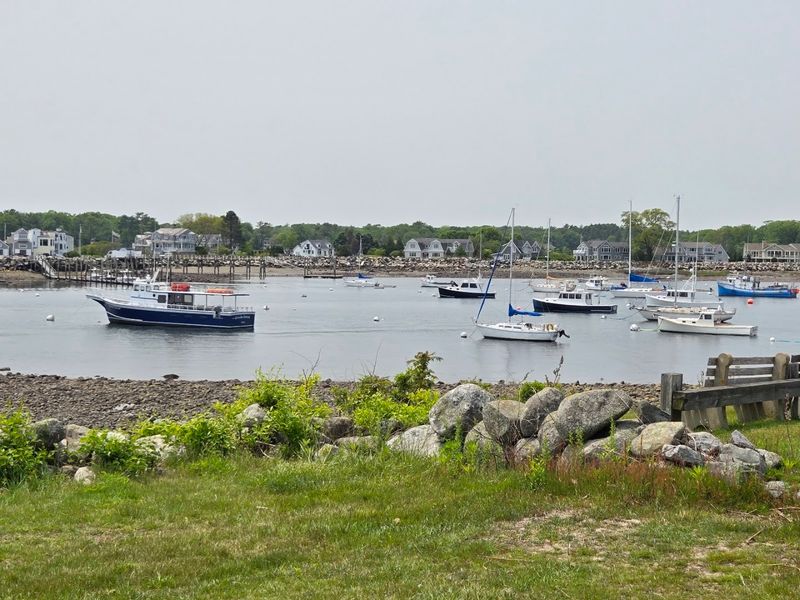
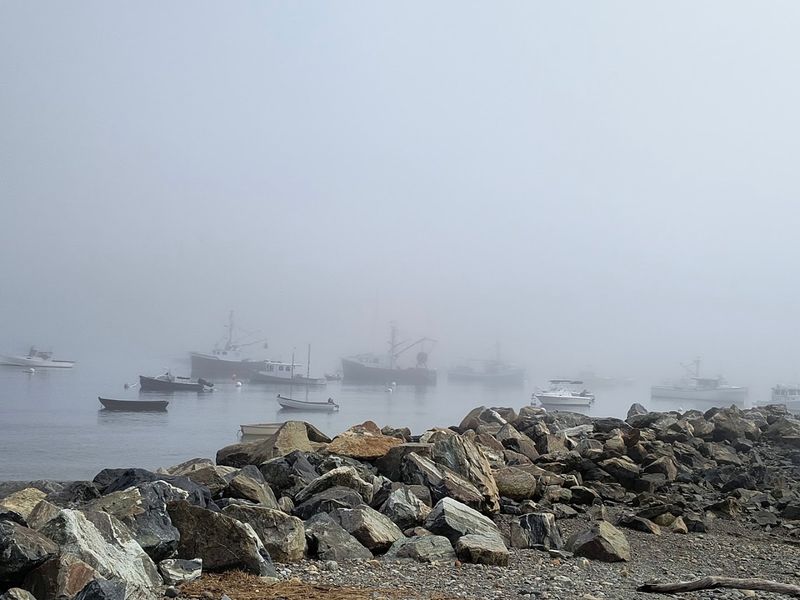
Picture a compact peninsula jutting into the Atlantic, edged with rocks, dotted with boats, and framed by a wide-open ocean view. That is Rye Harbor on a good day, and most days here qualify.
Rye Harbor State Park, also known as Ragged Neck, wraps around the harbor with a rugged, picturesque coastline. Green grass softens the rocky edges, and the distant outline of the Isles of Shoals sits on the horizon like a postcard detail someone forgot to remove.
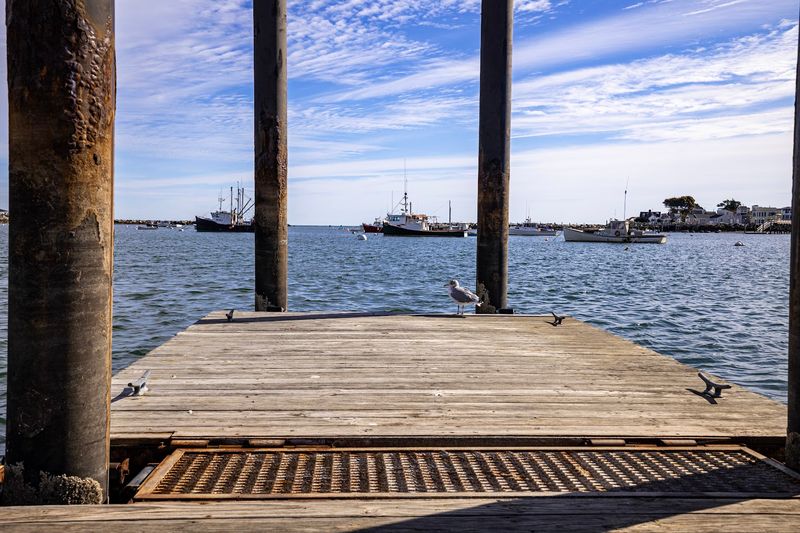
The harbor itself is compact but busy. Fishing charters, whale watching vessels, and pleasure boats share the water.
The sounds of engines, gulls, and snapping ropes create a sensory backdrop that feels distinctly maritime.
Rye Harbor is located at 1870 Ocean Boulevard on US Route 1A, sitting midway between Hampton Beach and Portsmouth, New Hampshire. Sunsets here are particularly striking, with the breakwater catching the last light before the sky shifts to deep orange.
It is the kind of view that makes the whole development argument feel even more urgent and worth fighting over.
Beyond The Harbor, A Coast Full Of Options
Rye Harbor is the headline act, but the surrounding coast delivers a full supporting lineup. The town of Rye, New Hampshire, borders the Atlantic with a string of state beaches that draw visitors from across the region every summer.
Jenness Beach State Beach and Wallis Sands State Beach are both well-regarded for their sandy stretches and relatively calm surf. Swimming, sunbathing, and shell-hunting keep families occupied for hours.
Surfers and paddleboarders also frequent these shores, with local shops offering rentals for those who arrive unprepared.
Odiorne Point State Park expands the options considerably. This larger coastal park features rocky shorelines, marshy waterways ideal for kayaking, and picnic areas that fill up fast on clear weekends.
The Seacoast Science Center, located within the park, offers hands-on marine exhibits that appeal to curious visitors of all ages.
For those who prefer land-based exploration, the coastal stretch of Route 1A, also called Ocean Boulevard, offers a scenic drive or bike ride with uninterrupted ocean views. Golf, tennis, and yoga round out the activity menu for those staying longer than a weekend.
What Visitors Should Know Before They Go
Rye Harbor rewards the prepared visitor. Parking fills up fast on sunny summer weekends, so arriving early is a reliable strategy rather than an optional suggestion.
The lot at the harbor serves both the state park and the working harbor businesses, and space is genuinely limited.
Sturdy shoes make a real difference along the rocky shoreline areas. Flip-flops look seasonal but perform poorly on uneven coastal terrain.
Binoculars are worth packing for birdwatching and for spotting the Isles of Shoals on clear days.
Coastal weather along the New Hampshire shoreline shifts quickly. A warm morning can turn breezy and cool by early afternoon, so layering is practical rather than overcautious.
Checking tide schedules before exploring the shoreline helps avoid getting caught on lower rocks as water rises.
The period from late spring through early fall offers the most activity and the mildest conditions. Winter visits have their own appeal, particularly for photography, when the harbor empties of boats and sunrise light hits the breakwater without competition.
Town beach regulations prohibit dogs in certain areas and restrict parking lot access after midnight.