
The Kolaches At This Nebraska Bakery Are Usually Gone By Mid-Morning
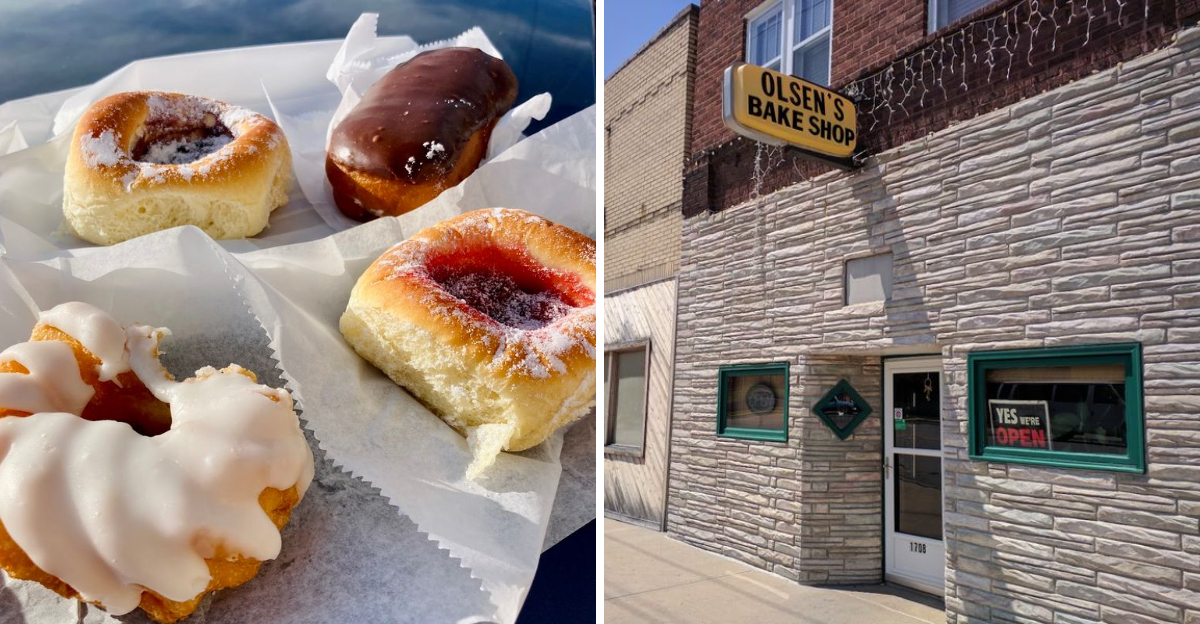
By the time most people are thinking about breakfast, the best trays may already be empty. That is the morning reality at this Nebraska bakery, where regulars know a late arrival can mean missing the kolaches completely.
These pastries have the kind of pull that changes your schedule. Soft dough surrounds rich fruit or creamy fillings, and each bite tastes comforting without feeling too heavy.
The first warm batch brings in early customers, boxes begin disappearing, and the display case grows emptier with every passing minute. Nebraska mornings can move slowly, but not here. People arrive with a plan, choose their favorites quickly, and often leave carrying enough to share.
The excitement is not built on fancy presentation or clever marketing. It comes down to fresh baking, familiar flavors, and the quiet panic of watching the final kolaches vanish before mid morning. Arrive early, or spend the rest of the day wondering what you missed.
The Soft Homemade Dough Gives Every Kolache Its Old Fashioned Appeal
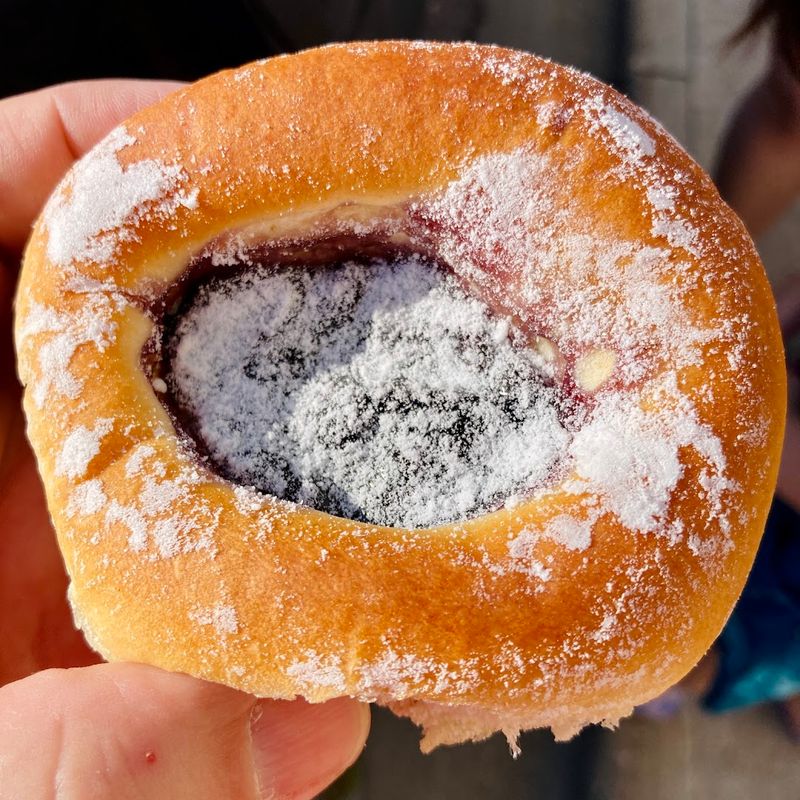
Handmade dough sets these kolaches apart from factory versions. The dough gets mixed, kneaded, and shaped by hand in small batches throughout each baking day.
Proper resting time allows the texture to develop that tender, slightly sweet quality that keeps customers coming back.
Each kolache feels light without being airy, with just enough chew to hold its shape. The golden edges crisp up slightly during baking while the center stays pillowy soft.
No greasiness coats your fingers when you pick one up, a sign of careful frying temperatures and quality ingredients.
Traditional recipes guide the process, passed down through family members who work behind the counter. The dough recipe hasn’t changed much over the years, maintaining that old-fashioned taste people remember from childhood visits.
Ever wonder why homemade always tastes better? It’s the time and attention that machines just can’t replicate.
Your Best Chance At A Kolache Comes Right After The Doors Open
Showing up early makes all the difference when kolaches are on the menu. Olsen Bake Shop opens at 7:30 in the morning Tuesday through Saturday, and dedicated customers often arrive before the doors unlock.
The bakery sits at 1708 S 10th St, Omaha, Nebraska, in the heart of South Omaha’s historic bakery district.
Fresh batches come out of the oven throughout the morning, but the widest selection happens right at opening. Weekends tend to draw bigger crowds than weekdays, though any day can bring a rush.
Arriving within the first hour gives shoppers the best shot at finding their preferred fillings before popular varieties run low.
The small shop fills quickly once the doors open. Counter space stays limited, so having your order ready speeds things along.
Cash payments keep the line moving fastest, though cards work with a small added fee.
Different Fillings Make Ordering Just One Nearly Impossible
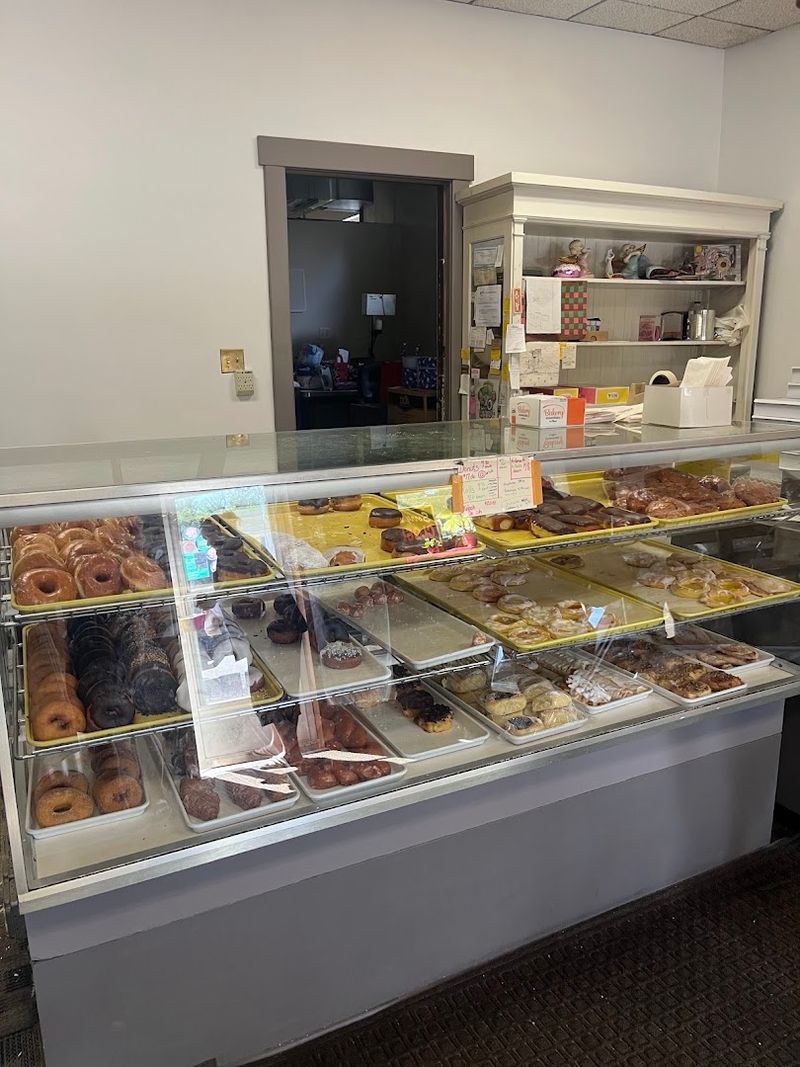
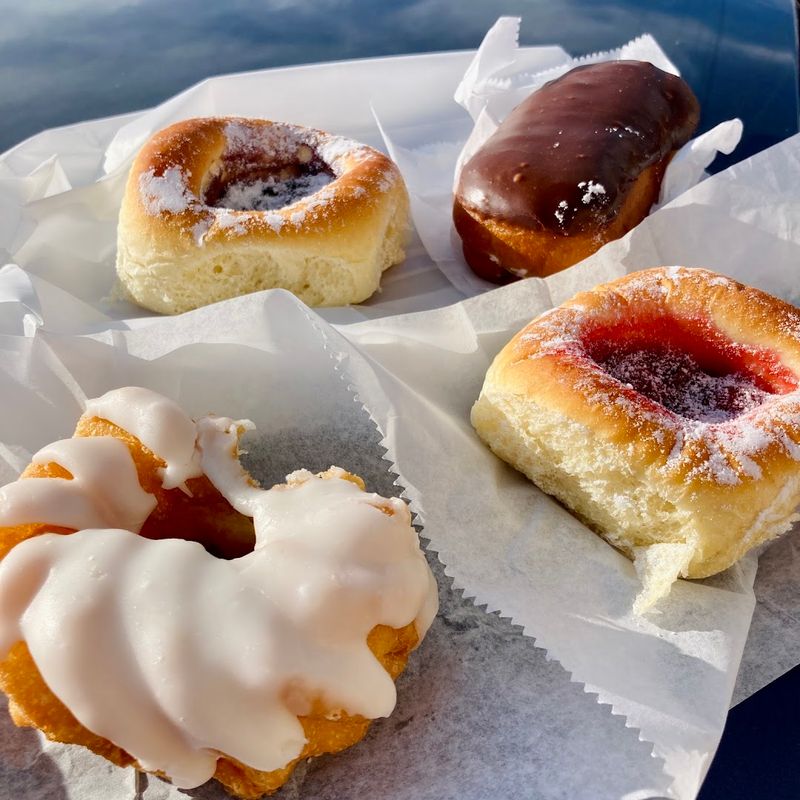
Walking up to the counter reveals a tempting spread of filling options. Apricot kolaches sit alongside poppy seed, prune, and cheese varieties, each one made the same day.
Sweet fillings lean toward fruit preserves that balance tartness with sugar, while savory options offer a different kind of satisfaction.
Poppy seed filling carries that distinctive nutty flavor that divides people into fans and skeptics. Apricot provides a bright, jammy center that works well with morning coffee.
Prune might sound old-fashioned, but the rich, deep sweetness surprises first-timers who give it a chance.
Cheese kolaches bring a savory twist to the lineup, filled with a slightly tangy farmer’s cheese that pairs well with the soft dough. Most customers end up ordering several different kinds rather than committing to just one flavor.
Boxes of mixed kolaches let you sample the range without playing favorites, which honestly feels like the smartest move.
Family Recipes Have Kept These Kolaches Rooted In Omaha Tradition
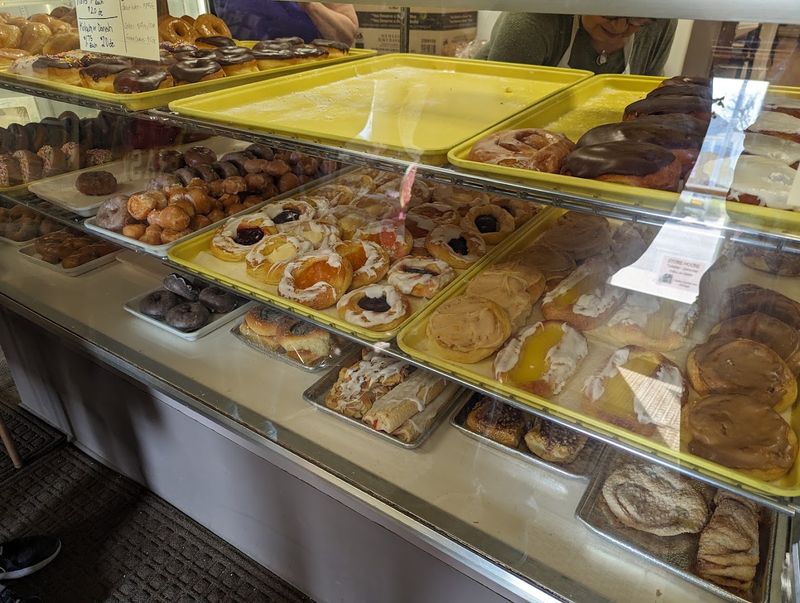
Generations of bakers have shaped these kolaches using recipes that stay true to their roots. Family members still work the counter and ovens, maintaining techniques learned from parents and grandparents.
South Omaha’s Czech and Eastern European heritage shows up in these pastries, connecting today’s customers to immigrant baking traditions.
The recipes haven’t undergone trendy updates or modern twists. What worked decades ago still works now, producing kolaches that taste like memory for longtime Omaha residents.
Newer customers discover what traditional baking offers when shortcuts and preservatives stay out of the mix.
Keeping things family-run means quality control stays personal. The same hands mixing dough also greet customers and box up orders.
That direct connection between baker and buyer creates accountability that corporate chains can’t match. Does it matter who makes your breakfast pastry?
After one bite, the answer becomes pretty clear.
Each Handmade Batch Reflects The Bakery’s Generations Of Experience
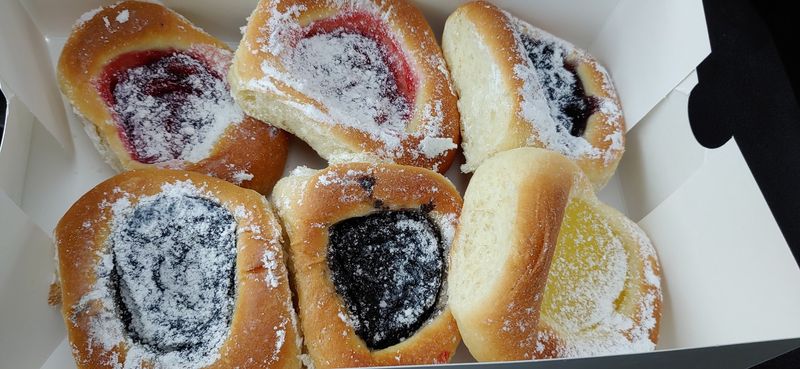
Experience shows in every batch that comes out of the ovens. Decades of daily baking have fine-tuned the process, from dough consistency to filling ratios.
Small adjustments happen based on weather, humidity, and how the dough feels during mixing, knowledge that only comes from years of hands-on work.
Each kolache gets shaped individually rather than stamped out by machine. The filling gets spooned into the center by hand, ensuring the right amount in every pastry.
Baking times get adjusted based on oven temperature and how full the trays are, variables that require judgment rather than timers.
Consistency comes from practice, not automation. The kolaches look similar but not identical, a telltale sign of handmade goods.
Slight variations in size or browning don’t indicate carelessness but rather the natural result of human touch. That imperfection actually adds to the charm, proving these pastries came from skilled hands rather than conveyor belts.
The Morning Line Shows How Serious Omaha Is About These Kolaches
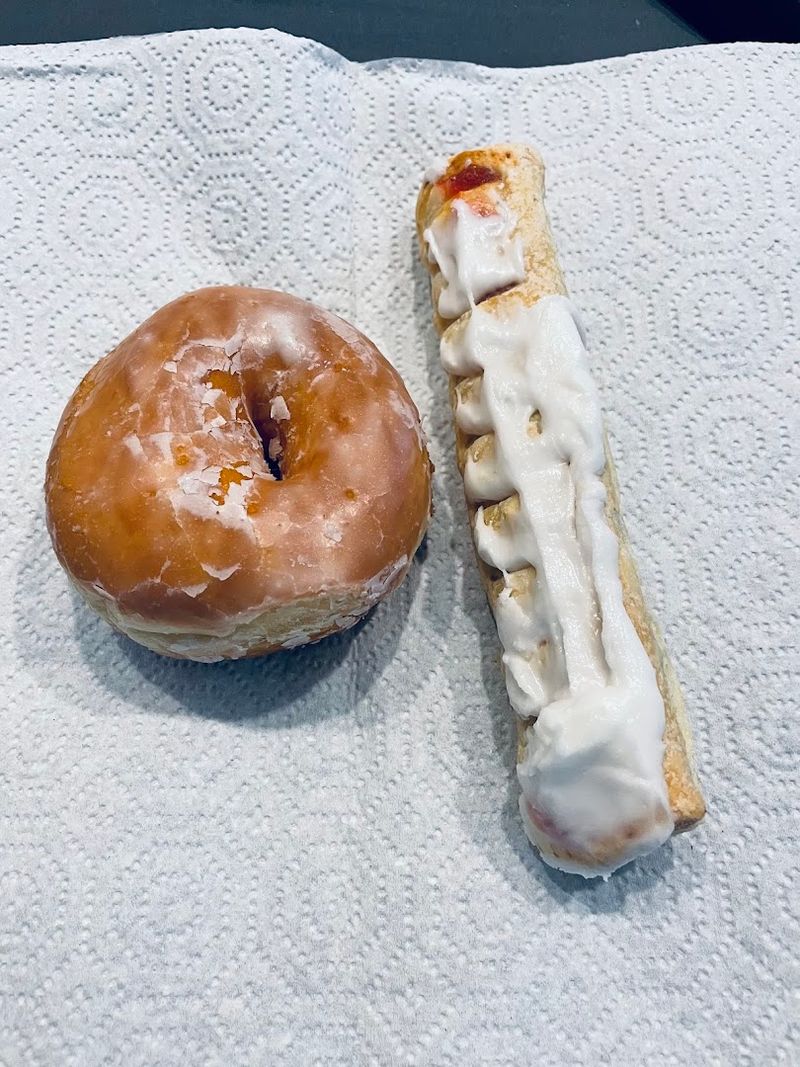
Lines form early and often at this South Omaha bakery. Even on chilly mornings, customers wait outside for their turn at the counter.
The line moves steadily as staff work efficiently, but popular days can mean a ten or fifteen minute wait before you reach the register.
Regulars know the routine and have their orders ready. First-timers might need a moment to decide, but the friendly atmosphere makes questions welcome.
The line itself becomes part of the experience, a visible sign that something special waits inside.
Cold weather doesn’t deter the dedicated. Customers have been spotted lining up in single-digit temperatures, their determination rewarded with warm pastries.
The bakery’s small interior means most of the line stays outside, so dressing appropriately matters during winter months. Is waiting in line worth it?
Ask anyone clutching a box of fresh kolaches on their way out.
Customers Ordering By The Dozen Help Empty The Trays Quickly
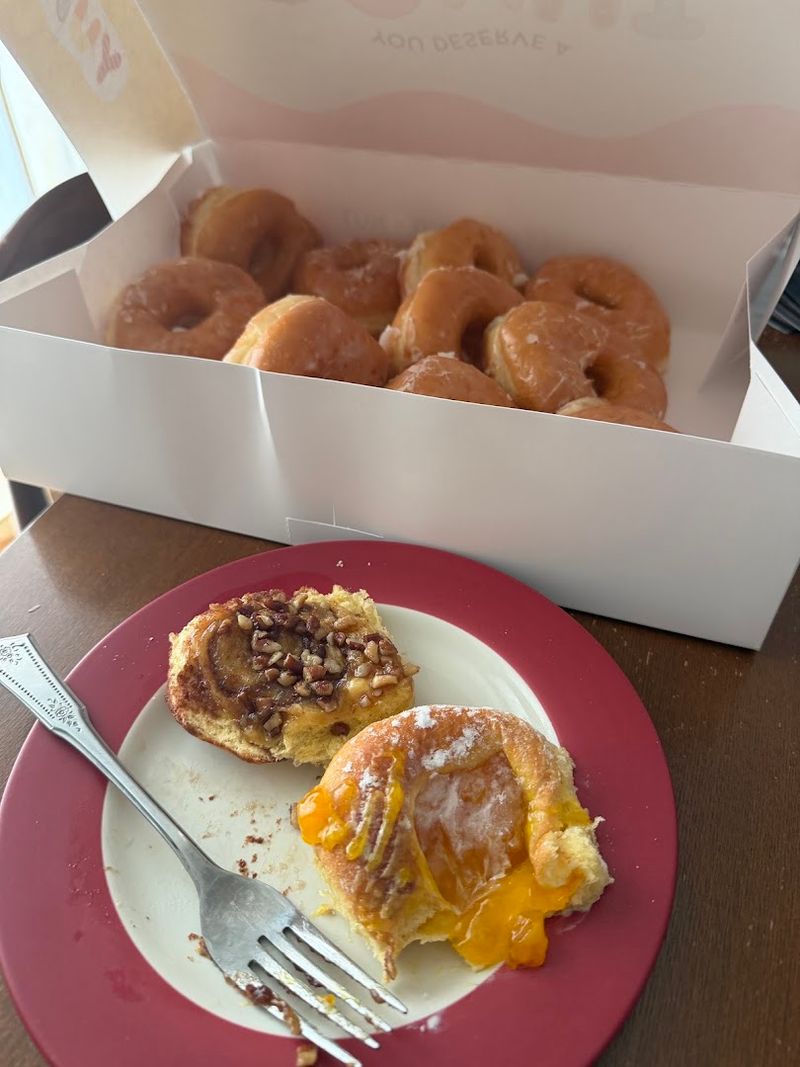
Single kolaches sell quickly, but boxes of twelve disappear even faster. Many customers buy by the dozen to share at work or bring home to family.
Ordering multiple boxes happens regularly, especially on weekends when people stock up for gatherings or freeze extras for later.
The half-dozen option offers a middle ground for smaller households. Mixed boxes let customers sample several fillings without committing to twelve of one kind.
Staff box up orders efficiently, wrapping the pastries carefully to protect them during transport.
Bulk buying contributes to those mid-morning sellouts. When several customers each order a dozen, inventory drops fast.
The bakery makes what they can each day, but once the kolaches are gone, they’re gone until the next baking day. Planning to share?
Arriving early ensures you’ll have enough to go around rather than explaining why the box only has three kolaches left.
Affordable Prices Make It Easy To Leave With A Full Box
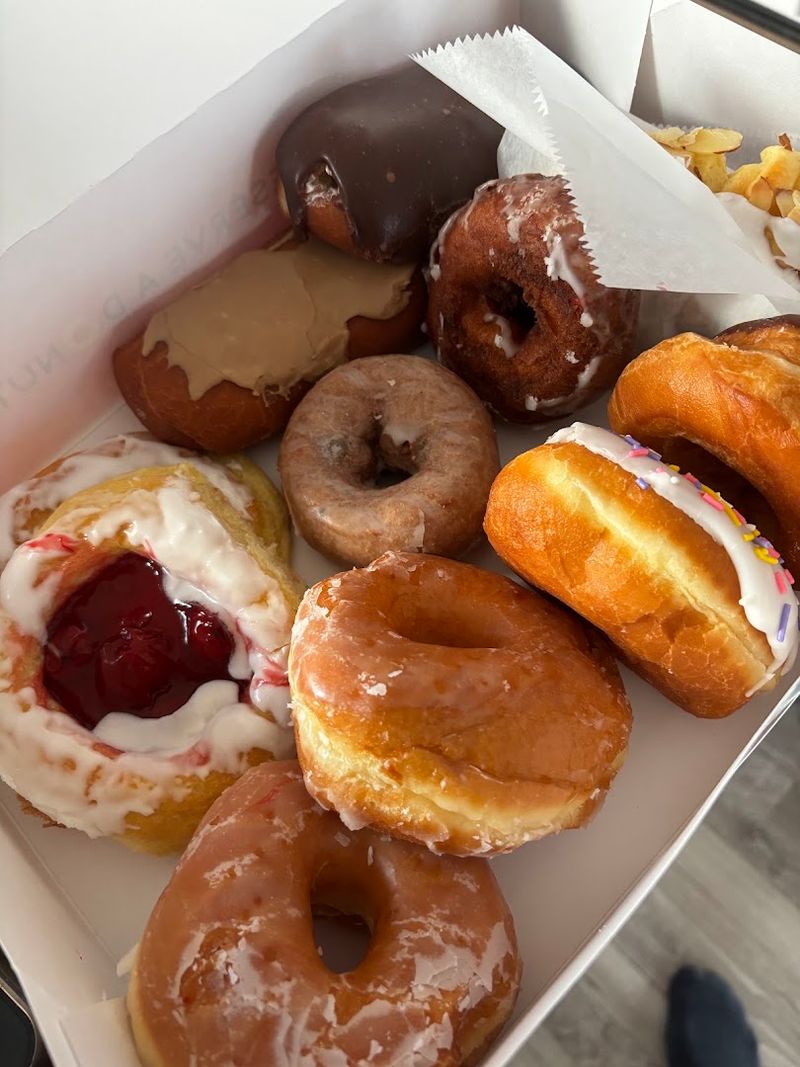
Budget-friendly pricing keeps these kolaches accessible to everyone. Individual pastries cost just a few dollars, making it easy to try multiple varieties without breaking the bank.
A full dozen won’t strain most wallets, especially compared to chain bakery prices or coffee shop pastries.
The value becomes even clearer when you consider the handmade quality and fresh ingredients. No premium markup appears just because everything’s made from scratch.
The family-owned model keeps overhead lower than corporate operations, savings that get passed along to customers.
Cash remains the preferred payment method and helps avoid extra fees. A small surcharge applies to card transactions, so bringing bills makes financial sense.
The affordable prices encourage generous orders, whether you’re treating coworkers or stocking your own freezer. When quality meets reasonable pricing, leaving with just one or two feels almost wasteful, doesn’t it?
The Classic South Omaha Bake Shop Adds To The Nostalgia
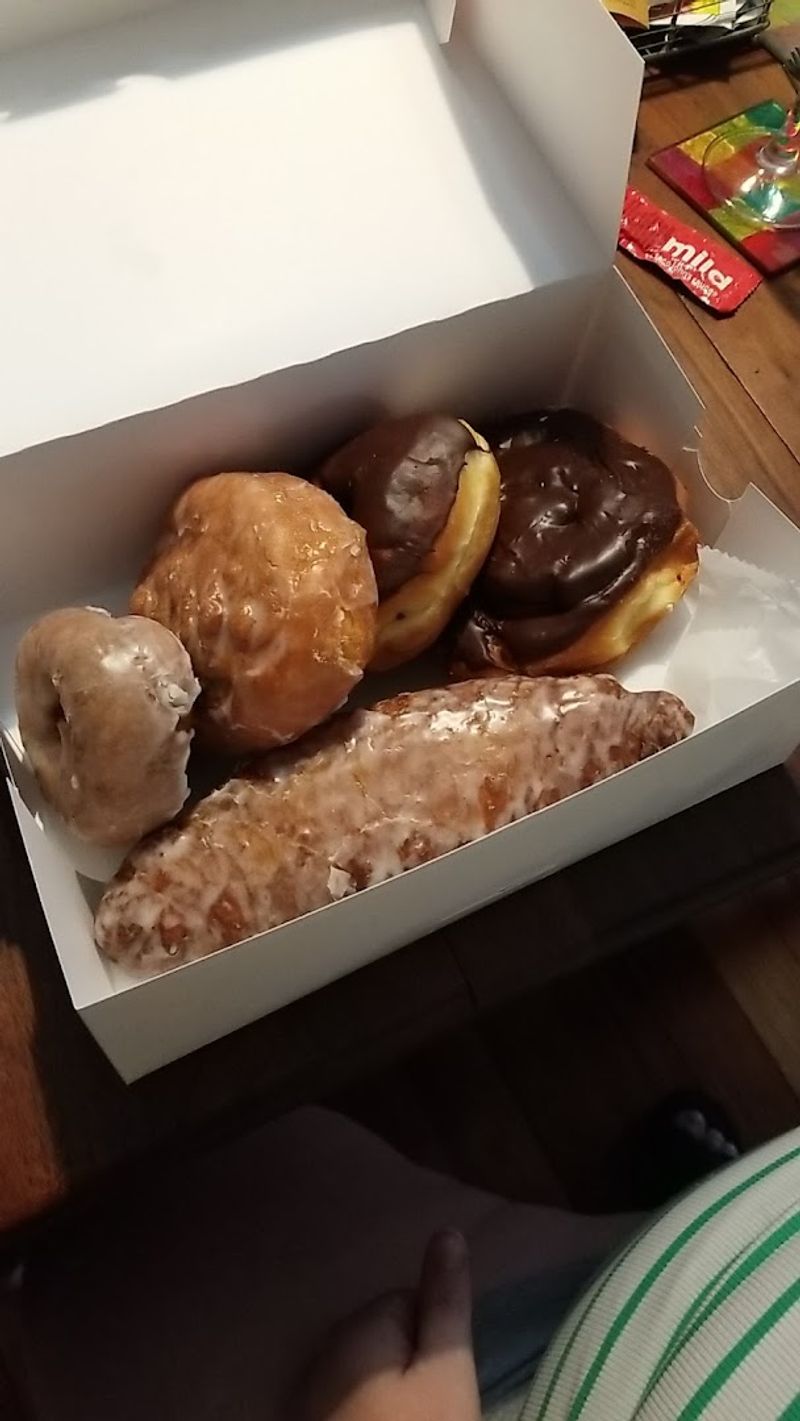
Stepping inside feels like traveling back to when neighborhood bakeries anchored every community. The small shop hasn’t undergone trendy renovations or modern redesigns.
Simple display cases show off the day’s offerings while the counter area keeps things straightforward and functional.
South Omaha’s history as an immigrant neighborhood lives on in places like this. The area once housed multiple European-style bakeries serving workers and families.
Olsen Bake Shop carries on that tradition, one of the few remaining original bakeries still operating in the district.
The building itself reflects that heritage with its modest storefront and neighborhood location. No fancy parking lot or drive-through window exists here, just street parking and a front door that’s been welcoming customers for decades.
The atmosphere prioritizes substance over style, letting the baked goods do the talking. Sometimes the best experiences come in the simplest packages, proving that nostalgia tastes even better than it looks.
Getting There Before Noon Means Getting There Before They Close
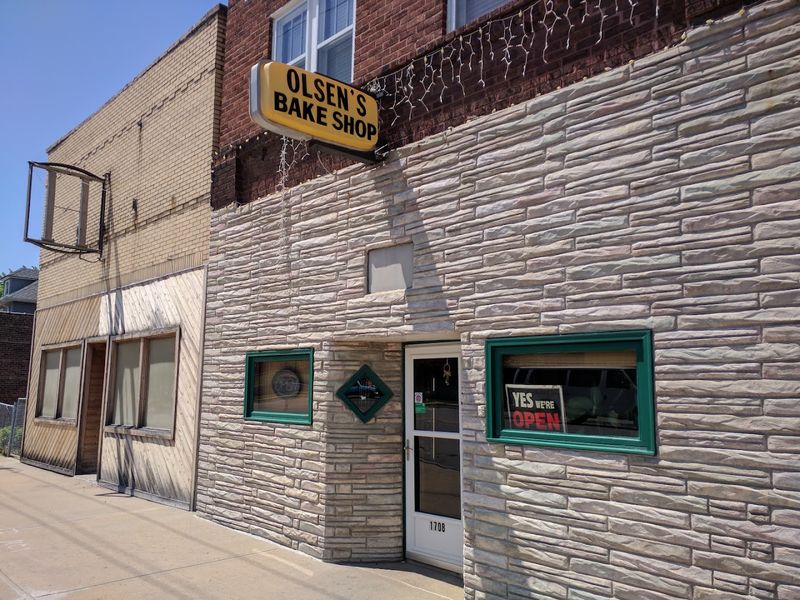
Closing time arrives at noon, not because of limited hours but because inventory runs out. The bakery operates Tuesday through Saturday from 7:30 in the morning until midday.
By the time noon rolls around, most trays sit empty and the day’s production has sold through.
Some days everything sells out well before the official closing time. Arriving at 11:30 might mean slim pickings or none at all, depending on how busy the morning was.
The best selection happens in the earlier hours, while late morning shoppers take what’s left.
Planning around the schedule prevents disappointment. Weekday mornings between 8 and 10 typically offer good availability without the weekend rush.
Saturday mornings draw the biggest crowds, so extra early arrival helps on those days. The limited hours actually work in customers’ favor, guaranteeing everything’s made fresh that day rather than sitting around from yesterday.
When the kolaches run out, everyone goes home, which honestly seems like the right way to run a bakery.