
Six Generations Have Kept The Fried Pies Coming At This Tennessee Apple House
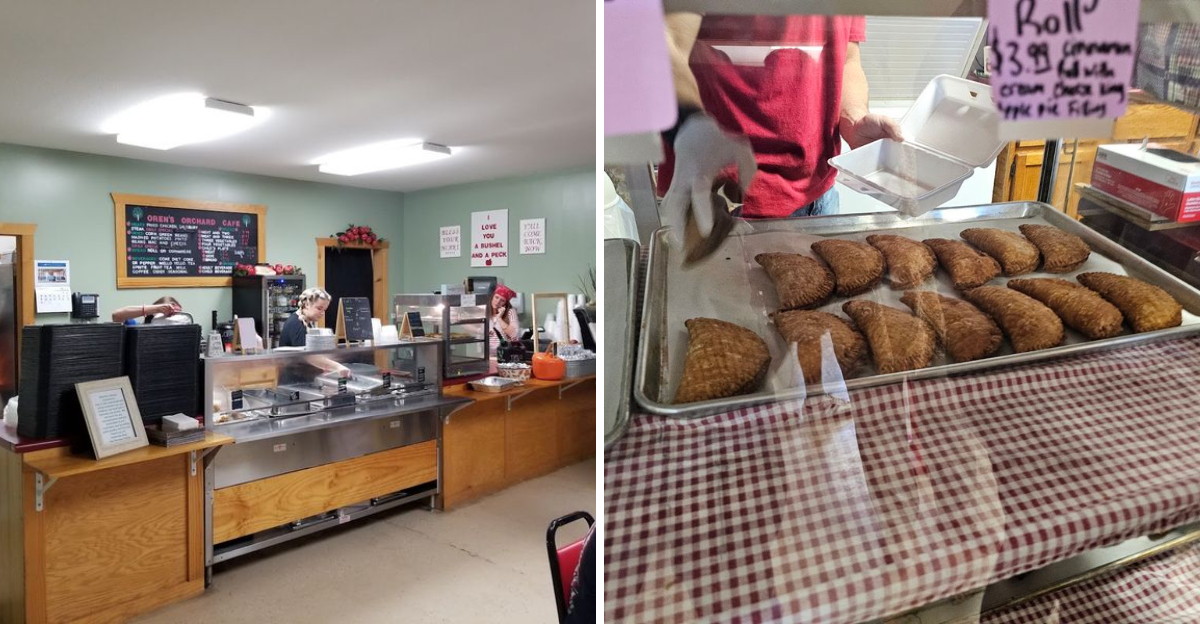
Some recipes survive because people refuse to let them disappear. At this Tennessee apple house, fried pies have been passed through six generations, and each batch still carries the same homemade spirit.
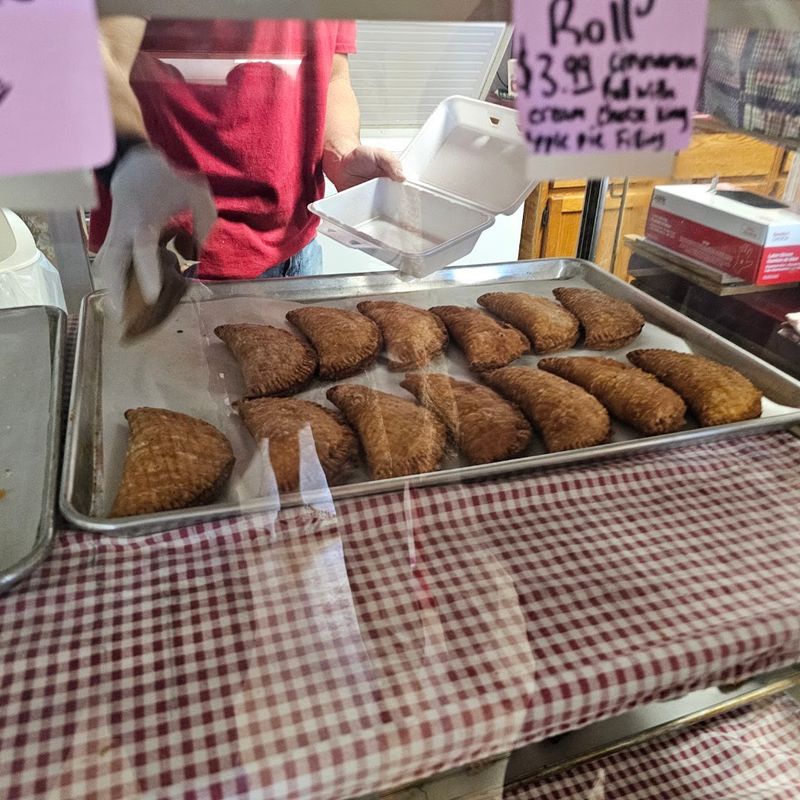
The scent hits first. Warm fruit, flaky crust, and sugar fill the air before the first bite even reaches your plate.
Apple may be the classic choice, but the display often makes choosing just one nearly impossible.
What makes this place special is not only the food. It is the family history baked into every pie, the familiar faces behind the counter, and the feeling that tradition still matters here.
Tennessee road trips often include scenic stops and mountain views, but this one comes with a sweeter reward. These fried pies have kept travelers pulling over for decades, and once you taste one, six generations of loyal customers suddenly make perfect sense.
A Legacy Sown From Family Roots
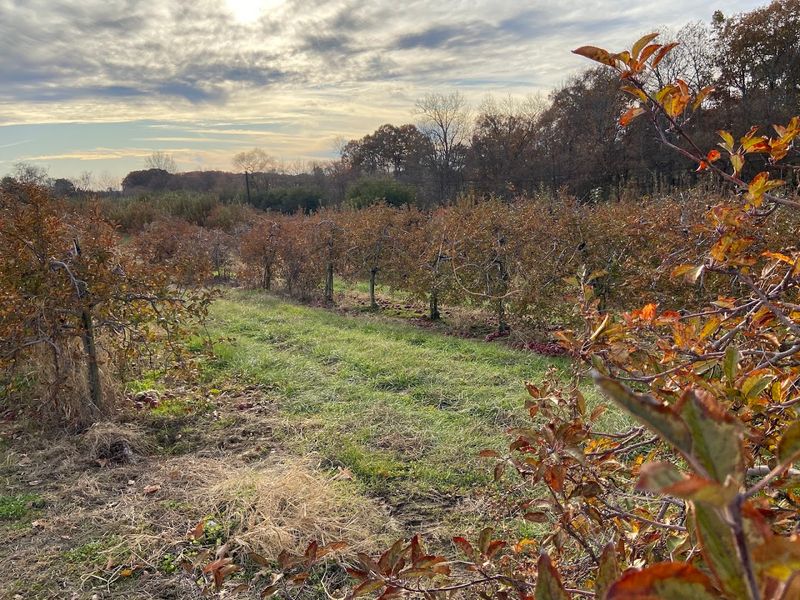
Long before the pie shop, the cafe, or the orchard warehouse, there was simply a family and a patch of land in Pikeville, Tennessee.
Henry Wooden planted the first apple trees back in the 1940s, following a tradition that stretched even further back through his own father’s orchard.
The land had seen truck farming and a timber business before the family returned to what felt most natural: growing fruit.
That rootedness in the soil is not incidental. It shaped the character of everything that followed.
When a family spends generations learning how a particular hillside holds water, how the seasons shift across Dayton Mountain, and which apple varieties thrive in that specific climate, the knowledge becomes something close to instinct.
Oren Wooden grew up inside that knowledge. He married Nonivee in 1964 and eventually took over the operation after his parents passed.
What he inherited was not just land and trees, but a philosophy: grow carefully, sell honestly, and keep the family involved at every level. That philosophy remains the backbone of the business today, now carried by the sixth generation of Woodens.
The Evolution Of An Orchard Enterprise
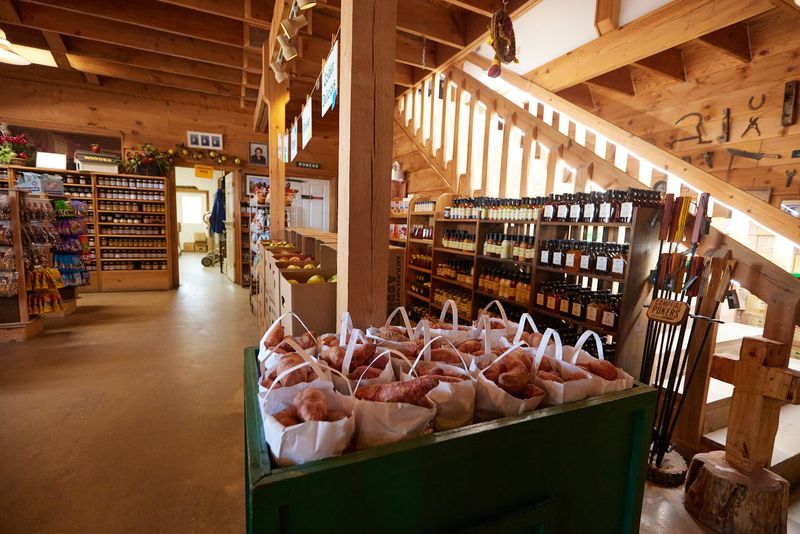
A front porch and a basket of apples. That is essentially where the retail side of this business began.
Over time, the Wooden family recognized that demand was outgrowing what a porch could handle. In 1960, they established their first apple-packing house, a meaningful shift from informal selling to structured commerce.
Growth came steadily rather than suddenly. Each decade brought a new layer of capability without abandoning the original spirit.
By 1995, the Apple House itself underwent significant expansion, adding the Pie Shop that would eventually define the location’s reputation as much as the orchard itself.
That same year, the bakery sold 30,000 fried pies in its first season alone, a number that surprised even the family.
Today, the operation at 6351 New Harmony Road, Pikeville, TN 37367 includes a full cafe, a retail market, a craft area, and a production facility for sorting and boxing apples. What started as one family’s modest agricultural effort now functions as a complete destination.
The growth feels earned rather than engineered, the result of consistent quality and a community that kept showing up season after season.
Where Sweetness Meets Southern Craft
Thirty thousand fried pies in a single year. That was the Pie Shop’s output in 1995, its first year of operation, and the number caught everyone off guard.
The demand confirmed what the Wooden family already suspected: people respond deeply to baked goods made with care, using fruit grown on the same land where the business stands.
Fried pies carry a particular kind of southern nostalgia. Crisp on the outside, tender within, filled with seasoned apple, they represent a style of baking that prioritizes flavor over presentation.
Apple dumplings quickly joined the lineup as another staple, warm and generous, best enjoyed with a scoop of cold vanilla ice cream melting into the crust.
The craft behind these items is not complicated, but it is consistent. The same recipes, the same techniques, the same commitment to using fruit from the orchard rather than sourced from elsewhere.
That directness from tree to dough is something a careful palate can detect.
On weekends, the bakery prepares roughly 3,000 fried pies and around 2,000 apple dumplings, numbers that reflect not just popularity but a well-run kitchen operating at a confident, practiced pace.
The Unmistakable Allure Of Fried Pies
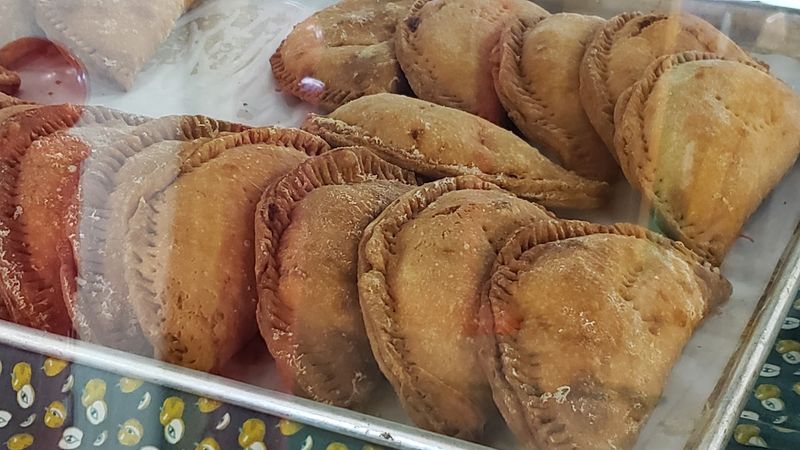
There is something almost stubborn about a fried pie’s appeal. It does not need elaborate garnish or an artful plating arrangement.
It arrives golden, slightly crisp, and full of cooked apple filling, and that is precisely the point. At Oren Wooden’s Apple House, these pies have been the centerpiece of the bakery since 1995, and the recipe has not needed reinvention.
Weekend production numbers tell a clear story. Around 3,000 fried pies leave the kitchen on a typical Saturday or Sunday, joined by approximately 2,000 apple dumplings.
These are not casual figures. They reflect a kitchen that runs with purpose, producing items people plan their drive around rather than discover by accident.
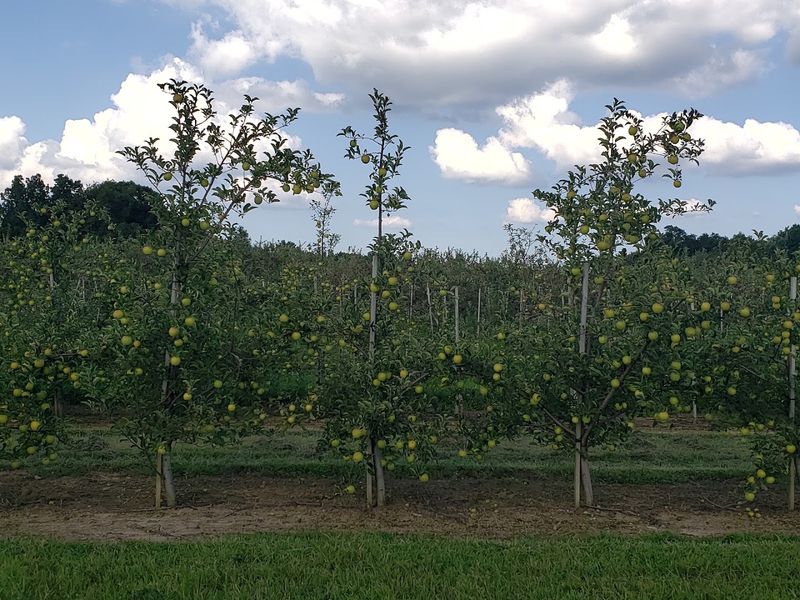
Part of what makes the fried pie so compelling here is its direct connection to the orchard. The apples used in the filling are grown on the property, across roughly 125 acres that support between 22 and 25 distinct varieties.
That means the flavor in every bite reflects the specific soil and elevation of Dayton Mountain. Buying a fried pie at this bakery is, in a quiet way, tasting the land itself, which is a distinction few bakeries anywhere can honestly claim.
From Orchard Rows To Culinary Delights
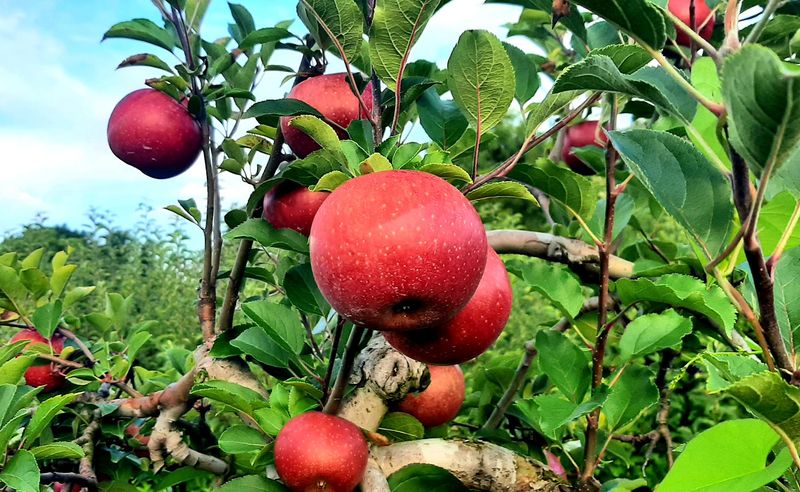
Most bakeries source their fruit from suppliers. The Wooden family grows theirs.
Approximately 125 acres of apple trees surround the operation, supporting somewhere between 22 and 25 distinct apple varieties.
Alongside those orchards, 25 acres are dedicated to peaches, which means the property produces a meaningful range of fruit across a single growing season.
That scale of cultivation is not just an agricultural achievement. It creates a direct supply line between the orchard and the kitchen, ensuring that the apples in the pies, dumplings, cider, and apple butter came from the same hillside visible through the building’s windows.
Varieties like Mutsu, Honey Crisp, and Gala have earned particular loyalty among those who return each fall specifically to stock up.
The harvest also feeds the retail side of the business. Fresh apples, both first-quality and seconds, are available for purchase, with the seconds offering excellent value for anyone planning to make apple butter or preserves at home.
Peaches, pumpkins, and seasonal vegetables round out the produce offerings, giving the market a genuine farm-stand character rather than the curated aesthetic of a boutique operation. The land earns its place in every product on the shelf.
A Gathering Place For Generational Stories
Six generations is a number that commands attention. Most family businesses do not survive a single transfer of ownership, let alone five.
At Oren Wooden’s Apple House, the transition from one generation to the next has happened repeatedly without the business losing its essential character. That continuity is not accidental.
It is the result of deliberate choices made by each generation to stay involved and stay rooted.
The current generation actively participates in daily operations, carrying forward practices established by Henry and Oren Wooden decades ago.
There is something grounding about watching a young family member handle apples or serve customers in the same building where their great-grandparents once sold fruit from a porch.
The business functions as both a livelihood and a living record of the family’s history.
That sense of shared heritage shapes the atmosphere in ways that are difficult to manufacture. Regulars who have been coming for over a decade notice it immediately.
The friendliness of the staff is not a policy. It is a disposition that runs through the family and extends naturally to everyone who walks through the door.
Warmth here is simply a by-product of people who genuinely care about what they have built together.
The Bounty Beyond The Apple Tree
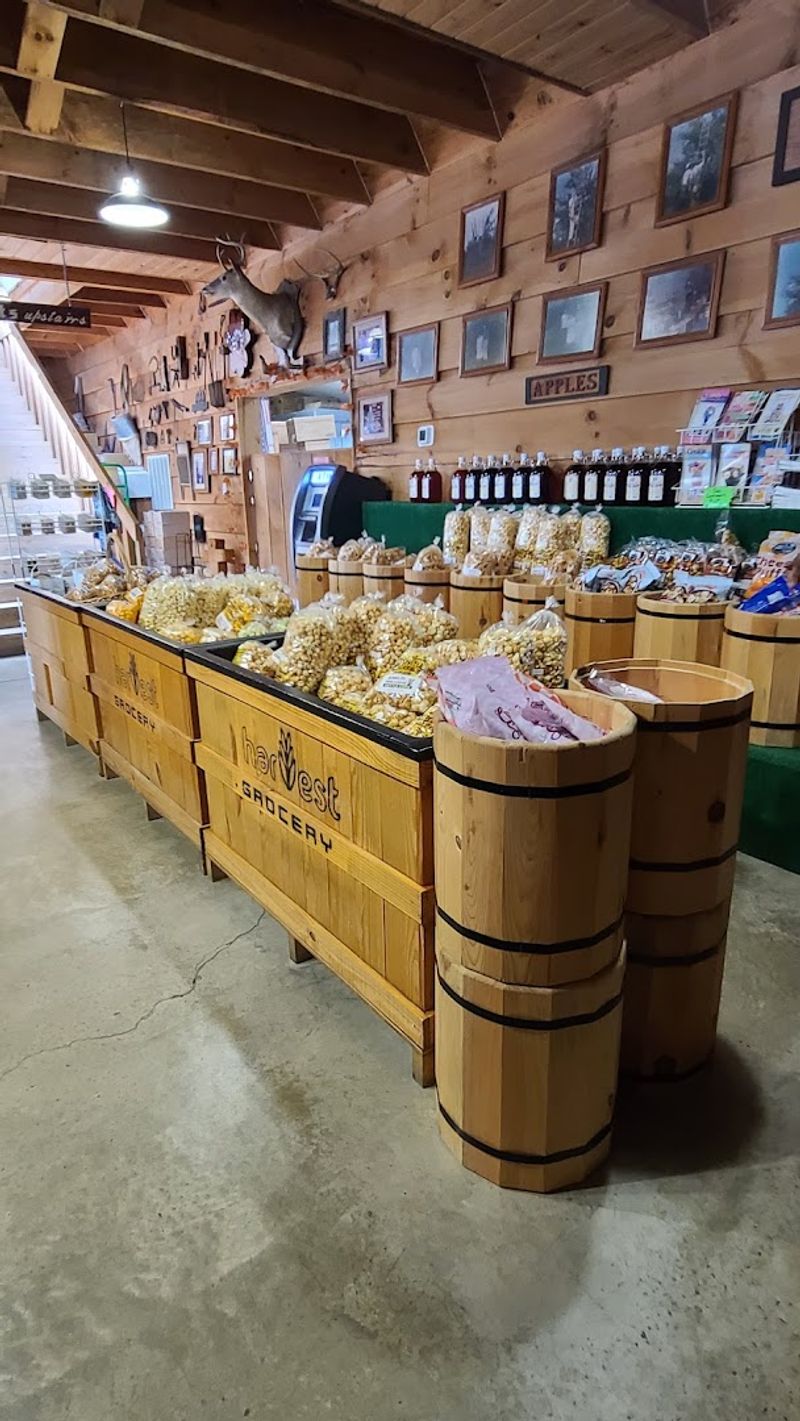
Apples anchor the identity of this place, but they do not tell the whole story. The property also cultivates 25 acres of peaches, and the market shelves carry a broad selection of products that reflect the full range of what a working farm can produce.
Jams, jellies, preserves, relishes, and pickles line the shelves alongside fresh produce, creating a market that rewards slow browsing.
Apple butter deserves specific mention. Made from the orchard’s own fruit, it carries a depth of flavor that store-bought versions rarely approach.
Local honey, fresh herbs, and various salsas also appear in the market, sourced from the region and reflecting a commitment to carrying goods that belong to the area rather than simply filling shelf space with generic products.
Upstairs, a craft area offers handmade goods, giving the building a layered character that goes beyond a simple farm stand.
Pumpkins and gourds add a seasonal dimension in the fall, when the whole property takes on a particular energy that long-time patrons return for year after year.
The range of offerings means that a single trip rarely feels complete, which may explain why so many people describe themselves as regulars rather than one-time visitors.
Sustaining A Heritage Of Warmth
Perched atop Dayton Mountain near Pikeville, the location itself contributes something to the experience that no interior design choice could replicate. The drive up is scenic and unhurried, the kind of road that prepares a person to slow down before they even arrive.
The views from the property stretch across the surrounding landscape with the easy confidence of a place that has nothing to prove.
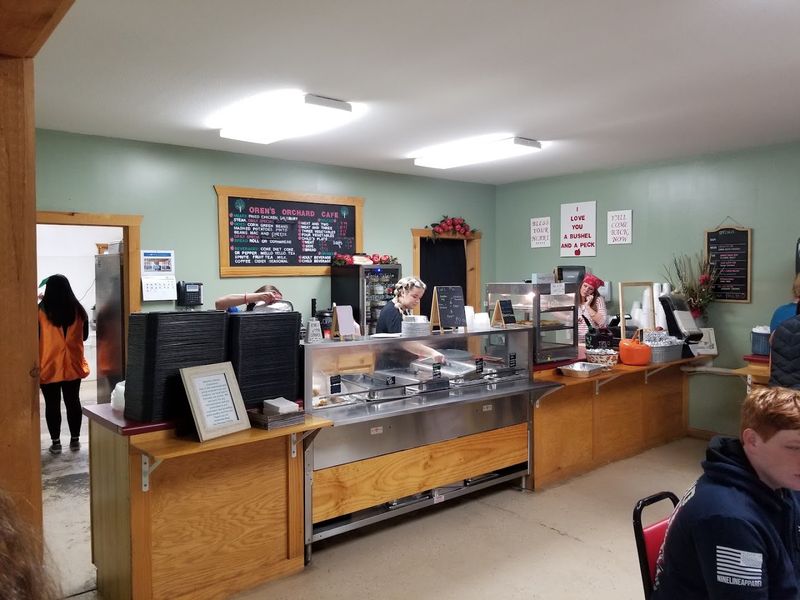
Oren’s Orchard Cafe serves southern, country-style, farm-to-table meals that extend the apple theme into savory territory.
Apple cider barbecue, apple-stuffed pork chops, and cornbread served with cranberry relish and cinnamon apple butter represent a kitchen that takes its source material seriously.
The cafe fills quickly on weekends, so arriving early is a practical consideration worth keeping in mind.
The overall atmosphere carries what the family describes as an old-fashioned character, and that phrase lands accurately. There is no performance of nostalgia here.
The cash-and-check payment policy, the ATM with a modest fifty-cent fee, the straightforward pricing, and the unpretentious setup all reflect a business that operates on its own terms.
Oren Wooden’s Apple House is open most days from 8 AM, and the fried pies will be waiting.