
10 Massive Tennessee Lakes Where Water Snakes Share The Shoreline
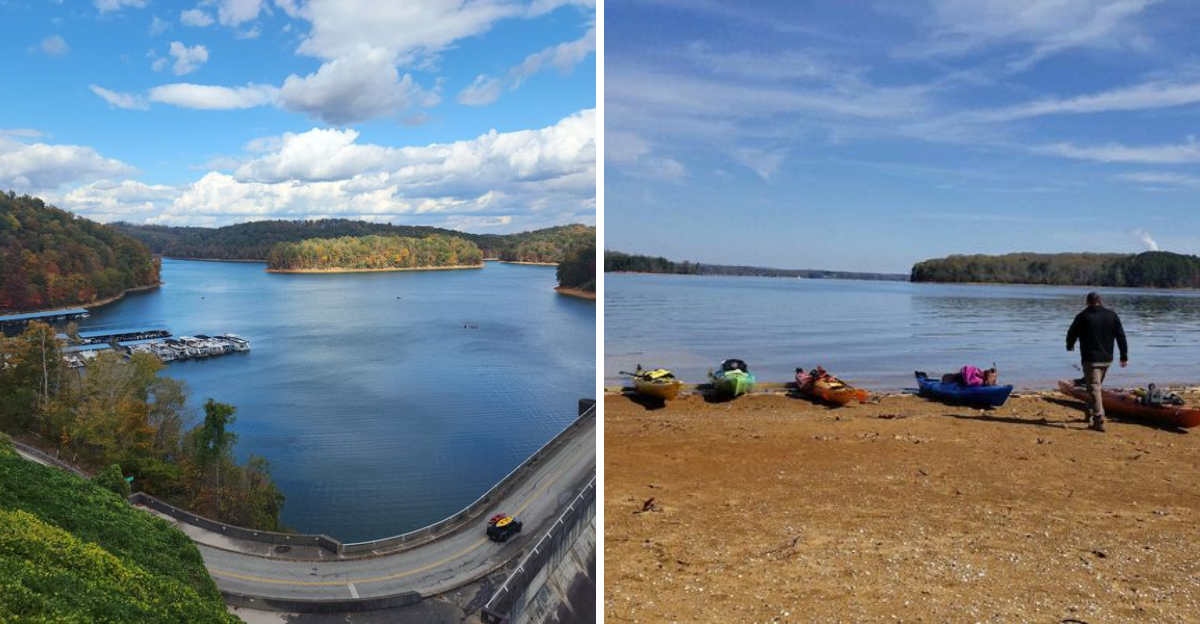
A calm lake can change the mood fast when something long and dark slips beside the shoreline.
Tennessee has several enormous lakes where boaters, anglers, and swimmers share the water with native snakes. Most stay close to rocks, fallen branches, quiet coves, and marshy edges.
They may appear while warming in the sun or moving between patches of cover.
That does not mean every visit comes with a frightening encounter. Many water snakes avoid people and disappear before anyone gets close. Still, spotting one near a dock can make even an experienced lake visitor pause.
These lakes stretch past forests, islands, campgrounds, and miles of undeveloped shoreline. Their size creates room for all kinds of wildlife, including reptiles that thrive near water.
Grab your binoculars, watch where you place your hands, and get ready to see a wilder side of Tennessee’s biggest lakes.
1. Kentucky Lake
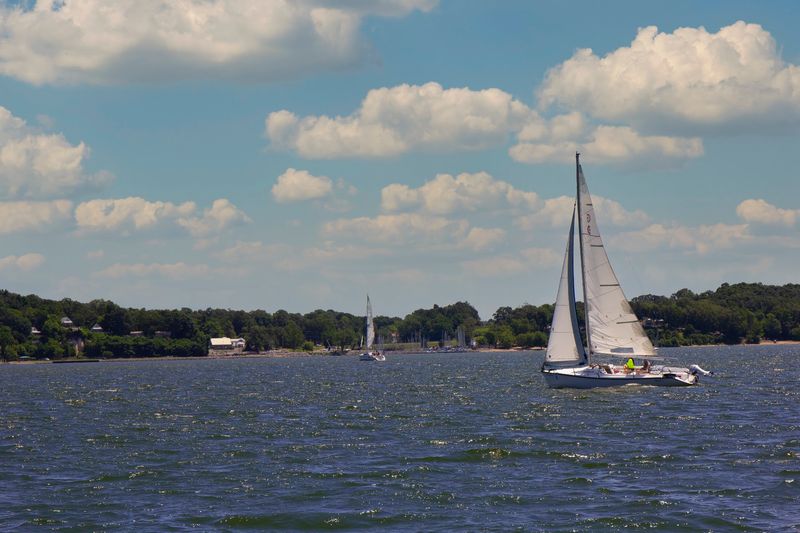
Tennessee’s largest reservoir does not hold back.
Kentucky Lake stretches across an enormous 160,300 acres in western Tennessee, reaching all the way into Kentucky, and its staggering 2,064 miles of shoreline contain everything from dense wooded banks to open wetlands and quiet hidden coves.
Formed in 1944 when Kentucky Dam was built across the Tennessee River, this reservoir became one of the largest man-made lakes east of the Mississippi River.
The sheer scale of it is hard to wrap your head around until you are actually out on the water, watching the shoreline disappear in every direction.
Anglers come specifically for the bass, catfish, and crappie, and the lake rarely disappoints them.
Rocky banks, submerged timber, and fallen trees along the water’s edge create prime basking territory for northern watersnakes, while cottonmouths favor the vegetated, slower-moving coves.
The towns of Camden, Paris, and Big Sandy each offer their own access points and local character, making it easy to explore different stretches of the lake.
Kentucky Lake rewards those who take their time and pay attention to what is living along its wild, winding edges.
2. Pickwick Lake
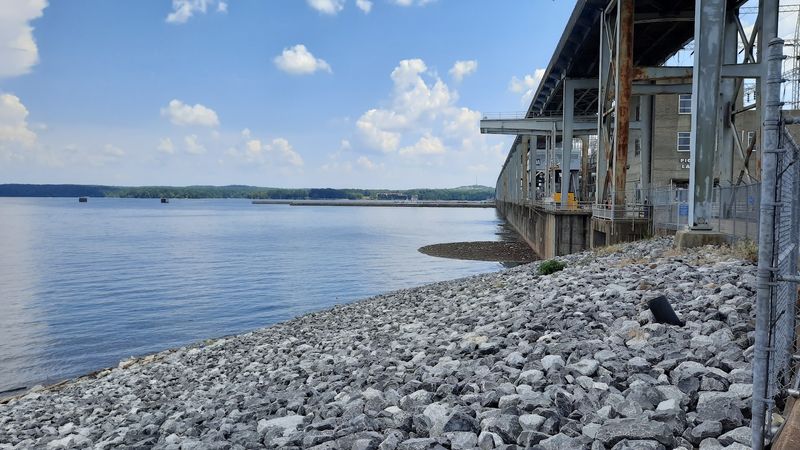
Rocky ledges, quiet coves, and shaded branches define the shoreline personality of Pickwick Lake, and it is exactly the kind of landscape that water snakes find irresistible.
Situated in the southwestern corner of Tennessee and extending toward the Mississippi-Alabama border, this 43,100-acre reservoir is a serious piece of water.
Pickwick Landing Dam was completed in 1938, creating nearly 490 miles of intricate shoreline that weaves through a mosaic of terrain.
The dam itself generates hydroelectric power and plays a key role in river navigation, historically helping boats navigate the notoriously tricky Muscle Shoals stretch.
Fishing here has a legendary reputation. Pickwick Lake is celebrated for its record-size smallmouth bass, and catfish anglers make pilgrimages here regularly.
Boating and water skiing keep the open stretches lively, while kayakers tend to gravitate toward the quieter branches and coves where the water slows down and the wildlife gets interesting.
Those shaded coves and rocky overhangs are precisely where water snakes prefer to rest between hunting sessions, making Pickwick a reliable spot for wildlife observation.
The combination of active recreation and raw natural beauty near Counce and Pickwick Dam makes this lake genuinely hard to leave.
3. Reelfoot Lake
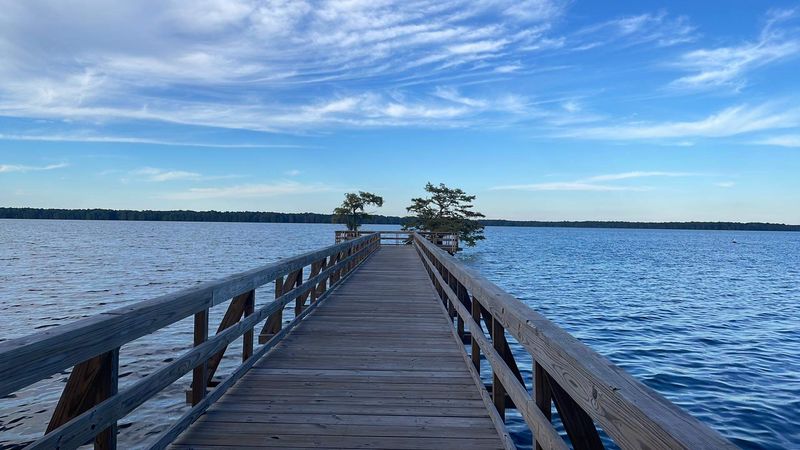
No other lake on this list was born quite like Reelfoot.
A series of catastrophic earthquakes in the early 1800s tore open the land in northwest Tennessee, and the Mississippi River rushed in to fill the void, creating one of the most unusual lakes in North America.
Ancient bald cypress trees rise straight out of the water, their gnarled roots submerged in swampy shallows.
Fallen logs, muddy banks, and thick vegetation make Reelfoot the most snake-friendly environment of any lake in this entire list.
The Tennessee Wildlife Resources Agency confirms it by noting that certain water snake species, including the Southern Watersnake and the diamond-backed watersnake, are found in Tennessee almost exclusively around Reelfoot.
Recognized as a National Natural Landmark, the lake also draws birdwatchers from across the country, particularly during winter when bald eagles gather here in impressive numbers.
The shallow water and rich aquatic plant life support an extraordinary food chain that keeps the entire ecosystem thriving.
Reelfoot feels genuinely remote, like a place that operates on its own ancient schedule, completely indifferent to the modern world humming just beyond its cypress curtain.
4. Chickamauga Lake
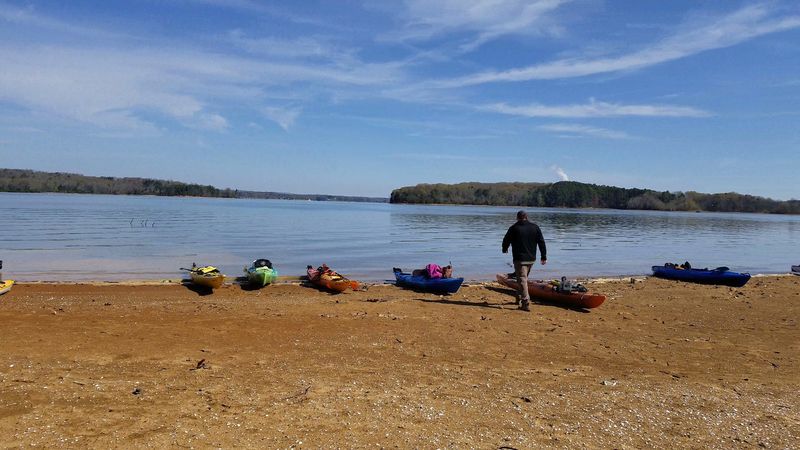
History and nature collide along the banks of Chickamauga Lake, a 36,200-acre reservoir that winds through the Tennessee Valley near Chattanooga, one of Tennessee’s most culturally rich cities.
The lake was created in 1940 when Chickamauga Dam was completed, and it has been a regional centerpiece ever since.
With 810 miles of shoreline, the variety of habitat here is genuinely impressive. Marshy sections transition into wooded coves, which then give way to rugged rocky stretches, and each microhabitat supports its own community of wildlife.
That diversity is exactly what makes Chickamauga such a productive environment for water snakes, which thrive wherever water meets dense vegetation or rocky cover.
Kayakers love exploring the quieter arms of the lake near Harrison and Dayton, where the pace slows and the natural world takes over.
Larger boats dominate the main channel, and the sailing conditions can be excellent on clear days when the wind picks up across the broad open water.
Fishing ranks among the lake’s strongest draws, with largemouth, smallmouth, and striped bass all well represented alongside crappie, bluegill, and catfish.
Surrounding parks and wildlife centers add even more reasons to linger along this historically loaded, ecologically rich shoreline.
5. Watts Bar Lake
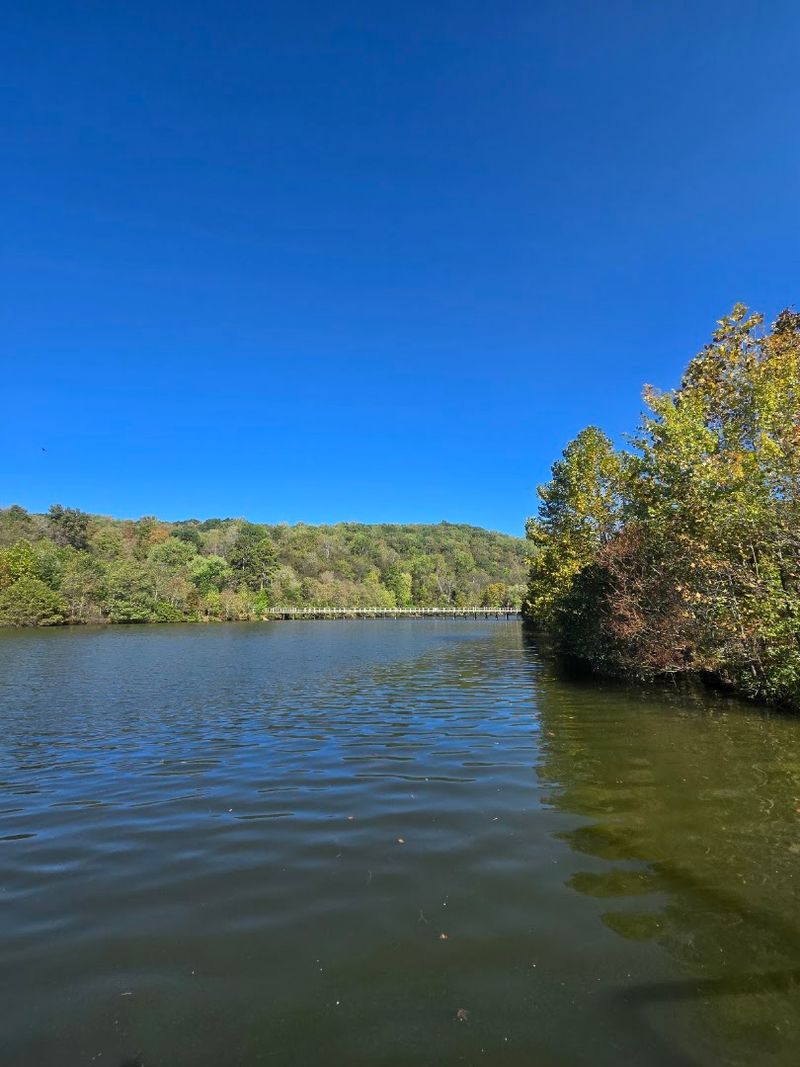
Sitting between Knoxville and Chattanooga in East Tennessee, Watts Bar Lake occupies a prime geographic position and packs in 39,090 acres of water that never seem to run out of surprises.
The Tennessee Valley Authority created it in 1942, and it has been one of the region’s most beloved recreational lakes ever since.
The shoreline stretches for 722 miles and shifts constantly between rocky banks, wooded inlets, and shallow backwaters that slow the water down to a near-still calm.
Islands like Thief Neck, Long, and Sand Island break up the open water and add layers of complexity to the landscape.
Those shallow backwaters are prime real estate for water snakes, which hunt frogs and fish in exactly these kinds of quiet, sun-warmed spots.
Great blue herons are a constant presence here, standing motionless at the water’s edge with the patience of seasoned professionals.
Osprey nest throughout the area, and watching one fold its wings and plunge into the lake for a fish is a genuinely spectacular sight that never gets old.
The Clinch and Emory Rivers feed into the lake and remain navigable for stretches, opening up additional corridors for paddlers and boaters willing to push beyond the main basin near Kingston and Rockwood.
6. Norris Lake
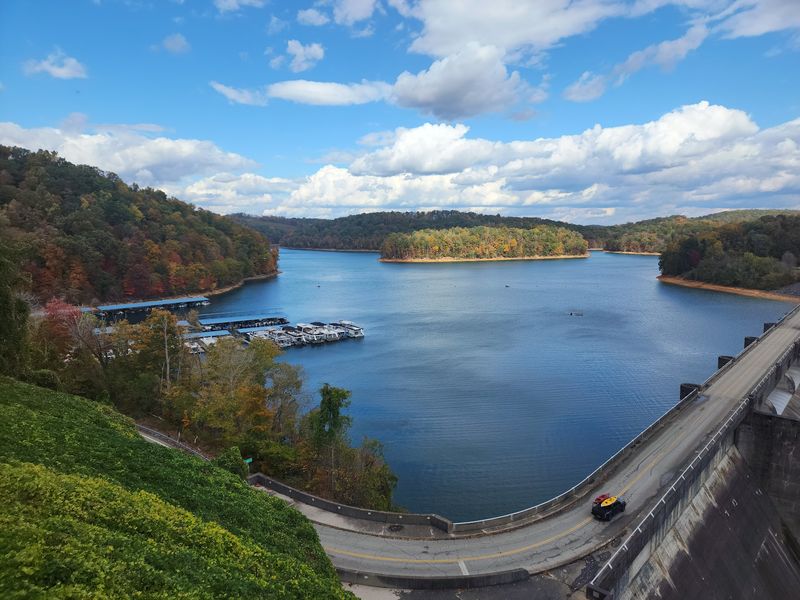
Clarity is the first thing people notice about Norris Lake.
The water is remarkably clean and transparent, fed by the Powell and Clinch Rivers as they descend through the Cumberland Mountains of East Tennessee, and the lake has earned a reputation as one of the clearest bodies of water in the entire state.
Norris Dam holds a special place in Tennessee history as the very first major dam project completed by the Tennessee Valley Authority, finished in 1936.
The planned community of Norris was built specifically to house the workers who constructed it, and that town still stands today as a quiet reminder of a transformative era.
More than 800 miles of shoreline wind through forested banks, dramatic rocky outcrops, and undeveloped stretches that feel genuinely untouched.
Those rocky outcrops and sun-warmed ledges along the water’s edge are favored resting spots for various snake species that patrol the shoreline between LaFollette and Maynardville.
Bass, crappie, and walleye keep anglers coming back season after season.
Norris Dam State Park borders the lake and adds extensive hiking and mountain biking trails to an already packed recreational menu, making this one of East Tennessee’s most complete outdoor destinations from any angle.
7. Douglas Lake
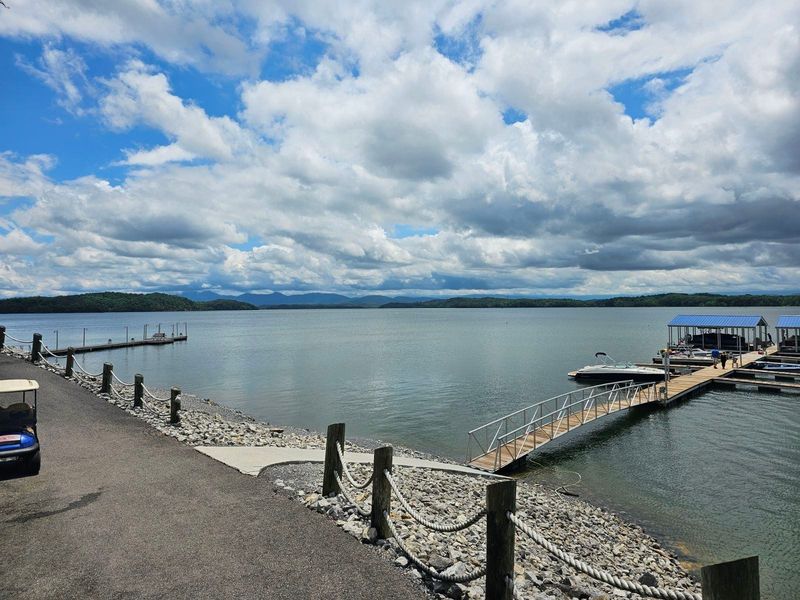
Built at a pace that stunned the engineering world, Douglas Dam was constructed in just 12 months and 17 days during World War II, a record that still stands as a remarkable feat of wartime urgency.
The dam impounded the French Broad River and created a reservoir covering over 30,600 acres in East Tennessee, just a short distance from the Great Smoky Mountains.
The 555 miles of shoreline here are predominantly undeveloped, which is a genuine rarity for a lake this close to major tourism corridors.
Sandy beaches appear unexpectedly in coves and around islands, offering peaceful spots that feel far removed from the busy roads leading into Sevierville and Dandridge.
Late summer and early fall transform Douglas Lake into a birdwatching destination of real significance.
Water levels typically drop during this period, exposing muddy flats that attract migrating shorebirds and waterfowl in impressive concentrations, drawing birders from well beyond the region.
Fishing, kayaking, and jet skiing keep the warmer months active across the open water, while the undeveloped banks and brushy coves provide reliable cover for water snakes hunting along the shallows.
Douglas Lake rewards those who show up with curiosity and a willingness to explore its quieter, less-traveled edges.
8. Cherokee Lake
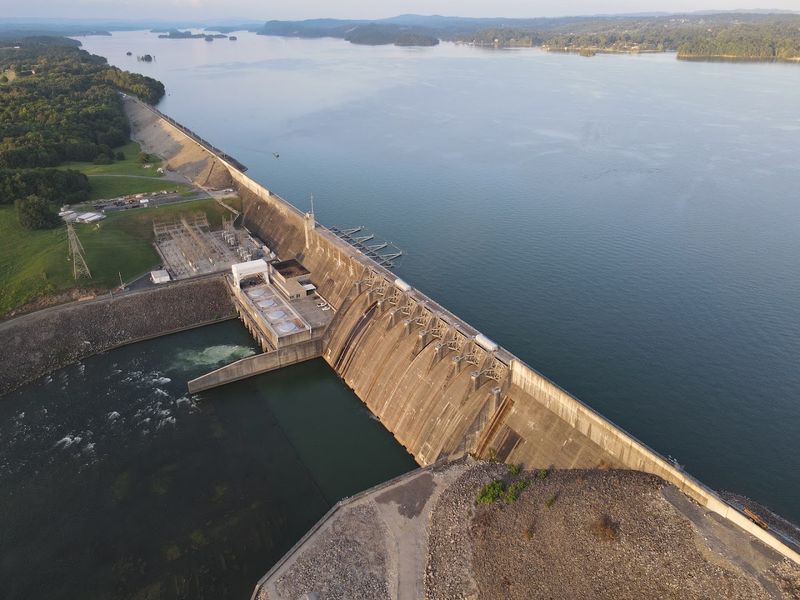
Named in honor of the Cherokee people who once lived throughout this region, Cherokee Lake carries both cultural weight and natural beauty across its 28,000 surface acres in East Tennessee.
Construction of Cherokee Dam by the Tennessee Valley Authority between 1940 and 1941 was considered urgent, as the hydroelectric power it generated played a direct role in supporting wartime industrial production.
The shoreline unfolds in long, narrow fingers of water that push deep into the surrounding hills near Morristown and Jefferson City, creating a landscape of wooded coves, rocky banks, and sheltered inlets.
Those quiet fingers of water are exactly the kind of low-traffic, vegetation-rich habitat where water snakes establish comfortable territory and hunt with minimal disturbance.
Bass and crappie fishing draw consistent attention here, and the lake has public access areas and parks spread along its edges for those who prefer to explore on foot.
Panther Creek State Park sits nearby and adds a full network of trails for hiking, biking, and horseback riding that complements a day on the water beautifully.
There is a layered quality to Cherokee Lake that rewards patience.
The more time spent exploring its narrower arms and quieter coves, the more the landscape reveals about the wild, well-preserved character of this corner of East Tennessee.
9. Dale Hollow Lake
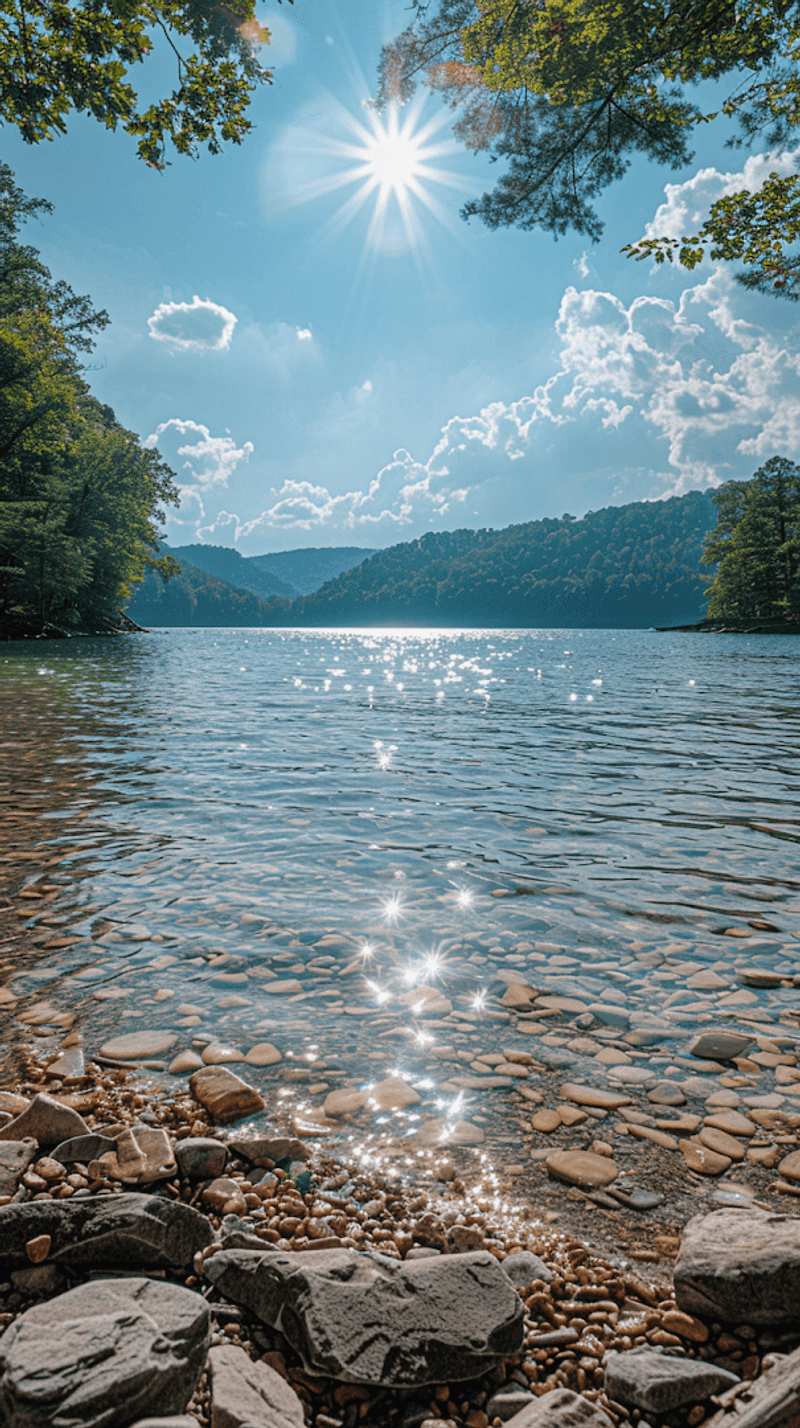
Some lakes are clear. Dale Hollow Lake is legendary for it.
This reservoir straddles the Tennessee-Kentucky border and touches Clay, Pickett, Overton, and Fentress Counties with 27,700 acres of water so transparent that scuba divers travel specifically for the underwater visibility.
The U.S. Army Corps of Engineers completed Dale Hollow Dam in 1943 by impounding the Obey River, and the resulting reservoir quickly developed a reputation that extended well beyond Tennessee.
The world-record smallmouth bass was pulled from these waters, a fact that still defines Dale Hollow’s identity in the fishing community decades later.
Approximately 620 miles of mostly forested shoreline wrap around the lake, punctuated by dramatic rocky outcroppings that add a rugged, sculptural quality to the landscape near Byrdstown and Celina.
Those rocky ledges, brush piles, and fallen logs along the banks create natural shelter for snake species that favor the cooler, shaded microhabitats found throughout the lake’s more remote stretches.
Primitive camping along the shoreline, with many sites reachable only by boat, adds a genuinely adventurous dimension to time spent here.
Dale Hollow rewards those willing to go a little further to find the quieter version of Tennessee’s wild lakeside beauty.
10. Percy Priest Lake
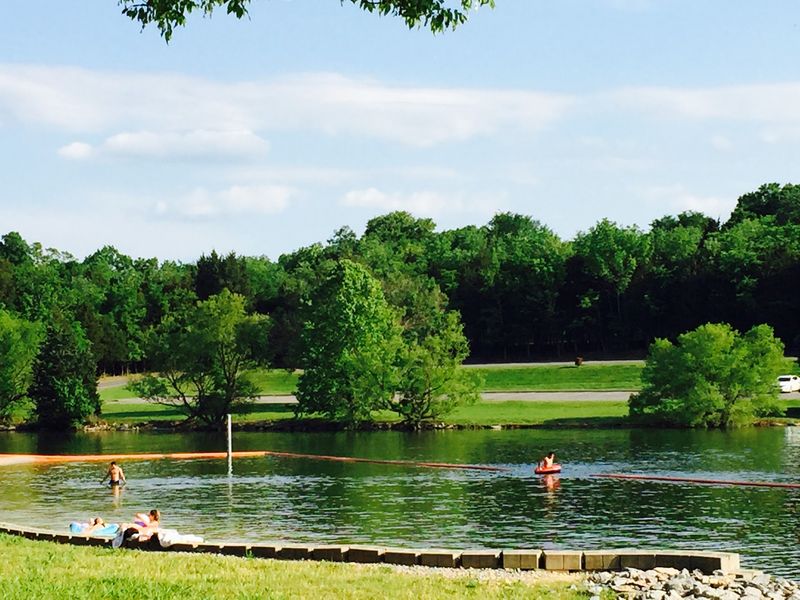
Percy Priest Lake offers something that the city itself cannot: 42 miles of open water, 14,200 acres of breathing room, and a shoreline framed by mixed hardwoods and dense cedar thickets that feel genuinely removed from the urban energy nearby.
The dam on the Stones River was completed in 1967, primarily for flood control and water supply, and the reservoir it created quickly became one of Middle Tennessee’s most-used outdoor spaces.
Davidson, Wilson, and Rutherford counties all share a piece of its 213-mile shoreline, giving the lake a broad geographic reach across the region.
Roughly 10,000 acres of surrounding land are dedicated to wildlife management, which translates into serious biodiversity.
Winter brings gulls, loons, grebes, and waterfowl in notable numbers, while the warmer months belong to largemouth bass anglers who regard this lake as one of Tennessee’s premier fishing destinations.
Cedar glade habitats along the shoreline near La Vergne and Smyrna provide exactly the kind of sun-exposed, rocky terrain that water snakes favor for warming up between hunting runs.
A paved trail near Couchville Lake winds through cedar glades and hardwood forest, offering one of the more scenic and accessible nature walks in the entire Nashville metro area.