
This Map Reveals The Worst Louisiana Mosquito Hotspots This Summer
Bug spray sales are about to spike across one itchy corner of the South. Something buzzing and biting has turned a normal summer into an outdoor survival test.
A map just dropped, pointing straight at the spots where things have gotten out of hand.
Swampy backroads, humid evenings, and porches where nobody sits still for long paint the scene. Louisiana summers already run hot and sticky, but the uninvited guests this year feel relentless.
Some corners are dealing with surges nobody saw coming, while others have gone years without real protection.
Health officials are watching closely, and honestly, so should you.
Louisiana is gorgeous in every season, but a few areas deserve caution before the cooler gets packed.
Curious which spots made the cut? Grab the repellent and keep reading.
Jefferson Parish, Louisiana

You think how that tiny single buzzing sound annoys you? Mosquitoes practically have their own zip codes in Jefferson Parish.
This sprawling parish sits right along the Gulf Coast, packed with marshes, bayous, and low-lying neighborhoods that collect standing water after every summer rain. The conditions here are almost custom-built for mosquito breeding, and locals know it well.
Jefferson Parish runs an integrated pest management program to keep populations under control. Authorities use various traps to monitor mosquito activity across the area.
Aerial spraying has covered communities like Crown Point and Lafitte, which sit deep in wetland territory and face some of the heaviest mosquito pressure in the state.
The parish encourages residents and visitors alike to eliminate standing water wherever possible. Even a bottle cap holding rainwater can become a breeding site.
That level of attention to small details tells you just how serious the mosquito situation gets here during peak summer months.
If you are planning outdoor activities in Jefferson Parish, mornings and evenings are the riskiest windows. Mosquitoes are most active during these cooler parts of the day, especially near water.
Long sleeves, pants, and a solid EPA-registered repellent should be non-negotiable parts of your packing list.
The good news is that Jefferson Parish is stunning despite the buzz. The wetlands around Lafitte attract wildlife lovers, kayakers, and fishing enthusiasts year-round.
You just need to go in prepared. The parish’s pest management team works hard to make outdoor experiences safer, but personal protection remains your best defense.
Crown Point and Grand Isle are especially worth exploring if you love coastal Louisiana scenery. Just respect the environment and the creatures in it, mosquitoes included.
They may be a nuisance, but they are also part of the delicate wetland ecosystem that makes this region so ecologically unique and visually spectacular.
Jefferson Parish, Louisiana, USA
St. Tammany Parish, Louisiana
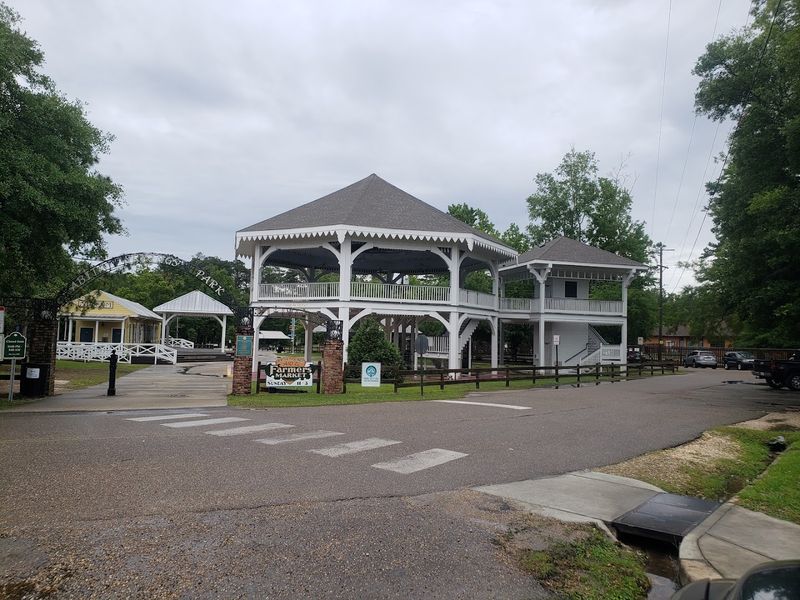
Ready for the Northshore? St. Tammany Parish is one of Louisiana’s most beloved destinations, known for its pine forests, charming towns, and access to Lake Pontchartrain.
It is also home to one of the state’s longest-running mosquito management programs, and that history alone tells you something important about summer here.
The St. Tammany Parish Mosquito Abatement District has been operating since 1968. That is not a coincidence.
The parish’s mix of forested areas, wetlands, and suburban neighborhoods creates ideal conditions for mosquito populations to explode during warm, wet months. Officials have been fighting this battle for decades.
Mosquito traps go out twice a week across the parish. Collected samples get tested for West Nile virus and Zika virus, keeping public health officials informed about what is circulating locally.
Summer months trigger intensified abatement efforts, including larviciding and adulticiding treatments to manage the surge.
Covington, Mandeville, and Slidell are the main hubs of activity in St. Tammany Parish. All three are charming, walkable, and worth visiting.
But outdoor dining, evening strolls along the Tammany Trace trail, or lakefront hangouts require some mosquito prep to stay comfortable.
The scenic beauty of the Northshore is real and worth every visit. Tall pines, rolling hills, and peaceful waterways make this one of Louisiana’s most refreshing regions to explore.
Just treat mosquito protection the same way you treat sunscreen here: always apply before heading out.
Source reduction is a community effort in St. Tammany Parish. Residents are asked to dump standing water from containers, gutters, and yard items regularly.
Visitors can support this effort by being mindful at rental properties or campgrounds. Small habits make a measurable difference when the whole community participates in keeping mosquito populations manageable.
St. Tammany Parish, Louisiana, USA
East Baton Rouge Parish, Louisiana

Visiting the state capital this summer means sharing space with some seriously persistent mosquitoes. East Baton Rouge Parish made headlines in early 2024 when Northern floodwater mosquito populations surged to roughly five times their normal levels.
A dry summer followed by a wet winter created perfect hatching conditions, and the parish felt the impact hard.
Asian tiger mosquitoes are also well established in East Baton Rouge Parish. Unlike many species, they are aggressive daytime biters, which means there is no safe window when you can simply skip the repellent.
They are bold, fast, and not shy about making their presence known in suburban yards and parks.
West Nile virus activity has increased in the parish in recent years. Local health officials use targeted barrier sprays to manage infected mosquito populations in affected neighborhoods.
Low-lying areas near waterways and drainage canals tend to see the highest concentrations of breeding activity throughout the summer season.
Baton Rouge itself is a city worth exploring deeply. The Old State Capitol, the LSU campus, and the Mississippi River levee all offer fantastic outdoor experiences.
Just build mosquito protection into every outing, especially if you plan to visit green spaces, parks, or riverfront areas in the evening.
The parish’s mosquito control team monitors trap data closely and responds to hotspot reports from residents. Reporting standing water or high mosquito activity in your neighborhood or near your lodging can help speed up treatment in those areas.
Community participation genuinely shapes how effective these programs become.
Pack permethrin-treated clothing if you plan extended outdoor time in East Baton Rouge Parish. That extra layer of protection works especially well against daytime-biting species like the Asian tiger mosquito.
Between the history, the food culture, and the riverfront energy, Baton Rouge is absolutely worth visiting. Just go in ready.
East Baton Rouge Parish, Louisiana, USA
Livingston Parish, Louisiana
Here is a parish that made national mosquito news for all the wrong reasons. Livingston Parish made headlines last mosquito season when it recorded Louisiana’s first confirmed human West Nile virus case of 2025, and the parish’s ongoing lack of a coordinated mosquito control program keeps it on watch lists heading into this year.
What makes Livingston Parish particularly tricky is the absence of a dedicated mosquito abatement district. Voters rejected the formation of one back in 2019, leaving the parish without the coordinated, parish-wide response that neighboring areas rely on.
That gap in infrastructure has real consequences when mosquito season peaks.
Some municipalities have stepped up to fill the void. Towns like Denham Springs and Livingston have launched their own spraying initiatives and ditch-dredging programs.
These efforts focus on reducing standing water, which is the primary driver of mosquito population growth in this warm, rain-soaked region of southeastern Louisiana.
The terrain here does not help matters. Livingston Parish sits in a low-lying area that floods regularly, and the humid subtropical climate means rainfall is frequent and substantial throughout the summer.
Every puddle, every clogged ditch, and every waterlogged yard becomes a potential breeding site within days of a storm.
Despite the challenges, Livingston Parish has real appeal for outdoor lovers. The Tickfaw River and nearby state parks offer beautiful natural experiences.
Camping, fishing, and kayaking are popular here. Just treat every outdoor activity like a mosquito encounter is guaranteed, because in summer, it pretty much is.
Personal protection is especially critical in Livingston Parish given the limited parish-wide control measures. Use EPA-registered repellents containing DEET, picaridin, or oil of lemon eucalyptus.
Wear long, light-colored clothing during dawn and dusk. And if you are staying in the area, check your accommodations for any sources of standing water nearby before settling in.
Livingston Parish, Louisiana, USA
Tangipahoa Parish, Louisiana
Tangipahoa Parish covers a striking stretch of southeastern Louisiana, running from the Mississippi border down toward Lake Pontchartrain. The landscape shifts from rolling pine hills in the north to flat, swampy lowlands in the south, and that southern zone is where mosquito pressure gets genuinely intense during summer months.
The Tangipahoa Mosquito Abatement District takes a thorough, layered approach to managing the problem. Their Integrated Pest Management strategy combines public education, source reduction, biological controls, larviciding, and adulticiding.
When populations spike, aerial spraying is deployed, and that happened in the southern part of the parish as recently as May 2026 following high mosquito counts.
Disease surveillance is a major part of their work. The district actively tests for West Nile virus, Eastern Equine Encephalitis, and St. Louis Encephalitis.
All three are serious mosquito-borne illnesses that can circulate in Louisiana during warm months. Knowing what is in the local mosquito population helps officials respond quickly and precisely.
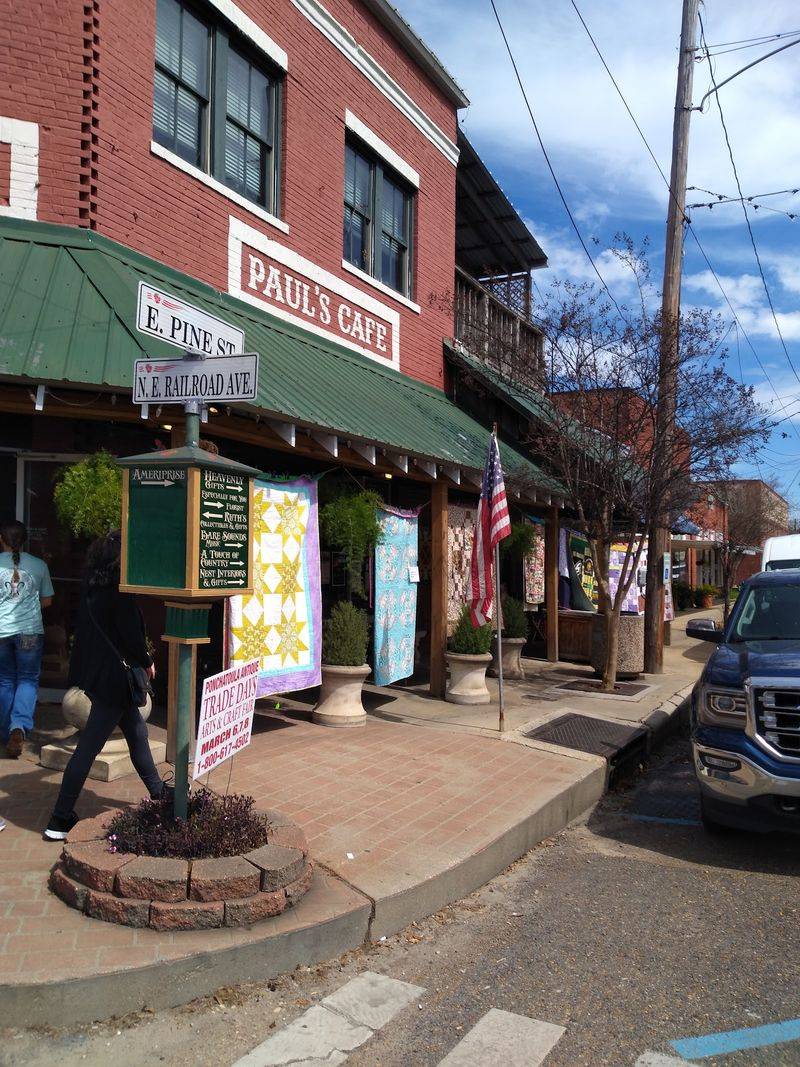
Hammond is the largest city in the parish and a lively college town worth visiting. Ponchatoula, famous for its strawberry festival, is another charming stop.
Both towns have parks, trails, and outdoor markets that draw visitors, but summer evenings in these spots can get buggy fast without proper preparation.
The Tickfaw River and Tangipahoa River wind through the parish, creating beautiful paddling corridors. These waterways also create natural mosquito breeding zones along their banks and in surrounding floodplains.
If you are planning a river trip or camping excursion, consider it a given that mosquito repellent belongs in your gear bag right next to your water bottle.
One smart move before visiting Tangipahoa Parish is checking the abatement district’s updates. They share information about recent treatments and disease findings, which can help you time your outdoor activities more wisely.
Staying informed is one of the simplest ways to protect yourself during a Louisiana summer adventure.
Tangipahoa Parish, Louisiana, USA
Ouachita Parish, Louisiana
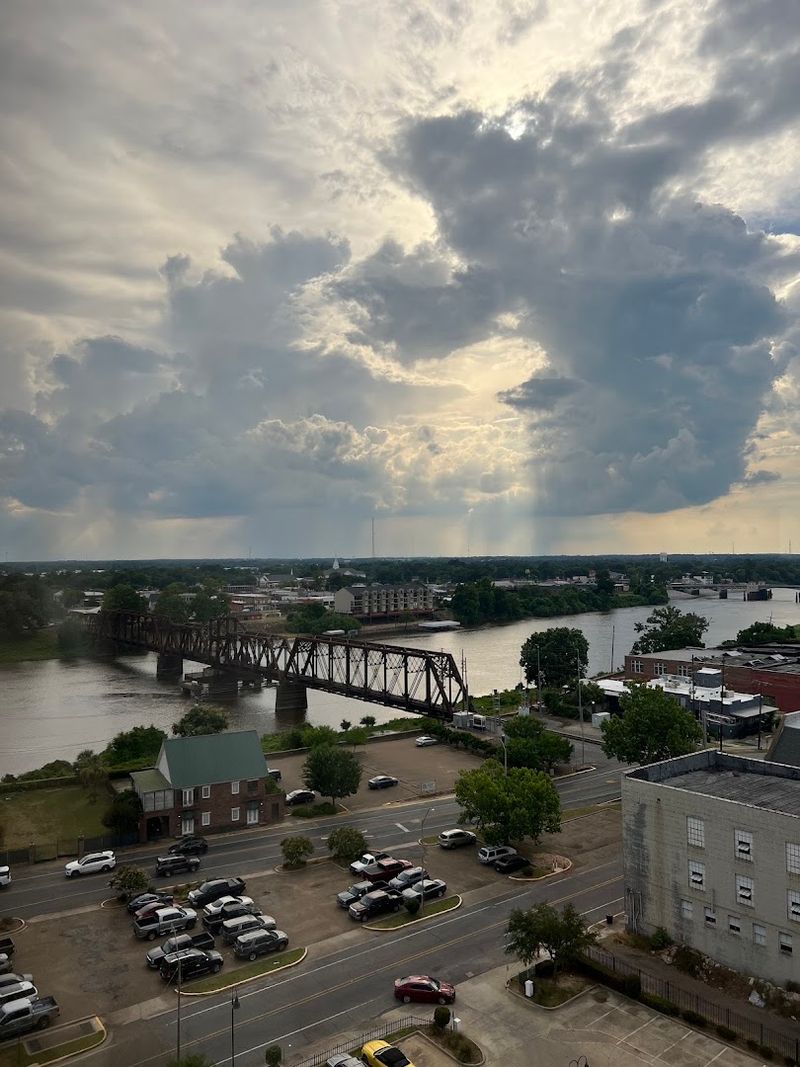
Northeast Louisiana does not get as much tourist attention as the southern parishes, but Ouachita Parish is a destination worth knowing. Monroe and West Monroe sit at its heart, offering history, culture, and outdoor recreation along the Ouachita River.
They also offer one of the longest mosquito seasons in the entire state.
Mosquito activity in Ouachita Parish typically kicks off in early March and does not wind down until November. That is nearly nine months of buzzing.
Can you even imagine that? Peak pressure builds from June through August, when heat and humidity combine with the flat, water-retaining terrain to create conditions that mosquitoes absolutely love.
The Ouachita River floodplain is a big part of the problem.
Flat, alluvial land holds water long after rainfall, and the river itself creates extensive low-lying habitat ideal for breeding. The parish mosquito abatement district works hard to address this, using surveillance, larviciding, and aerial spraying in and around Monroe and West Monroe.
In May 2026, the district confirmed West Nile virus in local mosquito populations, adding urgency to their summer control efforts. St. Louis Encephalitis is also tracked here, and both diseases are transmitted by mosquito bites.
Knowing these risks before you visit helps you take the right precautions without skipping the trip entirely.
Monroe has a genuinely interesting downtown with museums, riverfront parks, and local restaurants worth exploring. The Biedenharn Museum, the Louisiana Purchase Gardens, and the Chennault Aviation Museum are all popular stops.
Outdoor time near the river or in the gardens does require mosquito awareness, particularly in the evening hours when activity peaks.
Repellent, protective clothing, and awareness of your surroundings go a long way in Ouachita Parish. The abatement district’s efforts reduce the burden significantly, but no program eliminates mosquitoes entirely in a landscape this naturally suited to them.
Come curious, come prepared, and you will find Northeast Louisiana more rewarding than you expected.
Ouachita Parish, Louisiana, USA