
Locals Avoid This Beautiful New York Nature Trail After Dark Because The Wildlife Is Too Active
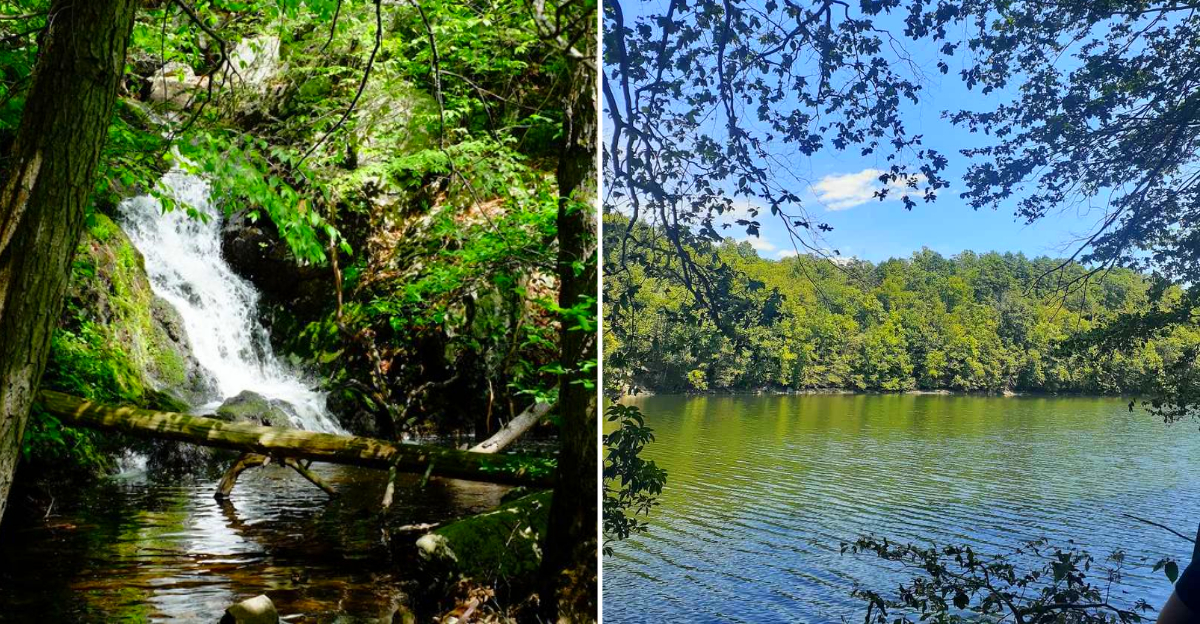
Something changes the second the sun drops behind the trees, and locals learned long ago not to stick around and find out what.
One beautiful New York nature trail turns into a completely different place after dark, crowded with wildlife that seems to wake up right on schedule.
Deer wander closer than usual. Owls take over the soundtrack entirely.
Regulars time their hikes carefully, wrapping up well before dusk settles in for good. Daytime hides a lot about this trail that nighttime reveals fast.
Raccoons and foxes claim the paths once visitors clear out, moving with a confidence that suggests they know the schedule better than anyone. Rustling sounds multiply the moment daylight fades.
Locals respect the trail enough to hand it back to its actual residents each evening. Beautiful during the day, a little unpredictable after dark, and worth respecting either way.
A Forest That Feels Like Another World
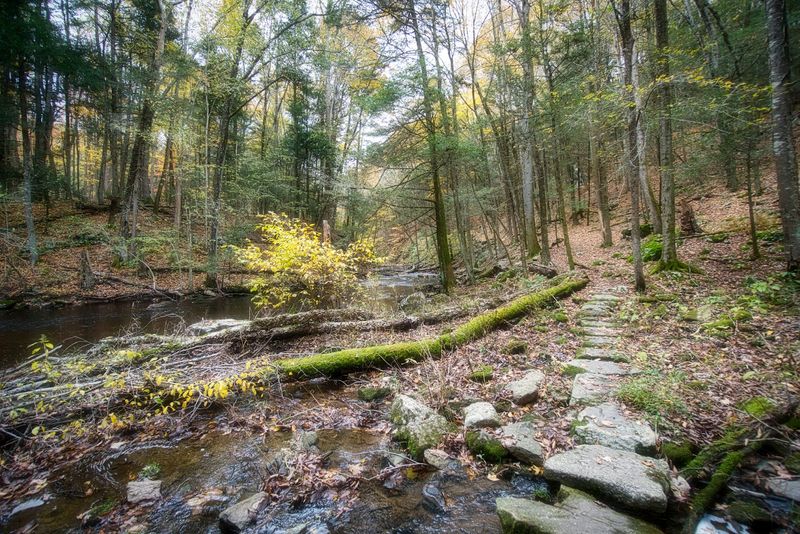
Few forests in the northeastern United States stop you in your tracks the way this one does. The trees here are not just old.
They are ancient, with some hemlocks and hardwoods standing for more than 350 years. Their trunks rise over 100 feet into the sky, creating a canopy so thick it feels like the forest has its own ceiling.
Underneath all that green shade, more than 30 species of ferns carpet the ground. The air feels cooler and damper than the world outside, almost like the gorge creates its own private climate.
Scientists actually call it a microclimate, and it is the reason this rare ecosystem has survived so close to a major city.
Most people do not expect to find something this raw and untouched just an hour from Manhattan. The preserve covers nearly 935 acres and has been carefully protected since 1955, when The Nature Conservancy chose it as their very first land preservation project.
Walking through it feels less like a day hike and more like stepping into a living museum of what New York once looked like before everything changed.
The Address And The History
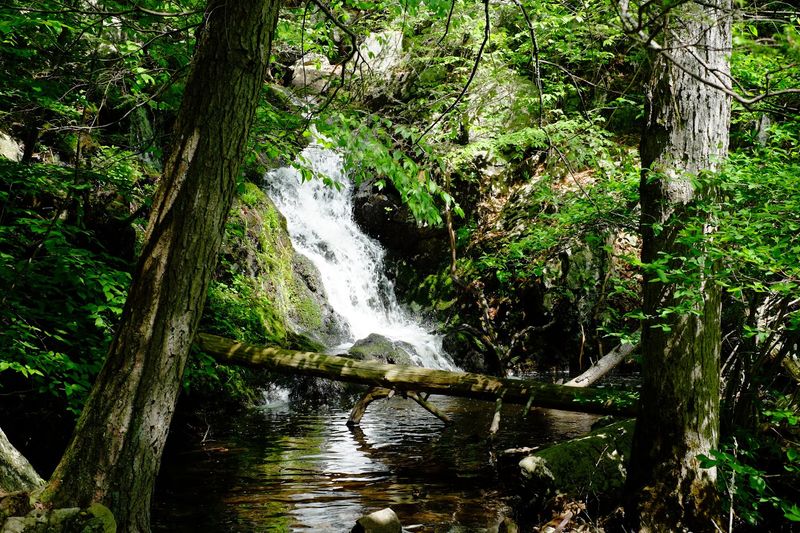
The Mianus River Gorge Preserve sits at 167 Mianus River Road in Bedford, New York, and it carries a title that most preserves only dream about. Back in 1964, it became the very first registered National Natural Landmark in the entire country.
That is not a small distinction. It means the federal government recognized this place as genuinely irreplaceable.
The gorge itself was carved by melting glaciers between 10,000 and 15,000 years ago. What those glaciers left behind is a steep, dramatic landscape where the Mianus River rushes through rocky passages with real force.
The sound of moving water follows you on nearly every trail in the preserve.
The preserve is open from April 1 through November 30, with hours running from 8:30 a.m. to 5:00 p.m. daily. It closes completely from December through March, partly to protect the wildlife that depends on seasonal quiet.
Access is intentionally limited because this is a private preserve, not a public park. That distinction matters.
The rules here exist to keep the ecosystem healthy, and the wildlife population thriving year-round.
The River That Quenches A Region
The Mianus River is not just pretty scenery. It is a genuine lifeline for more than 100,000 people living in parts of New York and Connecticut who rely on it as a primary source of drinking water.
That fact alone gives the preservation of this gorge a weight that goes beyond hiking enjoyment.
The river moves fast through the gorge, tumbling over rocks and carving through the landscape with the kind of energy that reminds you glaciers once did the heavy lifting here.
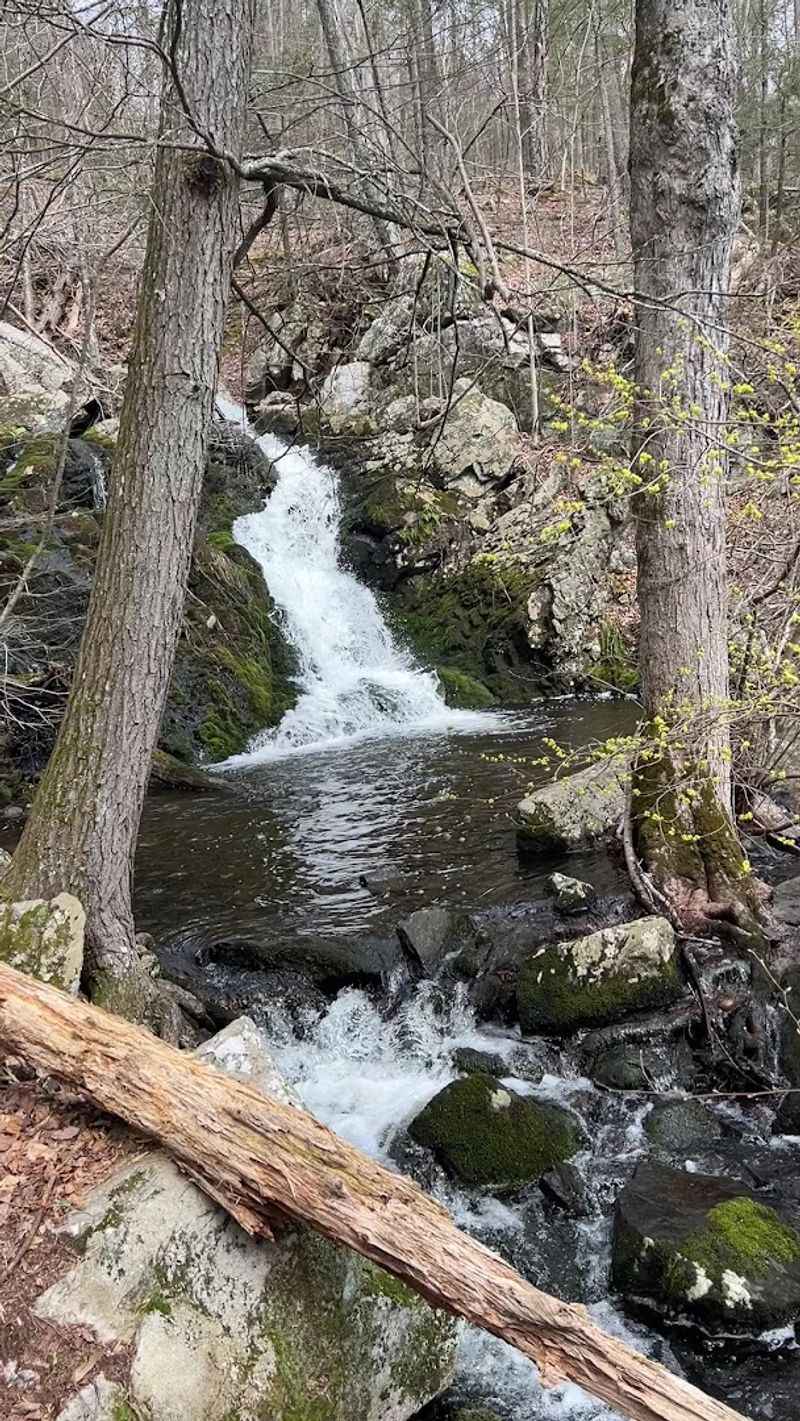
Along the way, it passes Havemeyer Falls, a picturesque waterfall that is one of the most photographed spots in the entire preserve.
The sound it makes is the kind that resets your brain after a long week.
Keeping the watershed clean and intact is one of the core reasons the preserve enforces its strict rules. No swimming or wading is allowed, and dogs are not permitted on any of the trails.
These are not arbitrary restrictions. Every rule traces back to protecting the water quality and the delicate balance of the ecosystem that surrounds it.
The river earns its protection every single day.
Trails That Actually Reward The Effort
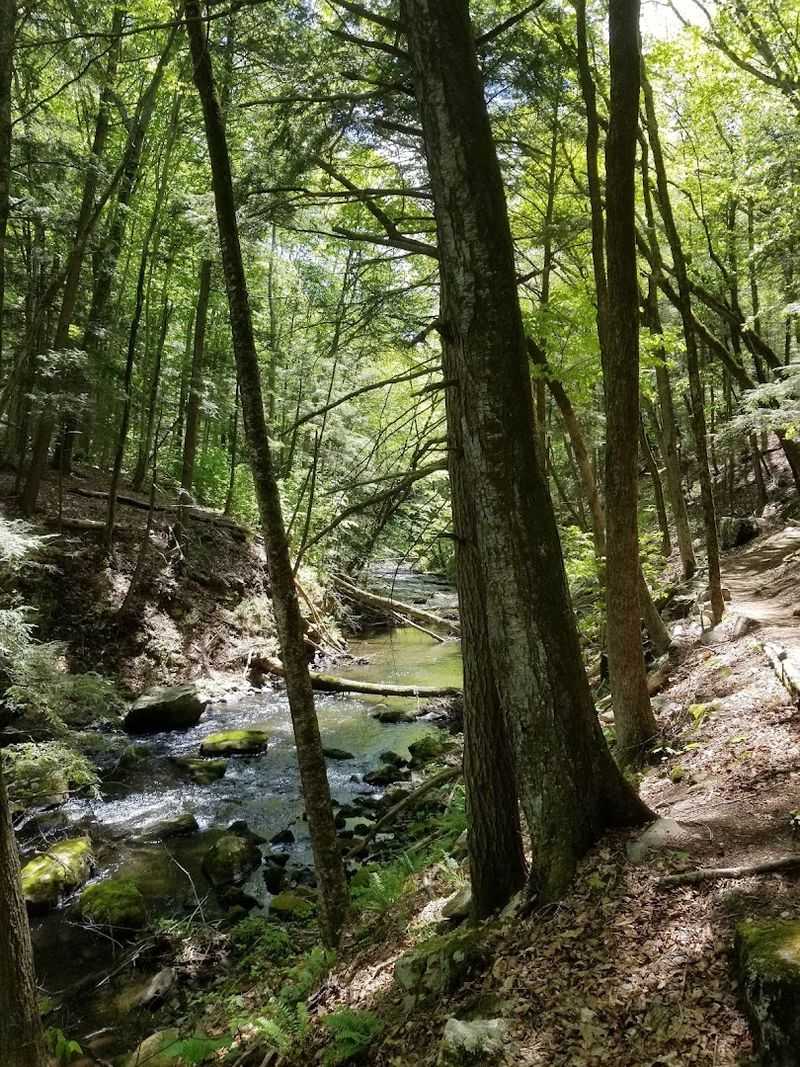
Over four miles of woodland trails wind through the preserve, and each color-coded route offers a genuinely different experience. The Green River Trail keeps you close to the water and is the most accessible option for families or casual hikers.
The Blue Old Farmland Trail takes you through areas where 19th-century farms once stood, with old stone walls still visible through the trees.
The Red Old Growth Forest Trail is the one serious hikers talk about. It climbs and descends through the most ancient sections of the forest, where the trees are at their most impressive and the terrain gets properly rugged.
Maps are available at the entrance, and trail junctions are clearly marked, though blazes between junctions are sparse, so paying attention matters.
Difficulty overall sits at a medium level, which means most reasonably active people can handle it without special gear. Trail surfaces are narrow and winding, with plenty of roots and rocks to keep things honest.
The preserve also offers guided naturalist excursions into sections not normally open to the public, which is worth checking out if you want to go deeper than the standard trail map allows.
Mammals That Make Locals Think Twice After Dusk
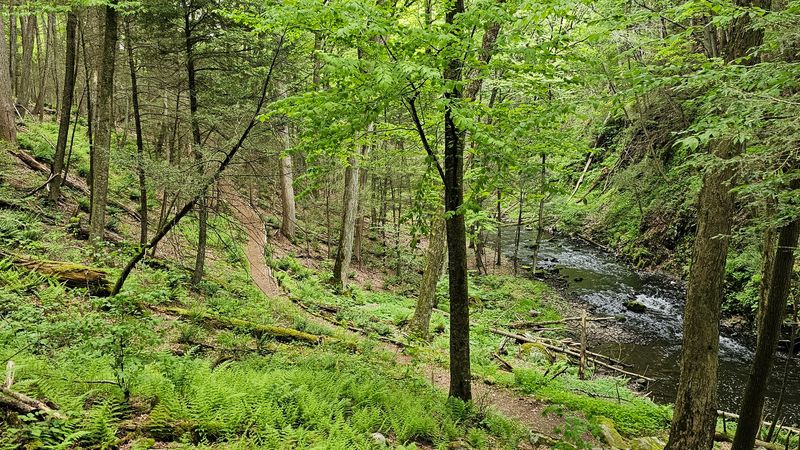
Here is the heart of the matter. When the preserve closes at 5:00 p.m. and the last hikers head back to their cars, the real residents of the gorge come out to handle their business.
Bobcats move through the underbrush with the kind of quiet confidence that makes you glad you are not watching from a trail. Coyotes follow their own routes through the forest floor, completely unbothered by the human schedule that governs daytime visits.
White-tailed deer are so plentiful that the preserve began managing the population in 2003 through limited bow hunting. Without that management, deer browsing would damage the very vegetation that makes the old-growth forest so extraordinary.
Long-tailed weasels, red foxes, and eastern turkeys also move through the gorge regularly, adding to the sense that this place belongs to its animals first.
Squirrels, chipmunks, and mice round out the smaller cast, but do not let their size fool you. They play a critical role in the forest food web.
The mammals here are not pets or props. They are wild, active, and thoroughly at home in a forest that has been protecting them for decades.
Birds That Make Birdwatchers Weak In The Knees
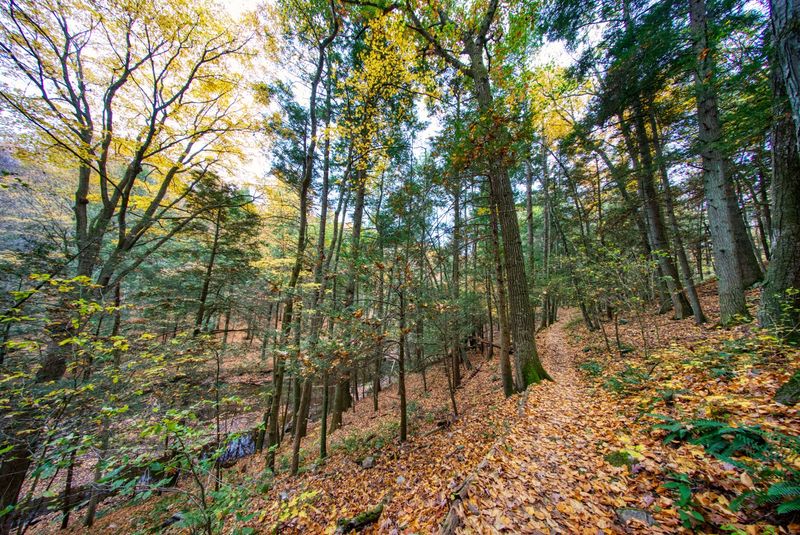
Birdwatchers have been making pilgrimages to the Mianus River Gorge for years, and the species list here reads like a greatest hits collection.
Bald eagles and peregrine falcons represent the top of the aerial food chain, while scarlet tanagers and hermit thrushes bring a kind of color and song that stops people mid-stride on the trail.
The Acadian Flycatcher and Winter Wren are both considered noteworthy finds in the Northeast, and both have been reliably spotted within the preserve.
Worm-eating Warblers, wood thrushes, red-tailed hawks, and various woodpecker species fill out a list that rewards patience and a good pair of binoculars.
Early morning visits during spring migration are particularly productive.
The old-growth forest canopy provides ideal nesting habitat for species that need large, undisturbed trees. That is a rarity in a region as developed as Westchester County, which makes the gorge an ecological refuge of real significance.
Guided night treks organized by preserve naturalists have even located owls in the gorge after hours, which says everything you need to know about how active the skies above this forest truly are.
Reptiles And Amphibians Living Their Best Lives
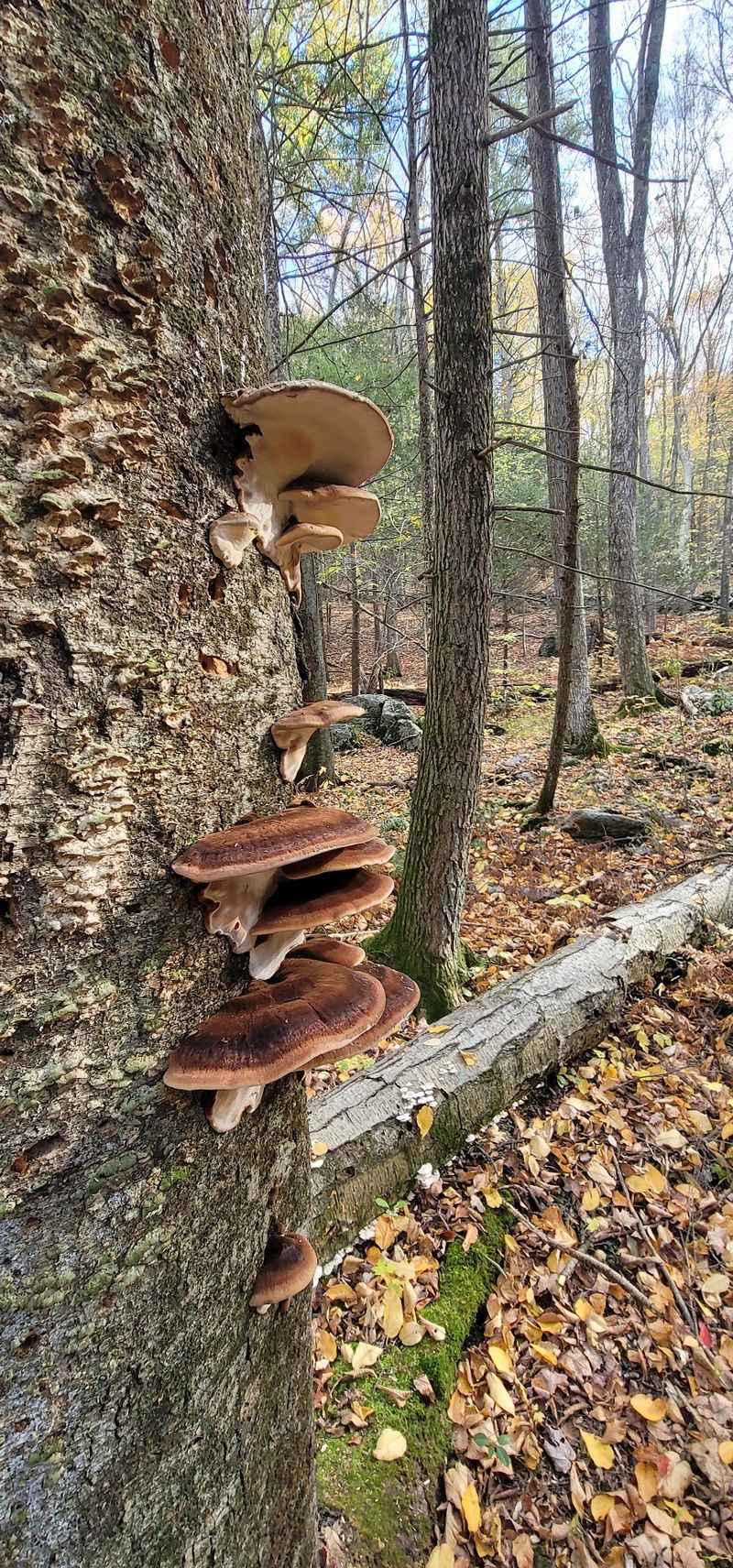
Not every remarkable resident of the gorge has feathers or fur. The preserve supports a strong population of reptiles and amphibians that thrive in the cool, moist conditions the gorge provides.
Wood turtles are among the most notable, considered a species of conservation concern in New York State, yet they find reliable habitat here along the riverbanks.
Eastern gray treefrogs and northern dusky salamanders are also well established in the gorge. The salamanders favor the shaded, rocky stream edges where moisture stays consistent throughout the warmer months.
On humid evenings, the chorus of frogs near the river can be genuinely impressive, the kind of soundtrack that reminds you nature has its own playlist.
The microclimate created by the steep gorge walls and the dense tree canopy keeps temperatures cooler and humidity higher than the surrounding landscape. That specific set of conditions is exactly what many amphibians need to survive.
Lizards also make their home here, adding to the reptile diversity in a forest ecosystem that proves you do not need to travel to a tropical rainforest to encounter genuinely fascinating cold-blooded wildlife.
Why The Rules Here Are Actually The Point
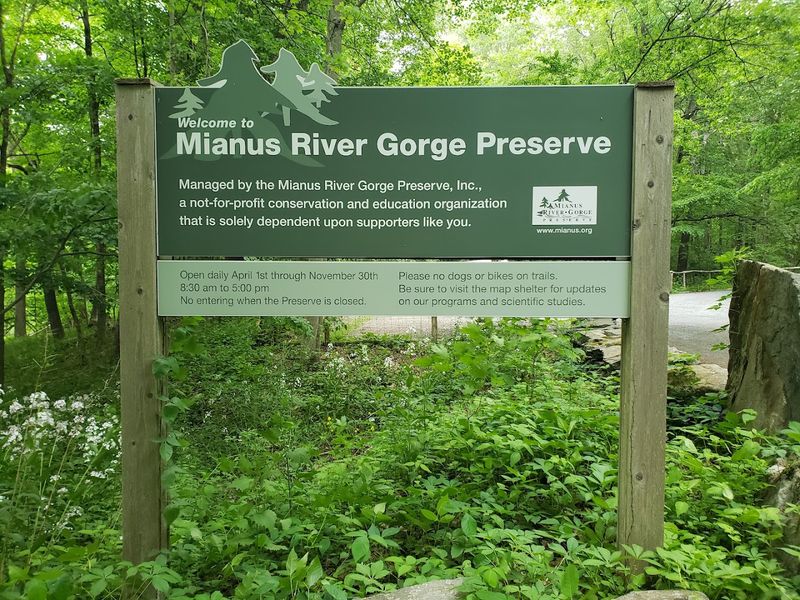
Some people see a list of rules and feel restricted. At the Mianus River Gorge, the rules are the reason the place is still worth visiting.
No dogs, no mountain bikes, no collecting minerals, no swimming, no camping, and no hunting or trapping. Each restriction exists because the ecosystem here is genuinely fragile and genuinely irreplaceable.
The seasonal closure from December through March is not about inconveniencing visitors. It is about giving the wildlife and the forest a window of undisturbed time every year.
Bobcats, deer, coyotes, and the rest of the gorge’s permanent residents need that quiet season to do what they do without human foot traffic complicating things.
The preserve is privately managed, which gives it a level of care and intentionality that many public parks simply cannot match. Parking is available on site, clean restrooms are maintained at the trailhead, and trail maps are provided at the entrance.
Donations are encouraged and genuinely matter for keeping operations running. Visiting responsibly here is not just good etiquette.
It is the direct reason future visitors will find the same extraordinary place that you did.
Planning Your Visit Before The Forest Clocks Out
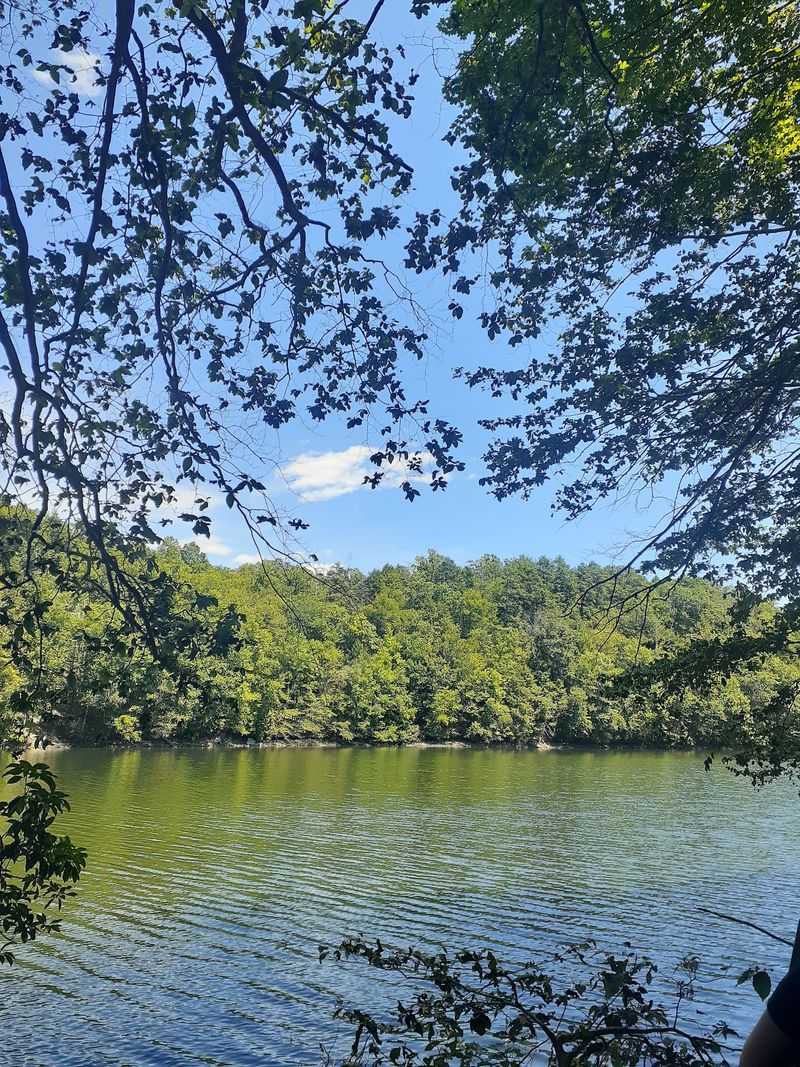
Getting the timing right makes all the difference at the Mianus River Gorge. The preserve is open from April 1 through November 30, every day from 8:30 a.m. to 5:00 p.m.
Arriving early on a weekday gives you the best chance of having the trails largely to yourself, which is when the forest feels most alive and unhurried.
Spring brings migrating birds and the first flush of fern growth, making it one of the most visually rewarding seasons. Fall turns the old-growth canopy into a spectacle of color that rivals anything you will find in more famous New York destinations.
Both seasons draw regular visitors, so a midweek morning visit beats a Saturday afternoon every time.
The preserve is roughly an hour from Manhattan, making it a genuinely achievable day trip for anyone based in the city or the surrounding suburbs. Wear sturdy shoes because the terrain earns its medium difficulty rating.
Bring water, a trail map from the entrance, and a willingness to move slowly. The gorge rewards people who are not in a rush.
And whatever you do, keep an eye on the clock. When 5:00 p.m. arrives, the forest politely but firmly hands the keys back to the wildlife.