
9 Massive Tennessee Lakes That Feel More Like Oceans Than Inland Lakes
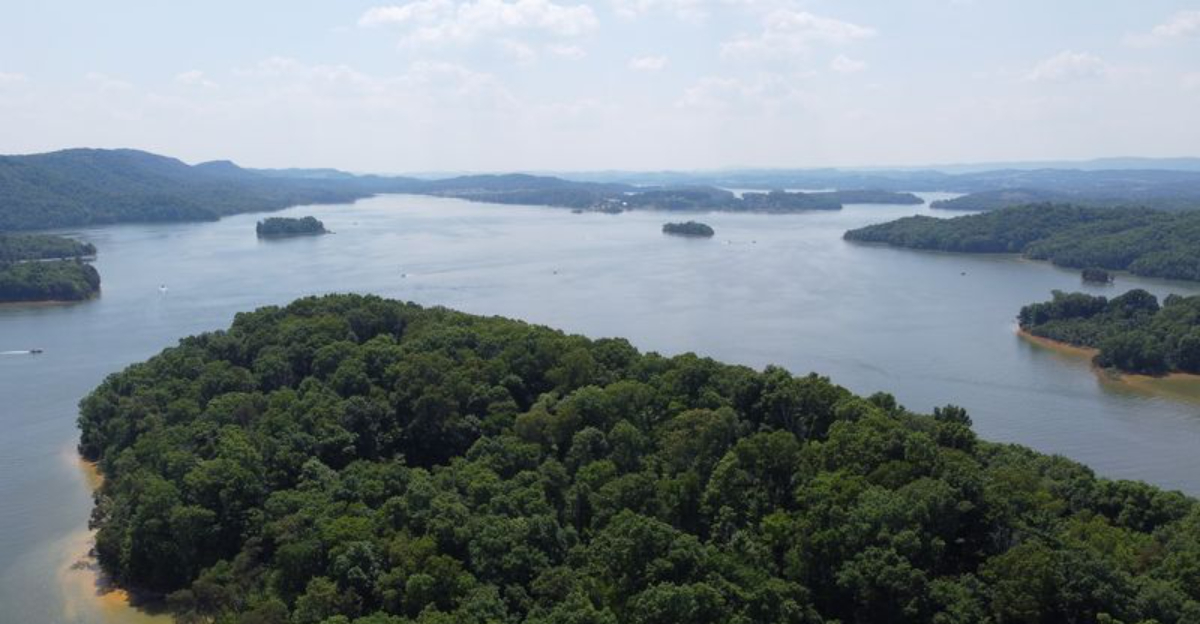
Have you ever stood beside a lake so enormous that the opposite shore seemed to disappear?
Tennessee is home to vast stretches of water where the horizon feels endless, waves roll toward the shoreline, and boats look tiny against the open blue.
These are not ordinary lakes meant for a quick afternoon paddle. They are sprawling destinations where families spend entire weekends swimming, fishing, cruising, and watching the sun sink over miles of water.
Some have sandy beaches that feel surprisingly coastal. Others are surrounded by rocky coves, forested islands, and wide channels that seem built for adventure.
The sheer size can be hard to understand until you see it for yourself. A peaceful morning can feel like a seaside escape, while a windy afternoon may send real waves crashing near the docks.
Get ready to meet nine Tennessee lakes so massive that calling them inland waters almost feels unfair.
1. Kentucky Lake
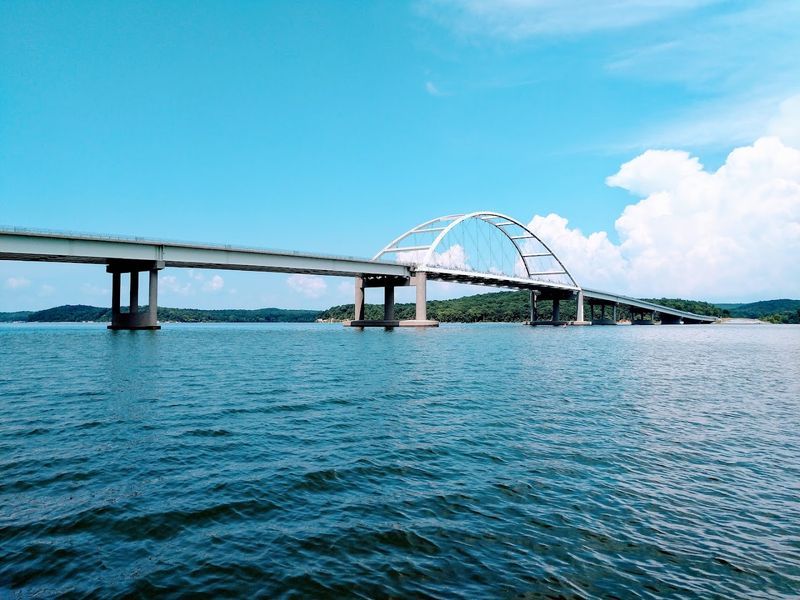
At roughly 160,300 acres, Kentucky Lake does not just bend the rules of what an inland lake should look like. It tears them up entirely.
Spanning Tennessee and Kentucky along the Tennessee River, this reservoir stretches an astonishing 184 miles, making it the largest artificial lake by surface area in the entire eastern United States.
The Kentucky Dam began filling the basin in 1944, and the result was a waterway that serves flood control, power generation, and navigation all at once.
But the practical side of the story barely scratches the surface of what makes this place so extraordinary.
On a calm morning, the open water seems to extend forever, and the light plays across the surface in ways that feel more Pacific than landlocked Tennessee.
Anglers come for bass, crappie, and catfish, while boaters come simply to feel the scale of the place beneath them.
Bald eagles patrol the skies during winter months, and designated eagle-viewing weekends turn the shoreline into a gathering of wide-eyed onlookers.
The sheer breadth of Kentucky Lake, with its thousands of miles of combined shoreline when every bay and inlet is counted, means no two days on the water ever feel quite the same.
2. Pickwick Lake
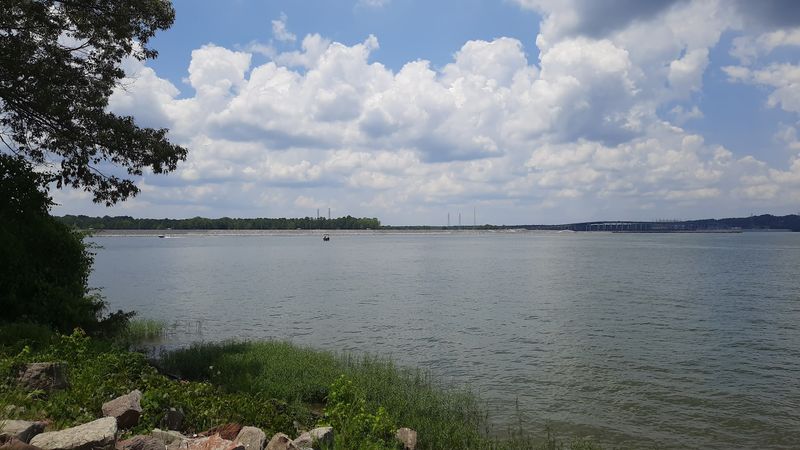
Three states share Pickwick Lake, and honestly, that feels about right for a body of water this ambitious.
Sitting at the junction of Tennessee, Alabama, and Mississippi, this 43,100-acre reservoir was created by the Pickwick Landing Dam back in 1938 and has been impressing people ever since.
With nearly 490 miles of shoreline and a length of about 53 miles along the Tennessee River, Pickwick offers broad, open stretches of water where distant banks blur into the tree line and the whole scene starts to feel almost coastal.
Fishing here has a serious following. Smallmouth and largemouth bass are the main draw, but the lake also supports a rich variety of other species that keep anglers returning season after season.
Beyond fishing, the water is a natural stage for boating, water skiing, and swimming, with multiple marinas and state parks making access easy.
Pickwick also marks the northern end of the Tennessee-Tombigbee Waterway, a fact that gives the lake an almost nautical identity that most reservoirs simply cannot claim.
When the wind kicks up and the waves start rolling across those wide-open channels, the ocean comparison stops being a metaphor and starts feeling like a straightforward description.
3. Watts Bar Lake
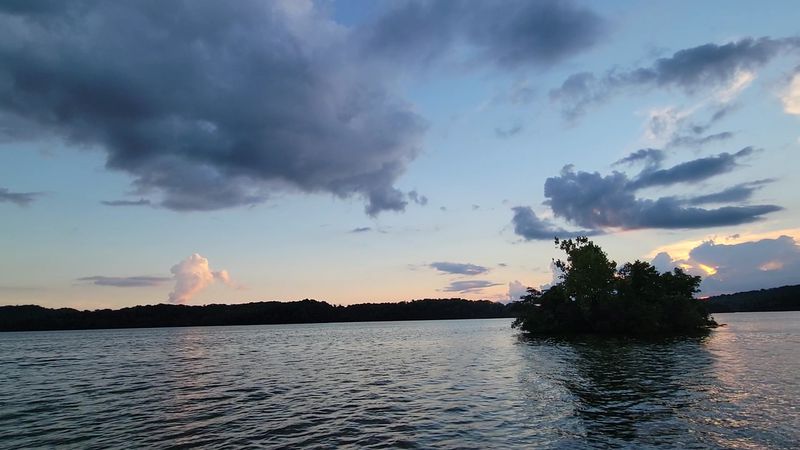
Sitting between Knoxville and Chattanooga in the heart of East Tennessee, Watts Bar Lake holds more history than most people expect from a reservoir.
The Watts Bar Dam was completed in 1942, and the power it generated played a direct role in the United States war effort during World War II.
That kind of origin story gives the lake a weight that goes beyond its impressive 39,090 acres.
Stretching 72 miles along the Tennessee River, with navigable arms reaching into both the Clinch and Emory rivers, Watts Bar spreads across the landscape in ways that keep surprising you the farther you travel.
Its approximately 722 miles of shoreline hide natural sand beaches tucked into quiet coves, perfect for a spontaneous afternoon swim.
Fishing here is genuinely exceptional. Jumbo crappie and trophy stripers are the names on every angler’s wish list, and the stable summer water levels mean conditions stay predictable enough to plan around.
A scenic drive along the highway from Watts Bar Dam toward the Cherokee National Forest rewards you with sweeping water views that shift and change around every bend.
Pack a kayak and see how many coves you can find before sunset.
4. Chickamauga Lake
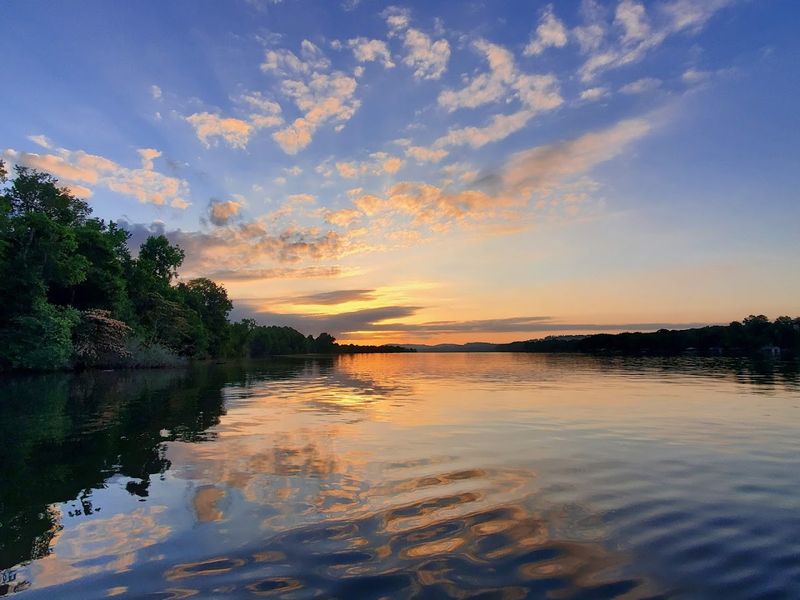
There are moments on Chickamauga Lake when you look across the water and the opposite bank seems to have simply decided not to show up.
With roughly 36,240 acres of water and an impressive 784 miles of shoreline, this Tennessee River reservoir has a way of making you feel genuinely small in the best possible sense.
The Chickamauga Dam was completed in 1940, and the lake was named after the Chickamauga band of Cherokees who once called this region home.
That layer of history adds a certain depth to the experience that goes well beyond the fishing reports and boating routes.
And speaking of fishing, this lake has a reputation that carries serious weight.
It holds Tennessee’s state record for largemouth bass and draws serious anglers after crappie, walleye, and Florida-strain bass all year long.
The wide channels that border Rhea, Meigs, and Hamilton counties also make it a natural fit for sailing, with enough open water to catch a proper wind.
Stretching nearly 59 miles, Chickamauga offers the kind of room that makes big plans feel reasonable.
Whether you are plotting a full-day boating trip or simply watching the sun go down over water that looks like it has no end, this lake delivers a scale that earns every ocean comparison it gets.
5. Norris Lake
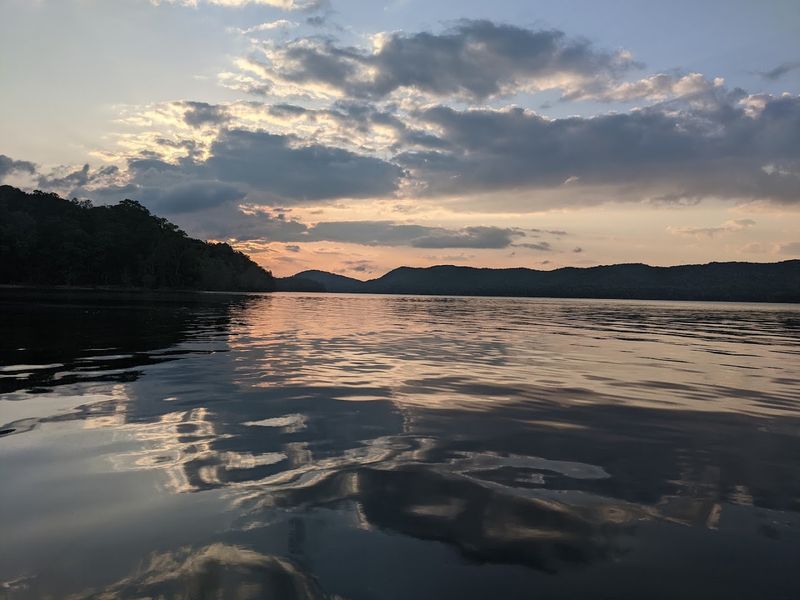
Norris Lake carries a distinction that most Tennessee lakes can only dream about: it is widely considered the cleanest lake in the entire state.
Covering over 33,840 acres in the foothills of the Cumberland Mountains, with a remarkable 809 miles of winding shoreline, Norris feels less like a reservoir and more like a natural wonder that happened to need a dam.
The Norris Dam was the very first project ever completed by the Tennessee Valley Authority, finished in 1936.
The planned community of Norris was built nearby to house the construction workers, and that town still exists today as a quiet reminder of a genuinely historic moment in American infrastructure.
Sections like the Loyston Sea give Norris its strongest ocean-like quality.
Out there, the water opens up dramatically, and the surrounding ridgelines drop far enough back that the horizon becomes your main view.
More than 50 islands dot the lake, and hundreds of secluded coves offer private little corners to anchor up and enjoy the silence.
Stripers and bass keep the fishing community busy year-round, while scuba divers explore the submerged remnants of old communities beneath the surface.
Norris Lake rewards curiosity at every level, from the top of the water all the way down to the bottom.
6. Cherokee Lake
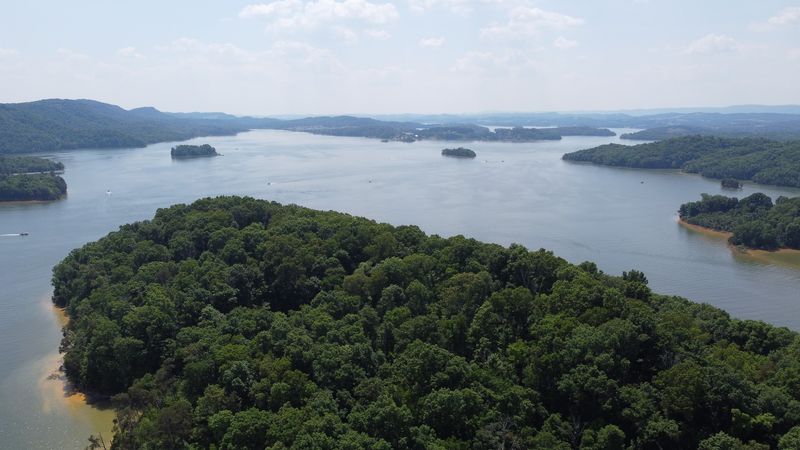
Speed records and wartime urgency shaped Cherokee Lake before a single boat ever crossed its surface.
The Cherokee Dam was built between August 1940 and December 1941, a remarkably fast construction timeline driven by the need for hydroelectric power during World War II.
That sense of urgency is long gone now, replaced by the kind of calm that only 28,780 acres of open water can provide.
Sitting on the Holston River in East Tennessee, Cherokee Lake stretches wide enough that long views across the water become a regular feature of any day spent here.
Nearly 400 miles of shoreline frame those views, giving the lake a varied edge that shifts between open banks, forested coves, and quiet inlets.
Bass, crappie, and walleye keep fishing enthusiasts well occupied, and the broad, open water makes Cherokee a natural destination for boating trips that cover real distance.
Steady breezes across the wider sections also make it a reliable spot for sailing, which is not something every Tennessee lake can honestly claim.
Walking across the mile-long dam offers one of the best free panoramas in the region, with water stretching out on one side and rolling hills on the other.
Cherokee Lake has a way of making East Tennessee feel genuinely grand, and that feeling tends to stick with you long after you have driven home.
7. Douglas Lake
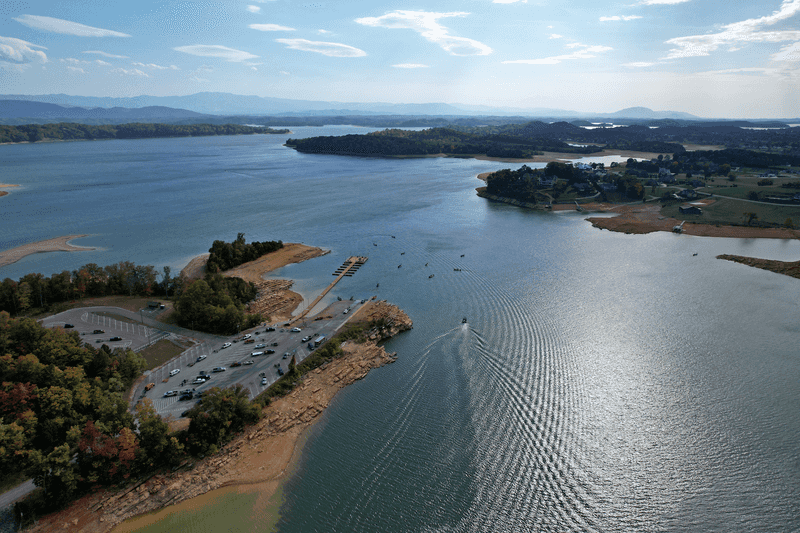
Few lakes in the country can claim the Great Smoky Mountains as a backdrop, but Douglas Lake pulls it off with effortless style.
Spread across roughly 28,420 acres near Sevierville, this reservoir offers 513 miles of shoreline, broad channels, and long unbroken water views that make the surrounding mountains feel even more dramatic by comparison.
The Douglas Dam was completed in just 12 months and 17 days, a World War II record that still stands as one of the fastest large-dam constructions in American history.
That speed was driven entirely by the urgent need for wartime hydropower, and the result was a lake that has been rewarding people with spectacular scenery ever since.
Crappie and largemouth bass are the main fishing targets, and the sandy beaches tucked into coves and islands give swimmers a reason to anchor up and stay a while.
Boating across the wide channels on a clear day, with the Smokies rising in the distance, produces the kind of view that makes you forget you are technically in a reservoir.
Birdwatchers have their own reason to love Douglas Lake.
From late July through early October, shorebirds and waterfowl arrive in impressive numbers during their fall migration, turning the lake into a lively, ever-changing wildlife spectacle that rivals any coastal estuary.
8. Dale Hollow Lake
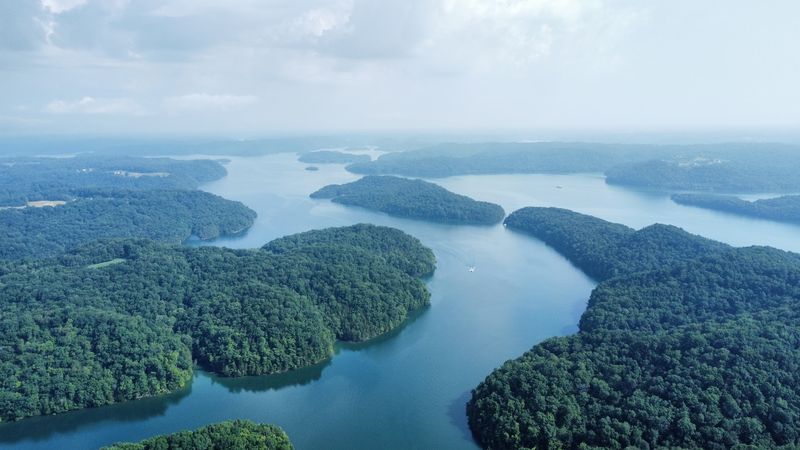
The water at Dale Hollow Lake has a color that stops people mid-sentence.
Deep, clear, and genuinely blue in a way that inland lakes rarely manage, it is the kind of water that makes the ocean comparison feel less like marketing and more like an honest observation.
Shared by Tennessee and Kentucky, Dale Hollow covers 27,700 surface acres and is surrounded by 620 miles of forested shoreline that remains largely undeveloped.
The Dale Hollow Dam was built by the U.S. Army Corps of Engineers and completed in 1943, originally designed for flood control and hydroelectric power.
Today, the lake is best known for world-class fishing, having produced record-setting smallmouth bass and supporting healthy populations of crappie, muskie, and trout.
Houseboating is a genuine tradition here, and the lake consistently ranks among the best in North America for that particular type of adventure.
There is something deeply satisfying about waking up on the water, surrounded by trees and silence, with no traffic and no schedule.
On land, the surrounding area offers horseback riding trails, ancient caves worth exploring, and the occasional bald eagle overhead to remind you that the wildlife here is just as impressive as the water.
Dale Hollow rewards slow travel more than almost any other lake on this list.
9. Old Hickory Lake
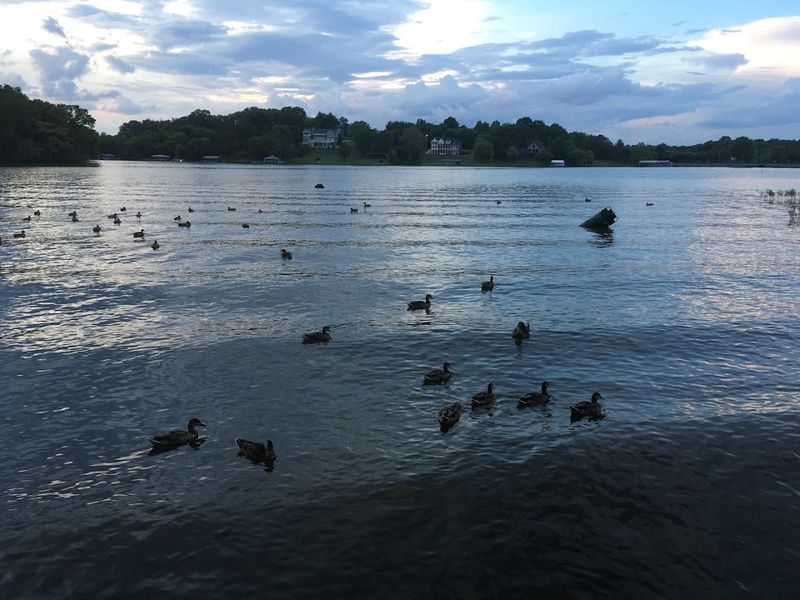
Less than an hour from downtown Nashville, Old Hickory Lake manages to feel like a completely separate world.
Covering 22,500 acres and stretching nearly 100 miles along the Cumberland River, this reservoir is far bigger than most people expect from a lake sitting so close to a major city.
The Old Hickory Lock and Dam was built by the U.S. Army Corps of Engineers and began operations in the mid-1950s.
The relatively stable water levels it maintains year-round make Old Hickory one of the more reliable lakes in the state for consistent recreation.
Its 440 miles of shoreline fold into a complex pattern of bays, coves, and small islands that give the lake a much larger feel than its acreage alone would suggest.
Largemouth bass and crappie are the fishing headliners, and the lake also holds the distinction of producing a world-record walleye catch, which is not a small claim for any body of freshwater.
With more than 40 public boat access points scattered around the shoreline and several waterfront parks providing room to spread out, Old Hickory makes that wide-open water feeling genuinely accessible.
Sometimes the most surprising escape is the one hiding just outside your own backyard.