
This Re-Created 19th Century New York Village Has 68 Historic Buildings And Most Locals Have Never Heard Of It
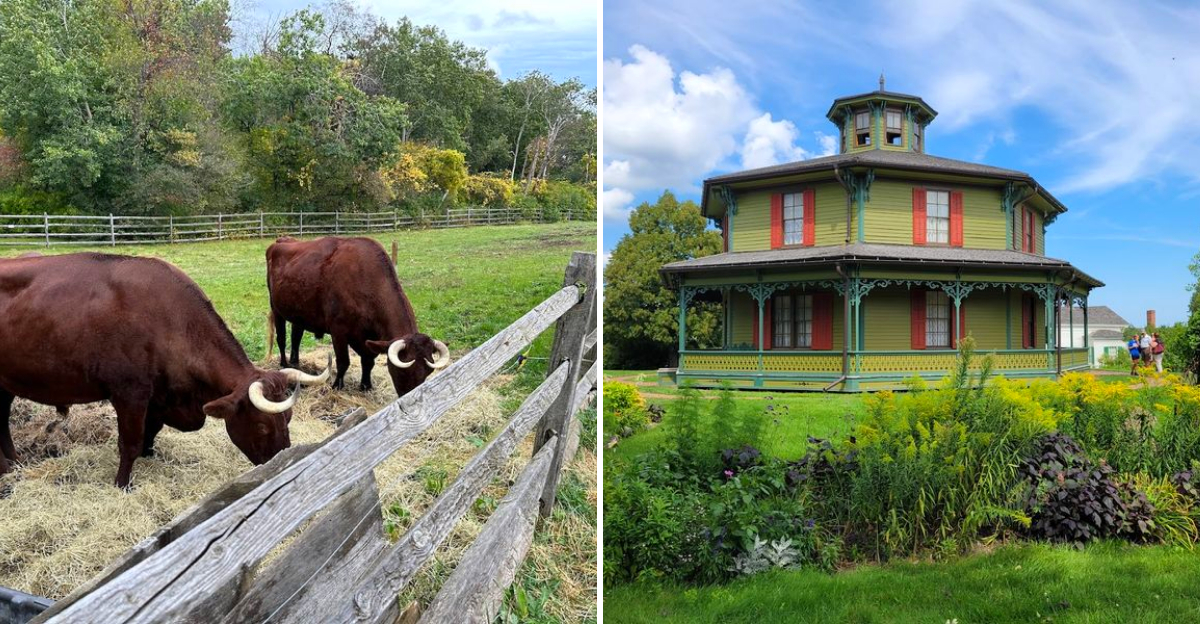
Sixty-eight buildings sound like a small city, yet most New Yorkers have never even heard this place exists. A recreated 19th century village sits quietly, preserved down to the smallest architectural detail.
Blacksmith shops stand next to old schoolhouses and general stores frozen in another era. Visitors wander cobblestone paths that feel more like time travel than tourism.
Historic sites usually get flooded with visitors once word spreads, but this one stays surprisingly calm. Costumed guides demonstrate old trades like candle making and blacksmithing without a hint of performance in their voice.
Buildings actually came from real towns, moved here piece by piece instead of built as replicas. Sixty-eight buildings, one quiet village, and a slice of history most locals somehow still don’t know about.
A Living World That Feels Almost Too Real To Believe
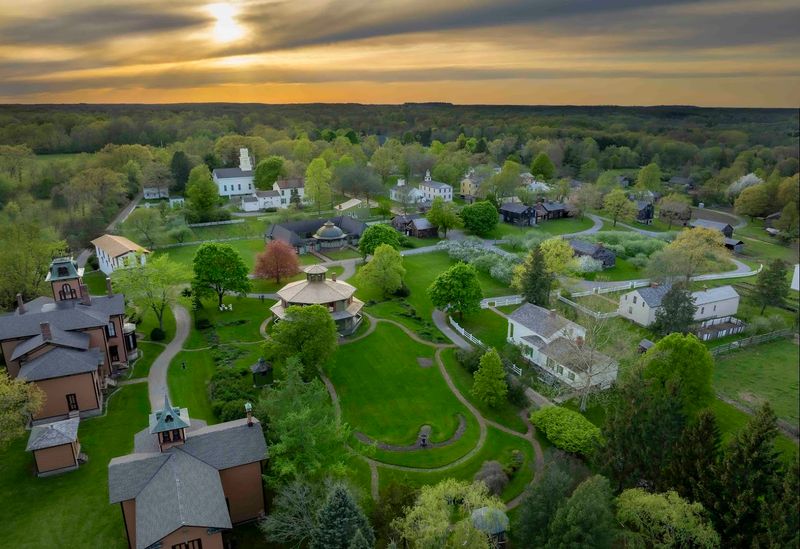
There are museums that show you history behind glass, and then there are places that pull you straight into it. Genesee Country Village operates on a completely different level from anything you might expect walking through its gates.
The whole setup feels less like a museum and more like a working town that simply forgot what century it was living in.
Every single building on the grounds is an original structure. Not a reproduction, not a replica, but an actual historic building carefully moved from its original location across Western and Central New York.
That detail alone sets this place apart from most living history sites in the entire country.
Costumed interpreters go about real daily tasks without reaching for a smartphone or breaking character.
You can watch a blacksmith hammer hot iron, listen to a schoolteacher run her class, or observe a farmer tending livestock exactly as someone would have done in the 1800s.
The whole experience is grounded, sensory, and surprisingly moving. It earns its reputation as the third-largest living history museum in the United States without even trying to show off about it.
Genesee Country Village And Museum: New York’s Most Underrated Destination
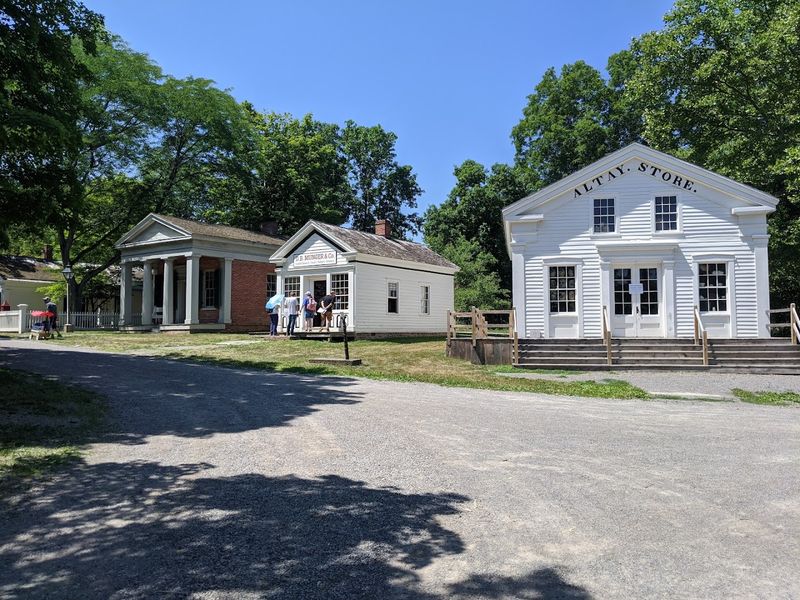
Officially called Genesee Country Village and Museum, the address is 1410 Flint Hill Rd, Mumford, NY 14511, and it sits quietly in the hamlet of Mumford in Wheatland township. One source called it New York’s Best Kept Secret, and honestly, that title holds up.
For a place of this size and quality, the lack of mainstream attention is genuinely baffling.
The museum was conceived by John L. Jack Wehle in 1966, developed alongside architectural historian Stuart Bolger, and opened to the public in 1976.
That is nearly five decades of operation, and yet plenty of New York residents have never set foot on its grounds. The museum holds a 4.8-star rating, which speaks volumes about the quality of experience it consistently delivers.
Operating hours run Wednesday through Sunday, with Friday hours extending until 8 PM, making it a solid option for an evening outing. The museum is closed on Mondays and Tuesdays.
You can reach the museum by phone at 585-538-6822 or plan your visit through their website at gcv.org. For a place this good, the low profile it keeps is almost part of its charm.
68 Buildings That Each Tell Their Own Story
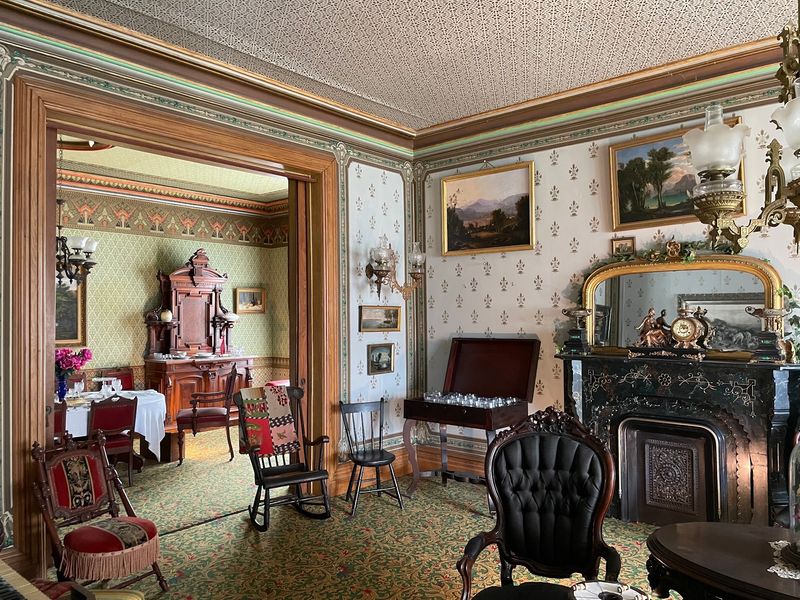
Sixty-eight buildings sounds like a number pulled from a brochure to impress people, but walking through the grounds makes that figure feel very real very fast.
Each structure was relocated from its original site somewhere across Western or Central New York, then carefully restored and furnished to reflect daily life between 1790 and 1900.
The variety is what keeps things interesting. You will find farmhouses, a tavern, a law office, a printshop, a tinsmith, a cabinetmaker’s workshop, a schoolhouse, and much more spread across the village landscape.
No two buildings feel the same, and each one is staffed by an interpreter who actually knows the history of that specific trade or household.
Visitors routinely spend four to five hours exploring and still feel like they have missed things. The buildings are not roped off or kept at a distance.
You walk inside them, ask questions, and watch real demonstrations unfold in real time. For anyone who finds traditional museums a little dry, the hands-on, walk-right-in nature of the village format is a genuine breath of fresh air.
History lands differently when you can smell the forge and hear the loom.
Over 600 Acres Of Grounds Worth Every Step
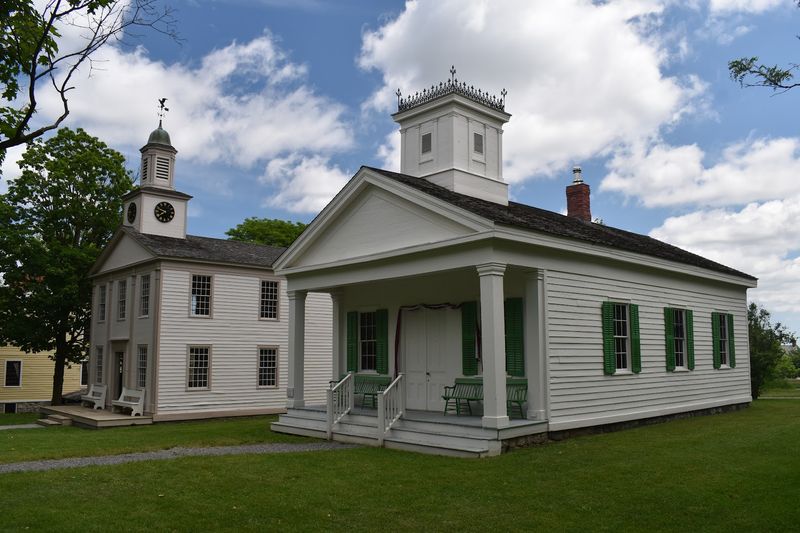
Six hundred acres is a lot of ground to cover, and the museum uses every bit of it purposefully. Beyond the historic village itself, the property holds the Genesee Country Nature Center, which features five miles of walking trails through woodland and meadow.
The trails are well-maintained and open to visitors who want a quieter, more reflective part of the day. The John L. Wehle Gallery of Sporting Art is another highlight that often surprises first-time visitors.
It houses an exceptional collection of wildlife and sporting paintings that feel completely at home within the broader story of 19th century American rural life.
The Carriage Museum adds yet another dimension, showcasing a remarkable collection of horse-drawn vehicles from the period.
Heirloom Gardens offer a quieter, slower-paced section of the grounds where heritage plant varieties grow in carefully tended beds.
Silver Baseball Park lets visitors watch a version of the game played by the original rules, without gloves, which turns out to be both hilarious and oddly compelling to watch.
The sheer range of things to do across the property means a single visit almost never feels complete, which is precisely why so many guests come back again and again.
The Agricultural Fair And Special Events Calendar
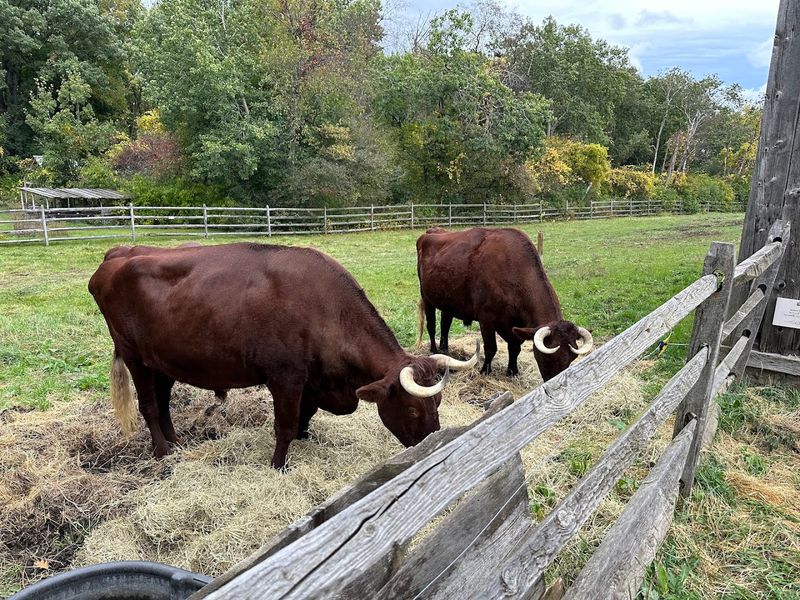
Beyond the standard village experience, the museum runs a packed calendar of special events throughout the year that transform the grounds into something even more lively than usual.
The Agricultural Fair is one of the most popular, drawing visitors who want to see the full scope of 19th century rural life in action, from livestock judging to harvest demonstrations.
The Owl Moon event has become a crowd favorite for good reason. It combines a guided night hike through the nature center trails with live owl encounters hosted by wildlife rescue organizations.
The event sells out in advance, so planning ahead is strongly recommended if you want to catch it during the winter season.
Ghost walks in autumn, Maple Fest in early spring, and Tea Time events throughout the season round out a calendar that gives repeat visitors a genuinely different reason to return each time.
The dancing at Town Hall during Maple Fest has drawn particular attention, with visitors of all ages joining in traditional dances in a room completely free of phone screens.
That kind of spontaneous, joyful community moment is rare anywhere, let alone at a museum. The events program alone is worth bookmarking the website for regular updates.
The John L. Wehle Gallery Of Sporting Art
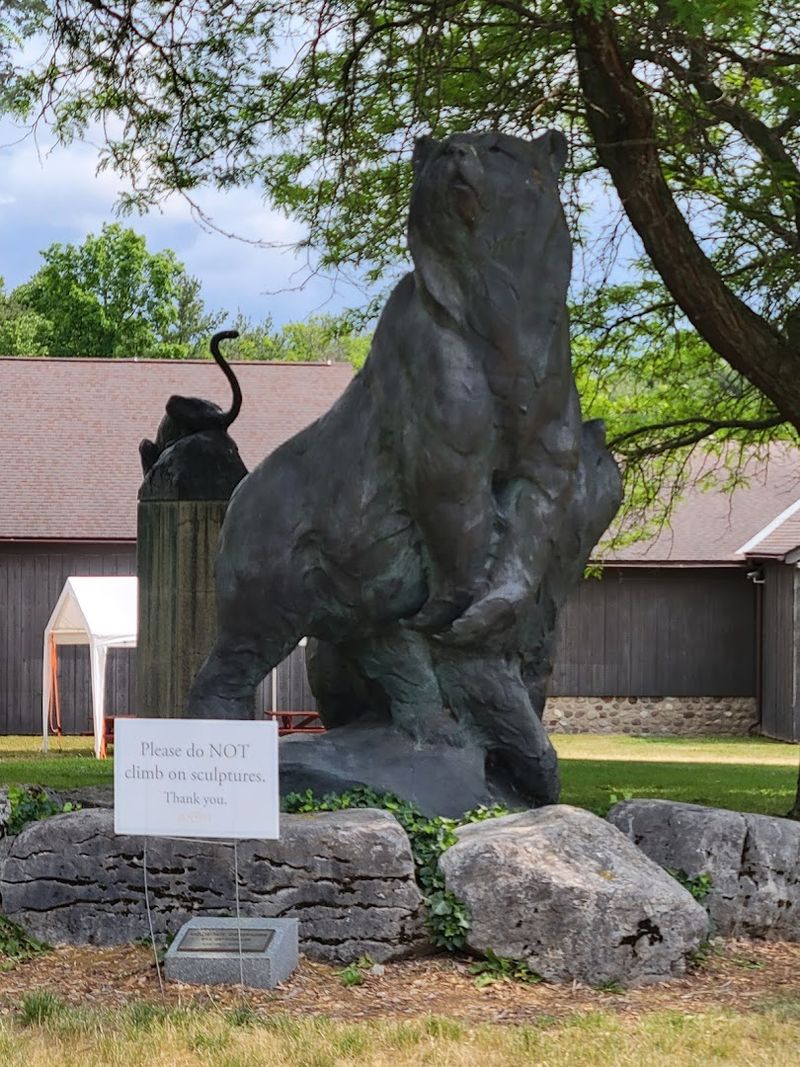
Not every visitor expects to find a world-class fine art gallery sitting alongside a recreated 19th century village, but that is exactly what the John L. Wehle Gallery delivers.
The collection focuses on American sporting and wildlife art, featuring paintings, sculptures, and decorative objects that document the relationship between people and the natural world across several centuries.
Jack Wehle, the founder of the museum, was a serious collector with a deep appreciation for the artistic traditions surrounding hunting, fishing, and the American landscape. The gallery reflects that passion with a collection that feels both personal and historically significant.
The works span a wide range of styles and periods, giving art lovers plenty to engage with beyond the village itself.
The gallery is climate-controlled and well-lit, making it a welcome retreat on particularly hot or cold days when spending extended time outdoors becomes less appealing.
Many visitors who come primarily for the historic village end up spending more time in the gallery than they originally planned.
It is the kind of collection that rewards slow, attentive looking rather than a quick walk-through, and the quality of the works on display genuinely earns that kind of attention from anyone who appreciates American art history.
Heirloom Gardens And The Art Of Slow Looking
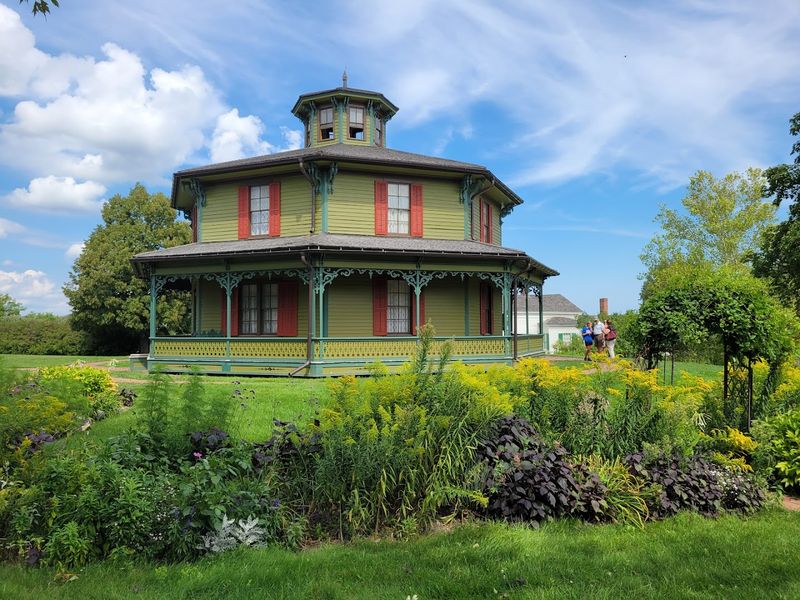
Few parts of the museum grounds invite the kind of unhurried attention that the Heirloom Gardens do.
The beds are planted with heritage varieties of vegetables, herbs, and flowers that were common in 19th century American households but have largely disappeared from modern gardens.
Walking through them feels like a quiet, green kind of time travel.
The gardens serve both an educational and a sensory purpose. Interpreters explain how these plants were grown, preserved, and used in daily life, connecting food and agriculture to the broader domestic history the village is built around.
The variety of colors, textures, and aromas in the beds makes this one of the more quietly absorbing sections of the entire property.
Gardeners and food history enthusiasts tend to find the Heirloom Gardens particularly rewarding, but even visitors with no prior interest in plants often linger longer than expected.
There is something genuinely calming about a well-tended garden, and the historical context layered on top of that calm makes it feel purposeful rather than just decorative.
It is a reminder that everyday life in the 1800s was deeply tied to the land in ways that modern convenience has made easy to forget but surprisingly meaningful to rediscover.
Why This Place Deserves Far More Attention Than It Gets
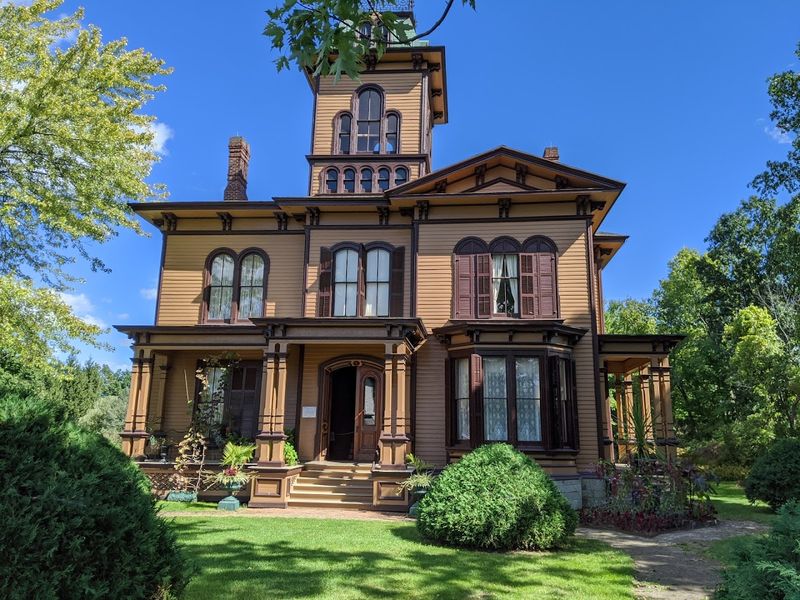
A museum rated 4.8 stars by nearly 2,000 visitors, covering 600 acres, housing 68 original historic buildings, and ranking as the third-largest living history museum in the United States should not be flying under the radar.
Yet here it is, quietly doing extraordinary work in a small New York hamlet while much of the state remains completely unaware of its existence.
Part of what makes Genesee Country Village so compelling is that it does not try to be flashy. There are no gimmicks, no theatrical tricks, and no attempt to modernize the experience for the sake of social media appeal.
The history is presented with care, accuracy, and genuine respect for the people who actually lived through the period being portrayed.
For anyone who has grown tired of the same weekend routines, the same crowded tourist spots, and the same predictable outings, this place offers something meaningfully different.
The combination of art, nature, sport, craft, architecture, and living history in a single location is rare anywhere in the country.
New York has no shortage of remarkable destinations, but few of them pack this much substance into one address. Getting there is easy.
Being glad you went is guaranteed.