
The Nevada Mountain That Rises Above 6,000 Feet And Feels Worlds Away
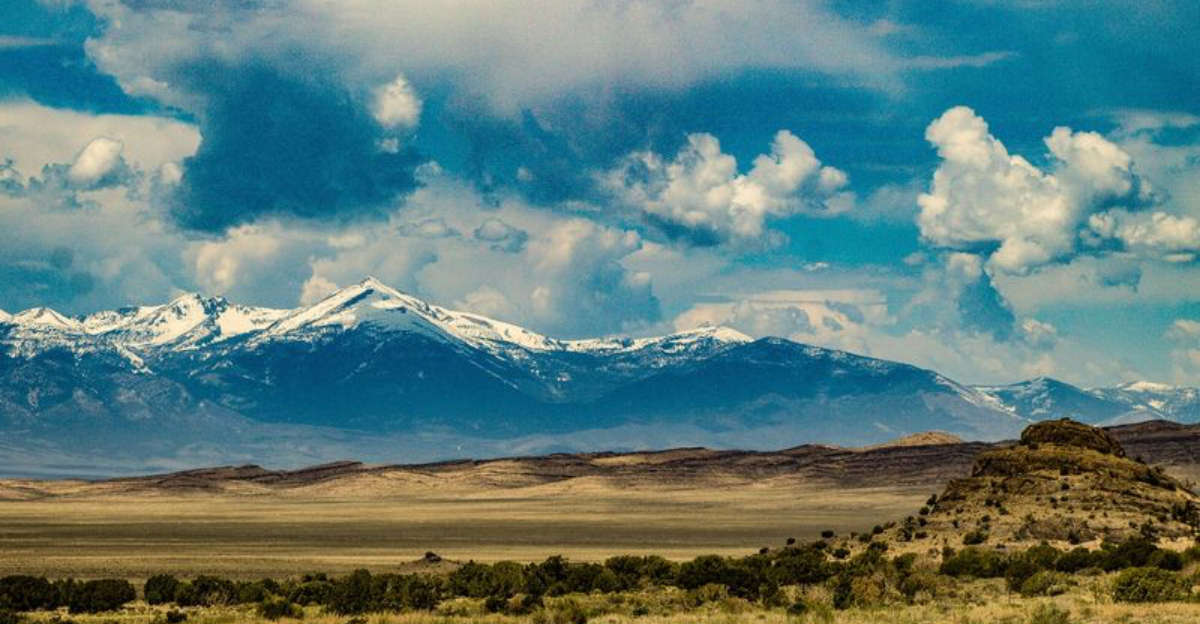
Six thousand feet up, the desert disappears and something wilder takes over. This mountain road climbs fast, bending through forests that thicken with every turn.
You pass sagebrush first, then trees old enough to remember the pyramids being built. Nevada holds a secret most travelers never expect, a real glacier resting under a blanket of rock near the summit.
Wildflowers spread across alpine meadows once the trees thin out, and the views stretch far in every direction. Near 13,000 feet, the air turns thin and the silence turns loud.
Nevada saves its wildest scenery for anyone willing to keep driving upward. Bring layers, since temperatures swing hard between the base and the top.
You’ll be describing this drive to friends for years, wondering why more people don’t know about it.
The Wheeler Peak Scenic Drive and What Makes It So Remarkable
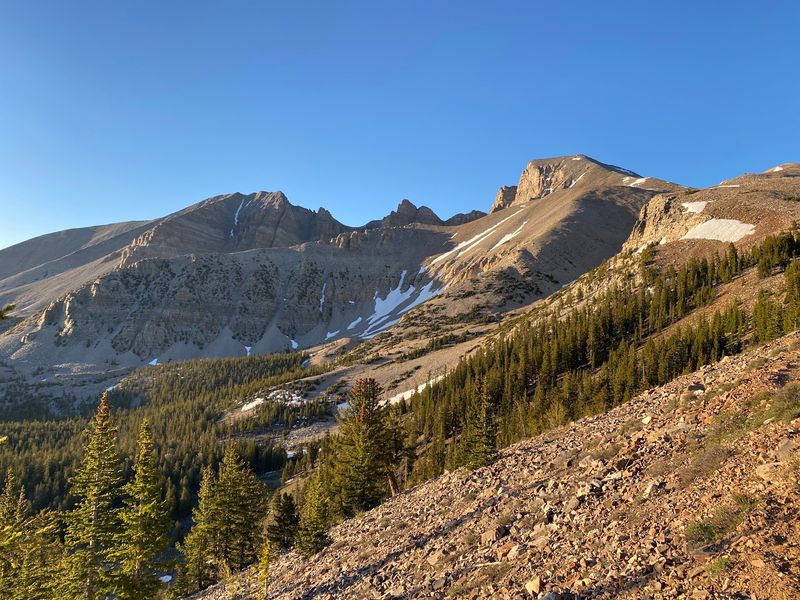
Few roads in the American West earn the word “remarkable” as honestly as this one. The Wheeler Peak Scenic Drive stretches 12 miles through Great Basin National Park, climbing relentlessly from its start near the park entrance at 100 Great Basin National Park, Baker, NV 89311.
The drive begins at roughly 6,700 feet above sea level. By the time it reaches its upper terminus, the road has pushed past 10,000 feet.
That elevation gain of more than 4,000 feet happens across just 12 miles, which means every turn brings a noticeably different landscape.
Sagebrush flats give way to pinyon pines, then to white fir and Douglas fir, and finally to quaking aspen groves shimmering against rocky slopes. The road is paved and well-maintained, but narrow and steep in places.
Speed limits range from 15 to 35 mph, keeping the drive slow enough to actually absorb what surrounds it. This is not a road you rush through.
Ancient Bristlecone Pines That Have Outlived Empires
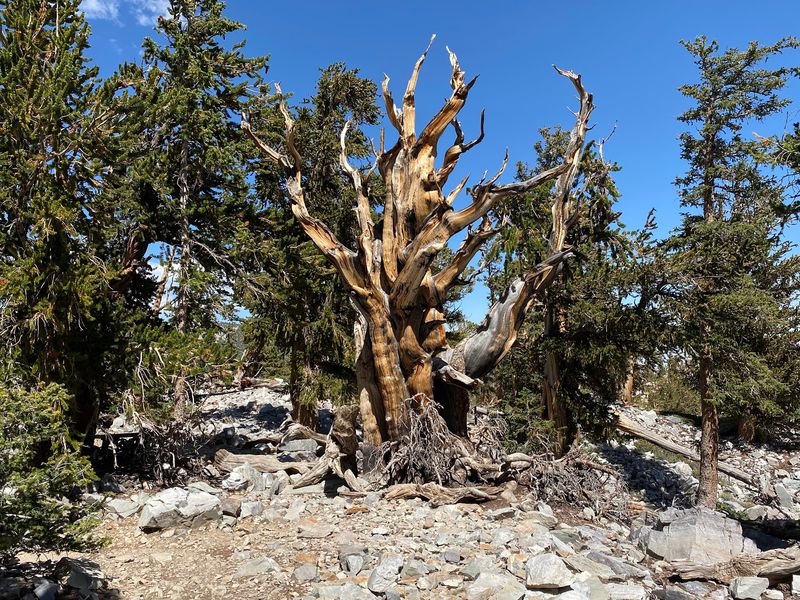
Time works differently up here. High on the slopes near Wheeler Peak, bristlecone pines cling to rocky quartzite outcrops with roots that have gripped the earth for thousands of years.
These are the oldest non-clonal living organisms on the planet.
The Wheeler Peak grove is particularly special. It grows on a glacial moraine with a northeastern exposure, conditions that slow the trees’ growth and paradoxically extend their lifespans.
Many individual trees in this grove are well over 3,000 years old.
The famous Prometheus Tree, cut down in 1964, was later dated at nearly 5,000 years old. While that specific tree is gone, countless other ancient bristlecones continue to stand nearby, their twisted, weathered forms almost sculptural against the sky.
A dedicated interpretive trail winds through the grove, offering close-up views and informational signs that explain the science behind these living legends. Standing next to a tree that was already ancient when most of human history was still unfolding is a genuinely humbling experience that words struggle to capture.
How The Landscape Shifts With Every Turn Of The Wheel
Driving up Wheeler Peak is like flipping through an ecology textbook, except the pages are real and the air gets colder with every chapter. At the lowest elevations, sparse sagebrush and desert scrub dominate the scene.
Then, almost without warning, the vegetation thickens.
Pinyon pines appear first, followed by curleaf mountain mahogany. Higher still, white fir and ponderosa pines crowd the road on both sides.
The forest grows denser and darker as the altitude climbs.
Quaking aspens mark the transition into the subalpine zone. Their pale trunks and fluttering leaves create a visual contrast that stops many visitors cold.
Above the aspens, the terrain opens into rocky alpine meadows dotted with wildflowers in summer.
Naturalists often compare this ecological progression to driving from the Nevada desert all the way north to Canada. The diversity packed into those 12 miles is staggering.
Every 1,000 feet of elevation brings a noticeably different world, making the drive itself feel like multiple destinations rolled into one.
Nevada’s Only Glacier Hiding In Plain Sight
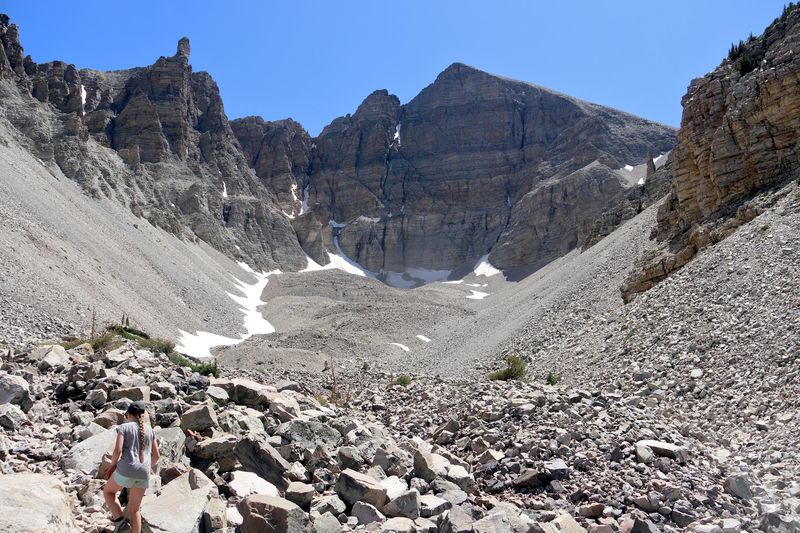
Ice in the Nevada desert sounds like a punchline. But Wheeler Peak holds a real glacial feature that surprises nearly everyone who learns about it.
A rock-covered glacier persists year-round in this cirque near the summit, making it one of the southernmost glaciers in the United States and the only glacier in Nevada.
The glacier sits inside a bowl-shaped depression carved by ancient ice over thousands of years. Today it is classified as a rock glacier, meaning a thick layer of boulders covers and insulates the ice beneath.
This protective layer keeps the ice from melting even during Nevada’s hot summers.
Deep snow typically blankets the upper mountain for much of the year. This adds to the striking contrast between the icy alpine environment near the summit and the dry desert valleys visible far below.
Hikers who reach the summit ridge can peer down into the cirque and see this icy remnant up close. It is a sobering reminder of just how dramatically the climate of this mountain differs from the surrounding landscape, and how extraordinary this corner of Nevada truly is.
Hiking Trails That Push You Higher And Reward Every Step
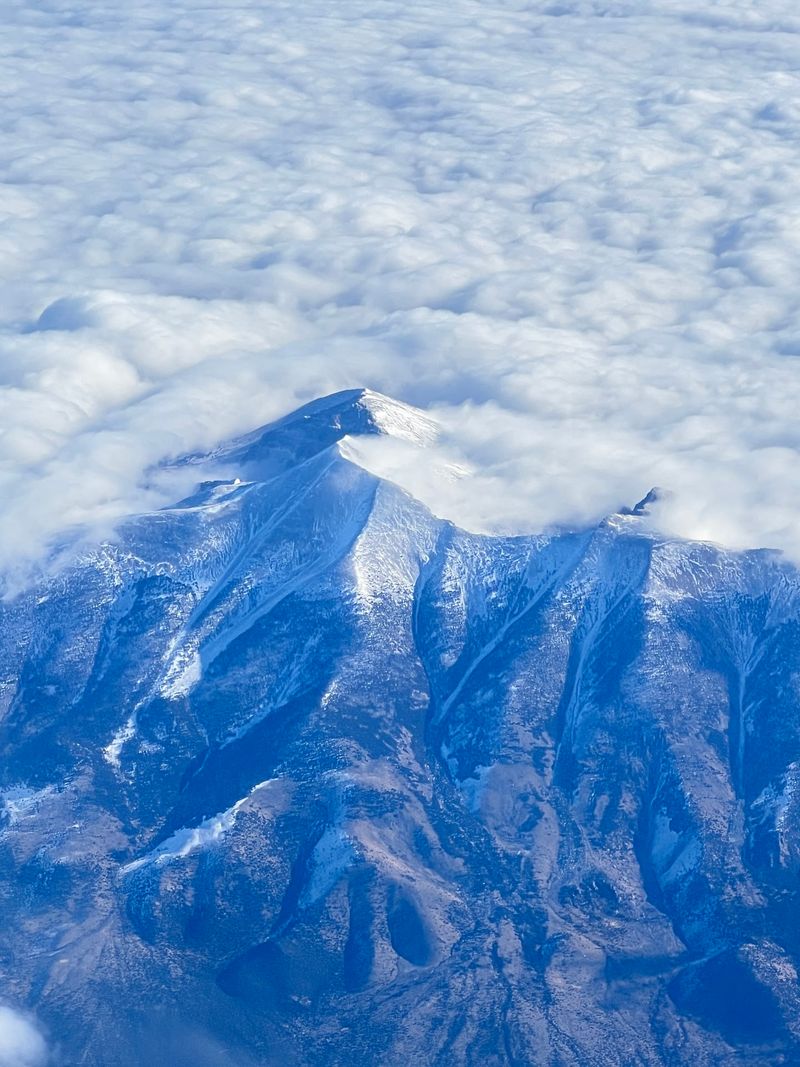
The scenic drive does not mark the end of the adventure. It marks the beginning.
Several trailheads at the road’s upper terminus lead into some of the most dramatic alpine terrain in the entire Great Basin region.
The Bristlecone Pine Interpretive Trail is the most accessible option, winding gently through the ancient grove. The Alpine Lakes Loop connects Stella and Teresa Lakes, two pristine alpine pools resting in rocky basins at high elevation.
Both offer stunning reflections and a sense of quiet that feels miles away from everyday life.
For those with serious legs and lungs, the Wheeler Peak Summit Trail is the ultimate challenge. This strenuous 8.6-mile round trip gains nearly 3,000 feet and pushes past the treeline into exposed rocky terrain.
Fierce winds often whip across the upper ridgeline, and the final push to 13,063 feet demands real effort.
At the top, 360-degree views stretch across Nevada to the west and Utah to the east. Hikers who sign the summit register inside the metal box at the top earn bragging rights that are absolutely well-deserved.
Stargazing So Good It Almost Feels Unfair
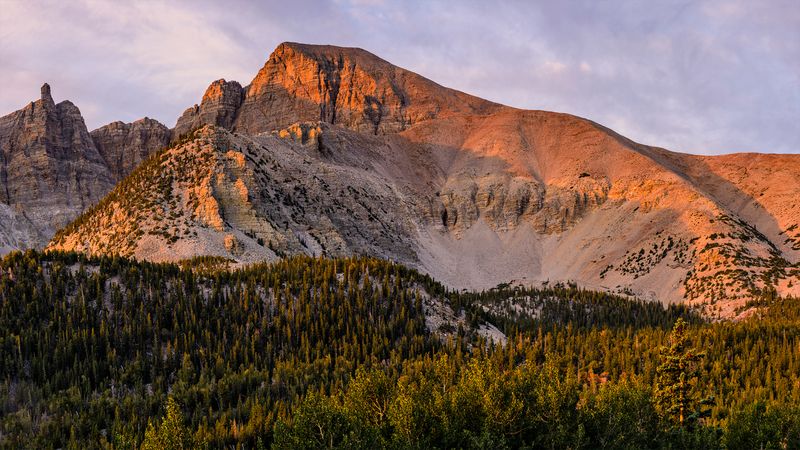
Great Basin National Park is one of the least light-polluted places in the contiguous United States. That fact alone makes Wheeler Peak a destination for stargazers who want to see the Milky Way the way it was meant to be seen, not as a faint smudge but as a blazing river of light across the entire sky.
Camping at the Wheeler Peak Campground, which sits above 10,000 feet, puts visitors directly beneath some of the darkest skies available anywhere. On a clear night, the stars are so numerous and bright that the sky itself seems to hum with energy.
The park holds an International Dark Sky Park designation, recognizing its extraordinary conditions for astronomical observation. Ranger-led stargazing programs are offered seasonally, adding educational context to an already jaw-dropping visual experience.
Even without a telescope, the naked-eye views from this elevation are extraordinary. Planets, satellites, and shooting stars appear with a frequency and clarity that surprises first-time visitors.
This Nevada mountain delivers as much wonder after dark as it does in full daylight.
Camping Options That Range From Cozy To High And Wild
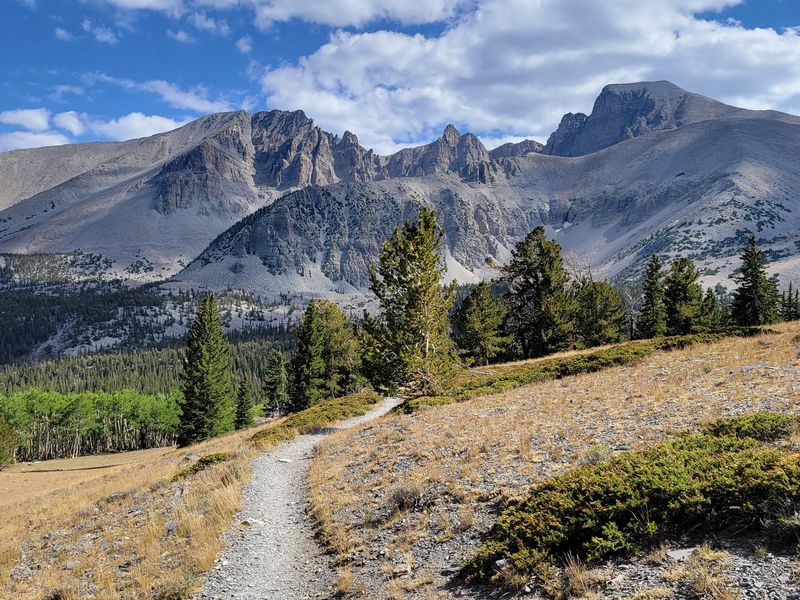
Spending a night along the Wheeler Peak Scenic Drive is one of the best ways to fully absorb what this place offers. Several campgrounds line the route, each with its own character and elevation range.
Lower Lehman Creek Campground stays open year-round, making it a reliable option for visitors arriving outside the main summer season. Upper Lehman Creek Campground opens seasonally and sits a bit higher, surrounded by denser forest.
Both offer a comfortable basecamp for exploring the lower park areas.
The Wheeler Peak Campground is the crown jewel. Perched above 10,000 feet, it provides direct access to the summit and alpine lake trails.
Nights here are cool even in midsummer, and the silence is the kind that city dwellers forget exists.
Campers should note that vehicles and trailers exceeding 24 feet in length are not permitted beyond the Upper Lehman Creek Campground at mile marker three. Planning ahead and arriving early during peak season is strongly recommended, as these sites fill quickly.
Reservations are a smart move for summer visits.
The Shoshone Heritage Written Into These Mountains
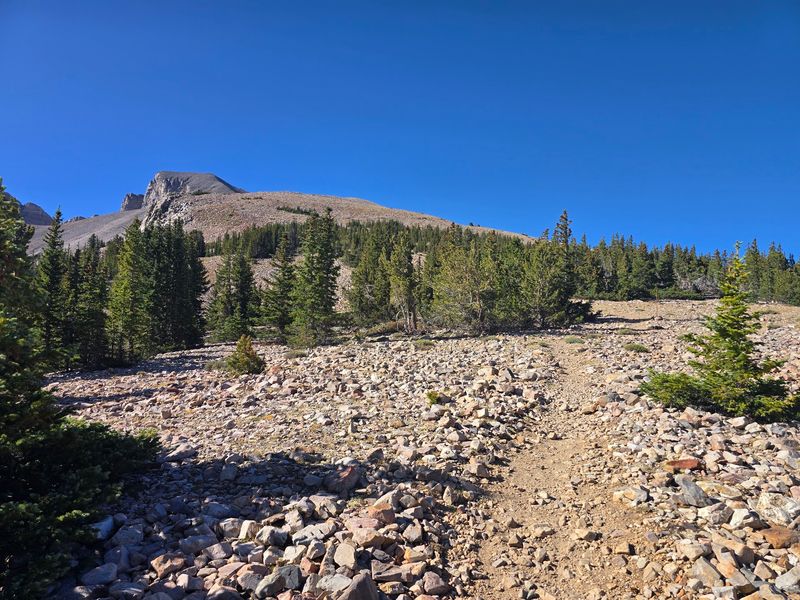
Long before any road was paved up this mountain, people were already here. The Shoshone people lived in the valleys and highlands of this rugged region for thousands of years, building lives shaped by the rhythms of the Great Basin’s seasons and resources.
Their connection to this landscape runs deep. In 2019, the nearby Doso Doyabi Peak was officially renamed to honor that heritage.
The name means “white mountain” in the Shoshone language, a fitting description for a peak that holds snow for much of the year.
This renaming was more than symbolic. It reflected a broader effort to acknowledge the enduring presence and cultural significance of Indigenous communities across the Nevada landscape.
The mountains, valleys, and springs of this region were not empty wilderness before modern visitors arrived.
Understanding this history adds a meaningful layer to any visit. Walking trails that wind through ancient forests and past glacial features, knowing that others walked these same paths long ago, shifts the experience from simple recreation into something closer to genuine connection with the land.
Weather, Altitude, and Why You Should Respect Both
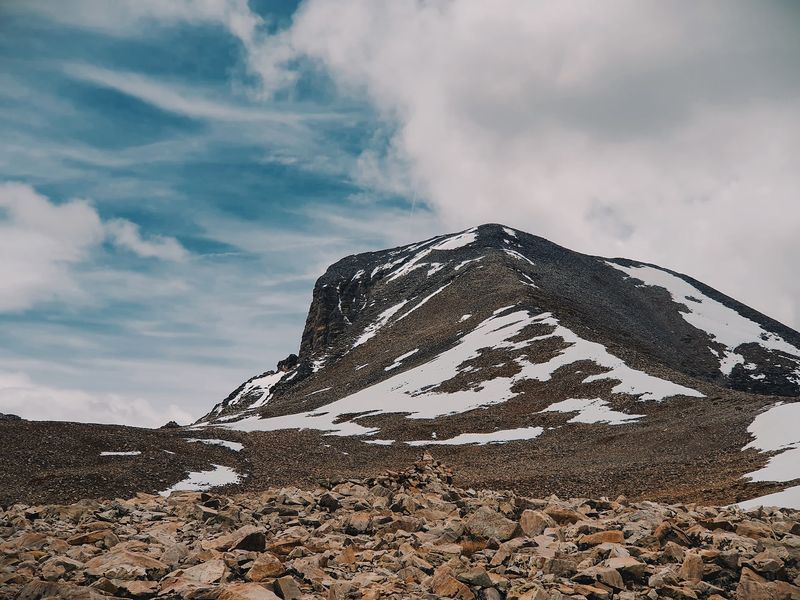
Wheeler Peak does not care about your hiking resume. At 13,063 feet, the summit sits in a zone where weather changes fast and altitude affects even physically fit visitors.
Respect for both is non-negotiable.
Altitude sickness can hit anyone coming from lower elevations. Headaches, nausea, and fatigue are common symptoms above 10,000 feet.
Arriving a day or two early and spending time at lower elevations before attempting the summit trail gives the body time to adjust. Staying hydrated matters enormously up here.
Afternoon thunderstorms roll in regularly during summer, particularly in July and August. Starting hikes early in the morning gives visitors the best chance of summiting and descending before lightning becomes a concern above the treeline.
Temperature swings are dramatic. The valley near Baker can be warm and sunny while the summit sits in freezing wind and snow.
Layering is essential, not optional. Packing a rain layer, warm hat, and gloves is smart even on days that start clear and calm.
This Nevada mountain rewards preparation and punishes overconfidence equally.
The Best Time To Visit And How To Plan Your Trip
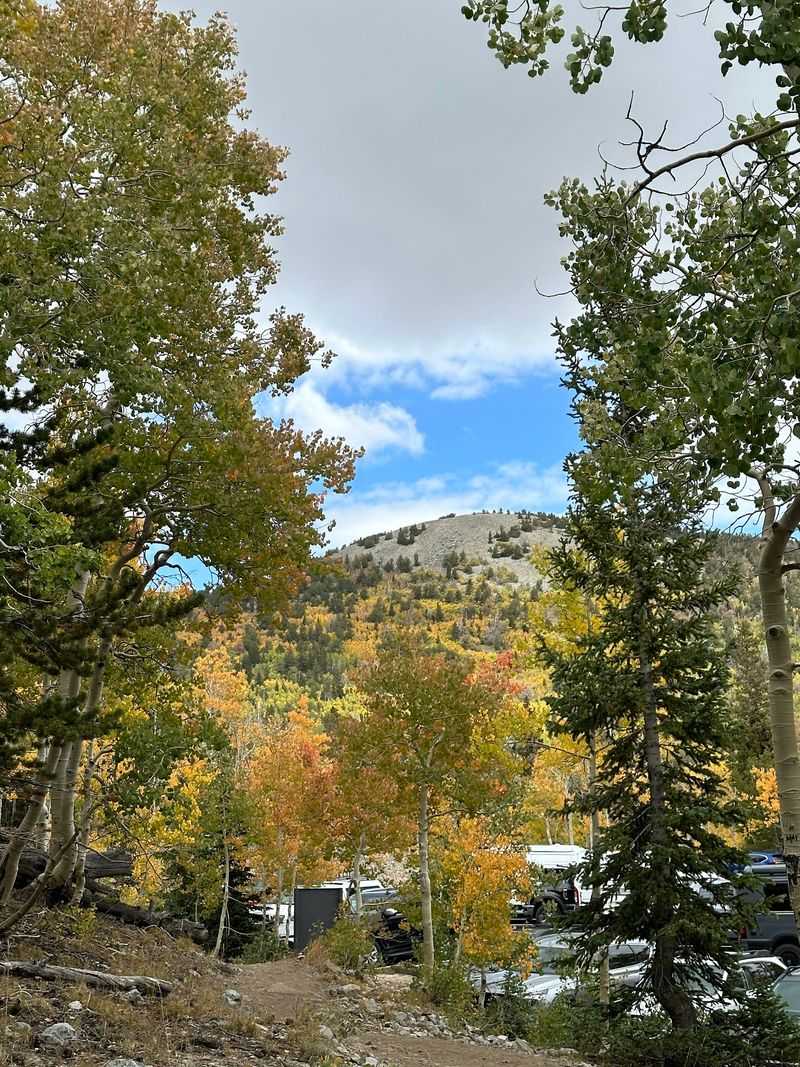
Timing a visit to Wheeler Peak takes a little planning, but the payoff is worth the effort. The scenic drive is typically fully open from late June through early October, depending on snowpack from the previous winter.
Outside that window, higher sections of the road may be closed or impassable.
Summer, from July through August, is the peak season for hiking and camping. All trails and campgrounds are generally accessible, and the weather at lower elevations is warm and pleasant.
The tradeoff is more company on the trail and competition for campsites.
Fall is arguably the most spectacular time to visit. October brings golden aspen foliage, crisp air, thinner crowds, and that particular quality of autumn light that makes every photograph look effortless.
The bristlecone grove takes on a special atmosphere when the aspens below are blazing with color.
Spring visits are possible but require flexibility. The road typically reopens around Memorial Day weekend, though snow can linger at higher elevations well into June.
Checking current road conditions before heading out is always a good idea for any season.