
9 Alabama Areas Where Cottonmouth Sightings Are Most Common This Summer
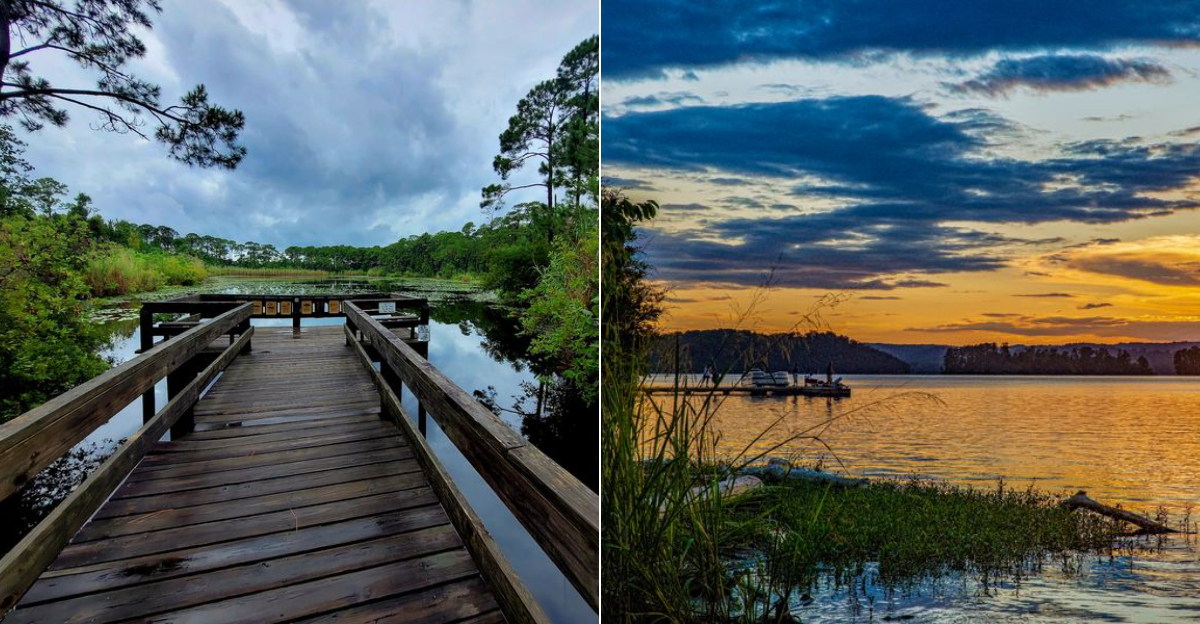
Summer heat brings more than sunshine to Alabama’s waterways. It brings cottonmouths out of hiding and right into view.
Where does a snake this common actually show up most? Anywhere warm, shallow, and slow-moving, from swamp basins in the south to rocky canyon streams up north.
The Mobile-Tensaw Delta alone holds over 40 snake species, and cottonmouths remain the only venomous one that calls the water home. Spotting one gliding through a quiet channel is common enough that locals barely blink.
Roadside ditches count just as much as national wildlife refuges here. A snake doesn’t need a scenic backdrop to settle in, just still water and a steady meal nearby.
Reservoirs, brackish coastal marshes, and spring-fed ponds all host the same behavior once temperatures climb. Early morning and late afternoon tend to bring the most visible activity.
Alabama’s cottonmouths aren’t rare or hidden, they’re simply part of the landscape. Stay aware near the water’s edge, and every one of these habitats stays safe to explore.
1. Coastal Plain Swamps (Southern Alabama)
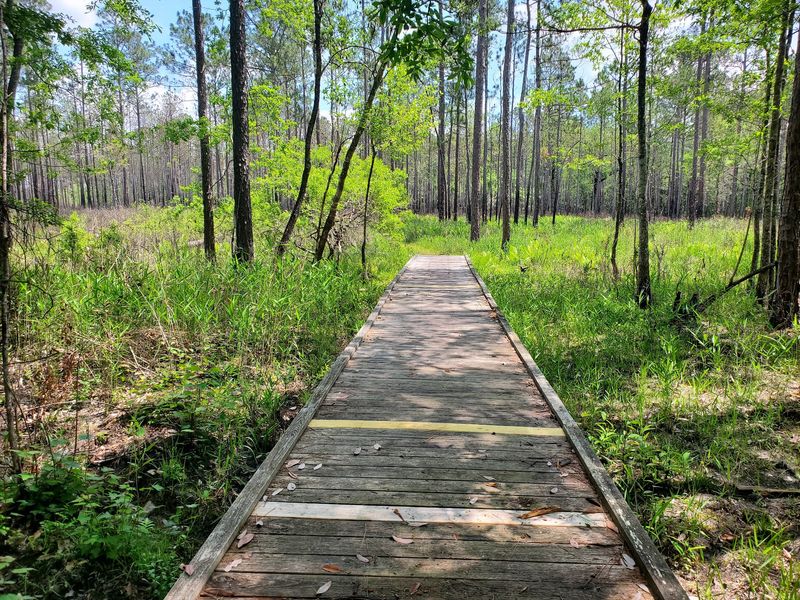
Southern Alabama’s coastal plain swamps are some of the most snake-friendly environments in the entire state. Warm temperatures, standing water, and thick vegetation create the perfect setup for cottonmouths to thrive.
If you have ever walked along a swampy trail and felt like something was watching you, there is a good chance something was.
The Florida Cottonmouth subspecies is specifically found in this southern coastal plain region. These snakes love basking on logs, low branches, and stones right at the water’s edge.
Spotting one sunning itself on a warm afternoon is actually pretty common here during summer months.
Cottonmouths play a real role in keeping these ecosystems balanced. They feed on fish, frogs, small mammals, and even other snakes.
That makes them important, not just intimidating. Respecting their space means you can enjoy the swamp without any close calls.
If you plan to explore these areas, wear sturdy boots and stay on marked paths whenever possible. Never reach under logs or into brush near the waterline.
The coastal plain swamps stretch across multiple counties in southern Alabama, so check local wildlife guides before heading out to find the best access points near you.
2. Wheeler National Wildlife Refuge (Decatur)
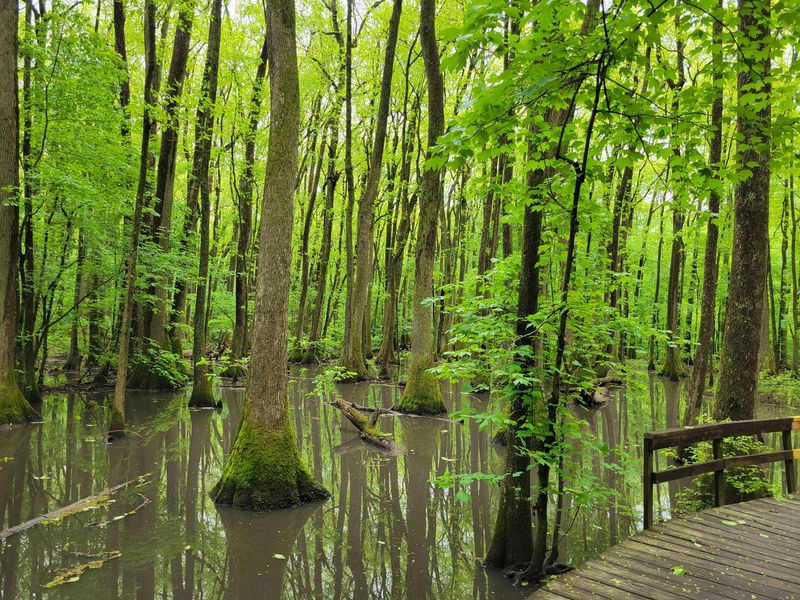
Up in northern Alabama, Wheeler National Wildlife Refuge offers one of the most rewarding wildlife experiences in the state. Situated along the Tennessee River, this refuge borders Wheeler Lake, which covers roughly 67,100 acres of water.
That is a lot of shoreline for cottonmouths to call home.
The lake’s shallow edges and marshy coves are prime real estate for aquatic snakes. Cottonmouths and ratsnakes are regularly spotted in the quieter sloughs and vegetated inlets connected to the main reservoir.
Summer is peak activity season, so keep your eyes open whenever you are near the water.
These snakes are a natural part of the refuge ecosystem. They help manage populations of small mammals, fish, lizards, and frogs.
The refuge supports an incredible variety of wildlife, and the cottonmouth is simply one piece of that big, fascinating puzzle.
Visitors are welcome to explore hiking trails, birdwatching areas, and scenic overlooks throughout the property. Just remember to keep a respectful distance from any wildlife you encounter.
Never attempt to handle or provoke a cottonmouth under any circumstances. You can start your visit at the Visitor Center, located at 3121 Visitor Center Road, Decatur, AL 35603.
Check the refuge website for current operating days before your trip.
3. Mobile-Tensaw Delta
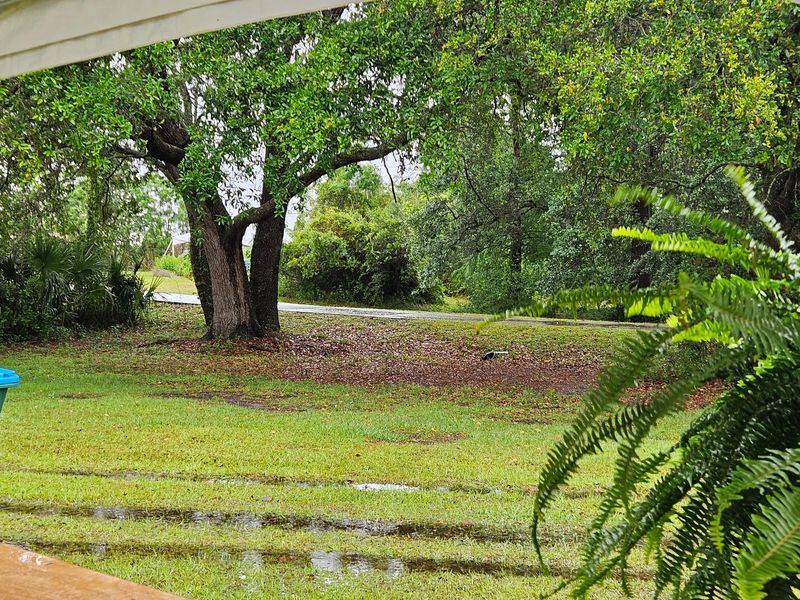
Often called America’s Amazon, the Mobile-Tensaw Delta is one of North America’s most biologically rich wetland systems. Spanning between 250,000 and 260,000 acres of bayous, cypress swamps, and slow-moving channels, this place is absolutely alive with wildlife.
You deserve to see it at least once in your life.
About 70 percent of Alabama’s reptile and amphibian species live here, including over 40 types of snakes. The cottonmouth holds the title of the only venomous aquatic snake in the delta.
That fact alone makes it worth knowing before you head out on a paddling trip or fishing adventure.
Warm summer days bring cottonmouths out to bask near shorelines and along the edges of slow channels. They generally prefer to move away when they sense human presence, so staying aware and calm is your best strategy.
Watching one glide through the water from a safe distance is honestly a pretty memorable moment.
The delta is a place that rewards curious and patient visitors. Bring a camera, wear sunscreen, and take your time exploring.
A great starting point is the Five Rivers Alabama Delta Resource Center, located on the US 98 Causeway between Mobile and Spanish Fort. Check ahead for operating days before planning your visit.
4. Little River Canyon National Preserve
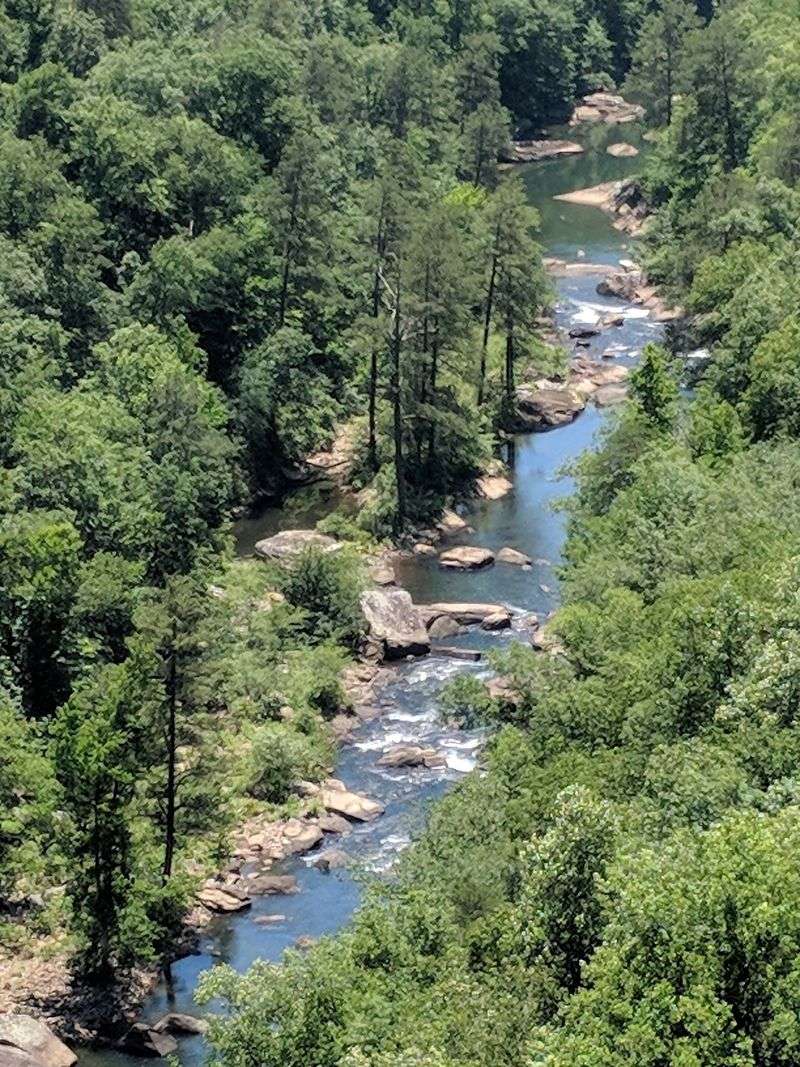
Little River Canyon National Preserve in northeast Alabama is the kind of place that makes you feel genuinely small in the best way. Carved by the Little River over thousands of years, the canyon features dramatic cliffs, rushing waterfalls, and dense forest.
It is one of Alabama’s most stunning natural areas, full stop.
Among the 18 snake species recorded in the preserve, three are venomous. Cottonmouths are one of them, sharing the park with copperheads and timber rattlesnakes.
They tend to hang around river banks and rocky areas where prey is plentiful and the sun warms the stones nicely.
The National Park Service asks all visitors to stay on designated trails and keep a safe distance from any wildlife they encounter. Harming snakes within the preserve is illegal, and honestly, there is no reason to.
These animals belong here far more than we do as visitors.
Hiking, swimming, and photography are all popular activities in the canyon. Summer weekends can get busy, so arriving early gives you the best experience.
Keep your eyes low near the water and watch where you step on rocky surfaces. The preserve is located at 4322 Little River Trail NE, Suite 100, Fort Payne, AL 35967.
Check the park’s website for current operating days before your trip.
5. Slow-Moving Streams And Marshes (Statewide)
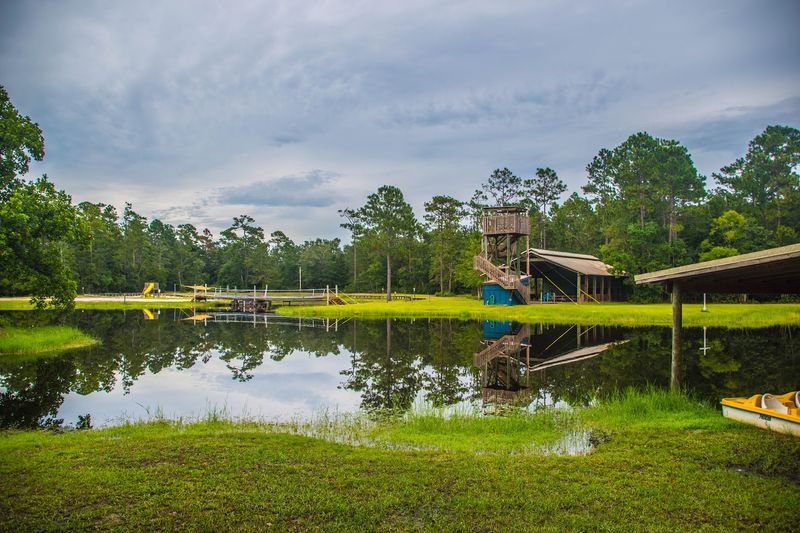
Across the whole state of Alabama, slow-moving streams and marshy wetlands are practically a cottonmouth’s dream address. These calm, shallow waterways offer everything the snake needs: cover, warmth, moisture, and a steady food supply.
Anywhere you find freshwater moving slowly through vegetation, you are in cottonmouth territory.
What makes these spots so interesting is how widespread they are. From the Tennessee Valley in the north to the Gulf Coast lowlands in the south, slow streams and marshes show up in every corner of Alabama.
That means cottonmouth sightings are not limited to one region. They are genuinely a statewide experience.
Summer is when these snakes are most visible. They bask on rocks, logs, and low branches from late spring through early fall.
Early morning and late afternoon tend to be the most active periods, so those are the times to be especially alert near the water.
If you are a hiker, kayaker, or just someone who enjoys a quiet walk near water, these habitats are worth exploring with awareness. Solid footwear and long pants make a real difference in comfort and safety.
Stay on trails where possible, and never step over a log without checking the other side first. Alabama’s marshes and streams are beautiful places that reward careful, mindful exploration.
6. Roadside Drainage Ditches
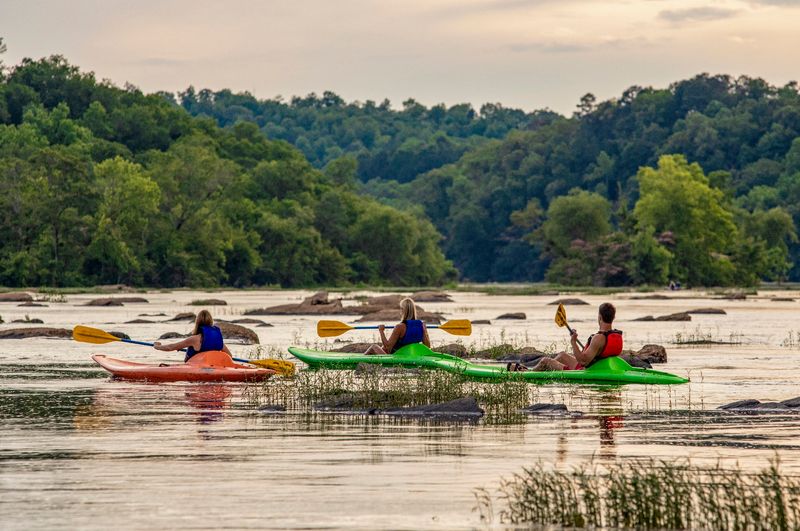
Here is something most people do not think about: the ditch running alongside a rural Alabama road could easily be home to a cottonmouth. It sounds almost too ordinary to be true, but these snakes are incredibly adaptable.
Any standing or slow-moving water is a potential habitat, no matter how unimpressive it looks.
Roadside ditches provide shallow water, muddy banks, and plenty of frogs and small animals to eat. Cottonmouths move through these areas regularly, especially after heavy summer rains that raise water levels and stir up prey.
You might spot one coiled on the grassy edge while driving past or walking along a country road.
This is exactly why awareness matters even in everyday settings. People who pull over to check on something near a ditch, or let their dog run near roadside water, are in spots where surprise encounters can happen.
A little caution goes a long way.
The good news is that cottonmouths almost always prefer to retreat rather than confront. Give them space and they will go about their business.
Watching from a distance is perfectly fine and actually kind of fascinating once you get over the initial surprise. Alabama’s rural roads are full of unexpected nature moments, and this is one of the more memorable ones you might encounter on any given summer drive.
7. Reservoirs And Sloughs
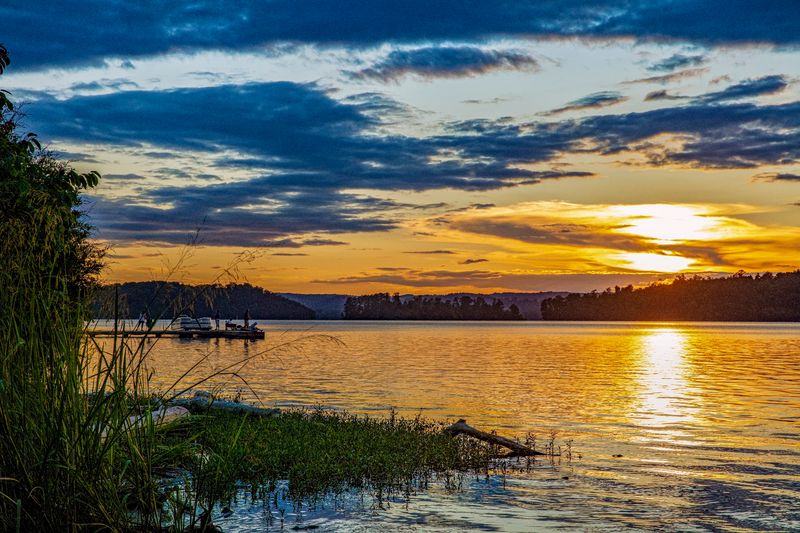
Alabama is loaded with beautiful reservoirs, and those big bodies of water come with a side of wildlife that not everyone expects. Lakes like Guntersville and Martin are scenic destinations for fishing, boating, and camping.
They are also reliable spots to encounter cottonmouths, especially in the quieter corners of the water.
Sloughs, which are the slow, swampy arms that branch off from main reservoir bodies, are particularly favored by these snakes. The water barely moves, vegetation is thick, and prey like frogs and small fish are easy to find.
Stumps and logs along the shoreline become prime basking spots during warm summer afternoons.
If you fish from a bank or wade near the shallows, keep an eye on anything floating or resting near the water’s edge. Cottonmouths are strong swimmers and can move through the water with surprising ease.
Spotting one from a boat is actually one of the more common ways visitors encounter them in these areas.
The experience of being out on an Alabama reservoir at sunrise, surrounded by herons and turtles and the occasional snake slipping through the water, is something genuinely special. Enjoy it all, just stay aware.
Lake Guntersville State Park is located at 1155 Lodge Drive, Guntersville, AL 35976, and Lake Martin is accessible from Alexander City. Check local park websites for operating days before visiting.
8. Gulf Coast Brackish Water Zones
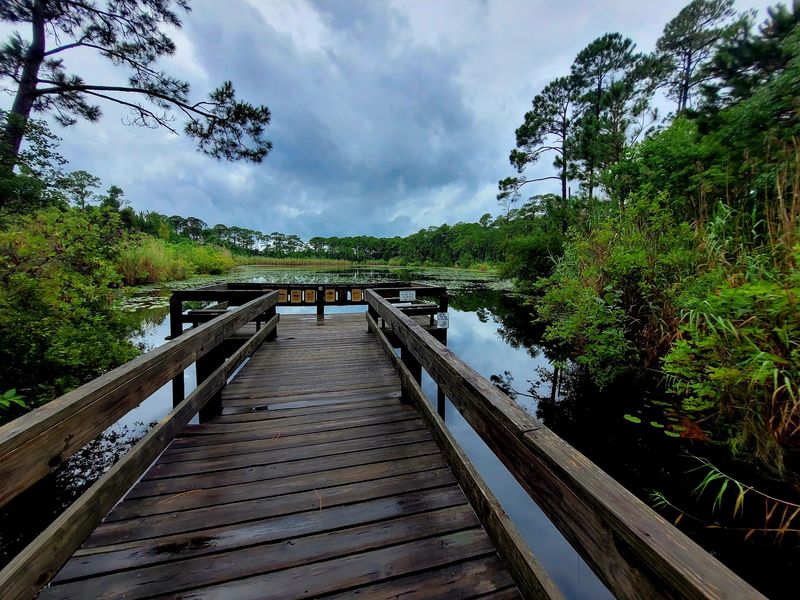
Most people picture cottonmouths in freshwater swamps, but Alabama’s Gulf Coast tells a more interesting story. Along the coastline, where freshwater rivers meet the salty Gulf, you get brackish zones.
Estuaries, tidal marshes, and coastal bays create a shifting, dynamic environment that cottonmouths have learned to navigate with ease.
What makes this especially fascinating is that cottonmouths are known to colonize barrier islands and coastal marshes along the Atlantic and Gulf coasts. They can handle saltier water than most people realize, though they still prefer the fresher marshes within these coastal systems.
Summer brings them out in full force as temperatures rise and prey becomes abundant.
Birdwatchers and kayakers exploring Alabama’s coastal wetlands should keep this in mind. A snake spotted near a tidal channel or resting in marsh grass along the water’s edge is likely a cottonmouth.
They blend in remarkably well with their surroundings, so slow and steady observation is the way to go.
Alabama’s Gulf Coast is genuinely one of the most diverse ecosystems in the Southeast, and the wildlife here reflects that beautifully. Dauphin Island and the areas around Mobile Bay offer excellent access to these coastal habitats.
Dauphin Island is located off the coast of Mobile County. Check local nature center and park websites for operating days and guided tour options before planning your coastal adventure.
9. Black Belt Ponds And Springs
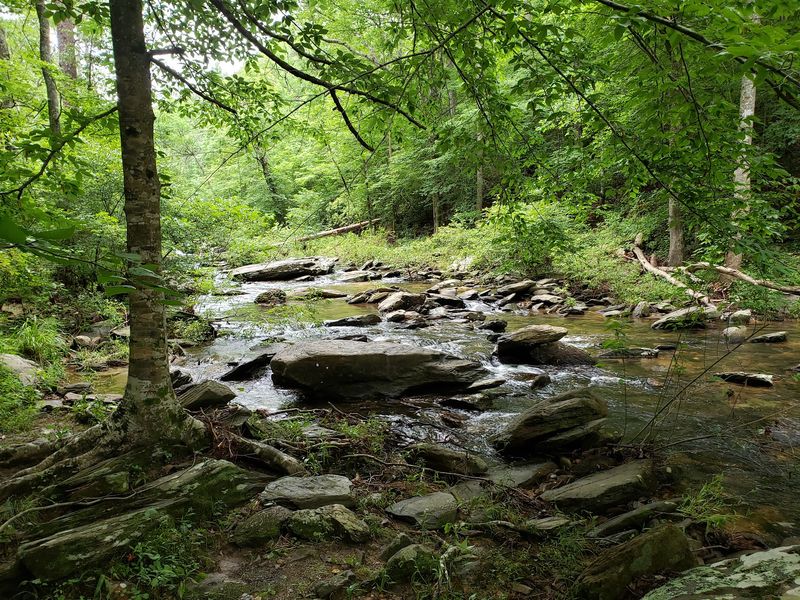
Alabama’s Black Belt region, named for its rich, dark soil, runs through the central part of the state and is home to a surprising variety of wildlife. The ponds and spring-fed water sources scattered across this landscape create calm, clear habitats that cottonmouths find very appealing.
It is a side of Alabama that many visitors overlook, and that is a real shame.
Spring-fed ponds stay relatively cool and clear, which attracts fish, frogs, and turtles year-round. Where prey gathers, predators follow.
Cottonmouths are regulars around these water sources, particularly during summer when they are most active and visible. Early morning is often the best time to spot one near the water’s edge.
The Black Belt’s open, rolling landscape feels different from the dense swamps of the south or the canyon country of the northeast. Ponds here are often surrounded by hardwood trees and open fields, giving you a clear line of sight.
That actually makes wildlife watching a bit easier and more enjoyable in this region.
Farmers, hunters, and outdoor enthusiasts who spend time near these ponds know cottonmouth sightings are simply part of the experience. If you are traveling through central Alabama, take some time to explore the local wildlife management areas and nature preserves in the region.
The Black Belt Nature and Heritage Trail runs through several counties. Check with the Alabama Department of Conservation for current access details and visiting days.