
The Oregon Lake That Captivates Visitors With Its Unmatched Clarity And Beauty
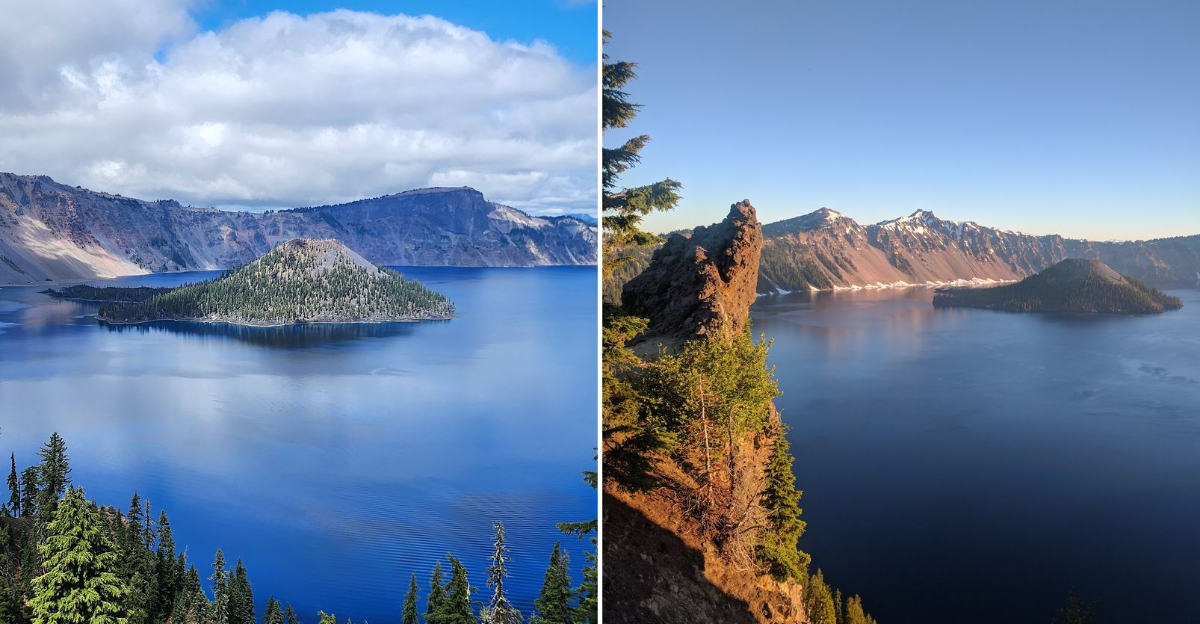
For some views, the walk it takes to reach them ends up being worth every step. This Oregon lake is exactly that kind of place.
The color alone looks almost unreal from certain angles, somewhere between blue and green depending on the light. Visibility stretches down for dozens of feet in places, clear enough to see straight to the bottom without much effort.
Photos rarely do the color justice, something most visitors realize only after trying to capture it themselves. Hiking trails around the shoreline offer wide views without much elevation required to reach them.
Crowds stay manageable even during peak summer months, unlike some more famous lakes elsewhere. Locals still seem a little protective of the place despite how well known it’s become.
This lake earns every bit of praise it gets, and then some.
Crystal Clear Waters And Their Formation
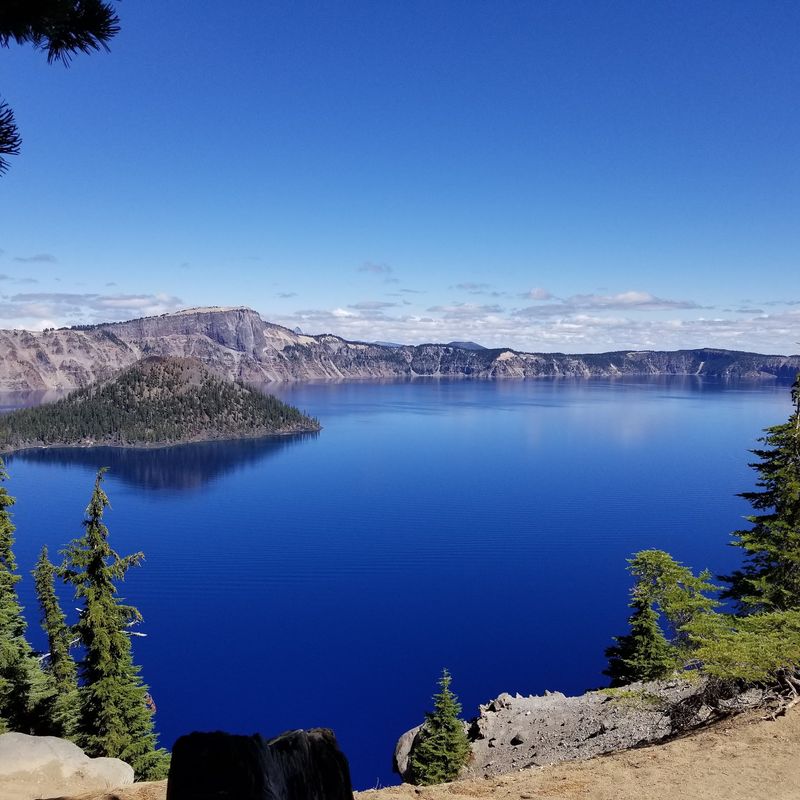
This lake holds a record that few lakes on Earth can claim. Its water clarity has been measured at depths up to 142 feet.
Scientists rank it among the clearest lakes anywhere on the planet.
Here is what makes that possible. No rivers or streams flow into or out of the lake.
Rain and snowmelt are the only sources feeding it. That means no sediment, no runoff, and no outside pollutants entering the water.
The lake formed around 7,700 years ago. Mount Mazama, a massive volcano in the Cascade Range, erupted violently.
The eruption was so powerful that the volcano collapsed inward on itself.
That collapse created a huge bowl-shaped depression called a caldera. Over hundreds to thousands of years, rain and snow slowly filled it.
The result is the deepest lake in the United States, reaching over 1,900 feet deep.
Because there is no drainage system, the water stays remarkably pure. It has even been described as drinkable, though extremely cold.
The blue color comes from how deeply sunlight penetrates the clear water.
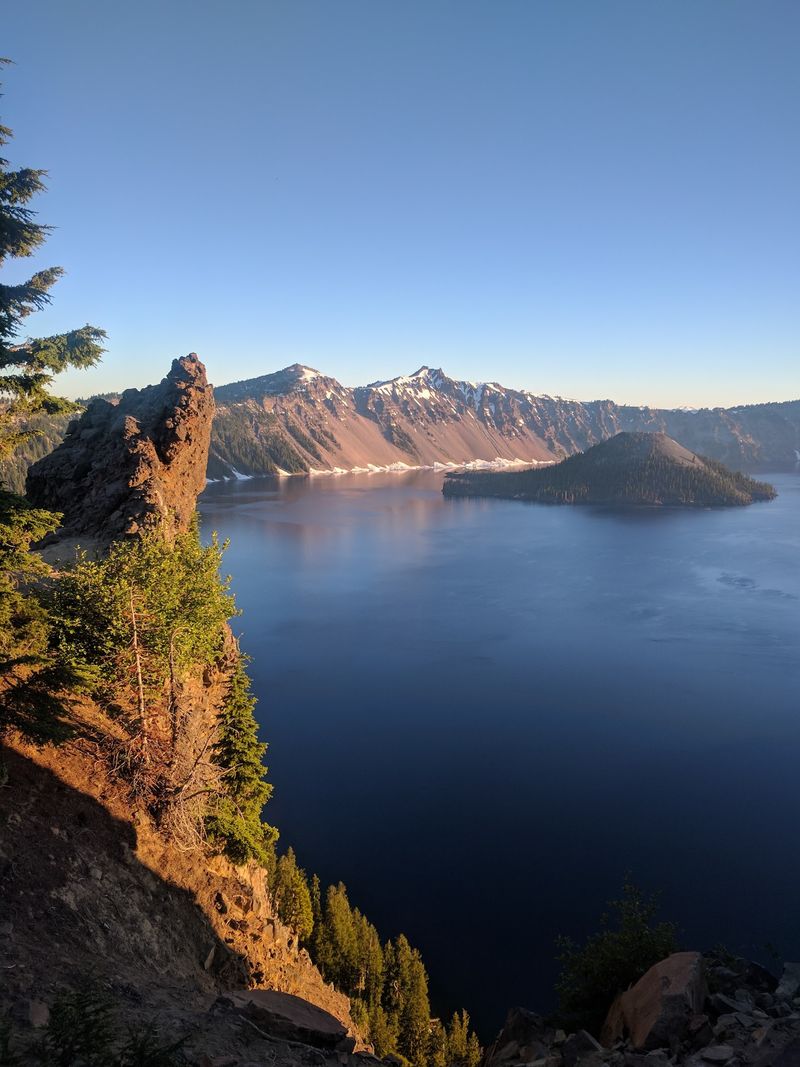
Standing at the rim, you can see shades ranging from turquoise near the edges to an almost electric cobalt blue in the center. It genuinely looks unreal.
Surrounding Flora And Fauna In Depth
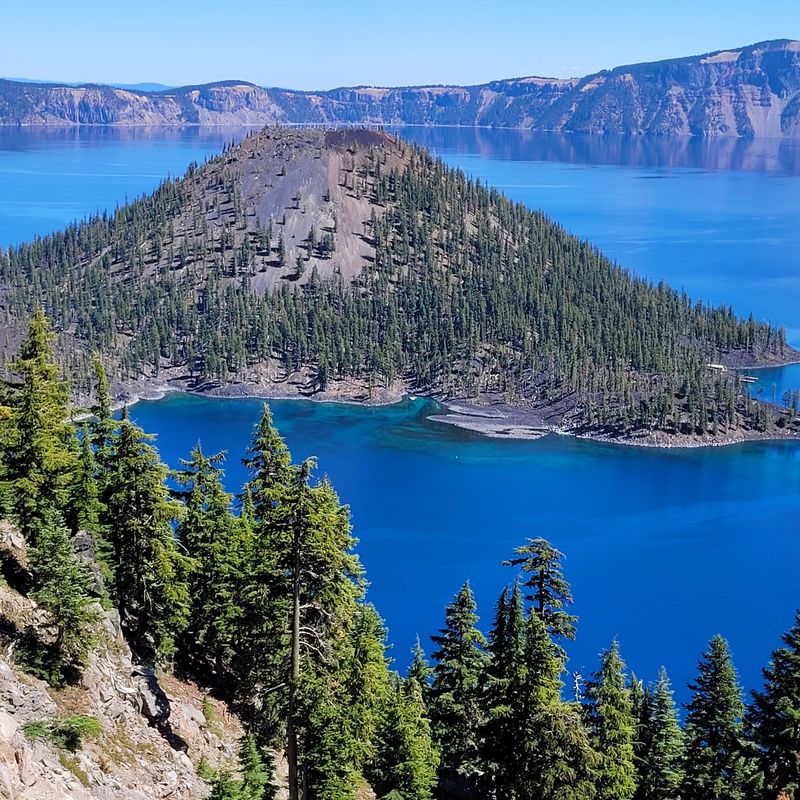
More than 700 native plant species call this park home. Old-growth conifer forests blanket the ridgelines and slopes around the lake.
In summer, meadows and pumice fields burst with wildflowers like lupine and monkeyflower.
The forest is alive with wildlife too. Elk, black bears, and mule deer move through the park regularly.
Golden-mantled ground squirrels are practically park celebrities at this point.
American martens dart through the trees with impressive speed. Clark’s Nutcrackers and Canada Jays are common bird sightings near the rim.
Bird watchers tend to have a productive morning just walking the rim trail.
The lake itself has an interesting fish story. It was originally fishless.
Between 1888 and 1941, the lake was stocked with kokanee salmon and rainbow trout. Both species now reproduce naturally in the lake.
Bull trout are the only native fish found in the park’s streams. Aquatic moss like Drepanocladus aduncus grows at impressive depths below the lake’s surface.
Newts and salamanders occupy the wetter areas throughout the park.
Crayfish are an invasive species now present in the lake. Researchers continue to monitor their impact on the native ecosystem.
The biodiversity here is genuinely impressive for a place built on ancient volcanic rock.
Geological History Behind The Lake
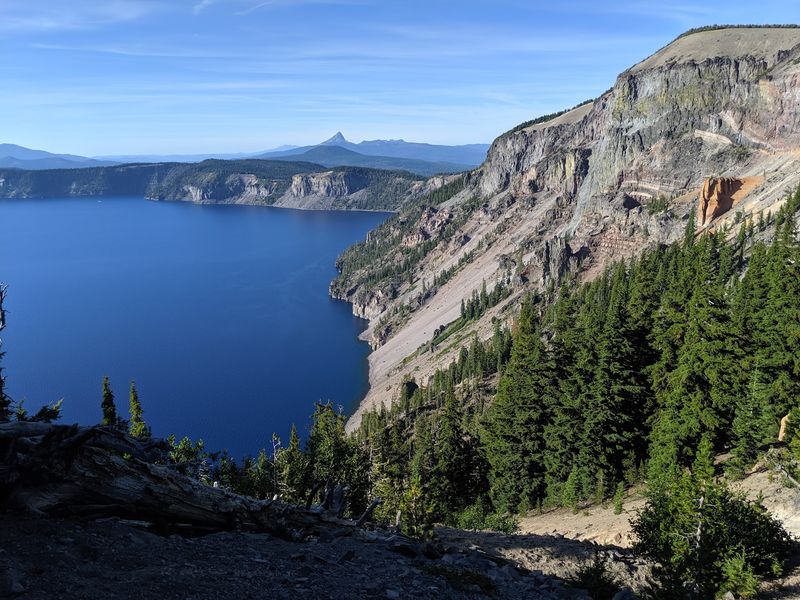
Mount Mazama did not form overnight. It grew slowly over roughly 400,000 years as part of the Cascade Range.
Layer by layer, eruptions built it into a massive stratovolcano.
Then, about 7,700 years ago, everything changed. A catastrophic eruption released enormous amounts of ash and pyroclastic material.
The scale was roughly 42 times larger than the 1980 Mount St. Helens eruption.
After the magma chamber emptied, the volcano had nothing left to support itself. The summit collapsed inward.
That single geologic event created the caldera that holds Crater Lake today.
Pyroclastic flows scorched the landscape for miles in every direction. Ash from the eruption has been found as far away as Canada.
The destruction was total and nearly instantaneous on a geologic timeline.
Volcanic activity did not stop there. Later eruptions within the caldera built up Wizard Island, the small cinder cone you see rising from the water today.
It is a visible reminder that geology here is never truly finished.
The caldera slowly filled with precipitation over an estimated 700 to 1,500 years. No rivers helped.
Just sky water, year after year, filling one of the most dramatic natural formations in North America. Geologists still study this site actively to understand Cascade Range volcanism.
Best Times To Experience Scenic Views
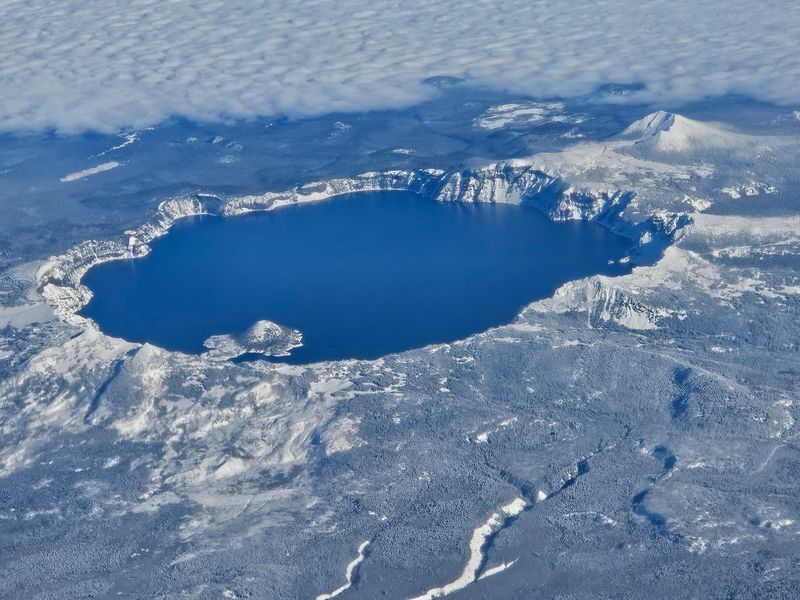
Summer wins the popularity contest here, and for good reason. July through mid-September brings mild temperatures, open roads, and wildflowers in full bloom.
All major trails and overlooks are accessible during this window.
Fall is genuinely underrated. Mid-September through October brings cooler air and noticeably fewer crowds.
Golden grasses and patches of color across the hillsides make for stunning photography conditions.
Winter is a completely different world. The park averages over 43 feet of snowfall per year.
Most roads close, but the transformation into a snow-covered landscape is dramatic and worth seeing if you plan.
Spring runs from April through June and offers its own quiet charm. Snow lingers well into May, sometimes even June at higher elevations.
Rim Village stays accessible during this period, and the late-season snow against blue water is striking.
Early morning visits reward you regardless of season. The light is softer, the crowds are thinner, and the lake surface tends to be calmer.
Reflections in the water can be extraordinary before midday wind picks up.
Parking fills quickly on summer weekends, so arriving before 9 a.m. makes a real difference. Entry costs $30 per vehicle and covers seven days.
Planning your timing well means you get the views without the wait.
Recreational Activities Available On Site
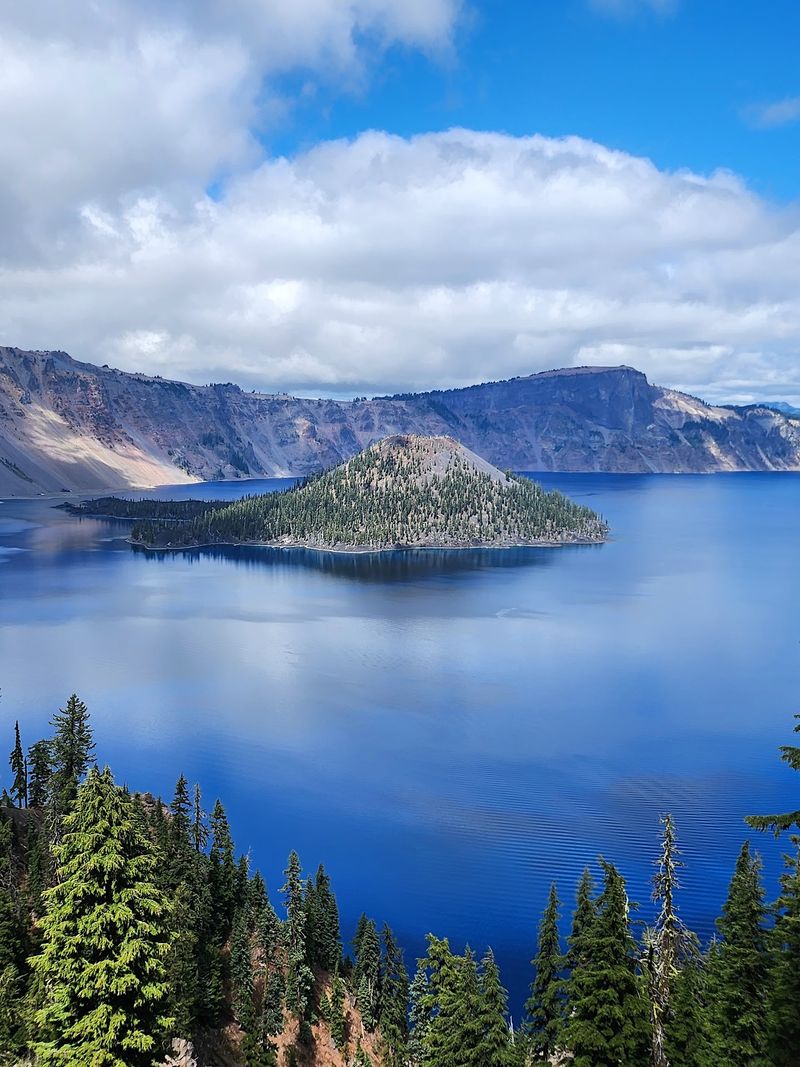
Crater Lake is not just a place to stand and stare, though that alone is worth the trip. The 33-mile Rim Drive loops around the entire lake with more than 30 overlooks along the way.
Trolley tours run in summer for those who prefer a guided experience.
Hiking options range from easy walks to serious climbs. Cleetwood Cove Trail is the only legal route down to the lake shore.
It is steep, about 1.1 miles one way, but the payoff at the bottom is worth every step.
Boat tours on the lake have historically departed from Cleetwood Cove. However, boat tours are currently closed for the 2025 and 2026 seasons.
Check the National Park Service website for updated scheduling before your visit.
Swimming is permitted within 100 yards of Cleetwood Cove and Wizard Island. The water is clear and beautiful.
It is also shockingly cold, so prepare yourself mentally before jumping in.
Fishing requires no license inside the park. Only artificial lures are allowed, and no bait.
Kokanee salmon and rainbow trout are the main catches.
Winter opens up snowshoeing and snowmobiling opportunities on unplowed roads. Stargazing is popular year-round because the park sits far from city light pollution.
Ranger-led programs and guided hikes run regularly throughout the year.
Conservation Efforts Protecting The Ecosystem
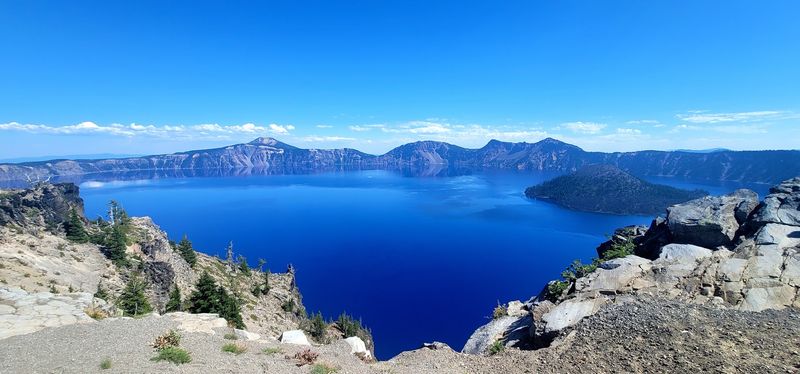
Keeping Crater Lake as pristine as it is requires serious, ongoing effort. The Long-term Limnological Monitoring Program launched in 1983.
It tracks water clarity, temperature, oxygen levels, and overall water quality year after year.
Invasive vegetation is a persistent challenge. The Invasive Vegetation Management program actively works to remove non-native plant species from the park.
Unchecked invasives can disrupt the native plant communities that have developed here over thousands of years.
Aquatic invasive species are another concern. All private boats entering Oregon waters must pass mandatory inspection before launching.
This rule helps prevent species like invasive mussels from hitchhiking into the lake.
Climate change is being closely watched here. Scientists monitor how warming temperatures and reduced snowfall affect the lake’s water levels and ecosystem balance.
Crater Lake depends on heavy snowpack, so changes in precipitation patterns matter a great deal.
Bull trout, the park’s only native fish, are protected through active restoration projects in park streams. Their populations had declined over time, and recovery work is ongoing.
Protecting them helps preserve the native ecological balance.
In 2021, Oregon designated Crater Lake an Outstanding Resource Water. That designation restricts most new discharges into the lake.
It is a legal layer of protection that reflects how seriously Oregon takes this natural treasure.
Photography Tips For Capturing Natural Beauty
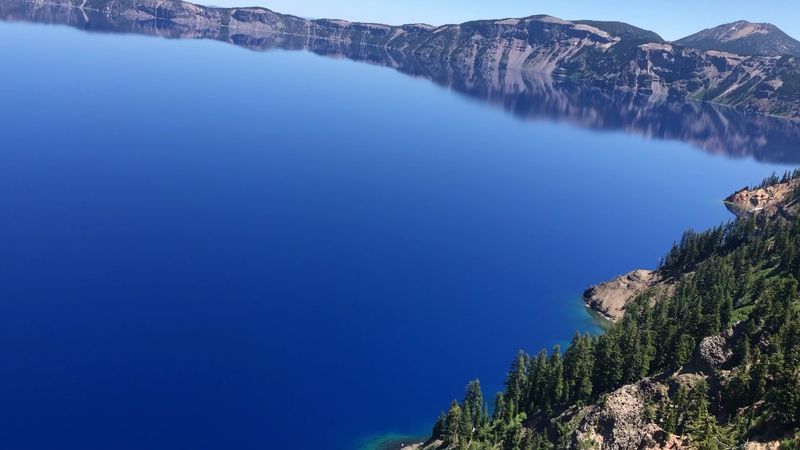
Golden hour at Crater Lake is genuinely spectacular. Shoot in the early morning or late evening for warm, soft light across the water.
Rim Village and Garfield Peak are top spots for catching sunrise colors.
The Blue Hour is equally worth your time. That short window just before sunrise or after sunset fills the sky with deep purples and cool blues.
The lake mirrors those tones in a way that feels almost surreal.
Sinnott Memorial Overlook gives you a classic, wide composition. You get the lake, the caldera walls, and Wizard Island all in one frame.
It is a reliable shot that still manages to look fresh every single time.
For sunset, head to Watchman Overlook or Cloudcap Overlook on the east rim. Both offer dramatic angles with the sun dropping behind the crater walls.
Arriving 30 to 45 minutes early lets you pick your exact position without rushing.
Cleetwood Cove offers a rare low-angle perspective from the shoreline. Most visitors photograph the lake from above, so shooting from water level makes your images stand out.
A wide-aperture lens works well for foreground detail.
Night photography is exceptional here. The park has very little light pollution, making it ideal for capturing stars and the Milky Way.
Bring a sturdy tripod and plan around the lunar calendar for the darkest skies.
Local Legends And Cultural Significance
Crater Lake carries deep cultural weight for the Klamath Tribes who have lived in this region for thousands of years. The lake is known in their language as Giiwas.
For the Klamath people, it is not simply a scenic landmark but a place of profound spiritual power.
Their oral traditions describe the lake’s formation as a battle between two powerful spirits. Llao, Chief of the Below World, and Skell, Chief of the Above World, clashed in a cosmic conflict.
Skell ultimately defeated Llao, causing the mountain to collapse and the pit to fill with the brilliant blue water seen today.
The lake was traditionally used as a site for vision quests. Shamans sought power and guidance at its shores.
Some members of the Klamath Tribes historically avoided looking directly into the lake, believing it carried consequences too serious to ignore.
Archaeological evidence backs up the deep human connection to this place. Artifacts discovered beneath layers of Mount Mazama ash confirm people lived in this area at the time of the eruption 7,700 years ago.
Their presence during such a catastrophic event speaks to a long, resilient history.
The Klamath Tribes continue to maintain a living relationship with Crater Lake today. Their stories are not relics of the past.
They are active traditions that shape how this landscape is understood and respected by those who know it best.