
This Ohio Amish-Style Destination Is A Must-Visit For Food Shopping And Small Town Charm
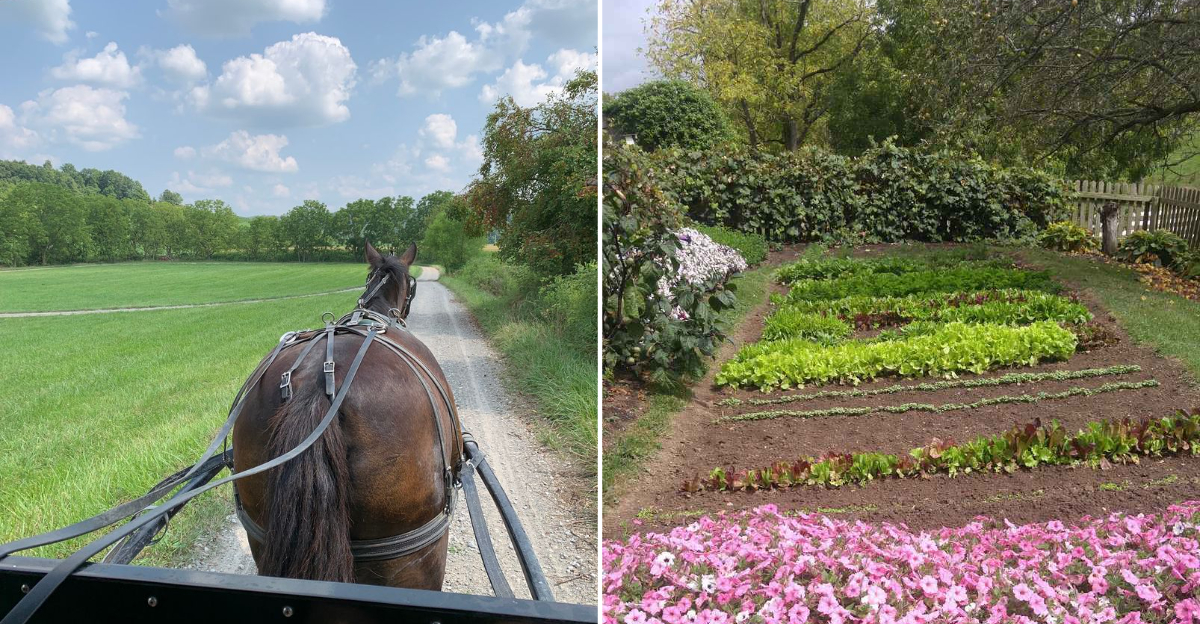
There’s a certain pace of life small towns held onto long after bigger cities moved past it. This Ohio Amish style destination still runs on that rhythm.
Shops line the main streets selling baked goods, quilts, and furniture made by hand rather than machine. Food stands offer produce and preserves that change with whatever’s actually in season nearby.
Nothing here feels rushed, from the way items get made to the way people shop for them. Visitors often end up spending more time than planned, drawn in by the unhurried atmosphere.
Small town charm shows up in details easy to miss at first, like handwritten price tags and family run storefronts. This destination earned its reputation the honest way, through quality that never needed exaggeration to sell itself.
Traditional Food Products Unique To Culture
Amish food is not trendy. It is practical, honest, and made with ingredients you can actually pronounce.
At Yoder’s Amish Home, the bakery and gift shop carry traditional baked goods that follow recipes passed down through generations.
Fresh homemade breads line the counter alongside cinnamon rolls and cookies baked right on the property. Apple butter is one of the most popular items here.
It is made in small batches using a traditional process that keeps the flavor rich and real.
Homemade jams and jellies round out the selection. These are not grocery store versions with artificial ingredients.
Every jar reflects Amish cooking values, which center around fresh, hearty, and filling food.
Roasted chicken and seasoned vegetables represent the savory side of Amish culture. The food here is not fancy, but that is exactly the point.
Simple cooking done right is always going to taste better than complicated cooking done poorly.
Visitors often leave with arms full of jars and baked goods they did not plan to buy. That is just how it goes when the food is this good.
You can find all of this at 6050 OH-515, Millersburg, OH 44654.
Seasonal Foods And Ingredients Available Year Round
Amish farming follows the calendar, not the convenience store aisle. At Yoder’s Amish Home, the growing season shapes everything that ends up in the kitchen and on the shelves.
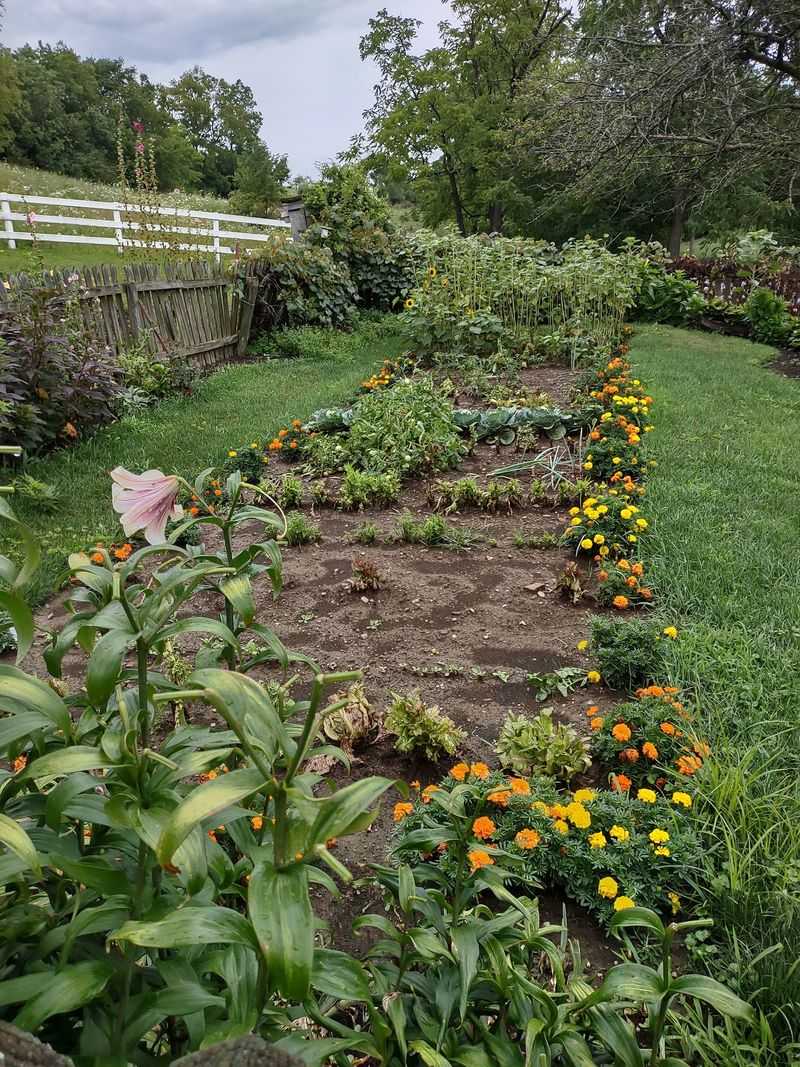
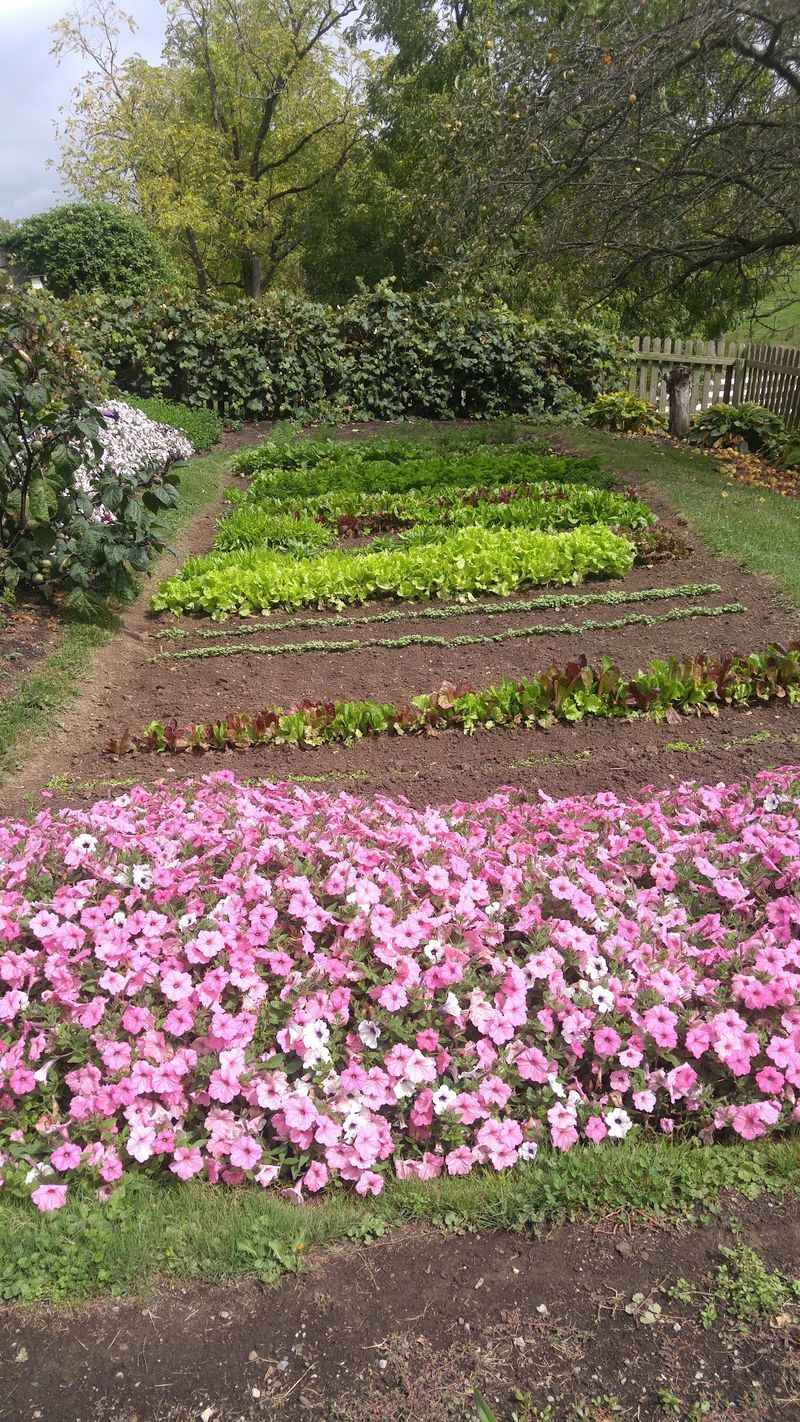
Spring starts with lettuce and onions going into the ground. As the season shifts, a larger garden patch gets cultivated specifically for canning produce in the farm kitchen.
Summer brings full harvests and animals grazing across the open fields.
Amish families traditionally grow their own food from scratch. They preserve and can what they grow, which means nothing goes to waste.
That mindset carries through every product available at the farm.
October brings one of the most anticipated seasonal traditions here. The Old-Fashioned Apple Butter Stirring event draws visitors who want to see the process firsthand.
Apples get stirred in a large copper kettle over an open fire, and the finished product gets sold in jars to take home.
The farm operates from mid-April through late October, following natural agricultural cycles. It closes during the off-season, which actually makes each visit feel more meaningful.
You are not just buying food here. You are connecting with the rhythm of a farming life that has stayed consistent for well over a century.
Handcrafted Goods And Their Authentic Production Methods
Not everything worth buying comes from a factory. The gift shop at Yoder’s Amish Home carries items made by local crafters who supply the farm directly.
Each piece reflects real skill and real time invested by the maker.
Amish dolls are one of the most recognizable items here. They are crafted without faces, which follows a long-standing Amish belief about humility and avoiding vanity.
That small detail makes them more interesting, not less.
Handwoven baskets sit alongside hand-quilted wall hangings and full-size quilts. These are not decorative pieces made to look rustic.
They are functional goods built to last, made using methods that have not changed much over the past century.
Amish values around quality and utility show up in every item available. Nothing is made quickly just to fill a shelf.
Every product in the shop went through hands that cared about the outcome.
Picking up a handcrafted item here feels different from buying something mass-produced online. You know where it came from, who made it, and why it was made that way.
For anyone who appreciates craftsmanship, the gift shop at Yoder’s Amish Home is worth spending real time in. Budget a few extra minutes, because it is hard to leave empty-handed.
Local Farming Practices Behind Fresh Food Offerings
Yoder’s Amish Home is not a museum. It is a working farm, and that distinction matters.
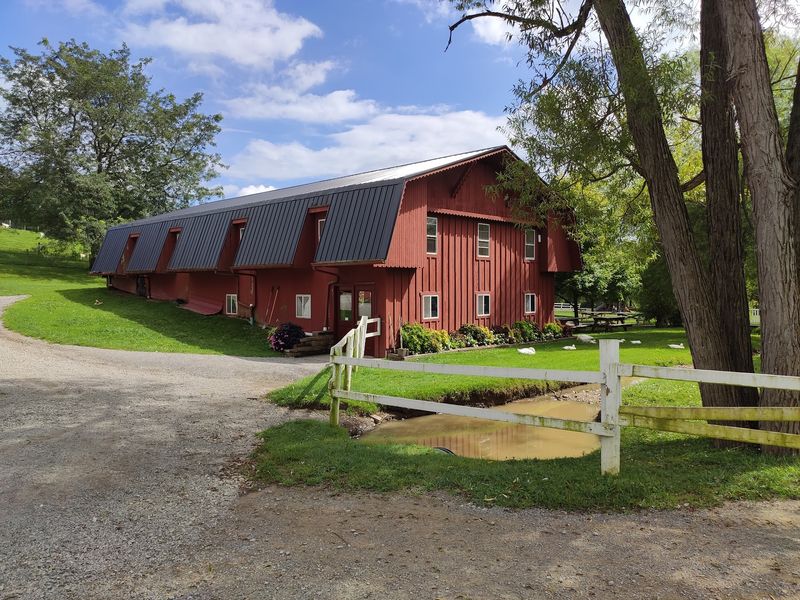
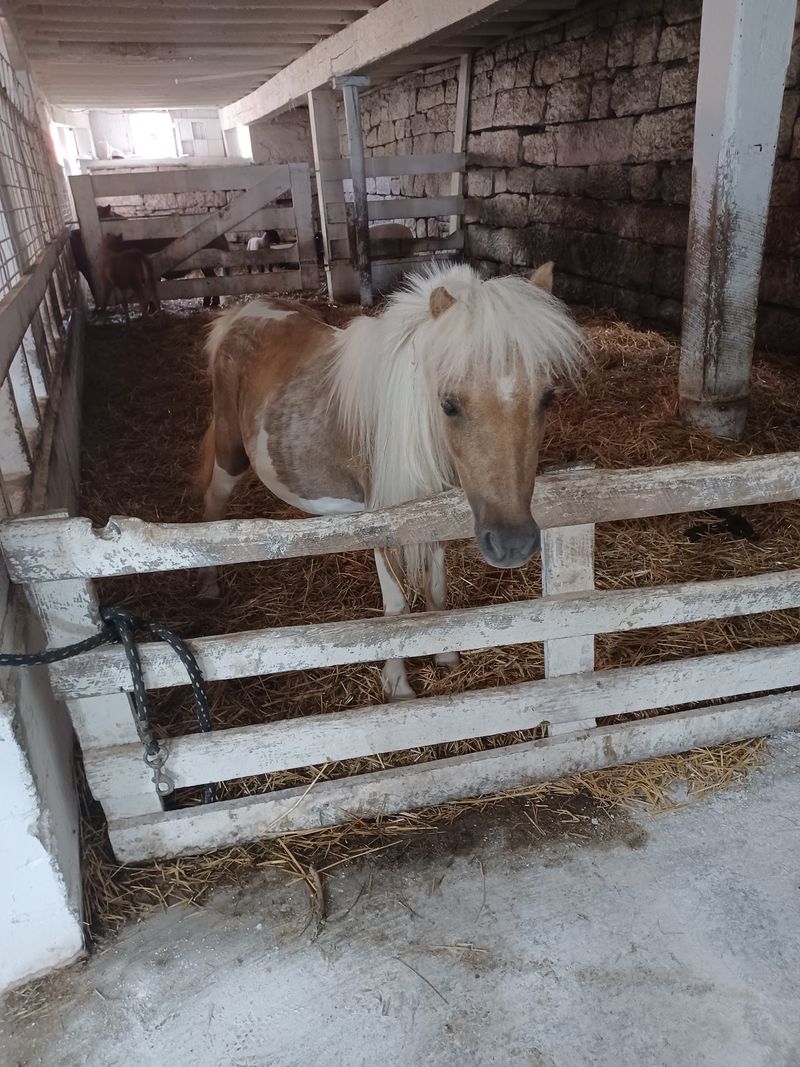
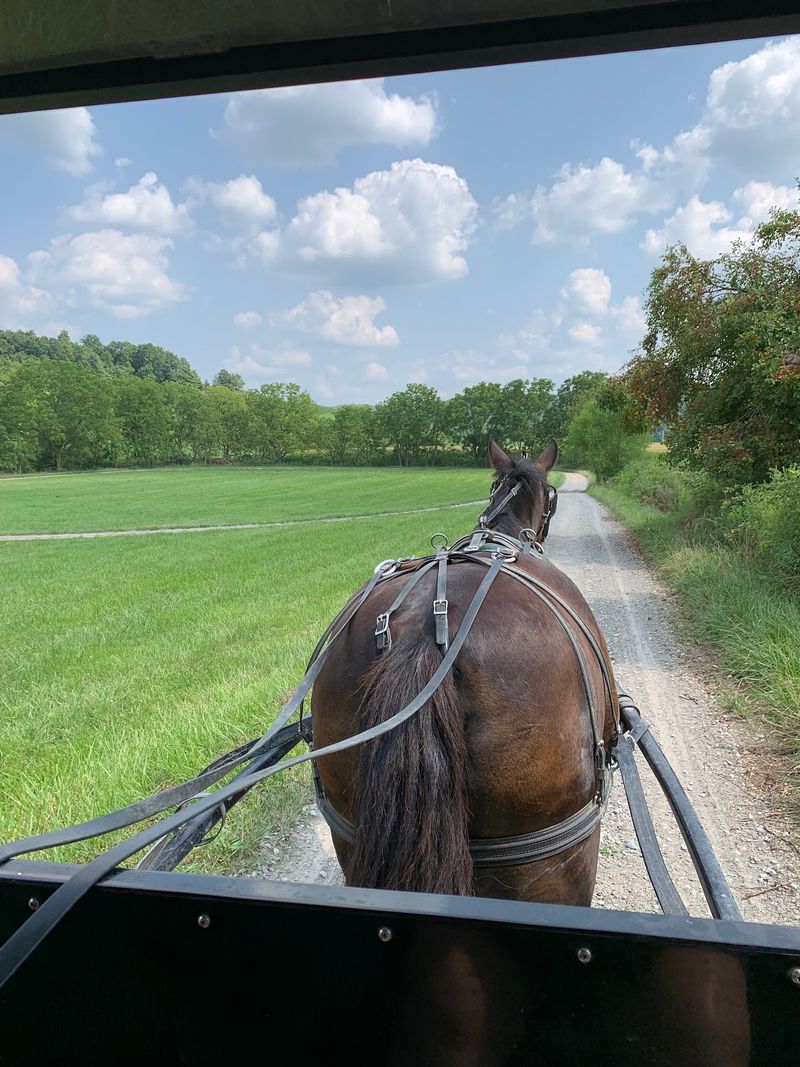
The 1885 bank-style barn houses a variety of livestock, including sheep, goats, draft horses, a buggy horse, a donkey, chickens, ducks, and rabbits.
Farm manager Trent Yoder oversees both the gardens and the food production on the property. The farm actively balances hay production and maintains gardens to stay self-sufficient.
That is not a marketing line. It is how the place actually runs.
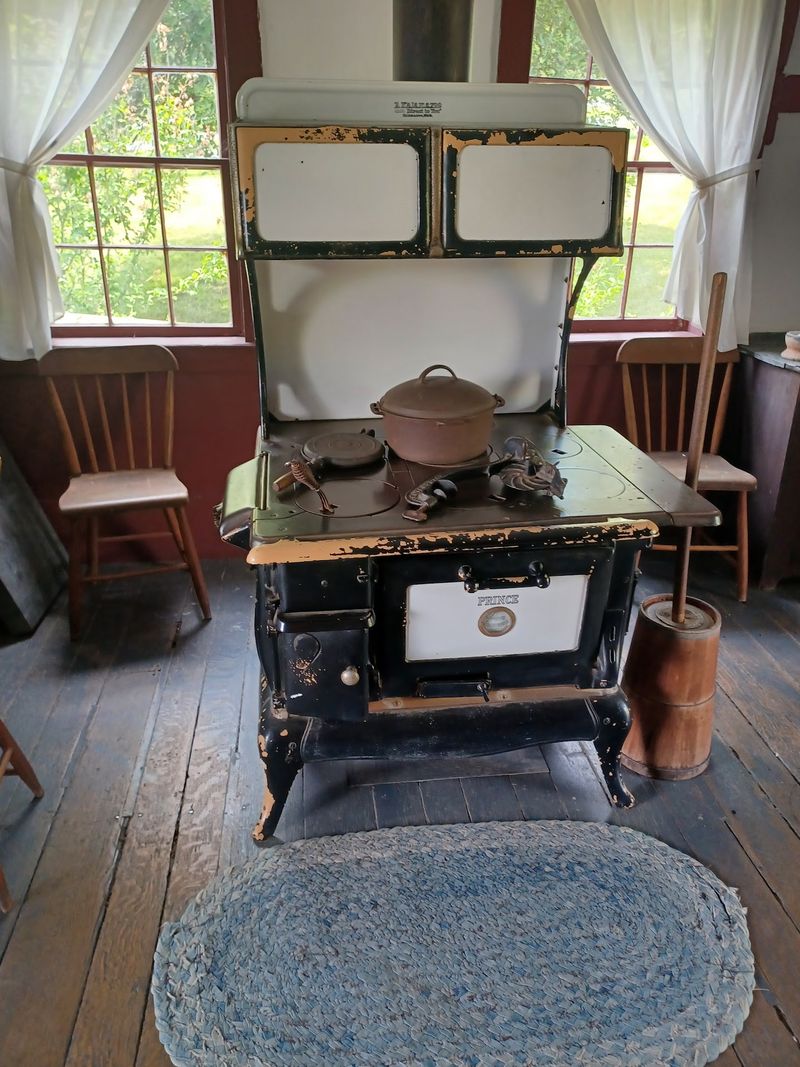
Amish women bake and can fruit and garden produce directly in the farm kitchen. Visitors who tour the property can often smell bread baking during their walk-through.
That aroma is not accidental. It is a byproduct of real daily work happening in real time.
The connection between the land and the food here is direct and visible. You can see the garden, meet the animals, and then buy the products made from what the farm grows.
That chain from soil to shelf is rare to find anywhere these days.
Farming the Amish way means using hands-on methods and traditional tools. It also means respecting the land enough to work with it rather than against it.
The freshness of everything sold here is a direct result of that approach.
Community Events Centered Around Food And Craft Sales
Community events at Yoder’s Amish Home are not staged performances. They are rooted in actual Amish traditions that have practical origins.
The Old-Fashioned Apple Butter Stirring is the main food and craft event held on specific dates each October.
Visitors are welcome to take a turn stirring the apple butter themselves. The copper kettle used holds 30 gallons and sits over an open fire.
Watching the process is interesting. Actually participating makes it memorable.
After the stirring, finished jars of apple butter are available for purchase. It is the kind of hands-on experience that sticks with you longer than a standard farm tour.
You go home with a jar and a story attached to it.
Outside of the apple butter event, the gift shop stays open daily during the farm’s operational months. Craft purchases are available throughout the season, not just during special events.
Picnic tables and a covered eating area give visitors a place to sit and enjoy what they buy on the spot.
The farm runs from mid-April through late October, so planning is worth it. Check the schedule before visiting if the apple butter event is on your list.
Spots at seasonal events tend to fill up, and missing it would genuinely be a shame.
Exploring The Variety Of Handmade Baked Goods
Few things compete with bread baked fresh in a working farm kitchen. At Yoder’s Amish Home, the bakery produces homemade loaves daily using traditional methods.
The smell alone during a tour is enough to redirect your entire afternoon plans.
Cinnamon rolls come out soft and without any frosting overload. Cookies cover a wide variety of types, so there is something for every preference.
Donuts round out the selection with that same from-scratch quality that makes everything here stand out.
Whoopie pies are worth mentioning on their own. They are a classic Amish baked treat, and the ones at Yoder’s are made the way they are supposed to be made.
No shortcuts, no artificial flavoring.
Jams and jellies made on-site pair perfectly with the fresh bread. Canned goods are also available for purchase directly from the bakery.
The honor system is used for payment, so having small bills on hand makes the process smoother.
Buying baked goods here is not just a food transaction. It is a small act of supporting a tradition that values quality over speed.
Every item on that counter took real effort to produce. Taking a loaf of bread home from a 116-acre working Amish farm is genuinely one of the better food decisions you can make on a road trip through Ohio.
Preserving Heritage Recipes Through Food Preparation

Heritage recipes do not survive by accident. At Yoder’s Amish Home, young Amish women work in the farm kitchen baking and canning fruit and garden produce.
The skills get passed along through direct participation, not written instructions alone.
Apple butter is prepared using a traditional 30-gallon copper kettle over an open fire. That method has not changed because there is no reason to change it.
The result speaks for itself every October when visitors line up to take jars home.
Pickles and red beets are also available, made using recipes from Trent Yoder’s grandmother. Those are not just products.
They are edible family history that visitors get to carry home in a jar. That kind of connection to a recipe is rare anywhere.
Amish culture places high value on teaching food preservation skills from a young age. Canning, baking, and fermenting are not hobbies here.
They are core life skills treated with the same seriousness as reading or math.
Watching food preparation happen in real time during a farm tour changes the way you think about what you eat. When you see the kettle, the fire, and the hands doing the work, the food stops being just a product.
It becomes a record of how people have lived, cooked, and taken care of each other for generations in Holmes County.
Supporting Sustainable Food Sources In Small Towns
Sustainable farming is not a buzzword at Yoder’s Amish Home. It is the operating model.
The farm actively manages hay production and oversees its gardens to keep the property self-sufficient year after year.
Amish farming practices rely on traditional agricultural methods rather than industrial shortcuts. Ingredients come from the farm’s own land wherever possible.
That direct relationship between the soil and the table is what makes the food here taste the way it does.
Small towns like Millersburg benefit when farms like this one stay active and open. Local crafters supply the gift shop, local produce fills the kitchen, and visitors bring income back into the community.
It is a straightforward economic loop that works.
Buying a jar of jam or a loaf of bread at Yoder’s is a small act with a bigger ripple. Every purchase supports a farming family, a local crafter, and a way of life that prioritizes land stewardship over profit margins.
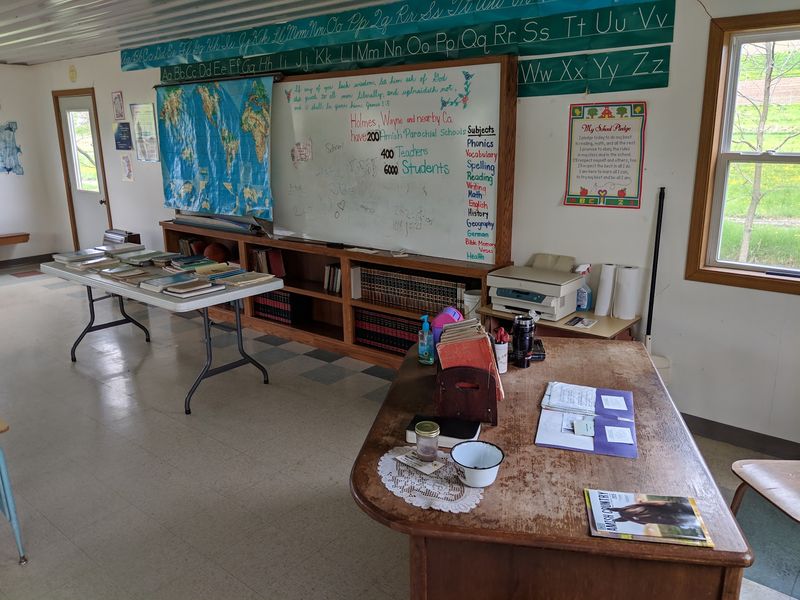
Holmes County, Ohio, is home to one of the largest Amish communities in the world. Farms like Yoder’s Amish Home help tangibly preserve that identity.
Visiting here is not just a fun afternoon. It is a chance to put money directly into a food system that is doing things the right way, in a small town that deserves attention.