
Here Are The 10 Safest And Most Peaceful Places To Live In Vermont Right Now
Small towns everywhere claim to be safe, but Vermont keeps quietly proving it.
Rivers wind past old granite quarries while mountain ranges cradle villages where neighbors still know each other by name.
Charters here stretch back centuries, and precision manufacturing once put certain towns on the world stage for reasons nobody expected.
History runs deep too, from immigrant workers who built entire industries to royal swans that still float on a village green.
Crime stays low across the board, but the real pull is something harder to measure. Vermont rewards anyone willing to slow down and actually pay attention.
Curious which towns made the list? Grab a coffee, because your next favorite place to live could be waiting in the next few paragraphs.
1. Northfield
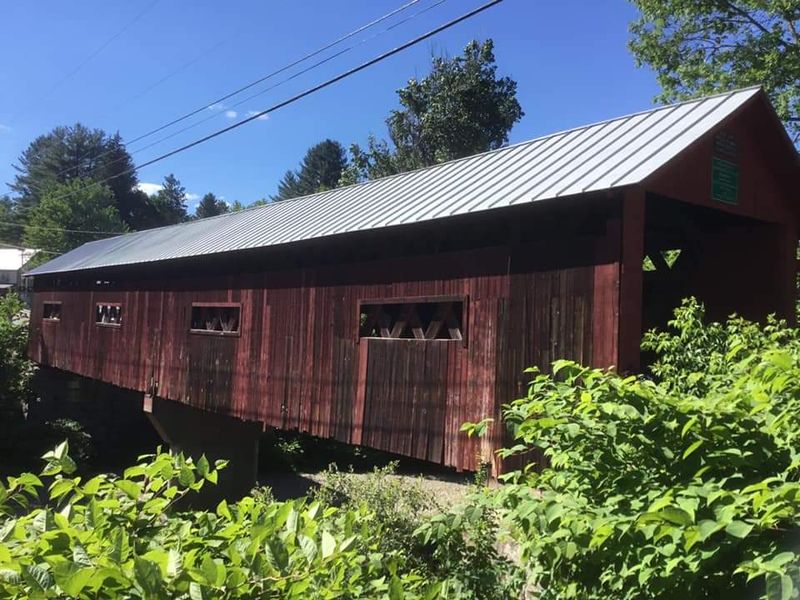
History runs deep in this Washington County town, and it shows in every corner of Northfield, Vermont. Chartered in 1781, it welcomed settlers from across New England and later drew Irish railroad workers and Welsh immigrants who came for the slate quarries.
That layered past gives the town a richness you can actually feel.
The Dog River winds quietly through the town center, framing a valley flanked by highlands on both sides. It is the kind of landscape that makes you stop and take a slow breath.
Early mornings here feel genuinely restorative.
Norwich University, a renowned military college founded in 1819, relocated to Northfield in 1866 after fire destroyed its original campus, and has anchored the town ever since. Athletic events and campus activities keep things lively without disrupting the peaceful rhythm of daily life.
The university and the town have grown together in a way that feels organic.
Northfield sits in four distinct villages, each carrying its own personality. Local pride runs strong, and residents look out for one another in a way that makes newcomers feel welcome fast.
Safety is not just a statistic here, it is woven into the fabric of how people live.
If you want a Vermont experience that balances history, nature, and community warmth, this town delivers on every count. Northfield, Washington County, Vermont, United States.
2. Barre Town
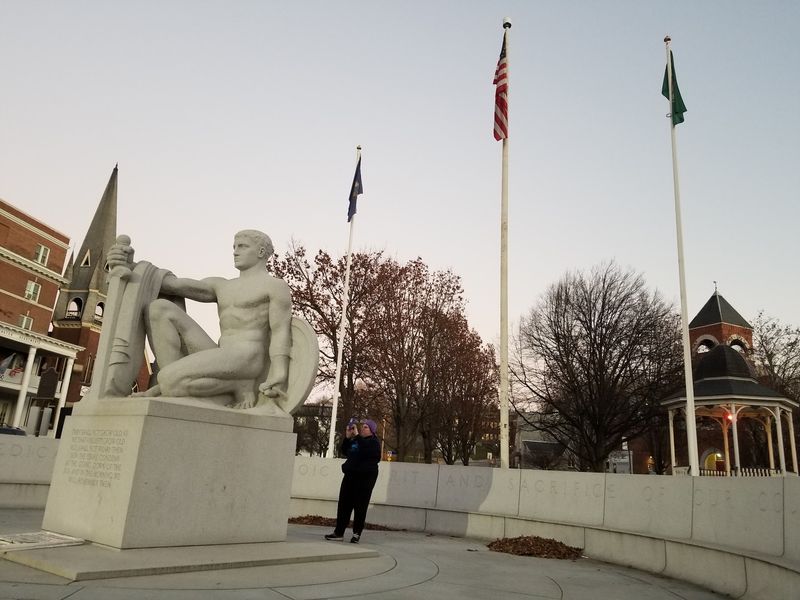
What other town on earth can honestly call itself the Granite Center of the World? Barre Town, Vermont, earned that title fair and square, and the legacy of that granite industry still shapes everything from the architecture to the community identity.
Founded in 1780, this Washington County town has been building character ever since.
After the War of 1812, granite production exploded, and workers poured in from Italy, Scotland, and across Europe. That cultural mix created a community that is diverse, resilient, and proud.
You can still feel that immigrant work ethic in the town today.
Hope Cemetery is one of the most remarkable places in all of Vermont. Local craftsmen carved elaborate granite monuments that turned a burial ground into an open-air gallery.
It is moving, creative, and unlike anything else you will encounter in New England.
The Barre Opera House, beautifully restored and still active, hosts performing arts events that bring residents together throughout the year. The Millstone Trails network winds through forests and past abandoned quarries now filled with brilliant blue water.
Outdoor enthusiasts have no shortage of options here.
Low crime rates and a strong sense of community make Barre Town a genuinely safe choice for families and individuals alike. Barre Town, Washington County, Vermont, United States.
3. Shelburne
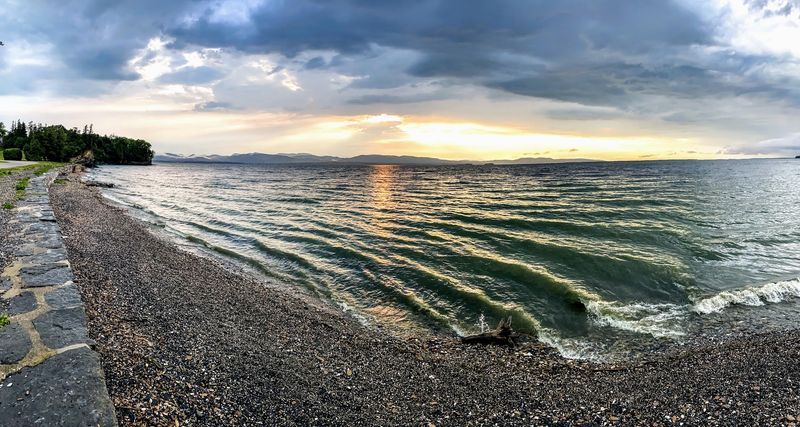
Right along the shores of Lake Champlain, Shelburne, Vermont, manages to feel both historic and refreshingly alive. This Chittenden County community has earned strong safety rankings that place it well above most cities across the country.
Violent crime rates here sit significantly below the national average, which is exactly the kind of data that matters when choosing a place to put down roots.
Shelburne Farms is a 1,400-acre working farm and National Historic Landmark that doubles as an education center and visitor destination. The Children’s Farmyard alone is worth the visit, especially for families.
It is the sort of place that reminds you why Vermont feels so grounded.
The Shelburne Museum is a cultural heavyweight, housing an extensive collection of American art spread across historic buildings on a sprawling campus. It draws visitors from across the region and gives residents something genuinely world-class right in their backyard.
Quiet evenings here feel earned and well-deserved.
The community spirit in Shelburne is consistent and warm. Neighbors show up for one another, local events bring people together, and the pace of life invites you to actually enjoy where you live.
There is a deliberate thoughtfulness to daily life here.
Shelburne blends preservation with modern comfort in a way that few Vermont towns manage quite so well. Shelburne, Chittenden County, Vermont, United States.
4. Stowe
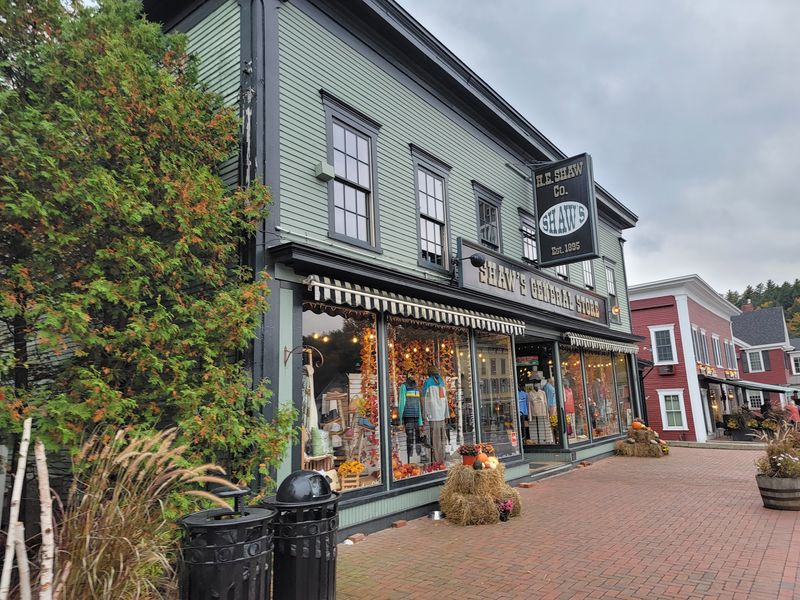
Mount Mansfield watches over this Lamoille County town like a steady, reliable neighbor. Stowe, Vermont, is consistently ranked among the best places to live in the state, and it earns that reputation through a combination of natural beauty, outdoor access, and a community that genuinely values quality of life.
The mountain backdrop alone is enough to make you reconsider city living entirely.
Winter here is legendary. Stowe Mountain Resort draws skiers and snowboarders from across the country, but the town never loses its close-knit feel even during peak season.
Residents have a quiet pride about the place that is contagious.
When the snow melts, the fun does not stop. Hiking, mountain biking, paddleboarding, swimming, and trail running all become part of the regular weekly routine.
The resort shifts seamlessly into a four-season outdoor hub, keeping energy levels high year-round.
Safety in Stowe is a natural byproduct of its strong community bonds. People look out for one another, local leadership is engaged, and the overall atmosphere feels secure and calm.
That combination of low crime and high livability is rare and worth celebrating.
The town’s walkable village center, lined with local shops and restaurants, adds everyday convenience to an already impressive lifestyle package. Stowe is the kind of place that makes you wonder why you waited so long.
Stowe, Lamoille County, Vermont, United States.
5. Swanton
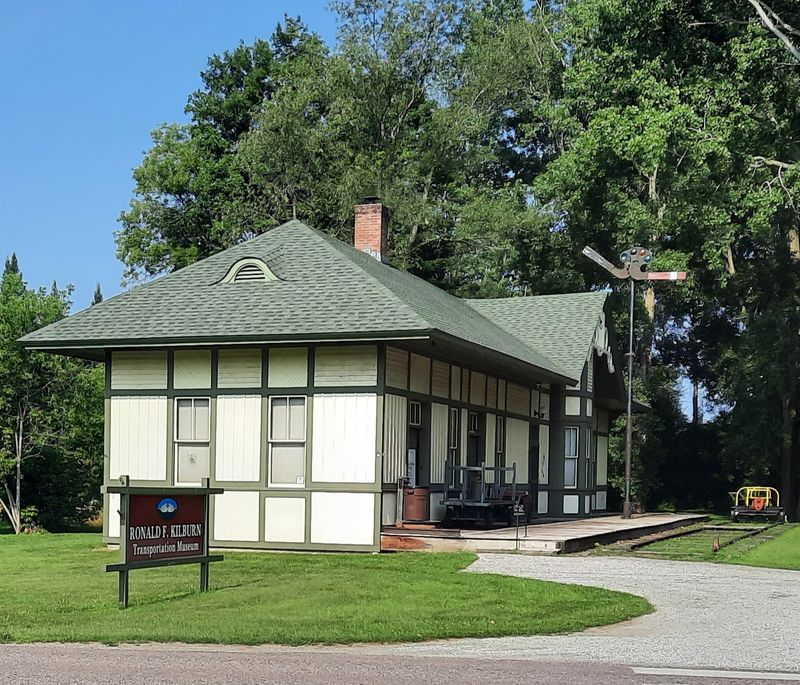
Swanton, Vermont, holds a distinction that most towns could never claim: it is believed to be the earliest inhabited area in the entire state. Abenaki people called this Franklin County land home as far back as 800 BC, and their cultural presence remains a living, breathing part of the community today.
That kind of deep-rooted history changes how a place feels.
The Missisquoi River meanders through town and connects to the Missisquoi National Wildlife Refuge, creating a natural corridor that wildlife and outdoor lovers both appreciate. The river is also part of the Northern Forest Canoe Trail, making it a draw for paddlers seeking peaceful waterways.
Nature here is not a backdrop, it is a participant.
Swanton was chartered in 1763 and named for Captain William Swanton. Over the centuries it has grown into one of Vermont’s most attractive and welcoming communities.
The town carries its age with grace and intention.
Perhaps the most charming detail of all: a pair of Royal Swans graces the Village Green, a gift from Queen Elizabeth II herself. It is a small touch that says a great deal about the kind of community Swanton is.
The town takes pride in beauty and tradition equally.
Low crime rates and a serene environment make this a smart, peaceful choice for anyone ready to slow down and stay awhile. Swanton, Franklin County, Vermont, United States.
6. Milton
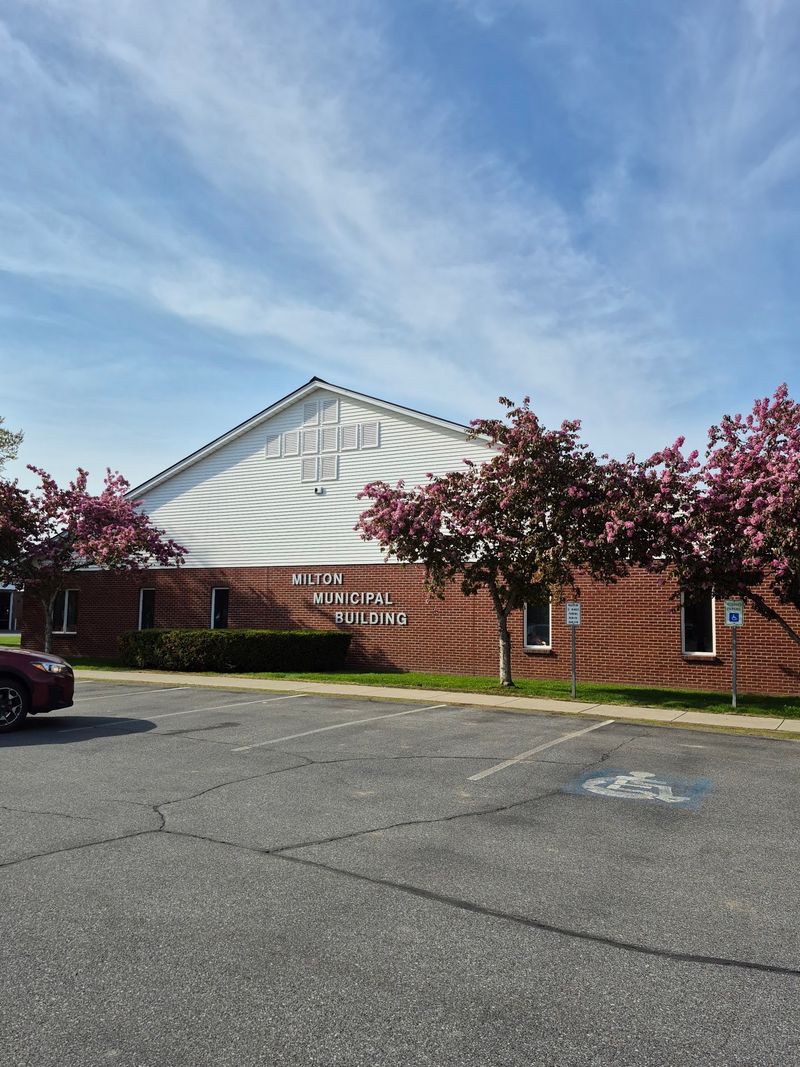
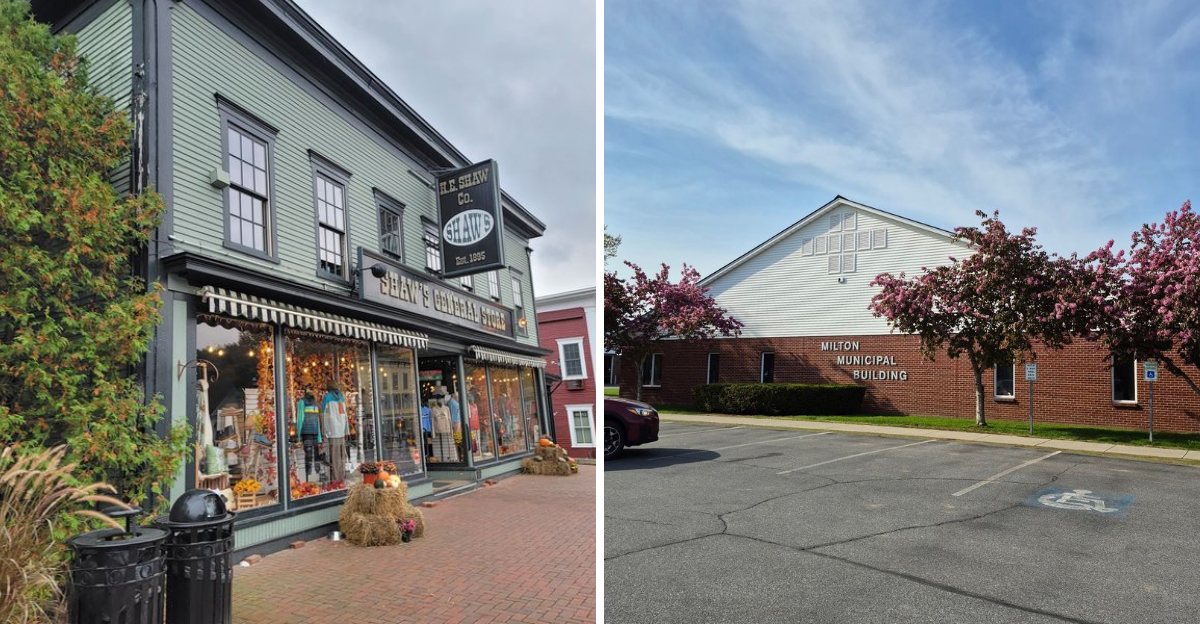
Chartered in 1763 and first settled in 1782, Milton, Vermont, started as a lumber and potash town and grew into something far more interesting. Today this Chittenden County community is celebrated for its strong sense of belonging and its abundance of natural spaces that make outdoor living feel effortless.
It is the kind of place where weekends are genuinely restful.
Arrowhead Mountain Lake and nearby Lake Champlain offer water sports, fishing, and shoreline walks that keep residents active and connected to nature. Sandbar State Park adds swimming and picnicking to the mix.
The options here are varied enough to suit just about any lifestyle.
Winter brings its own rewards. The Catamount Outdoor Family Center opens up a network of cross-country skiing trails that wind through the surrounding landscape.
Eagle Mountain Natural Area offers sweeping views of Lake Champlain that are worth every step of the climb.
Milton’s parks and natural areas support hiking and biking throughout the warmer months, creating a rhythm of outdoor activity that keeps the community healthy and engaged. Neighbors here tend to know each other, and that familiarity builds the kind of trust that makes a place feel safe.
Crime rates in Milton are low, and the town’s steady growth has not come at the cost of its peaceful character. Milton, Chittenden County, Vermont, United States.
7. Springfield
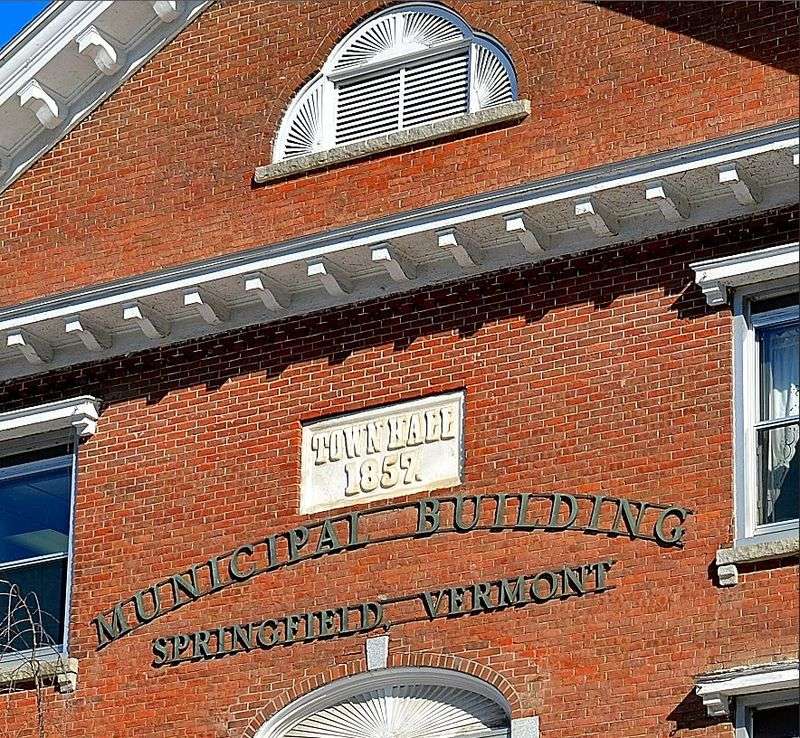
Few towns in Vermont carry a nickname as bold as “Precision Valley.” Springfield, Vermont, earned it honestly through a proud history as a hub for the machine tool industry, and that inventive spirit still shapes how the community operates today. Chartered in 1761, this Windsor County town has always been a place where people build things that matter.
During World War II, Springfield’s manufacturing output was so critical to the war effort that it reportedly ranked among top strategic targets. That is a heavy piece of history, and the town wears it with quiet dignity.
The past here is not just preserved, it is respected.
The Eureka Schoolhouse, Vermont’s oldest surviving one-room schoolhouse, stands as a testament to how seriously Springfield takes its heritage. The Springfield Telescope Makers, the oldest amateur astronomy group in the country, also calls this town home.
That combination of history and curiosity is genuinely compelling.
The Great Hall, a repurposed former factory, now functions as a vibrant public art space. Community-led efforts have transformed Main Street with murals and restored facades that celebrate local creativity.
The Black River’s Comtu Falls, once obscured by industrial buildings, now adds natural beauty to the downtown landscape.
Safety and community investment go hand in hand in Springfield, making it a solid and rewarding place to call home. Springfield, Windsor County, Vermont, United States.
8. Essex
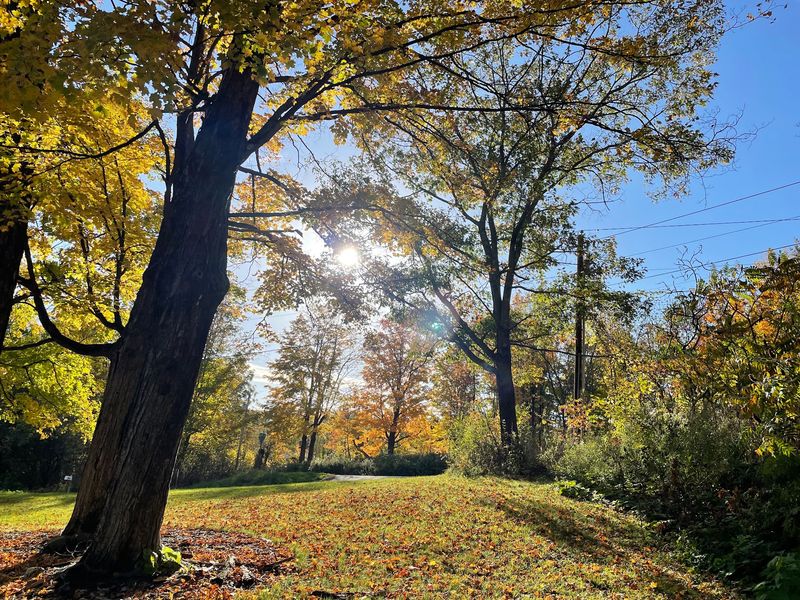
Positioned between the Green Mountains and Lake Champlain, Essex, Vermont, offers a lifestyle that blends country calm with everyday convenience. This Chittenden County community has a layered history that stretches back roughly 13,000 years, when Native Americans first inhabited the area.
That long human presence has left the town with a deep sense of place.
Essex Junction, which sits within Essex, consistently records very low crime rates that make it one of the most secure communities in the region. Essex County as a whole shows crime figures well below both state and national averages.
For anyone prioritizing safety, those numbers speak clearly.
Fort Ethan Allen, a site of national historic significance, anchors the town’s military heritage and contains a remarkable collection of preserved buildings. The Essex Community Historical Society and the Harriet Farnsworth Powell Historical Museum offer residents and visitors a rich look at the area’s past.
History lovers will find plenty to explore here.
The town has officially documented over 100 individual historic sites, which gives Essex a density of heritage that is rare even by Vermont standards. Walking through certain neighborhoods feels like moving through a living timeline.
It is quietly impressive.
Outdoor access, strong schools, and a welcoming community round out the picture for families and individuals looking for a peaceful, rooted life. Essex, Chittenden County, Vermont, United States.
9. Middlebury
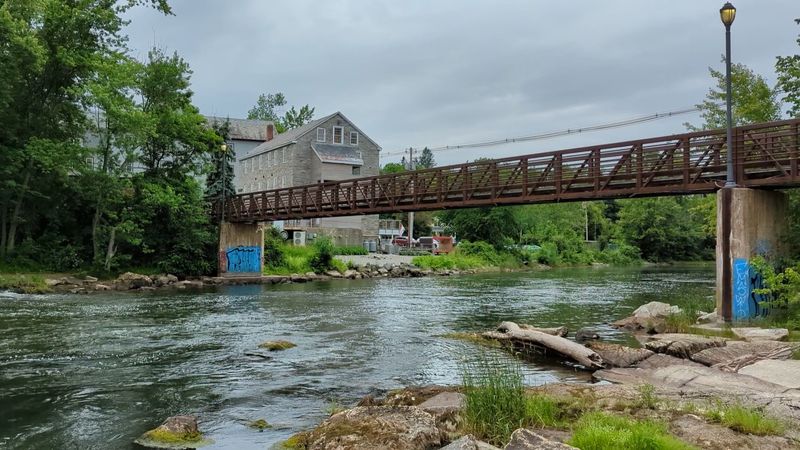
John Deere grew up here, apprenticing as a blacksmith in Middlebury before the ingenuity he developed in Vermont carried him all the way to Illinois. Chartered in 1761, this Addison County shire town was built by settlers who arrived just after the Revolutionary War and immediately got to work shaping something lasting.
Middlebury College, founded in 1800, gives the town an intellectual energy that keeps it curious and forward-thinking. It was notably one of the earliest colleges in the country to admit women, which says a great deal about the community’s values.
The college and the town have grown together across more than two centuries.
The Vermont marble industry found its footing here, and the Morgan horse breeding tradition also has strong roots in Middlebury. These industries helped define Vermont’s agricultural and cultural identity in ways that still echo today.
The town is proud of that contribution and shows it.
The village center, anchored by a white-steepled church and framed by historic stone buildings, is listed on the National Register of Historic Places. Otter Creek runs through town, adding a natural soundtrack to daily life.
The whole scene feels almost deliberately picturesque.
Low crime rates and a strong civic culture make Middlebury one of the most virtuous and livable towns in all of New England. Middlebury, Addison County, Vermont, United States.
10. Hartford
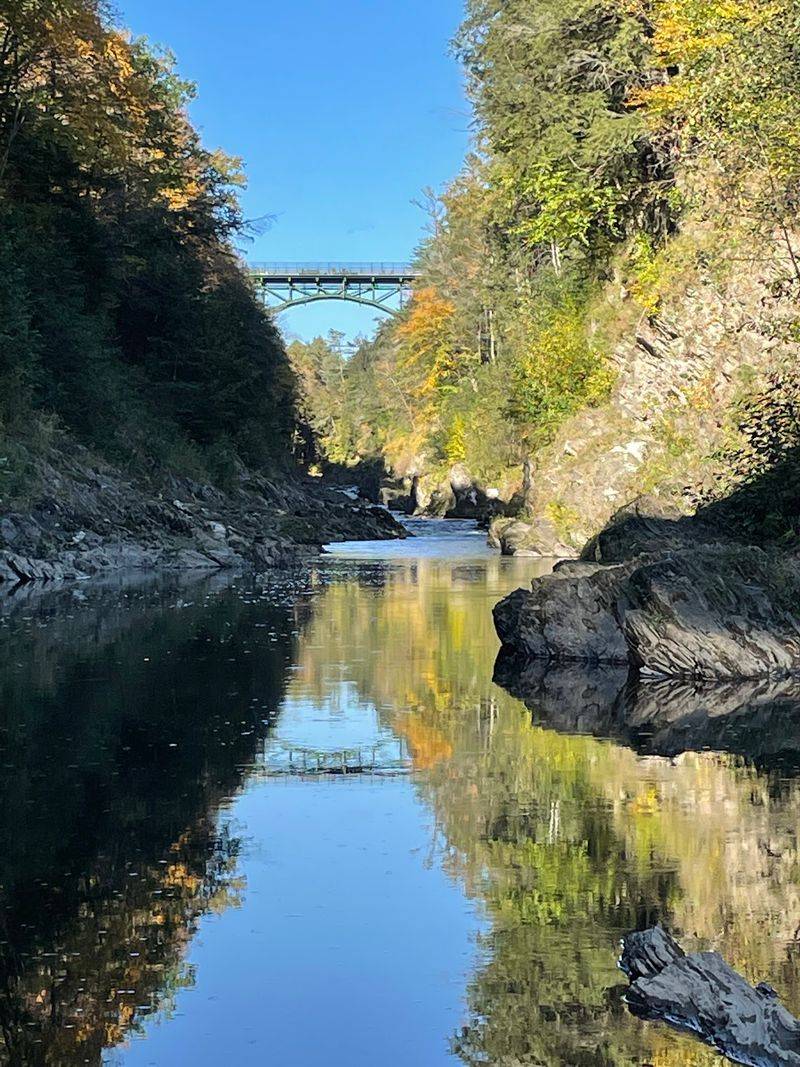
Three rivers meet in Hartford, Vermont, and that convergence feels like a metaphor for everything this Windsor County town does well. The White, Connecticut, and Ottauquechee rivers come together here, creating a landscape that is as dramatic as it is calming.
Chartered in 1761, Hartford was the first town east of the Green Mountains established after the French and Indian Wars.
Early settlers arrived from Connecticut, earning Hartford and its neighbors the informal title of the “Connecticut towns.” That founding spirit of determination and community still shows up in how residents engage with local life today. The town has never stopped investing in itself.
Hartford comprises five distinct villages, including Quechee and White River Junction, each with its own personality and charm. The Appalachian Trail even crosses the town’s northwest corner, connecting Hartford to one of the most celebrated long-distance hiking routes in North America.
That kind of access is a genuine lifestyle advantage.
The town sits at the intersection of Interstates 89 and 91, giving residents convenient access to larger cities while maintaining a rural and suburban character that keeps daily life unhurried. Abundant forests and agricultural lands wrap around the communities, offering wildlife habitats and views that shift beautifully with every season.
Hartford’s commitment to inclusion and accessibility makes it a welcoming, secure place to plant roots and stay. Hartford, Windsor County, Vermont, United States.