
This Connecticut Restaurant Has Stood As A Neighborhood Institution For Over 130 Years
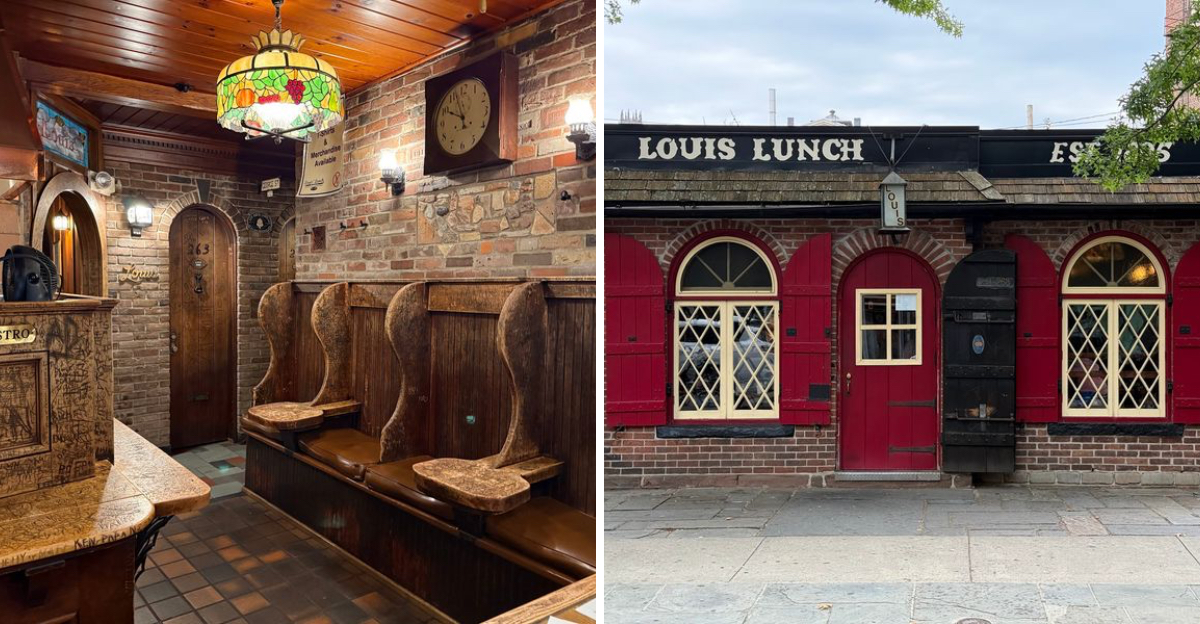
A century-old kitchen in Connecticut still cooks burgers exactly the way it did generations ago.
Forget ketchup and mustard here. Even the bun disappeared decades ago.
Instead, thin patties sizzle on broilers unchanged since the horse-and-buggy era, layered onto crisp toast with only cheese, tomato, and onion.
Locals swear by the smell before they even walk through the door. Regulars know exactly why the wait is worth it.
Carved initials cover every wall and tabletop, each one a tiny piece of a story that keeps growing. Strangers end up shoulder to shoulder at a single shared table, trading stories like old friends.
That slice of Connecticut hides more history than most museums manage to hold.
Curious yet? Good, because the burger itself might be the smallest part of the story.
A Legacy That Started With A Lunch Wagon
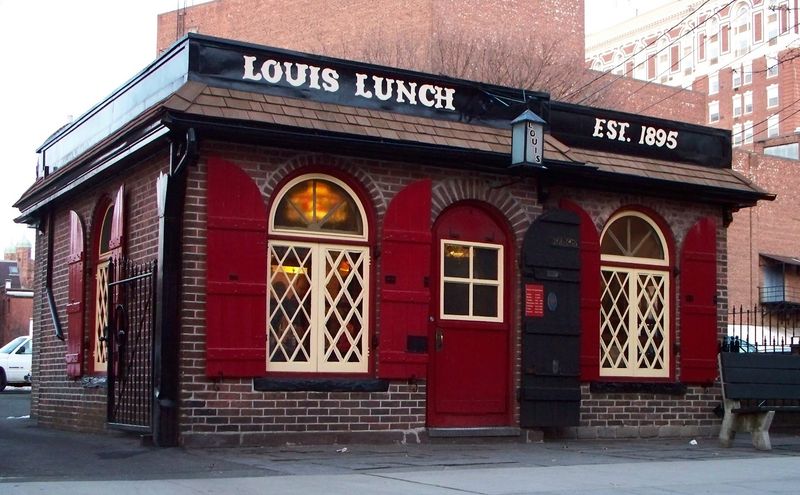
Imagine a single lunch wagon changing the course of American food forever. Louis’ Lunch first opened in 1895, serving New Haven’s working crowd quick, satisfying meals.
Around 1900, a customer asked for something portable, and the result was ground beef placed between two slices of toast.
That moment is now recognized by the Library of Congress as the alleged invention of the hamburger sandwich. The claim is bold, but the history behind it is deeply documented and widely respected.
Few eateries in the country can point to a legacy this specific and this enduring.
The original building was carefully relocated to its current Crown Street address in 1975. Local community members reportedly helped rebuild the walls brick by brick.
That kind of neighborhood investment tells you everything about how deeply rooted this spot is in New Haven’s identity. Louis’ Lunch sits at 261 Crown St, New Haven, CT 06511.
The Cast-Iron Broilers That Cook Like It Is 1898
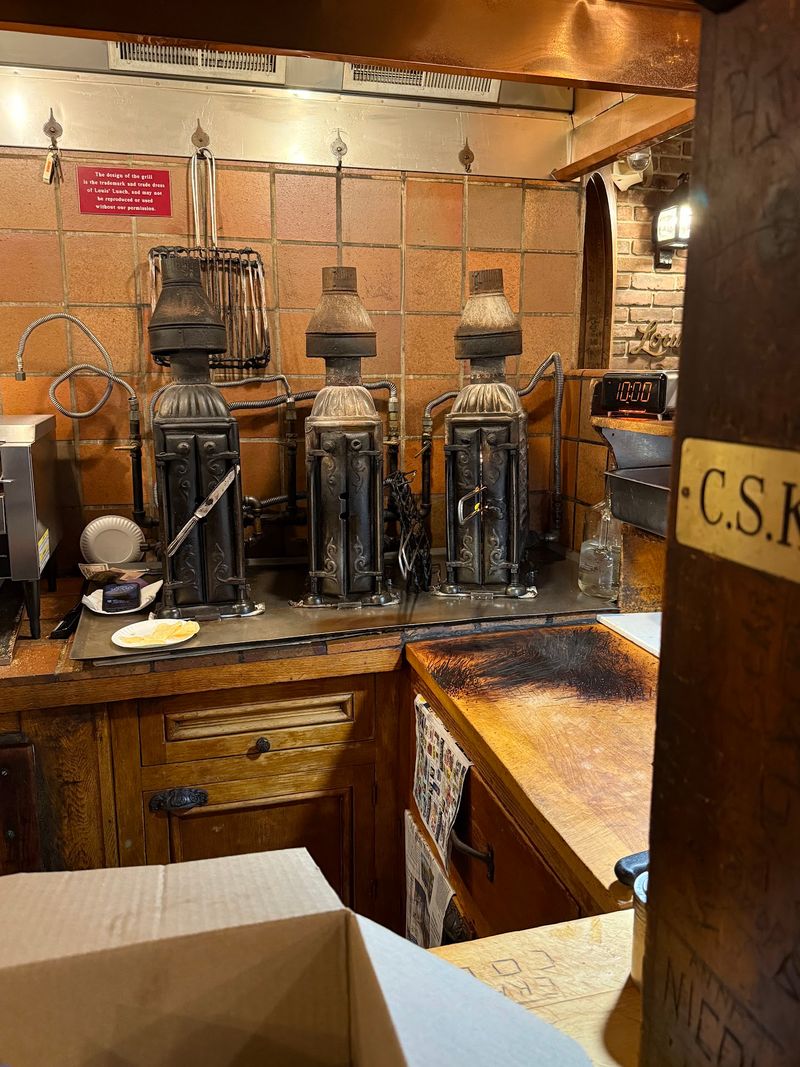
Most burger joints upgrade their equipment every few years. Louis’ Lunch has been using the same cast-iron vertical gas broilers since 1898.
That is not a marketing gimmick. Those broilers are the real deal, and they shape every single burger served.
The vertical design means patties cook upright, allowing excess fat to drip away naturally. The result is a cleaner, more concentrated beef flavor.
No char-grilling, no flat-top pressing. Just pure, even heat applied the old-fashioned way.
Watching the broilers in action is part of the visit itself. The equipment sits visible behind the counter, and the sizzle and scent hit you before the food even arrives.
It is a cooking method that has stayed unchanged for well over a century, and the consistency it produces is remarkable. Understanding why no one has swapped out these broilers makes complete sense once the burger lands in front of you.
The Burger That Follows Its Own Rules
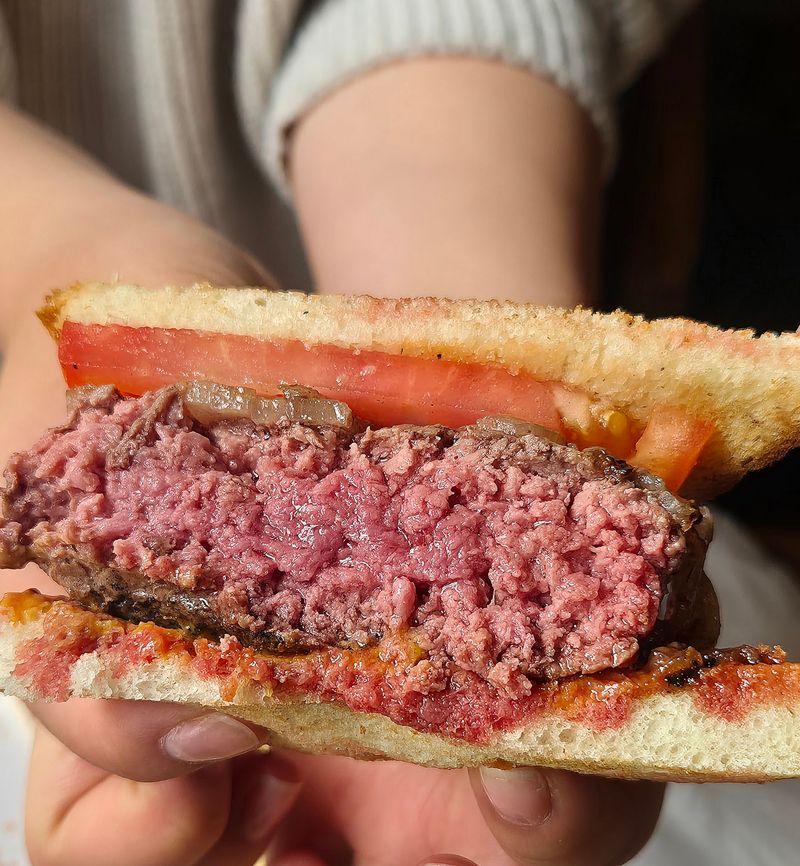
Forget everything a standard burger menu has trained you to expect. At Louis’ Lunch, the beef blend consists of five different cuts, ground fresh daily and hand-rolled into patties with care.
There is no bun. The burger arrives on crisp white toast, and that is intentional.
Toppings are limited to cheese spread, fresh tomato, and onion. Ketchup and mustard are not available.
That policy has been in place for generations, and it is not up for debate. The idea is simple: let the beef speak for itself.
Each patty is cooked to order, and medium is the typical recommendation. The flavor is clean, direct, and deeply satisfying in a way that heavily dressed burgers rarely achieve.
First-time visitors sometimes hesitate at the no-condiment rule, but most leave understanding exactly why it exists. The restraint on the plate is what makes the experience feel so distinct and so honest.
What The Menu Actually Looks Like
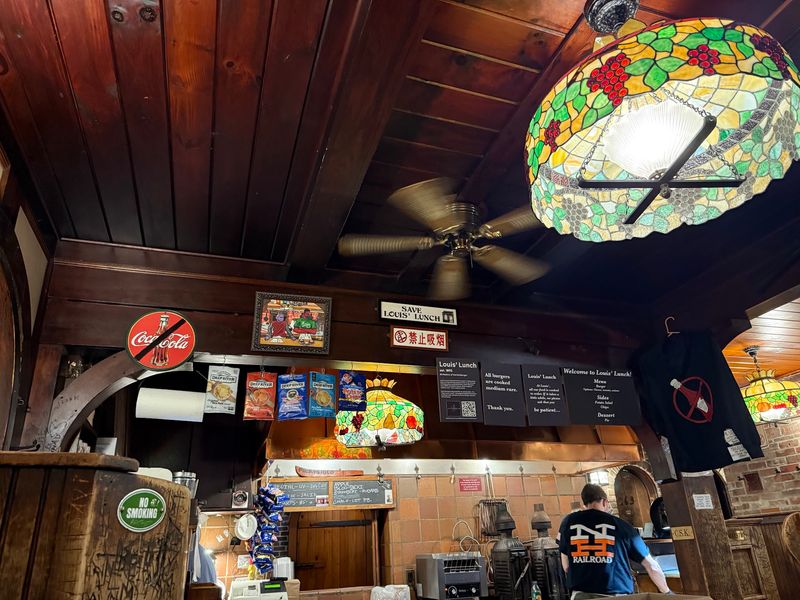
Short menus take confidence. Louis’ Lunch has been running one of the most stripped-back menus in American dining for well over a century.
The star is the burger, full stop. Beyond that, diners can choose potato salad, classic potato chips, and homemade pie for dessert.
The pie options rotate and are made in-house. Blueberry and key lime have been mentioned by visitors as standout choices, though availability can vary.
The potato salad has developed its own loyal following, described as creamy and freshly made, closer in texture to something between a classic salad and a comfort side dish.
Beverage options are straightforward and align with the no-fuss philosophy of the kitchen. The brevity of the menu is not a limitation.
It is a statement. Every item earns its place.
Nothing is added just to fill space. That kind of discipline is rare in the restaurant world, and it reinforces why this spot has lasted as long as it has.
Inside The Smallest Dining Room With The Biggest History
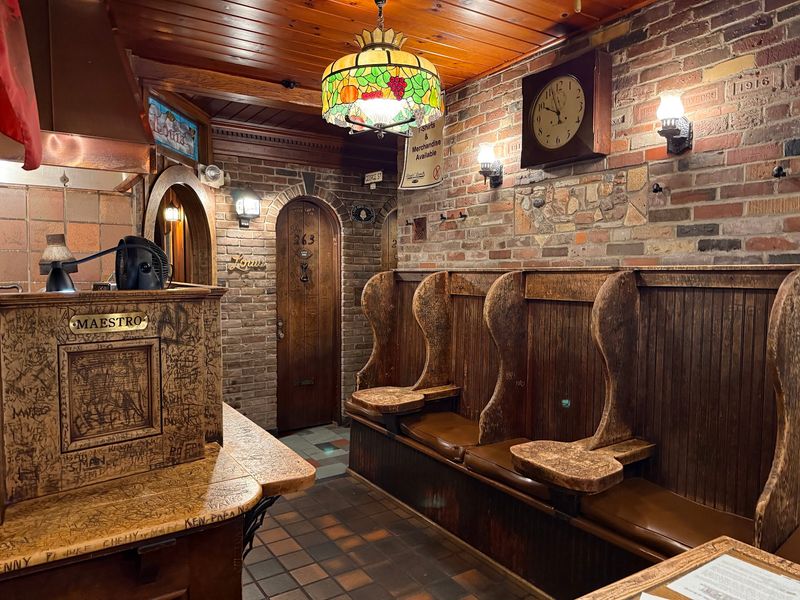
Tight spaces can tell big stories. The interior of Louis’ Lunch is small, brick-walled, and layered with decades of character.
Thick wooden beams frame the structure, and the tables and counters are carved with the initials and signatures of countless visitors over the years.
Counter stools, a communal square table, and a handful of bench seats make up the seating. It is cozy by necessity, and that coziness creates an unexpected sense of warmth.
Strangers end up sitting close together, and conversations tend to start naturally.
The atmosphere feels closer to 1922 than to the present, and that is entirely the point. No televisions, no background music playlist, no decorative trends.
Just aged brick, honest wood, and the smell of burgers cooking on century-old broilers. The space itself is a kind of exhibit.
Visitors often spend time looking at the walls and surfaces before they even take a seat, reading the layered history written directly into the furniture.
How Service Works Here And Why It Fits
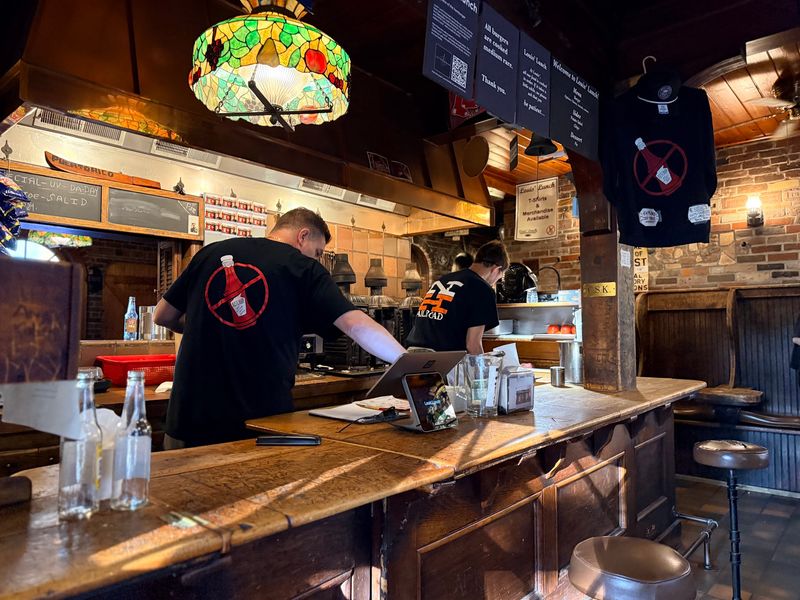
Order at the counter, wait for your name, find a seat when one opens. That is the rhythm at Louis’ Lunch, and it works exactly as intended.
The system is old-school and efficient, built around the reality of a small space with consistent demand.
Staff are known for being direct and friendly without being overly formal. The pace is steady rather than rushed.
Each burger is cooked fresh to order, which means wait times can stretch during busy periods. That is not a flaw in the system.
It is the system working correctly.
Seating opens up as diners finish and move on. The expectation is that visitors eat, enjoy, and make room for the next group.
Lingering is not the culture here, and most people instinctively understand that once they settle in. The whole process feels like a well-rehearsed performance that has been running for well over a century, because it has.
Efficiency and warmth coexist in a way that feels rare and refreshing.
Planning A Visit Without Any Surprises
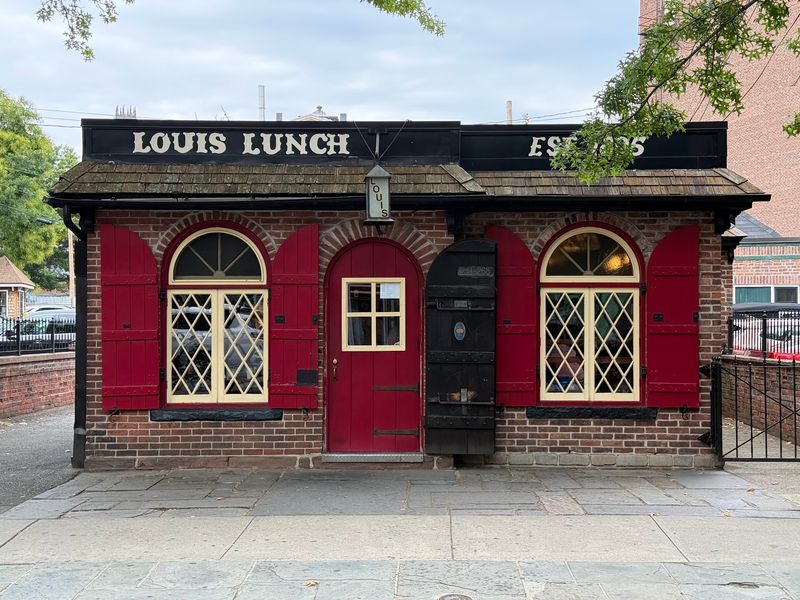
Louis’ Lunch sits in downtown New Haven, which means parking takes a little planning. On-street spots exist nearby but fill quickly, especially around midday.
Public parking lots in the surrounding blocks are a more reliable option for most visitors.
The restaurant does not take reservations. Arrival order determines everything, and the line can build fast during opening hours.
Visiting during the late afternoon or early evening tends to offer a calmer experience, though this can vary depending on the day.
Two closure periods are worth knowing before making the trip. The restaurant typically closes for about a week after New Year’s Day and shuts down for the entire month of August for its annual rest period, humorously referred to as the “Counting of Spoons.” Checking current operational status before visiting is always a smart move.
The Signatures, The Stories, And The Walls That Remember
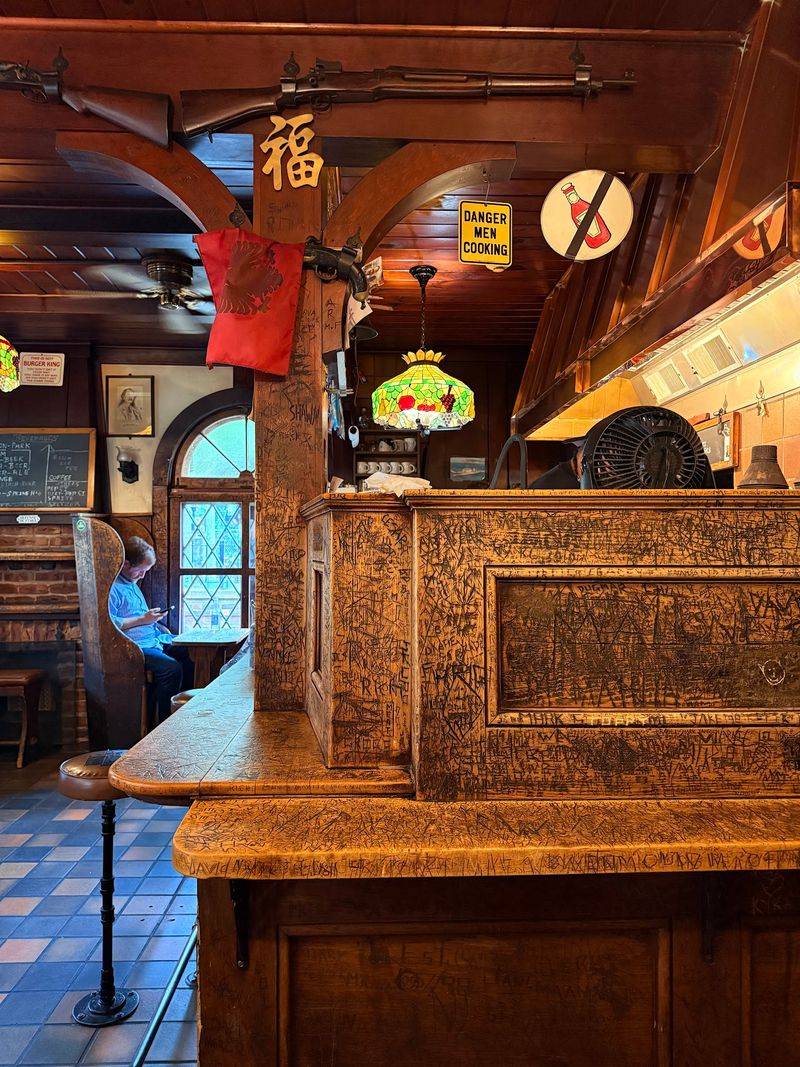
Every surface at Louis’ Lunch seems to hold a memory. The wooden tables and walls are covered in carved names, initials, and signatures left behind by decades of visitors.
Some of those marks reportedly belong to notable figures from American history, though the layers are so deep that tracking them all is nearly impossible.
This is not vandalism. It has become part of the culture of the place.
Visitors from around the world have left their mark, turning the interior into an unofficial guest book made of wood and time. The practice adds a tangible human element to the already historic setting.
Walking around the dining area before sitting down feels like reading a compressed social history of everyone who has passed through. The marks range from simple initials to full signatures, some faded with age and others freshly cut.
It is one of those details that photographs rarely capture fully. Experiencing it in person, surrounded by the smell of cooking beef and old brick, is something genuinely hard to replicate anywhere else.
Why This Place Has Outlasted Everything Around It
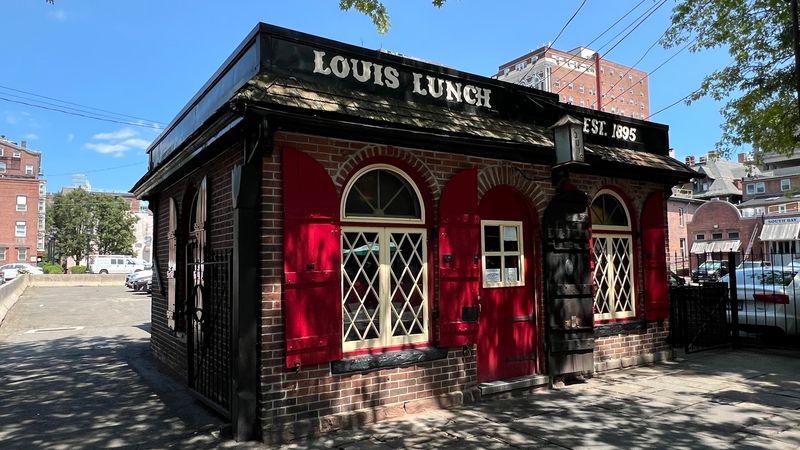
Most restaurants close within a few years. Louis’ Lunch has been operating for well over 130.
That kind of longevity does not happen by accident. It comes from a clear identity, a refusal to compromise, and a community that keeps showing up generation after generation.
The menu has not chased trends. The cooking method has not been modernized.
The space has not been renovated into something unrecognizable. Every deliberate choice to stay the same is also a choice to stay honest about what this place is and why it matters.
Visitors travel hours to eat a burger on toast with no ketchup. That fact alone says something profound about the power of authenticity.
The food is good, but the experience is what lingers. It is the feeling of sitting inside something real, something that has outlasted fads, franchises, and entire decades of change.
Louis’ Lunch is not just a restaurant. It is proof that doing one thing well, consistently, is enough to last forever.