
This Colorado Alpine Lake Stays Freezing Cold Even In Peak Summer
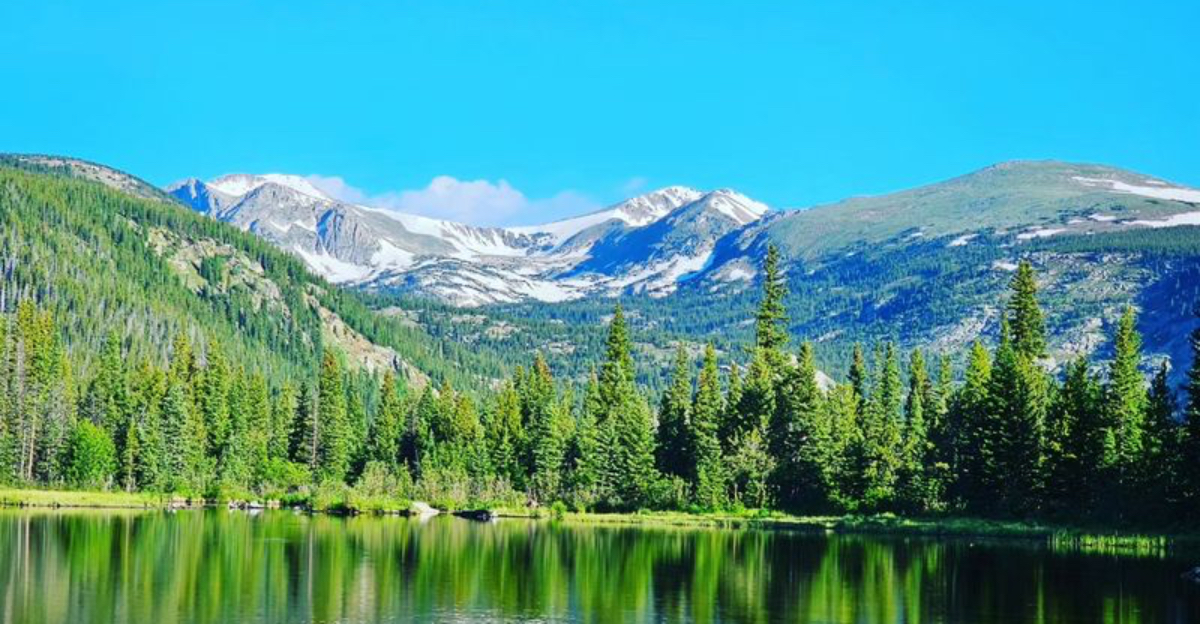
What if the coldest water in Colorado wasn’t hiding in winter at all, but waiting right in the middle of July? One alpine lake pulls that trick off every single summer, and the shock hits fast.
Snowmelt pours down from jagged peaks above nine thousand feet, feeding a lake so clear hikers can watch fish glide over the rocks below.
They dip their fingers in expecting relief from the heat and pull back within seconds, laughing at just how frigid it feels under a blazing summer sun.
A mountain town nearby carries its own mining-era story, moose and wildflowers line the trail, and a free shuttle saves the whole trip from parking chaos. Colorado hides gems like this in plain sight, and this one rewards anyone willing to climb.
The Icy Secret Behind The Lake’s Freezing Water
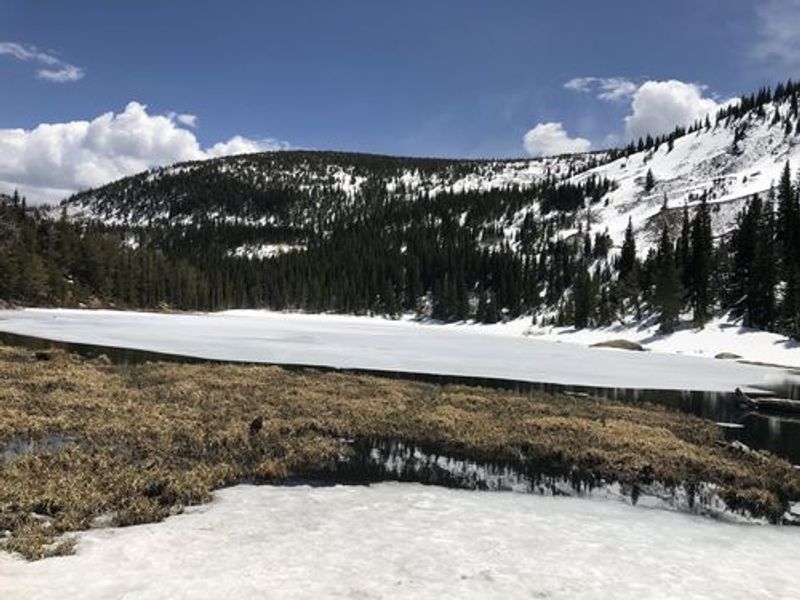
Cold water in summer sounds like a myth, but Lost Lake makes it a reality. Sitting at roughly 9,800 feet above sea level, this alpine lake receives a constant supply of snowmelt flowing down from the surrounding peaks.
That steady feed of icy mountain water keeps temperatures shockingly low, even when the sun is blazing overhead in July and August.
Visitors who reach the shoreline often instinctively reach down to touch the water. The cold hits fast and hard.
Most people pull their hands back within seconds, laughing in disbelief at just how frigid it feels during what should be the warmest months of the year.
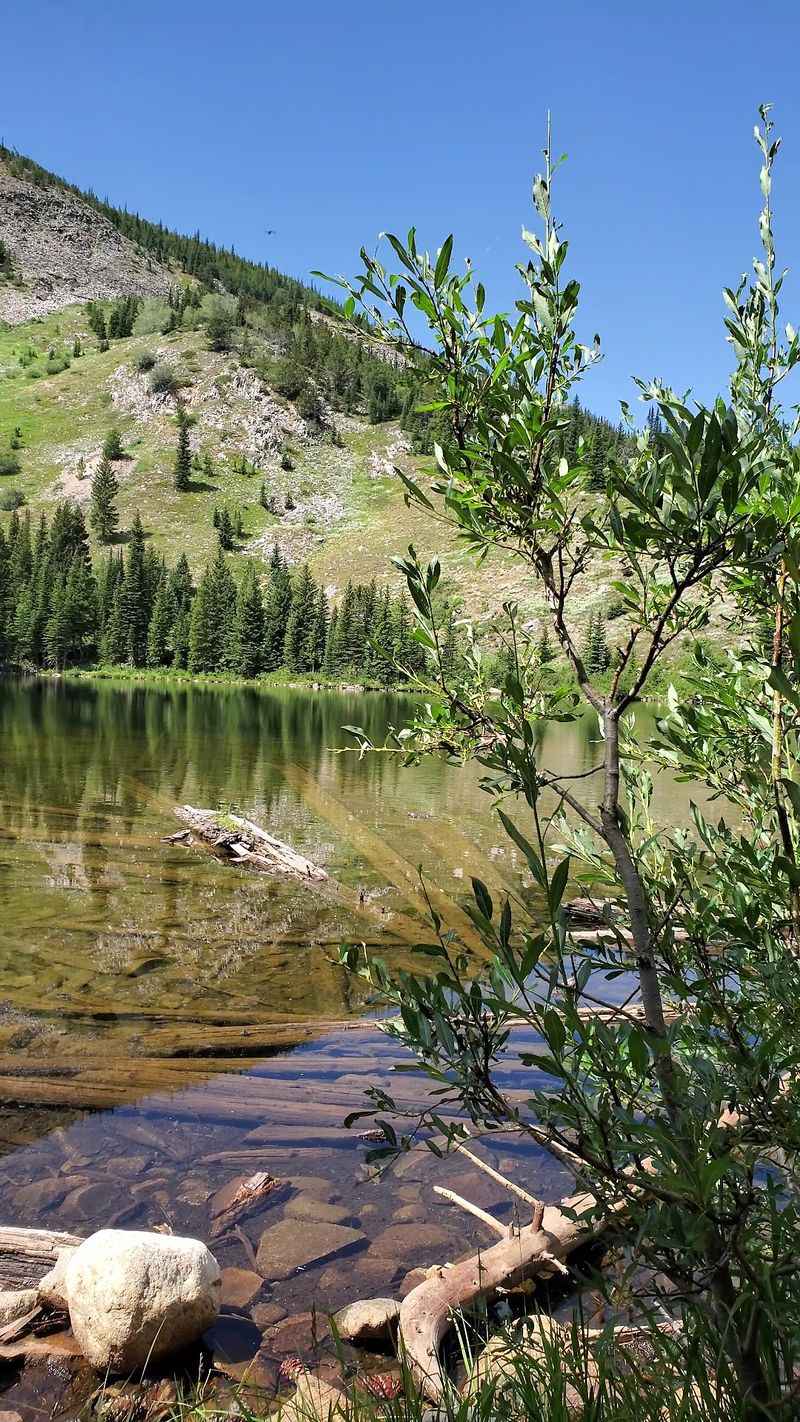
Swimming is not prohibited, but very few people actually stay in for long. The clarity of the water is remarkable.
Hikers can often see straight down to the rocky bottom, watching small fish dart between stones in water that looks like chilled glass. Colorado’s high country has a way of humbling even the most heat-hardened visitors.
Getting There From Nederland
Nederland, Colorado, is the kind of small mountain town that feels like it was built specifically for hikers. It sits about 17 miles west of Boulder and serves as the closest community to the Hessie Trailhead, which is the main starting point for reaching Lost Lake.
The drive from Nederland winds through increasingly rugged terrain before giving way to gravel roads and mountain air.
The trailhead area is found past the small town of Eldora, where the paved road turns to gravel just outside of town. Parking is notoriously limited, especially on summer and fall weekends when the trail draws serious crowds.
Many visitors arrive early in the morning to snag a spot, sometimes before sunrise.
A free shuttle service operates from Nederland High School on busy weekends and holidays, making it much easier to access the trailhead without the parking stress. The shuttle runs regularly and drops hikers right at the start of the trail.
Planning ahead and using that shuttle can completely change the experience for the better.
What The Trail Actually Feels Like
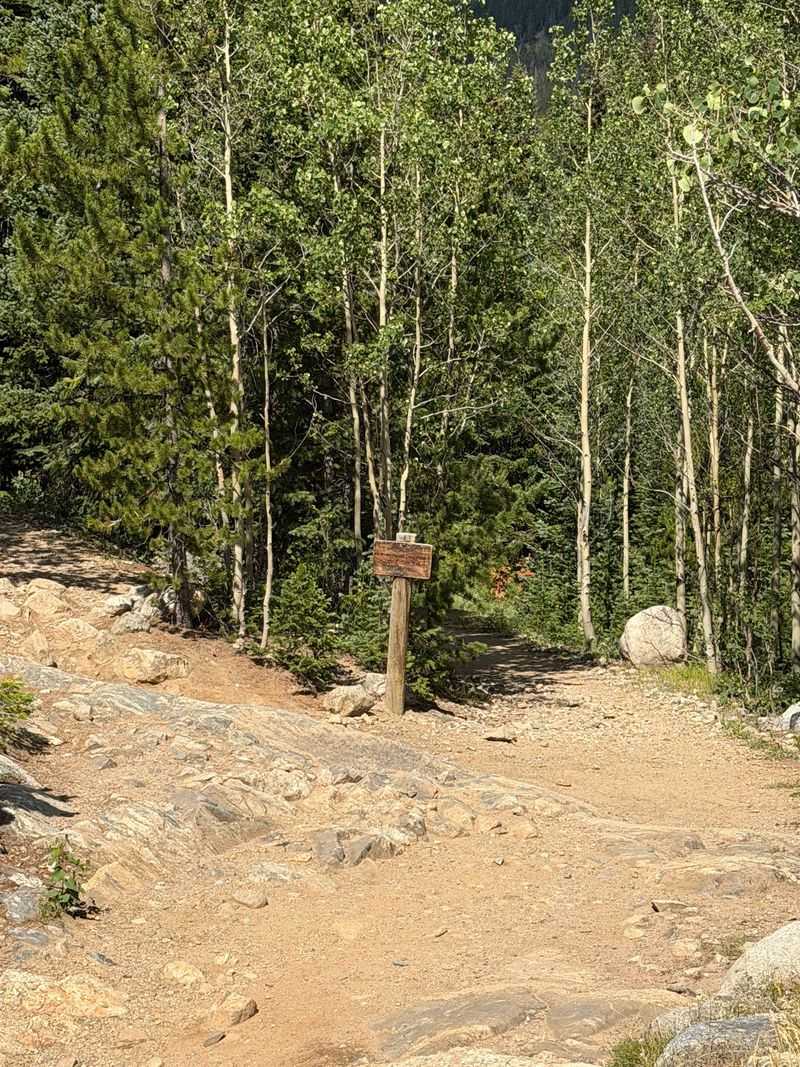
The hike to Lost Lake via the Hessie Trail is widely described as moderate, but that label deserves a little context. The round trip covers roughly four to five miles depending on the exact starting point, with an elevation gain that challenges anyone not already acclimated to high altitude.
Colorado’s thin air has a way of making even experienced hikers slow their pace.
The trail begins through a mix of pine trees and open meadows, following alongside Middle Boulder Creek for a good portion of the route. The sound of rushing water stays close for much of the climb, which makes the effort feel a little less demanding.
Rocky sections and steeper pitches appear as the elevation rises.
Proper footwear matters here. The path can be slippery when wet or snow-covered, and some sections cross streams that can soak through light shoes.
Hiking boots with solid grip are the smart choice. Trekking poles also help significantly on the descent, especially after a long day on the mountain.
Waterfalls Worth Every Detour
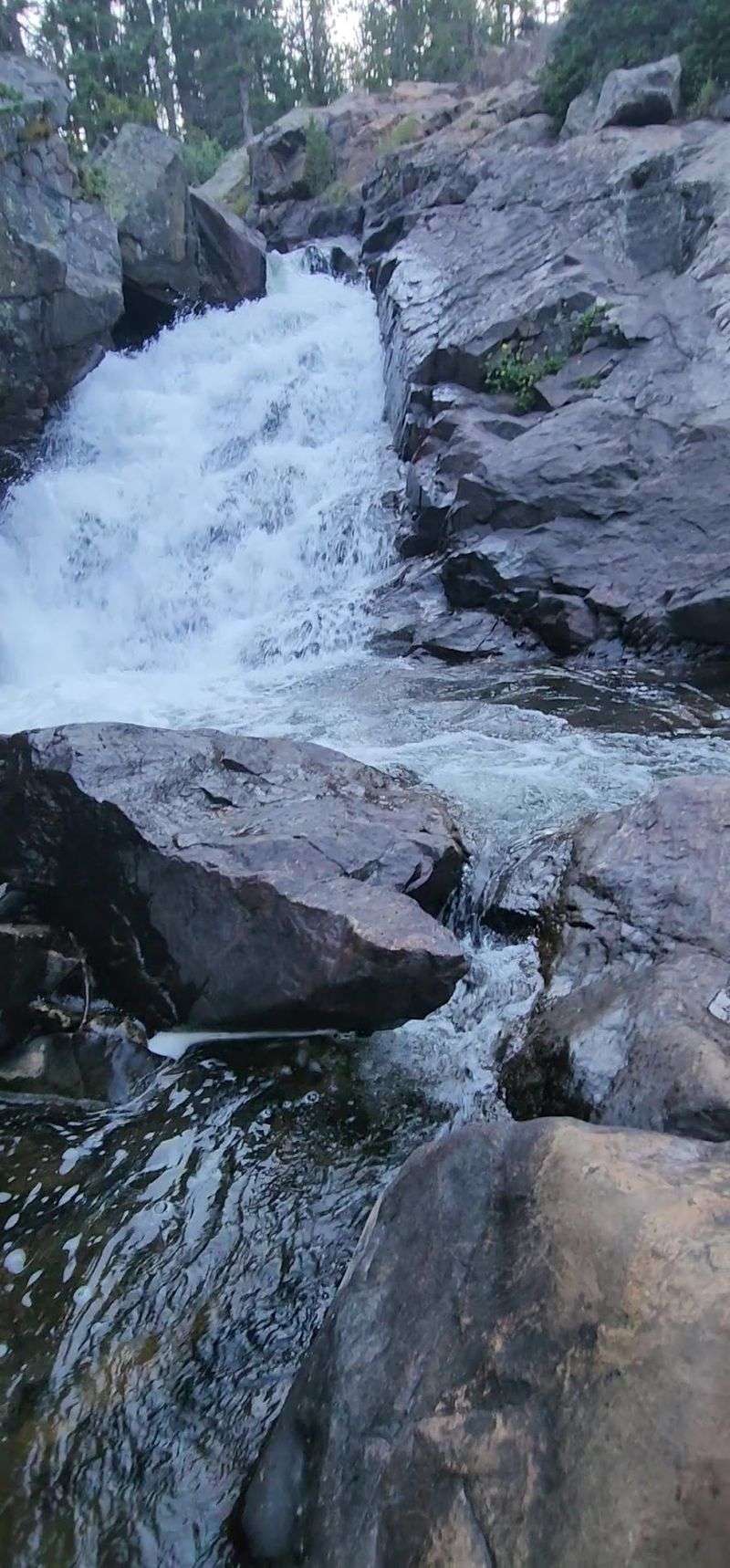
Few things make a mountain hike feel more rewarding than stumbling upon a waterfall mid-trail. The route to Lost Lake delivers more than one.
Several cascades emerge from the rocky terrain along the way, each one offering a natural stopping point to rest, refuel, and take in the scenery without any guilt about slowing down.
One particularly striking waterfall sits just off the main path and rewards hikers who take a short detour down toward the creek. The sound carries before it comes into view, a rushing, churning noise that signals something worth seeing just ahead.
The spray creates a cool mist that feels like a gift on a warm hiking day.
These water features are not just pretty distractions. They are part of what makes this trail feel alive and dynamic from start to finish.
The constant presence of moving water, whether it is a gentle stream or a dramatic cascade, adds a soundtrack to the hike that keeps energy high throughout the entire journey.
Wildflowers That Turn The Trail Into A Painting
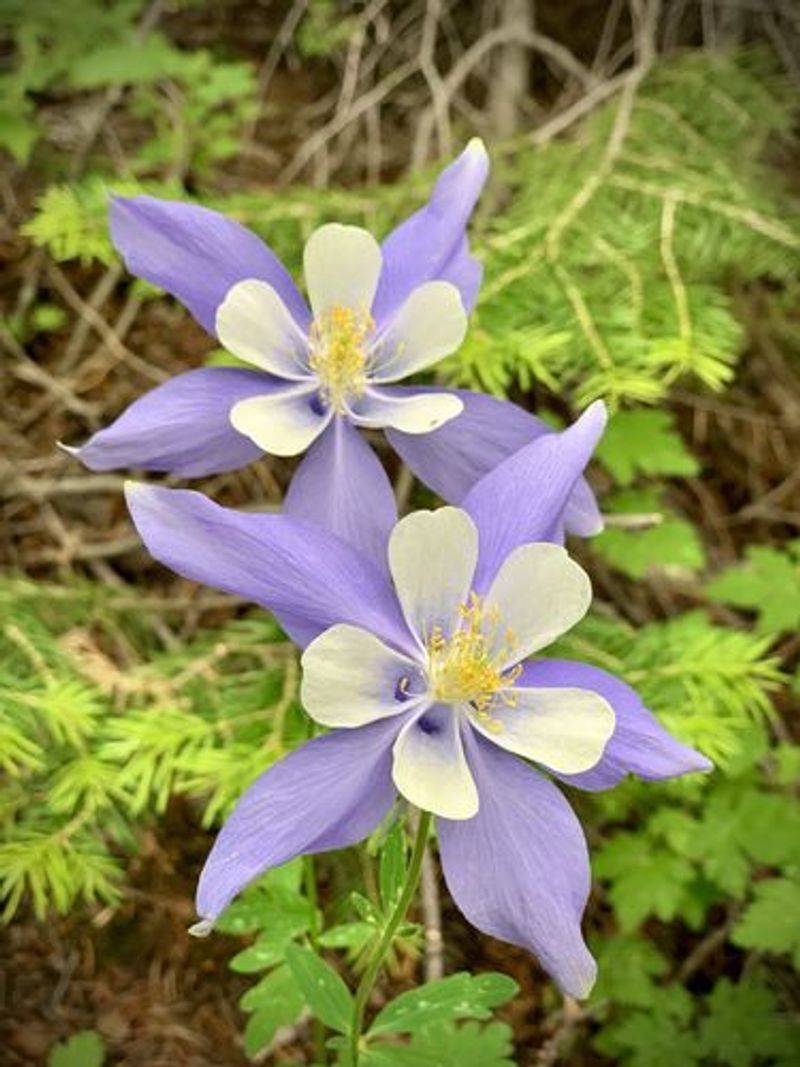
July transforms the landscape around Lost Lake into something that looks almost too colorful to be real. Wildflowers blanket the meadows and trail edges in waves of purple, yellow, white, and pink.
The blooms appear almost overnight after snowmelt clears the ground, and they peak during the height of summer in a display that rewards anyone willing to make the climb.
Columbines, Indian paintbrush, and various alpine species line the path in patches that beg for a camera stop. The contrast between bright blossoms, dark green pines, and grey granite gives the landscape a layered quality that feels almost artistic.
Every bend in the trail reveals a slightly different composition of color and texture.
Wildflower season is one of the most popular times to visit, and for good reason. The blooms do not last forever.
They fade as late summer arrives and temperatures begin to shift. Catching them at peak color requires timing the visit right, but the payoff is a hike that looks nothing like any other season on the same trail.
Wildlife That Shares The Mountain
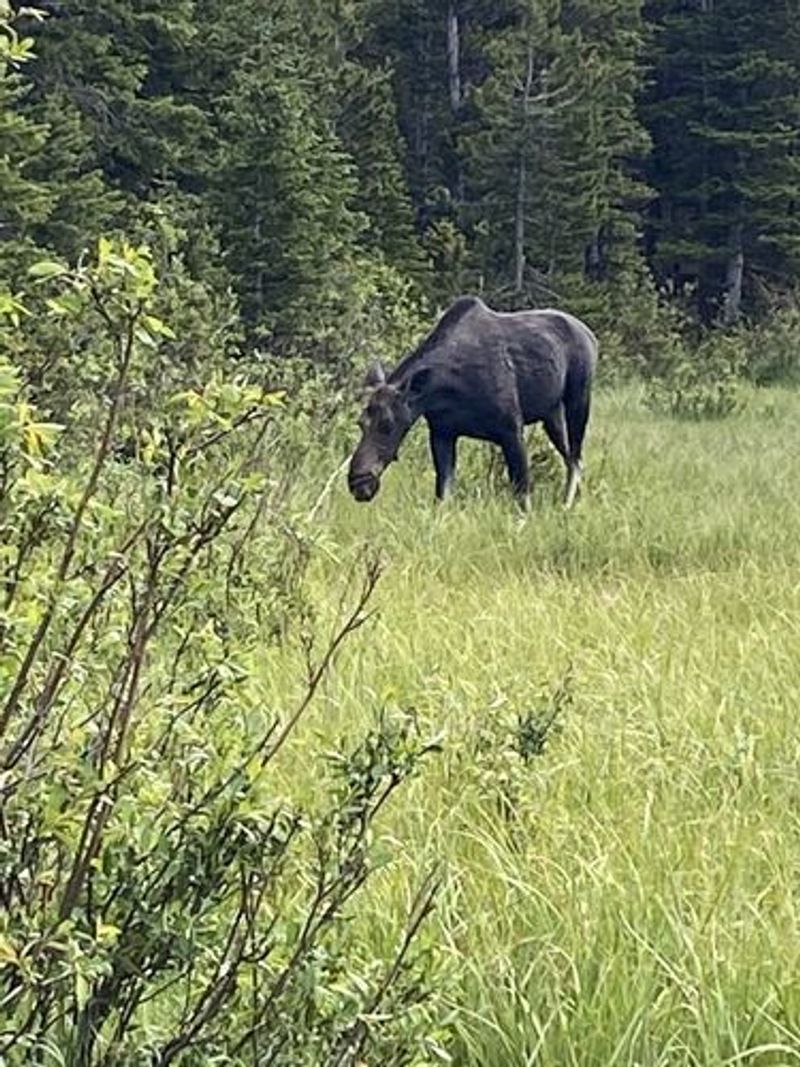
Moose sightings on this trail are not rare. Multiple hikers have reported spotting them near the water and along the lower sections of the route, often grazing peacefully without much concern for nearby humans.
Seeing a moose up close in the wild is one of those moments that tends to stop people in their tracks.
Black bears also inhabit the mountains surrounding Lost Lake, along with marmots, pikas, and various bird species that thrive at high elevation. The ecosystem here is healthy and active, which means wildlife encounters can happen at almost any point on the trail.
Dogs must be kept on a leash at all times to protect both pets and animals.
Keeping a respectful distance from any wildlife is essential. Moose in particular can be unpredictable if they feel threatened or crowded.
Watching quietly from a safe distance is always the better approach. These encounters are part of what makes Colorado’s mountain wilderness feel genuinely wild rather than just scenic.
Camping Right At The Lakeside
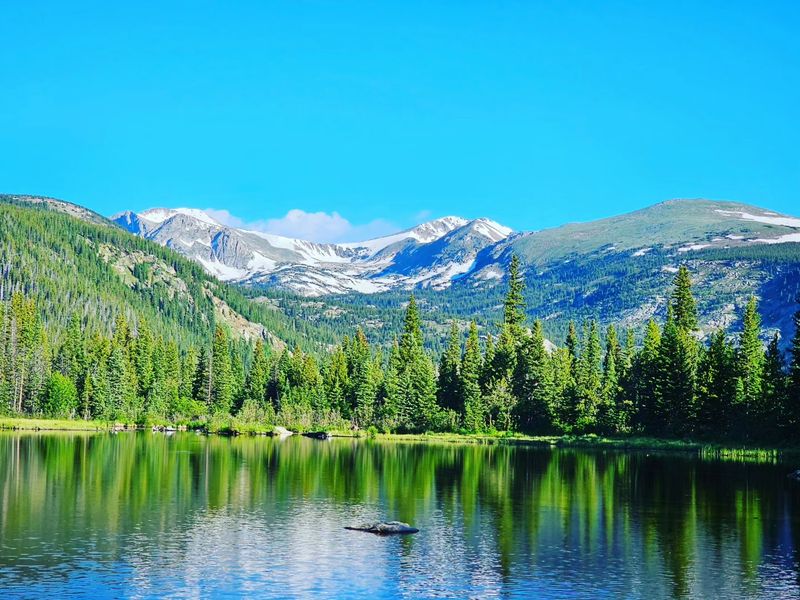
Spending the night at Lost Lake is a completely different experience from a day hike. The lake sits just outside the official Indian Peaks Wilderness boundary, which means overnight camping does not require the same permits needed for destinations deeper within the wilderness area.
That makes it a more accessible option for campers who want a backcountry feel without the permit complexity.
A small number of designated campsites are available near the lake on a first-come, first-served basis. Arriving early is the best strategy for securing a spot, especially during peak summer weekends.
Waking up beside a still alpine lake with mountain peaks reflected in the water is the kind of morning that makes the effort feel completely worth it.
Leave No Trace principles apply strictly here. All trash must be packed out, and bear canisters are strongly recommended for food storage.
Campfires are allowed under certain conditions but must be fully extinguished before being left unattended. Treating the landscape with care keeps it pristine for every visitor who follows.
The Historic Hessie Townsite Nearby
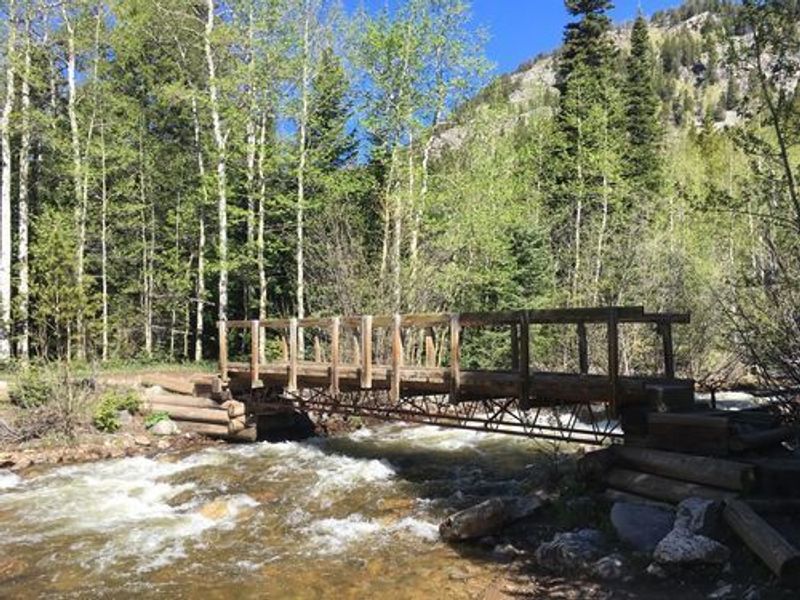
History adds an unexpected layer to this hike. Near the trailhead lies the Hessie Townsite, the remains of a small mining community that thrived in the late 1890s.
Prospectors once flooded this valley searching for silver and gold, drawn by the promise of the Colorado Mineral Belt that runs through this region. The town that grew up here was short-lived but left its mark on the landscape.
Most of the original structures are long gone, worn away by time and mountain weather. A few remnants still hint at what once stood here, giving the trailhead area a quiet historical weight that is easy to overlook if you are focused only on the hike ahead.
Taking a moment to acknowledge that history adds depth to the experience.
The broader Colorado Mineral Belt still holds deep ore deposits beneath these mountains, a geological reality that shaped the entire region’s development. Standing at the trailhead knowing that prospectors once walked the same ground creates an interesting connection between the past and the present-day adventure unfolding on the trail above.
Fall Colors That Rival Any Season
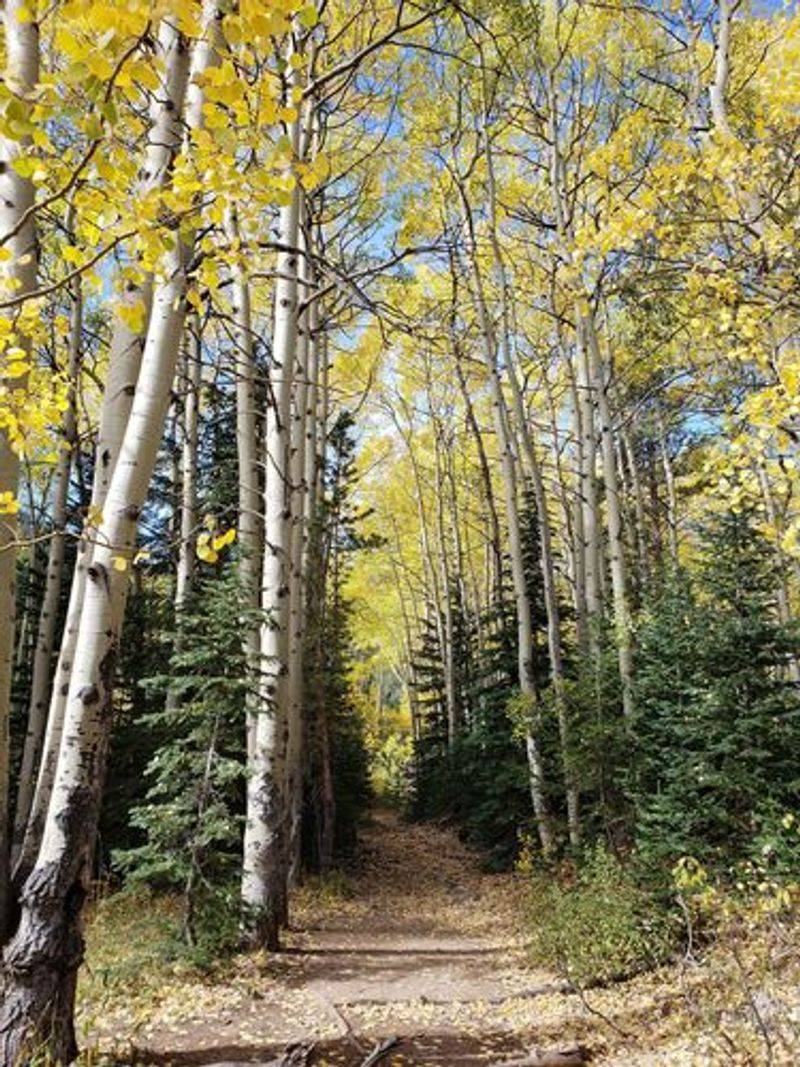
Autumn at Lost Lake is a rival to any other season, and that is saying something given how stunning the summer wildflowers are. The aspen groves that line portions of the trail ignite in shades of gold and amber as September and October arrive.
The contrast between bright yellow leaves, dark pine trunks, and blue Colorado sky is the kind of scenery that makes people stop mid-step just to stare.
Fall hiking here tends to be slightly less crowded than the summer peak, though weekends still attract plenty of visitors drawn by the foliage. Temperatures drop noticeably at this elevation, so layering is essential.
Morning starts can feel genuinely cold even in early fall, especially near the lake where the air holds a chill that the season only intensifies.
The trail can become slippery after early snowfall, which can happen as early as late September at this altitude. Traction devices or microspikes are worth packing just in case.
The reward for navigating those conditions is a trail that feels almost entirely different from its summer version, quieter and more dramatic at the same time.
Winter And Snowshoe Adventures
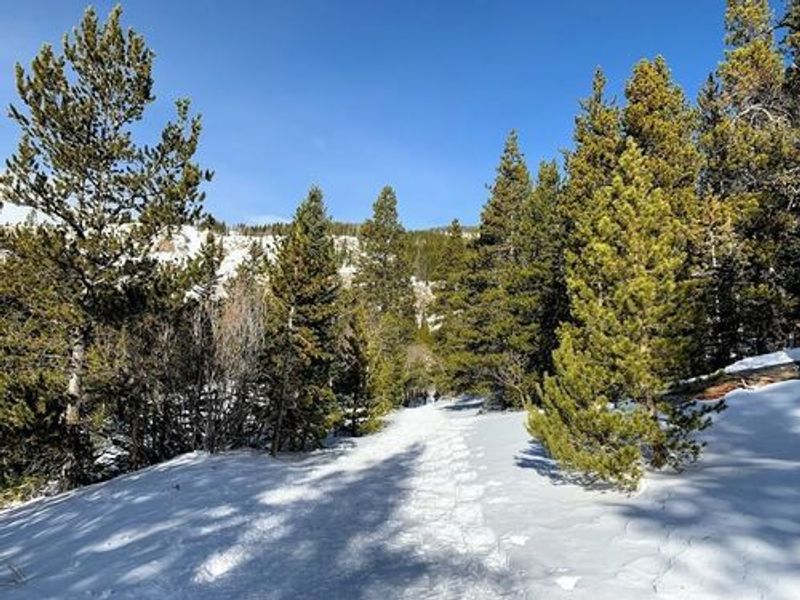
Cold-weather adventurers have good reason to visit Lost Lake long after the summer crowds have gone home. The trail transforms into a snowshoe and cross-country ski route once winter sets in, offering a dramatically different version of the same landscape.
Snow-covered pines, frozen creek edges, and a hushed silence replace the busy summer atmosphere entirely.
Winter access requires preparation and the right gear. The trail can be difficult to follow under heavy snow, and icy sections near stream crossings demand serious caution.
Microspikes or snowshoes are not optional in those conditions. Dressing in moisture-wicking layers and carrying extra supplies is standard practice for anyone heading into the Colorado mountains in winter.
The payoff for braving the cold is a level of solitude that summer visitors rarely get to experience. The lake in winter is a still, white world surrounded by snow-draped peaks.
Tracks in the snow often reveal the presence of wildlife that is invisible during busier months. For those who love the mountains in their quietest state, winter at this trail is hard to beat.
Practical Tips For A Smarter Visit
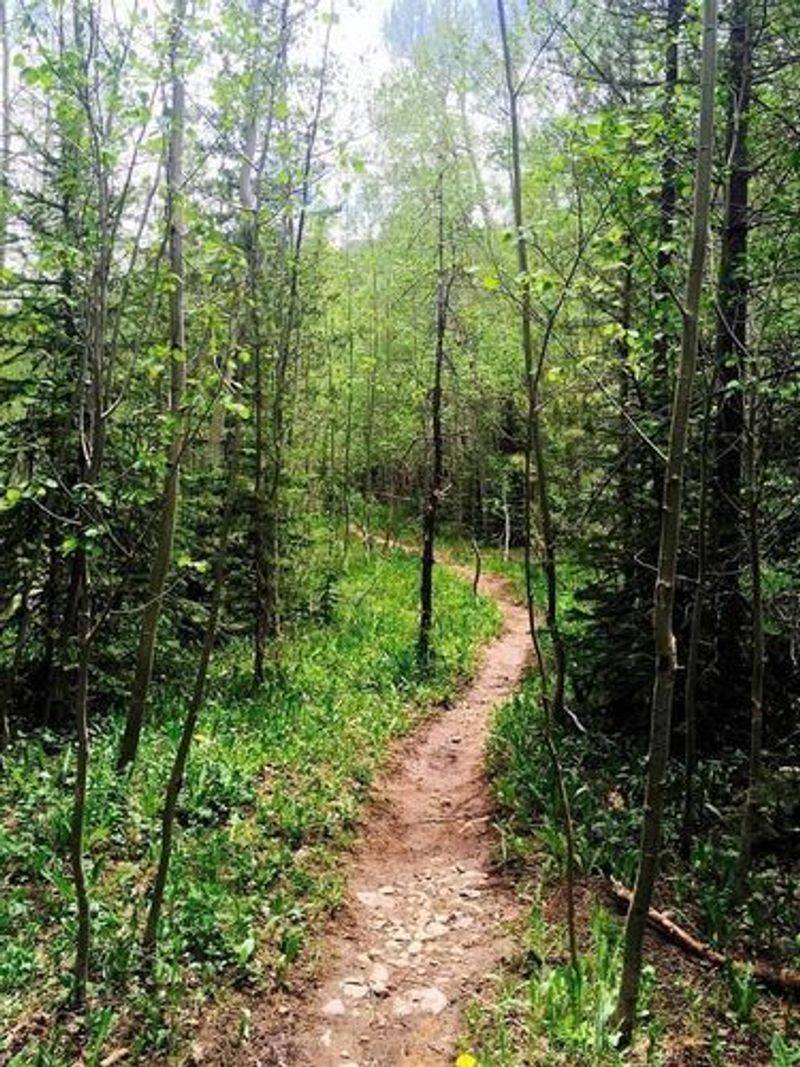
A few smart moves before hitting the trail can make a big difference in how the whole day unfolds. Parking near the Hessie Trailhead is extremely limited and fills up fast on weekends, so the free shuttle from Nederland High School is the most stress-free option.
The shuttle runs on summer and fall weekends and holidays, making it easy to skip the parking scramble entirely.
Starting early is always a good strategy. Morning light on the lake is stunning, and an early arrival means fewer people on the trail.
Afternoon thunderstorms are common in Colorado during summer, so finishing the hike before midday reduces exposure to sudden weather changes at high elevation. Checking the forecast before heading out is a basic but important step.
Bringing enough water, snacks, and sun protection is non-negotiable at this altitude. The elevation affects everyone differently, and staying hydrated helps manage the effects.
A hammock or a light camp chair tucked into a pack makes the time at the lake much more enjoyable. The shoreline is a genuinely peaceful place to settle in and take a long, unhurried break.