
This Florida Aquarium Delivers An Unforgettable Experience Away From Theme Park Lines
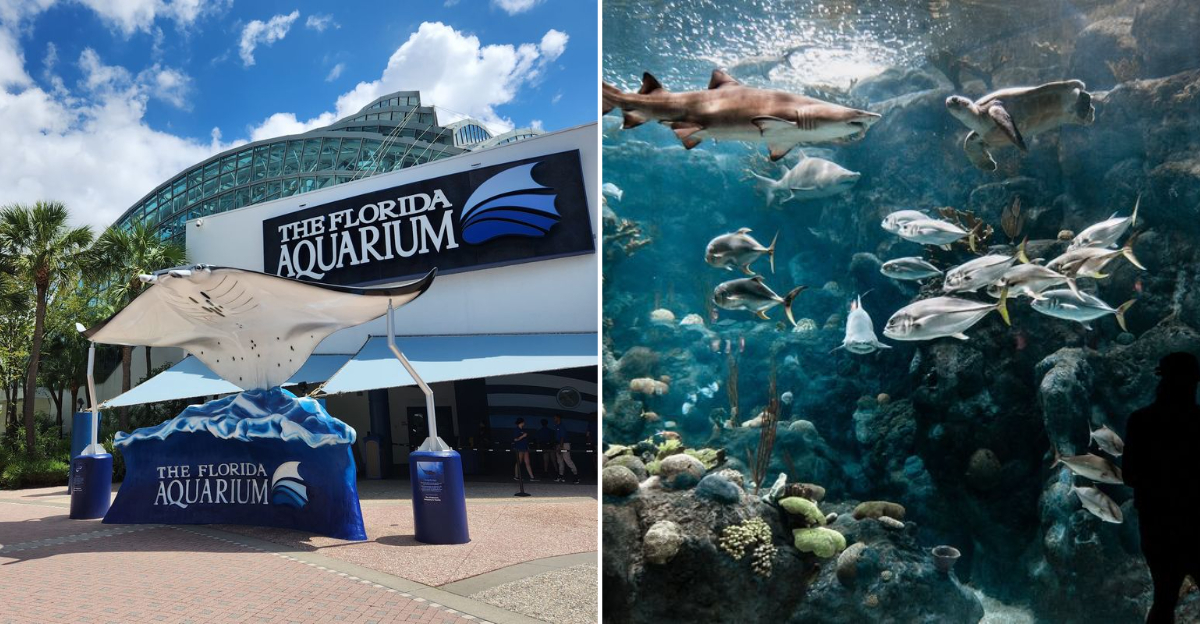
If you want your child to remember this Florida adventure for the rest of their life, this is the right place to make that happen. Theme park lines have a way of draining the fun out of a day before it even really starts.
This aquarium offers an alternative built around the exact opposite experience. Exhibits here flow at a manageable pace, without the hours long waits bigger parks nearby tend to demand.
Marine life fills tanks that feel spacious rather than cramped for maximum visitor turnover. Educational programs run throughout the day, adding depth beyond just walking past glass enclosures.
Families get more time to actually engage with exhibits instead of just glancing and moving on quickly. This aquarium proves that a great day out doesn’t require standing in line for most of it.
Diverse Marine Species And Their Habitats
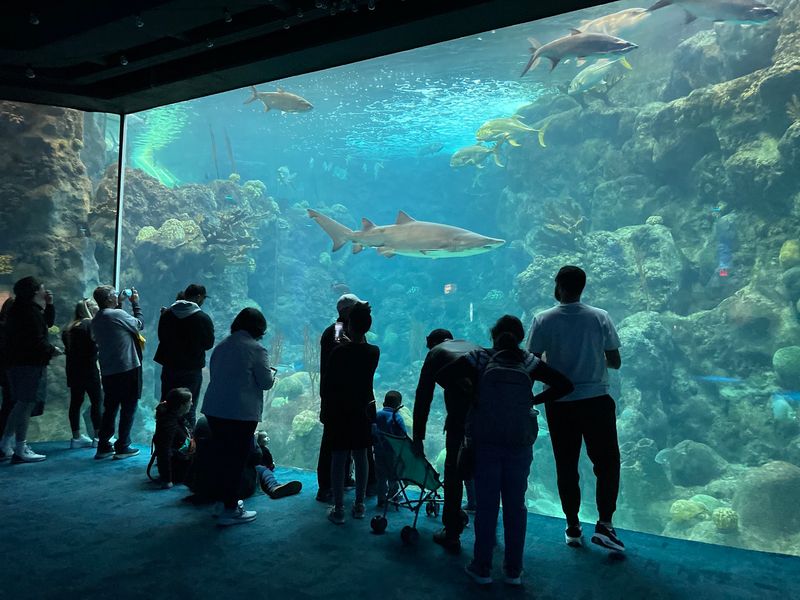
The Florida Aquarium is home to over 20,000 aquatic animals and plants. That number alone should get your attention.
From tiny tide pool creatures to full-grown sharks, the variety here is wild.
The Wetlands of Florida exhibit shows off local freshwater life in a realistic setting. You will spot birds, otters, alligators, and reptiles all sharing one connected space.
It feels less like a tank and more like a nature walk.
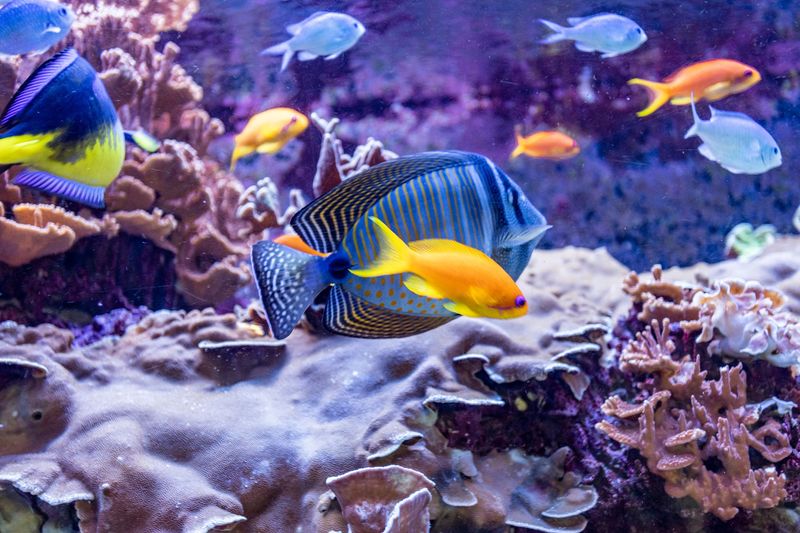
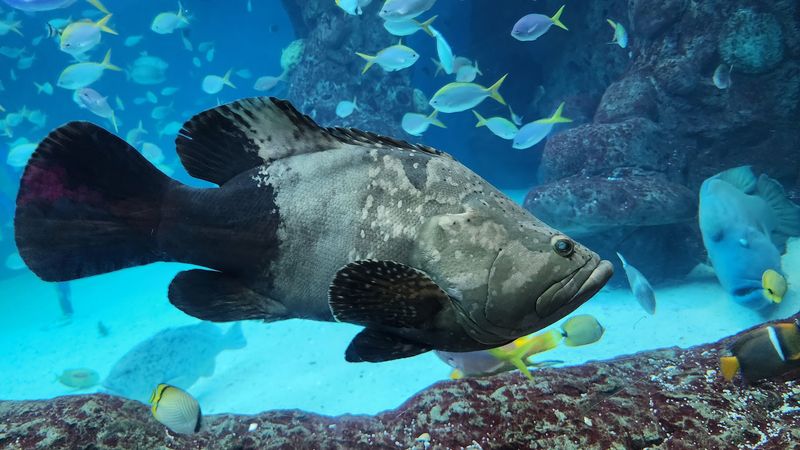
The Coral Reef galleries bring the ocean floor to life in vivid color. Parrotfish, tangs, puffers, and permit swim through a simulated reef system.
The lighting and scale make it feel like you are actually underwater.
Beyond marine life, the aquarium includes lemurs, sloths, and scorpions. Yes, you read that right.
Not everything here has fins, and that surprise factor keeps every visit interesting.
Each habitat is carefully designed to reflect real ecosystems. The animals look healthy, active, and well cared for.
You can visit The Florida Aquarium at 701 Channelside Dr, Tampa, FL 33602.
Interactive Exhibits That Engage Visitors
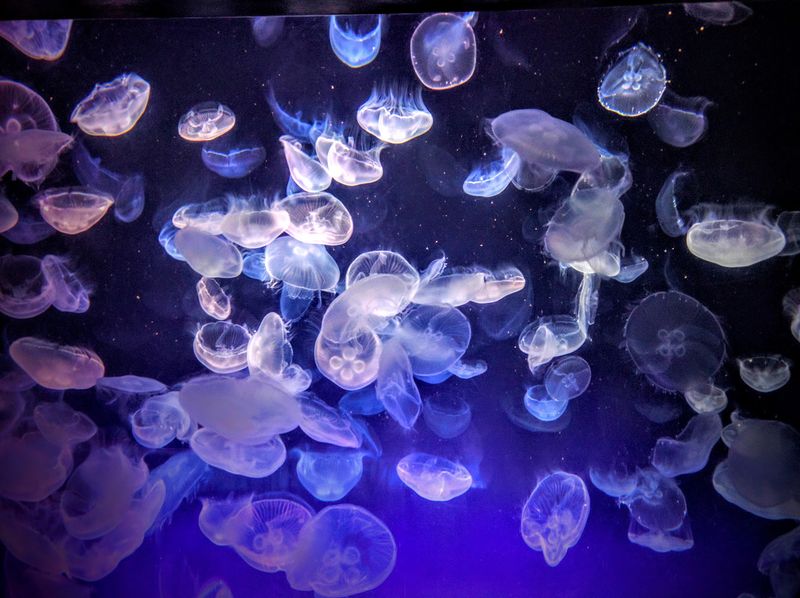
Touching a live moon jellyfish is not something most people get to say they have done. At The Florida Aquarium, it is just another Tuesday.
The touch tanks here are genuinely one-of-a-kind.
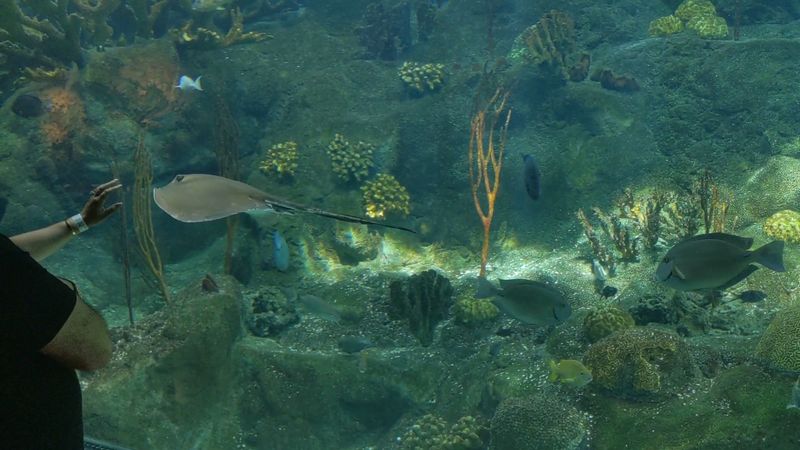
The stingray touch pool lets you reach in and feel cownose rays glide past your fingers. It is a surprisingly calm and cool experience.
Kids absolutely love it, but adults are equally obsessed.
Tide pool stations let visitors handle sea stars and anemones up close. These stations are spread throughout the aquarium.
There are plenty of staff nearby to answer questions and keep things running smoothly.
The building’s one-way flow layout makes exploring feel natural and easy. You move from one exhibit to the next without backtracking or getting lost.
It is a smart design that keeps the energy moving forward.
Low-hanging tanks near the entrance give you an eye-level view of aquatic life right away. That first impression hits hard.
The interactive setup here turns a typical aquarium visit into something you actually participate in rather than just observe.
Educational Programs Focused On Ocean Conservation
Conservation is not just a buzzword at The Florida Aquarium. It is baked into almost everything they do.
Programs here are designed to spark real curiosity about protecting the ocean.
Operation: Coral is one of their flagship efforts. It focuses on growing and restoring coral reefs, which are disappearing at an alarming rate worldwide.
The aquarium actively participates in breeding and replanting coral in Florida waters.
School field trips to Tampa Bay give students hands-on learning outside the classroom. Kids explore local ecosystems and see firsthand why healthy waterways matter.
These experiences tend to stick with people long after the field trip ends.
Public programs connect everyday visitors to ocean science in accessible ways. You do not need a biology degree to understand what is at stake.
The exhibits and staff make complex topics easy to follow and hard to forget.
Community outreach extends beyond the building itself. The aquarium partners with local schools, organizations, and agencies to spread ocean awareness.
Education here is not just about looking at fish. It is about understanding why those fish need our help right now.
Behind The Scenes Tours And Animal Care
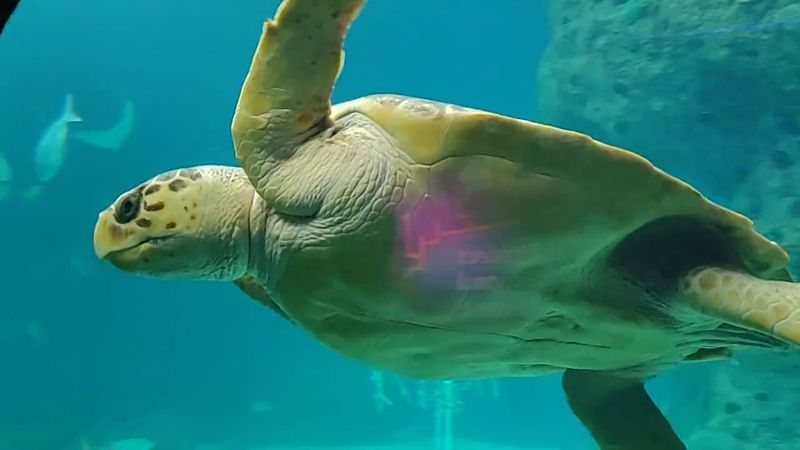
Have you ever wondered what happens on the other side of the glass? The Florida Aquarium offers behind-the-scenes tours that answer exactly that.
It is one of the most interesting add-ons you can book.
Daily tours walk you through how staff prepares food for thousands of animals. The sheer scale of feeding operations is impressive.
Each species has specific dietary needs, and the care team manages all of it with serious precision.
African penguin encounters are a fan favorite. You get up close with these charismatic birds in a setting most visitors never see.
Penguins are funnier and more energetic in person than any nature documentary suggests.
Special overnight experiences like Sleeping with the Fishes let groups tour the aquarium after dark. Participants have done squid dissection classes and even met baby alligators.
Waking up next to a giant tank as the lights slowly brighten is something you will not find anywhere else.
The staff throughout these tours are knowledgeable and clearly passionate. They answer questions with enthusiasm and make the experience feel personal.
It is the kind of access that turns a regular visit into a full story worth telling.
Unique Underwater Viewing Experiences
Most aquariums let you look at the water. The Florida Aquarium lets you walk through it.
SeaTREK is an underwater walking tour through the Heart of the Sea habitat. You wear a special helmet and literally stroll along the bottom of a massive tank.
Fish swim around you. Sharks pass overhead.
It is calm, surreal, and completely unforgettable. No scuba certification required, which makes it accessible for almost anyone.
The Wild Dolphin Cruise is a different kind of underwater-adjacent adventure. You board a catamaran and head out into Tampa Bay to spot dolphins in their natural habitat.
It is a totally different energy from being inside the building.
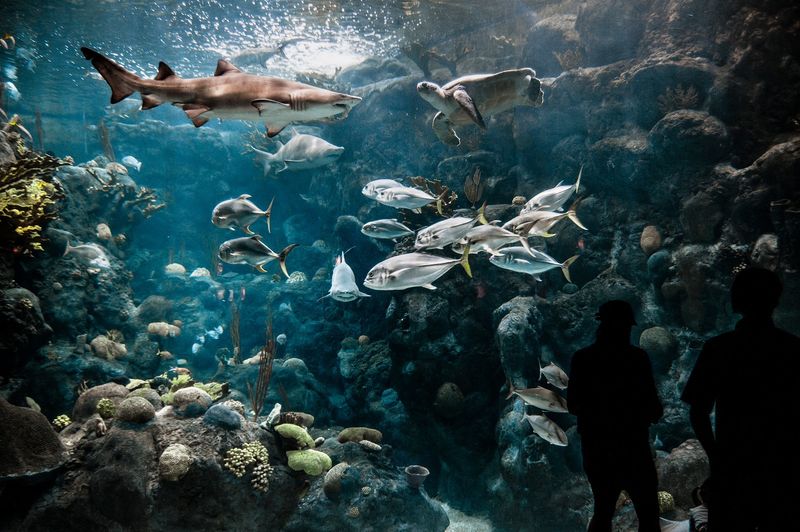
Large viewing tanks with seating areas let you sit and watch hundreds of species move through replicated reef environments. The seating is a nice touch.
You can slow down, breathe, and just watch the ocean do its thing.
Smaller viewing alcoves throughout the building offer quieter moments with specific species. Some tanks feature sharks circling in mesmerizing patterns.
Others highlight delicate creatures like sea horses and leafy sea dragons that reward a slower pace.
Family Friendly Activities And Events
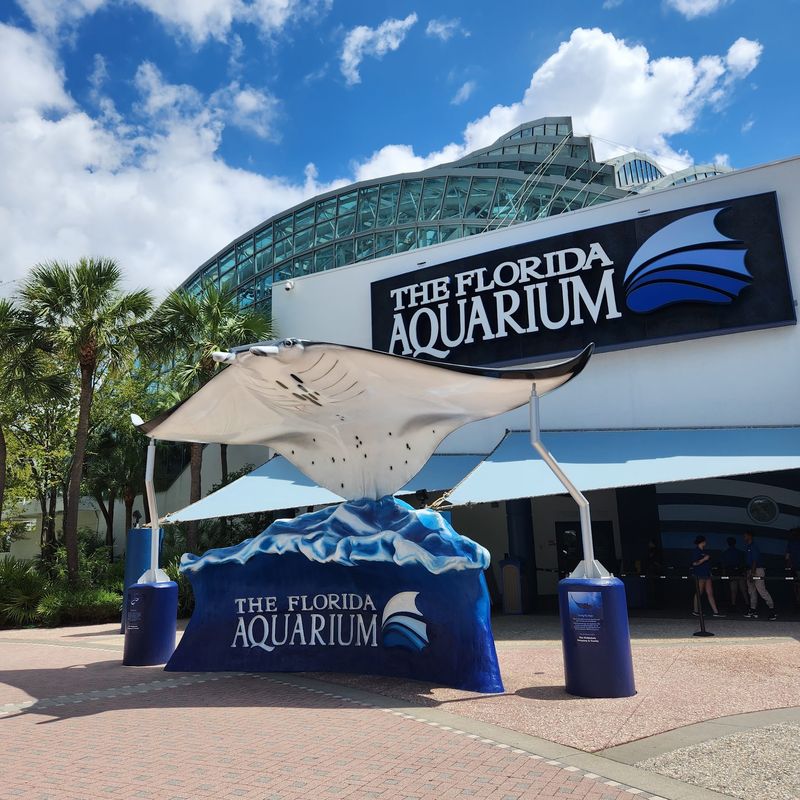
The Florida Aquarium is built for families. The layout is easy to navigate with strollers, and the exhibits hold attention at every age level.
Toddlers and teenagers can both find something that genuinely excites them here.
Day of Discovery events are designed specifically for visitors with sensory sensitivities. The aquarium adjusts the environment to make the experience more comfortable and inclusive.
It is a thoughtful program that makes a real difference for many families.
Parents Night Out events let kids have their own aquarium adventure while parents get a breather. It is a creative way to make the aquarium work for the whole family dynamic.
Not many attractions think to offer something like that.
The outdoor areas provide room to move and burn off energy between exhibits. A dining option on-site means you do not have to leave to refuel.
The 71 Cafe keeps hunger from cutting the day short.
Memberships are worth considering if you plan to visit more than once. Families with kids under two especially benefit from the membership value.
The aquarium also participates in the CityPass program, which saves money across multiple Tampa attractions in a single package.
Partnerships With Research Institutions
The Florida Aquarium is not just a place to visit. It is an active research hub.
Partnerships with major institutions give the aquarium a scientific backbone that sets it apart from typical attractions.
A collaboration with the University of Florida focuses on coral reef restoration. Researchers and aquarium staff work together to grow coral fragments and return them to damaged reef systems.
This is real conservation work happening in real time.
The aquarium also works with the International Union for Conservation of Nature, known as the IUCN. Together they are establishing a global hub dedicated to coral conservation strategy.
That is a significant international role for a single aquarium in Tampa.
These partnerships mean the science happening here has reach beyond the building. Results from aquarium research inform conservation policies and restoration projects worldwide.
Visiting here means you are indirectly supporting that work just by buying a ticket.
Staff at the aquarium stay connected to current research and bring that knowledge into daily interactions with guests. The exhibits reflect up-to-date science rather than outdated displays.
That commitment to accuracy makes the educational experience more credible and genuinely valuable.
Sustainable Practices In Management
The Florida Aquarium takes its environmental responsibilities seriously. Sustainability goals are built into how the entire operation runs.
This is not just a talking point posted on a wall somewhere.
The aquarium has set a target of zero waste by 2030. That is an ambitious goal for a facility hosting thousands of visitors every week.
Progress toward that goal shapes decisions across every department.
Net-zero carbon emissions by 2035 is another major commitment on their roadmap. Reducing the carbon footprint of a large attraction requires ongoing investment and creative problem-solving.
The aquarium is actively working toward both targets.
Food sourcing for animals and guests follows sustainable guidelines. Local and responsibly sourced produce is prioritized wherever possible.
That approach reduces the environmental impact of feeding both the animals on display and the people who come to see them.
Water conservation and responsible chemical use are also part of daily operations. Maintaining healthy tanks for 20,000 animals requires careful management of water systems.
The aquarium treats these systems with the same care it gives to the animals inside them. Every choice made behind the scenes reflects a commitment to doing things the right way for the long term.