
8 Areas In Virginia Where Residents Are Reporting More Copperhead Sightings This Summer
Even though we fear them as predators, copperheads are actually quite shy and avoid people at almost any cost. Still, if you cross paths with one, don’t panic; just back away slowly or call local services.
These Virginia areas have been recording more of those calls than usual this summer. Residents reported a noticeable increase in sightings across these specific locations compared to previous years.
Warmer temperatures likely played a role, pushing snake activity higher earlier in the season than usual. Wooded areas and rocky terrain tend to see the highest concentrations, especially near water sources.
Homeowners report more frequent encounters close to houses, sometimes in gardens or near woodpiles. Officials recommend basic precautions like watching where you step and clearing brush near living spaces.
These areas remain worth extra caution as sightings continue through the rest of the season.
1. Prince William County

Nextdoor feeds in Prince William County have been blowing up this summer. Residents are posting snake photos left and right.
Some are spotted near garden beds, others near backyard pools.
Wildlife experts say this county is seeing a record number of copperhead removals this season. Bull Run Mountain and the surrounding natural areas create ideal habitat for these snakes.
When forests sit right next to neighborhoods, encounters happen more often.
Copperheads love mulch beds, woodpiles, and dense shrubs. Basically, everything that makes a Virginia yard look great also makes it snake-friendly.
If you have a rock pile near your fence, that is worth checking.
The snakes are not out looking for trouble. They are after mice, frogs, and lizards.
But they will strike if surprised, so watch where you step during evening yard work.
May through October is peak season here. Copperheads prefer temperatures in the 80s.
On extremely hot days, they shift to nighttime activity, so late-night trips to the trash can deserve a flashlight.
Locals have found them near front porches and along fence lines. One removal was reported just steps from a front door.
It is a good reminder to shake out gardening gloves before putting them on.
If you spot one, do not try to handle it yourself. Call a professional wildlife removal service.
Bites from copperheads are rarely fatal, but they are painful and require medical attention.
Stay aware and take basic precautions. Wear closed-toe shoes outside and keep grass trimmed short.
2. Fairfax County
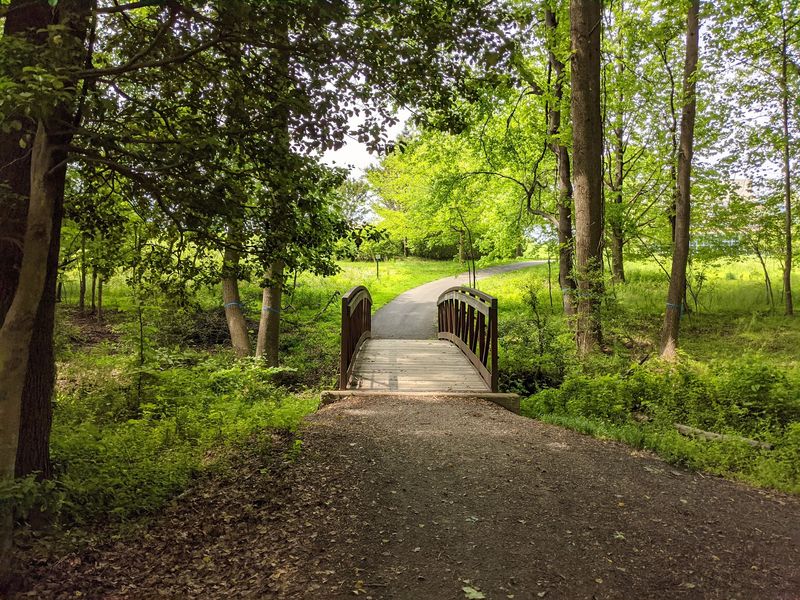
Fairfax County has some of the most beautiful natural spaces in Northern Virginia. It also has copperheads.
And this summer, the two are crossing paths more than usual.
The Eastern copperhead is the only venomous snake commonly found in Fairfax County. Spotting one is not rare here.
Hikers have seen them basking on sun-warmed rocks along trails. Others have appeared in stream valleys and rocky hillsides.
Suburban encounters happen too. Snakes move through backyards when searching for food or shelter.
Sometimes they just cross a road at the wrong time and end up in someone’s driveway.
Wildlife removal specialists say Northern Virginia overall is having a busy season. Fairfax County is one of the hottest spots for calls.
The mix of parks, greenways, and dense neighborhoods creates a perfect corridor for snake movement.
Copperheads are ambush predators. They sit still and wait.
That camouflage pattern blends into leaf litter almost perfectly. Many bites happen simply because someone did not see the snake before stepping near it.
If you hike here, stick to clear paths. Avoid reaching under rocks or logs without looking first.
Long pants and sturdy boots are your best friends on wooded trails.
Homeowners should check around compost bins and rock features in gardens. Snakes are attracted to cool, shaded spots during hot afternoons.
A rock garden might look lovely, but it is also prime real estate for a copperhead.
Reporting sightings to local animal control helps track activity patterns across the county. Knowledge is honestly the best protection out here.
3. Woodbridge
By early June this year, Sentara Northern Virginia Medical Center had already treated four copperhead snakebite patients. Three of those cases came in during May alone.
Doctors were not expecting that kind of volume so early in the season.
The medical team issued a public warning after seeing the surge. They wanted residents to know that copperhead season was starting earlier than usual this year.
Fluctuating weather patterns are partly to blame for that shift.
Most bites treated here happened during ordinary outdoor activities. Gardening and yard work are the most common situations.
People reach into a bush, grab a handful of mulch, or move a rock, and a copperhead is right there waiting.
Antivenom treatment is available at the hospital, and outcomes are generally good when patients come in quickly. The key is not to delay care.
Even if the bite does not look serious at first, swelling and pain can escalate fast.
Doctors also advise against trying to catch the snake after a bite. Moving around increases venom circulation.
Sit down, keep the affected limb below heart level, and call 911 or get to an ER immediately.
Kids and elderly adults tend to have stronger reactions to copperhead venom. Anyone in those groups who gets bitten should seek care right away, no waiting to see how it develops.
The hospital staff is experienced with envenomation cases. Knowing where to go if something goes wrong is just as important as knowing how to avoid bites in the first place.
Stay safe out there this summer.
4. Bristow
If anyone knows how busy this copperhead season has been, it is Bill Crisp. He is co-owner of K2C Snake Consultants, based in Northern Virginia.
He has already removed around 20 copperheads this summer, and the season is far from over.
His team gets called to some surprisingly close-to-home locations. One removal happened right near a family’s front steps.
Another was found coiled up in a garden beside a swimming pool. These are not remote wilderness encounters.
K2C Wildlife Encounters specializes in safe, humane snake removal. They respond to residential calls across the region.
When you find a copperhead near your door, these are the people locals call.
Bill says the snakes are drawn to residential areas because of the food supply. Mice, voles, and frogs are plentiful in suburban yards.
A well-fed neighborhood is basically an open invitation for a hungry copperhead.
The team always relocates snakes rather than killing them. Copperheads play a real role in controlling rodent populations.
Removing them responsibly keeps the local ecosystem balanced while keeping families safe.
If you are in the Bristow or broader Prince William area and spot a snake, do not panic. Back away slowly, keep pets and kids inside, and call a professional.
Do not try to move it yourself with a shovel or a stick.
K2C also offers educational outreach. Learning to identify a copperhead versus a harmless brown snake could save you a lot of unnecessary fear.
The pattern is distinctive once you know what to look for.
Knowing who to call makes all the difference when things get slithery.
5. Nokesville
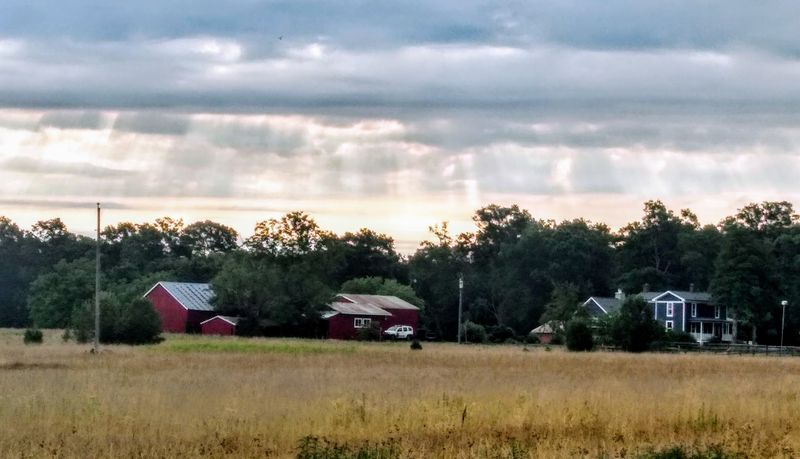
Nokesville sits right in the heart of Prince William County, and that means it is dealing with the same spike in copperhead activity that has the whole county buzzing. Rural roads, old fields, and forest edges are everywhere here.
Copperheads absolutely love that landscape.
Old fields are one of their favorite habitats. Tall grass, scattered brush piles, and abandoned fence lines give them plenty of cover.
If your property backs up to a meadow or a wooded lot, your risk of a close encounter goes up.
Residents in this area tend to spend more time outdoors than your average suburban neighbor. Farming, gardening, and trail riding are common activities here.
All of those put people right in prime copperhead territory.
One thing that catches people off guard is how well copperheads blend into dry leaves and pine straw. You can be looking right at one and not see it.
Slow down when walking through natural areas, especially in the morning when snakes are warming up.
Check outbuildings, barns, and sheds regularly. Copperheads will use cool, dark spaces during the hottest part of the day.
A barn full of old equipment is basically a luxury spa for a heat-avoiding snake.
Pets are especially at risk in rural areas. Dogs are curious and will investigate anything that moves or smells interesting.
Keep an eye on them during outdoor time and check paws and noses after outdoor adventures.
Nokesville has that quiet, country charm that makes Virginia feel like home. Just add a little extra awareness this summer when you head outside.
6. Suffolk
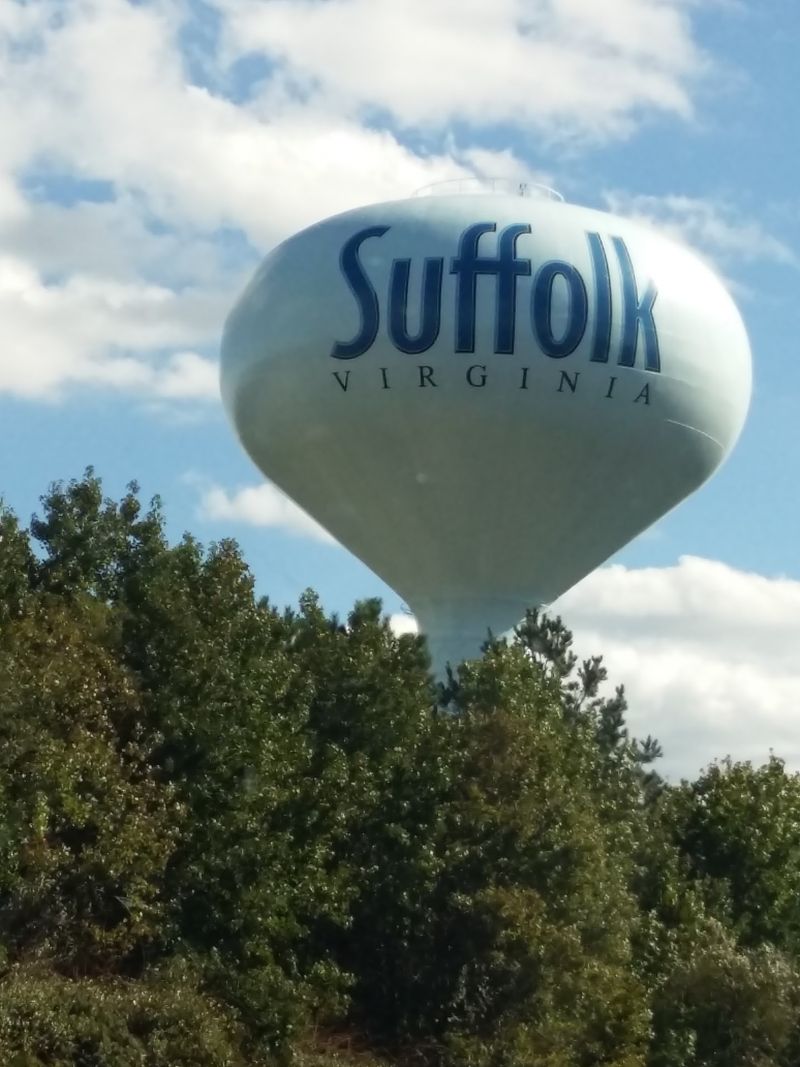
Suffolk is one of those Virginia cities that feels like it has everything. Forests, farmland, freshwater areas, and marshes are all packed into one sprawling landscape.
That variety is great for outdoor lovers. It is also perfect for copperheads.
Copperheads are found across nearly all of Virginia, with barrier islands being the main exception. Suffolk’s environment checks every box on a copperhead’s wish list.
Wooded areas, moist soils near water, and plenty of prey make this city a hotspot.
The Hampton Roads region is also home to water moccasins, another venomous snake worth knowing about. But copperheads are far more commonly encountered in everyday settings here.
Backyards, walking paths, and garden edges are all fair game.
Freshwater areas like ponds, drainage ditches, and creek banks are worth extra caution. Snakes like to hunt near water where frogs and small rodents are abundant.
A peaceful evening walk by the water can turn into a very startling experience.
Suffolk’s mix of rural and suburban neighborhoods means snakes can show up in unexpected places. A quiet cul-de-sac bordered by trees is just as likely to have a copperhead as a hiking trail.
Keep the yard tidy, and the grass cut low.
Children playing near wooded fence lines or brushy areas deserve a heads-up about watching where they step. Teaching kids what a copperhead looks like is genuinely useful knowledge in this part of Virginia.
This city has so much to offer, and a little awareness goes a long way toward enjoying it safely all summer long.
7. Charlottesville
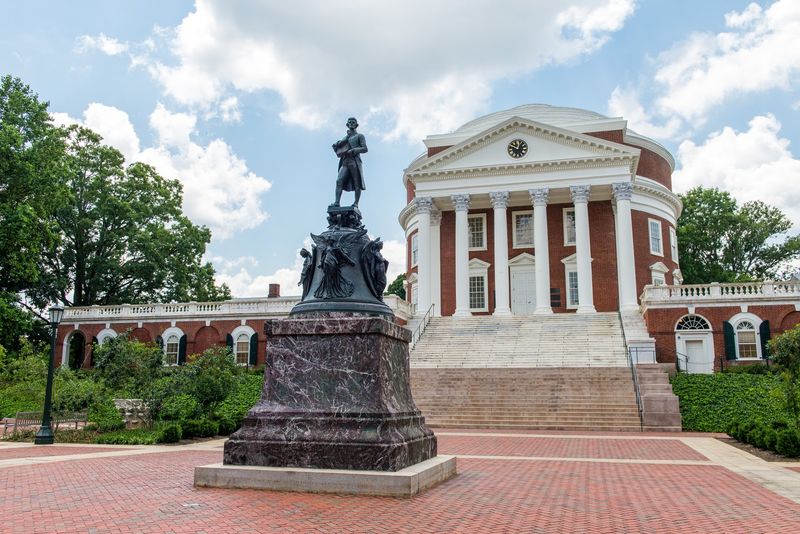
Charlottesville had a memorable copperhead moment in July 2025. A snake was found tangled in garden netting in a residential yard.
It was alive, stressed, and very much in someone’s personal space. Wildlife responders had to carefully free it before removal.
That story spread quickly because it showed exactly how snakes end up in human spaces. Garden netting, erosion control fabric, and plastic mesh are all traps for snakes.
If you use any of those in your yard, check them regularly.
The Blue Ridge Poison Center at UVA Health received a significant number of snakebite calls throughout 2025. Central Virginia, including Charlottesville, was well represented in that data.
The mix of urban green spaces and nearby mountain terrain keeps copperhead activity high here.
Charlottesville is surrounded by stunning natural beauty. The Blue Ridge Mountains are practically in the backyard.
Hiking trails around the area pass through rocky, wooded terrain that copperheads call home year-round.
Parks and greenways within the city itself also see activity. Snakes follow food sources, and urban parks have plenty of mice and frogs.
A pleasant evening stroll can bring you closer to wildlife than you expect.
Gardeners here should wear thick gloves and check under pots and boards before grabbing them. Copperheads will hide under almost anything that provides shade and cover.
A flat stone in a garden bed is basically a welcome mat.
The community here is engaged and shares sightings quickly on social media. That kind of local awareness is genuinely helpful for everyone living in the area.
Stay sharp out there this summer.
8. Richmond
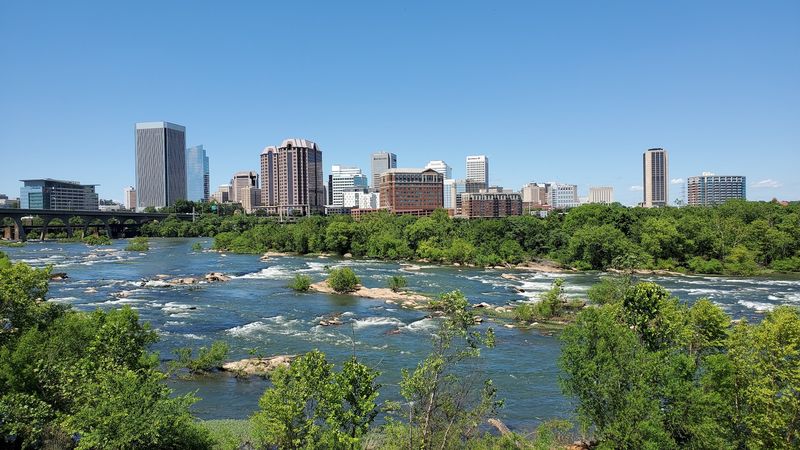
Richmond has been reporting more copperhead sightings this summer, and it is not just happening in the wild. People have spotted them in suburban front yards, near neighborhood creeks, and along popular park trails.
The James River Park System is well known as prime snake habitat.
Deep Run Park logged multiple copperhead sightings in September 2025. That is a heavily used park with families, dog walkers, and joggers passing through daily.
Knowing that snakes are present there changes how you pay attention on the trail.
The copperhead is the primary venomous snake in Richmond City. That distinction matters because it means any venomous snake encounter in a Richmond neighborhood is almost certainly a copperhead.
Knowing your local wildlife is genuinely useful.
Creek corridors are especially active spots. Copperheads hunt along water edges and use streamside vegetation for cover.
If your yard backs up to a creek or drainage channel, keep an eye on the perimeter, especially at dusk.
Richmond summers are hot and humid, which drives snakes toward shade during peak afternoon heat. Woodpiles, dense shrubs near foundations, and shaded garden corners become resting spots.
Check those areas before doing outdoor maintenance.
Dog owners along the James River trails have reported close calls this season. Leash your dog on wooded trails and keep them on the path.
A curious sniff in the wrong direction can end in an expensive vet visit.
Richmond is a city that loves its outdoor spaces, and that energy is worth protecting. A few smart habits this summer keep the experience enjoyable for everyone.