
The Secluded Long Island, New York Beach Hiding Right Behind A Historic Lighthouse
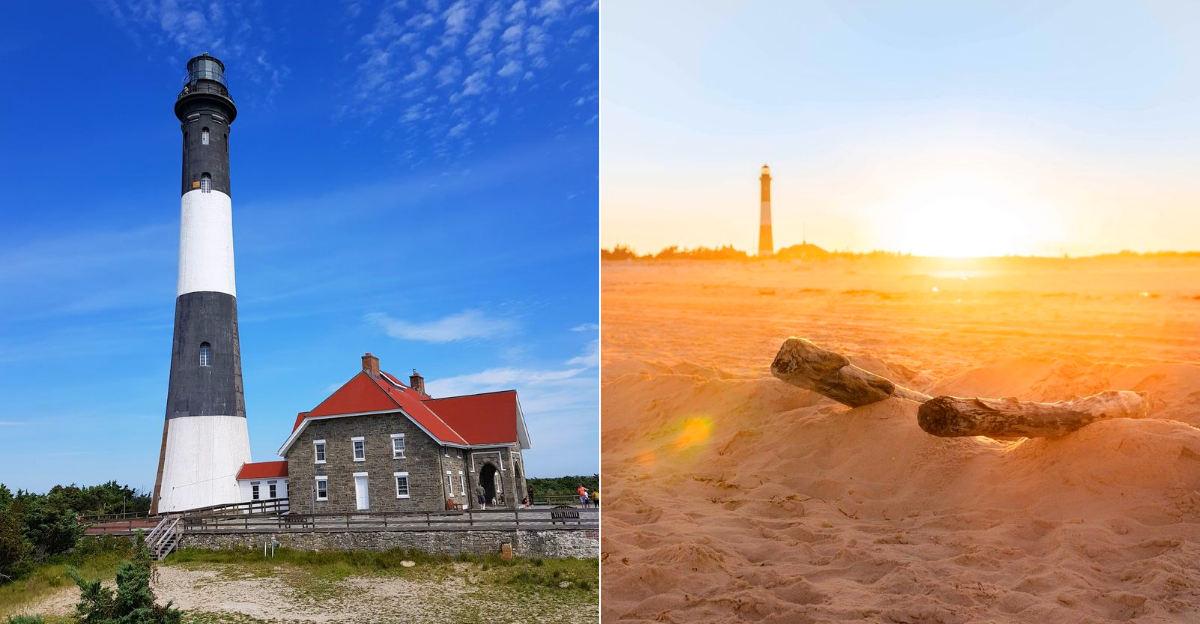
Not every good beach needs a billboard pointing the way, and one stretch of New York shoreline proves that better than most.
You have to walk a little to earn this one, past a lighthouse that’s been standing storied and steady on the East Coast for generations.
No parking lot crowds. No line of umbrellas fighting for the same patch of sand.
The lighthouse gets all the attention from a distance, tall and photogenic enough to stop cars on its own, but the real payoff sits quietly behind it. Waves roll in calmer here, away from the busier stretches most people default to.
Sand stays uncrowded enough to actually spread out and breathe. If you’ve never heard of this beach near Bay Shore, consider this the nudge to finally go find what’s been hiding just past that lighthouse.
A Beach That Earns Its Quiet
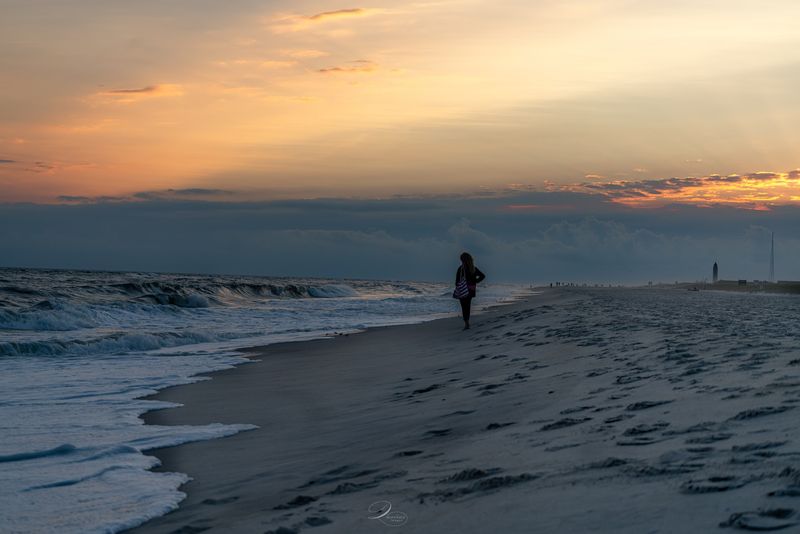
The sand here is pale and clean, the dunes are tall and windswept, and the whole scene feels like a page out of a coastal nature book.
On the bay side, the water runs calm and gentle, making it a solid spot for a relaxed swim without fighting strong Atlantic currents.
A carry-in, carry-out policy keeps the area remarkably tidy. There are no trash cans on site, which sounds inconvenient until you realize it is the reason the beach looks the way it does.
Families spread out picnic blankets, kids collect shells at low tide, and birdwatchers scan the dunes with quiet enthusiasm.
The pace here is unhurried and deliberate. You will not find food vendors or beach chair rentals.
What you will find is open sky, clean sand, and a stretch of shoreline that feels genuinely untouched. That kind of rare simplicity is harder to find than people expect.
The Beach At Robert Moses State Park
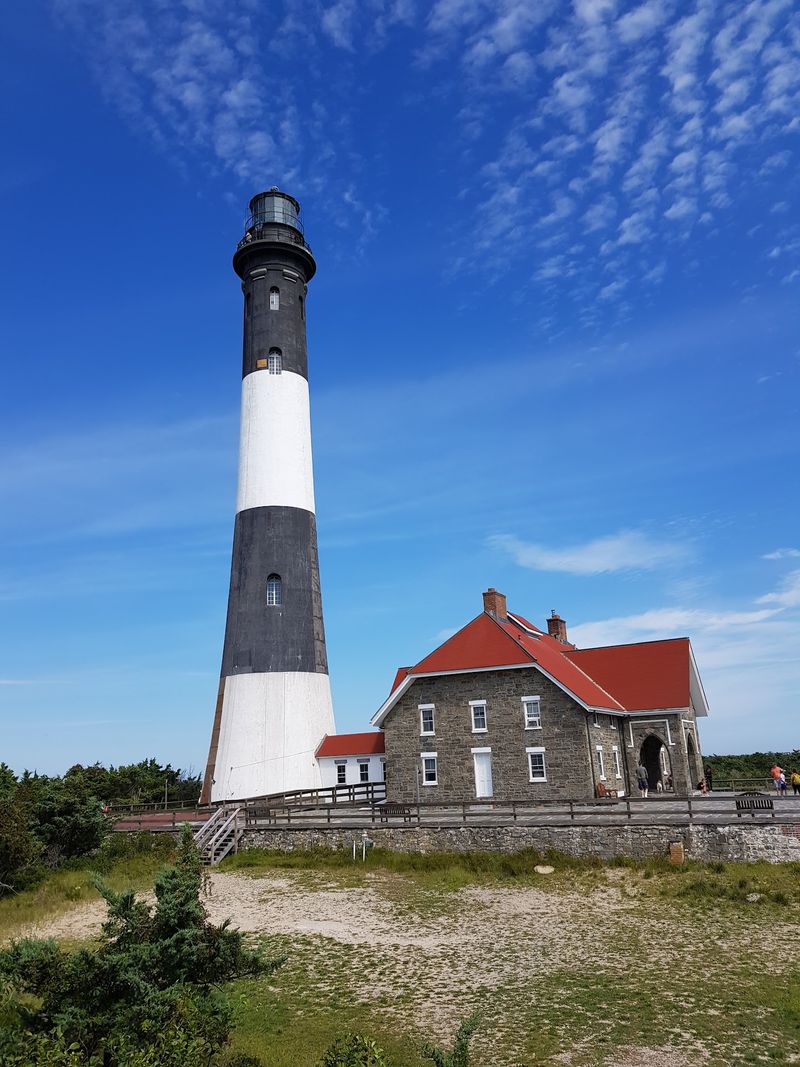
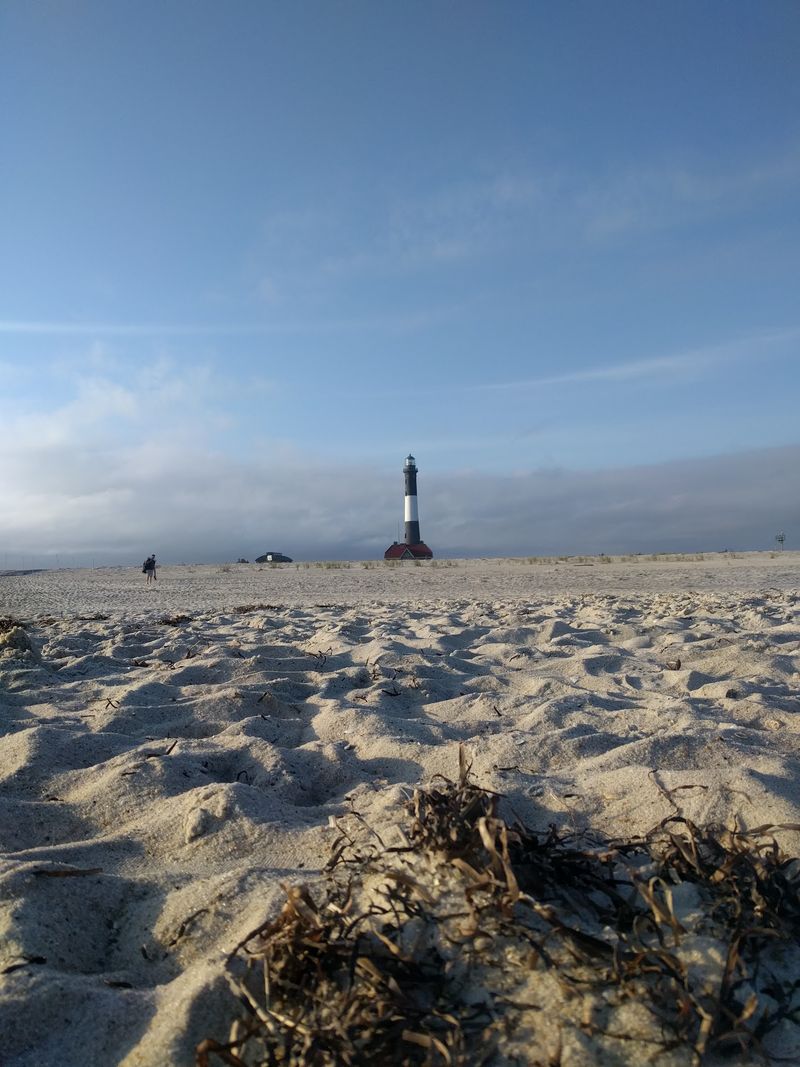
Few beaches in New York come with a landmark that doubles as a history lesson and a cardio workout. Lighthouse Beach sits right beside the Fire Island Lighthouse, a 168-foot black and white striped tower that has stood since 1858.
You can find it by heading to Robert Moses State Park Field 5, Babylon, NY 11702, and following the boardwalk from there.
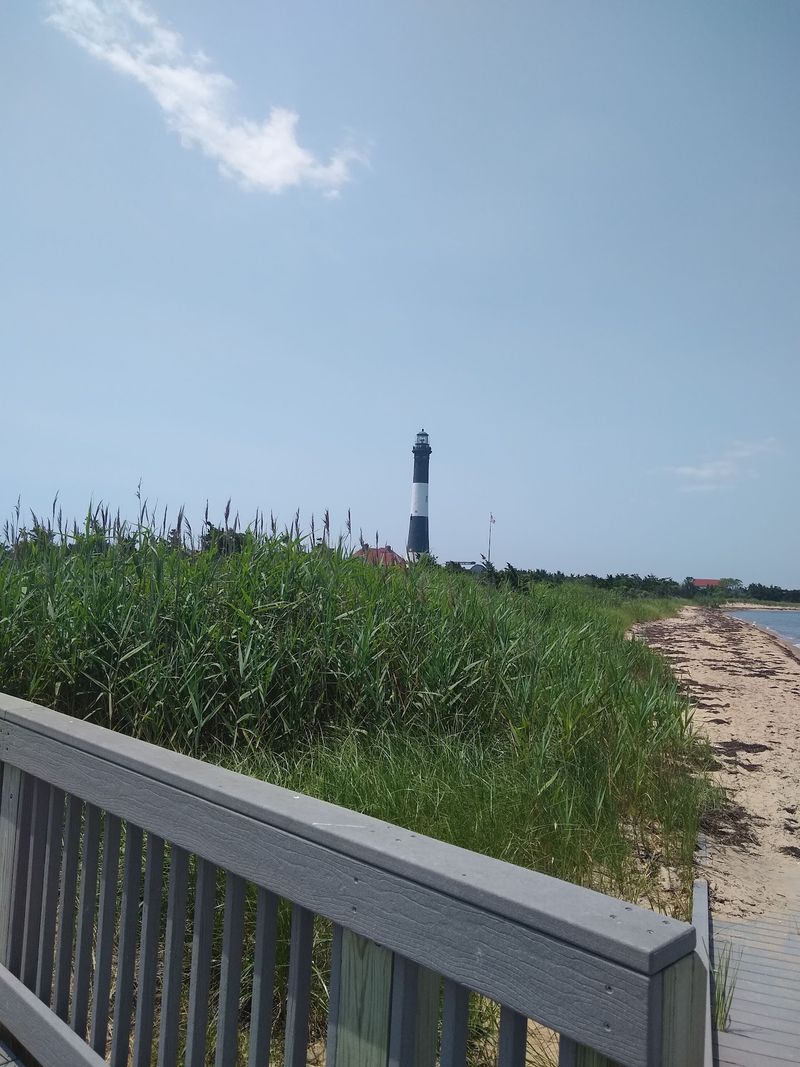
The boardwalk stretches roughly three-quarters of a mile through wind-shaped dunes and coastal scrub. It is one of those walks that makes you forget you were ever in a hurry.
By the time the lighthouse comes into full view, you already feel like you have arrived somewhere meaningful.
The Fire Island Lighthouse Preservation Society maintains the site, and their dedication shows. The grounds are well kept, the staff are genuinely knowledgeable, and the whole experience feels thoughtfully curated without being overly polished.
A small gift shop is available on site.
Getting here requires either driving to Field 5 or taking a ferry from Bay Shore to Kismet and walking the rest of the way. Either route has its own appeal, and both land you at the same rewarding destination.
Plan accordingly and check seasonal access hours before heading out.
The Lighthouse That Greeted A Nation
Before the Statue of Liberty became the iconic first glimpse of America, the Fire Island Lighthouse played that role for countless European immigrants sailing into New York Harbor.
Standing 168 feet tall, it was completed in 1858 and replaced an earlier, shorter tower that had been guiding ships since 1826.
For transatlantic vessels, spotting this lighthouse meant the journey was nearly over. For the people on board, it was the first solid proof that America was real.
That weight of history is still present when you stand at its base and look up.
The lighthouse was decommissioned in 1974, but a determined group of local citizens refused to let it fade. They formed the Fire Island Lighthouse Preservation Society, raised the necessary funds, and successfully relit the beacon in 1986.
It earned a place on the National Register of Historic Places in 1981.
Today the Lightkeeper’s Quarters hold a two-story museum that tells the story of the tower and the keepers who maintained it. The original first-order Fresnel lens, used from 1858 to 1932, is displayed in the adjacent Lens Building.
Seeing it up close is genuinely impressive, a reminder of how much craft went into keeping ships safe.
Climbing 182 Steps To The Top Of The World
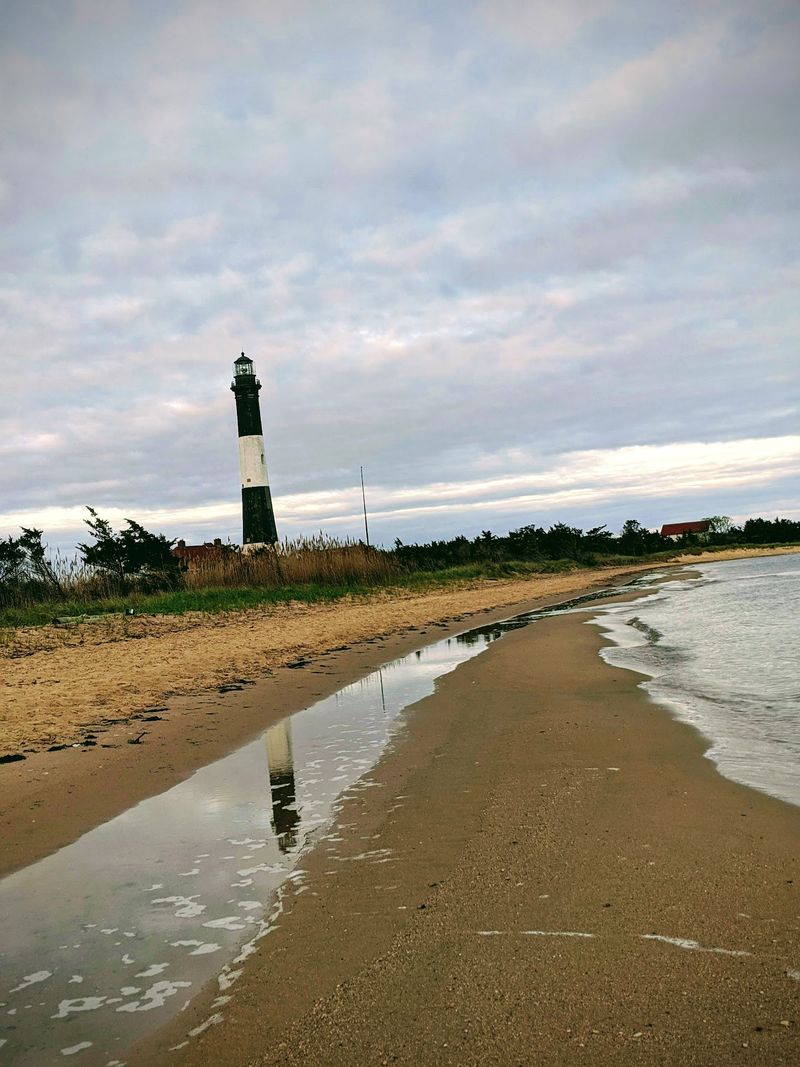
There is something about climbing a lighthouse that feels fundamentally satisfying. You are doing the same thing keepers did over a century ago, one step at a time, with a view waiting at the top that makes every step worth it.
The Fire Island Lighthouse has 182 of those steps, and they are all stone.
A fee applies to climb the tower, and it is worth every cent. From the top, you get a panoramic view that covers the Great South Bay, the Atlantic Ocean, the green expanse of Fire Island, and on a clear day, the distant skyline of New York City.
It is the kind of view that makes you want to stay longer than you planned.
Kids handle the climb surprisingly well. The steps are steady and the walls are close, which actually makes the ascent feel more manageable than an open staircase.
The experience is part history lesson and part personal achievement, and it lands differently for every person who reaches the top.
Check the current operating hours before visiting, as the tower is not always open year-round. Arriving early on a weekend gives you the best chance of a quieter climb and a less crowded observation deck.
The views from up there genuinely earn the effort.
The Boardwalk Walk You Will Actually Enjoy
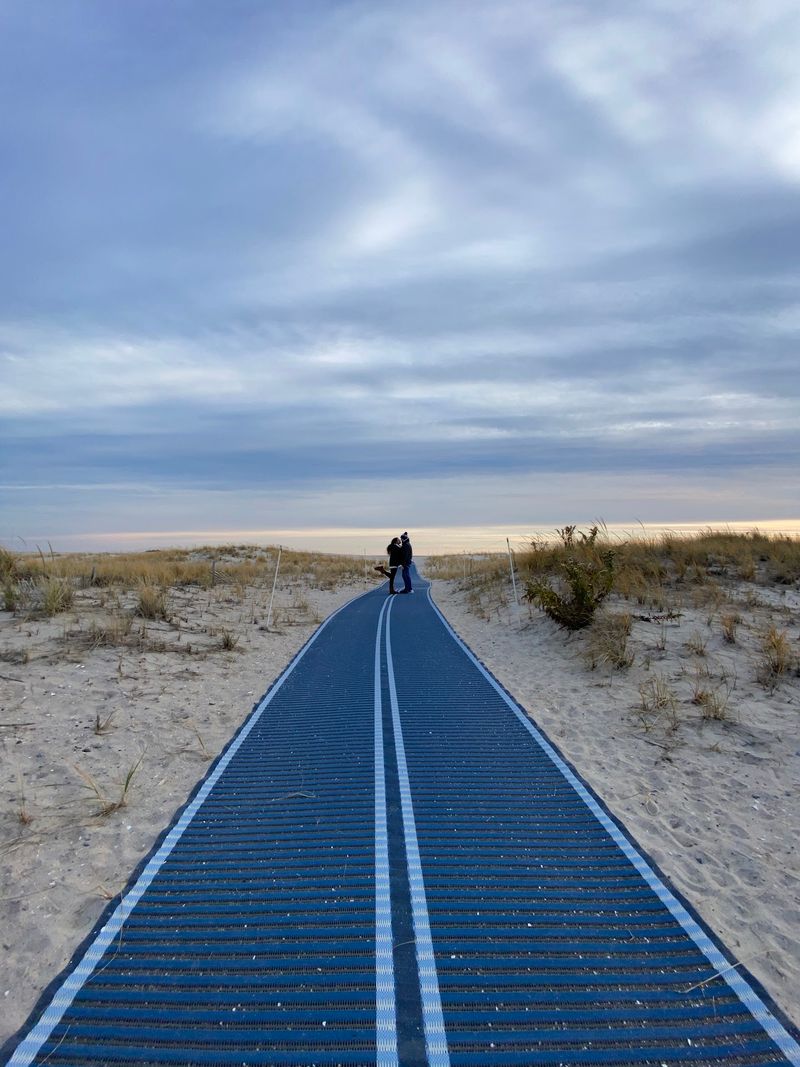
Most walks to a beach attraction are forgettable. You park, you trudge, you arrive.
The boardwalk leading to Lighthouse Beach is a different experience entirely. It winds through dunes covered in sea grass and low coastal shrubs, and the whole path feels like a nature trail that happens to end at a beach.
The boardwalk runs approximately three-quarters of a mile from Robert Moses State Park Field 5 to the lighthouse. It is flat and well-maintained, making it manageable for most visitors.
The surrounding landscape shifts as you walk, offering glimpses of the bay on one side and rolling dune formations on the other.
Photography opportunities along this path are genuinely plentiful. The contrast between the weathered wood, the pale sand, and the deep green of the dunes creates a naturally striking visual.
Early morning light along this stretch is particularly good for anyone who enjoys capturing landscape shots.
Wildlife sightings are common here too. Shorebirds move through the area regularly, and the dune vegetation supports a surprising variety of insects and small animals.
The walk takes about fifteen to twenty minutes at a comfortable pace, but many visitors find themselves slowing down to take it all in before even reaching the beach.
History Lives In The Keeper’s Quarters
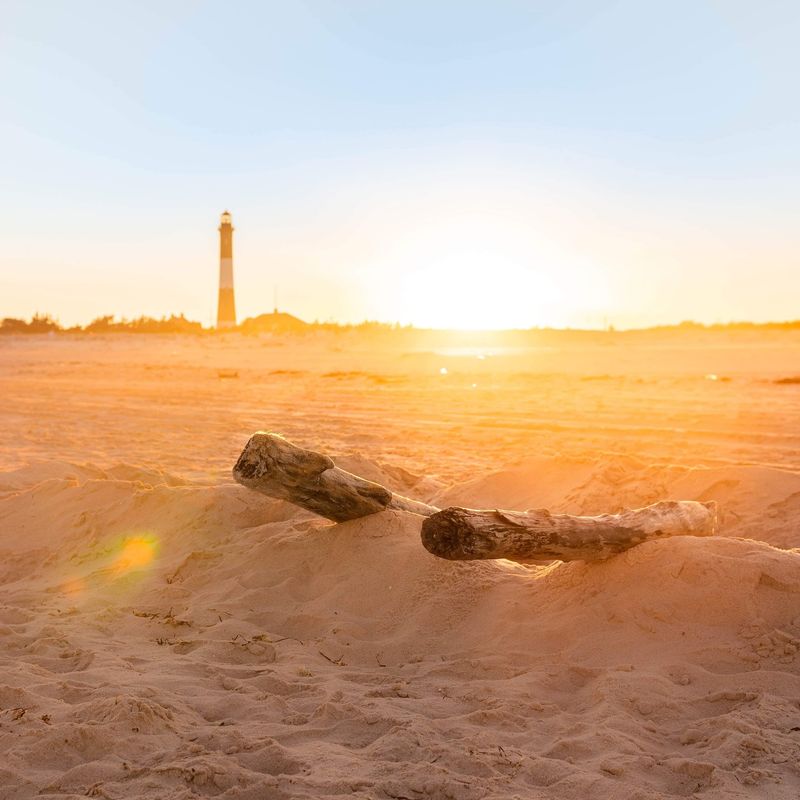
Behind every lighthouse is a keeper, and behind every keeper is a story. The Lightkeeper’s Quarters at Fire Island Lighthouse have been converted into a two-story museum that tells those stories with genuine care and detail.
It is one of the most underrated stops on Long Island for anyone who enjoys history that feels personal.
The museum covers the daily life of lighthouse keepers, the evolution of maritime navigation, and the specific history of this tower from its construction in 1858 through its restoration in the 1980s. Exhibits are well-organized and engaging without being overwhelming.
Even younger visitors tend to find something that holds their attention.
Notably, Phoebe and Felix Dominy, historical figures from nearby Bay Shore, served as early keepers of the Fire Island Lighthouse.
Knowing that local community members maintained this beacon for generations adds a layer of warmth to the place that a purely architectural tour could never provide.
The adjacent Lens Building houses the original first-order Fresnel lens, which illuminated the tower from 1858 to 1932. Up close, the lens is enormous and intricate, a stunning example of 19th century optical engineering.
The museum entry is typically included with lighthouse access fees, making it an easy addition to any visit here.
Bay Side Calm Versus Ocean Side Energy
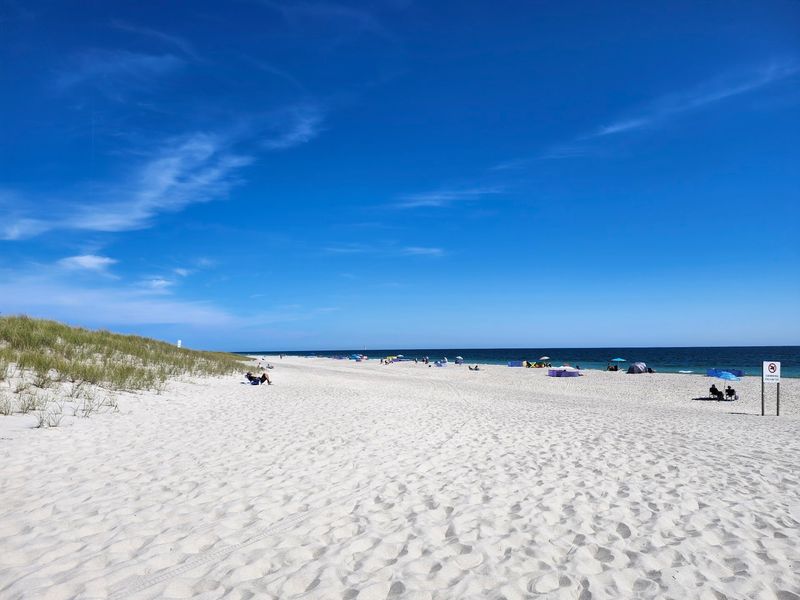
One of the most practical and underappreciated features of Lighthouse Beach is that it gives you two distinctly different swimming experiences within walking distance of each other. The bay side offers calm, flat water that is ideal for relaxed wading or a gentle swim.
The ocean side delivers the full Atlantic experience with rolling waves and stronger surf.
Families with younger children tend to gravitate toward the bay side for obvious reasons. The water is predictable, the entry is gradual, and the overall atmosphere feels more relaxed.
It is the kind of spot where you can actually have a conversation while standing knee-deep without getting knocked around.
The ocean side suits those who want more from their swim. The waves here are real, and the open Atlantic energy is palpable.
There are no lifeguards on duty at this beach, so swimmers should be confident and aware of conditions before heading in on either side.
Low tide on the ocean side is an excellent time for shell collecting. The shoreline reveals a surprising variety of shells and natural debris that wash in from the open sea.
It is a simple pleasure, but one that tends to keep people occupied and happy for longer than they expected. Both sides of this beach deliver something worth staying for.
Wildlife And Nature Along The Shore
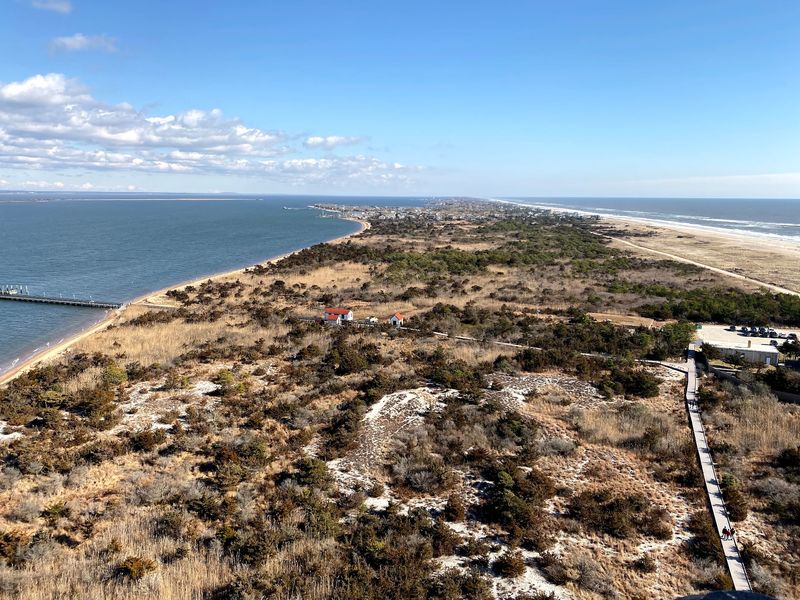
Fire Island National Seashore is not just a beach destination. It is an active coastal ecosystem, and Lighthouse Beach sits right in the middle of it.
The area supports a wide range of wildlife, from migratory shorebirds to smaller creatures that inhabit the dune vegetation along the boardwalk trail.
Birdwatchers will find the site rewarding across multiple seasons. The dunes and bay edges attract species that are not commonly seen at more developed beaches.
Bringing a pair of binoculars is a smart move if wildlife observation is part of your plan. Early morning visits tend to yield the most activity.
The Fire Island National Seashore also maintains designated nature trails in the surrounding area, offering a more structured way to explore the coastal habitat.
Educational programs run through the national seashore provide context for what you are seeing, which makes the experience richer for curious visitors of any age.
One practical note worth mentioning: ticks are present in the dune and trail areas, particularly during warmer months. Wearing long socks and checking yourself after a walk through the vegetation is a sensible precaution.
It does not diminish the experience, but it is the kind of heads-up that makes for a more comfortable visit overall.
Why This Beach Stays With You Long After You Leave
Some places are pleasant. Others are genuinely memorable.
Lighthouse Beach lands firmly in the second category, and the reason is hard to pin down to just one thing. It is the combination of history, quiet, natural beauty, and the feeling that you found something most people drive right past.
The lighthouse itself carries a weight that goes beyond architecture. Knowing that generations of immigrants sailing toward a new life first saw land through this beacon adds a layer of meaning that stays with you.
Standing on the beach and looking up at that tower is a moment that lands differently than expected.
The atmosphere here is one of the most family-friendly and genuinely relaxed on Long Island. There is no pressure to consume, perform, or keep up with anyone.
You bring your food, you find your spot, and you spend the day at a pace that feels entirely your own. That kind of freedom is increasingly rare at popular beach destinations.
New York has no shortage of beaches, but very few of them offer this particular combination of history, seclusion, and natural character.
Lighthouse Beach earns its place among the best not by competing with louder destinations, but by being completely and confidently itself.
That, more than anything, is what makes it worth the trip.