
Downtown Sits Empty Of Locals In This Oregon Town Overrun By Tourists
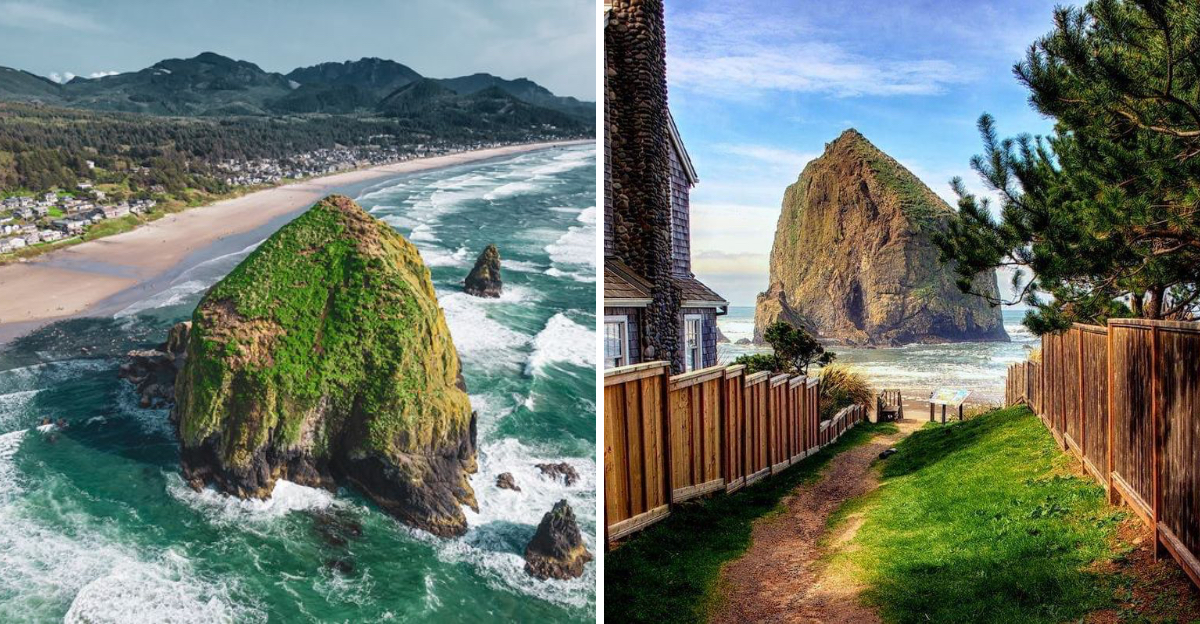
Salt air, screaming gulls, and a rock so massive it stops traffic. That is the first thing that hits you here.
Oregon does coastline drama better than almost anywhere, and this stretch proves it instantly.
A town this small should not pull crowds this big, yet somehow it does, year after year. Locals watch the tide charts like scripture, because the real magic only shows up when the water pulls back.
Starfish. Anemones.
Creatures that look like they crawled out of a dream. Above it all, a rock refuge protects birds nobody expected to see this close to shore.
Wander a few blocks and the town shifts into pure creative energy, galleries glowing warm against gray Oregon skies. There is a headland nearby too, one that steals the show every single time someone finally hikes it.
Something here always keeps you coming back for more.
The Rock That Started It All
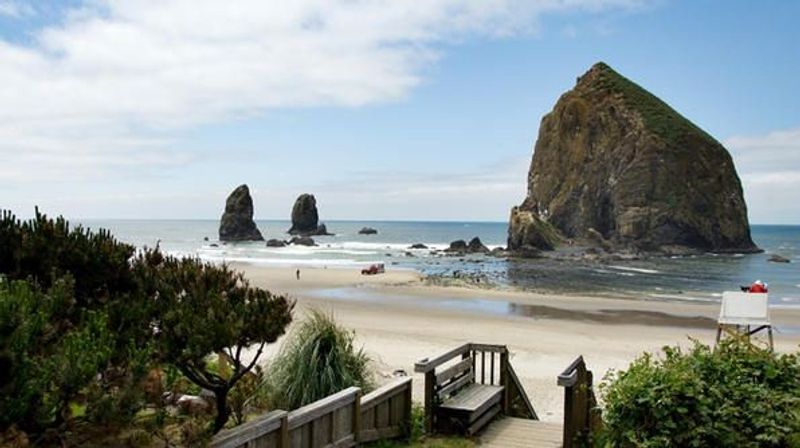
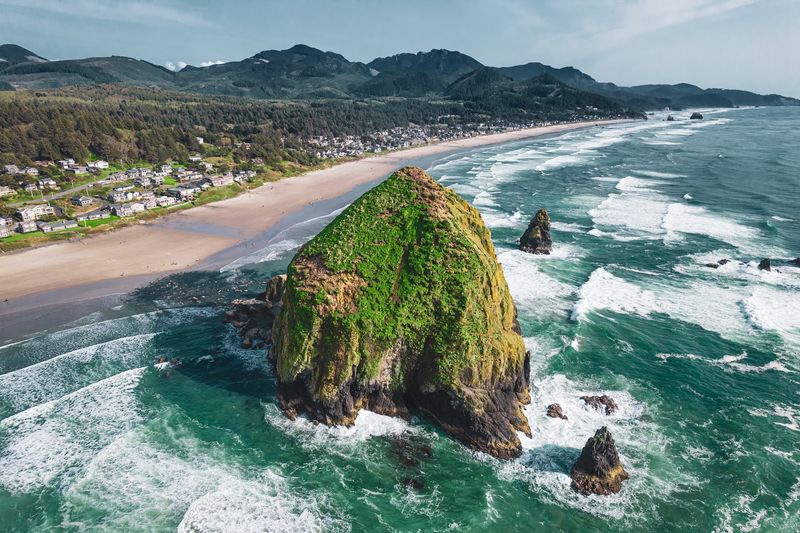
Haystack Rock does not ask for attention. It simply stands there, 235 feet of ancient basalt rising straight from the Pacific, and the world shows up anyway.
This massive sea stack formed millions of years ago from volcanic lava flows that crept toward the coast. It is one of the largest intertidal monoliths in the world.
National Geographic once named Cannon Beach one of the planet’s 100 most beautiful places, and this rock was a big reason why.
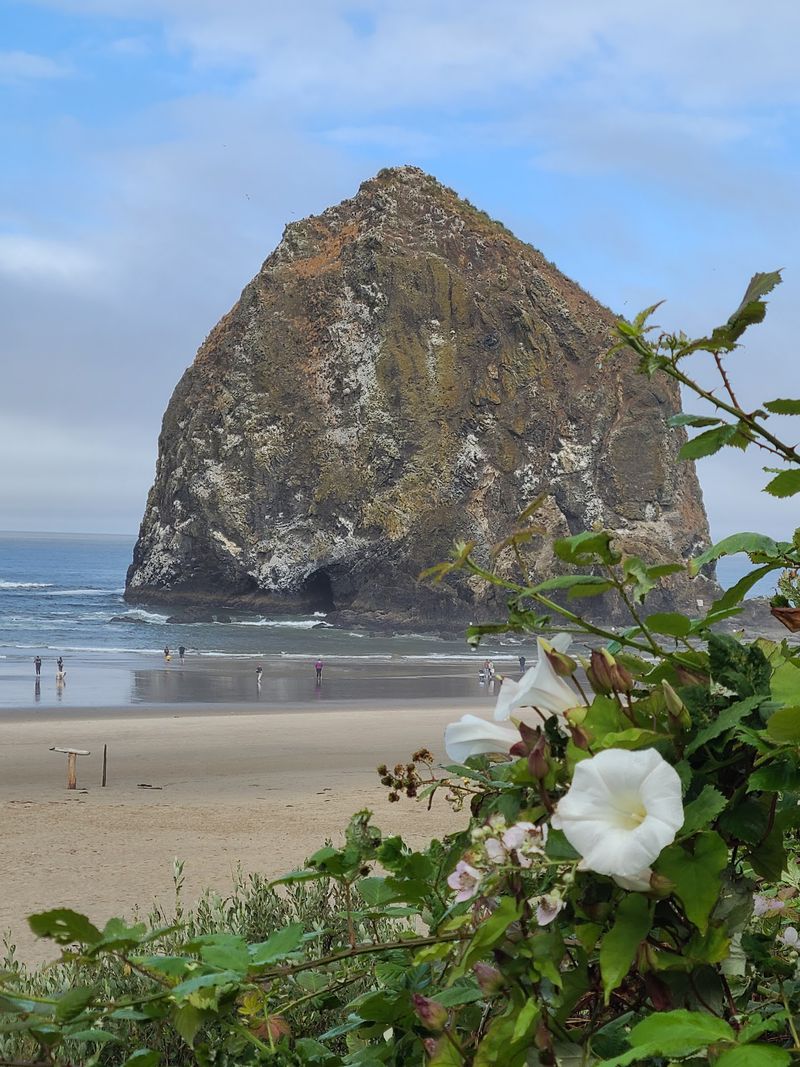
At low tide, the rock’s base reveals a miniature world of starfish, sea anemones, crabs, and sea slugs packed into tide pools. Rangers from the Haystack Rock Awareness Program often stand nearby to answer questions and protect the delicate ecosystem.
The rock is also a designated National Wildlife Refuge. Tufted puffins nest here in late spring and early summer, drawing wildlife watchers with binoculars and long camera lenses.
The spectacle is free, wild, and completely unforgettable for first-time visitors to Oregon.
A Town Built For Visitors, Not Residents
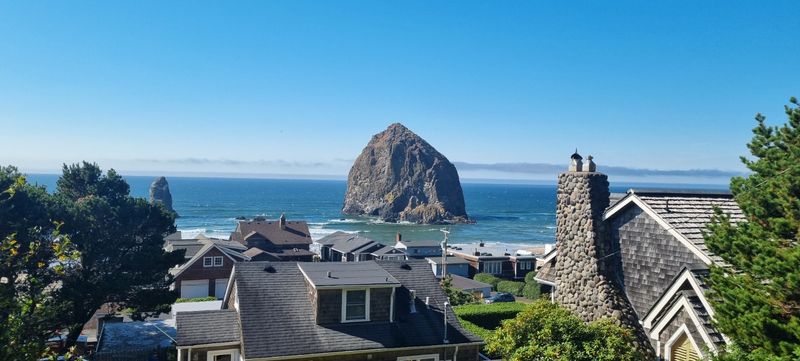
The numbers tell an uncomfortable story. Fewer than 1,500 people call Cannon Beach home full-time.
Yet the town hosts well over a million tourists every single year.
That ratio shapes everything. Restaurants price their menus for vacation budgets.
Shops stock souvenirs and art rather than everyday groceries. Parking lots fill by mid-morning on summer weekends, and locals learn to run errands early or not at all.
Many long-term residents have watched the downtown shift away from serving the community toward serving the crowd. Hardware stores and practical services have quietly disappeared over the years.
What replaced them are galleries, taffy shops, and boutique hotels.
Oregon coastal towns often face this tension between tourism revenue and community identity, but Cannon Beach feels it more sharply than most. The town’s charm is precisely what attracts visitors, and that same charm gets harder to maintain when the people who built it can barely afford to live there anymore.
The cycle is difficult to break.
Where History Meets The Shore
Long before tourists arrived with their cameras, this stretch of Oregon coast was home to the Tillamook, Chinook, and Clatsop peoples. They lived here for thousands of years, reading the tides and seasons with precision that no travel app could replicate.
The Lewis and Clark Expedition passed through in 1805 and 1806. Members of the party ventured to the area near Ecola Creek and traded with the local Tillamook tribe.
The expedition even encountered a beached whale nearby, and a sculpture in town commemorates that moment in history.
The town’s name itself traces back to a cannon from the USS Shark, a U.S. Navy schooner that wrecked off the Oregon coast in 1846.
A cannon from the ship washed ashore near Arch Cape, and the name stuck to the area over time.
These layers of history sit quietly beneath the tourist activity. Visitors who slow down and look for them will find a place far richer and more complex than a simple beach getaway might suggest.
Ecola State Park Steals The Show
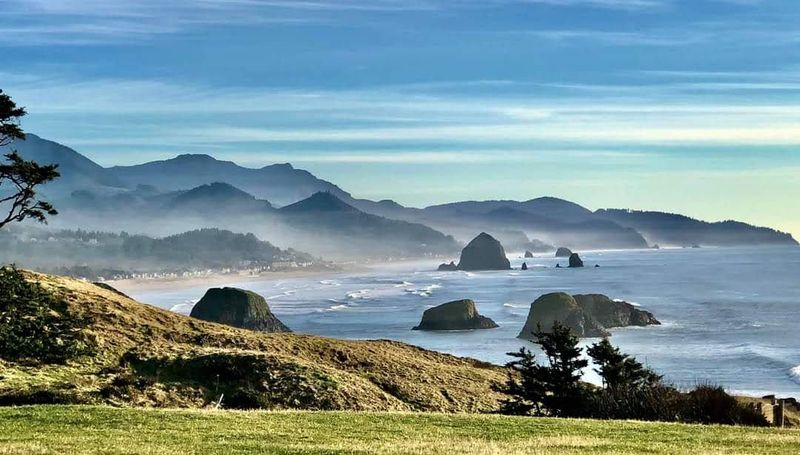
Perched on Tillamook Head just north of town, Ecola State Park offers some of the most dramatic coastal scenery in all of Oregon. The views from the headland stretch for miles in both directions, taking in sea stacks, crashing surf, and dense Sitka spruce forest.
Trails wind through the park at various difficulty levels. Hikers can push through to Indian Beach, a quieter cove popular with surfers and photographers.
On clear days, the distant outline of Tillamook Rock Lighthouse appears through the mist, perched on a small island about a mile offshore.
Wildlife sightings here are common. Bald eagles ride thermal currents above the cliffs.
Gray whales migrate along this stretch of Oregon coast during spring and winter, sometimes visible from the park’s overlooks without any special equipment.
The park provides a genuine escape from the packed downtown streets below. Families, solo hikers, and nature photographers all find something worth the drive up.
The entrance fee is modest, and the payoff in scenery is enormous.
The Art Scene That Refuses To Shrink
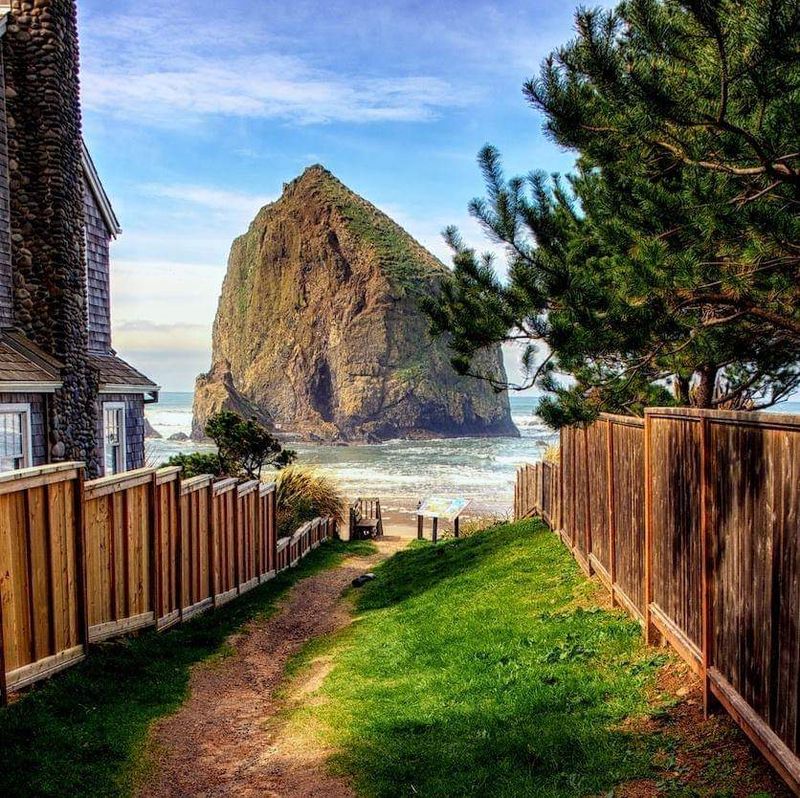
Cannon Beach earned its reputation as one of America’s top art towns honestly. More than a dozen galleries line the downtown streets, showing work that ranges from large-scale oil paintings to delicate hand-blown glass pieces.
The art community here predates the tourist boom by decades. Artists were drawn to the quality of Pacific Northwest light, the dramatic scenery, and the relative quiet of a small coastal town.
Some of that original spirit survives, even as commercial pressures mount.
Public art walking tours give visitors a structured way to explore the galleries and outdoor installations scattered through the village. Local artists often work in view of the public, making the creative process visible rather than hidden away in private studios.
The Stormy Weather Arts Festival, held each fall, draws artists and collectors from across Oregon and beyond. It is one of the few events that actually brings locals and visitors together rather than separating them.
For a few days each year, the town feels genuinely shared rather than divided between residents and tourists passing through.
Hug Point Hides Its Secrets Well
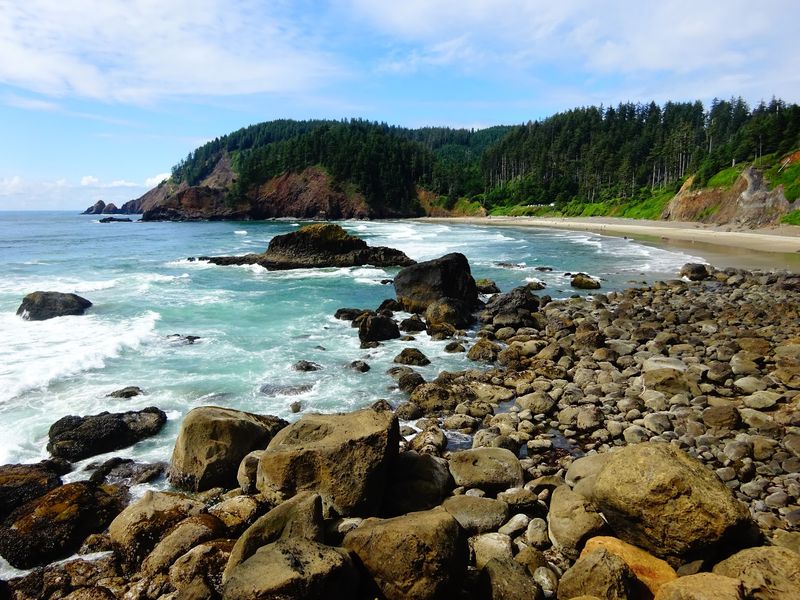
South of Cannon Beach, Hug Point State Recreation Site is currently closed due to erosion damage to its beach access, with no reopening date yet announced by Oregon State Parks, though its low tide waterfall, sea caves, and stagecoach road remain one of the coast’s most memorable finds once it reopens.
A natural waterfall drops directly onto the sand, a sight that stops most visitors mid-stride. Sea caves carved into the cliff face open up and invite exploration.
Most surprisingly, a section of old stagecoach road is still visible, cut into the basalt cliff by early travelers who hugged the point at low tide to pass safely.
Tide pools here rival those at Haystack Rock for variety and density of marine life. The relative distance from downtown Cannon Beach means the crowds thin out considerably.
Families with young children tend to love the combination of waterfall, caves, and accessible tide pool exploring.
Once it reopens, the site will remain easy to reach and free to enter, so it is worth checking Oregon State Parks for updates before planning a visit.
The Parking Problem Nobody Warned You About
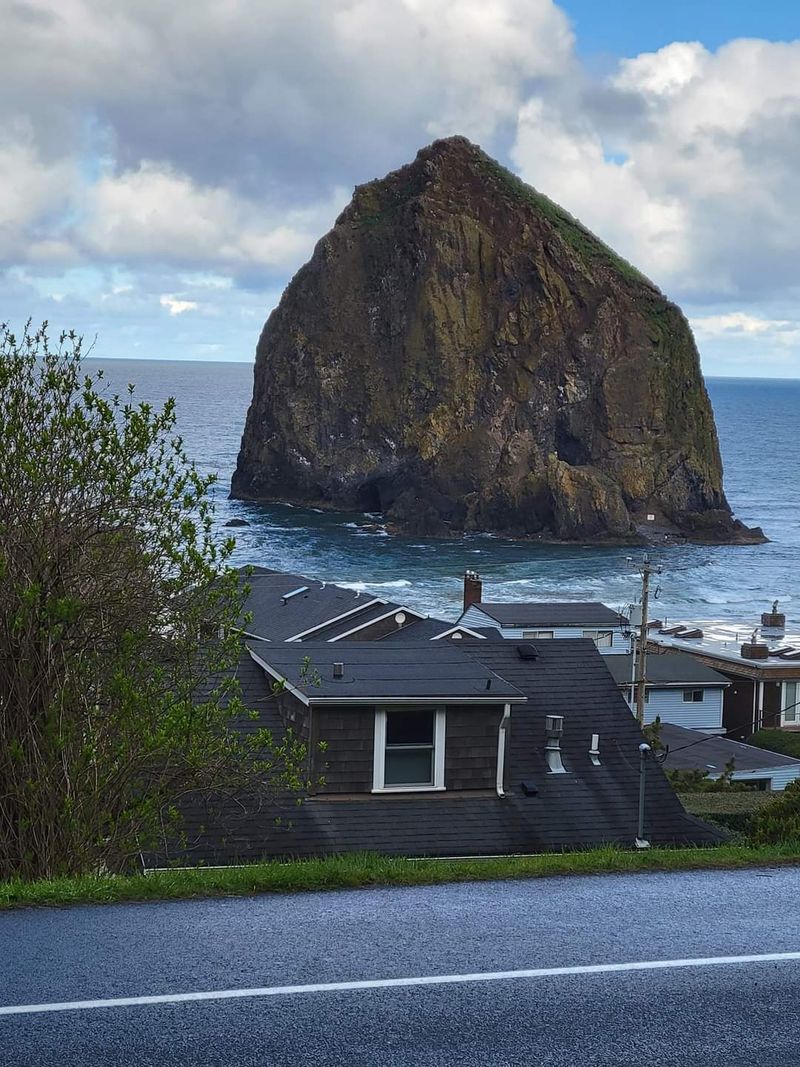
Fair warning to anyone planning a summer visit: parking in Cannon Beach is a serious challenge. The town’s layout is wonderfully walkable once you arrive, but getting there and finding a spot can test anyone’s patience on a busy weekend.
The most popular lots near the beach fill early. By mid-morning on a sunny Saturday in July, circling the streets looking for a space becomes a familiar ritual for late arrivals.
Some visitors end up parking far from the beach and walking a considerable distance just to reach the sand.
The town has made efforts to manage the flow, but the fundamental issue remains. A small Oregon community was never built to absorb the vehicle traffic that comes with hosting over a million visitors a year.
The practical advice most locals offer is simple: arrive early, park once, and explore everything on foot. The town is compact enough that walking between the beach, the galleries, and the restaurants is not just possible but genuinely pleasant.
Two legs beat four wheels here every time.
Wildlife That Does Not Care About The Crowds
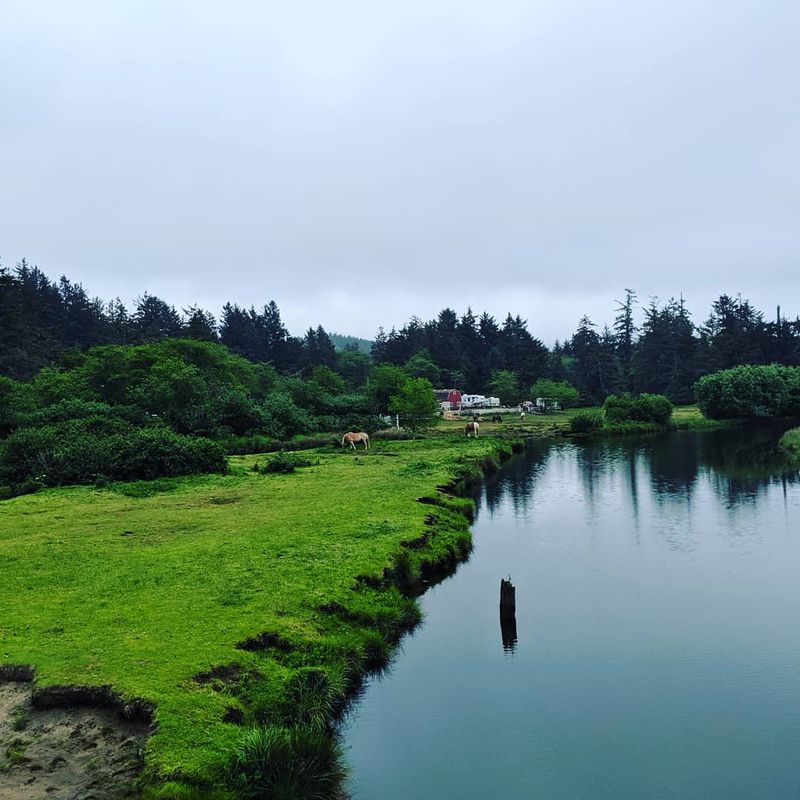
Amid all the human activity, the wildlife around Cannon Beach carries on with impressive indifference. Haystack Rock’s status as a National Wildlife Refuge means the animals nesting there enjoy legal protection, even as tourists photograph them from the sand below.
Tufted puffins arrive each spring to nest on the rock’s upper ledges. Their colorful beaks and awkward flight patterns make them crowd favorites.
Volunteers from the Haystack Rock Awareness Program educate visitors and keep people from getting too close to the tide pools and nesting zones.
Roosevelt elk occasionally wander into coastal meadows near town, offering a reminder that the Oregon wilderness begins right at the edge of the village. Seals haul out on offshore rocks, visible with binoculars from the beach.
Gray whales pass along the coast during their seasonal migrations.
Bald eagles are a regular sight above the headlands. The diversity of species accessible from a single small town is genuinely impressive.
For nature lovers, Cannon Beach offers far more than the postcard image of a beach crowded with sunbathers and kite flyers.
What The Off-Season Reveals
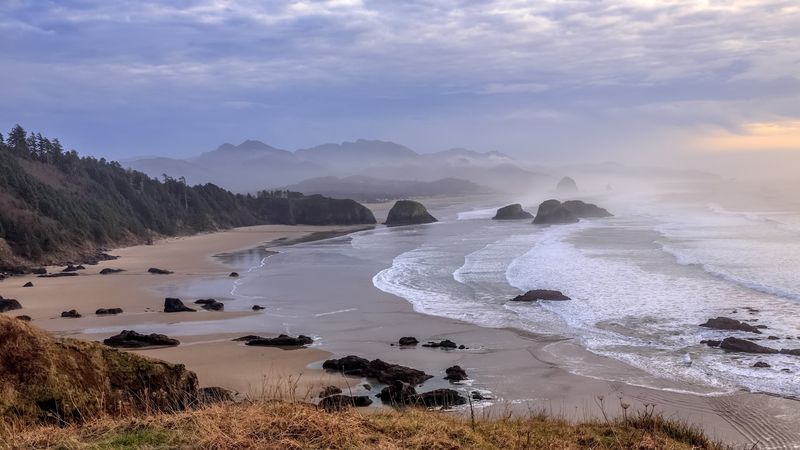
Locals have a saying about Cannon Beach in winter: that is when it belongs to them again. The summer crowds thin dramatically once school resumes and the weather turns unpredictable.
The town that felt impossibly packed in July becomes almost serene by November.
The Oregon coast’s off-season has its own appeal that summer visitors rarely discover. Storms roll in from the Pacific with theatrical force, sending waves crashing against Haystack Rock in ways that summer swells never quite match.
Storm watching has become its own draw, with visitors who prefer dramatic skies over sunny beach days.
Restaurants operate with shorter menus and quieter dining rooms. Locals reclaim their favorite coffee spots and walking routes.
The galleries feel more like genuine community spaces and less like tourist attractions during these quieter months.
Accommodation rates drop significantly in the off-season. Visitors who can tolerate rain and wind often find that the experience of Cannon Beach in winter is richer and more authentic than anything the peak summer season offers.
The trade-off is weather, and for many people, that trade is more than worth making.
The Housing Squeeze Behind The Scenic Facade
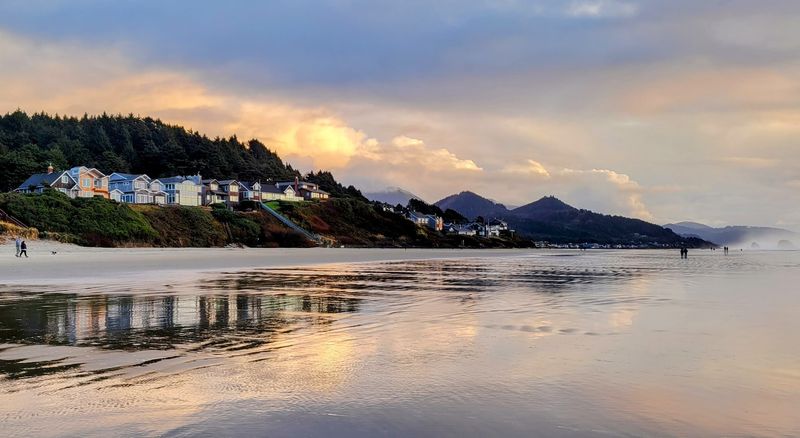
Behind the charming storefronts and ocean views, Cannon Beach wrestles with a housing crisis familiar to many popular tourist destinations. Property values in the area have climbed steeply as demand from vacation rental investors and second-home buyers outpaces local wages.
The result is a shrinking pool of affordable housing for the workers who staff the restaurants, galleries, and hotels that tourists depend on. Some employees commute long distances from more affordable communities along the Oregon coast because living in Cannon Beach itself has become financially out of reach.
Short-term rental platforms have converted many residential properties into vacation units, further reducing the supply of long-term housing. The town has explored various regulatory approaches to manage this shift, but solutions remain difficult to implement without alienating the property owners who also contribute to the local economy.
This tension is not unique to Cannon Beach, but it plays out here with particular visibility. The people who give the town its character are increasingly unable to afford the town they help create.
That contradiction sits at the heart of what makes this Oregon community such a complicated place to love.
Planning A Visit Without Adding To The Problem
Visiting Cannon Beach responsibly is possible with a little planning and self-awareness. The choices tourists make have a direct impact on both the natural environment and the community’s quality of life.
Arriving on a weekday rather than a Saturday in peak season makes a meaningful difference. Weekday crowds are noticeably lighter, parking becomes manageable, and the experience of walking through town feels far more relaxed.
Supporting locally owned restaurants and shops rather than chain businesses keeps more money circulating within the community.
Respecting the tide pools is non-negotiable. Picking up marine life or stepping carelessly through intertidal zones causes damage that takes years to recover.
The Haystack Rock Awareness Program volunteers are there to help, not to scold, and their guidance is worth following.
Staying in locally owned accommodations rather than large chain hotels also makes a difference. The Oregon coast has no shortage of independent inns and vacation rentals managed by community members.
Small decisions add up. Cannon Beach will keep drawing visitors regardless, but how those visitors show up shapes what kind of town it remains for the people who never leave.