
Locals Say This New Jersey Farmers Market Beats Every Supermarket On Price
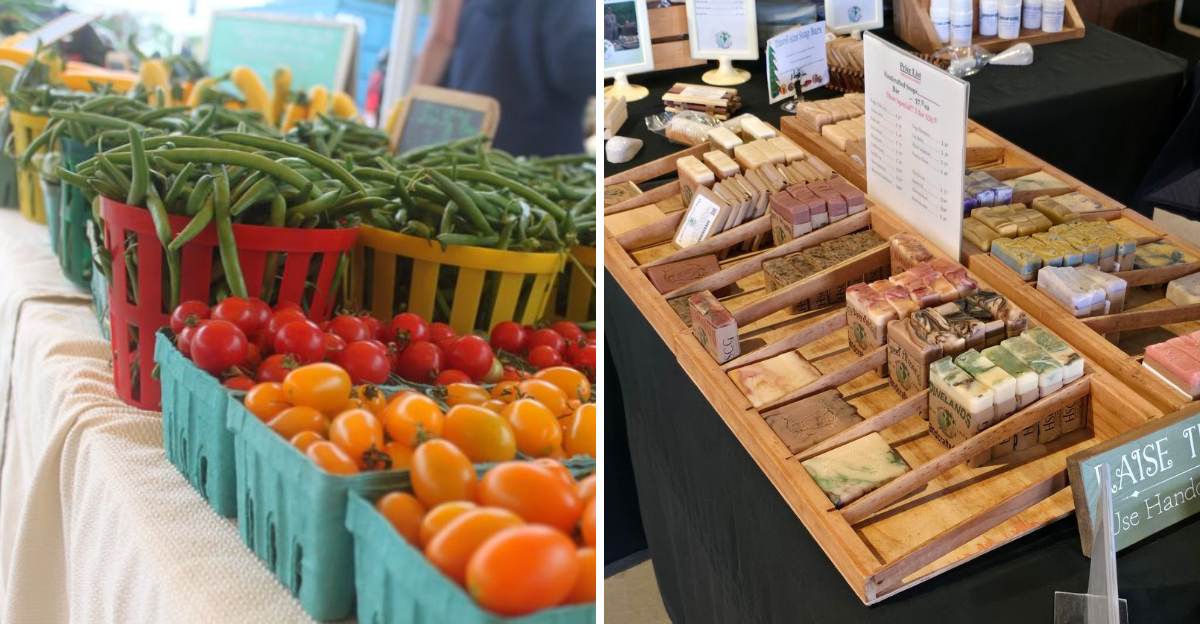
Grocery shopping should not feel like a financial setback, yet one glance at a supermarket receipt can ruin your entire mood. That is exactly why New Jersey shoppers keep talking about a farmers market where the prices almost seem impossible.
Fresh produce fills the displays, carts leave overflowing, and the total at checkout often costs far less than people expect. Regular customers know they can stock the kitchen without watching their budget disappear item by item. Even better, the quality does not feel like a compromise.
In a state where grocery bills seem to climb every month, finding a place like this feels like winning a small weekly victory. New Jersey locals return again and again, not because of flashy advertising, but because the savings are real.
Once you see what your money can buy here, your usual supermarket trip may suddenly feel much harder to justify.
Farm-Fresh Produce At Unbeatable Prices
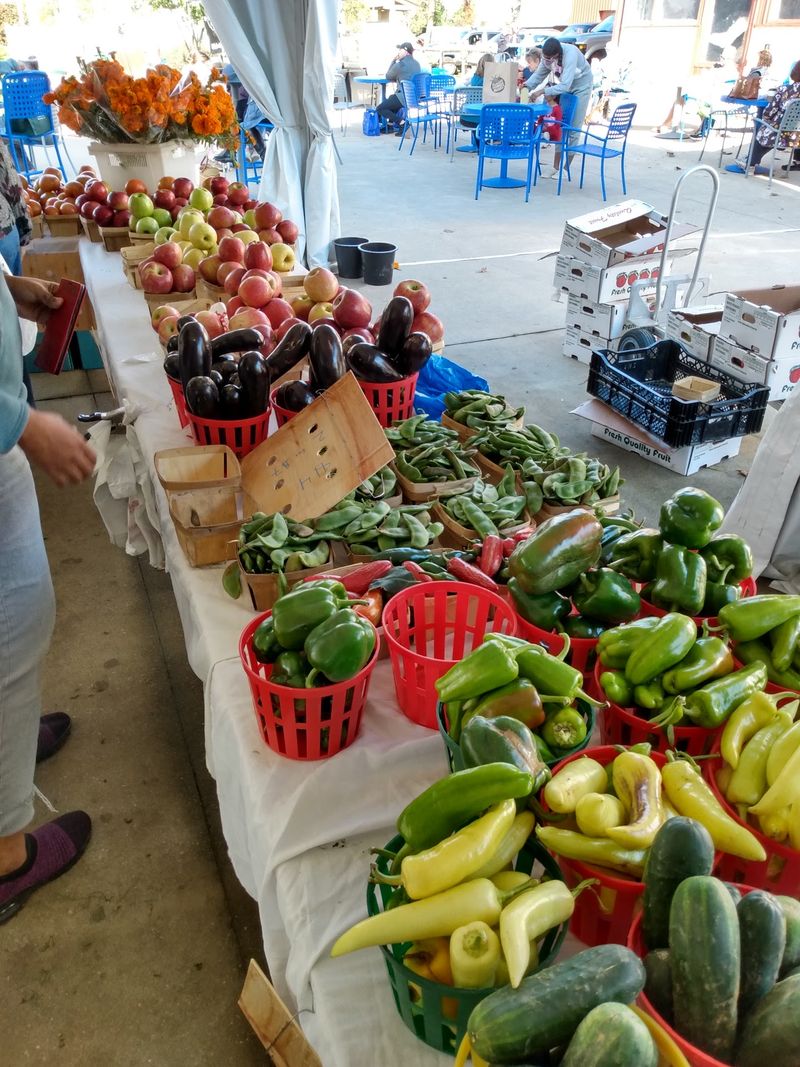
Walking through rows of vibrant vegetables and ripe fruits feels different when everything was picked within the last day or two. Supermarket produce often travels hundreds of miles before reaching shelves, losing flavor and nutrients along the way.
Local farmers bring seasonal crops directly to customers, eliminating the middleman costs that drive up grocery store prices. Kale, tomatoes, strawberries, and other staples appear at multiple vendor stands, creating friendly competition that keeps costs reasonable.
Seasonal availability means peak freshness coincides with the lowest prices. Spring greens, summer berries, fall squash, and winter root vegetables all arrive when they’re most abundant and affordable.
Shopping by season naturally saves money while ensuring the best taste and nutritional value.
Bulk buying becomes easier when you can talk directly with the grower about quantity discounts. Many vendors offer deals for customers purchasing larger amounts, perfect for meal prepping or preserving.
Artisan Bread That Costs Less Than Chain Bakeries
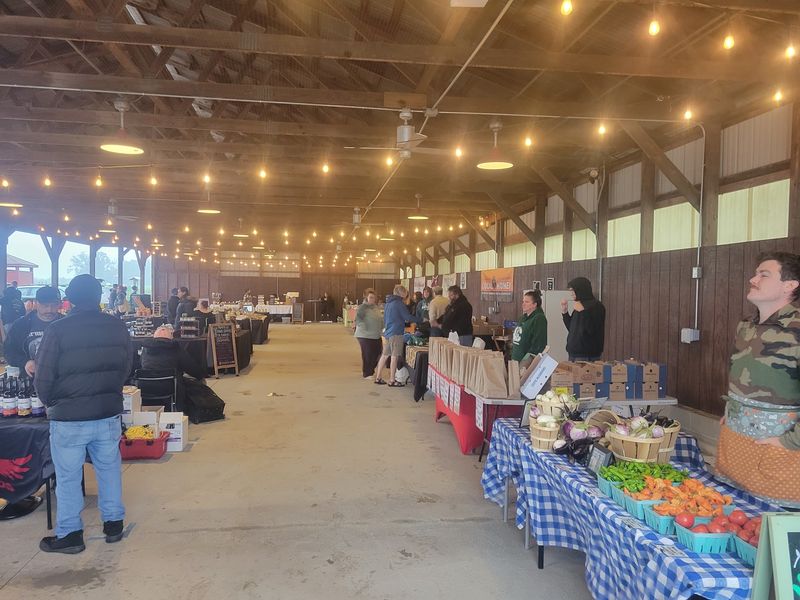
Crusty sourdough, hearty whole grain, and soft sandwich loaves line vendor tables with aromas that make your stomach rumble. Small-batch bakers bring breads made with simple ingredients and traditional techniques that mass producers abandoned long ago.
Burlington County Farmers Market is located at 4141 Route 38, Mount Laurel, New Jersey.
Pricing often surprises first-time shoppers who expect premium quality to mean premium prices. Without the overhead of storefronts and commercial kitchen rentals, these bakers pass savings directly to customers while maintaining higher standards than grocery chains.
Freshness makes a noticeable difference in both flavor and shelf life. Bread purchased Saturday morning stays soft and delicious through the following week without preservatives or additives.
Special dietary needs find solutions here too. Gluten-free, low-carb, and allergen-friendly options appear regularly from bakers who understand that everyone deserves good bread.
Ever wonder why homemade always tastes better?
Locally Raised Meats Without The Markup
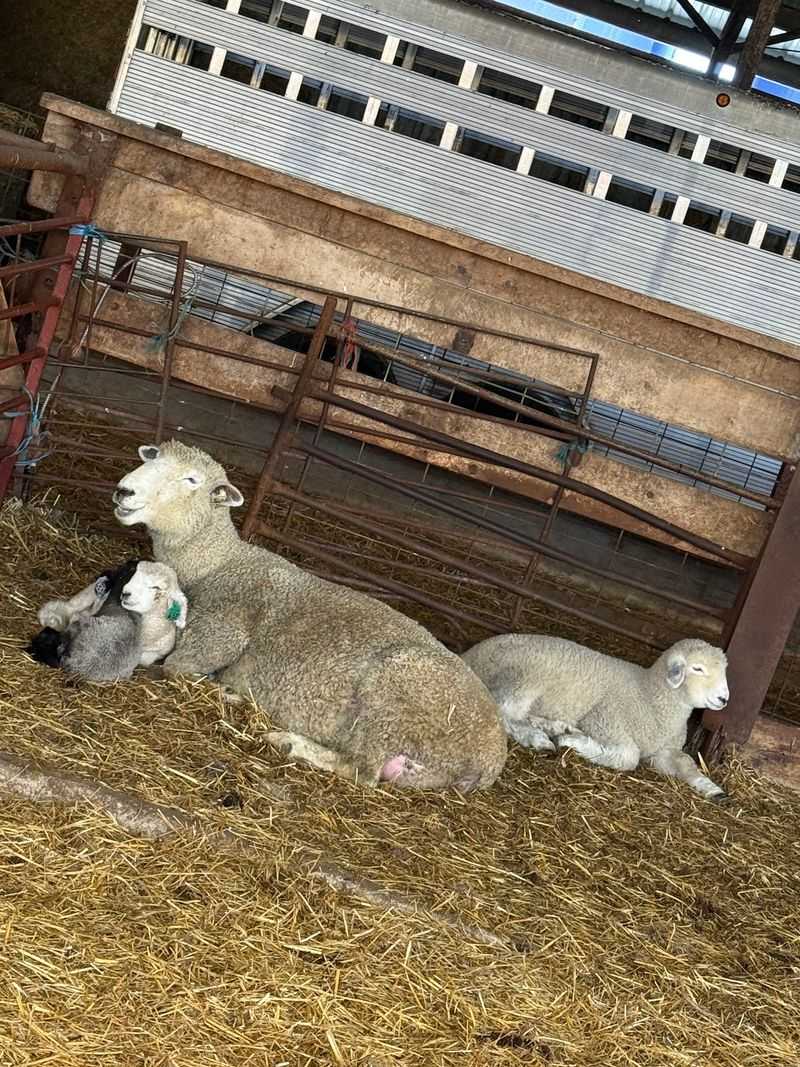
Knowing exactly where your protein comes from brings peace of mind that supermarket packaging never quite provides. Farmers raising chickens, beef, pork, and lamb on nearby properties offer transparency about animal welfare and feeding practices.
Cost comparisons reveal surprising savings, especially for premium cuts and specialty items. Grass-fed beef, pasture-raised chicken, and heritage pork breeds that command high prices at upscale grocers sell for less when purchased directly from producers.
Bulk purchasing options make even greater savings possible. Half or quarter animal shares, sold at per-pound rates below retail, fill freezers with months of quality protein at a fraction of store costs.
Vendors answer questions about cooking methods, cut selection, and preparation tips that you’d never get from a supermarket meat counter. Building relationships with farmers means getting personalized service and recommendations tailored to your preferences.
Handcrafted Soaps And Personal Care Products
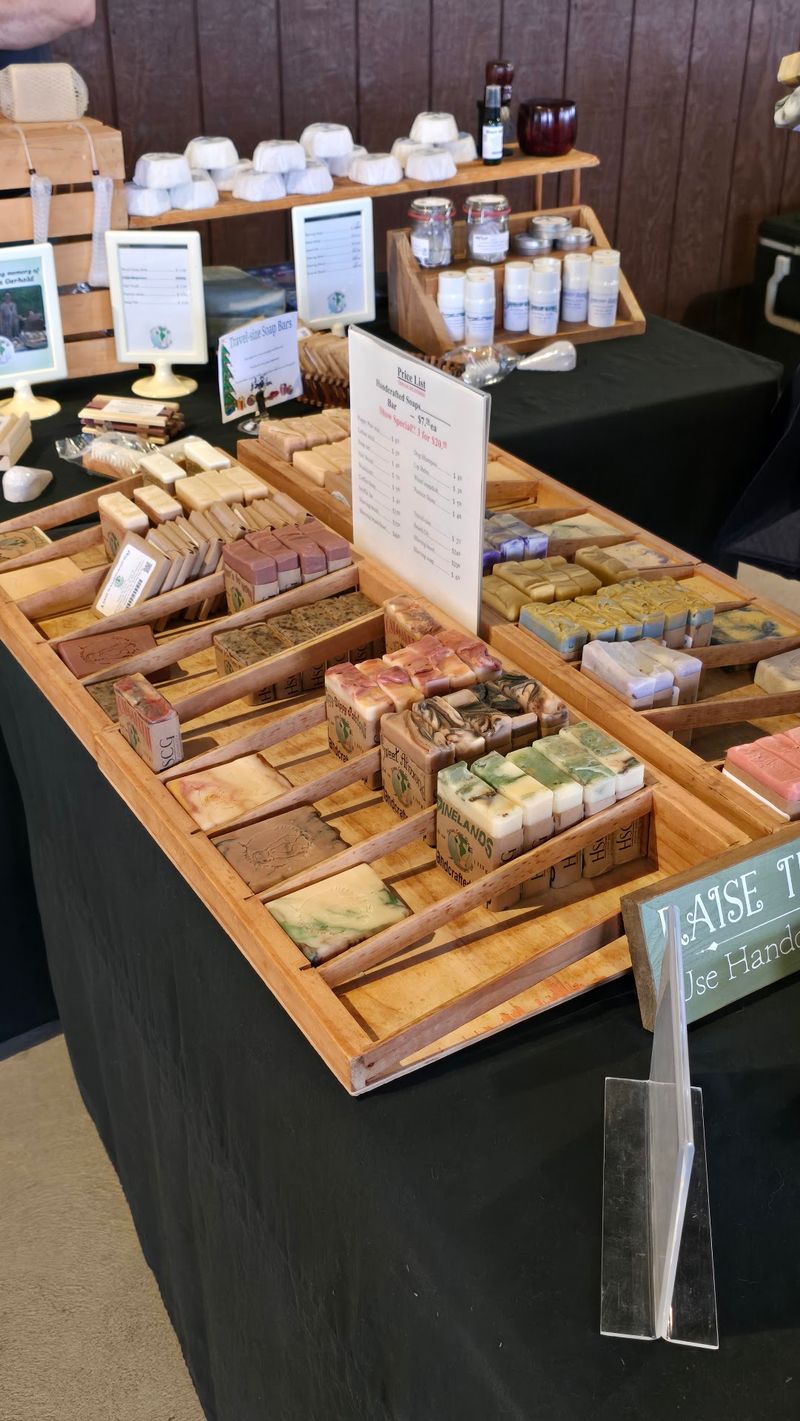
Shelves of beautifully crafted soaps, lotions, and bath products catch the eye with natural colors and enticing scents. Small-batch producers create personal care items using ingredients you can actually pronounce, unlike commercial brands loaded with chemicals.
Price points compete favorably with drugstore options while offering superior quality and customization. A bar of handmade soap costs roughly the same as mass-produced alternatives but lasts longer and feels gentler on skin.
Specialty formulations address specific needs without the premium pricing of boutique stores. Sensitive skin, eczema-prone complexions, and preference for particular scents all find solutions among the diverse vendor offerings.
Supporting local makers means investing in community economy rather than corporate profits. The person who made your soap stands right there to discuss ingredients, benefits, and usage tips.
How often does that happen at Target?
Fresh Eggs From Happy Hens
Cartons filled with eggs in shades of brown, white, blue, and green tell stories of diverse chicken breeds living better lives than factory farm birds. The difference shows immediately when you crack one open and see the deep orange yolk.
Pricing stays competitive with supermarket eggs while delivering noticeably superior quality. Free-range and pasture-raised eggs that cost premium prices at grocery stores sell for standard rates when purchased directly from small farms.
Nutritional benefits accompany the visual appeal. Eggs from chickens eating varied diets of bugs, grass, and grain contain higher levels of omega-3 fatty acids and vitamins than their confined counterparts.
Vendors often bring multiple flock types, offering choices between standard layers and specialty breeds. Duck eggs, quail eggs, and extra-large chicken eggs provide options for different cooking needs and dietary preferences.
Seasonal Flowers That Outlast Florist Bouquets
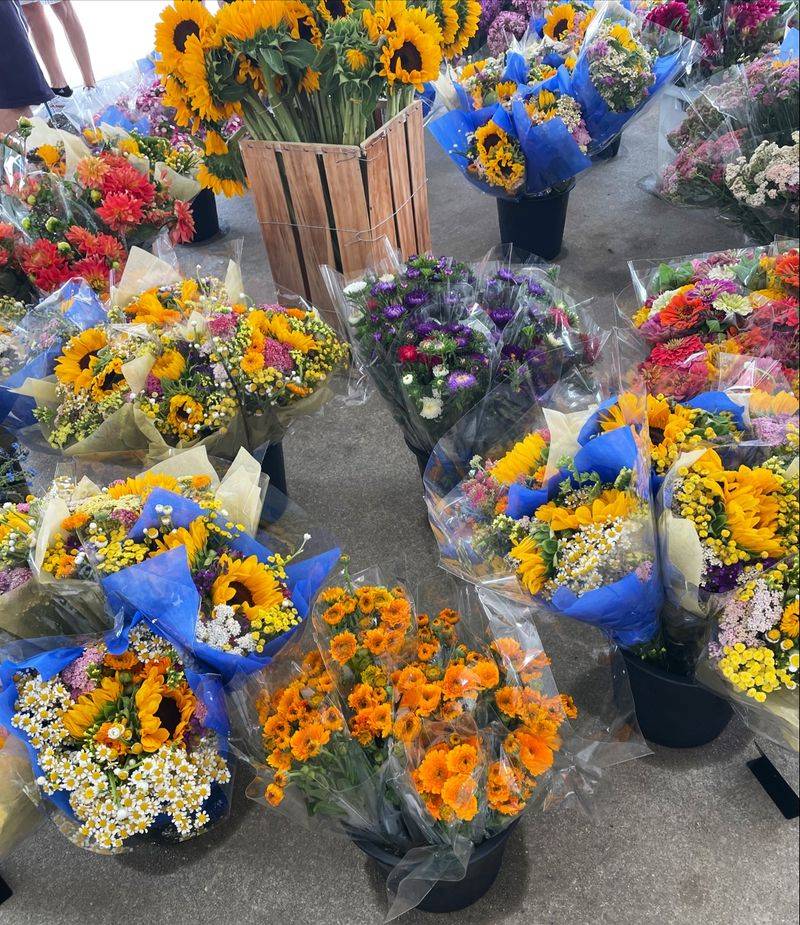
Buckets overflowing with zinnias, sunflowers, dahlias, and roses bring color to market mornings throughout growing season. Cut-flower farmers harvest blooms at peak freshness, ensuring longer vase life than imported flowers sold through traditional channels.
Cost savings become obvious when comparing similar arrangements. A bouquet that might cost thirty dollars at a florist shop sells for half that price directly from the grower, with more stems and better quality.
Seasonal rotation means constant variety without repetition. Spring tulips give way to summer cosmos, then fall mums, creating ever-changing displays that reflect natural growing cycles rather than forced greenhouse production.
Many vendors offer subscription services for regular flower buyers. Weekly or biweekly pickups ensure fresh blooms at home while locking in favorable pricing for committed customers.
Who doesn’t love fresh flowers on the kitchen table?
Honey And Maple Syrup Straight From The Source
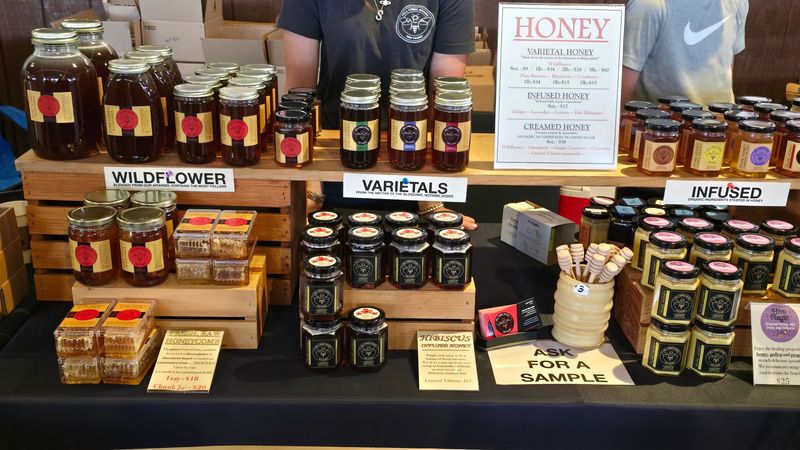
Golden jars of honey and amber bottles of maple syrup line vendor tables with varieties that supermarket shelves never stock. Local beekeepers and syrup producers bring products reflecting the specific plants and trees of the region.
Taste differences between mass-produced and small-batch sweeteners surprise people trying them for the first time. Wildflower honey, clover honey, and buckwheat honey each carry distinct flavors impossible to find in generic grocery store bottles.
Pricing remains reasonable despite superior quality and local production. A pound of raw, unfiltered honey costs about the same as processed commercial honey while offering more complex flavor and potential health benefits.
Producers share knowledge about their craft, explaining how weather, timing, and source materials affect final products. Learning about maple tapping seasons or bee foraging patterns adds appreciation to every spoonful.
Cheese From Regional Dairies
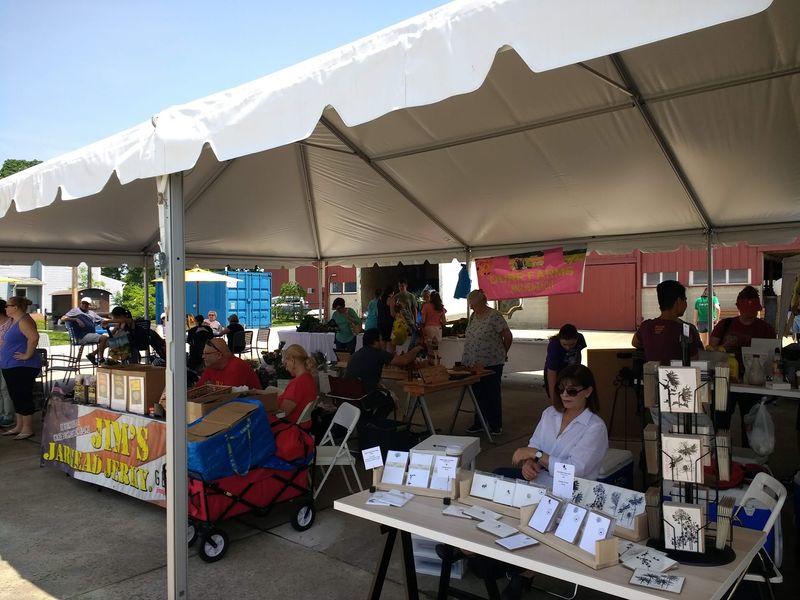
Cheese lovers discover varieties unavailable in standard grocery stores when exploring market dairy vendors. Small creameries produce everything from soft chevres to aged cheddars using milk from their own herds or nearby partner farms.
Sampling before purchasing removes the guesswork from trying new varieties. Vendors encourage tasting, offering small pieces that help customers find favorites without committing to full purchases of unfamiliar cheeses.
Price comparisons favor market shopping, especially for specialty and aged varieties. Artisan cheeses that command premium prices at gourmet shops sell for less when purchased directly from makers.
Freshness makes a tremendous difference in soft cheeses particularly. Ricotta, mozzarella, and fresh goat cheese bought within days of production taste completely different from their aged supermarket counterparts.
The texture alone will change your cooking game!
Prepared Foods And Baked Goods
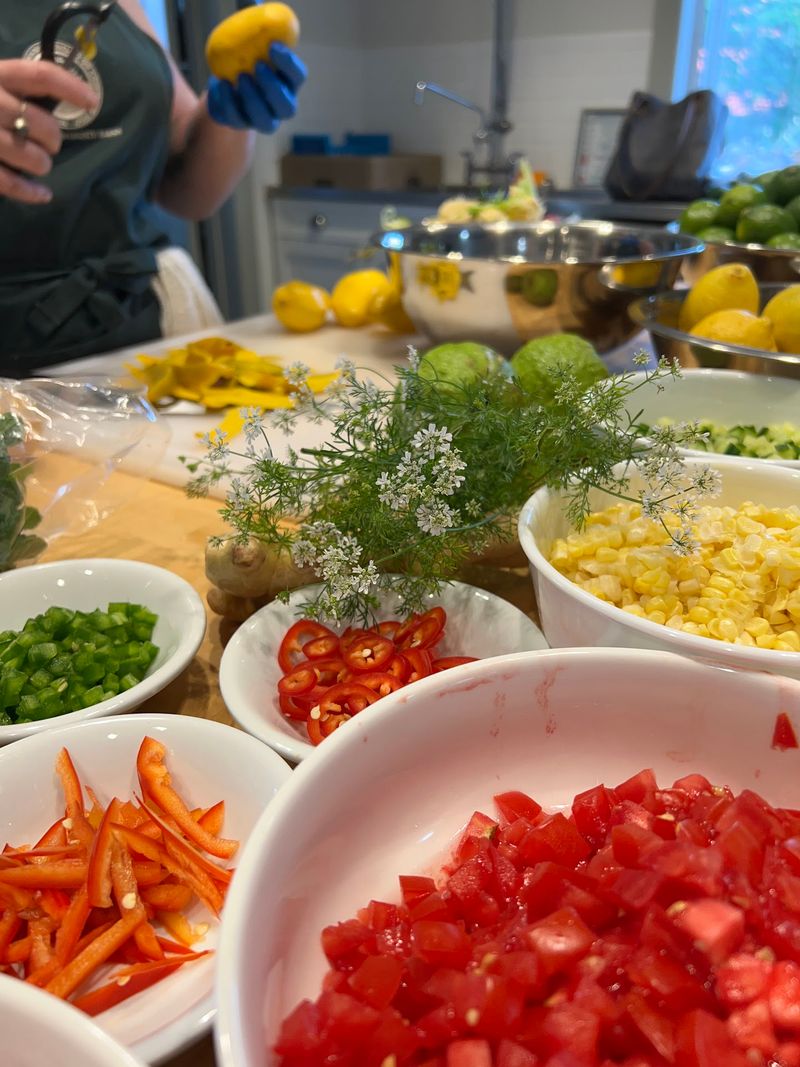
Ready-to-eat options range from breakfast pastries to lunch entrees, all made in small batches by local food entrepreneurs. Cookies, pies, jams, pickles, and specialty condiments offer convenient solutions for busy households.
Quality exceeds what commercial manufacturers produce at similar price points. Homemade-style treats use better ingredients and traditional recipes that prioritize flavor over shelf stability and mass production efficiency.
Variety changes with vendor availability and seasonal ingredients, keeping the selection interesting for regular shoppers. One week might feature strawberry jam while the next brings peach preserves, reflecting what’s currently abundant.
Supporting these small food businesses helps entrepreneurs test products and build customer bases. Many successful regional brands started at farmers markets before expanding to wider distribution.
Your purchase might support the next big local success story!
Plants And Garden Supplies For Green Thumbs
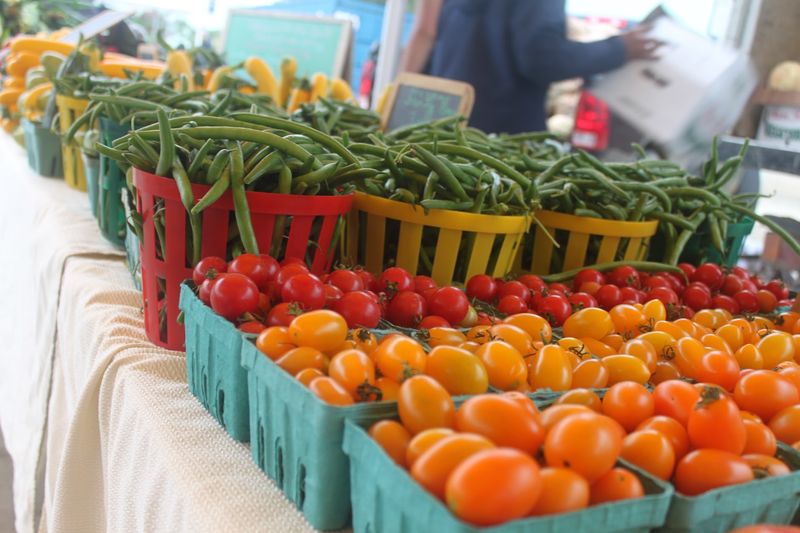
Flats of vegetable seedlings, herb starts, and flowering plants give gardeners head starts on growing seasons. Local nursery vendors bring varieties suited to regional climate and soil conditions, increasing success rates for home gardeners.
Pricing beats big-box garden centers while offering better plant quality and expert advice. Heirloom tomato seedlings, unusual pepper varieties, and hard-to-find herbs appear at reasonable prices with growing instructions included.
Garden supplies beyond plants also find space at some vendor booths. Organic fertilizers, seed packets, and handmade garden markers help complete the shopping experience for outdoor enthusiasts.
Talking with growers provides education that improves gardening success. Vendors share tips about planting timing, pest management, and harvest techniques based on years of experience.
Getting free advice with your purchase beats reading generic care tags any day!