
This Historic Nevada Lakeshore Reveals Fascinating Glass Treasures From The Past
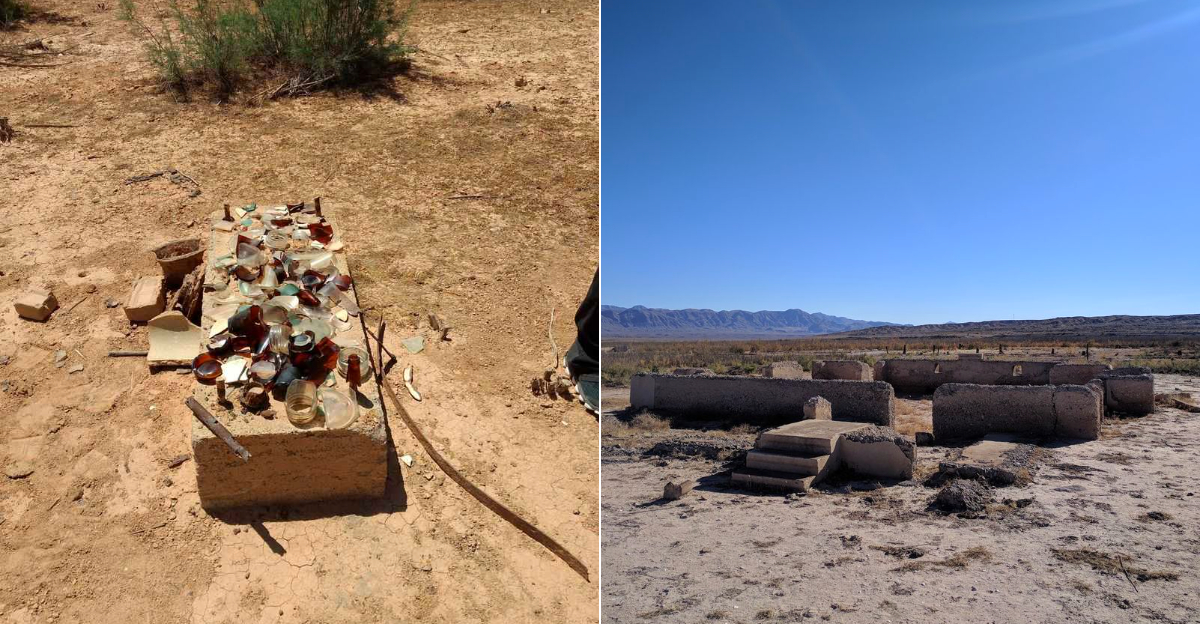
A vanished town can still make an entrance. When water levels drop in Nevada, pieces of a long-lost community begin to return to view.
Old foundations appear. Faded roads trace paths through the desert. Broken walls and scattered remnants slowly reveal a place that once had homes, businesses, and everyday life.
The details make it even more fascinating. Bits of vintage glass can sometimes be spotted along the exposed shoreline, adding unexpected flashes of color to the weathered landscape. They sit among ruins that spent decades hidden beneath the water.
Everything here feels frozen between two eras. One belongs to the people who once called this town home. The other belongs to visitors seeing its remains emerge again.
It is eerie, fascinating, and strangely beautiful. Few historic sites change this dramatically with the landscape, making every glimpse feel like history briefly opening the door again.
How A Once-Busy Town Took Shape
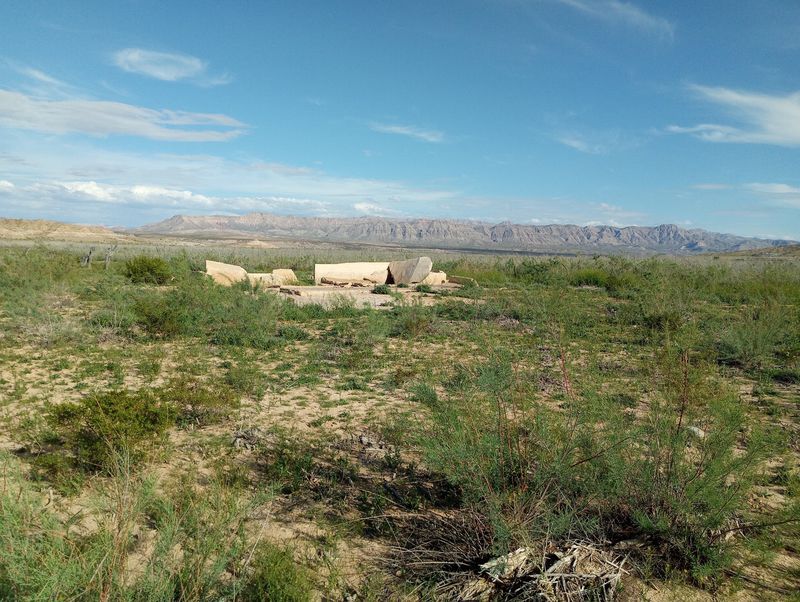
Few places in the American West carry the kind of eerie, time-bending magic that Saint Thomas does.
Located within the Lake Mead National Recreation Area in Nevada, this ghost town spent decades underwater before drought conditions began pulling the lake level down, slowly revealing its secrets.
The town was originally settled in the 1860s by Mormon pioneers. It grew into a small but lively community with farms, a post office, a school, and a general store.
As Lake Mead began filling, residents relocated, sold their land, and in some cases dismantled their homes before the town was inundated.
What makes Saint Thomas so compelling today is that the land does not stay hidden forever. As water levels fluctuate, the old settlement comes back into view. You can walk along the dry lakebed and see the outlines of buildings that once housed real families living full lives.
The site is open to visitors year-round, though the amount of ruins visible depends entirely on current water levels. Rangers at Lake Mead National Recreation Area can give you updated information before your visit.
Saint Thomas sits at the end of a short gravel road near Overton, Nevada, making it accessible for most vehicles. The experience of standing in a town that time literally swallowed is something you will not easily forget.
Where The Lakeshore Glass Came From
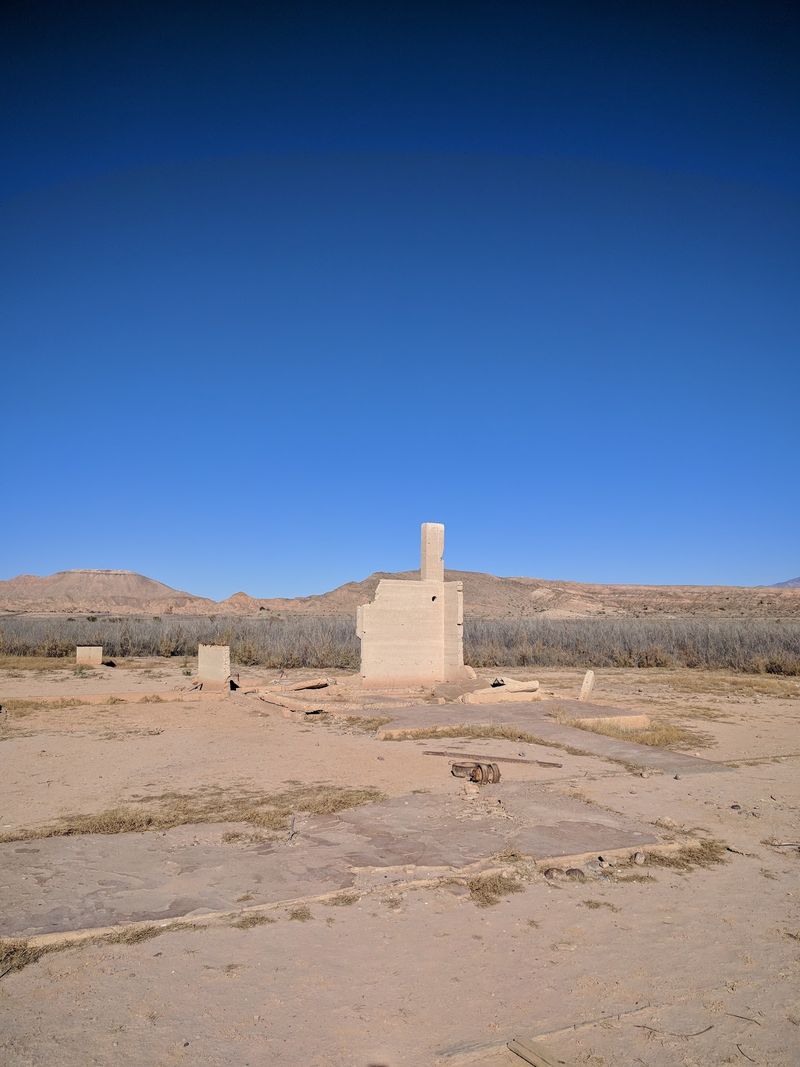
You might wonder how glass treasures ended up scattered across a dry lakebed in the Nevada desert. The answer goes back over a century, to the everyday lives of the people who called Saint Thomas home.
Families used glass bottles, canning jars, medicine vials, and household containers just like anyone would today.
When the town was inundated, some glass objects and other artifacts remained behind. Some glass pieces spent decades beneath Lake Mead before falling water levels exposed the townsite again.
Over time, the lake acted almost like a natural rock tumbler, rounding the edges and giving many pieces a frosted, sea-glass-like appearance.
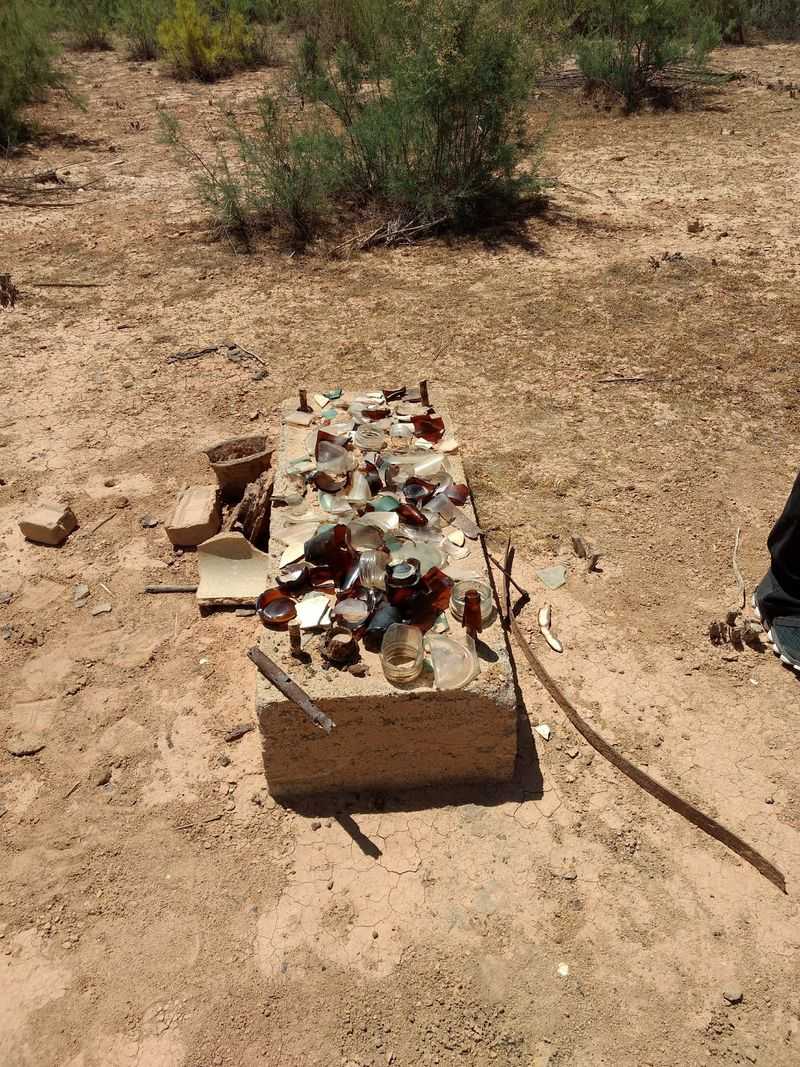
As the water level has dropped in recent years, those objects have slowly been deposited along the exposed lakeshore. Visitors walking the site often spot pieces of aqua blue, amber, clear, and even purple glass lying right on the surface of the ground.
The colors come from the original materials used in early 20th-century glassmaking.
Some older glass can develop an amethyst tint when manganese-containing glass is exposed to sunlight, but color alone cannot reliably determine the age of a shard. Each piece tells a small but real story about the people who once lived there.
What Visitors Can Still Find Today
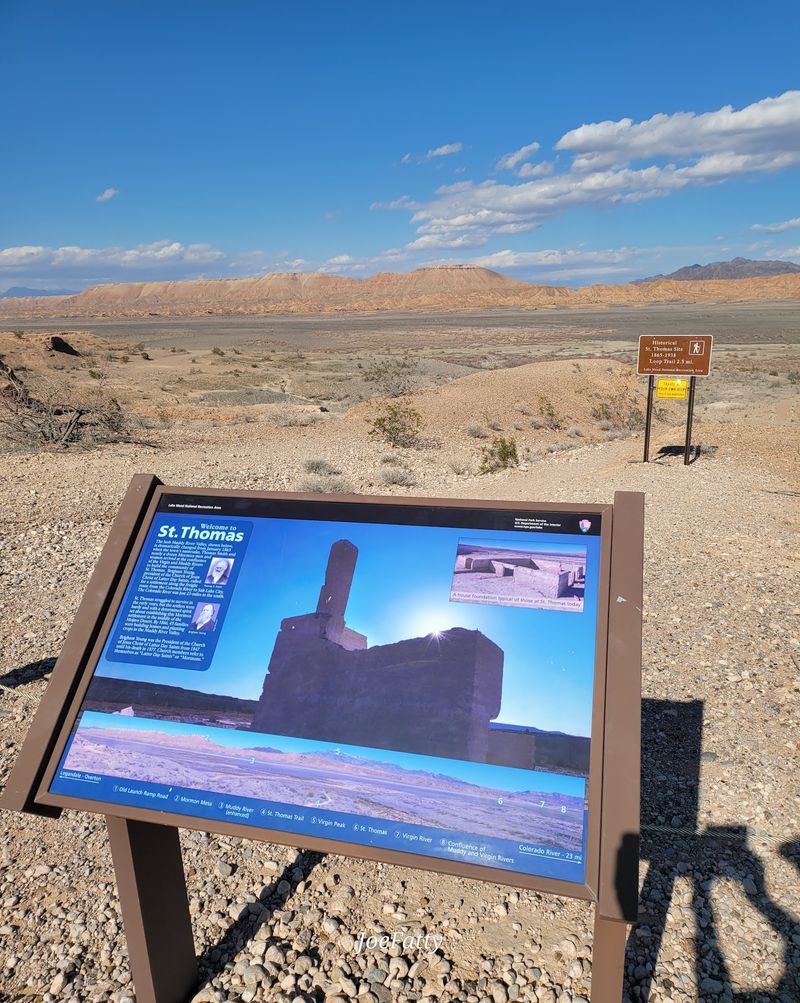
Visiting Saint Thomas feels a little like a treasure hunt, and that feeling is completely earned. The lakeshore around the old townsite is dotted with fragments of old glass, ceramic shards, rusted metal, and bits of brick.
These are not planted there for tourists. They are genuine artifacts left behind when the town was abandoned. Glass is by far the most plentiful find. You can spot pieces from old soda bottles, medicine containers, food jars, and window glass.
Some pieces are thick and chunky, while others are thin and delicate. The variety reflects the full range of household goods that a small desert community would have used in the early 1900s.
Alongside the glass, you may also come across old ceramic tiles, fragments of earthenware crockery, and the occasional piece of rusted iron hardware.
The stone and concrete foundations of homes and businesses are still visible in several areas, giving you a clear sense of where streets and buildings once stood.
One important rule to keep in mind: Saint Thomas is located within Lake Mead National Recreation Area, which means all artifacts are federally protected.
You are welcome to look, photograph, and appreciate everything you find, but removing any object from the site is against the law. Respecting that rule helps preserve this remarkable place for future visitors.
When Conditions Are Best For Exploring
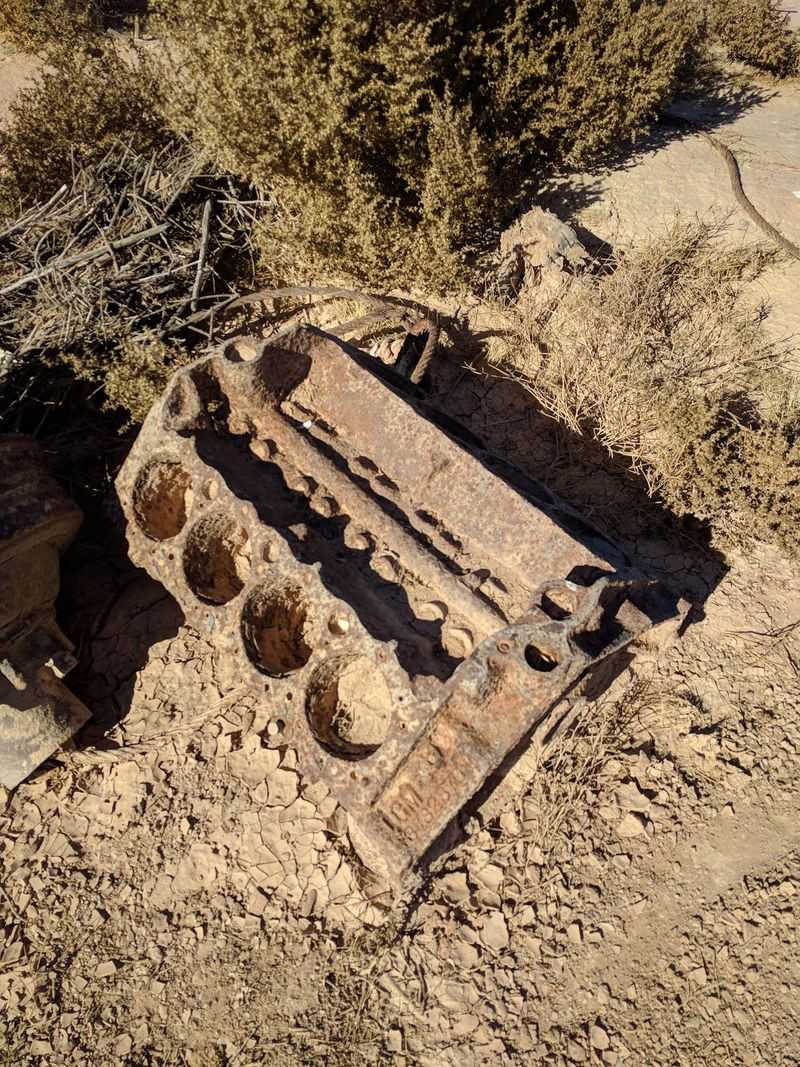
Timing your visit to Saint Thomas can make a big difference in what you get to see. The amount of the old townsite that is visible depends directly on the current water level of Lake Mead.
During years of prolonged drought, more of the town emerges. During wetter years, parts of it may be submerged again.
Cooler periods of the year can offer more comfortable conditions for exploring the site, while the amount of exposed terrain depends on Lake Mead’s water level. Morning visits are also recommended because desert temperatures can climb very quickly by midday.
You should check the National Park Service website for Lake Mead before your trip. They post current lake level information, and rangers can tell you how much of Saint Thomas is currently accessible.
The site address is approximately Northshore Road, near Overton, Nevada, and it is well-marked from the main road. Bring plenty of water, sunscreen, and sturdy footwear. The terrain is uneven, with rocky ground and loose soil that can be tricky to navigate.
Mornings on the lakebed can be surprisingly cool in the fall, so layering your clothing is a smart move. A good pair of polarized sunglasses also helps you spot glass glinting in the sunlight as you walk the shoreline.
The Story Behind This Forgotten Town
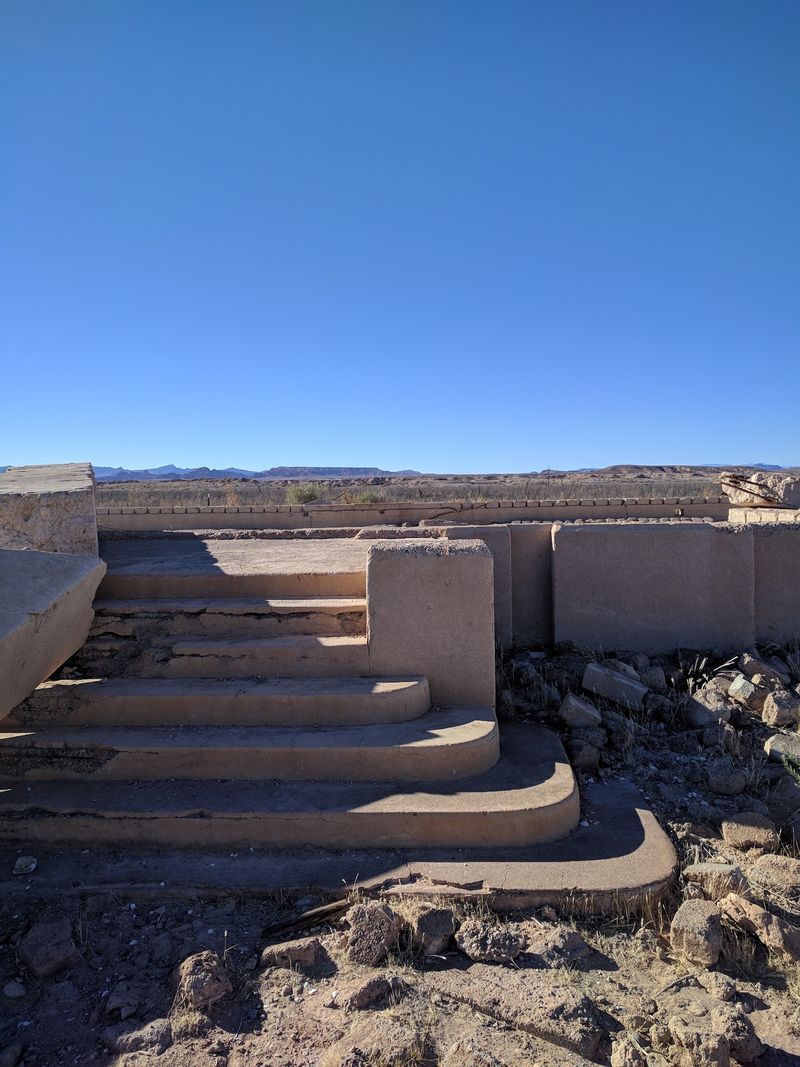
Saint Thomas has a history that stretches back more than 150 years, and understanding that history makes the visit far more meaningful.
The town was established around 1865 by members of The Church of Jesus Christ of Latter-day Saints, who were sent south from Salt Lake City to settle the Virgin River Valley in what is now southern Nevada.
For a time, there was even confusion about whether Saint Thomas was in Nevada or Utah, since early surveys placed it in Utah Territory. When a new survey in 1871 confirmed it was in Nevada, residents had to pay back taxes to the state of Nevada or leave.
Many left, and the town nearly disappeared before being resettled in the 1880s.
By the early 1900s, Saint Thomas had grown into a stable agricultural community. Farmers grew melons, grapes, and other crops using irrigation from the Virgin River.
The town had a school, a church, and the kinds of small businesses that any close-knit rural community would need to thrive.
All of that ended when the federal government began construction on Hoover Dam. Residents received notice that their town would eventually flood, and by 1938 the last resident, a man named Hugh Lord, rowed away from his home as the water rose around it.
That poignant moment marked the end of Saint Thomas as a living town and the beginning of its life as a legend.
Clues Hidden Among The Old Foundations
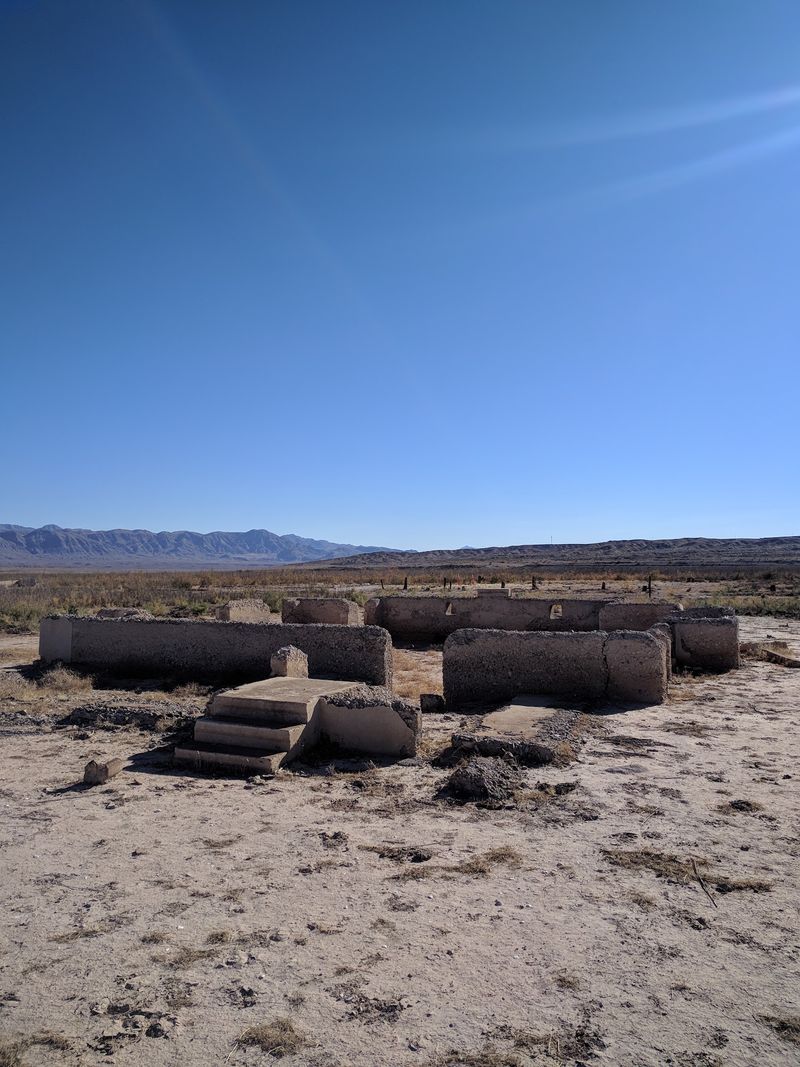
Once you step onto the lakebed at Saint Thomas, the layout of the old town starts to come into focus surprisingly quickly. Concrete and stone foundations remain visible even after spending decades beneath Lake Mead.
You can clearly make out the footprints of individual homes, storage buildings, and what was once the main road through town.
The largest and most recognizable structure is the foundation of the old store, which sits near the center of the townsite. Walking around it, you get a real sense of scale.
Saint Thomas was not a massive city, but it was a proper town with structure, order, and community planning built into its layout.
Smaller residential foundations are scattered throughout the area, and if you look carefully, you can sometimes spot remnants of old garden walls or fence lines.
These small details remind you that real people tended these spaces with care, growing food and building lives in one of the most arid corners of Nevada.
Glass and other historic artifacts can still be found around the townsite and its remaining foundations. Spending time around the foundations is one of the best strategies for spotting interesting glass pieces.
The whole experience carries a quiet, reflective quality that is hard to find anywhere else in the American Southwest.
Simple Ways To Capture The Details
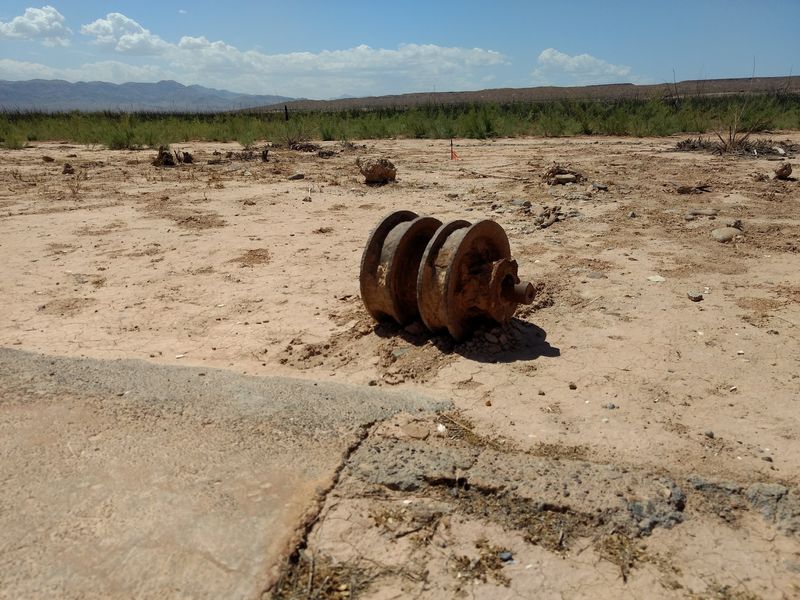
Saint Thomas is one of the most photogenic locations in the entire Lake Mead National Recreation Area, and photographers who visit for the first time are often blown away by the visual possibilities.
The combination of ancient ruins, wide open desert sky, shimmering lake water, and colorful glass fragments on the ground creates a layered visual story that is genuinely rare.
The golden hours, meaning the hour after sunrise and the hour before sunset, produce the most dramatic light at this location. The low angle of the sun casts long shadows across the foundations and makes the glass pieces glow with color.
If you visit at midday, the flat overhead light tends to wash out the textures and details that make the site so striking.
For close-up shots of glass fragments, a macro lens or a smartphone in portrait mode works beautifully. Getting down low and shooting at ground level gives your photos a sense of scale and intimacy that you simply cannot achieve from a standing position.
Wide-angle shots that include the ruins in the foreground with Lake Mead stretching out behind them are particularly powerful. They tell the full story of what happened here in a single frame.
Nevada has no shortage of dramatic landscapes, but Saint Thomas offers something that almost no other location can, which is a scene where human history and natural forces have shaped the land together over more than a century.
Why This Historic Site Deserves A Visit
Some places earn their reputation through sheer natural beauty. Others earn it through history.
Saint Thomas, located within Lake Mead National Recreation Area off Northshore Road near Overton, Nevada, earns it through both, and then adds a layer of mystery on top of everything else.
The experience of walking through a town that was literally swallowed by a lake and then slowly given back by drought is not something you can replicate anywhere else in the United States. Every step you take covers ground that was once a front yard, a garden path, or a main street.
The glass you spot glinting in the dirt was once part of someone’s kitchen cabinet or medicine shelf.
For families, history enthusiasts, photographers, and anyone who appreciates the unexpected, Saint Thomas delivers a visit that stays with you long after you drive back out on the gravel road.
The townsite is reached by a 2.5-mile round-trip trail that NPS rates as moderate, and standard Lake Mead entrance fees may apply.
Nevada has many remarkable places to explore, but Saint Thomas stands apart because it asks something of you. It asks you to slow down, look closely, and think about the people who came before.
When you spot a piece of frosted glass lying on the lakebed, you are looking at a quiet piece of American history.