
West Virginia Cat Sanctuary Offers Rescued Cats Love Safety And A Second Chance At Life
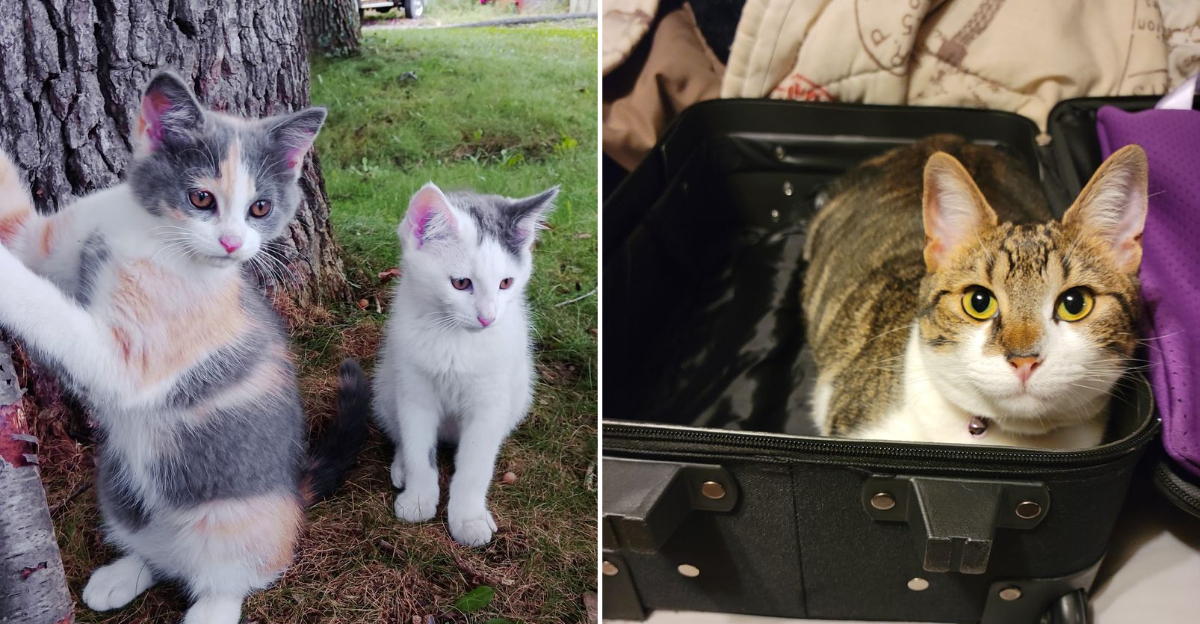
Even though most of the time they act like they couldn’t care less about you, these furry companions still need our attention. This West Virginia cat sanctuary built its entire mission around giving that attention to cats who never got it before.
Rescued cats arrive here from situations ranging from neglect to simple abandonment, each with a different story behind them. Space here allows cats to live without cages for most of the day, roaming freely in areas designed for comfort.
Staff handle medical needs and rehabilitation before any cat gets considered ready for adoption. Some cats stay permanently, unadoptable due to age or health, living out their lives cared for regardless.
Visitors can tour the sanctuary, often leaving with a new understanding of what rescue work actually involves. This sanctuary proved that safety and love can undo years of a difficult past.
Adoption Process And Requirements
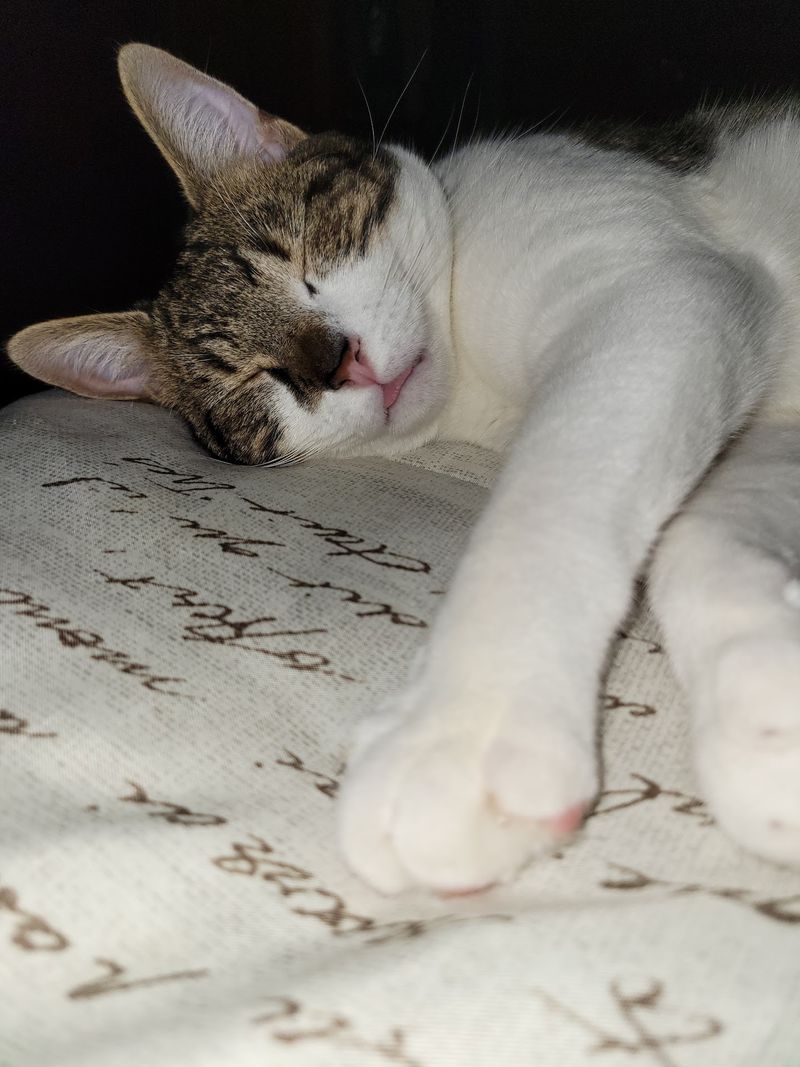
Getting a cat from Second Chance for Cats is a straightforward process. You fill out an adoption application and provide personal and veterinary references.
The team reviews everything carefully before moving forward.
The adoption fee is not expensive. Every cat gets spayed or neutered before going home with you.
They also receive vaccinations and are dewormed ahead of time.
This means your new cat arrives ready for a healthy life. You are not walking into surprise vet bills right away.
The sanctuary handles the medical groundwork so you can focus on bonding.
The process is designed to match cats with the right families. Staff takes time to help you find a good fit.
Whether you want a kitten or an adult cat, options are available.
The sanctuary is located at 874 Littlesburg Rd, Bluefield, WV 24701. Visiting hours are limited, so checking ahead is a smart move.
Planning your visit ensures a smooth and enjoyable experience.
Common Health Issues Among Rescued Cats
Rescued cats often arrive with a range of health challenges. Many have never seen a vet before being brought to the sanctuary.
Second Chance for Cats takes health seriously from day one.
Every adult cat is spayed or neutered before adoption. Vaccinations, including rabies, are given to keep cats and families safe.
De-worming is also part of the standard care routine.
The organization partners with the West Virginia Spay Neuter Assistance Program. This partnership helps extend medical care to more animals in the region.
It is a practical way to stretch limited resources further.
Upper respiratory infections are common in shelter environments. Cats living outdoors often carry parasites and untreated wounds.
The team works to address these issues before any cat goes to a new home.
Ongoing medical treatment is a core part of the sanctuary’s mission. Cats are not just fed and housed here.
They receive real care that prepares them for a stable, healthy life with a loving family.
Importance Of Socialization In The Shelter
Socialization is one of the most important things a shelter can offer a cat. Without it, cats can become fearful and hard to place in homes.
Second Chance for Cats understands this deeply.
Foster care plays a huge role in keeping cats social. Pregnant mothers, orphan kittens, and convalescing cats all benefit from foster environments.
A home setting helps them adjust to human interaction at a comfortable pace.
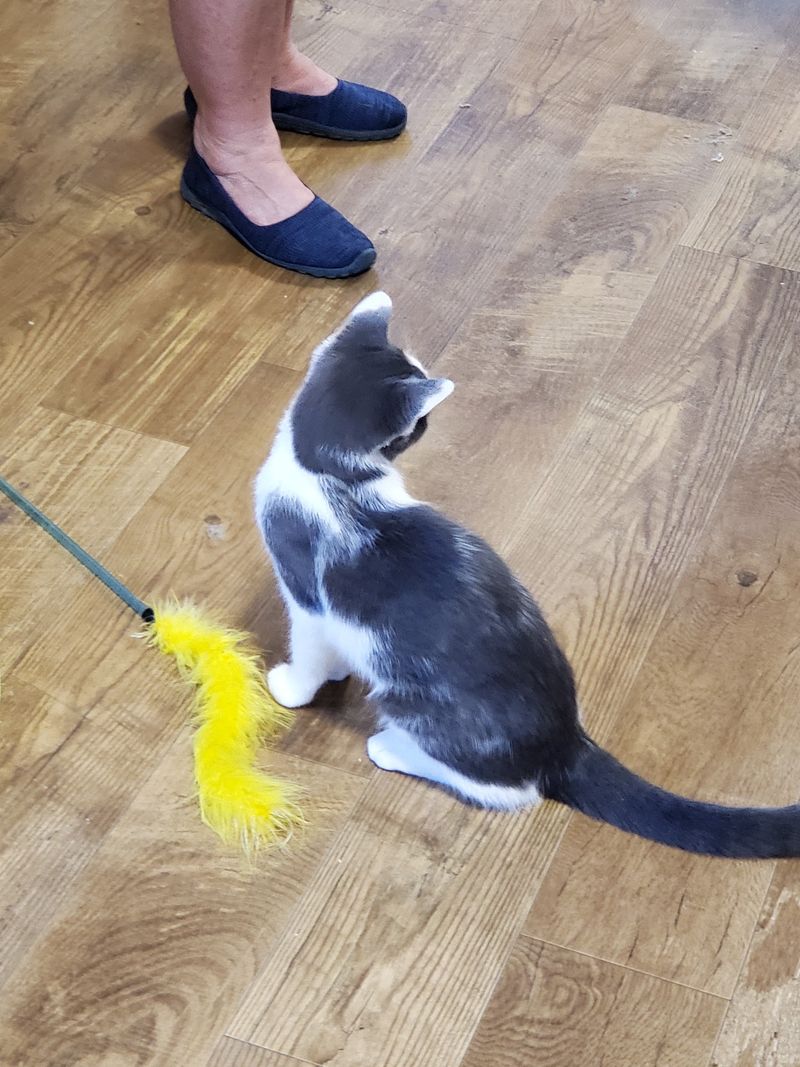
Kittens especially need early handling to grow into friendly, adoptable cats. Being held, talked to, and played with makes a real difference.
It shapes how they respond to people for the rest of their lives.
Foster families provide something a shelter building cannot always replicate. Quiet routines, individual attention, and a calm space do wonders for anxious cats.
The transition to a permanent home becomes much smoother as a result.
The sanctuary actively seeks foster volunteers for these specific needs. If you have a spare room and a patient heart, fostering is worth considering.
You are not just helping one cat. You are setting the stage for a successful adoption.
Volunteer Opportunities And Community Involvement
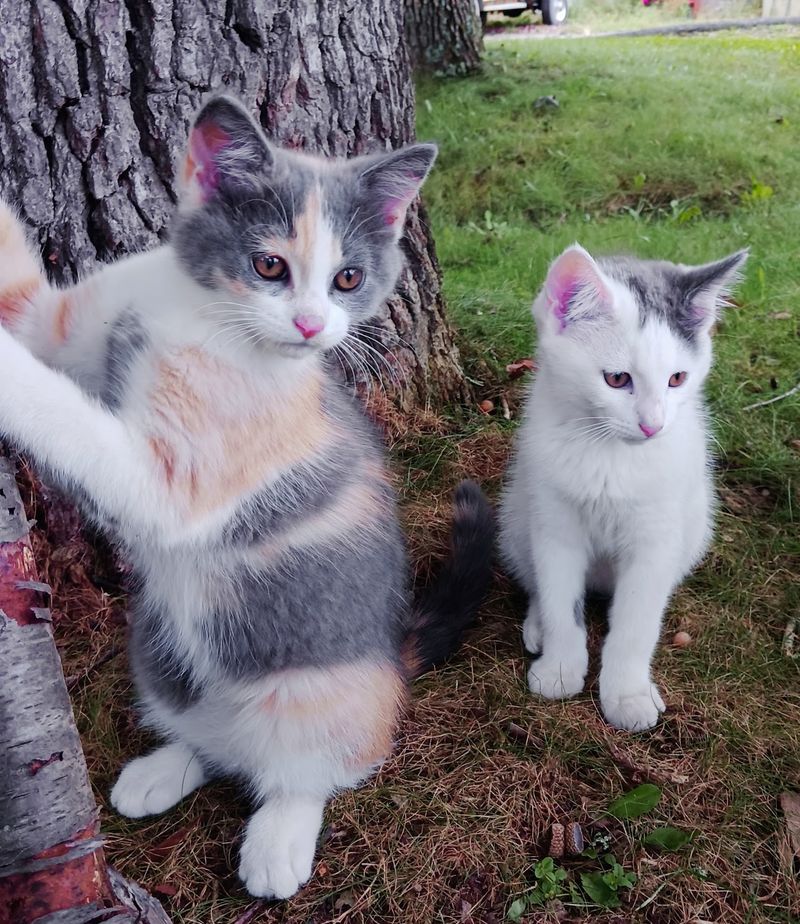
Second Chance for Cats runs largely on volunteer power. Regular and part-time volunteers keep the operation going every week.
Without them, the work simply could not happen at this scale.
Volunteers help with cleaning the adoption center and caring for the cats daily. There are also roles for so-called kitten cuddlers, which is exactly what it sounds like.
Holding and socializing young kittens is a real and needed job here.
Skilled laborers are also welcome. The facility needs ongoing repairs and upgrades to stay functional.
If you can fix things, build things, or improve spaces, your skills are valued.
Tech-savvy volunteers can contribute through website updates and social media management. Spreading the word online helps cats get seen and adopted faster.
It is a task that can even be done from home.
The organization also manages a Pet Food Bank at Union Mission. Cat and dog food donations are accepted there for pet owners in need.
Community involvement goes beyond the shelter walls here. Getting involved does not require a huge time commitment.
Even a few hours a month makes a measurable difference for the animals in their care.
Fundraising Events And Support Strategies
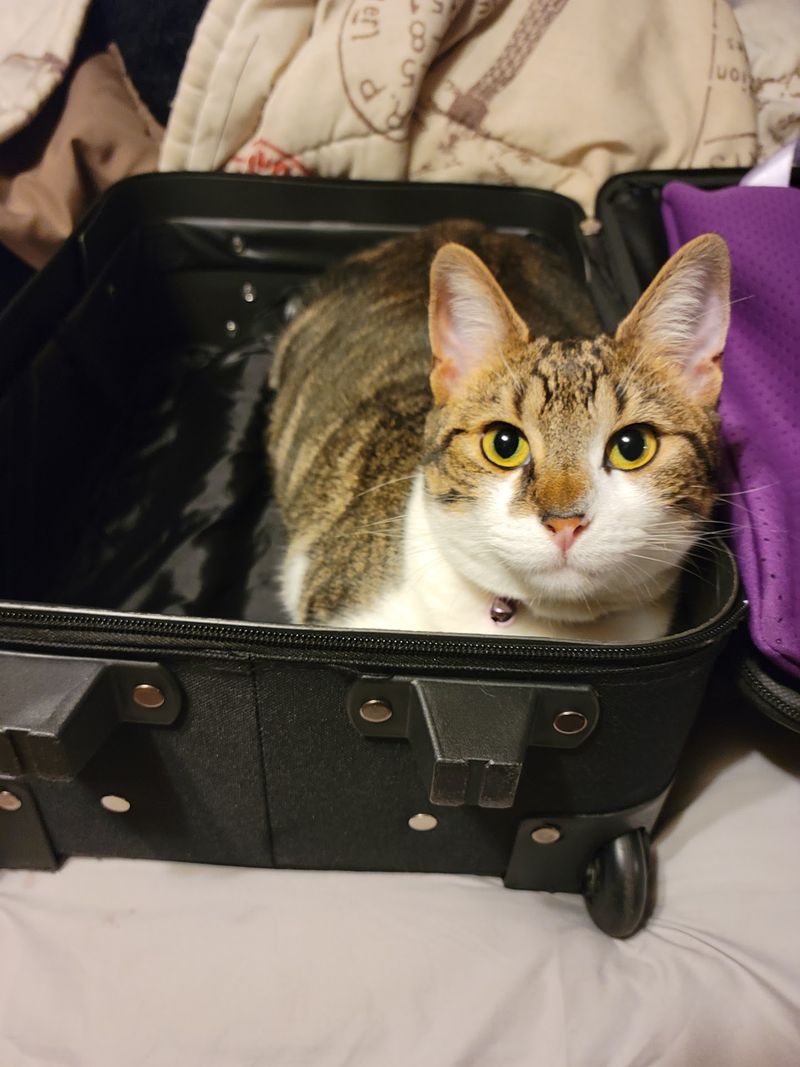
Second Chance for Cats is a registered 501c3 non-profit organization. That means donations are tax-deductible, which is always a nice bonus.
Financial support is what keeps the lights on and the cats cared for.
Donations can be made through PayPal or by debit and credit card. Monthly giving is especially helpful because it creates a reliable funding stream.
Even a small recurring donation covers spay and neuter services over time.
The sanctuary participates in the Kroger Community Rewards program. If you shop at Kroger, linking your card to the organization costs you nothing extra.
It is one of the easiest ways to support without spending more.
Recycled clean aluminum cans, ink cartridges, and plastic bags are also accepted. These everyday items help generate small but meaningful income for the shelter.
Wish lists on Walmart and Amazon make it easy to send needed supplies directly.
Second Chance for Cats is also a partner of Best Friends Animal Society. This national connection brings added visibility and resources to the local mission.
Help with fundraising events and promotion is always welcome. The more people who know about this place, the better the outcomes for the cats waiting for homes.
Nutritional Needs And Feeding Practices
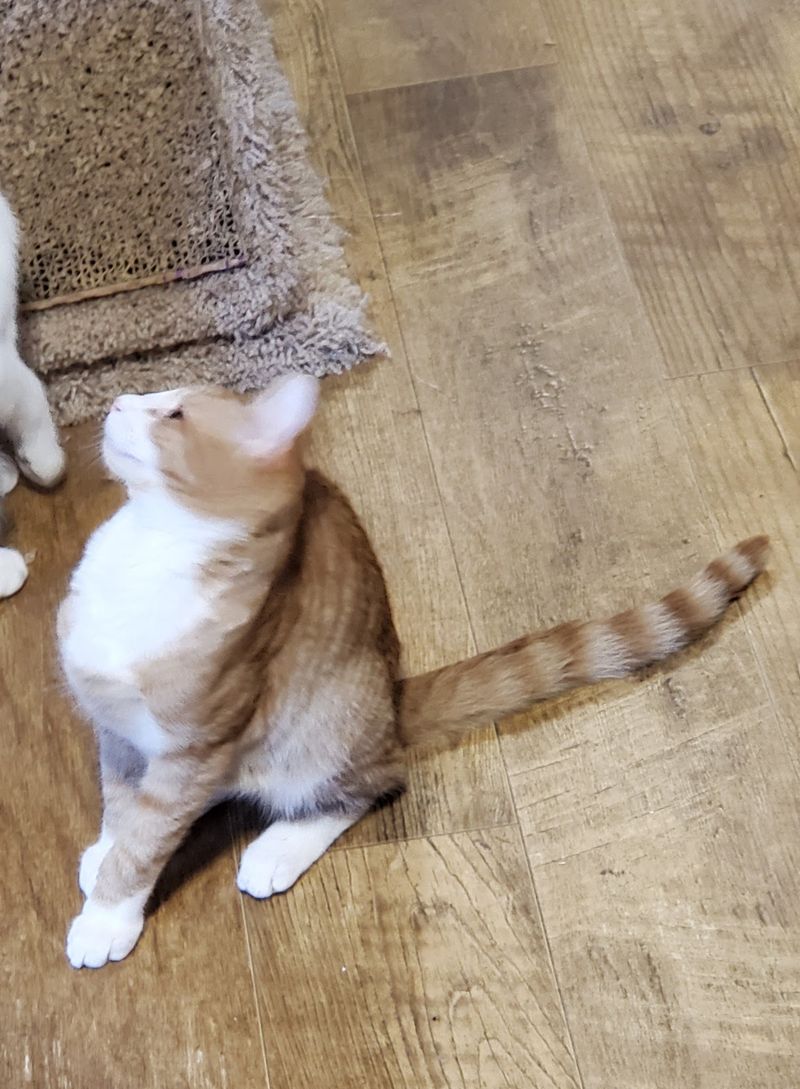
Feeding over 100 cats takes a serious amount of food and planning. Second Chance for Cats maintains a Pet Food Bank to support both the shelter cats and community pet owners in need.
Keeping cats well-fed is a non-negotiable part of their care.
Specific brands are preferred because they meet the nutritional standards the cats need. Purina Cat Chow and Purina Pro Plan dry food are regularly used.
Purina One Healthy Kitten formula is especially important for growing young cats.
Wet food also plays a role in the feeding routine. Friskies canned food, both pate and shreds varieties, are on the needed supplies list.
Wet food helps with hydration, which is important for cats that do not always drink enough water.
Temptation treats are also listed as a need. Treats serve a purpose beyond just being tasty.
They help with training, bonding, and encouraging shy cats to warm up to people.
Donating food is one of the most direct ways to help. Items can be dropped off at the Union Mission Pet Food Bank location.
Every bag and can donated stretches the organization’s budget further. It is a simple act that has a real impact on the daily lives of the cats in their care.
Environmental Enrichment And Comfort Features
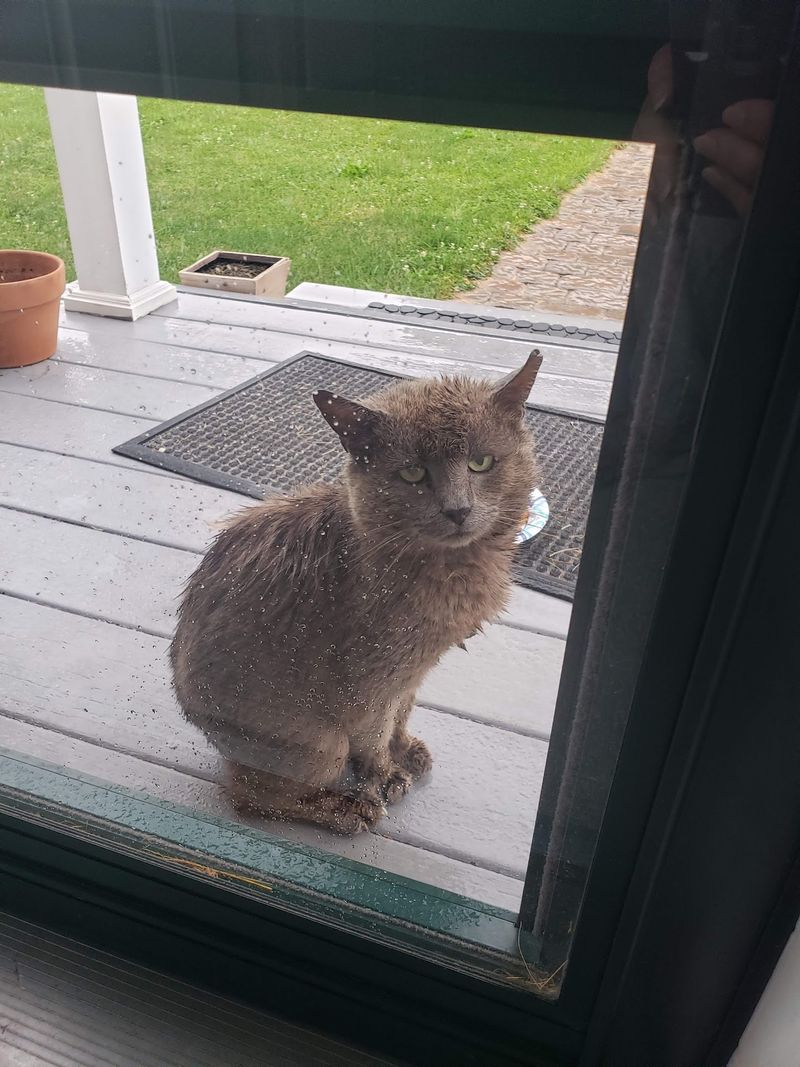
A cat that feels safe and comfortable is a cat that can truly heal. Second Chance for Cats works to create environments where rescued cats can relax and thrive.
Physical comfort is treated as a real priority, not an afterthought.
Pet beds and cat trees are among the most requested items for the shelter. Cats need places to rest, climb, and observe their surroundings.
These items support both physical activity and mental well-being.
Specialty medical supplies are also part of the enrichment picture. Miracle Nipples and kitten formula are used for bottle-feeding the youngest arrivals.
FortiFlora, eye wash, and wound care spray help address health issues quickly and effectively.
Having the right supplies on hand means cats get treated faster. Delays in care can turn small problems into bigger ones.
A well-stocked shelter is a more effective shelter.
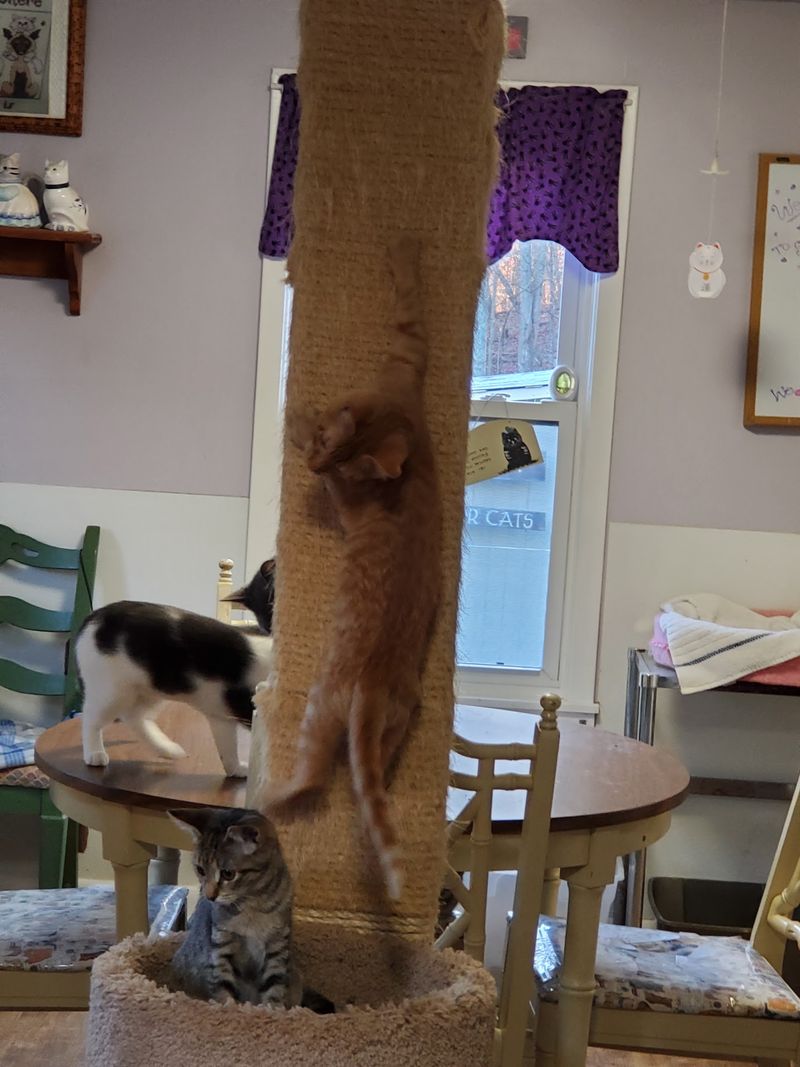
Environmental enrichment also means reducing stress for cats in a group setting. Separate spaces, hiding spots, and vertical climbing areas help cats feel in control.
When cats feel less stressed, they socialize better and adjust more easily to new homes. Supporting this aspect of the shelter through donations or wish list purchases directly improves the quality of life for every cat on the property.
Challenges In Cat Rescue And Rehabilitation
Running a cat rescue is rewarding work, but it is not easy work. Second Chance for Cats currently houses over 100 cats at any given time.
That number alone tells you how significant the need is in this region.
Overpopulation of free-roaming cats remains one of the biggest ongoing challenges. There are more cats needing help than there are resources to help them.
The organization often cannot accept more animals simply because they are at capacity.
Medical care for such a large population requires substantial funding and time. Pregnant cats, newborn kittens, and sick animals all require specialized attention.
Each case adds complexity and cost to the daily operation.
Finding enough foster homes is another persistent challenge. Not every cat thrives in a shelter setting.
Some need the quiet of a private home to recover and grow comfortable with people.
Rehabilitation takes patience. A cat that arrived scared and withdrawn does not transform overnight.
It can take weeks or months of consistent, gentle interaction before a cat is truly ready for adoption.
Despite these hurdles, the team keeps showing up. The mission of operating a no-kill shelter drives every decision made here.
Supporting this organization, whether through donations, fostering, or volunteering, directly addresses these challenges one cat at a time.