
This New York Town Stands Out For Having One Of Americas Top Ranked Healthcare Systems
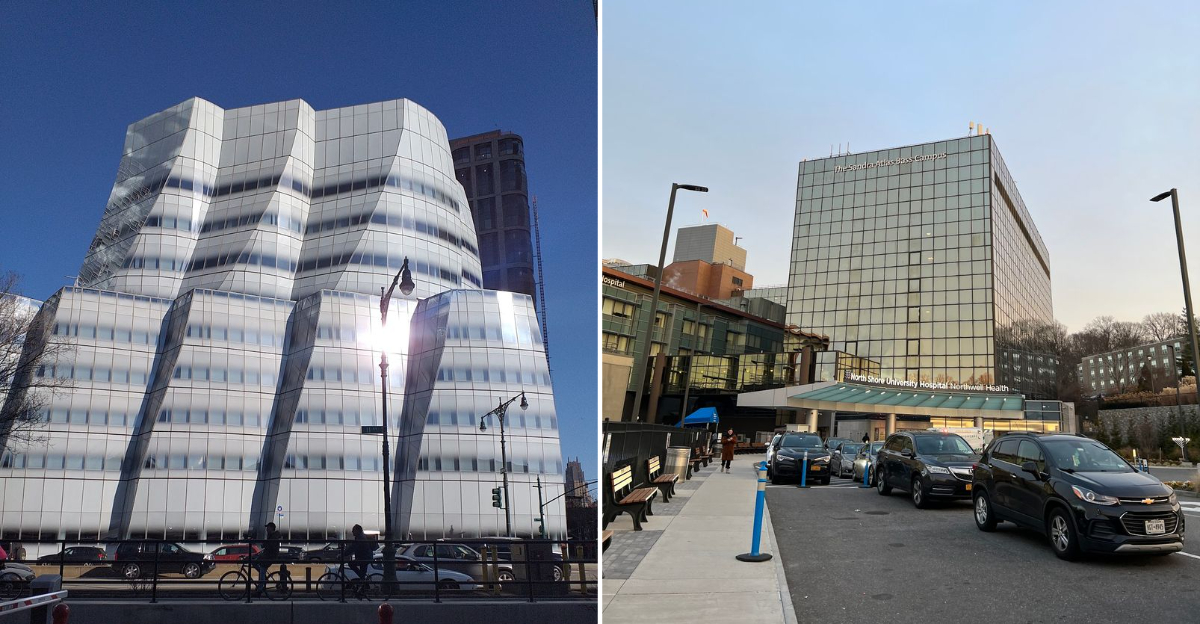
Healthcare rankings rarely make a town famous. Yet this New York town earned exactly that kind of recognition among the best in the country.
Facilities here invest heavily in both technology and staff training, a combination that shows up clearly in patient outcomes. Residents rarely need to travel elsewhere for specialized care, something smaller towns often struggle to offer locally.
Wait times stay shorter than national averages, another detail that sets the system apart from larger, busier hospitals. Nothing about the ranking happened by accident, built instead through years of consistent investment and careful hiring.
Patients traveling from nearby areas often choose this system specifically over closer alternatives. This town proved that excellent healthcare doesn’t require a major city to achieve national recognition.
Overview Of Healthcare Infrastructure In New York
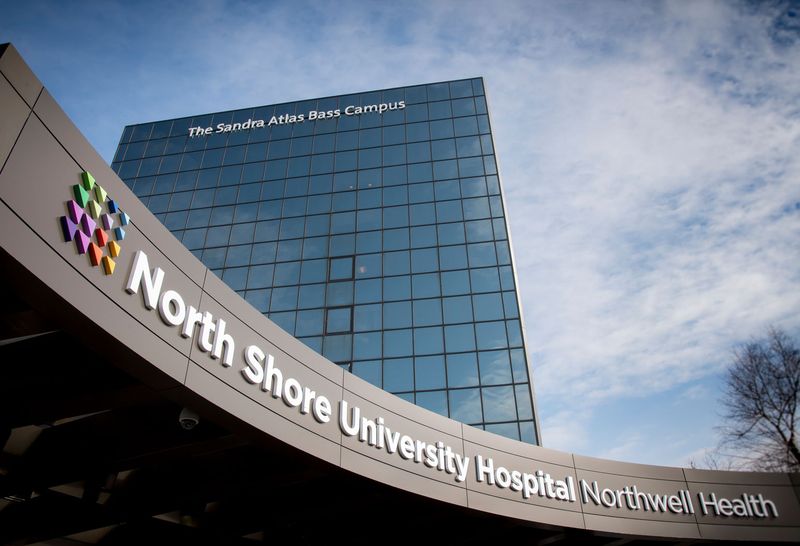
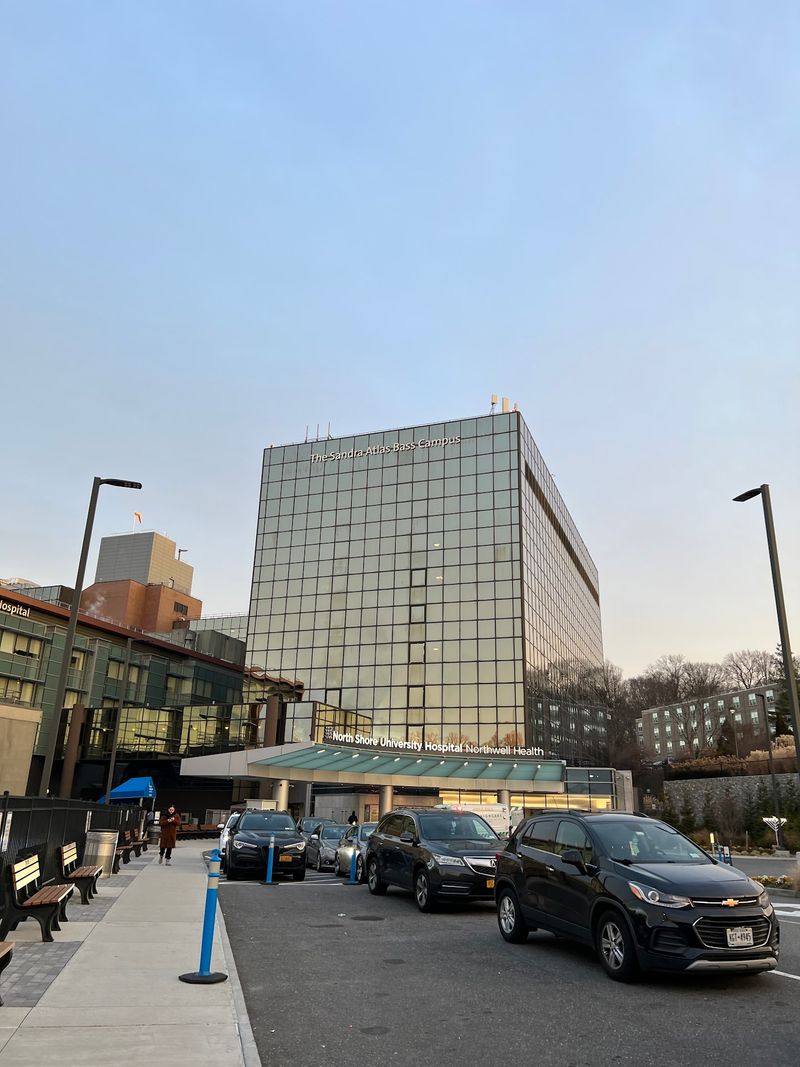
This place punches well above its weight when it comes to healthcare. North Shore University Hospital, known as NSUH, sits right at the heart of this Long Island community.
It is a cornerstone of Northwell Health, which is New York State’s largest healthcare provider. That is a pretty big deal for a hamlet with just over 8,000 residents.
U.S. News and World Report ranked NSUH as the number four hospital in all of New York.
It has also earned national recognition across 10 adult specialties. Those include powerhouse fields like orthopedics and cardiology.
Patients travel from across the region specifically to access this level of care.
The hospital operates 806 beds and holds Level I Trauma Center status. That designation means it handles the most serious injuries and emergencies around.
Not every hospital earns that title. It takes significant staffing, equipment, and ongoing training to maintain it year after year.
For a community this size, having a hospital of this caliber nearby is genuinely rare. Most towns this small rely on regional centers miles away.
Manhasset residents have world-class care practically in their backyard. The hospital is located at 300 Community Drive, Manhasset, New York, making it accessible to the broader Nassau County area.
Advanced Medical Technologies Improving Treatment Outcomes
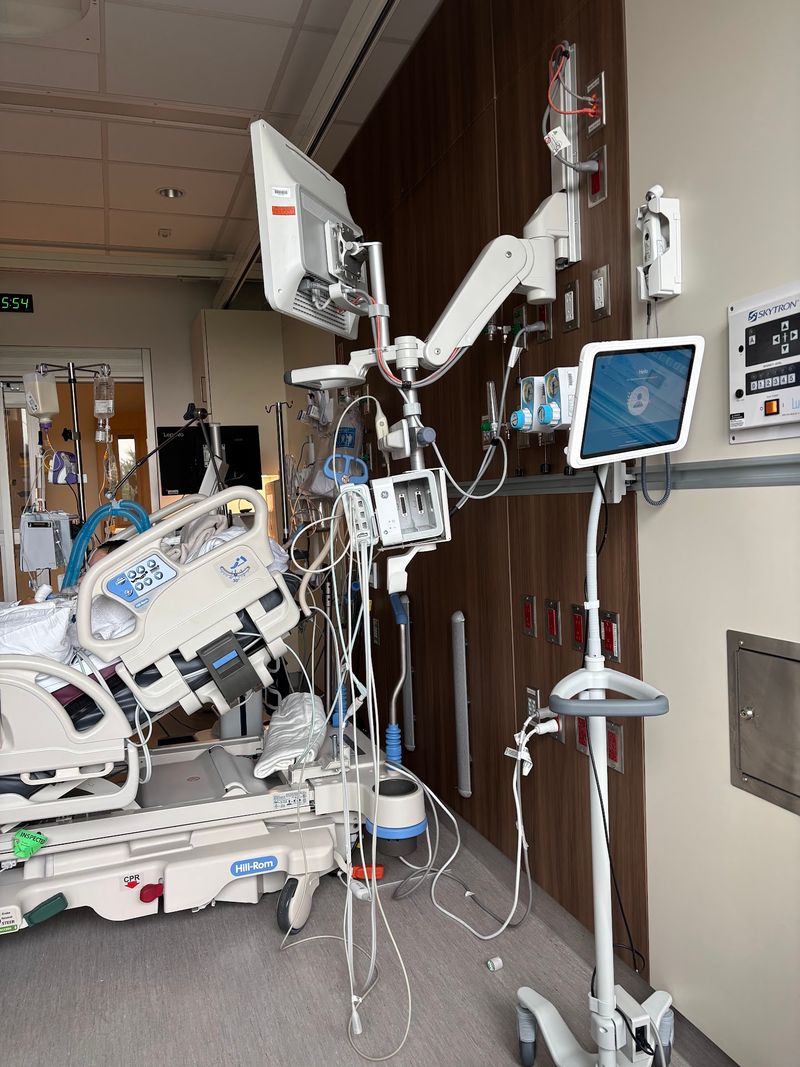
Entering NSUH feels a bit like walking into the future of medicine. The hospital recently completed major renovations that brought cutting-edge technology directly into patient care.
These upgrades were not cosmetic. They were built to change how surgeries are performed and how patients recover.
The Petrocelli Advanced Surgical Pavilion is one of the standout results of this investment. It features 18 state-of-the-art operating rooms designed for precision and efficiency.
Advanced imaging technology inside these rooms provides real-time, high-resolution visuals during procedures. Surgeons can see exactly what they are working with, right as it happens.
Robotic surgery is another major offering at NSUH. It is available across multiple specialties, which broadens access for a wide range of patients.
Robotic systems allow for smaller incisions and faster recovery times. That matters enormously to someone trying to get back to their daily life.
Technology at this level does not stay still. NSUH continues to integrate new tools as medicine evolves.
The goal is always to shorten the gap between a diagnosis and a successful outcome. For patients in Manhasset and across Long Island, that commitment to innovation makes a real difference.
These are not just shiny machines. They represent better odds and faster healing for real people with real health challenges.
Patient Care Approaches And Support Services
Great hospitals are not only about equipment and rankings. How a patient feels during their stay matters just as much.
NSUH takes that idea seriously, and it shows in how care is structured from the moment someone walks through the door.
Patient-centered care is the core philosophy here. That means treatments and services are shaped around each person’s individual needs.
A care plan for one patient will look different from another’s. This personalized approach reduces the one-size-fits-all frustration that many hospital patients experience.
Chaplains are available to provide multi-faith emotional and spiritual support. Illness is stressful, and not just physically.
Having someone present who addresses emotional wellbeing is a meaningful part of the healing process. Families benefit from this support too, not just the patients themselves.
The environment inside NSUH is designed to reduce anxiety. Clean, modern spaces help patients feel safer and more at ease.
Compassionate staff training ensures that clinical skill goes hand-in-hand with human kindness. That combination is harder to achieve than it sounds.
For anyone navigating a serious health situation, knowing that support services exist beyond the medical side brings real comfort. NSUH has built a care model that treats the whole person.
That is not a small thing. It is what separates a good hospital from a truly great one.
Specialized Programs For Chronic Disease Management
Living with a chronic condition is exhausting. It requires ongoing attention, specialized knowledge, and a care team that actually understands the long game.
NSUH has built exactly that kind of infrastructure for patients managing complex, long-term health issues.
The hospital runs a comprehensive inpatient chronic pain consultation service. A multidisciplinary team works together to manage pain for patients dealing with a wide range of conditions.
This is not a single doctor making all the calls. Multiple specialists collaborate to build a more complete picture of each patient’s situation.
Inflammatory Bowel Disease care is another specialized focus. NSUH has dedicated centers for IBD, which affects millions of Americans and often requires ongoing medical management.
Having a center focused entirely on this condition means patients receive more targeted, consistent care over time.
Neuroscience capabilities at NSUH are also impressive. The hospital houses specialized institutes for movement disorders and brain aneurysms.
These are conditions that demand highly trained specialists and sophisticated diagnostic tools. Many patients travel significant distances to access this level of neurological expertise.
Chronic disease management is where long-term health outcomes are really shaped. NSUH understands that managing these conditions well prevents hospitalizations and improves quality of life.
The programs here reflect a commitment to doing that work thoroughly and consistently for every patient who needs it.
Preventative Health Measures And Community Outreach
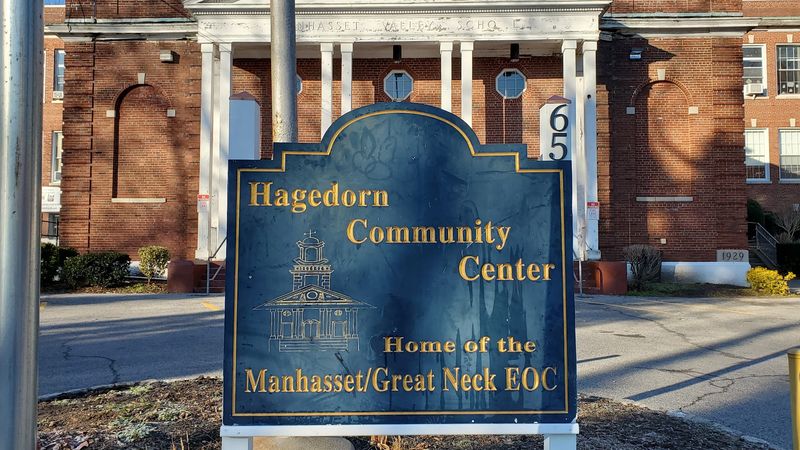
Keeping people healthy before they ever need a hospital bed is smart medicine. Northwell Health, the system behind NSUH, invests heavily in community outreach and preventative care programs.
The idea is simple: healthier communities need fewer emergency interventions.
Northwell partners with local organizations to tackle health from multiple angles. Prevention, behavioral health, and access to basic needs like food, housing, and transportation are all part of the strategy.
Healthcare and social factors are deeply connected, and this approach acknowledges that reality honestly.
The Institute for Community Health and Wellness leads much of this effort. It designs programs that respond directly to local community needs.
These are not generic national campaigns. They are tailored initiatives built around what specific neighborhoods actually face.
Bridging clinical care with community-based support is where this work really shines. A patient discharged from the hospital still needs resources to stay well at home.
Northwell’s outreach programs help fill that gap. That continuity of care dramatically reduces the chances of someone cycling back through the emergency room.
For Manhasset and the surrounding Long Island communities, this proactive approach builds a healthier population over time. Prevention is always less costly than treatment, in every sense of the word.
NSUH and Northwell are proving that a top-ranked hospital can also be a genuine community health partner, not just a place people go when things go wrong.
Training And Expertise Of Medical Professionals

Behind every great hospital is a pipeline of exceptionally trained people. NSUH serves as a primary teaching hospital for the Zucker School of Medicine.
That connection to academic medicine keeps the clinical environment sharp, current, and intellectually rigorous every single day.
The numbers here are worth pausing on. NSUH trains more than 230 medical students annually.
It also supports around 130 residents and 110 fellows at any given time. That is a substantial academic operation running alongside everyday patient care.
Residency programs, postgraduate training, and clinical fellowships are all offered here. Each program is designed to develop physicians who can handle complex, high-stakes situations with confidence.
The teaching environment means that experienced doctors are constantly mentoring the next generation of medical professionals.
Northwell Health as a whole employs over 20,000 physicians and 22,000 nurses. The scale of that workforce reflects a serious commitment to maintaining expertise at every level of care.
Patients at NSUH benefit from both seasoned veterans and energetic, newly trained specialists.
Training programs at teaching hospitals also tend to attract ambitious, highly qualified applicants. That competitive environment raises the overall standard of care.
For patients in Manhasset, this means access to doctors who are not just experienced but also continuously learning. Medicine moves fast, and NSUH’s training culture helps ensure its staff keeps pace.
Access To Emergency And Urgent Care Facilities
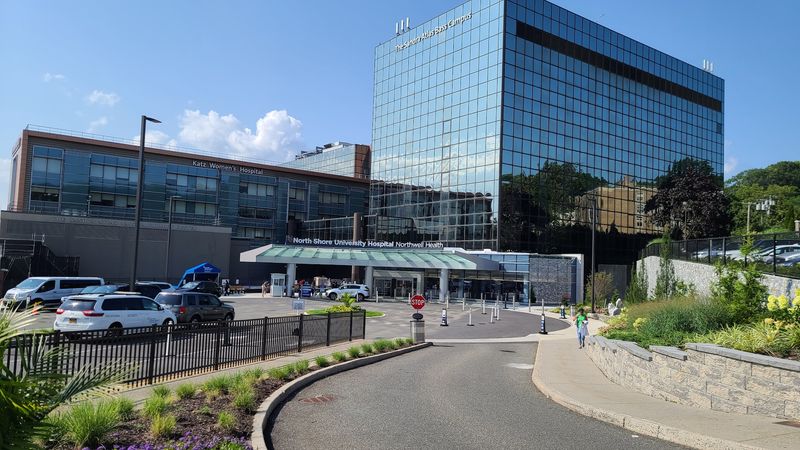
Emergencies do not follow a schedule. Knowing that top-tier emergency care is close by brings a certain peace of mind that is hard to put a price on.
NSUH’s emergency department is fully staffed around the clock, every single day of the year.
The numbers are striking. NSUH’s emergency department treats approximately 80,000 people each year.
That is a high-volume operation that demands great organizational skill and constant readiness. The staff handles everything from minor injuries to life-threatening conditions without missing a beat.
Level I Trauma Center status sets NSUH apart from many regional hospitals. This certification means the facility is equipped and staffed to handle the most severe trauma cases imaginable.
Car accidents, major injuries, and critical events are managed here with the highest level of preparedness available.
NSUH also holds New York State certification as a Comprehensive Stroke Center. Stroke care is extremely time-sensitive.
Having a certified center nearby means patients receive specialized stroke treatment faster. Speed in stroke response directly affects how well a patient recovers.
For residents of Manhasset and the surrounding areas, this combination of emergency services is genuinely reassuring. You are never far from a fully equipped trauma team or a certified stroke specialist.
That kind of access is not universal, and communities with it are measurably better off in moments that count the most.
Integration Of Research And Clinical Practice
Research and patient care do not always live in the same building. At NSUH, they do.
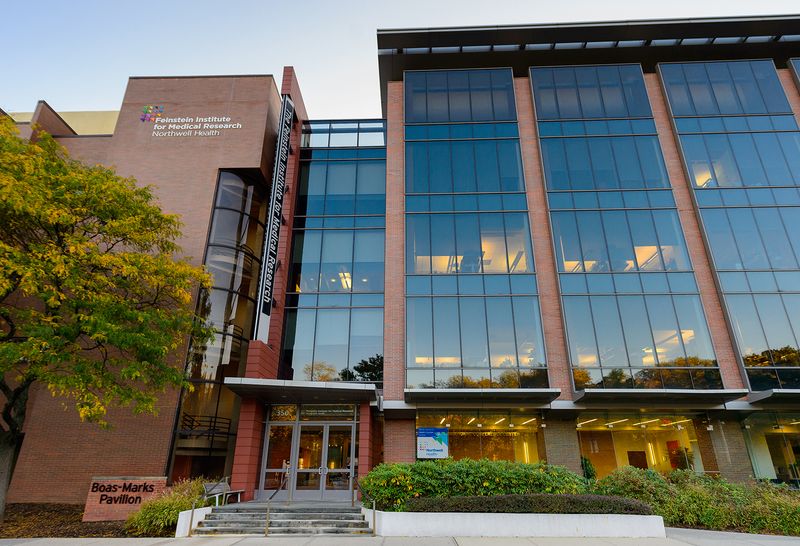
The Feinstein Institutes for Medical Research are located directly on the hospital campus in Manhasset. That physical closeness is not just convenient.
It is strategic.
The Feinstein Institutes serve as the official research arm of Northwell Health. Their mission centers on translating medical discoveries into real clinical practice.
That process, moving a finding from a laboratory into actual treatment, is where medical breakthroughs become meaningful for patients.
Key research areas include oncology, neurology, and cardiovascular care. These are fields where innovation can dramatically change outcomes.
A new finding in cancer biology or heart disease management can move quickly from the research floor to the clinical floor when both are in the same institution.
This integration benefits patients in practical ways. Clinical trials and experimental treatments become accessible to people receiving care at NSUH.
Patients at a research-connected hospital sometimes gain access to therapies that are not yet widely available elsewhere. That is a significant advantage in serious or complex cases.
For a town like Manhasset, hosting a world-class research institute alongside a top-ranked hospital creates a unique ecosystem. Science and medicine reinforce each other here continuously.
The result is a healthcare environment that is always moving forward, always asking what comes next, and always trying to do better for the patients it serves.