
This Louisiana Fabric Destination Is Packed With Thousands Of Bolts For Quilting Sewing And Crafts
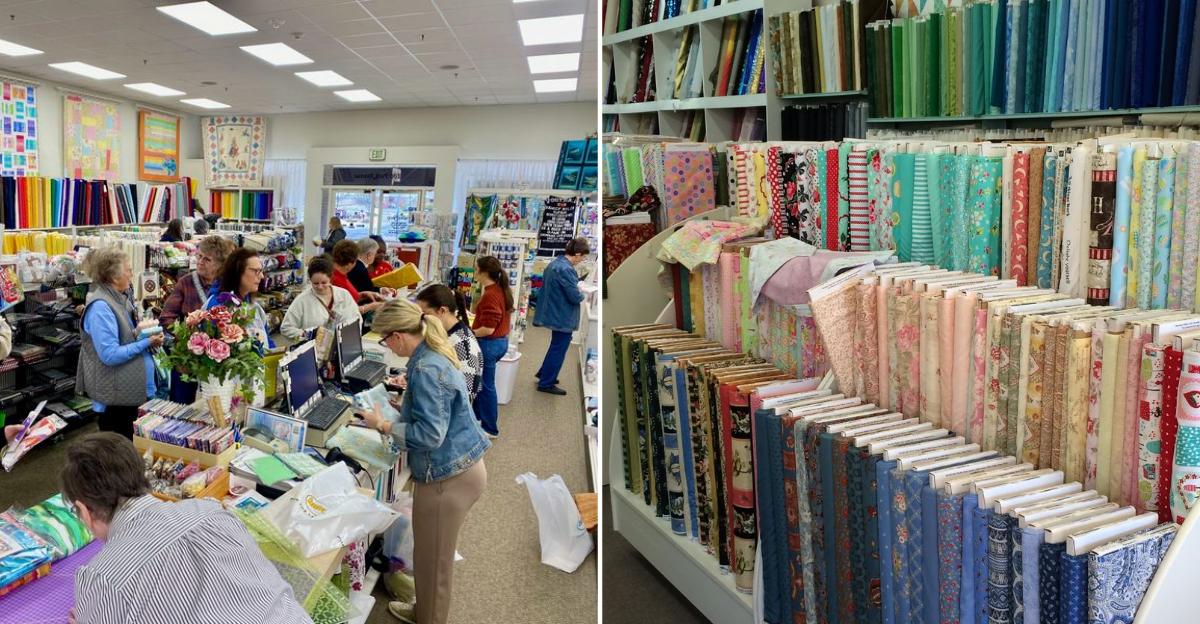
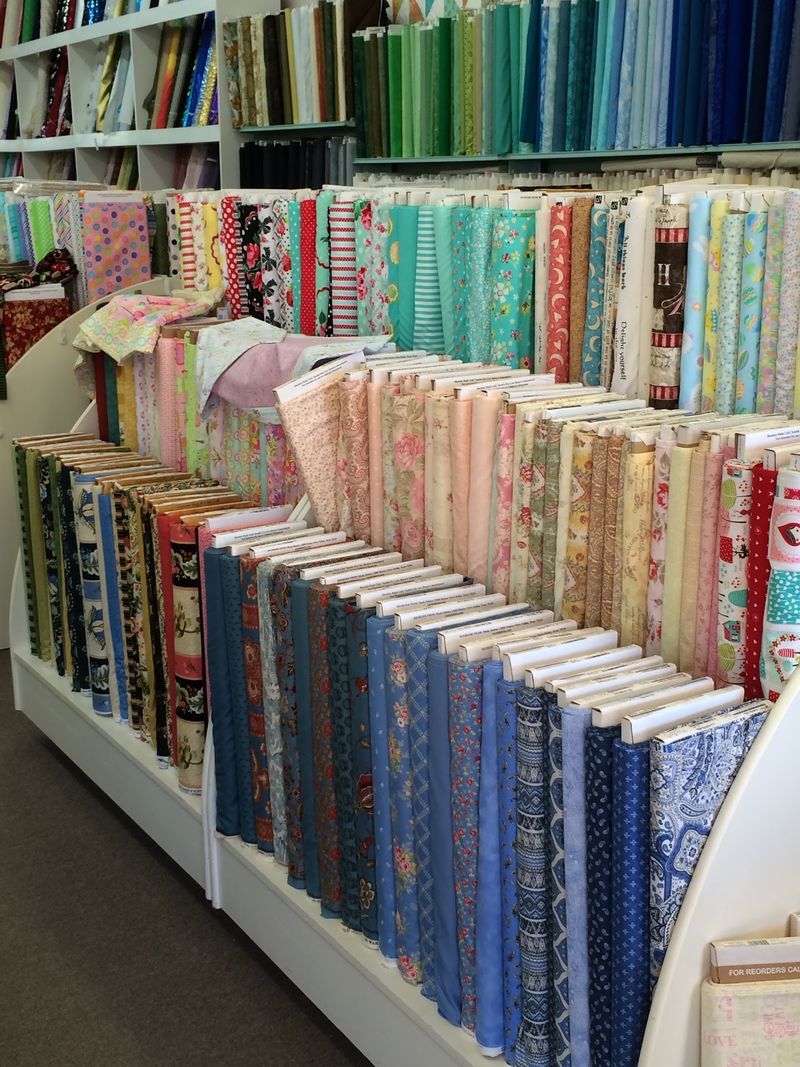
Thousands of fabric bolts don’t fit in just any store, and this Louisiana destination built its entire reputation on housing exactly that scale. Quilters travel from well beyond the immediate area, drawn by selection most local shops simply can’t match.
Sewing enthusiasts find everything from basic cottons to specialty fabrics rarely stocked anywhere nearby. Crafters browse sections dedicated to trims, notions, and materials that go far beyond typical fabric store inventory.
Staff knows the layout well enough to guide customers toward specific fabric types quickly. Regulars plan entire projects around what they find here rather than settling for limited options elsewhere.
Nothing about the selection feels outdated, with new fabric lines arriving regularly throughout the year. This destination proved that sometimes the best fabric shopping requires a store built on true scale.
Variety Of Types Available
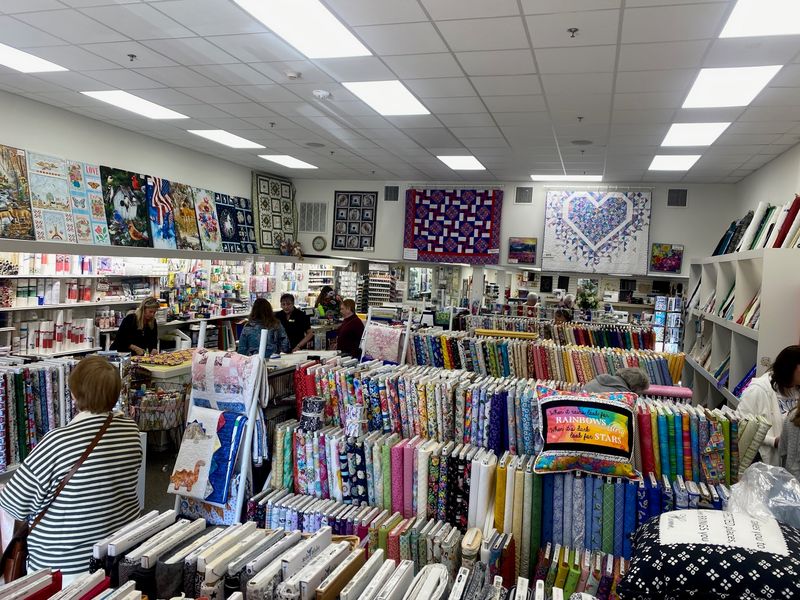
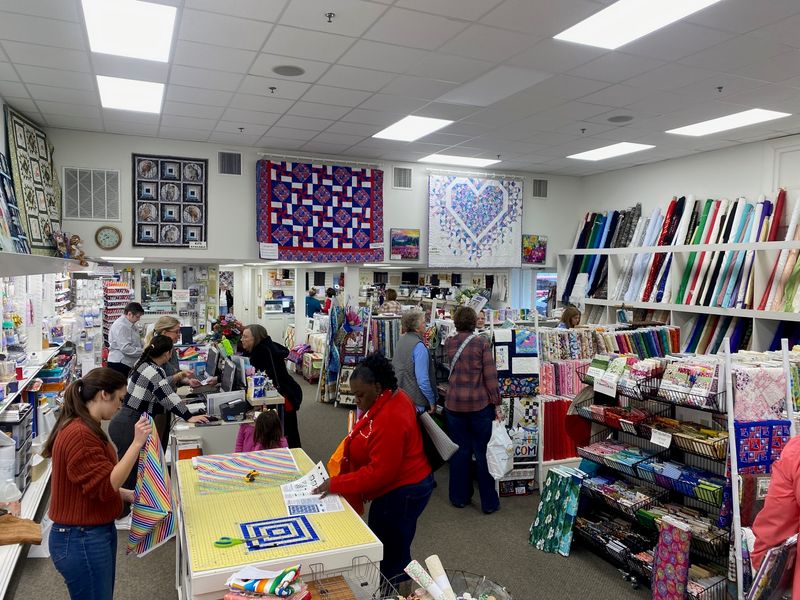
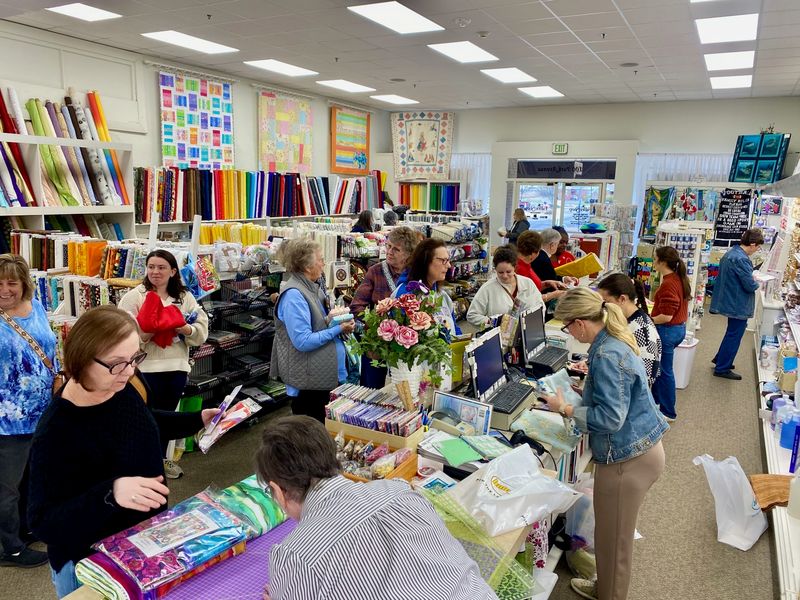
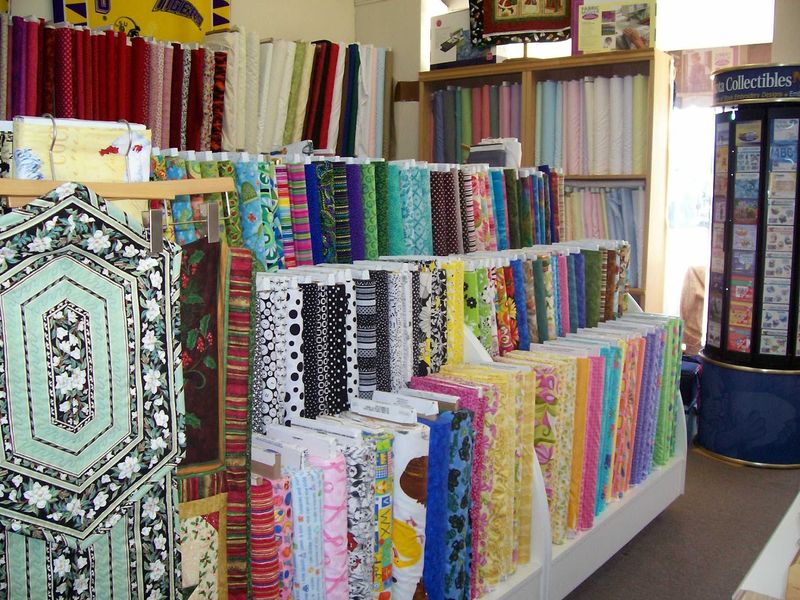
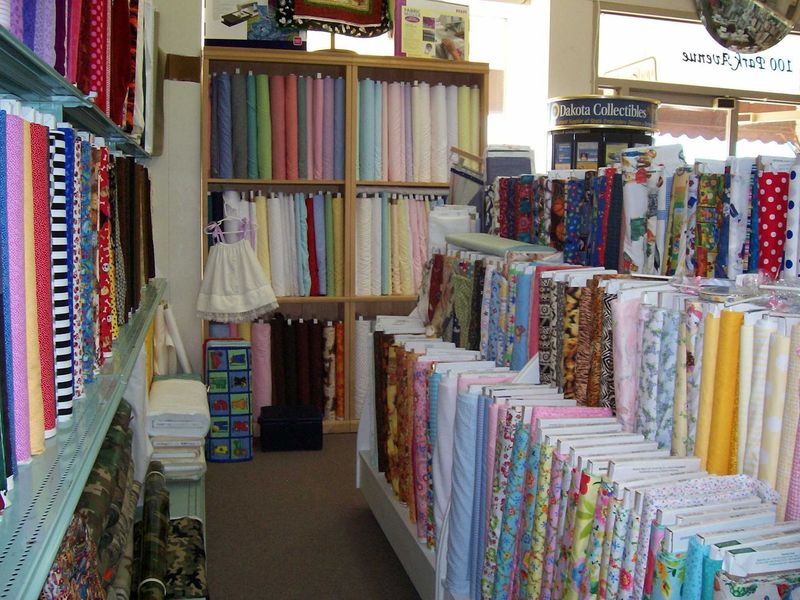
Over 3,000 bolts of fabric live inside The Fabric Shop at 100 W Park Ave, Ruston, LA 71270. That number alone is enough to make any sewist’s heart race.
The selection covers quilting fabrics, fashion fabrics, and specialty materials all in one place.
You will find solids, blenders, tone-on-tone prints, and seasonal novelty designs. Children’s prints are stocked right alongside local sports fabrics.
If you are a Louisiana Tech University fan, this shop is the only place carrying official Louisiana Tech fabric.
Specialty materials include imported cottons, sumptuous silks, linens, laces, trims, and sequined fabrics. Each category has real depth.
You are not just getting one or two options per type.
Seasonal collections rotate, so the inventory stays fresh and current. Shoppers who visit regularly always find something new.
The variety genuinely covers beginner-friendly basics all the way up to high-end specialty textiles.
Novelty prints make the shop especially fun to browse. One bolt might feature whimsical animals.
The next could be a bold geometric that stops you cold. The range keeps every visit feeling like a discovery worth making.
Tips For Selecting Quality Textile Materials
Good fabric makes a good project. Bad fabric makes a frustrating one.
Knowing what to look for before you buy saves time, money, and a whole lot of headaches later.
High-quality 100% cotton quilting fabric typically has at least 60 threads per square inch. That thread count matters more than most beginners realize.
A higher count means the fabric feels smoother, frays less, and holds crisp prints better over time.
Run your fingers across the surface when you shop. Quality cotton feels firm but not stiff.
If it feels flimsy or pulls apart easily at the edges, keep looking.
Always check the care label before committing to a purchase. Some fabrics require dry cleaning or hand washing.
Knowing that upfront prevents ruined projects and wasted effort down the road.
Examine the print closely under the store lighting. Sharp, clean lines on a print usually signal better dye quality.
Blurry or uneven prints can indicate lower-grade production methods worth avoiding.
Pre-washing new cotton and linen fabrics before cutting is a smart habit. Shrinkage happens, especially with natural fibers.
A quick wash before your first cut keeps your finished piece from surprising you after the project is done and sewn together.
Essential Tools And Notions For Sewing
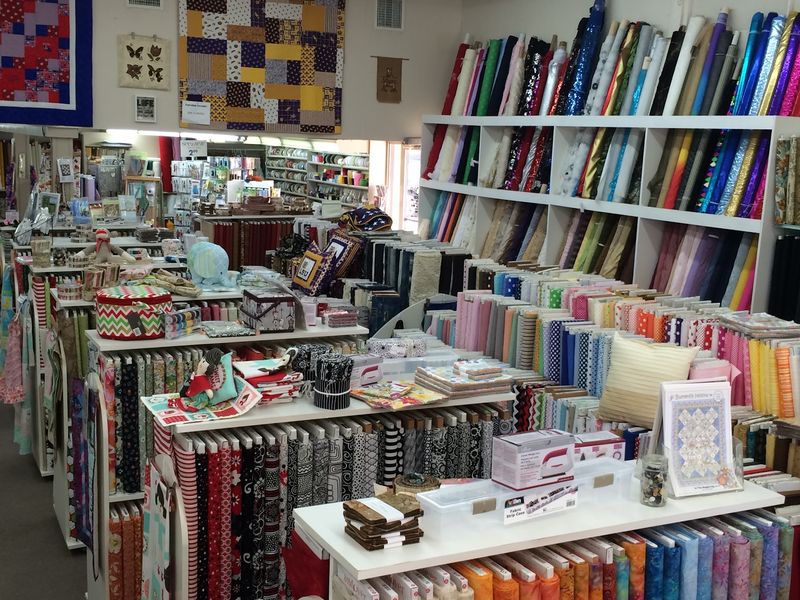
A great fabric shop is only as useful as the notions it carries alongside those beautiful bolts. The Fabric Shop stocks a wide range of sewing notions, ribbons, quilt kits, and buttons to keep projects moving from start to finish.
Buttons and ribbons might sound basic, but having the right ones on hand changes the entire look of a finished piece. The shop carries both for embellishing garments, bags, and quilts.
Small details like these elevate handmade work significantly.
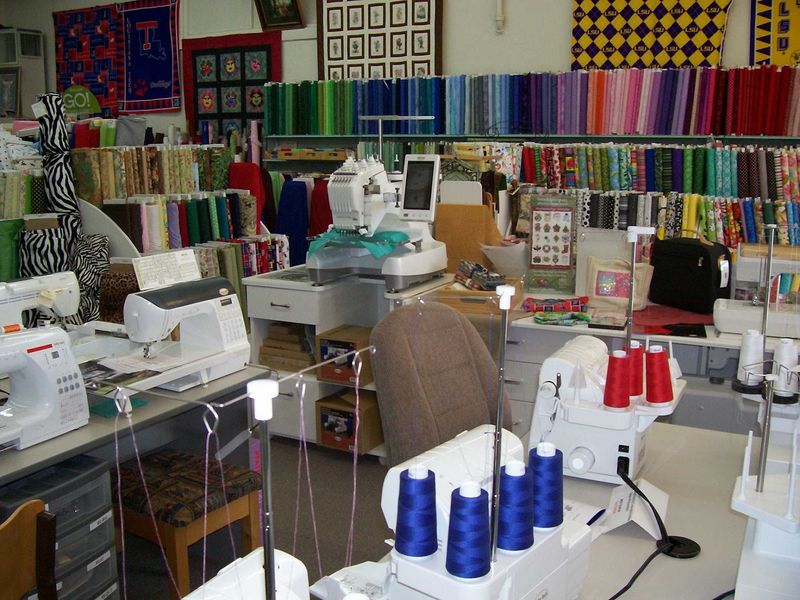
For machine shoppers, the store is an authorized dealer for Pfaff, Husqvarna Viking, and Baby Lock sewing machines and sergers. Those are three of the most respected names in the sewing world.
Getting them from an authorized dealer means proper support and service come with the purchase.
Sewing furniture from ARROW and Kangaroo is also available. A good sewing table makes a real difference in comfort and posture during long sessions.
Ergonomic setups reduce fatigue and help sewists work longer without strain.
Quilt kits are especially helpful for beginners who want a guided starting point. Everything needed for a specific project comes bundled together.
No guessing, no extra trips, just cut, sew, and enjoy the process from the very first stitch to the last.
Creative Quilt Design Strategies
Quilting has more design options than most people expect when they first start. The learning curve is real, but the creative payoff is even more real.
Starting with a clear strategy makes the whole process less overwhelming and more enjoyable.
Beginners do well with simple grid designs or pantographs. These repeat a single pattern across the quilt surface in a predictable, manageable way.
They build confidence before moving on to more complex layouts.
Half Square Triangles, Strip Piecing, and Flying Geese are classic beginner blocks for good reason. Each one teaches a core skill.
Mastering them early opens the door to hundreds of more advanced patterns later on.
Herringbone, circular, floral, and feather designs add visual complexity to intermediate and advanced quilts. These take more planning and precision.
But the finished result has a richness that simpler patterns cannot quite match.
Modern quilts lean heavily on bold colors, geometric shapes, and negative space. Negative space is intentional emptiness that makes the pieced sections pop visually.
It is a design principle borrowed from graphic design, and it works beautifully in fabric.
Sketch your layout before cutting a single piece of fabric. Even a rough pencil drawing helps catch color placement mistakes early.
A few minutes of planning prevent hours of ripping out seams and starting over from scratch.
Inspiration From Handmade Craft Projects
Scrap fabric is never really scrap. Every leftover piece has a second life waiting for it, and some of the best craft projects start with what most people almost throw away.
The creative possibilities from small fabric pieces are genuinely surprising.
Embroidery is one of the most satisfying fabric crafts to pick up. It requires minimal supplies and the results are striking.
Even basic stitches produce finished pieces that look far more complex than the effort involved.
Fabric jewelry made from scraps is another underrated project category. Small rolled rosettes, knotted bracelets, and fabric-wrapped bangles all come together quickly.
They also make thoughtful, low-cost handmade gifts for friends and family.
Practical projects like pincushions, coasters, scrunchies, and lavender sachets use up small pieces efficiently. None of these require a pattern or advanced skills.
They are perfect for afternoons when you want to sew something but do not have the energy for a big commitment.
Fabric greeting cards are a creative twist on a familiar format. A small piece of printed cotton glued or stitched onto cardstock becomes something genuinely memorable.
Recipients tend to keep them long after a paper card would have been recycled.
Upcycled fabric flowers add charm to wreaths, hair accessories, and home decor. They use almost no material and look polished when finished.
Scrap fabric really does go a long way with a little imagination applied.
Guidance On Care And Maintenance
Fabric care is one of those things that seems obvious until a project comes out of the wash looking nothing like it went in. Knowing the basics before washing saves finished pieces from unnecessary damage.
A little preparation goes a long way here.
Always read care labels before washing any fabric. Different fibers have very different needs.
Treating linen like polyester, or silk like cotton, leads to shrinkage, color loss, or texture changes that cannot be reversed.
Sort fabrics by color and care requirements before washing. Dark and light fabrics should never share a first wash.
Color bleeding is a real risk with new materials, especially deep reds and indigos.
Cold water is gentler on most fabrics than warm or hot. It helps prevent shrinkage and keeps colors brighter over more wash cycles.
Most modern detergents work just as effectively in cold water anyway.
Pretreat stains before they go into the wash. Set stains are much harder to remove after a full wash cycle.
A quick spot treatment applied before washing dramatically improves the outcome for most common stains.
Store unused fabric rolled rather than folded to prevent permanent creases. Fold lines in fabric can become stubborn over time, especially in natural fibers.
Rolling keeps the material flat, smooth, and ready to use whenever the next project calls for it.
Benefits Of Choosing Local Material Suppliers
The Fabric Shop has been part of the Ruston community for over 30 years. That kind of longevity does not happen by accident.
It comes from consistent quality, product knowledge, and genuine investment in the people who walk through the door.
Local fabric shops carry staff who actually sew and quilt themselves. That experience translates into advice you cannot get from an algorithm or a generic product description online.
Real knowledge from real practitioners makes a measurable difference.
The shop changes its window displays to reflect local activities and community events. That kind of attention to local life signals something meaningful.
The business is paying attention to the people around it, not just the products on its shelves.
Online shopping is convenient, but it cannot replicate the experience of touching fabric before buying it. Color accuracy on screens is notoriously unreliable.
Feeling the weight and weave of a material in person leads to far better purchasing decisions.
Supporting local suppliers keeps money circulating within the community. Small businesses like this one fund local jobs and contribute to the character of a town.
Ruston is a better place because The Fabric Shop exists and has stayed committed to its neighbors.
The shop also offers online ordering with fast shipping for those who cannot visit in person. Fabric ordered in the morning can be in the mail by noon the same day.
That kind of responsiveness is hard to beat anywhere.
Organizing Supplies For Efficient Crafting
A cluttered craft space slows everything down. Finding the right thread color should not take ten minutes of digging through a tangled basket.
Organization is not about being tidy for its own sake. It is about making the creative process faster and more enjoyable.
Start by decluttering. Pull everything out and sort it into categories before putting anything back.
Seeing what you actually have often reveals duplicates and items that can be donated or discarded without regret.
Vertical storage is a game changer in small spaces. Shelving units and pegboards use wall space that would otherwise go to waste.
Getting supplies off flat surfaces opens up the work area and makes the room feel larger immediately.
Clear, stackable containers let you see contents without opening every lid. Label each one with a simple tag or marker.
That labeling step turns storage into a system you can actually use under pressure when a project is mid-flow.
A wall-mounted thread rack keeps every color visible at once. Hunting through a drawer for a specific thread shade wastes time and patience.
Seeing the full collection at a glance makes color selection faster and more satisfying.
Repurpose household items for craft storage wherever possible. Spice racks hold small bottles and beads perfectly.
Clear vinyl pouches keep patterns and project pieces together in one place so nothing gets lost between sessions or misplaced mid-project.