
Explore 10 Nevada Towns Made For Walking And Easy To Love
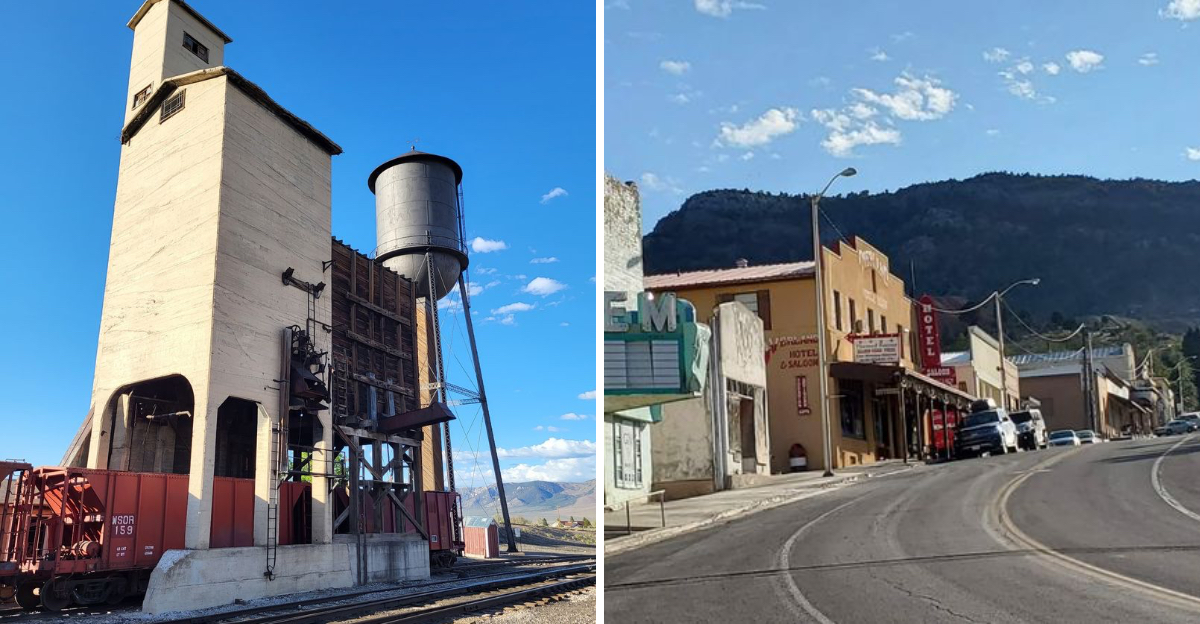
Ten small towns, one big question: which corner of Nevada rewards a slow, curious walk the most? Some streets still creak with boardwalks from a silver rush that never fully faded.
Others hide murals telling stories that history books left out, or a quiet canyon trail carved by wind and time. A few towns wear their railroad past proudly, their depots turned into living landmarks.
There’s a plaza built entirely on love, a cemetery with epitaphs worth reading slowly, and a stretch of desert where the stars steal the whole show after sunset. Every stop on this Nevada list moves at its own rhythm.
Curious which towns made the cut? Keep this list close for your next Nevada escape.
1. Virginia City
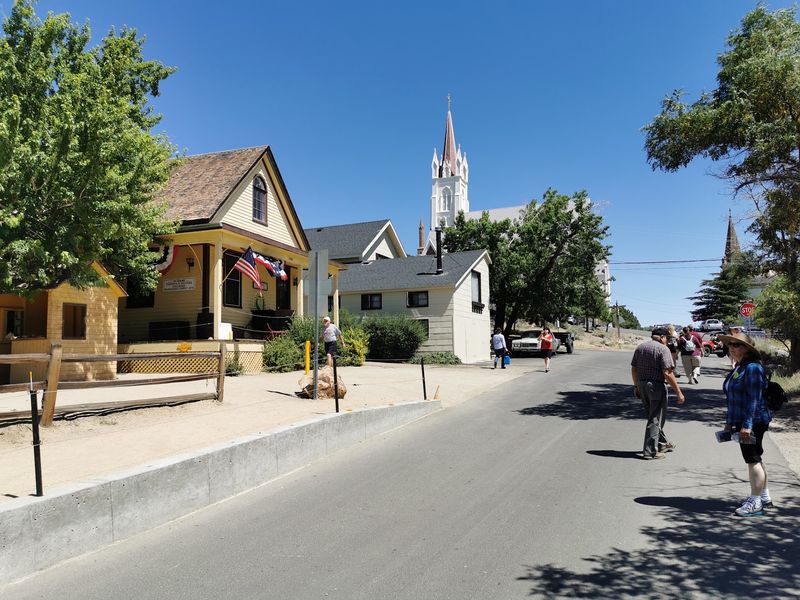
C Street is a living time capsule, and Virginia City wears its Wild West identity without apology. The wooden boardwalks creak underfoot as you pass curio shops, general stores, and Victorian storefronts that have stood since the Comstock Lode era.
This walkable Nevada town sits in Storey County and practically begs you to slow down.
History crowds every corner here. The Territorial Enterprise building marks where a young writer named Samuel Clemens sharpened his craft before the world knew him as Mark Twain.
The Mackay Mansion and St. Mary’s in the Mountains Catholic Church are both within easy walking distance of each other.
Underground mine tours let you feel the cool darkness that miners once called their daily reality. The Fourth Ward School Museum tells the story of booming prosperity and its complicated aftermath.
Virginia City hosts several annual events, including camel and ostrich races that bring a wonderfully odd energy to the historic streets. Every block offers something new to notice, whether it is a hand-painted sign, a tucked-away courtyard, or a view stretching out toward the Virginia Range.
Few Nevada towns pack this much story into a single walkable stretch.
2. Genoa
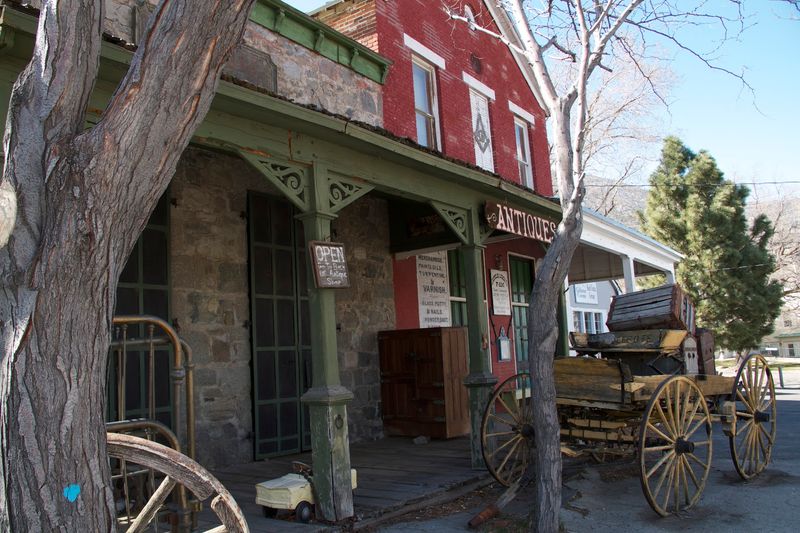
Nevada’s oldest permanent settlement sits quietly at the foot of the Sierra Nevada, and Genoa rewards every visitor who arrives on foot. The historic district is compact enough to cover in a single morning, yet rich enough to hold your attention for an entire afternoon.
Douglas County’s crown jewel has a low-key confidence that larger towns simply cannot fake.
Mormon Station Historic State Park anchors the town’s story, marking the spot where a trading post served emigrants crossing the Great Basin in the 1850s. The Genoa Courthouse Museum, housed in a lovely 1865 building, fills in the details with artifacts and photographs that bring the pioneer era to life.
A beautifully preserved 19th-century storefront sits right in the middle of town, drawing visitors who appreciate historic atmosphere.
For those who want to stretch their legs further, the Genoa Vista Trail offers a paved path with sweeping Carson Valley views that will stop you mid-stride. Local shops and a handful of charming eateries make it easy to turn a quick stop into a full day.
The pace here is unhurried, the scenery is quietly spectacular, and the sense of stepping into something genuinely old and well-preserved lingers long after you leave.
3. Ely
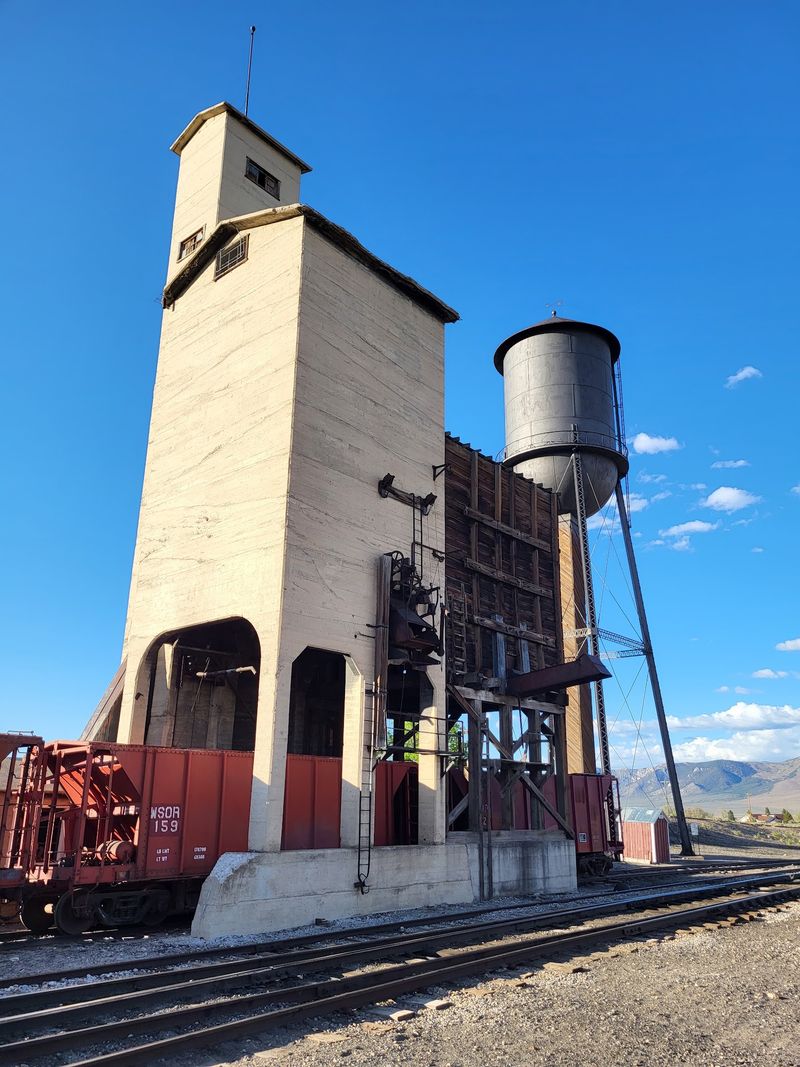
Murals do the talking in Ely, and they have a lot to say. Downtown Ely in White Pine County features an impressive art walk that stretches across several blocks, with large-scale paintings and sculptures depicting the town’s multicultural mining past.
The Ely Renaissance Village is the heart of this creative effort, a cluster of repurposed miners’ cabins that honor the diverse immigrant communities who built this corner of Nevada.
Pick up a self-guided walking tour map and follow the route at your own pace. Each mural tells a specific story, from Basque shepherds to Chinese railroad workers to Italian stonemasons, giving the walk an educational depth that surprises first-time visitors.
The sculptures scattered throughout the route add texture and dimension to the experience.
Ely also serves as the eastern gateway to Great Basin National Park, one of the least-visited national parks in the country and one of the most rewarding. Cave Lake State Park and Ward Charcoal Ovens State Park are both within a short drive, offering additional walking and hiking opportunities in striking high-desert landscapes.
After a day of exploring the outdoors, coming back to stroll Ely’s mural-lined streets feels like the perfect way to close out an adventure.
4. Goldfield, Nevada
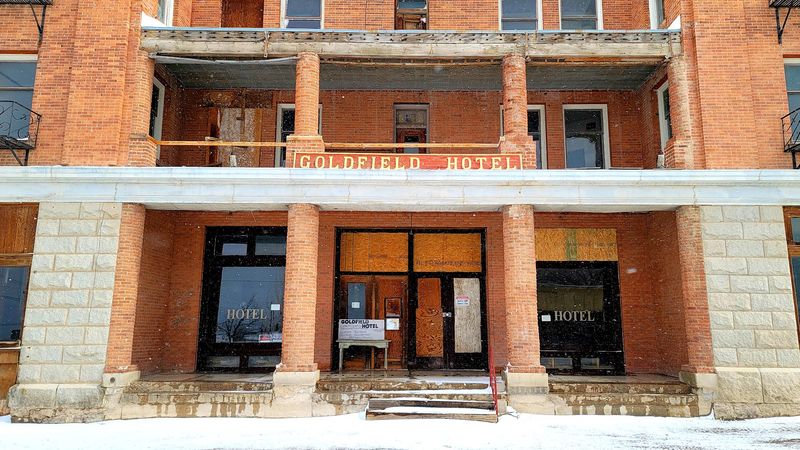
What does the world’s greatest gold camp look like a century after the rush faded? Walk through Goldfield in Esmeralda County and find out for yourself.
This self-guided historic walking tour covers roughly 190 points of interest, making it one of the most detailed heritage walks in all of Nevada.
The Goldfield Hotel commands immediate attention with its ornate facade, a reminder that this town was once the largest city in Nevada during its early 1900s gold rush. Historic storefronts, an opulent bank building, and private residences with notable architectural details line the route.
A visitor center map helps orient newcomers before they set off on foot.
Beyond the standard historic circuit, Goldfield hides a few wonderfully strange surprises. The International Car Forest of the Last Church features graffiti-covered vehicles buried nose-first in the desert just outside town, a surreal art installation that feels perfectly at home in this landscape.
The Goldfield Historic Cemetery holds epitaphs worth reading slowly. Goldfield does not try to be a polished tourist destination, and that raw, unfiltered quality is exactly what makes it so compelling.
Walking here feels less like sightseeing and more like reading a forgotten chapter of American history written directly into the desert floor.
5. Tonopah
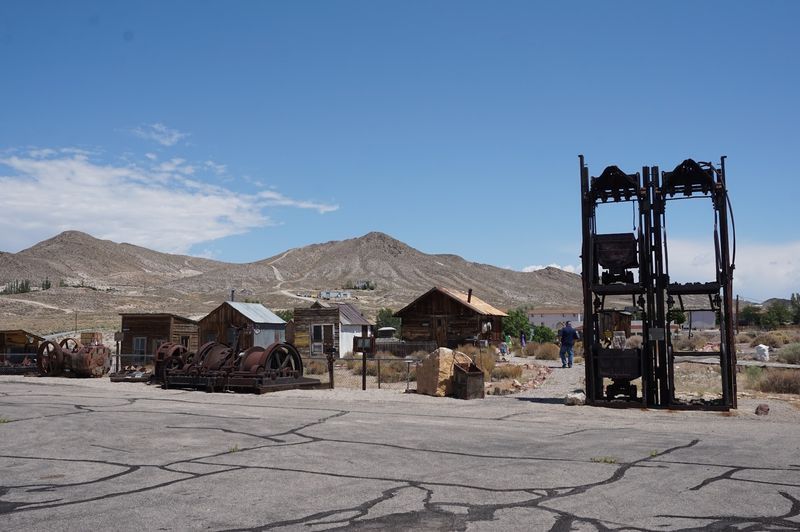
Tonopah plays two very different games depending on the time of day. By daylight, it is a compact Nye County mining town with well-preserved historic architecture and an engaging outdoor museum.
After dark, it transforms into one of Nevada’s most talked-about stargazing destinations, sitting far from any major light pollution under skies that stun first-time visitors into silence.
The Tonopah Historic Mining Park is the centerpiece of the daytime walking experience. Original mine structures, restored headframes, and interpretive signs spread across the site invite visitors to explore at their own pace.
The downtown streetscape holds its own as well, with buildings dating to the early 1900s silver rush still standing in impressive condition.
Heritage Park offers a pleasant stroll with murals that nod to the town’s colorful past. The Mizpah Hotel, a beautifully restored property in the heart of downtown, is considered one of the more historically significant hotels in the state and is worth a close look from the sidewalk even if you are not staying the night.
Tonopah also runs a GPS-guided haunted history walking tour after dark for those who enjoy their history with an extra layer of atmosphere. Few Nevada towns offer such a complete range of walking experiences packed into one small grid.
6. Caliente, Nevada
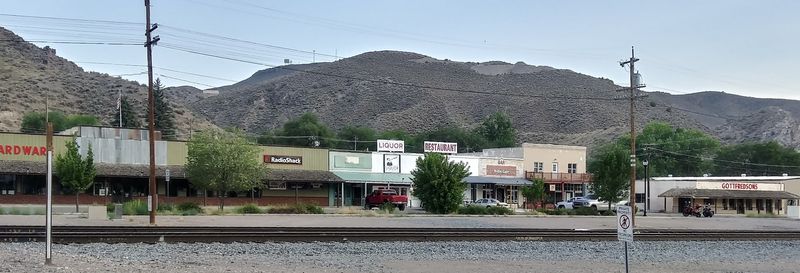
Caliente sits inside a narrow canyon in Lincoln County, and the red rock walls rising on either side make every walk here feel like a scene from a painting. The town is small, unhurried, and genuinely proud of its railroad heritage.
That pride is most visible in the stunning Mission-style railway depot built in 1923, which now serves as City Hall and stands as one of the most architecturally distinctive buildings in rural Nevada.
Strolling the downtown area takes very little time, but the details reward slow attention. Historic storefronts, local cafes, and community murals fill the compact grid with personality.
Caliente feels like a place where residents actually know each other, and that warmth is palpable even to passing visitors.
The Meadow Valley Wash Linear Park provides a calm, easy walking path that follows the natural contours of the landscape right through town. For those with more energy and a taste for dramatic scenery, Cathedral Gorge State Park sits just a short drive away, offering slot canyons and spire formations that seem almost too extraordinary to be real.
Caliente functions as an ideal base for exploring this stretch of southeastern Nevada, offering rest, character, and surprisingly easy access to some of the state’s most striking natural landscapes.
7. Lovelock
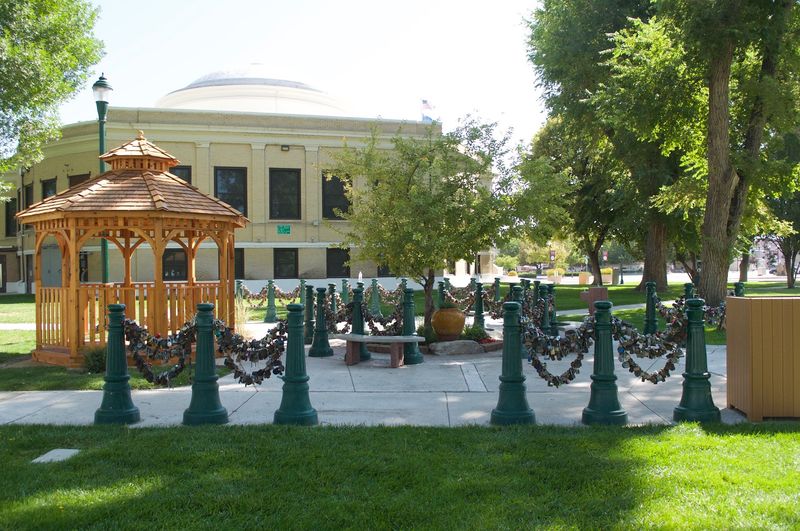
Somewhere between Reno and Winnemucca, a small Pershing County town decided to celebrate love in the most literal way possible. Lovelock is home to Lovers Lock Plaza, where couples attach padlocks to a chain and toss the key, sealing their commitment in a tradition that has drawn visitors from across the country.
The plaza sits near the courthouse and makes for a charming, easy stroll.
The historic downtown area is compact and walkable, with a relaxed pace that makes it easy to appreciate small-town Nevada life without any rush. Local shops and the Pershing County Courthouse, a beautifully maintained historic structure, give the walking route some architectural interest beyond the romantic ritual.
Lovelock Cave, located outside town, is one of Nevada’s most significant archaeological sites, and while the cave itself is not open for casual visits, the local museum offers context that makes the town’s deep history feel tangible. The Marzen House Museum provides additional insight into the region’s pioneer and ranching past.
Lovelock is the kind of place that does not overpromise and quietly overdelivers. Its charm is understated, its streets are easy to navigate on foot, and the story behind its famous plaza gives every visit a memorable, lighthearted centerpiece worth smiling about.
Lovelock, Pershing County, Nevada, United States.
8. Panaca, Nevada
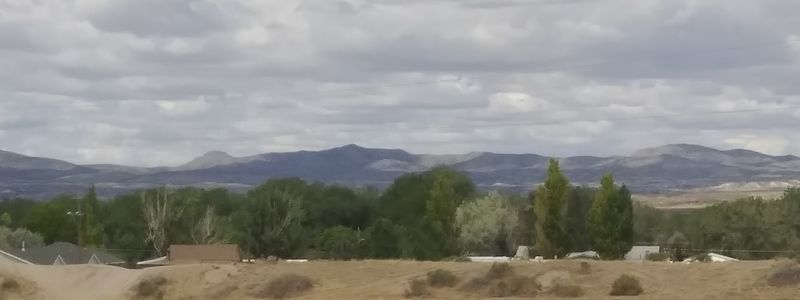
Right next door to one of Nevada’s most otherworldly landscapes, Panaca in Lincoln County offers a quiet, community-rooted base for some seriously memorable walking. Cathedral Gorge State Park sits just outside town, and its maze of clay spires, narrow slot canyons, and eroded formations creates a walking environment unlike anything else in the American West.
Miller Point Overlook is the ideal starting point, offering a sweeping panoramic view of the gorge before you descend into it. The trail network winds through formations with names like Moon Caves and Cathedral Caves, which are not true caves but rather tight rock slots that invite exploration with a spirit of playful curiosity.
Every turn reveals a new angle on the landscape.
Panaca itself is one of Nevada’s oldest continuously inhabited communities, settled in the 1860s by pioneers who recognized the valley’s agricultural potential. The town retains a genuine small-community feel, with a historic pioneer cemetery and a few well-kept streets worth wandering on foot.
Evening light turns the surrounding canyon walls shades of amber and rose that no photograph fully captures. Visiting Panaca means trading the ordinary for the extraordinary, one deliberate step at a time through terrain that has been shaping itself for millions of years.
9. Winnemucca
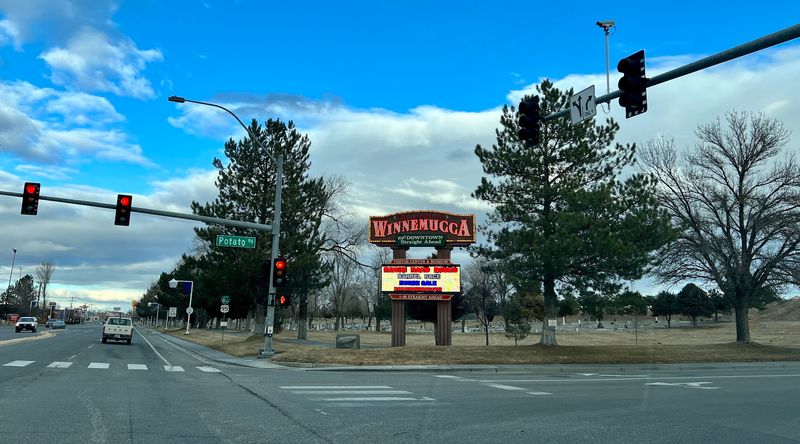
Winnemucca has the confident ease of a town that knows exactly what it is. Sitting along the Humboldt River in Humboldt County, this northern Nevada hub mixes working ranch culture with a surprisingly walkable downtown that rewards anyone willing to stroll beyond the highway corridor.
The compact grid layout makes navigation simple and stress-free.
The Humboldt Museum is a standout stop, housing a wide-ranging collection of artifacts that cover the region’s Paiute heritage, pioneer settlement, and ranching traditions. Public art installations dot the downtown area, and the historic architecture along Bridge Street and Winnemucca Boulevard reflects the town’s long role as a regional center for commerce and community.
A walk along the Humboldt River offers a peaceful counterpoint to the busier downtown blocks. The riverbanks provide shade, birdsong, and a slower rhythm that invites reflection.
Winnemucca also serves as a practical base for exploring the surrounding high desert, with several natural areas within easy driving distance. The town hosts cultural events throughout the year that draw on its Basque heritage, a legacy that shows up in local food, community gatherings, and a distinct sense of identity.
Winnemucca earns its place on this list not through spectacle but through the quiet satisfaction of a town that works and walks well.
Winnemucca, Humboldt County, Nevada, United States.
10. Pioche
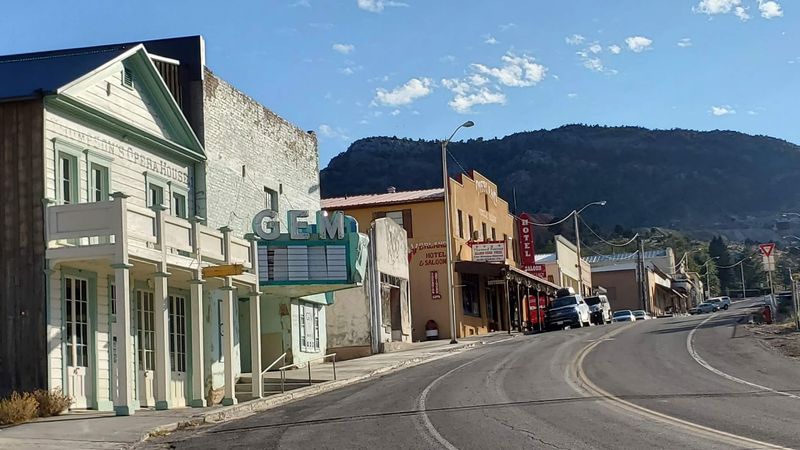
Pioche earned a colorful reputation in the 1870s as one of the wildest mining camps in the American West, and the town in Lincoln County still carries that bold energy, now channeled into historic walking tours. The self-guided route through downtown is one of Nevada’s most rewarding small-town heritage walks.
The Million Dollar Courthouse is the undisputed centerpiece, a beautifully restored structure with a famously complicated financial history that locals love to recount. The Miners Union Hall and Thompson’s Opera House add depth to the route, showing that even in its wildest years, Pioche had cultural ambitions alongside its mining ones.
Historic markers on nearly every significant building give walkers plenty to read and consider.
Boot Hill Cemetery sits on a ridge above town and offers panoramic views of the surrounding mountains and valleys that make the uphill walk entirely worthwhile. From there, visitors can also view the Pioche Aerial Tramway, the only surviving example of its kind in Nevada, a system once used to transport ore from the mines above.
The tramway and the cemetery together create one of the most atmospheric viewpoints in the entire state. Pioche is small, proud, and packed with stories that reveal themselves only to those willing to walk slowly and look closely.