
Keep An Eye On This Tiny Nevada Lake Town Before Everyone Else Catches On In 2026
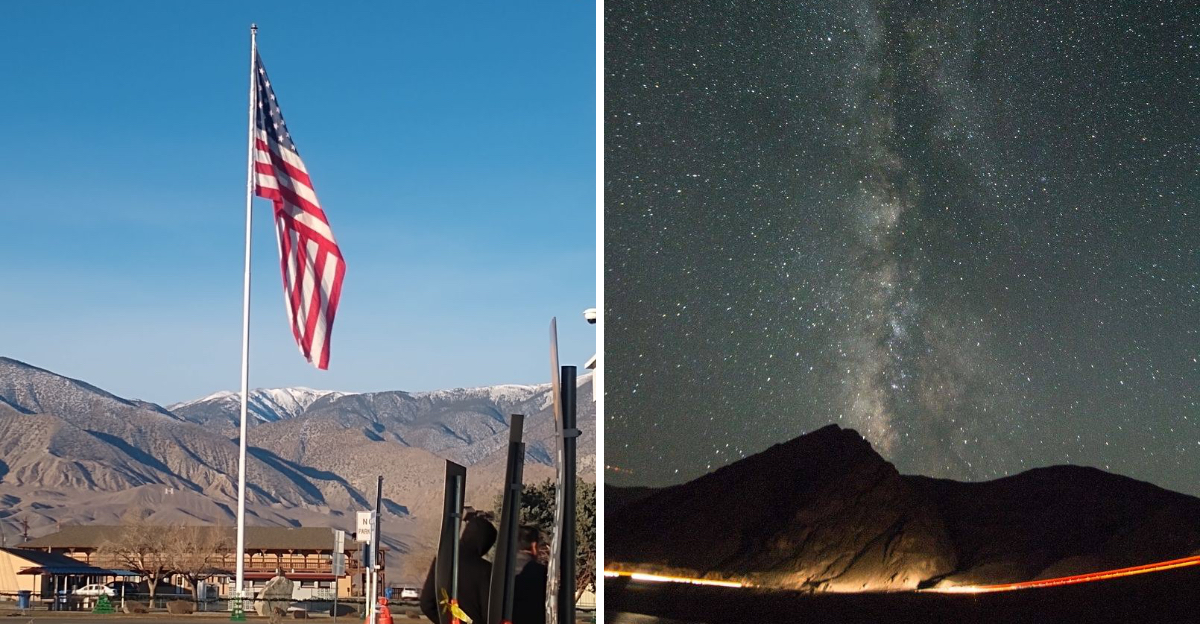
A tiny lake town in Nevada is about to get loud, and it barely knows it yet.
Ancient water shimmers below mountains that mirror perfectly on still mornings, and just outside town sits a depot holding a title most places could never imagine.
Wild mustangs roam free through the open desert. Bighorn sheep scale cliffs like gravity forgot to show up.
Locals grab coffee before sunrise, then disappear onto a thousand miles of open trail.
There is a museum stacked with military history, a lake that writes its own story in colored bands of rock, and food that tastes better than expected.
Nevada is keeping this one quiet, for now.
A free weekend and a little curiosity might be all this one needs before everyone else catches on.
Walker Lake And The Ancient Water That Still Shimmers
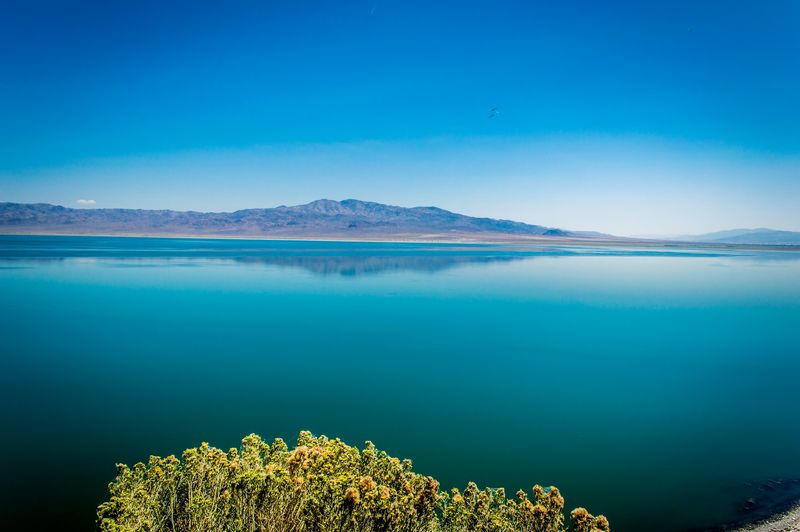
Few lakes on earth carry a story this old. Walker Lake is a remnant of the massive ancient Glacial Lake Lahontan, an inland sea that once covered a huge portion of the Great Basin of western Nevada.
That backstory alone gives the water a certain quiet authority.
The lake sits in Mineral County, framed on its western edge by the rugged Wassuk Range. On still mornings, the mountains reflect perfectly on the surface, creating a double image that feels almost unreal.
The water has a slightly salty quality due to reduced freshwater inflows over decades, which gives it a distinct character compared to typical freshwater lakes.
Campgrounds like Sportsman’s Beach and Tamarack Beach sit right along the shore, offering covered picnic areas and open sky. The Walker Lake Recreation Area at Hawthorne, NV 89415 is accessible around the clock.
Boaters, swimmers, kayakers, and canoeists all find room here. The sense of space is extraordinary.
The Military Heritage That Defines This Town
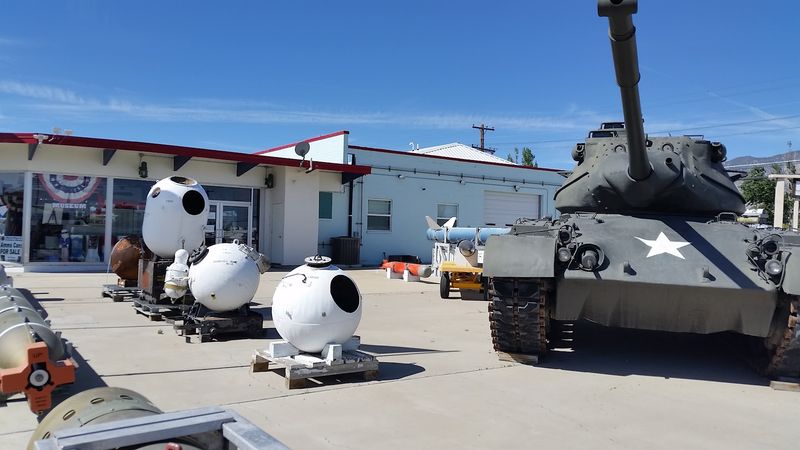
Hawthorne carries a title that most towns can only dream about. It calls itself “America’s Patriotic Home,” and that claim is backed up by something enormous sitting right outside town.
The Hawthorne Army Depot, which opened in 1930 after a series of ammunition storage disasters elsewhere in the country, is the largest munitions depot in the world.
The facility covers roughly 147,000 acres of Nevada desert. Thousands of storage igloos dot the landscape in orderly rows, each one holding a piece of the country’s defense history.
The depot processes and recycles outdated munitions, making it an active and essential part of national security even today.
Flags fly throughout the town streets, and the patriotic pride is not performative. It is woven into daily life here.
Residents have deep connections to the military mission, and that sense of purpose gives Hawthorne a grounded, purposeful energy. Visitors often say the town feels different from other small desert stops, and the depot’s presence is a big reason why that feeling sticks.
Two Museums Worth More Than A Quick Glance
History lovers will want to clear their schedules before stepping into Hawthorne’s local museums. The Mineral County Museum offers a well-curated look at the region’s mining roots and pioneer life.
Authentic artifacts fill the space, and the exhibits connect the dots between the land’s geological past and the people who settled it.
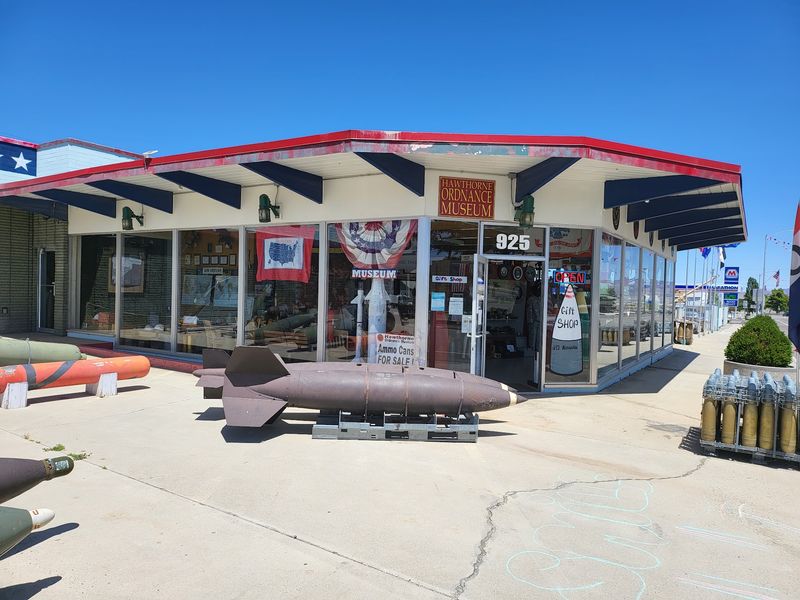
The Hawthorne Ordnance Museum takes a different angle entirely. Located at 925 E Street in Hawthorne, Nevada, this non-profit museum displays demilitarized ammunition and military equipment once used or stored by the US Navy and Army.
Many of the pieces on display have a direct connection to the local depot, which makes the collection feel genuinely rooted in place rather than generic.
Together, these two museums cover a surprisingly wide range of local identity. One tells the story of the land, the other tells the story of the mission.
Spending an afternoon moving between them gives visitors a layered understanding of why Hawthorne exists and why it matters to Nevada’s broader history.
Off-Road Adventures Across A Thousand Miles Of Open Terrain
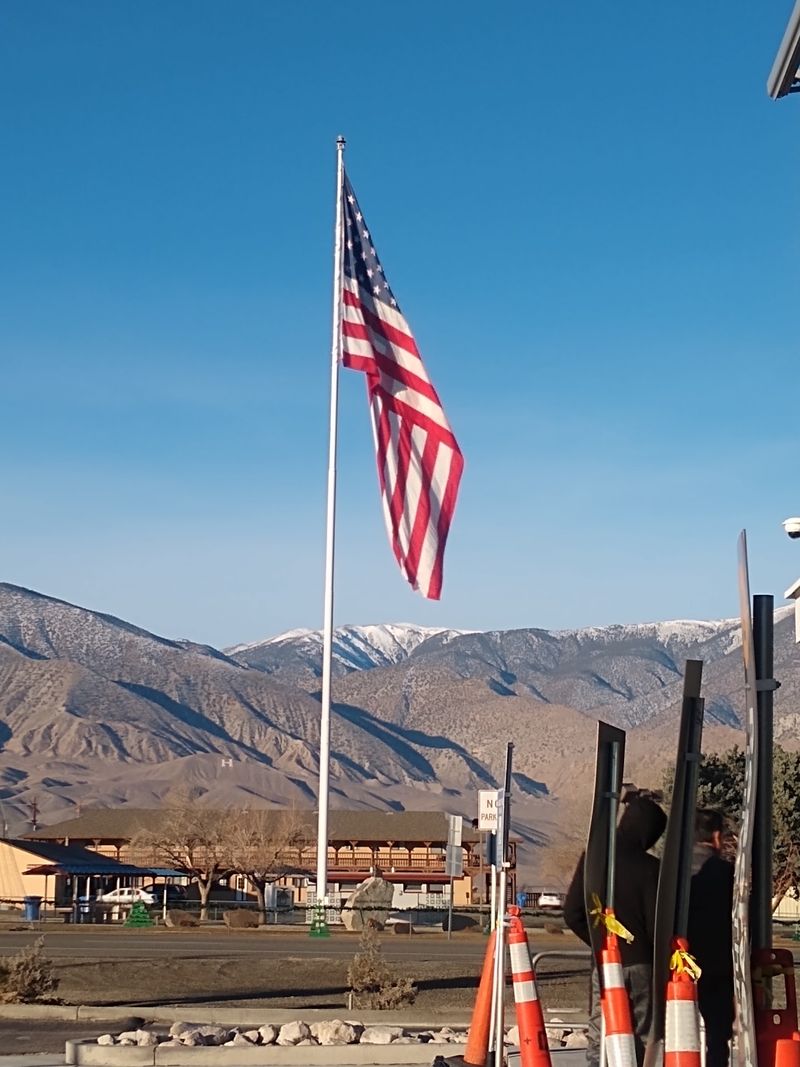
Mineral County is not playing around when it comes to outdoor adventure. The county boasts over 1,000 miles of unfenced dirt roads, making it one of the most open playgrounds in the American West for off-highway vehicle enthusiasts.
The scale of it is hard to wrap your head around until you are out there.
OHV riders find trails ranging from easy desert cruises to demanding rocky routes that test skill and equipment. Hikers also benefit from the variety.
The Humboldt-Toiyabe National Forest sits nearby, and routes through the Sawtooth Range in the Hoover Wilderness reward those willing to put in the effort with sweeping high-desert views.
Allum Creek Canyon and Pilot Peak near the town of Mina offer additional trekking options for those who want something off the beaten path. For a more relaxed afternoon, the Walker Lake Golf Course provides a scenic round with desert mountain backdrops.
Nevada’s open landscape here genuinely feels limitless, and that is not an overstatement.
Wildlife Encounters That Belong On Any Bucket List
Walker Lake sits along a major migratory bird corridor, which means the skies above it stay busy with impressive visitors throughout the year. Common loons, white pelicans, egrets, and herons are all regulars here.
Bald eagles and red-tailed hawks circle overhead with the kind of casual authority that only apex predators carry.
On the ground, the wildlife show continues. Wild mustangs roam freely across the surrounding desert, grazing in small groups that seem completely unbothered by human presence.
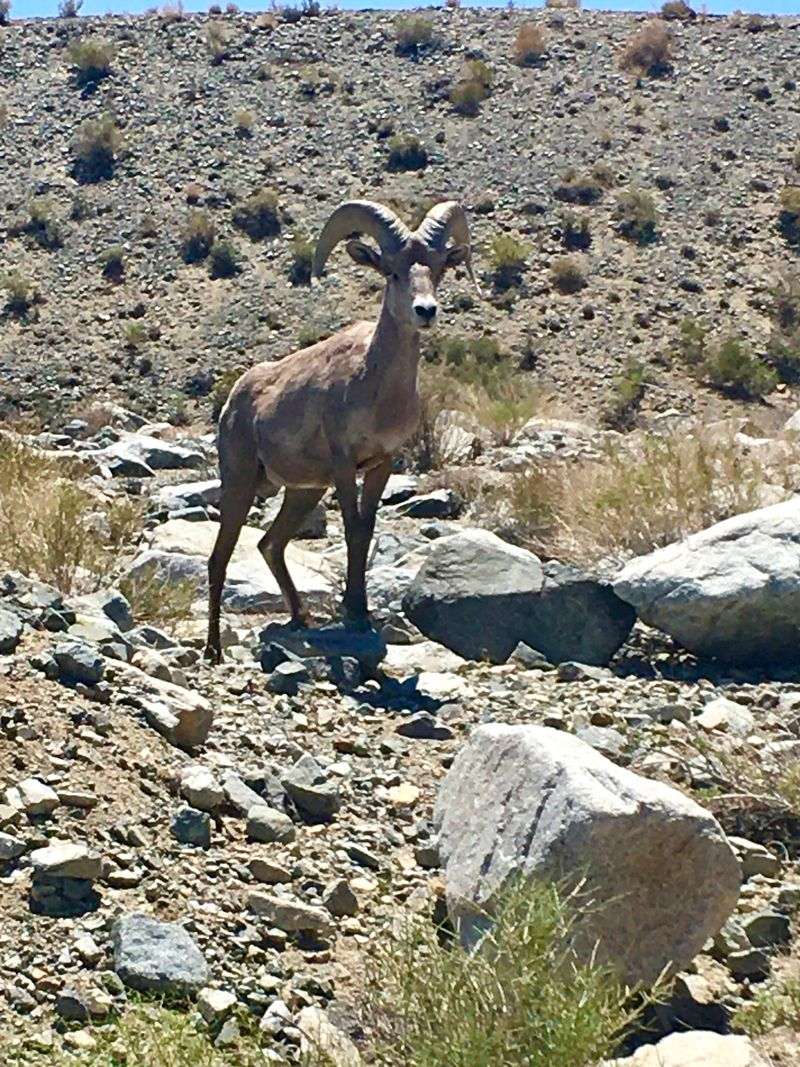
Desert Bighorn Sheep are another highlight, often spotted scaling the steep cliffs along the western shore of the lake. Catching a glimpse of them navigating near-vertical rock faces is a genuinely memorable experience.
Early mornings and late afternoons offer the best viewing windows. The light is softer, the animals are more active, and the stillness of the desert amplifies every sound and movement.
Bringing binoculars is a smart move. This kind of wildlife access without crowds is increasingly rare in the American West.
The Environmental Story Behind The Shrinking Shoreline
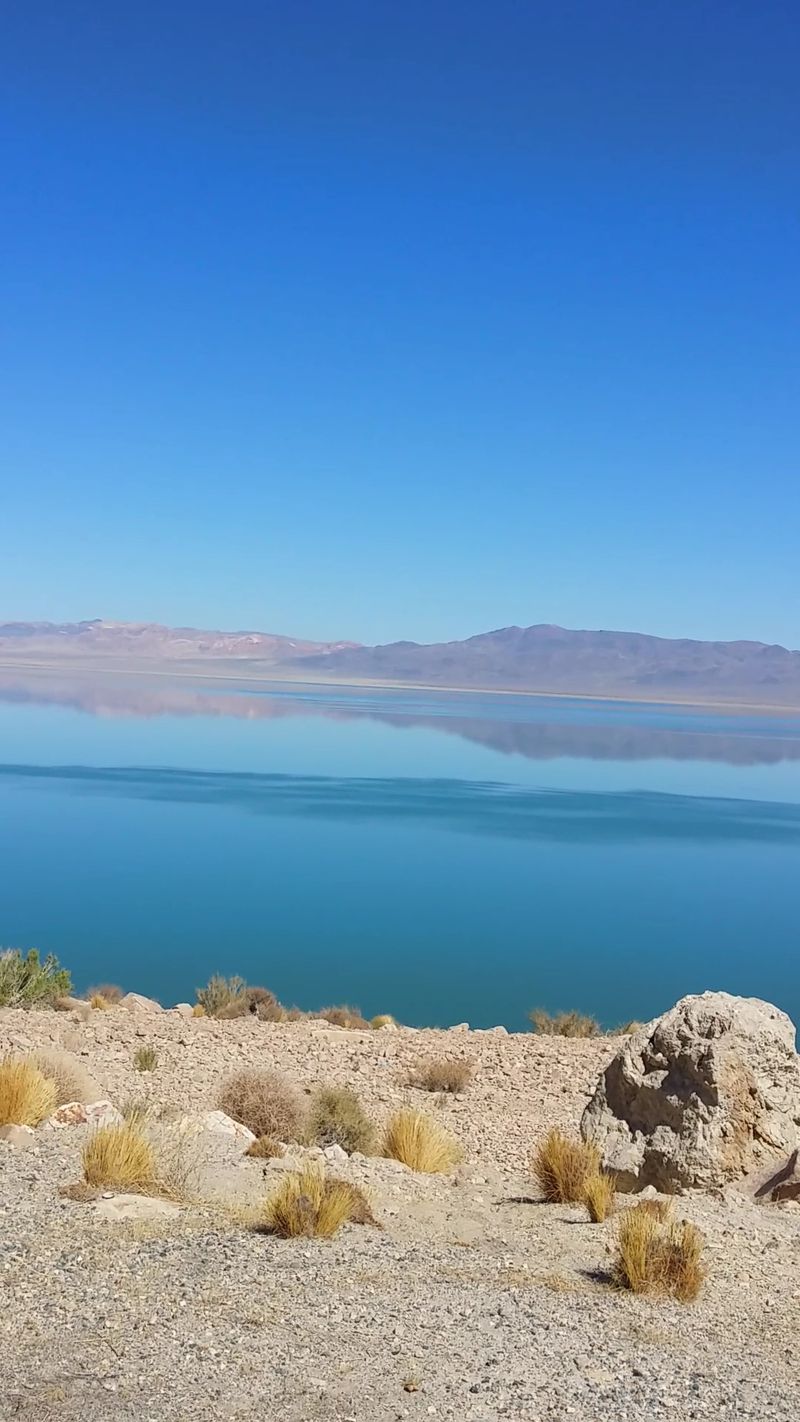
Walker Lake tells an environmental story that is visible right from the shoreline. Concentric bands of lighter-colored rock ring the lake’s edges, each one marking a past water level from decades or centuries ago.
The lake has been shrinking due to reduced freshwater inflows, and those bands are a quiet, powerful record of that change.
Increased salinity has affected native fish populations over time, shifting the lake’s ecological balance. Conservation groups and water management agencies have been working on restoration efforts aimed at improving inflow levels and supporting the return of healthier wildlife populations.
Progress is slow but real.
Visitors who take time to learn about these efforts often leave with a deeper appreciation for the lake’s complexity. This is not just a pretty body of water.
It is a living system under pressure, with communities and ecosystems depending on its recovery. Nevada’s relationship with water in the desert has always been complicated, and Walker Lake puts that complexity on full, honest display for anyone paying attention.
Where To Eat When The Desert Works Up An Appetite
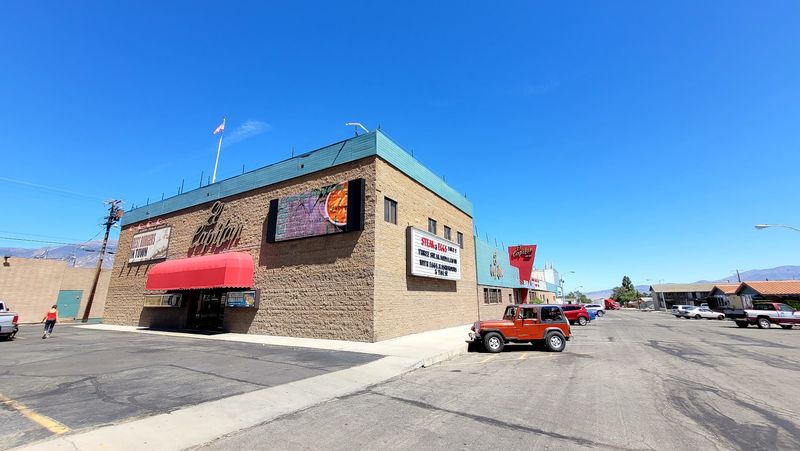
Fueling up in Hawthorne is easier and more enjoyable than the town’s size might suggest. Mr. Beane’s Coffee Shop, located in historic downtown, has built a loyal following with fresh espressos and hearty breakfast burritos.
It is the kind of place where locals linger over coffee and visitors quickly understand why.
Old Nevada Pizza at 497 E Street, Hawthorne, NV 89415 has been a family-run staple for decades. Pizzas, calzones, and wings come in generous portions, and the casual atmosphere makes it easy to settle in after a long day outdoors.
Peppers Place rounds out the options with classic American comfort food, roadside charm, and a quirky retro diner feel that hits the spot without any fuss.
These spots are not trying to be trendy. They are just consistently good, which in a small desert town is exactly what matters.
Eating locally here means supporting businesses that have kept the community running for years. That kind of authenticity is harder to find than most travelers expect, and Hawthorne delivers it without even trying.
Camping Under A Sky That Actually Delivers On Its Promise
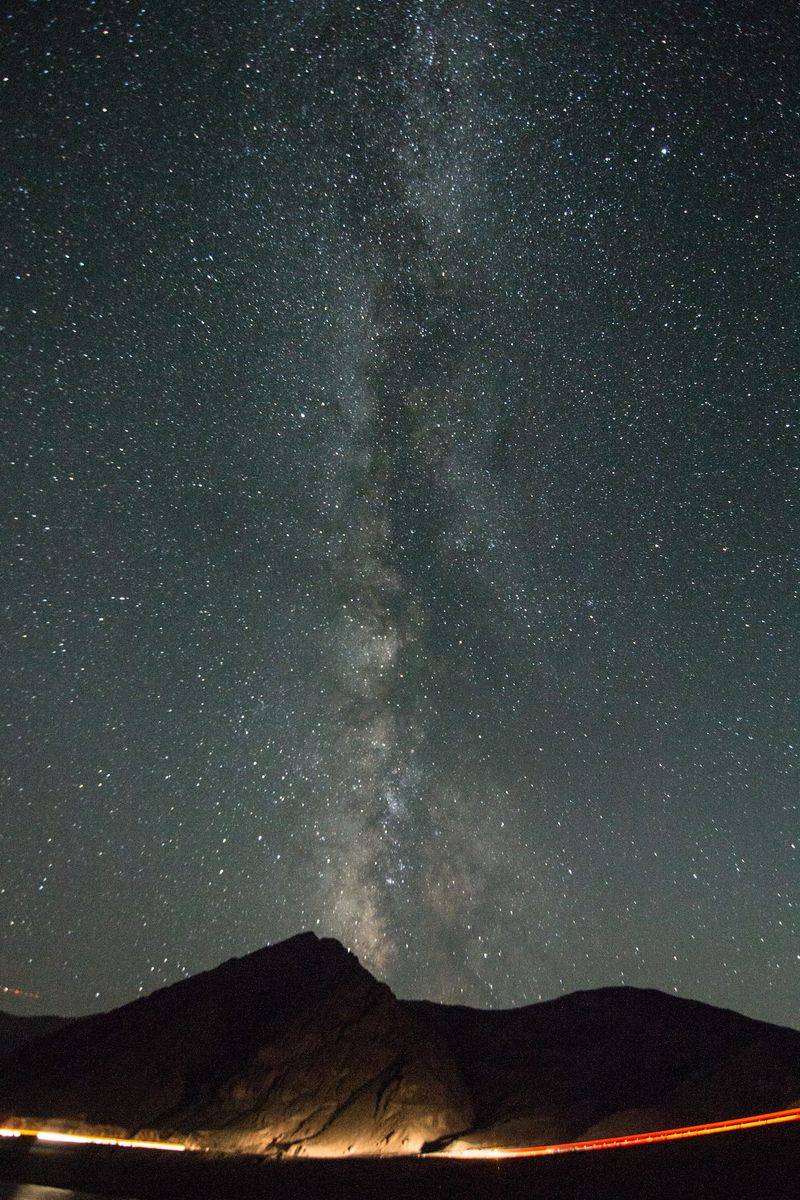
Camping at Walker Lake is the kind of experience that spoils people for ordinary campgrounds. The sites at Sportsman’s Beach come equipped with covered picnic areas, fire rings, and pit toilets, giving campers a basic but comfortable setup.
The real amenity, though, is the view of Mt. Grant rising above the lake’s eastern edge.
Tamarack Beach and 20-Mile Beach on the north side of the lake offer additional options, each with its own character. 20-Mile Beach is especially popular with those who want more solitude. The campground there sits far enough from the highway that road noise fades into nothing, leaving only wind, water, and the occasional call of a bird.
The night skies above Walker Lake are exceptional. Light pollution this far into the Nevada desert is minimal, and on clear nights the stars come out in numbers that feel almost excessive.
Dry camping with an open fire, a clear view of the Milky Way, and no cell service is a reminder that some of the best travel experiences cost very little.
Best Times To Visit And What Each Season Offers
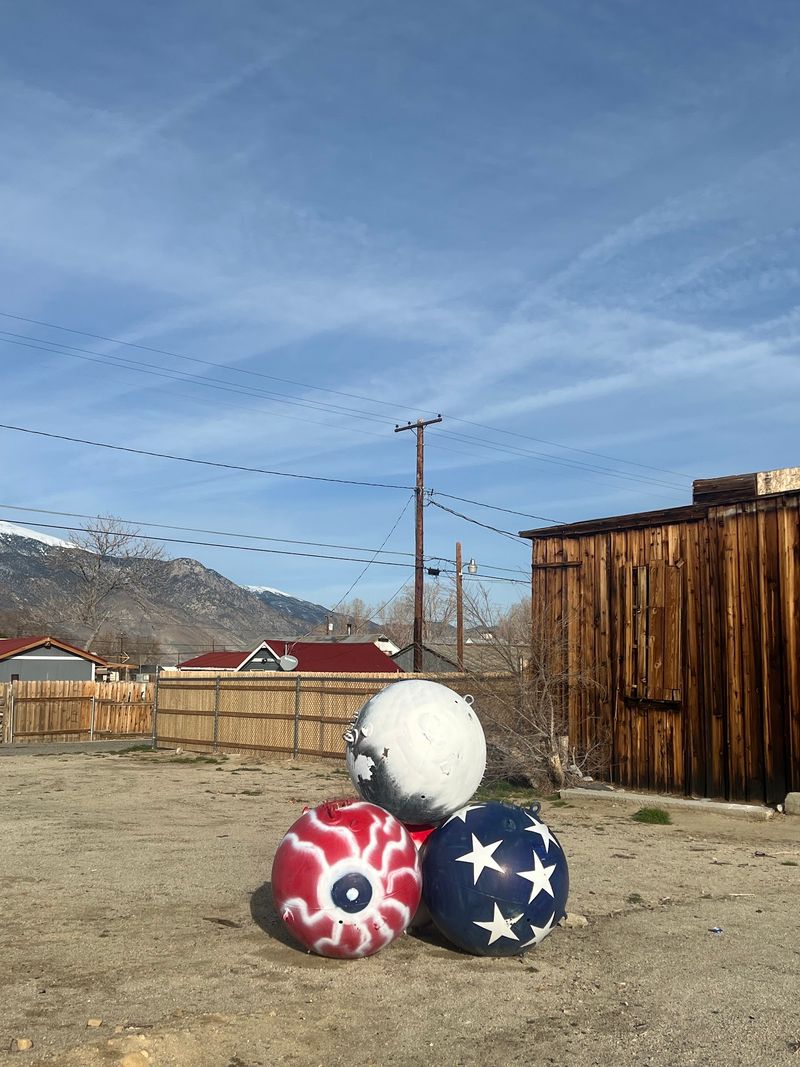
Hawthorne rewards visitors who plan around the seasons. The window from mid-April through mid-June brings comfortable temperatures and active wildlife, making it ideal for hiking, birdwatching, and exploring the lake’s shoreline.
Spring wildflowers add unexpected color to the desert landscape during this period.
Mid-June through early September is warm and well-suited to water activities on Walker Lake. Swimming, boating, kayaking, and paddling all peak during these months.
Summers in the high desert can bring significant heat, so early morning starts are smart for any land-based activity. Hawthorne reportedly enjoys close to 300 sunny days annually, which makes planning outdoor trips relatively straightforward.
The fall window from mid-September through October is arguably the most pleasant for general exploration. Temperatures cool down, crowds thin out, and the light takes on a golden quality that makes the landscape particularly photogenic.
Winter brings cold nights and occasional snow on the surrounding peaks, but the lake remains accessible and surprisingly peaceful during quieter months in Nevada.
Rock Hounding And The Geological Riches Of Mineral County
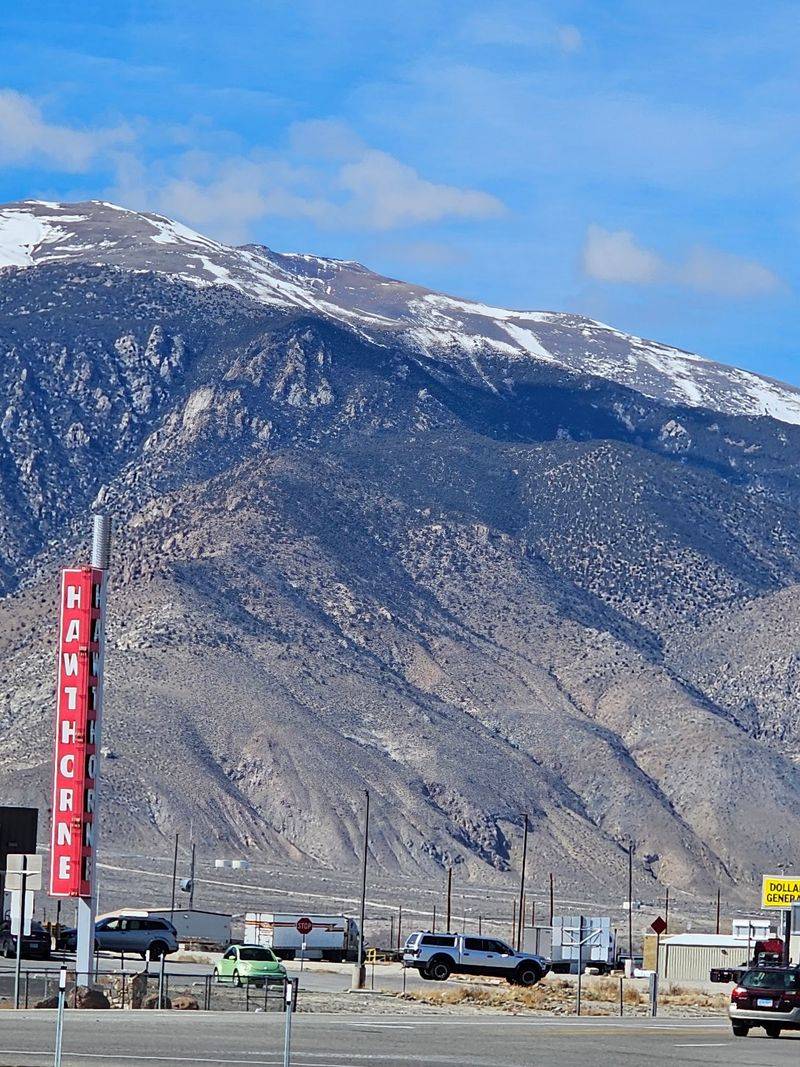
Mineral County did not get its name by accident. The ground throughout this region holds an impressive variety of geological specimens, and rock hounding has become a beloved activity for visitors who like to explore with their eyes on the ground as much as the horizon.
The diversity of what turns up here surprises even experienced collectors.
Gorgeous rocks of all types litter the wide-open terrain around Walker Lake and the surrounding desert. The vast unfenced landscape means access is relatively open, though checking land status before collecting is always a smart step.
The area around the lake’s shoreline and the cliffs of the Wassuk Range are particularly rich in visual interest.
For those who are new to rock hounding, Mineral County is an approachable starting point. The sheer variety of terrain, from dry lake beds to mountain washes, means different geological stories appear within short distances of each other.
Nevada’s mineral wealth runs deep here, and picking up even a single interesting stone connects visitors to a landscape that has been forming for millions of years.
Why Hawthorne Feels Like A Place Worth Coming Back To
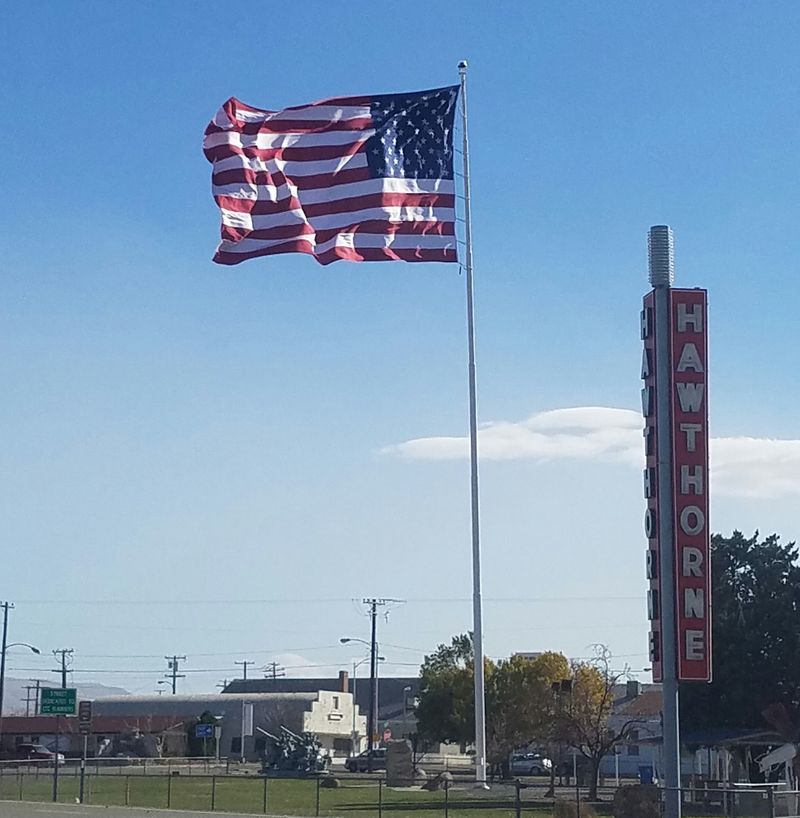
Small towns in the American West often feel like they are either fading or performing. Hawthorne does neither.
The town has a steady, grounded quality that comes from having a real purpose. The Army Depot keeps the community anchored.
The lake keeps it beautiful. The surrounding desert keeps it honest.
Community-focused events happen throughout the year at local veterans’ posts and gathering spots. Local diners and gathering spots serve as social hubs where locals and visitors mix easily.
New visitors often remark that the town feels more alive than its size would suggest.
That feeling is hard to manufacture and easy to lose. Right now, Hawthorne still has it.
The crowds have not arrived yet, the prices reflect reality, and the experience is unfiltered. Nevada has plenty of dramatic landscapes, but very few places where the landscape, the history, and the community all pull in the same direction.
Hawthorne is one of them.