
Locals Say Crowds Have Taken Over This Blue Ridge Mountain Town In North Carolina
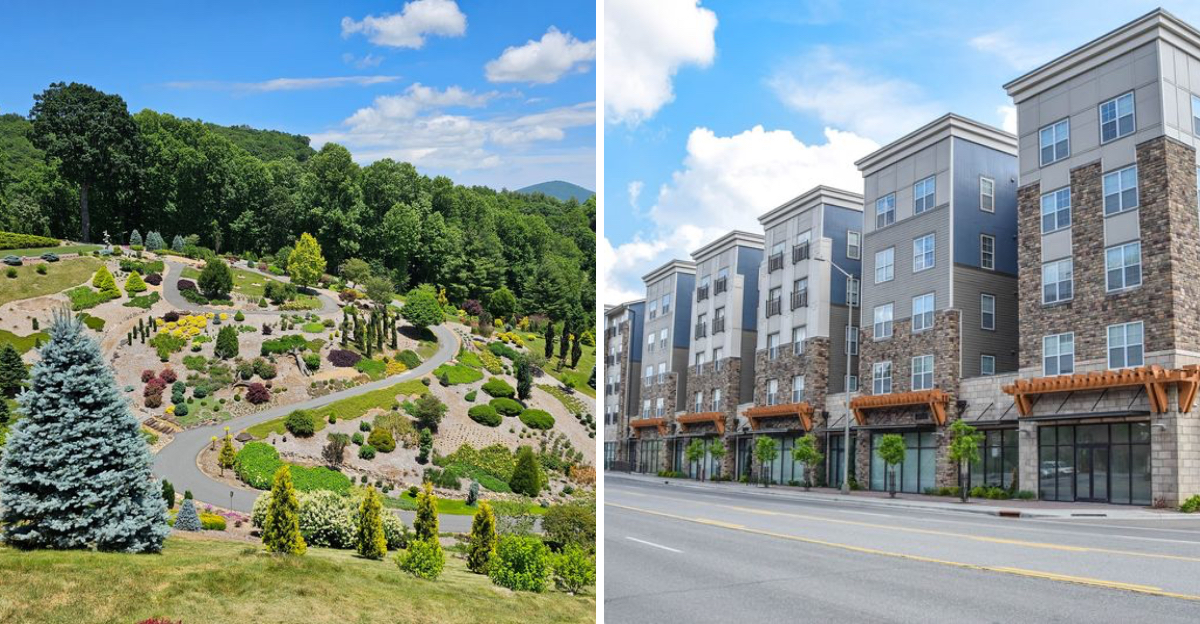
Locals in this Blue Ridge mountain town are sounding an alarm, and it says everything about why crowds keep multiplying every season.
Perched above 3,300 feet in North Carolina, this High Country favorite delivers views that stop conversations mid-sentence. Fog rolls through valleys while ridgelines stretch for miles in every direction.
Downtown streets buzz with galleries, live music, and small shops that feel like discoveries rather than checklist stops. Trails wind toward waterfalls and overlooks locals still talk about after dark.
But here’s the twist: the same charm pulling crowds in is testing traffic, trails, and neighborhoods across North Carolina’s High Country.
There’s a version of this town locals still love, and it’s worth learning before you plan your own visit.
The Mountain’s Magnetic Pull On Visitors
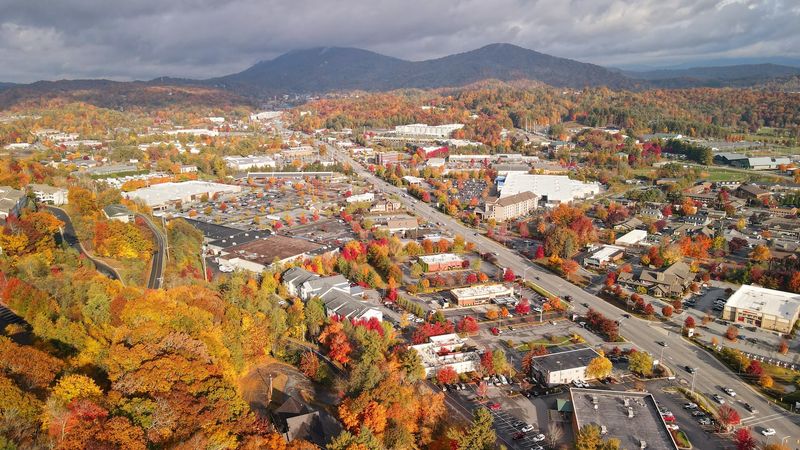
Few mountain towns in the eastern United States pack this much visual punch. Boone, North Carolina sits at an elevation of over 3,300 feet, making it one of the highest towns in the eastern U.S.
That altitude alone sets the tone for everything here.
The Blue Ridge Mountains wrap around the town like a natural amphitheater. Every direction offers a view worth stopping for.
Trails fan out from nearly every corner of the area, connecting forests, waterfalls, and overlooks that reward effort with scenery that feels almost unreal.
The Blue Ridge Parkway winds right past town, giving even casual visitors access to sweeping vistas without breaking a sweat. Nearby Grandfather Mountain offers a famous high suspension footbridge that stretches across a gorge, drawing visitors from all over the country.
Linville Falls is another crowd favorite just a short drive away.
This combination of accessibility and natural drama is exactly why visitor numbers keep climbing. The mountains are not going anywhere, and neither are the people who want to see them.
A History Older Than The Town Itself
Long before Boone had a name, the Cherokee people called these mountains home. They built communities in the lush valleys and along the ridges, living in deep relationship with the land.
Their presence shaped the cultural foundation of the entire region.
The town takes its name from the legendary frontier explorer who roamed these hills in the late 1760s and early 1770s. He made repeated hunting trips into the Blue Ridge range, leaving behind a legacy that the community eventually chose to honor officially.
The town was formally chartered in 1872, though it carried the explorer’s name from around 1850.
Today, that history is very much alive. The Hickory Ridge Living History Museum, located in Daniel Boone Park, recreates 1700s homestead life with remarkable detail.
Visitors can walk among authentic structures and get a real feel for what early mountain life demanded.
The long-running outdoor drama “Horn in the West” also performs seasonally in the park, dramatizing the struggles of Revolutionary War-era pioneers with energy and local pride. North Carolina does not forget its roots.
Tourism Dollars And The Economic Reality
Tourism is not just a nice bonus for Boone. It is a financial pillar.
Visitors poured over $515 million into Watauga County in a single recent year, and that figure keeps growing. The ripple effect touches nearly every business in town.
The travel and tourism sector supports thousands of jobs in the county. From hospitality workers to trail guides, a significant portion of the local workforce depends on visitor spending.
Tax revenues generated by tourism also provide direct savings to county residents each year, reducing what locals would otherwise pay.
Appalachian State University stands out as the county’s largest employer and top economic driver. Tourism runs close behind as the other major engine keeping the local economy strong.
But economic strength does not erase tension. When a town’s financial health becomes deeply tied to outside visitors, priorities can shift in ways that frustrate longtime residents.
The balance between serving tourists and serving the community is a conversation that Boone is actively having, and the outcome will shape the town’s identity for years to come.
King Street And The Downtown Shift
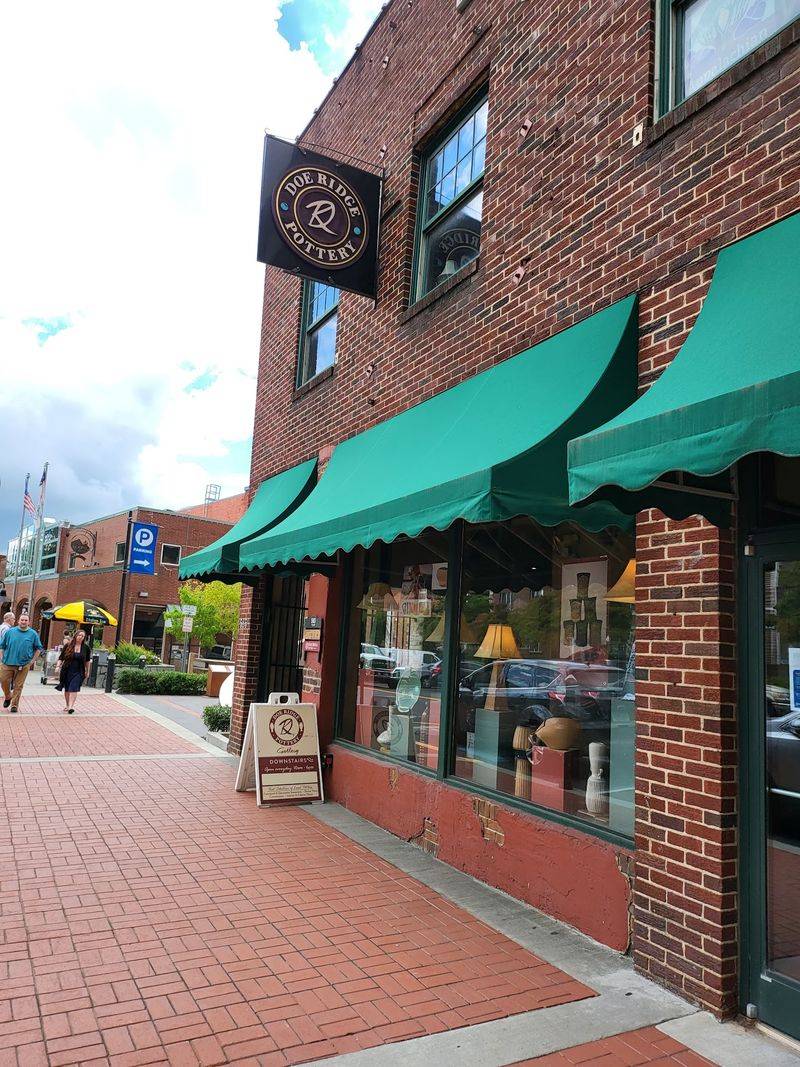
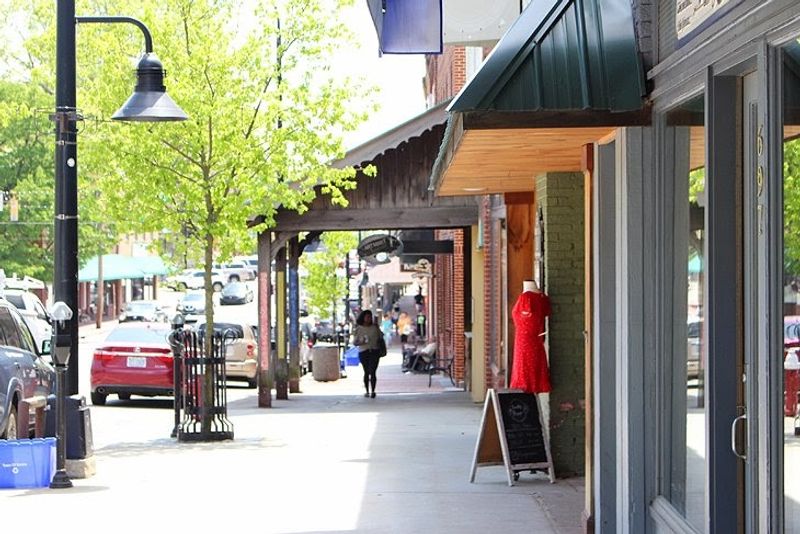
King Street is the heartbeat of downtown Boone, and on a busy weekend, it feels like that heart is working overtime. The main thoroughfare is lined with a lively mix of art galleries, independent boutiques, antique shops, and restaurants that range from casual to creative.
It is a walkable, photogenic stretch of town that rewards slow exploration. But the charm comes with a catch.
Parking near King Street has become a genuine headache, especially during peak season. Drivers circle blocks repeatedly, and patience wears thin fast.
The character of the street has also evolved. Shops and restaurants that once served mostly locals now cater heavily to the tourist crowd.
That shift is visible in the menus, the merchandise, and the overall vibe. Long-time residents sometimes feel like guests in their own downtown.
Still, the energy is undeniable. Street musicians, local vendors, and the general buzz of a mountain town in full swing give King Street a personality that is hard to replicate.
It remains one of the most enjoyable places to spend an afternoon in the North Carolina High Country.
Traffic That Would Surprise A City Driver
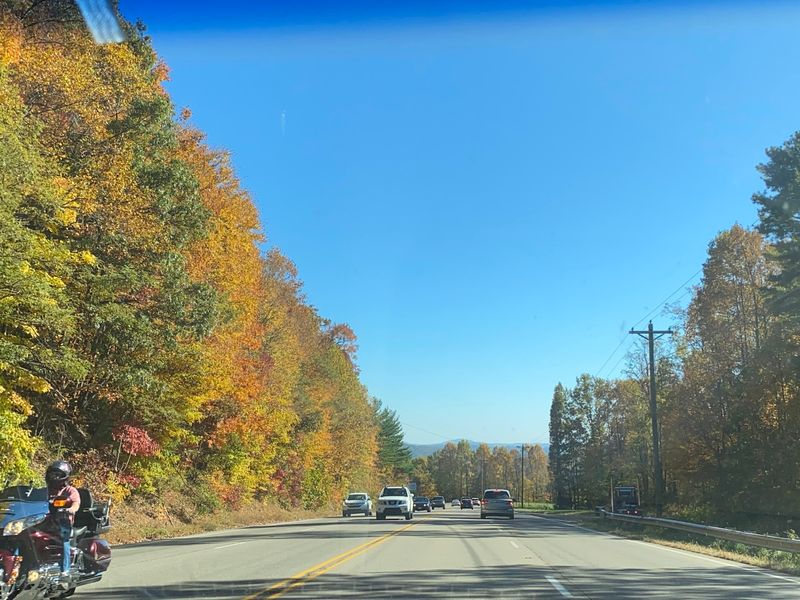
Mountain roads and bumper-to-bumper traffic are not a natural pairing, but Boone has made it work in the worst possible way. Highway 321 and Highway 105 are the main routes in and out of town, and during busy periods, both can grind to a near standstill.
Appalachian State University football weekends are particularly chaotic. Thousands of fans descend on a town whose road infrastructure was never designed for that kind of volume.
Add leaf-peepers flooding in during October, and the situation becomes a test of everyone’s patience.
What makes it especially frustrating is the contrast. You drive through breathtaking mountain scenery, and then you sit still for twenty minutes waiting for a light to change.
The scenic beauty does not disappear, but the stress of congestion chips away at the experience.
Visitors who plan ahead do themselves a big favor. Arriving early in the morning, avoiding weekend peak hours, and researching alternate routes can make a meaningful difference.
Locals have learned these workarounds through experience, and they are happy to share them with anyone who asks.
Trails Under Pressure From Heavy Foot Traffic
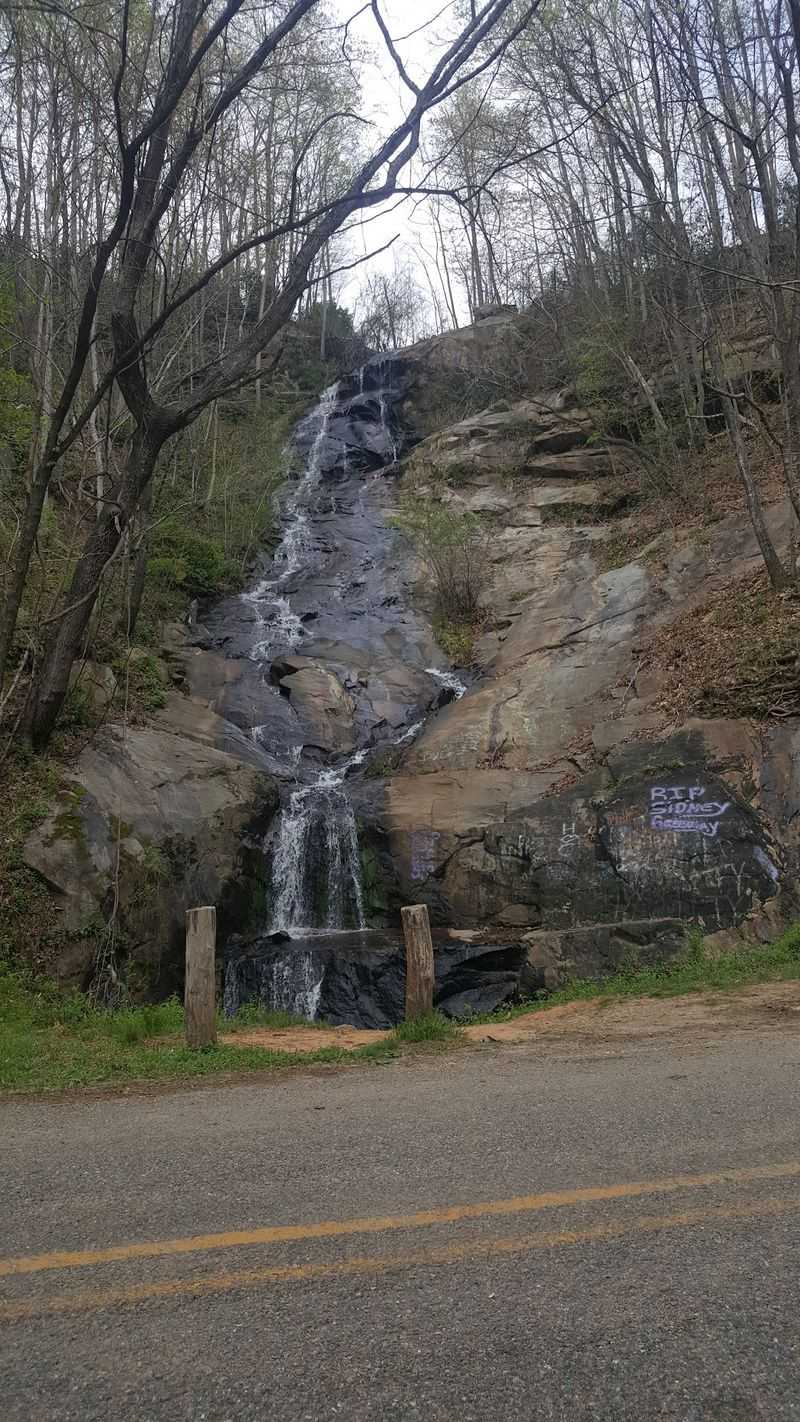
The trails around Boone are some of the most rewarding in the entire Appalachian region, and that reputation has consequences. Popular routes near the Blue Ridge Parkway, Grandfather Mountain, and Linville Falls now see visitor numbers that stress both the environment and the experience itself.
During peak fall weekends, parking areas at popular trailheads fill up before most people have finished breakfast. Arriving after mid-morning on an October Saturday often means turning around and finding an alternative.
Rangers and park staff have noted the pressure firsthand.
The trails themselves bear the marks of overuse. Soil erosion, trampled vegetation, and litter are visible on the most heavily traveled paths.
These are fragile mountain ecosystems, and they do not recover quickly from repeated impact. Staying on marked trails is not just a rule; it is a responsibility.
Quieter, less-promoted trails exist throughout the area and offer comparable beauty with a fraction of the foot traffic. Doing a little research before heading out can lead to an experience that feels more personal and leaves a lighter footprint on the land.
The Housing Crisis Behind The Scenic Backdrop
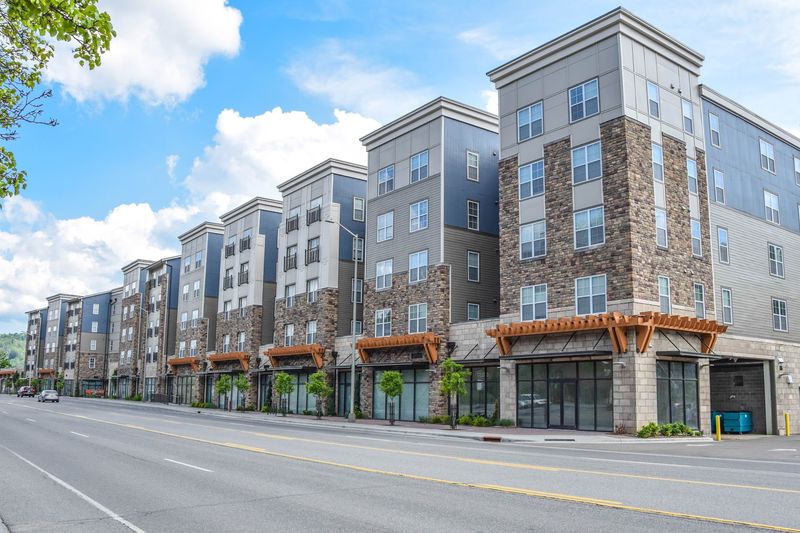
Behind the postcard views, Boone is wrestling with a housing problem that affects real people every day. Rental prices have climbed sharply in recent years, driven in part by the growth of short-term vacation rentals on platforms like Airbnb and Vrbo.
Property owners see higher returns from tourists than from long-term tenants, and the math is simple.
The result is a shrinking pool of affordable housing for locals and students. Appalachian State University brings thousands of students to town each year, and they compete for the same limited housing stock as working residents.
The pressure is felt across income levels.
Gentrification is no longer a distant concern. Neighborhoods that were once affordable for service workers, teachers, and longtime community members are becoming financially out of reach.
The character of those neighborhoods shifts as a result.
Town leaders and community advocates are working on solutions, including zoning discussions and housing initiatives. Progress is slow, as it tends to be with complex problems.
But the conversation is happening, and residents are pushing hard for outcomes that keep North Carolina mountain communities livable for the people who built them.
Four Seasons, Four Very Different Experiences
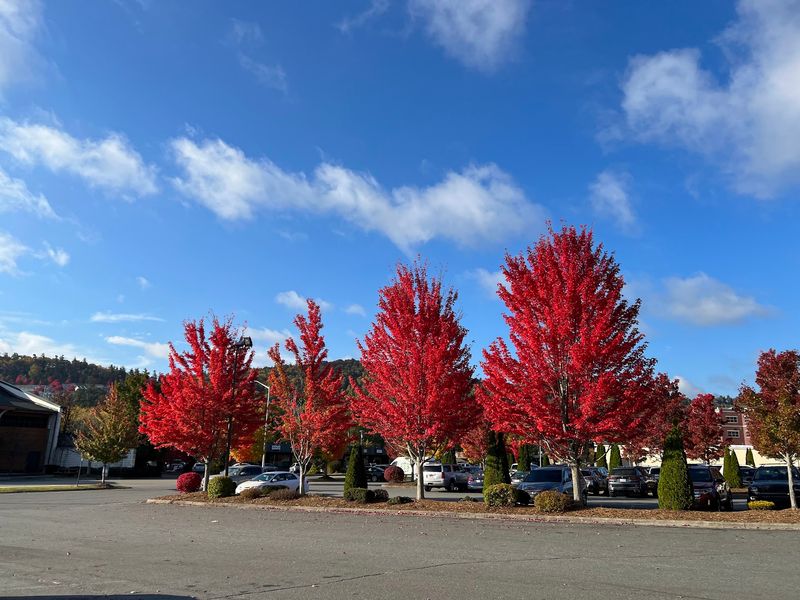
Boone is one of those rare places where each season genuinely transforms the destination. Spring arrives with blooming wildflowers and mild temperatures that make hiking feel effortless.
The crowds are lighter, the air is crisp, and the landscape is recovering from winter with visible enthusiasm.
Summer brings warmth without the oppressive heat found in much of the Southeast. Daytime highs hover around a comfortable level that makes outdoor activity genuinely enjoyable.
Events, markets, and outdoor concerts fill the calendar, and the town buzzes with energy.
Fall is the headline act. The hillsides ignite with color in a display that draws visitors from across the country.
The Blue Ridge Parkway becomes a slow parade of cars and cyclists soaking in the spectacle. It is stunning, but it is also the busiest and most congested time of year.
Winter transforms North Carolina’s High Country into a skiing destination. Several resorts operate within a short drive of Boone, earning the region its informal title as the Ski Capital of the South.
Quiet winter weekdays offer a completely different and surprisingly peaceful side of the town.
Appalachian State University’s Role In The Mix
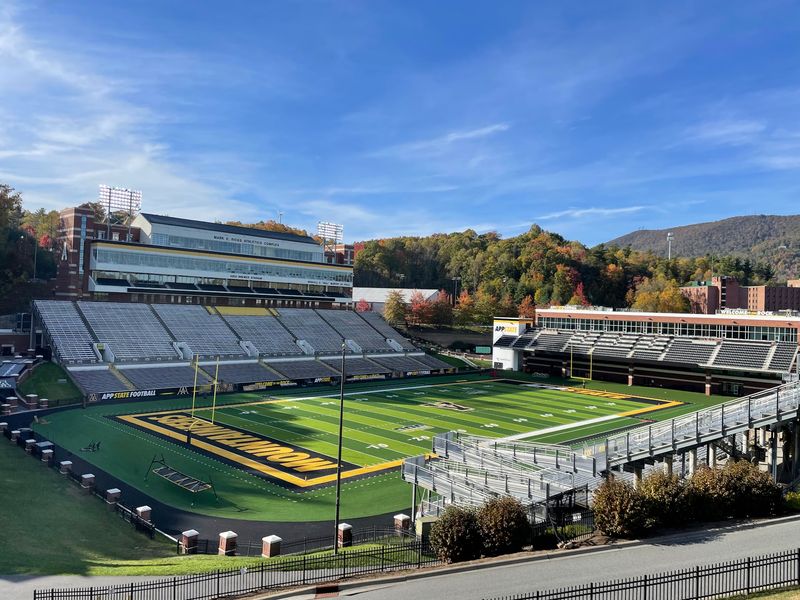
Appalachian State University is not just a school in Boone. It is the town’s largest economic driver and one of its defining cultural forces.
The university brings tens of thousands of students, faculty, staff, and visitors into a relatively small mountain community.
Game days take on an outsized significance. Football weekends pack the town with fans, creating a festive atmosphere that also strains roads, restaurants, and parking.
The university’s presence means Boone never fully goes quiet, even during seasons when other mountain towns slow down considerably.
The student population shapes the downtown scene in visible ways. Cafes, bookstores, music venues, and casual eateries thrive because of the steady demand.
The university also contributes to the town’s creative and intellectual energy, supporting arts programs, lectures, and community events throughout the year.
The relationship between the university and the broader community is not without friction. Housing demand from students competes with local needs, and large events can overwhelm infrastructure.
But most residents acknowledge that Appalachian State University is inseparable from what Boone is, and what it will continue to become in North Carolina’s mountain region.
Arts And Culture That Go Deeper Than Souvenirs
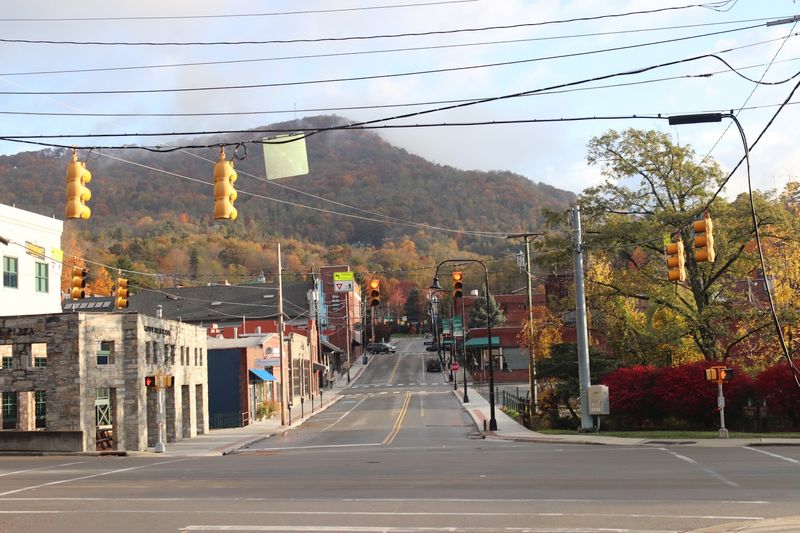
Boone has a creative side that often gets overshadowed by its outdoor reputation. The Turchin Center for the Visual Arts serves as the cultural anchor of the community, hosting rotating exhibitions that showcase both regional and national artists.
It is a serious institution in a mountain town, and that combination works beautifully.
Local galleries along and around King Street add depth to the arts scene. Craft traditions rooted in Appalachian culture are well represented, from hand-thrown pottery to hand-woven textiles.
These are not mass-produced items marketed to tourists. They reflect real skill and genuine heritage.
Music is woven into the fabric of daily life here. Local venues host everything from bluegrass and folk to indie and classical performances.
The university contributes significantly to the live music calendar, and the result is a town that always seems to have something worth hearing.
The “Horn in the West” outdoor drama performs seasonally in Daniel Boone Park, bringing Revolutionary War history to life under open skies. It has run for decades and remains a meaningful expression of the community’s pride in its Appalachian roots and North Carolina identity.
Smart Tips For Visiting Without Making Things Worse
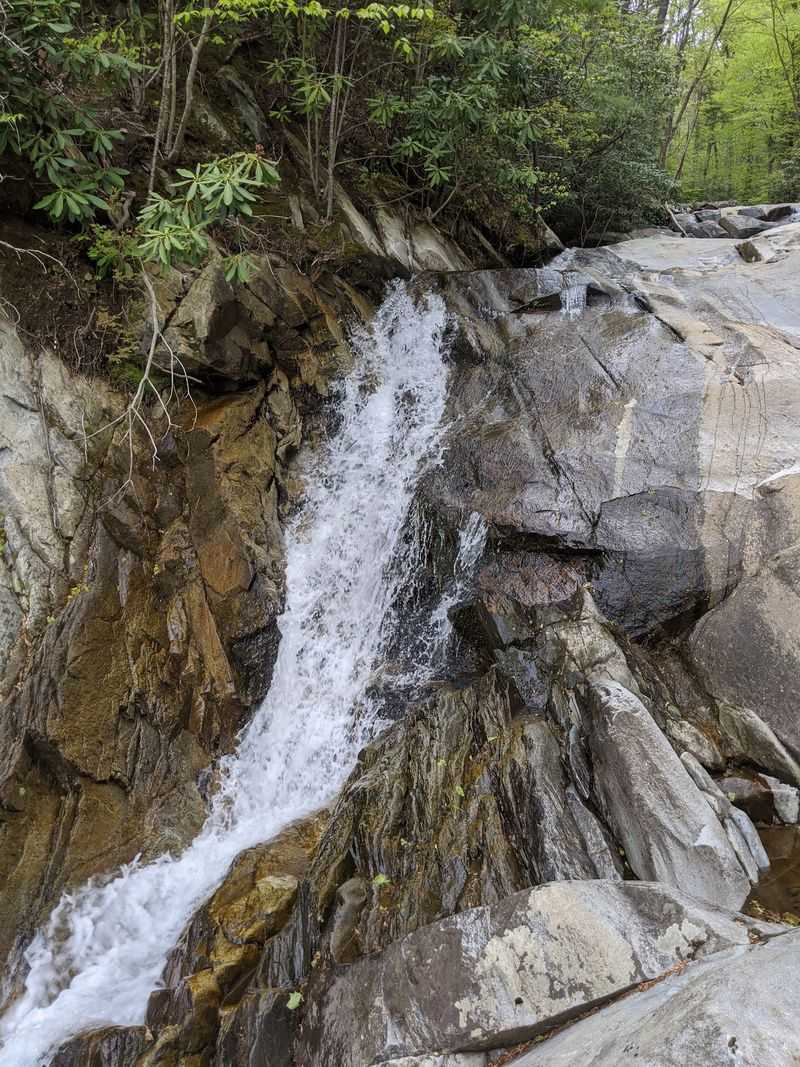
Visiting Boone responsibly is possible, and it starts with timing. Midweek visits dramatically reduce encounters with large crowds at trailheads, downtown shops, and scenic overlooks.
Spring and early summer offer pleasant conditions with noticeably fewer people than the fall rush.
Arriving early is one of the most effective strategies. Parking fills fast at popular spots on the Blue Ridge Parkway and at Grandfather Mountain, often before mid-morning on weekends.
Getting there at sunrise is not just practical; it also delivers the best light and the most peaceful atmosphere.
Supporting local businesses over chain establishments makes a real difference. Independent restaurants, craft shops, and locally owned accommodations keep money circulating within the community rather than flowing out of it.
That choice matters more than most visitors realize.
Staying on marked trails, packing out all trash, and respecting posted guidelines protects the ecosystems that make this place worth visiting in the first place. Boone’s natural environment is resilient but not indestructible.
Treating it with care ensures that future visitors, and the community that lives here year-round, can continue to enjoy what makes North Carolina’s High Country so compelling.
What Locals Want Visitors To Understand
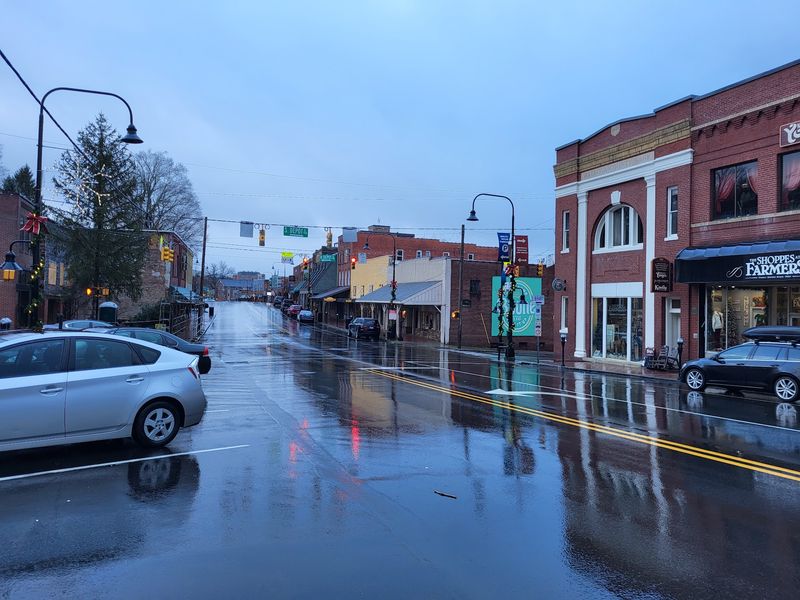
The people who live in Boone year-round have a complicated relationship with the town’s growing fame. They are proud of their home.
They want visitors to love it too. But they also want the place to remain livable, functional, and recognizable to the community that built it.
Locals tend to appreciate visitors who show genuine curiosity rather than treating the town as a backdrop for social media content. Asking for recommendations, shopping at independent stores, and taking time to learn a little history go a long way toward building goodwill.
Patience on the roads is another big one. Mountain driving requires a different mindset than highway travel.
Slow down, let people merge, and resist the urge to honk at every delay. The scenery around every bend is worth the extra few minutes.
Boone is not a theme park. It is a real community with real pressures, real neighbors, and a real identity that predates the tourism boom by generations.
Visitors who arrive with that awareness tend to have a richer experience and leave a lighter impact on a North Carolina mountain town that deserves both respect and care.