
The Worst Places To Deal With Mosquitoes In Kentucky This Summer
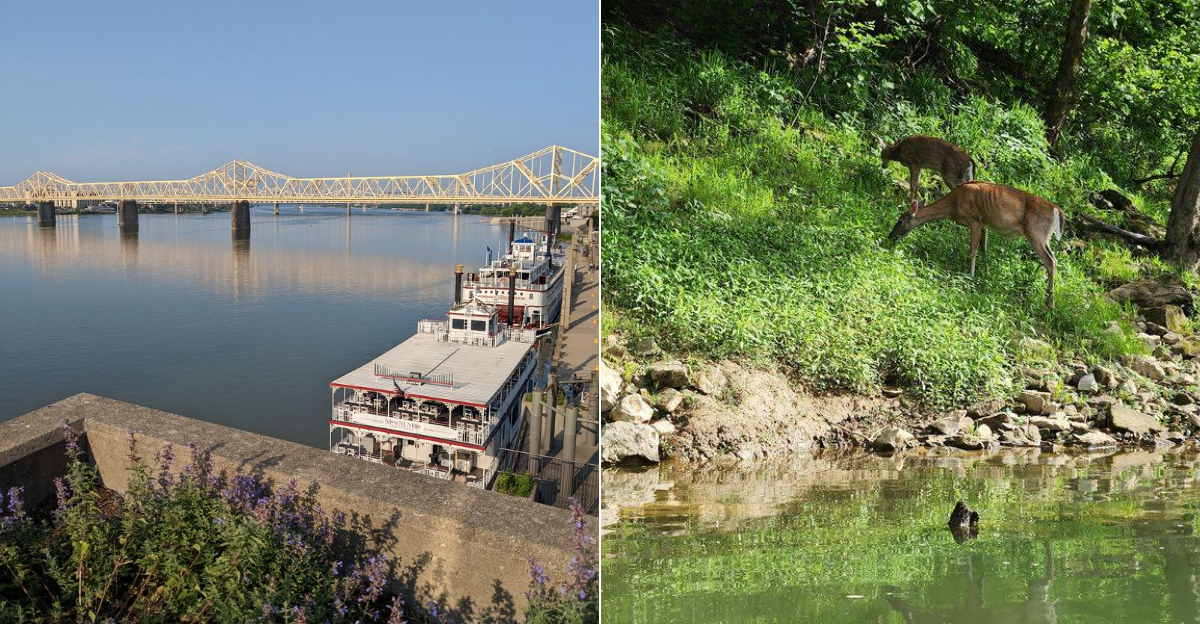
Kentucky summers come with a catch nobody puts on the postcard. Some of the state’s most beautiful spots are also its worst for getting bitten.
Why do the prettiest places always seem to have the most mosquitoes? Because standing water, dense forest canopy, and slow-moving rivers create exactly the humid, shaded conditions these insects need to thrive all season long.
National forests and wildlife refuges top the list, their wetlands and bottomland hardwoods breeding swarms thick enough to test anyone’s patience.
Even major cities aren’t safe, ranking among the worst in the country thanks to floodplains, clay soil, and a mosquito species that bites during daylight hours too.
A cypress swamp deep in one county feels almost prehistoric, still water and dense canopy creating conditions mosquitoes could barely design better themselves.
None of this means staying home. It just means showing up prepared, long sleeves and bug spray treated as required gear rather than an afterthought.
Kentucky rewards outdoor adventure all summer long, mosquitoes included. Pack accordingly, plan around dawn and dusk, and let the itching be the only bad part of the trip.
Land Between The Lakes National Recreation Area
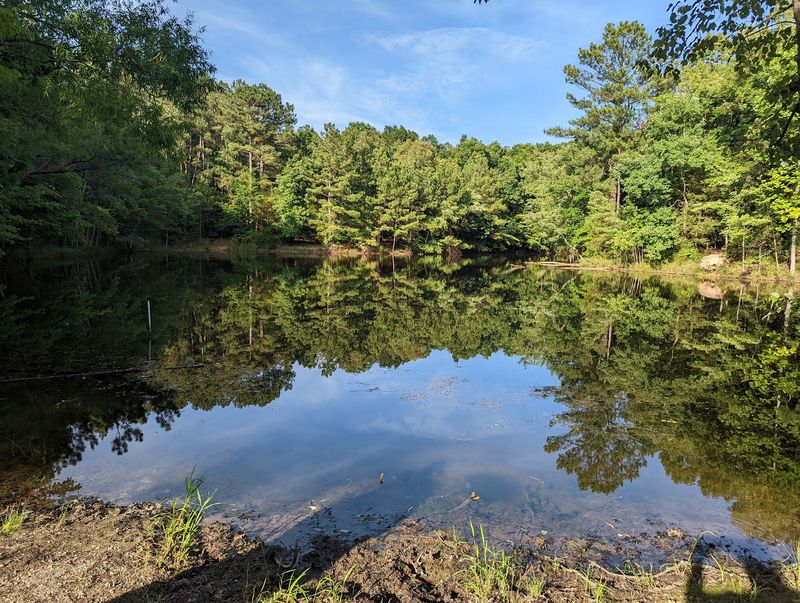
Imagine 170,000 acres of forests, wetlands, and shoreline all packed into one incredible outdoor playground. That is exactly what Land Between the Lakes offers, and mosquitoes know it just as well as the hikers and campers do.
This area sits between Kentucky Lake and Lake Barkley, giving mosquitoes 300 miles of natural shoreline to breed and thrive all summer long.
Mosquito activity here is rated extremely high during August, especially after heavy rains roll through. The combination of standing water in the wetlands and the thick forest canopy creates the perfect shaded, humid habitat these insects love.
Aerial mosquito control has even been used here in past seasons, which tells you everything about how serious the problem gets.
Still, the adventures here are worth every swat. You can hike over 500 miles of trails, kayak on the lakes, watch bison roam the Elk and Bison Prairie, or camp under a sky full of stars.
Just make sure you load up on repellent before you head out, especially at dawn and dusk when mosquitoes are most aggressive. Long sleeves are your best friend at this spot.
The Golden Pond Visitor Center is located at 238 Visitor Center Dr, Golden Pond, KY 42211. Check hours before you visit.
Red River Gorge Geological Area
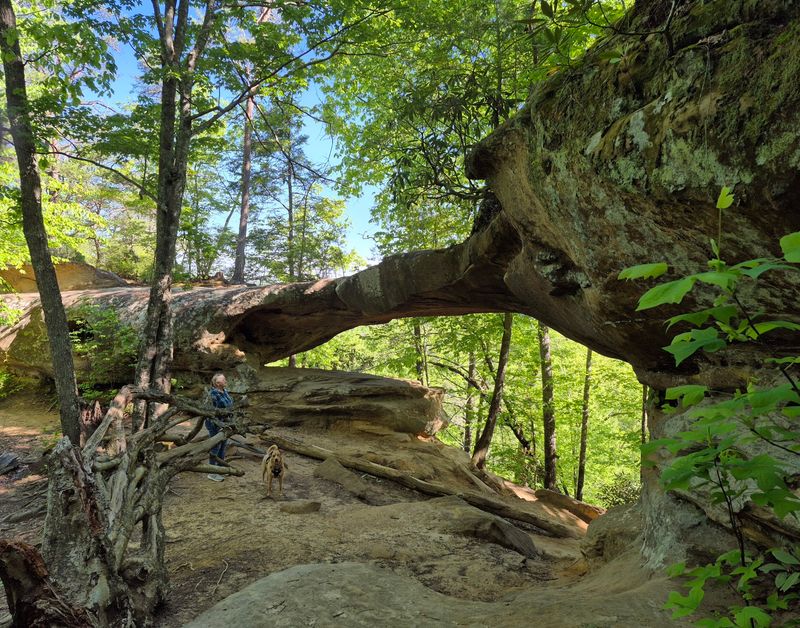
Red River Gorge is one of those places that looks like it jumped straight out of a nature documentary. Towering sandstone cliffs, more than 100 natural arches, and a winding river all make this spot unforgettable.
But the same creeks and dense forest that make it magical also make it a serious mosquito zone all summer long.
Hikers heading into the lower, wetter sections of the gorge report swarming insects and aggressive biting flies, especially in late June and early July. The Red River and its many tributaries keep the air humid and the ground damp, giving mosquitoes endless places to lay their eggs.
Some trail sections near creek crossings can feel like walking through a living cloud of bugs.
Rock climbers, campers, and paddlers all flock here despite the insects, and honestly, the scenery makes it easy to understand why. Over 600 miles of trails wind through this 29,000-acre area inside Daniel Boone National Forest.
If you are planning a canoe trip down the Red River or a weekend camping adventure, bug spray is non-negotiable. Bring enough for the whole group and reapply often.
You deserve this adventure, just come prepared. The Red River Gorge Geological Area is located in Stanton, KY 40380.
Confirm trail conditions and access days before heading out.
Lexington

Lexington is the heart of Kentucky horse country, and it is absolutely stunning in the summer. Rolling bluegrass pastures, historic farms, and charming downtown parks make this city a top destination for visitors from all over.
What the tourism brochures leave out, though, is that Lexington ranked among the most mosquito-infested cities in the country, with activity expected to rise even further this season.
The Bluegrass karst region surrounding the city is part of the reason. Limestone springs and natural sinkhole ponds create standing water that is almost impossible to eliminate, giving mosquitoes a reliable place to reproduce throughout the summer.
Lush greenery on the horse farms and in city parks also provides cool, shaded resting spots for adult mosquitoes during the heat of the day.
Visiting the Kentucky Horse Park, exploring McConnell Springs, or kayaking on the Kentucky River are all fantastic ways to spend a summer day here. But every one of those activities puts you right in mosquito territory, especially near water and dense vegetation.
Peak biting activity runs from dusk to dawn, but the daytime-biting Asian tiger mosquito keeps things interesting around the clock. Locals joke about getting bit the moment they step outside, and honestly, they are not wrong.
Lexington, KY is easy to explore, but check park hours and trail access days before planning your visit.
Paducah

Paducah sits right where the Tennessee River meets the Ohio River in western Kentucky, and that location makes it one of the most charming small cities in the state. It is also one of the most mosquito-heavy.
Reports from western Kentucky describe swarms so thick after heavy rains that people counted up to 20 bites per minute in some outdoor areas. That is not an exaggeration worth ignoring.
The Ohio River bottomlands surrounding Paducah sustain mosquito populations all season long. Standing water hides in gutters, puddles, tree trunks, and flood-prone zones throughout the city and its surrounding natural areas.
The Asian tiger mosquito is especially common here, showing up earlier in the season than most people expect and staying active well into fall. Paducah ranked among the top 50 most mosquito-infested cities in the US on a recent national list.
Despite the bugs, Paducah has so much to offer. Noble Park features a beautiful lake, playgrounds, and access to the Greenway Trail for biking and jogging.
The Paducah Riverfront and its famous Flood Wall Murals are a must-see on any visit. Evening events like outdoor movie nights make the city feel alive and festive.
Just bring your repellent and wear light layers when you head out after sunset. Paducah, KY is worth every visit, but check park hours and event schedules before you go.
Clarks River National Wildlife Refuge
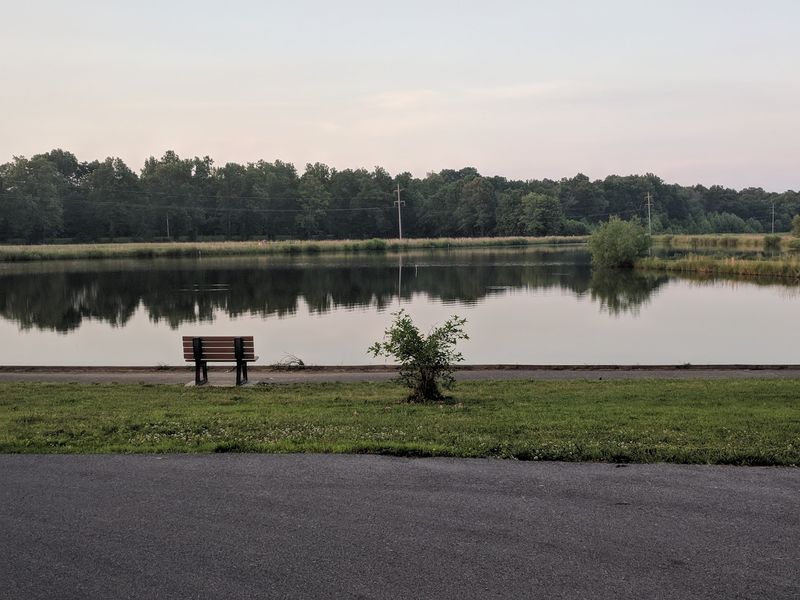
If you have ever wanted to feel completely surrounded by nature, Clarks River National Wildlife Refuge will deliver in every possible way. This place is wild, lush, and teeming with life.
It is also one of the most mosquito-intense environments you will encounter anywhere in western Kentucky, and that is saying something given the competition.
The refuge is built around the East Fork of the Clarks River and covers vast stretches of bottomland hardwood forest, beaver ponds, and wetlands. That combination of slow-moving water, dense tree cover, and seasonal flooding creates a breeding environment that mosquitoes could not design better themselves.
The Asian tiger mosquito is particularly active here during late July and early August, which lines up perfectly with peak summer visitation.
Birdwatchers, photographers, anglers, and hikers all find something to love at this refuge. Spring and summer are prime seasons for spotting nesting songbirds, wildflowers, turkey poults, and amphibians along the trails and waterways.
Paddling the Clarks River is a peaceful and rewarding experience, though you will want to apply repellent generously before launching your kayak. Dawn and dusk visits are stunning but come with the highest insect activity of the day.
Wear long sleeves, tuck in your pants, and embrace the wildness of this incredible spot. The refuge visitor contact station is located at 91 US-641, Benton, KY 42025.
Check open days before visiting.
Mammoth Cave National Park
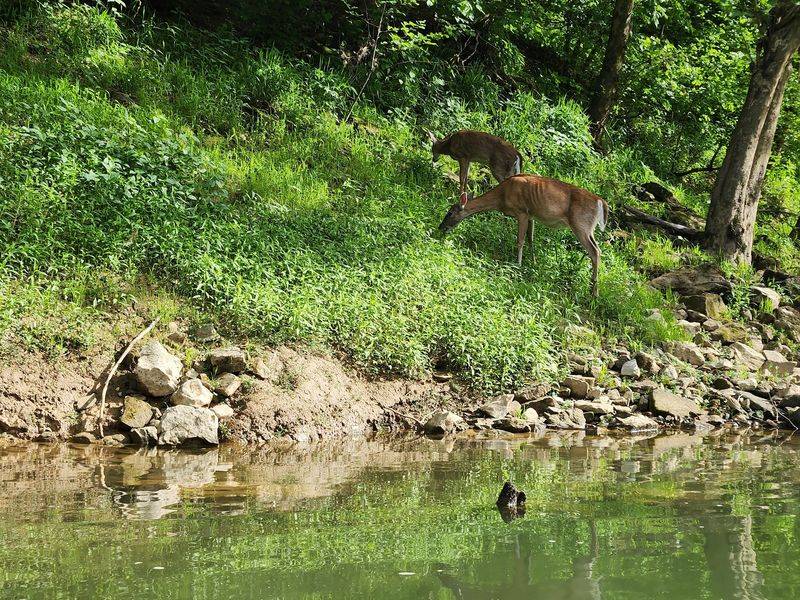
Mammoth Cave is the longest known cave system on Earth, and it draws visitors from around the world every single summer. The cave itself stays cool and comfortable underground, but the surface tells a very different story.
Up top, over 52,000 acres of rolling hills, river valleys, and dense hardwood forest create a mosquito paradise from June through August.
Campers who have stayed at the park’s campgrounds describe the mosquito situation as terrible during peak summer nights. The Green River and Nolin River both flow through the park, adding constant moisture and standing water to an already humid environment.
Dawn and dusk near these rivers can feel like a full-on insect ambush, so plan your outdoor time wisely.
The good news is that Kentucky does not disappoint when it comes to scenery here. Canoeing on the Green River, hiking the backcountry trails, and attending ranger-led programs are all experiences you will remember for years.
The cave tours themselves offer a cool escape from both the heat and the bugs. Just make sure your time above ground is well-protected.
Tuck your pants into your socks, spray up, and enjoy the magic of this national park. Mammoth Cave National Park is located at 1 Mammoth Cave Parkway, Mammoth Cave, KY 42259.
Check the park website for seasonal tour schedules.
Louisville
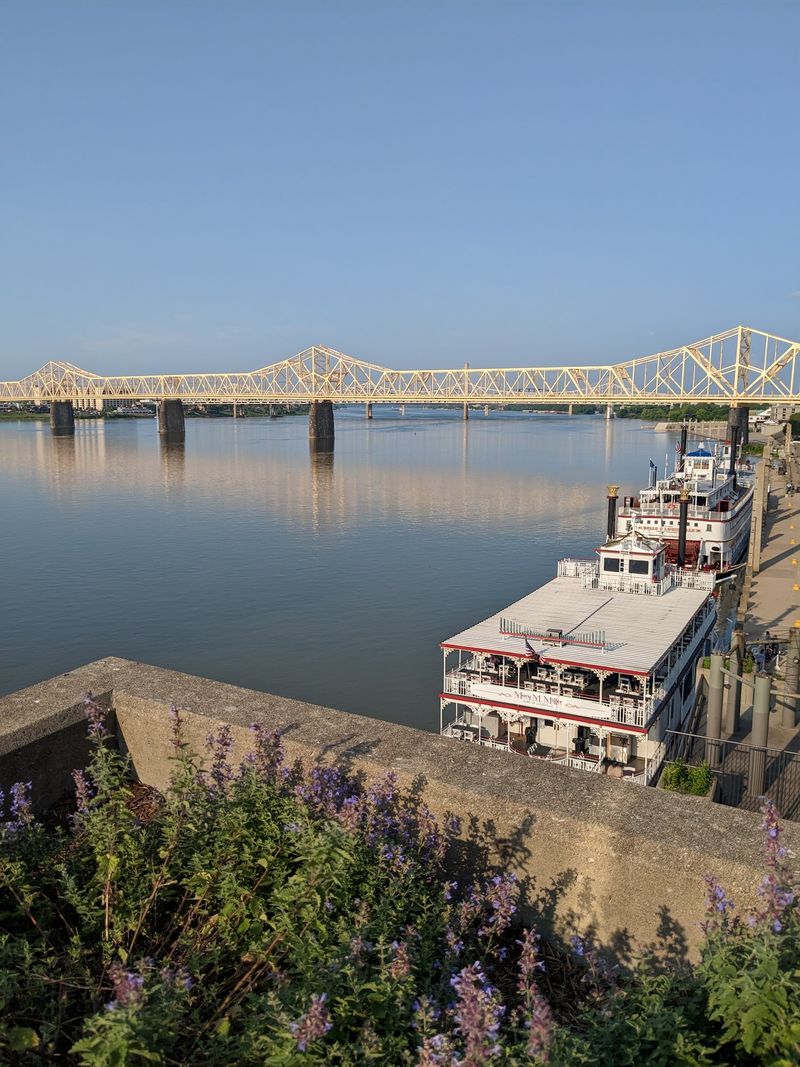
Louisville is a city that knows how to have a good time in the summer. Outdoor festivals, waterfront walks, and beautiful parks draw millions of visitors every year.
But Louisville also holds a less glamorous title: one of the most mosquito-infested cities in the entire country, ranking in the top ten on national pest control lists.
The Ohio River floodplain location is a big part of the problem. Heavy annual rainfall, slow-draining clay soils, and a web of storm drains and catch basins give mosquitoes endless places to breed.
The Asian tiger mosquito, which bites during the day and not just at dusk, has made things even more unpredictable for anyone spending time outside. Health officials actively spray for mosquitoes and monitor for West Nile virus throughout the season.
Popular spots like Waterfront Park, Iroquois Park, and the Parklands of Floyds Fork are beautiful but come with a buzzing side effect on humid summer evenings. Outdoor events and festivals are a huge part of the Louisville experience, and most of them happen right in the thick of mosquito territory.
You absolutely deserve to explore this incredible Kentucky city, just come equipped. Wear light, long-sleeved clothing and apply repellent before you head out.
Louisville, KY is easy to navigate, and most parks post their open days online, so check ahead before visiting.
Murphy’s Pond
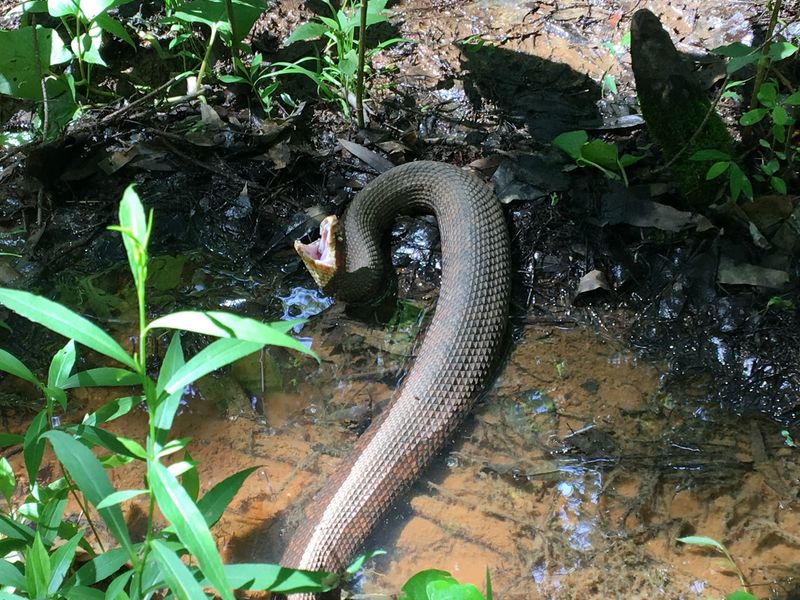
Murphy’s Pond is one of the most ecologically fascinating places in all of Kentucky. Located in Hickman County, this bald cypress swamp is rare, ancient-looking, and completely unlike anything else in the state.
The towering cypress trees rising from still, dark water create an atmosphere that feels almost prehistoric. It is also, without question, one of the most intense mosquito environments you could ever walk into.
The pond is formed by Obion Creek and its tributaries, creating a sprawling swampland with very little open water movement. Still, warm, shallow water rich in decaying organic matter is exactly what mosquitoes need to lay eggs and develop larvae.
The dense tree canopy keeps the air cool and moist all day long, giving adult mosquitoes a perfect place to rest between feedings. Peak biting activity happens from dusk to dawn, but the humidity keeps insects active even during daylight hours in summer.
It is worth knowing that Murphy’s Pond currently requires written permission from Murray State University for access, as it is used for scientific research and field study. Students studying aquatic biology and fisheries use the pond regularly, which speaks to its incredible ecological value.
If you do get the chance to visit through proper channels, the scenery is unlike anything else Kentucky has to offer. Murphy’s Pond is located in Hickman County, KY.
Contact Murray State University for access information and to confirm visiting requirements.